
Industry News
Curation by industry experts
Hot Articles
Popular Tags
Flue Gas Scrubbing Performance: Key Signs Your System Is Undersized
When flue gas scrubbing starts lagging behind real operating loads
Flue gas scrubbing problems rarely begin with an alarm bell. More often, the first signs look minor, inconsistent, and easy to explain away.
A pressure drop shifts during peak firing. Reagent use climbs without cleaner stack results. Mist carryover appears after fuel quality changes.
In heavy industry, that pattern usually means the system is not failing randomly. It may simply be too small for current process reality.
For an intelligence platform shaped by environmental reliability, this matters because undersizing is rarely only a flue gas issue.
It affects corrosion, water balance, waste handling, energy consumption, and the compliance logic linking boilers, kilns, absorbers, and discharge limits.
That is why flue gas scrubbing should be judged within the wider eco-shield system, not as an isolated end-of-pipe accessory.
Actual operating context changes the meaning of the same symptom
The same unstable reading does not mean the same thing in every plant. Context decides whether a sign points to wear, control drift, or true undersizing.
A waste-to-energy line sees rapid fuel swings. A cement kiln sees dust, temperature shifts, and high gas variability. A marine scrubber faces salt, vibration, and space limits.
Even a power plant retrofitted for tighter sulfur limits may outgrow original flue gas scrubbing assumptions without changing the absorber shell.
In practice, the better question is not whether the scrubber once met design values. It is whether it still matches gas volume, contaminant peaks, and operating rhythm.
The earliest signals usually appear in system stability
Undersized flue gas scrubbing often shows up first as unstable operation rather than obvious emissions failure.
- Pressure drop rises sharply during production peaks, then falls back when load eases.
- Liquid-to-gas ratio must be pushed higher just to maintain ordinary removal efficiency.
- Fan load increases because the system is fighting hydraulic or gas-side congestion.
- Demisters foul faster, creating a cycle of washing, carryover, and repeated maintenance.
These are not minor housekeeping issues when they occur together. They often indicate that gas residence time or contact quality is no longer sufficient.
In high-load combustion assets, removal efficiency becomes harder to hold
Large boilers, refinery heaters, and metallurgical furnaces usually reveal undersized flue gas scrubbing during sustained high throughput.
At moderate load, the unit may still pass routine checks. Under prolonged demand, SOx capture falls, outlet opacity worsens, or chloride stress starts climbing.
This happens because the absorber may have been sized for nominal fuel chemistry, not for current fuel blending, debottlenecked firing rates, or new compliance margins.
A common mistake is treating average emissions as proof of adequate capacity. The real test is performance during worst credible operating windows.
Where CBAM pressure and regional air standards tighten together, that margin matters more than before. The stack must stay stable when the process is least cooperative.
What to verify in this setting
- Peak gas flow versus original design flow, not annual average flow.
- Sulfur and halogen spikes from mixed fuels or feedstock changes.
- Absorber approach to flooding during high recirculation demand.
- Interaction with upstream SCR, ESP, or baghouse operating windows.
Waste-to-energy and recovery lines expose another kind of mismatch
In waste recovery systems, flue gas scrubbing rarely deals with a stable feed. That changes how undersizing should be read.
One day the issue is acid gas loading. Another day it is particulate carryover, sticky salts, or fast temperature movement after feed variation.
Here, a scrubber can look adequately sized on paper but still behave as undersized in daily operation because buffering capacity is too thin.
The key sign is not just lower removal efficiency. It is the inability to recover quickly after disturbance without heavy operator intervention.
If reagent dosage, blowdown, and wash frequency all spike after ordinary feed shifts, the system may lack practical resilience.
That matters across ESD’s circular economy lens, because unstable flue gas scrubbing can also destabilize residue quality and downstream recovery economics.
Marine and compact retrofit projects often hide undersizing behind layout constraints
Space-constrained flue gas scrubbing systems deserve a different judgment standard. Compactness often forces compromises in contact area, droplet separation, and maintenance access.
On ships and tight retrofit sites, operators may accept higher velocity through scrubber sections simply to fit within available geometry.
That can work when fuel sulfur, engine loading, and washwater conditions remain close to design assumptions. It becomes risky once those assumptions drift.
Typical warning signs include persistent droplet carryover, plume visibility changes, and repeated nozzle or demister attention after route or fuel changes.
In these projects, “undersized” does not always mean physically small in every dimension. Sometimes the weak point is separator capacity, circulation reserve, or control response time.
Different operating scenes shift the judgment priority
A useful comparison is to look at what each site must protect first. The same flue gas scrubbing symptom can have different consequences.
This comparison matters because a scrubber upgrade that solves one bottleneck can create another if water treatment, solids handling, or draft systems are ignored.
The most common misreads happen outside the absorber itself
One frequent misjudgment is blaming chemistry first. In reality, flue gas scrubbing may be limited by gas distribution, pump reserve, or demister condition.
Another is relying on nameplate capacity after upstream process changes. A debottlenecked furnace can silently turn a once-adequate scrubber into a permanent constraint.
Some sites only track reagent cost and miss the larger signal. Rising lime or alkali use with flat removal performance often points to capacity mismatch, not operator habit.
It is also easy to overlook linked systems. Blowdown handling, slurry dewatering, corrosion allowance, and induced draft fan head can all reveal undersized flue gas scrubbing earlier than stack data.
Checks that prevent expensive misclassification
- Compare current peak duty with the original process basis and later modifications.
- Trend pressure drop, outlet concentration, reagent use, and fan power together.
- Review upset recovery time, not just steady-state compliance snapshots.
- Check whether water, solids, and corrosion systems still support added scrubbing intensity.
How to decide whether optimization is enough or capacity must change
Not every weak scrubber needs a full rebuild. Some flue gas scrubbing issues come from poor distribution, nozzle wear, control lag, or neglected internals.
Still, optimization has limits. If stable compliance depends on constant overfeeding of reagent, excessive recirculation, or high maintenance frequency, the system may be structurally undersized.
A practical way forward is to separate corrective actions into two layers.
- Short-cycle measures: restore distribution, inspect internals, recalibrate controls, and verify gas-side balance.
- Capacity measures: increase contact area, add circulation margin, improve separation stages, or redesign the linked utility systems.
For infrastructure shaped by long asset life, the second layer often deserves earlier evaluation than sites expect.
That is especially true where environmental strategy, carbon-border pressure, and plant expansion plans are moving faster than original equipment assumptions.
A grounded next step is to test fit, not just fault
The useful next move is not to ask whether flue gas scrubbing is good or bad in general. It is to test whether present duty still fits present conditions.
Start with peak gas load, contaminant spikes, hydraulic reserve, and linked utility limits. Then compare those findings against operating windows, not just design brochures.
Where signs point to undersizing, build a scene-based review standard covering performance, maintenance burden, waste streams, and upgrade complexity.
That approach makes flue gas scrubbing decisions more defensible, especially when environmental equipment must serve both compliance and long-term industrial resilience.
Recommended News
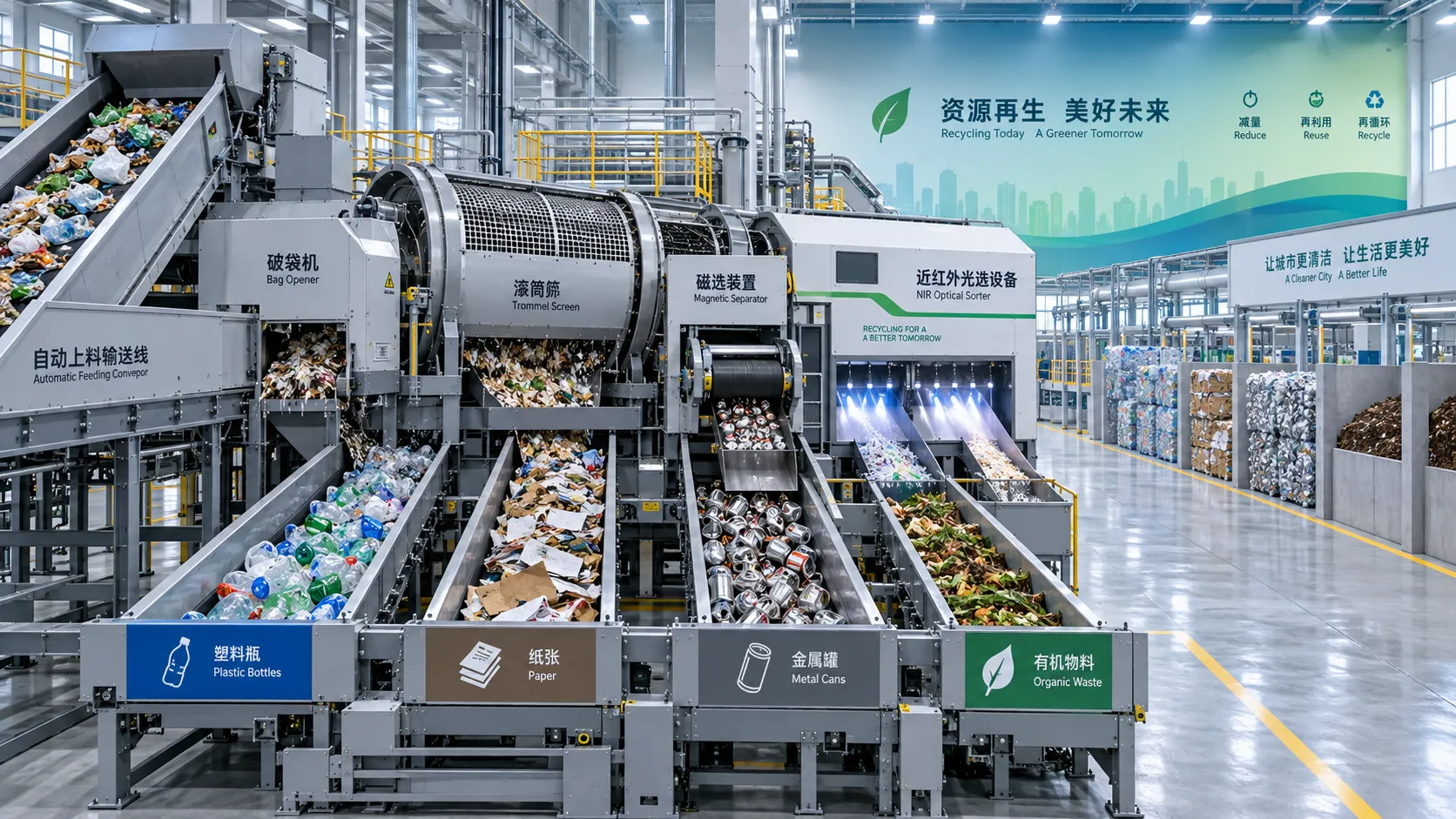
How to choose waste sorting equipment for mixed municipal waste
Waste sorting equipment selection guide for mixed municipal waste: compare technologies, improve recovery, reduce downtime, and build reliable output streams.
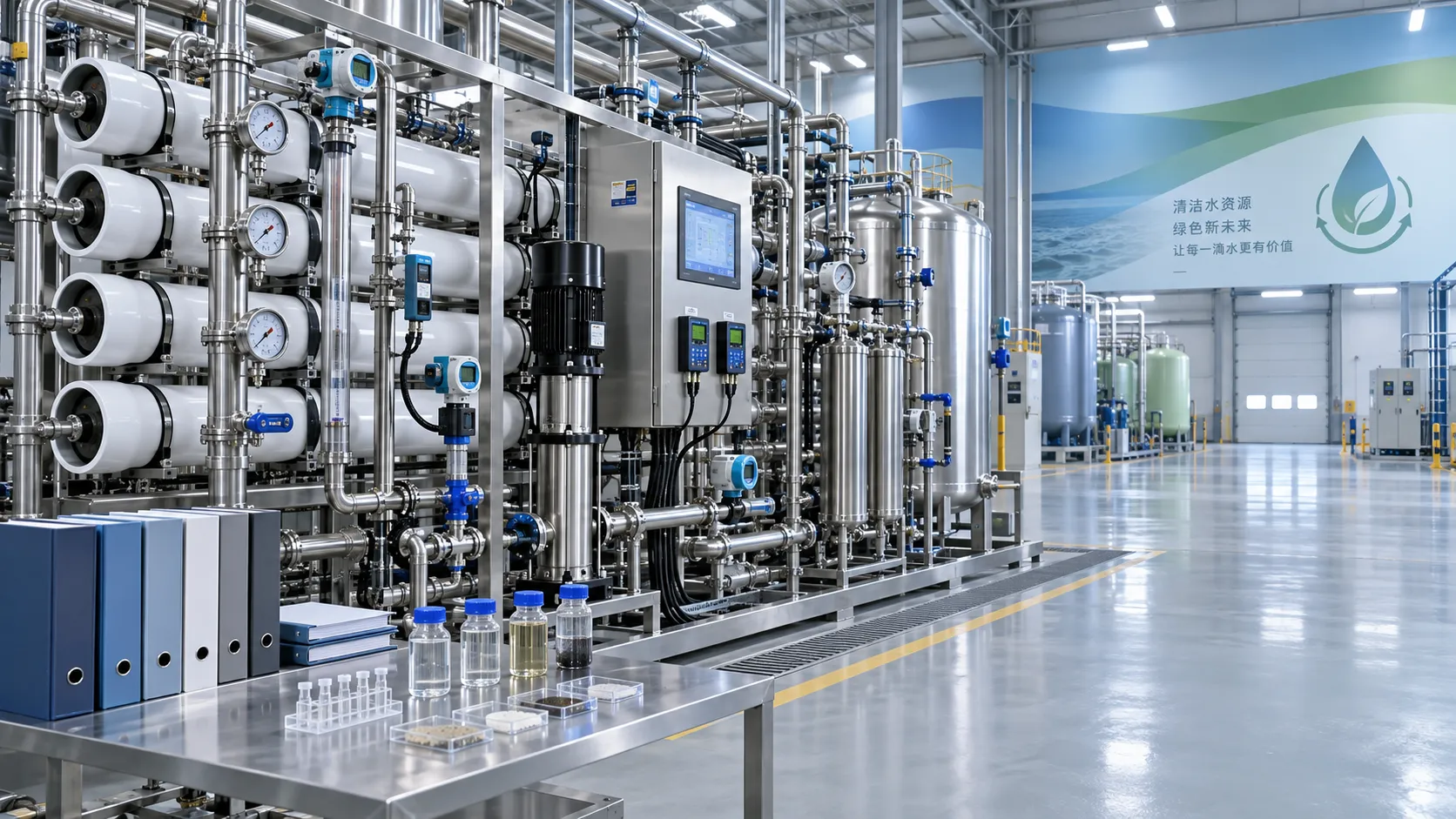
How to verify standards in an environmental equipment directory
environmental equipment directory standards reference: learn to verify certifications, performance evidence, scope, and project fit for confident, compliant equipment selection.
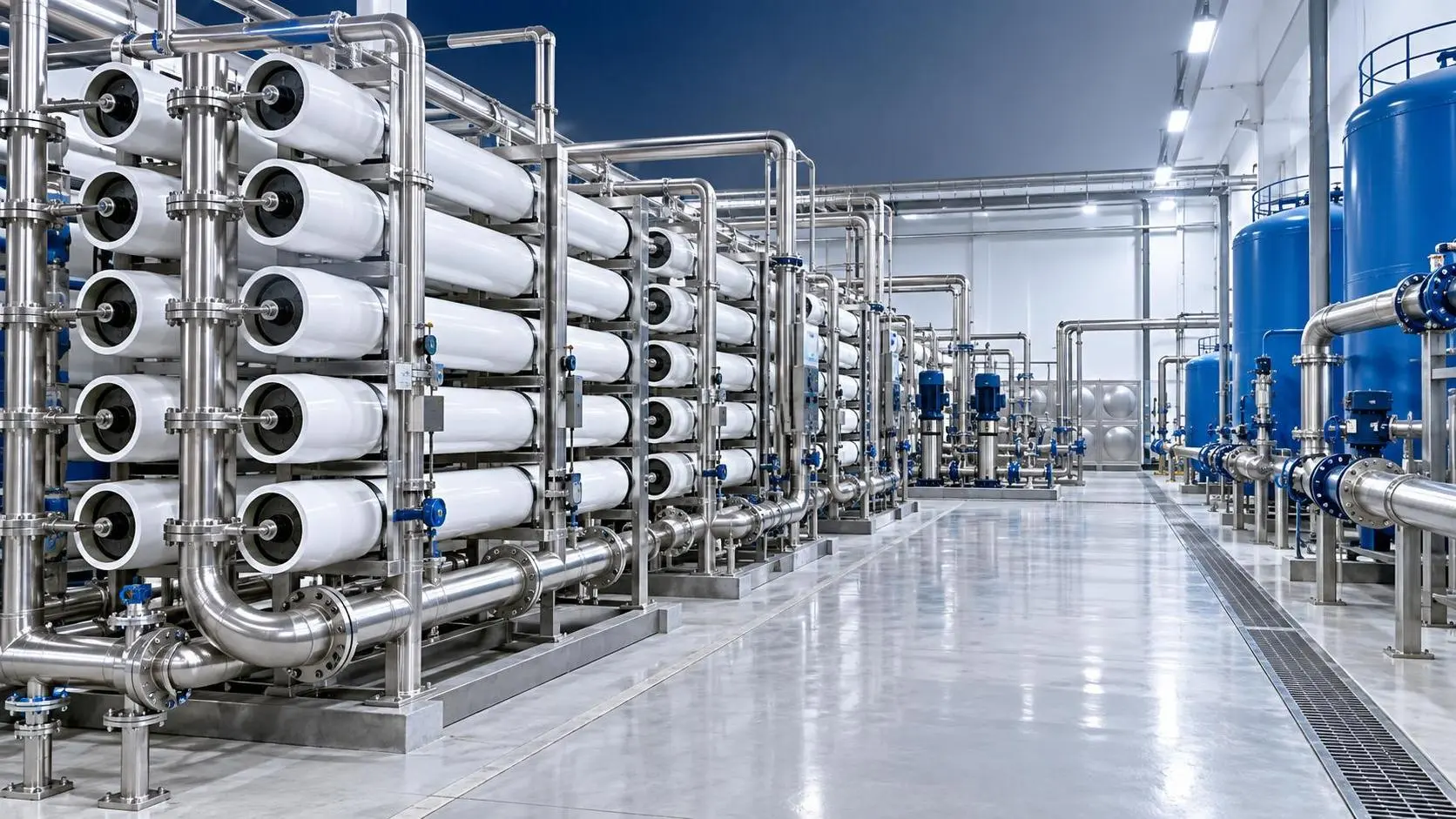
When high flux membrane water treatment justifies a larger footprint
High flux membrane water treatment can justify a larger footprint when variable feedwater, fouling risk, and uptime demands require resilient, lower-flux operation.

RO vs MED desalination: which is more energy-efficient at scale?
Desalination technology comparison: RO vs MED at scale. See how energy use, waste heat, feedwater, carbon, and flexibility determine the best choice.
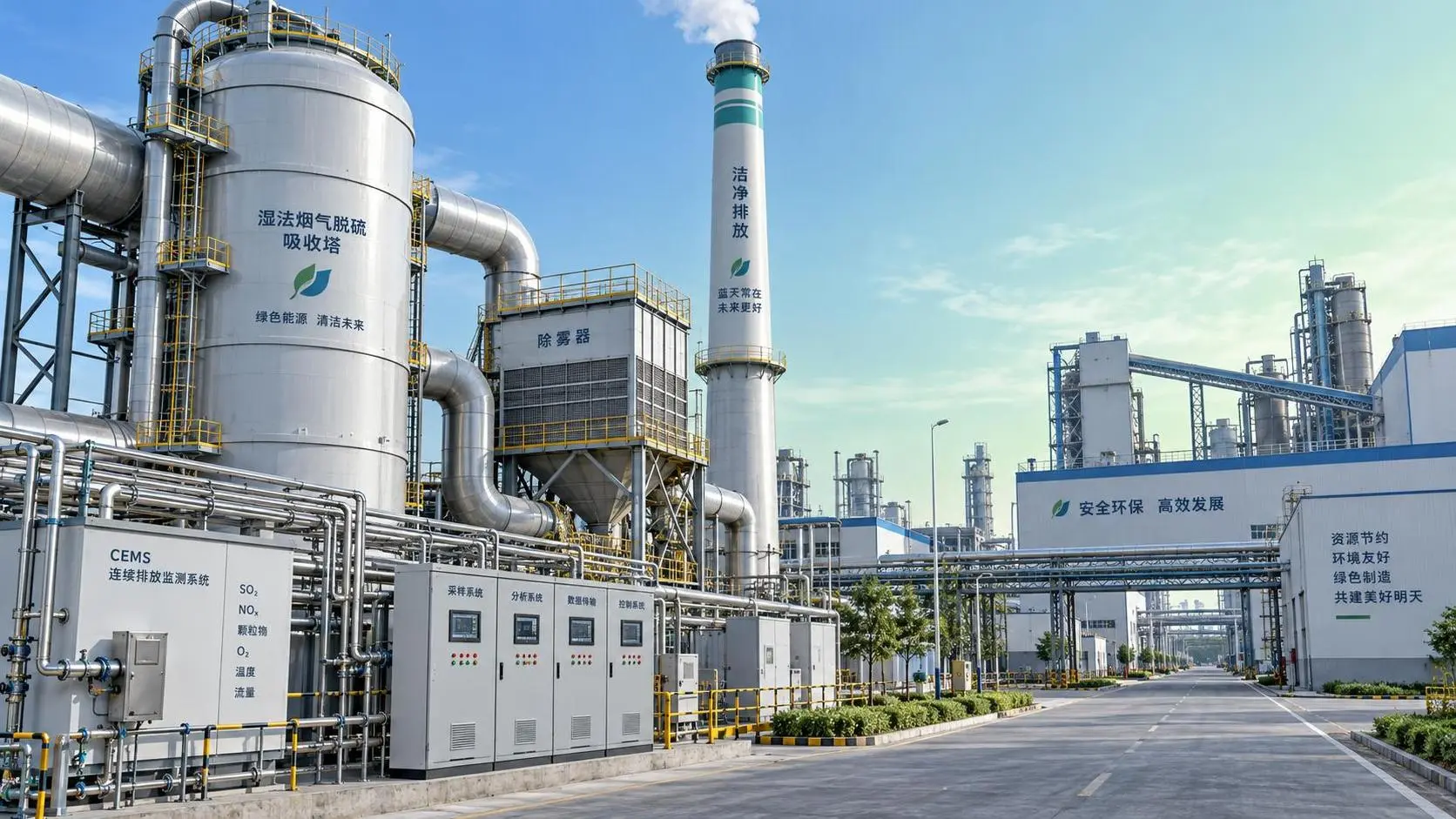
Which ISO standards apply to flue gas treatment systems?
Flue gas treatment systems ISO standards: explore key requirements for emissions testing, CEMS, safety, fabrication, corrosion control, and compliant project evaluation.

When corrosion resistant purification systems are needed for brine treatment
Corrosion resistant purification systems for brine treatment: assess chloride, heat, scaling, materials, and lifecycle reliability for demanding water projects.

How preventive maintenance reduces seawater desalination equipment downtime
Seawater desalination equipment maintenance reduces downtime through proactive monitoring, pretreatment protection, and planned repairs. Explore practical strategies for reliable RO performance.
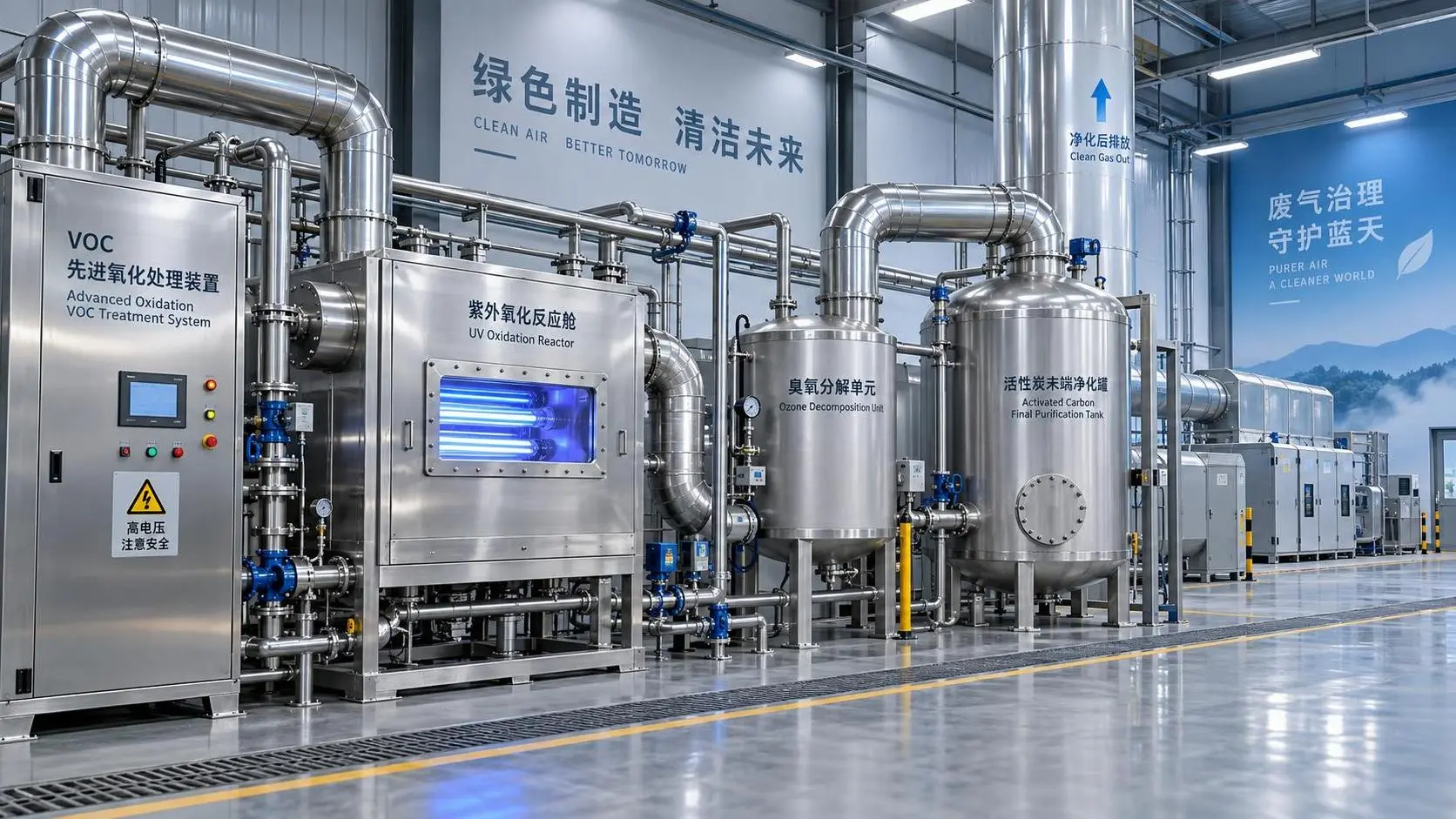
When are advanced oxidation processes the right choice for VOC control?
Advanced oxidation processes for VOC control: learn when AOPs outperform conventional options, manage by-products, and achieve reliable compliance.
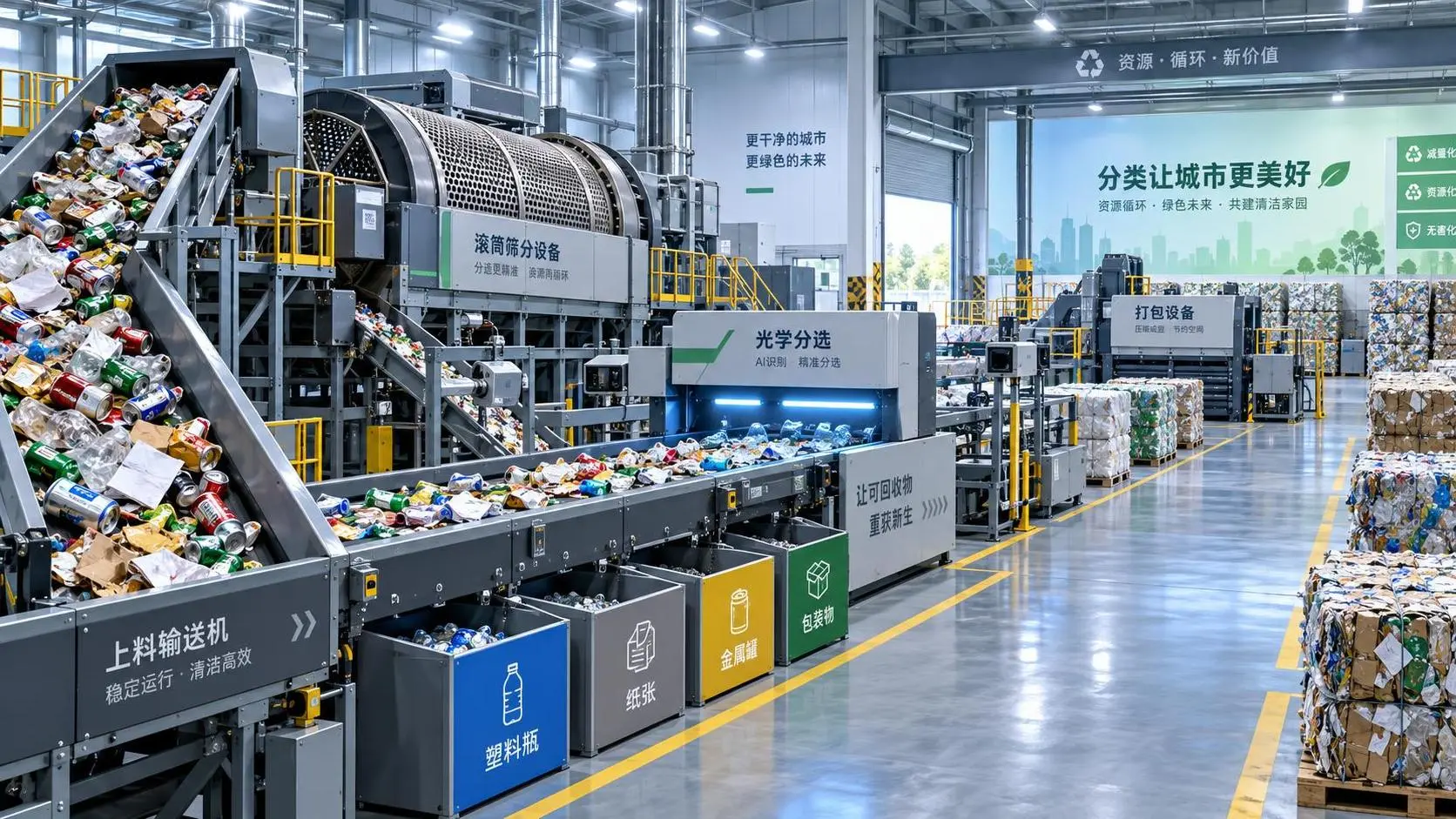
What throughput should municipal waste sorting equipment deliver?
Waste sorting equipment for municipal waste: learn how to set reliable throughput based on peak loads, material quality, uptime, and recovery targets.