
Industry News
Curation by industry experts
Hot Articles
Popular Tags
Environmental Governance Trends Reshaping Industrial Compliance
Environmental governance is no longer a narrow compliance issue managed at the edge of operations. It now shapes investment timing, technology selection, export readiness, and the long-term resilience of industrial assets.
That shift is especially visible in water treatment, waste recovery, flue gas control, desalination, and nuclear waste management, where technical performance is increasingly judged through a regulatory lens.
For industrial organizations, the real challenge is not only meeting today’s permit conditions. It is understanding how environmental governance standards are evolving across carbon policy, traceability, resource efficiency, and operational risk.
This is why intelligence platforms such as ESD have gained relevance. By connecting process-level engineering data with global policy signals, they help translate environmental change into practical business judgment.
Why environmental governance has become a board-level issue
Industrial compliance used to focus on site permits, discharge thresholds, and periodic inspections. That model still matters, but it is no longer enough.
Today, environmental governance extends into financing conditions, cross-border trade rules, public procurement criteria, insurance reviews, and supply chain qualification.
Mechanisms such as CBAM show how carbon accountability can influence market access beyond the factory gate. Similar pressure is emerging around water stress, waste traceability, and hazardous material handling.
In practical terms, compliance is becoming more dynamic. A plant that is technically compliant today may still be commercially exposed if its system design cannot adapt to tighter future standards.
From end-of-pipe control to system intelligence
A useful way to understand modern environmental governance is to see it as a decision framework, not just a legal checklist.
It brings together regulatory obligations, process reliability, resource recovery potential, lifecycle emissions, and data transparency. The strongest operators now design around all of these variables at once.
This explains why high-end equipment selection matters more than before. A membrane, scrubber, pyrolysis line, or vitrification process is no longer evaluated only by output efficiency.
It is also judged by how well it supports auditability, future retrofits, emissions reporting, and regulatory confidence under changing conditions.
ESD’s focus on the “Ecological Immune System” is useful here. It frames industrial assets as interconnected defenses that must remain technically precise and strategically adaptable.
The trends now reshaping industrial compliance
1. Stricter discharge and resource recovery expectations
Water governance is moving beyond pollutant reduction alone. Regulators increasingly ask how facilities minimize freshwater intake, recover usable byproducts, and reduce liquid waste intensity.
That is why Zero Liquid Discharge and advanced wastewater polishing attract sustained attention. They answer both compliance and resource security concerns.
2. Waste is being reclassified as a strategic resource stream
Environmental governance increasingly favors closed-loop models. Solid waste systems are expected to demonstrate sorting accuracy, material recovery value, and lower secondary pollution risks.
AI-assisted sorting and thermal conversion technologies gain traction because they align compliance with circular economy economics.
3. Air emissions control is becoming more performance-specific
Flue gas treatment standards are tightening around real operating conditions, not ideal lab assumptions. Low-temperature catalyst performance, sulfur capture stability, and continuous monitoring now matter more.
This raises the value of equipment intelligence, because underperformance in variable conditions quickly becomes a compliance risk.
4. Desalination is entering mainstream compliance discussions
Heavy seawater desalination used to sit mostly in water supply planning. Now it is tied to industrial permitting, regional resilience, and energy-water-carbon tradeoffs.
The environmental governance question is not simply whether desalination works. It is whether the system can justify energy intensity, brine management, and long-term reliability.
5. Nuclear waste controls are raising the standard for absolute risk management
Few fields show the seriousness of environmental governance more clearly than nuclear waste management. Here, compliance is inseparable from containment integrity, monitoring confidence, and public legitimacy.
Advanced vitrification, storage stability, and long-duration safety logic are no longer niche technical issues. They shape the credibility of the entire clean energy value chain.
How these trends affect capital planning and operations
The most important shift is financial. Environmental governance now changes the economics of industrial investment before construction begins.
When standards move quickly, low-cost systems may create expensive retrofits, permit delays, or weak lifecycle performance. A technically acceptable project can become strategically fragile.
This is why many organizations are rethinking how they compare environmental technologies. They are asking not only what meets current rules, but what remains defensible over the next five to ten years.
Operationally, the same pattern applies. Compliance teams, process engineers, and commercial planners can no longer work in isolation if environmental governance risk is rising across multiple jurisdictions.
Where industrial organizations should look more closely
Not every signal deserves the same level of attention. The most useful review points are the ones that reveal whether a system can absorb regulatory change without major disruption.
- Check whether treatment or recovery equipment can maintain performance under stricter thresholds, variable feed conditions, and longer audit trails.
- Review data quality, especially where monitoring supports permit defense, carbon reporting, or cross-border declarations.
- Assess whether closed-loop opportunities can offset compliance costs through recovered materials, water reuse, or lower waste liabilities.
- Map exposure to policy shifts such as CBAM, hazardous waste reforms, or local water scarcity rules.
- Compare technologies by retrofit flexibility, not only by nameplate efficiency or purchase price.
This is also where strategic intelligence becomes valuable. ESD’s approach of combining policy iteration, deep technical analysis, and commercial signals helps reduce blind spots between engineering and compliance planning.
What stronger environmental governance looks like in practice
A strong response does not always begin with a large capital project. Often, it begins with a clearer operating logic.
That means ranking environmental assets by regulatory sensitivity, identifying process bottlenecks, and separating near-term compliance fixes from long-horizon infrastructure upgrades.
In water-intensive sectors, the next step may be benchmarking reuse rates and ZLD feasibility. In waste-heavy operations, it may be tracing where disposal assumptions hide missed recovery value.
For emissions-intensive sites, the more relevant question may be whether control systems perform consistently across load swings and fuel variability. For desalination and nuclear assets, governance strength depends on reliability over long operating cycles.
Across all of these cases, environmental governance works best when technical detail is translated into strategic timing. That is the difference between reacting to pressure and planning ahead of it.
A practical next step
Industrial compliance is being reshaped by forces that are technical, regulatory, and commercial at the same time. Treating them separately creates unnecessary risk.
A more useful next step is to review environmental governance exposure across core asset categories, then compare that exposure against likely policy and market changes.
That review should cover treatment depth, recovery potential, emissions performance, reporting confidence, and retrofit readiness. Once those points are visible, investment priorities become easier to defend.
In a more regulated industrial landscape, the organizations that move well are not simply the ones with compliant equipment. They are the ones that understand how compliance trends are redefining the value of every environmental system they operate.
Recommended News
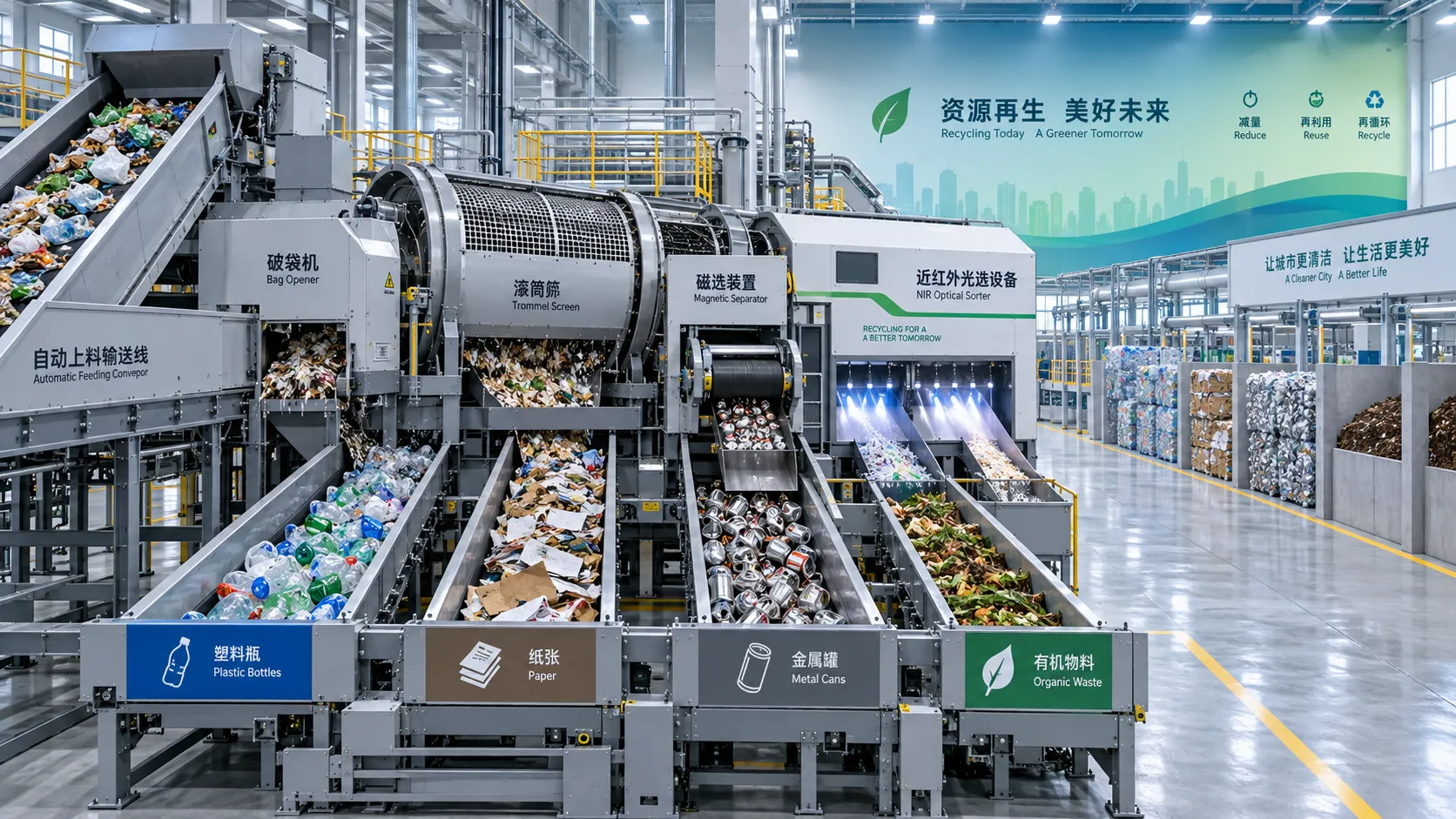
How to choose waste sorting equipment for mixed municipal waste
Waste sorting equipment selection guide for mixed municipal waste: compare technologies, improve recovery, reduce downtime, and build reliable output streams.
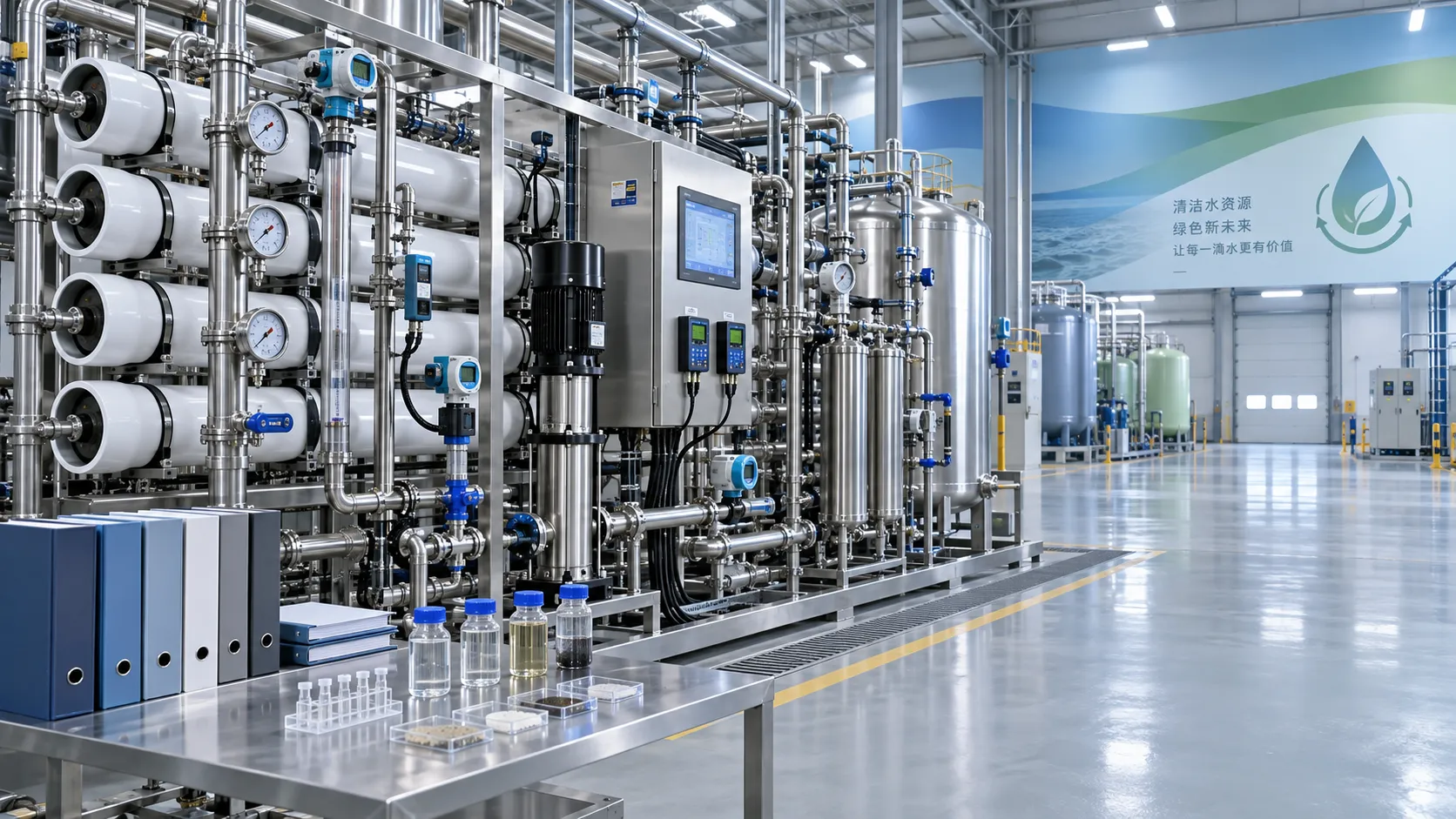
How to verify standards in an environmental equipment directory
environmental equipment directory standards reference: learn to verify certifications, performance evidence, scope, and project fit for confident, compliant equipment selection.
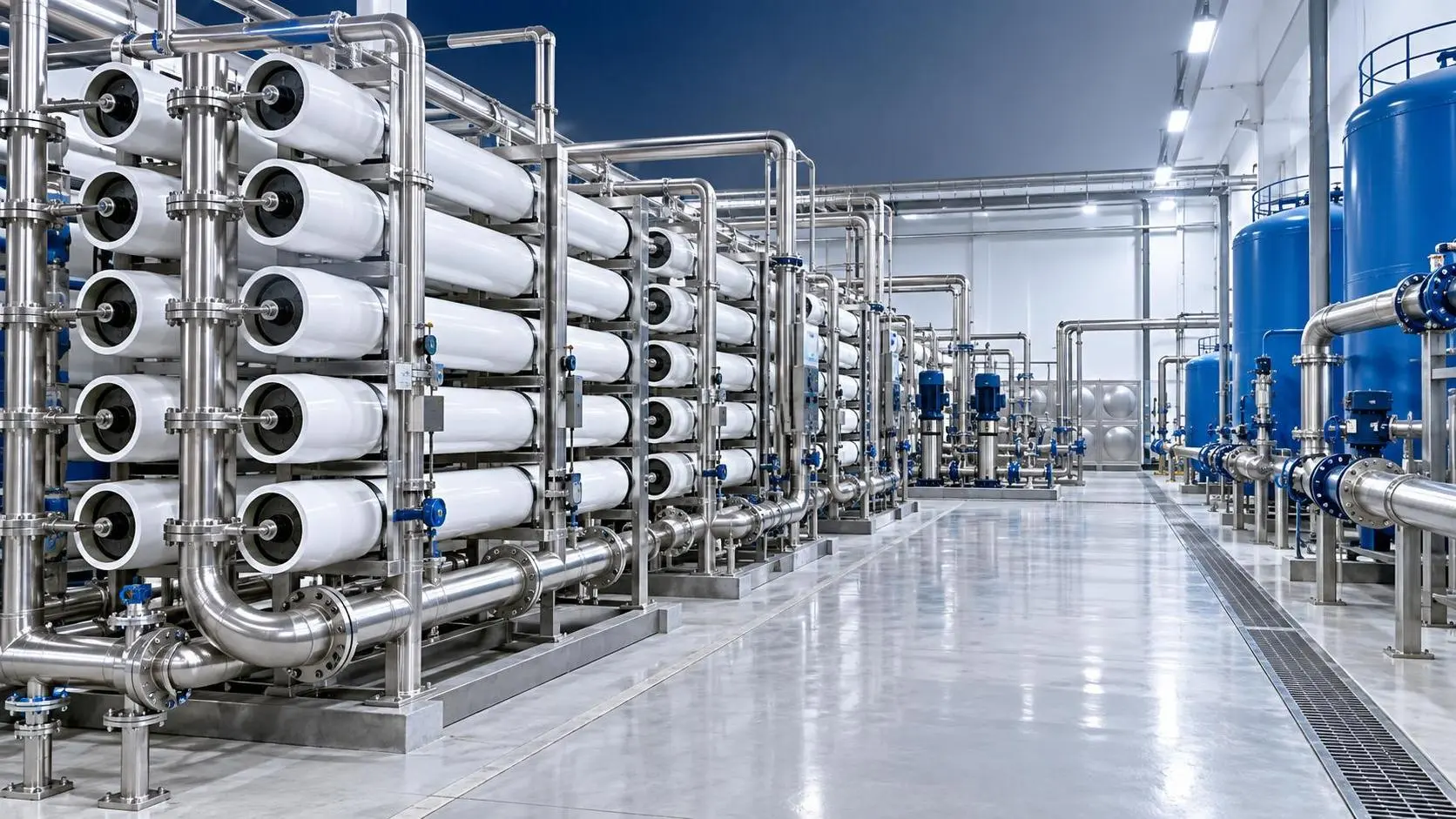
When high flux membrane water treatment justifies a larger footprint
High flux membrane water treatment can justify a larger footprint when variable feedwater, fouling risk, and uptime demands require resilient, lower-flux operation.
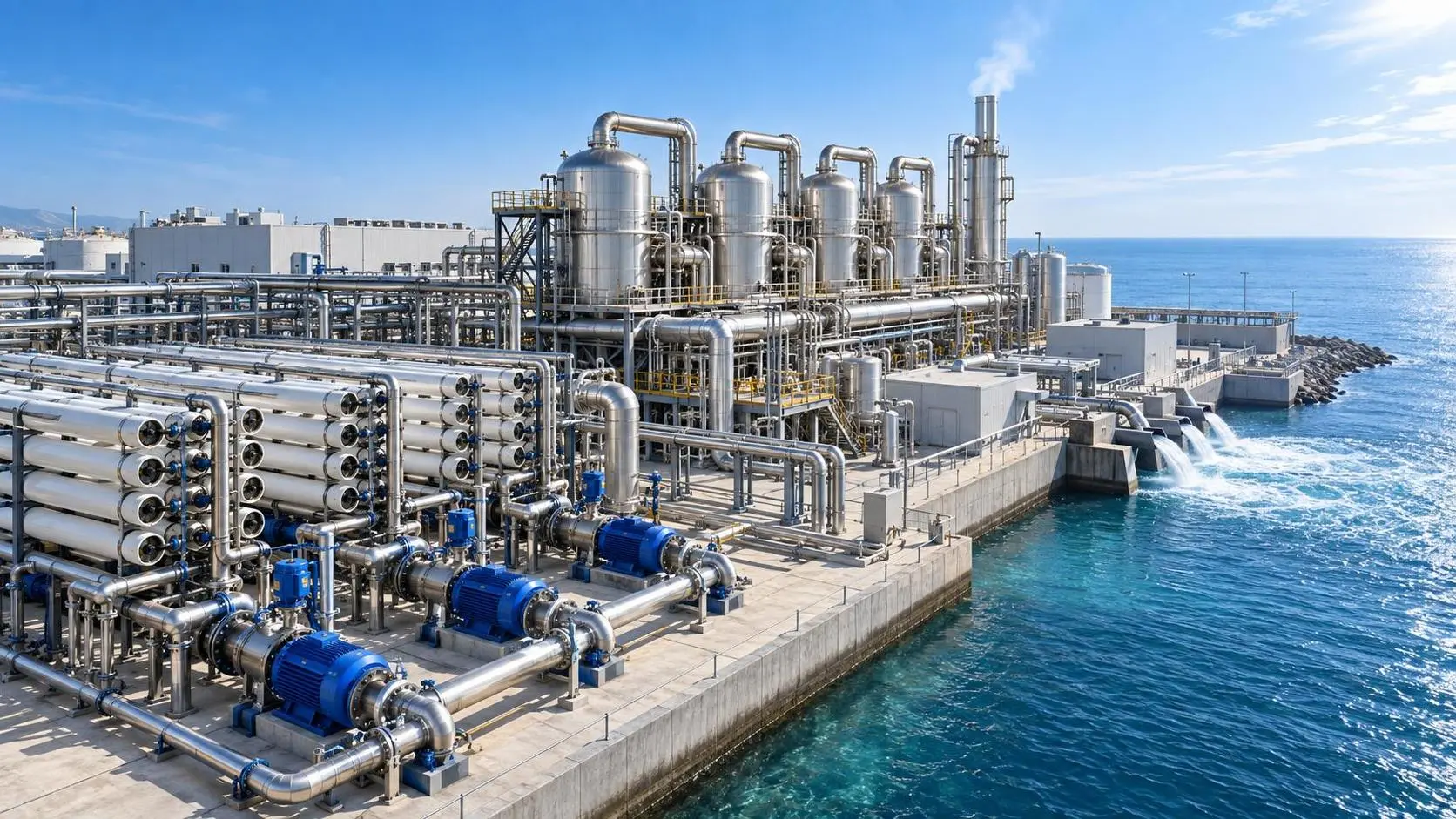
RO vs MED desalination: which is more energy-efficient at scale?
Desalination technology comparison: RO vs MED at scale. See how energy use, waste heat, feedwater, carbon, and flexibility determine the best choice.
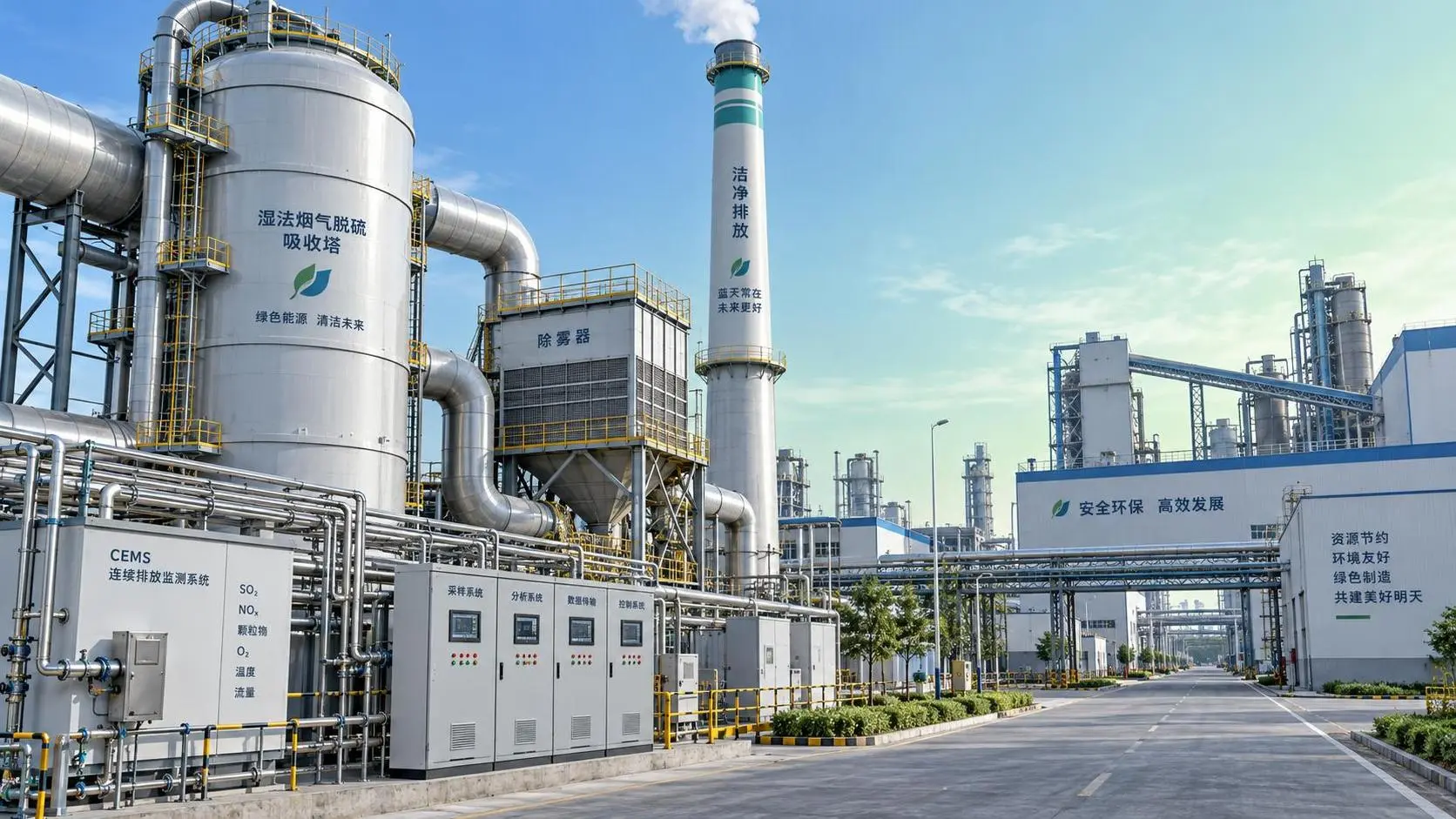
Which ISO standards apply to flue gas treatment systems?
Flue gas treatment systems ISO standards: explore key requirements for emissions testing, CEMS, safety, fabrication, corrosion control, and compliant project evaluation.

When corrosion resistant purification systems are needed for brine treatment
Corrosion resistant purification systems for brine treatment: assess chloride, heat, scaling, materials, and lifecycle reliability for demanding water projects.

How preventive maintenance reduces seawater desalination equipment downtime
Seawater desalination equipment maintenance reduces downtime through proactive monitoring, pretreatment protection, and planned repairs. Explore practical strategies for reliable RO performance.
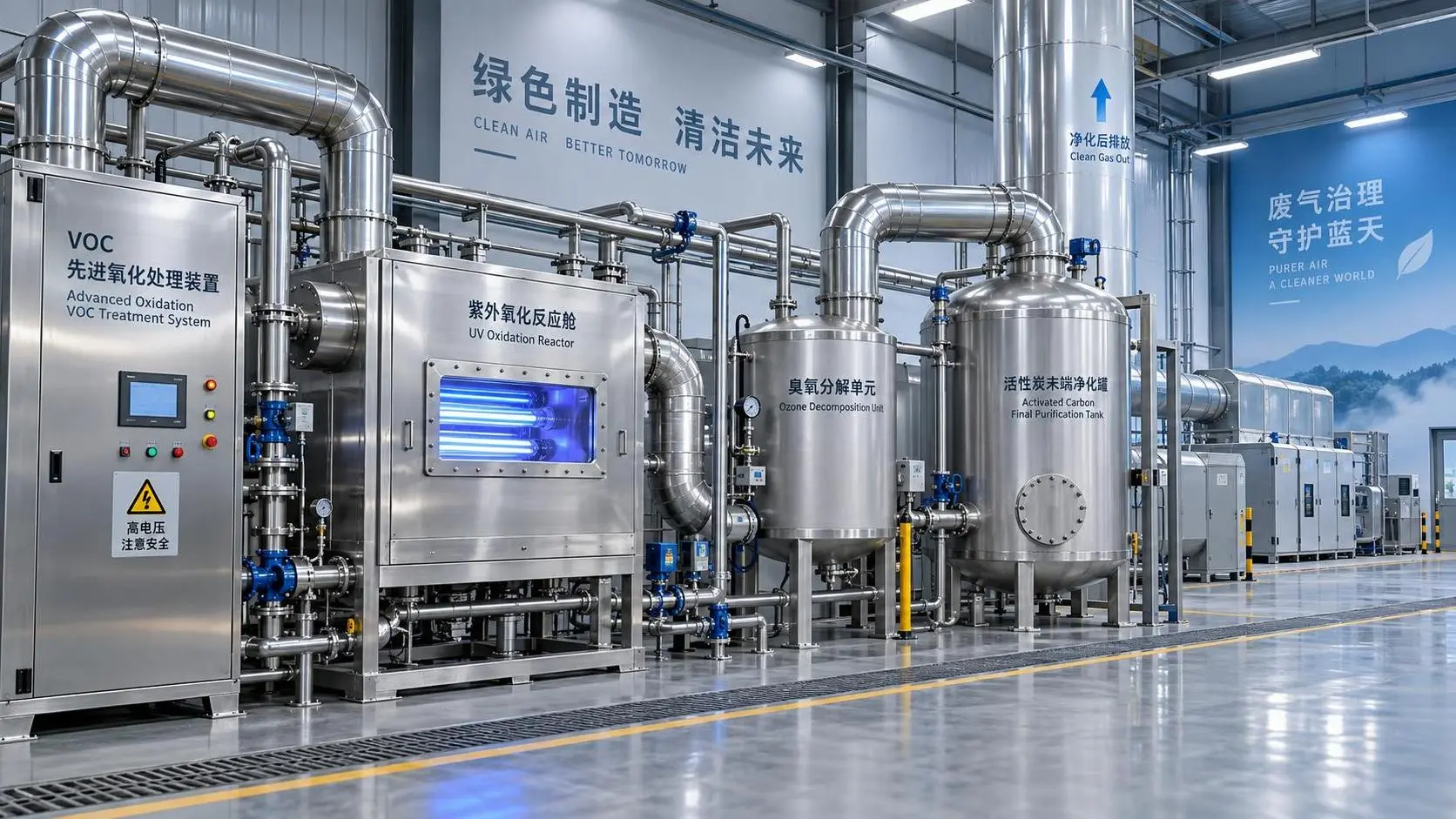
When are advanced oxidation processes the right choice for VOC control?
Advanced oxidation processes for VOC control: learn when AOPs outperform conventional options, manage by-products, and achieve reliable compliance.
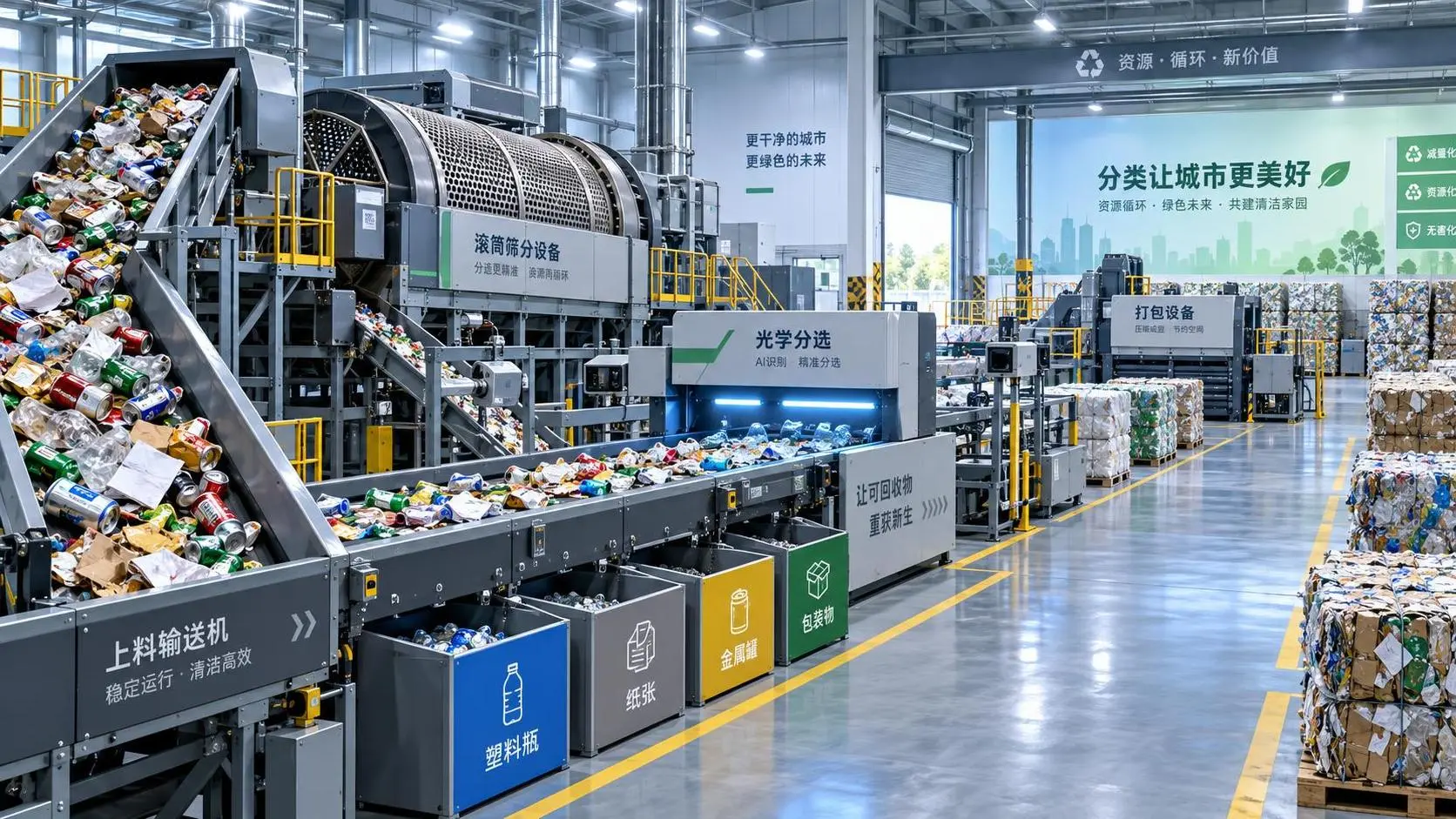
What throughput should municipal waste sorting equipment deliver?
Waste sorting equipment for municipal waste: learn how to set reliable throughput based on peak loads, material quality, uptime, and recovery targets.