
Industry News
Curation by industry experts
Hot Articles
Popular Tags
Water Treatment Solution Comparison: Cost, Performance, and Supplier Fit
Water Treatment Solution Comparison: Cost, Performance, and Supplier Fit
Choosing the right water treatment system is no longer just a technical decision—it is a procurement strategy shaped by lifecycle cost, treatment performance, compliance risk, and supplier capability. This water treatment solution comparison supplier guide helps buyers evaluate technologies and vendors with greater confidence, whether sourcing for industrial wastewater, municipal reuse, desalination, or advanced recovery projects in an increasingly demanding global environmental market.
If you are buying for a real plant, the fastest way to make a bad decision is to compare proposals line by line without fixing the basis of comparison. A membrane system, clarifier train, evaporator package, or reuse skid can all look competitive on day one if the assumptions are loose enough. Good procurement starts earlier: define the feedwater, define the discharge or reuse target, define the uptime expectation, and only then compare suppliers.
Start with the water, not the brochure
A surprising number of selection problems begin with incomplete influent data. One composite sample is rarely enough for an industrial project. Seasonal swings, batch discharges, cleaning chemicals, temperature changes, and trace contaminants can all reshape system performance. Before comparing technologies, check whether you actually have a usable water profile:
- Flow range, not just average flow
- pH, TSS, TDS, COD/BOD where relevant
- Hardness, silica, oil and grease, ammonia, nitrates, chlorides, sulfates
- Heavy metals or regulated contaminants where applicable
- Temperature and variability by shift, season, or production cycle
- Any upset conditions the supplier must design around
When a vendor says, “the system can handle variable feed,” ask how much variability was included in the design basis. That answer matters more than the claim itself.
Do not compare technologies before fixing the end target
“Treated water” is too vague to buy against. Are you trying to meet local discharge consent, boiler makeup quality, cooling tower reuse, irrigation reuse, ultrapure feed, or Zero Liquid Discharge? The answer changes everything. A lower-cost biological plus filtration package may be enough for one site and completely wrong for another that needs RO polish, brine concentration, or advanced oxidation.
For desalination and high-recovery reuse projects, recovery rate alone is a weak decision metric. Push recovery too hard without managing fouling and scaling risk, and OPEX starts climbing through CIP frequency, membrane replacement, energy use, and downtime. Buyers who only chase headline recovery figures often end up paying for it later.
Use total cost, not equipment price, as your real comparison table
This is where many tenders get distorted. A lower CAPEX offer may rely on higher chemical consumption, shorter media or membrane life, more operator intervention, or weaker redundancy. A credible water treatment solution comparison should include at least these cost buckets over the expected operating horizon:
If one supplier is materially cheaper, check what they left out. Instrumentation, redundancy, sludge dewatering, clean-in-place packages, commissioning support, and operator training are common omissions.
Performance guarantees need to be written tightly
A guarantee that only applies under narrow feed conditions is not much of a guarantee. Ask suppliers to tie performance to clear boundary conditions: influent range, temperature, operating hours, pretreatment quality, and maintenance regime. If pilot testing was used, confirm whether the pilot feed actually matched your site conditions.
For higher-risk projects such as industrial wastewater reuse, seawater desalination pretreatment, or ZLD trains, buyers should pay attention to what is excluded from warranty language. Fouling, corrosion, biological upset, feed excursions, and scaling are often pushed back onto the owner unless responsibilities are defined carefully.
Check the supplier fit, not just the technology fit
This is where experienced buyers separate polished sales teams from dependable project partners. A supplier guide for water treatment should always include operational fit. Ask questions that expose whether the vendor can actually deliver in your geography, your compliance environment, and your project scale.
- Have they supplied similar water matrices, not just the same equipment type?
- Can they support local installation, commissioning, and after-sales service?
- Do they rely heavily on third-party skids, controls, or consumables?
- How exposed are they to long lead items or cross-border supply chain delays?
- Will process guarantees and service obligations come from the actual integrator, or be split across multiple firms?
The last point matters more than many procurement teams expect. When pretreatment, membrane trains, evaporation, controls, and sludge handling come from different parties, troubleshooting can turn into a blame circle very quickly.
Compliance is not a side note
A system that meets the process target but complicates permitting, chemical handling, residual disposal, or reporting is not a clean procurement win. The applicable standards depend on market and application, so this part must be verified against local project requirements. For municipal and industrial tenders, buyers should confirm which discharge permits, water reuse rules, materials requirements, electrical codes, and health and safety obligations apply. Specific certifications or approvals should be requested only where actually required; otherwise they become noise.
Be cautious with any broad claim such as “globally compliant” or “meets all international standards.” That wording is too loose to be useful. Ask for the exact standards, edition, scope, and responsible entity. If the answer stays vague, mark it 【待核实】 in your evaluation notes and move on carefully.
Do not skip operability and maintainability
Plenty of systems perform well on paper and become painful in the plant. Buyers should walk through the operator experience before award. How often do filters need intervention? Is CIP automated or manual? Are critical instruments easy to calibrate? Can major components be accessed without tearing apart the skid? What happens at 2 a.m. when conductivity drifts or a dosing pump fails?
A simpler system with slightly lower theoretical efficiency can be the better buy if the site has limited technical staff. This is especially true in remote industrial facilities, emerging-market municipal projects, and multi-utility plants where water treatment competes for attention with core production assets.
Pilot data helps, but only if the pilot is honest
Pilot trials are useful for difficult wastewater, high-salinity reuse, and novel treatment trains. But pilot results are often oversimplified in proposal decks. Check the duration, the feedwater stability, the cleaning events, and the failure periods. A short pilot run on unusually clean feed tells you very little about long-term fouling behavior.
If no pilot is available, that does not automatically disqualify a supplier. It does mean you should tighten assumptions, contingency allowances, and acceptance testing.
Use a practical scorecard during bid review
A weighted scorecard keeps decision-making grounded when internal stakeholders pull in different directions. Keep it simple enough that people will actually use it.
- Technical compliance against the real water matrix and end-use target
- Lifecycle cost, including consumables and residual handling
- Delivery confidence, including lead time and supply chain exposure
- Service capability and spare parts access in the target market
- Contract clarity around guarantees, exclusions, and acceptance testing
- Operational fit with your staffing, utilities, and control philosophy
Do not overweight upfront price unless the application is genuinely low-risk and easy to replace. In most large-scale water treatment projects, replacement and failure cost far more than the original commercial delta.
Common procurement mistakes that keep repeating
A few patterns show up again and again:
- Comparing bids with different design recoveries, different redundancy, and different automation scope
- Accepting “equivalent” consumables without confirming replacement intervals and warranty impact
- Treating sludge, brine, or concentrate disposal as someone else’s problem
- Assuming references from clean water projects translate directly to difficult industrial wastewater
- Leaving training, startup chemicals, and performance testing outside the contract
None of these mistakes are exotic. They usually happen because the team is rushing toward award before the basis is stable.
What a buyer should have ready before final negotiations
Before you pick a preferred vendor, make sure the internal file is strong enough to survive technical review, commercial review, and later operational scrutiny. At minimum, have a locked design basis, a normalized commercial comparison, a list of supplier deviations, a draft acceptance test method, and a clear view of who owns interfaces to civil works, power, chemical systems, automation, and waste handling.
That is the point of a useful water treatment solution comparison supplier guide. Not keyword coverage. Not a polished matrix with fake precision. The real job is to make sure the system you buy still makes sense after six months of operation, after feedwater drifts, after the first maintenance shutdown, and after the regulator asks harder questions than the sales presentation did.
If you remember one thing, let it be this: buy against verified conditions, compare on lifecycle impact, and test whether the supplier can carry the project when the easy part is over. That is usually where the right choice becomes obvious.
Recommended News
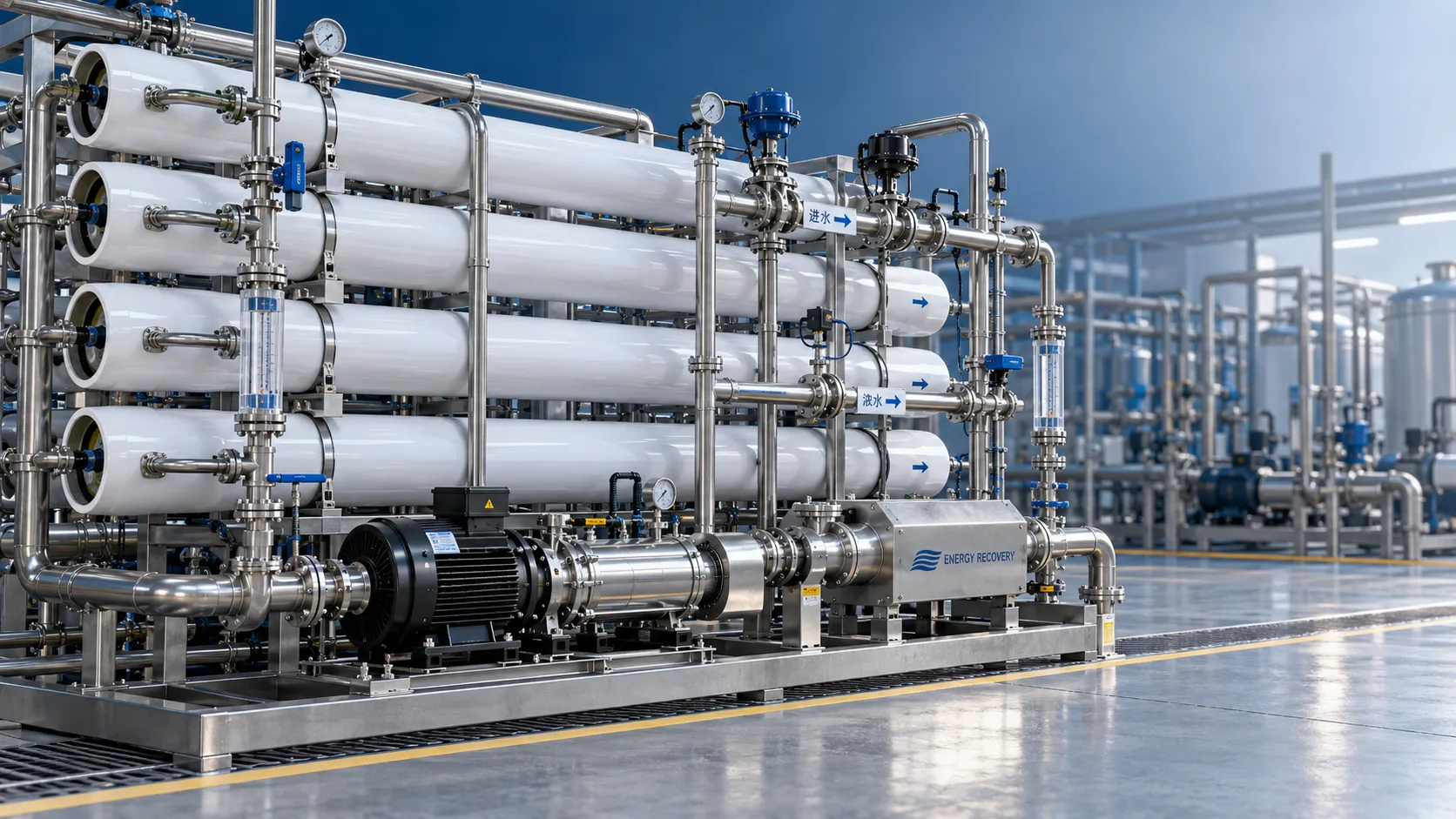
How to set recovery rates in seawater reverse osmosis system design
Explore seawater desalination systems engineering: learn to set SWRO recovery rates that balance energy, scaling risks, and water quality for reliable, cost-effective operation.
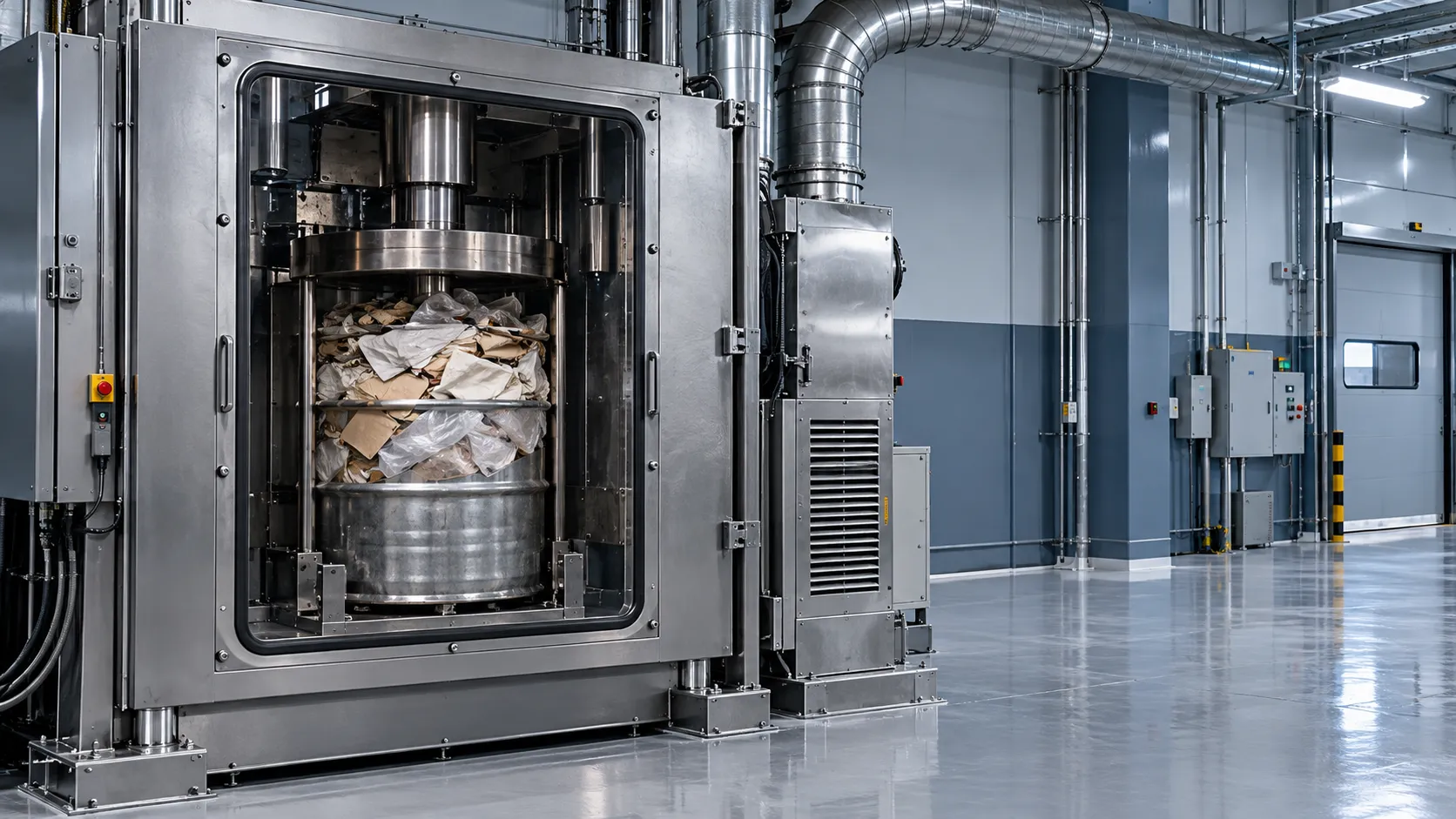
When is compaction suitable for solid nuclear waste treatment?
Is compaction right for solid nuclear waste treatment? Discover suitable waste streams, key safety checks, and disposal requirements to reduce package volume and optimize costs.
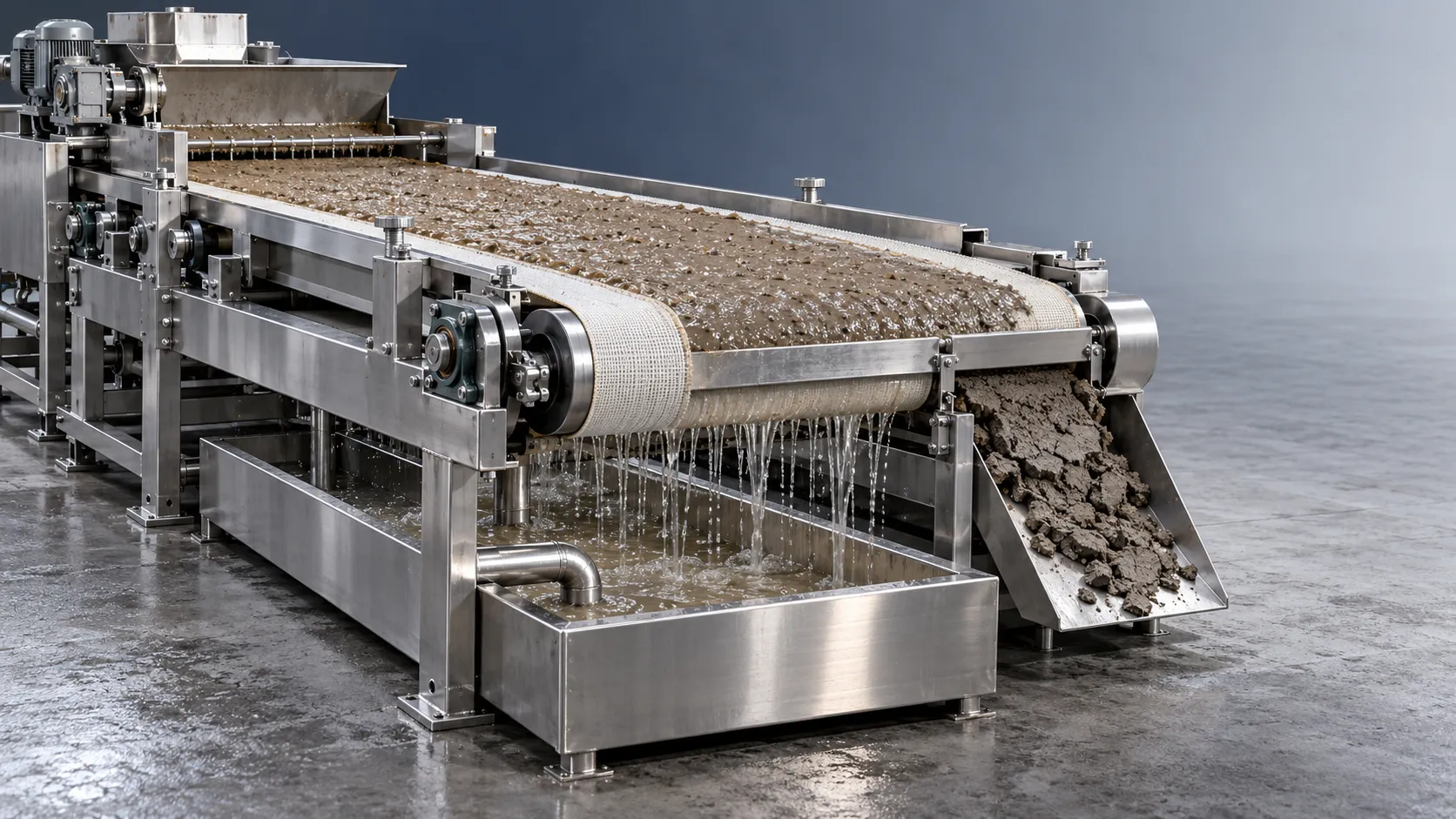
How solids concentration affects dewatering in waste recovery systems
Optimize waste recovery systems dewatering with insights on solids concentration. Learn to balance throughput, cake dryness, and solids capture while avoiding costly equipment overloads.
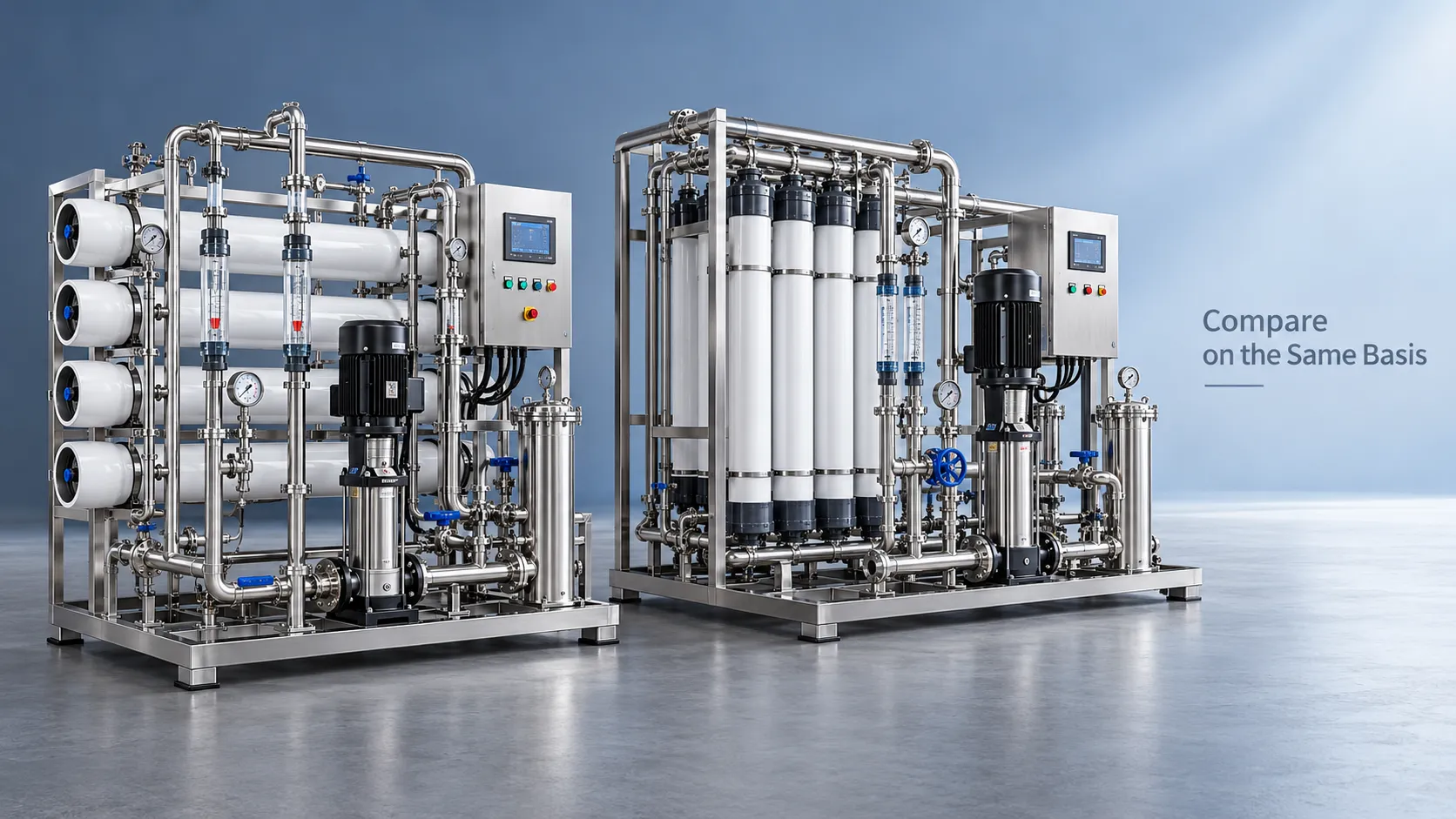
How to compare technical specs in an environmental equipment directory
Use this environmental equipment directory technical guide to compare capacity, energy use, compliance, and supplier evidence. Build a defensible shortlist and choose with confidence.
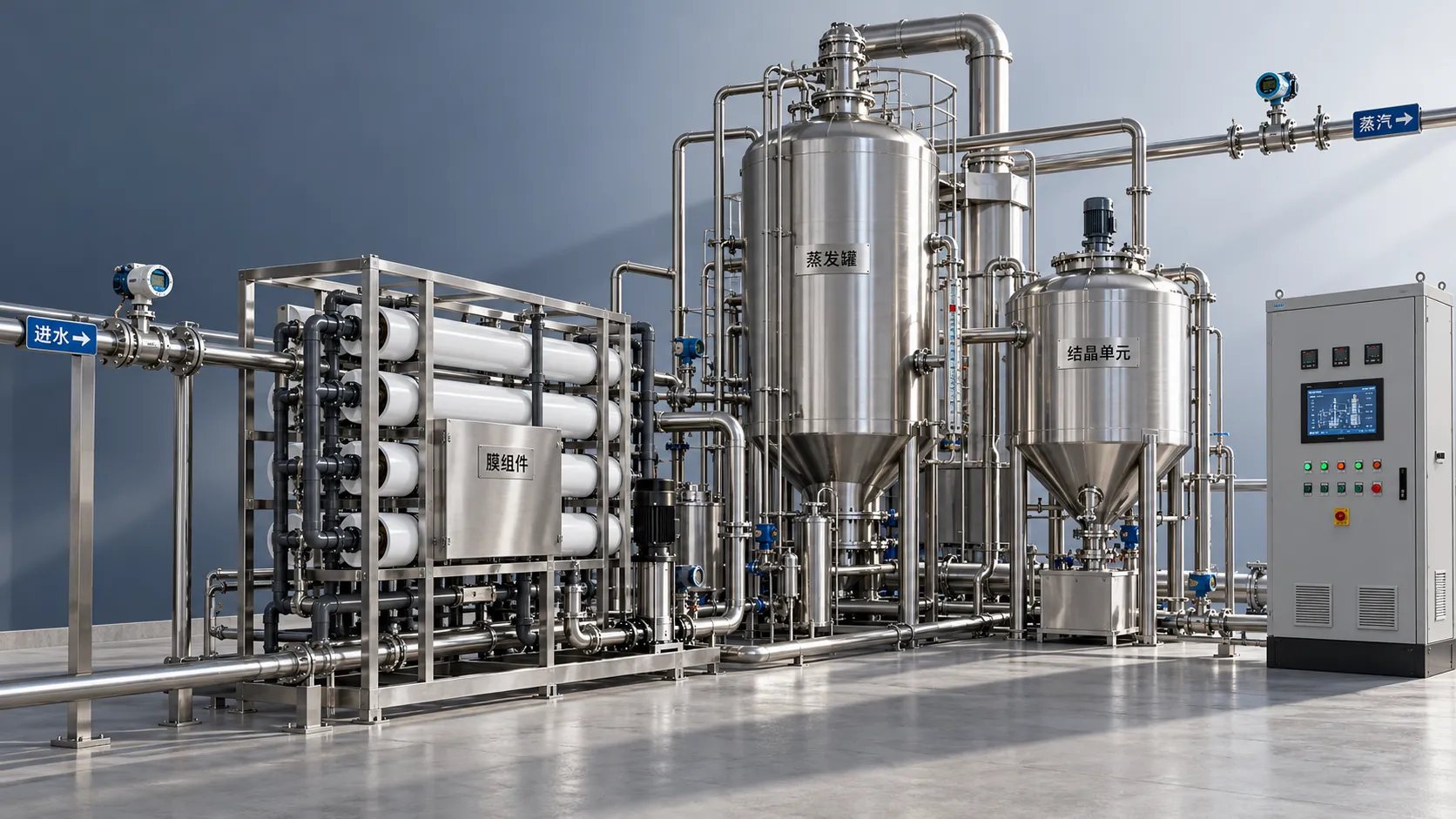
How to assess a zero liquid discharge equipment supplier’s energy claims
Assess a zero liquid discharge equipment supplier’s energy claims. Learn how to verify system boundaries, compare real costs, and demand testable guarantees before you buy.
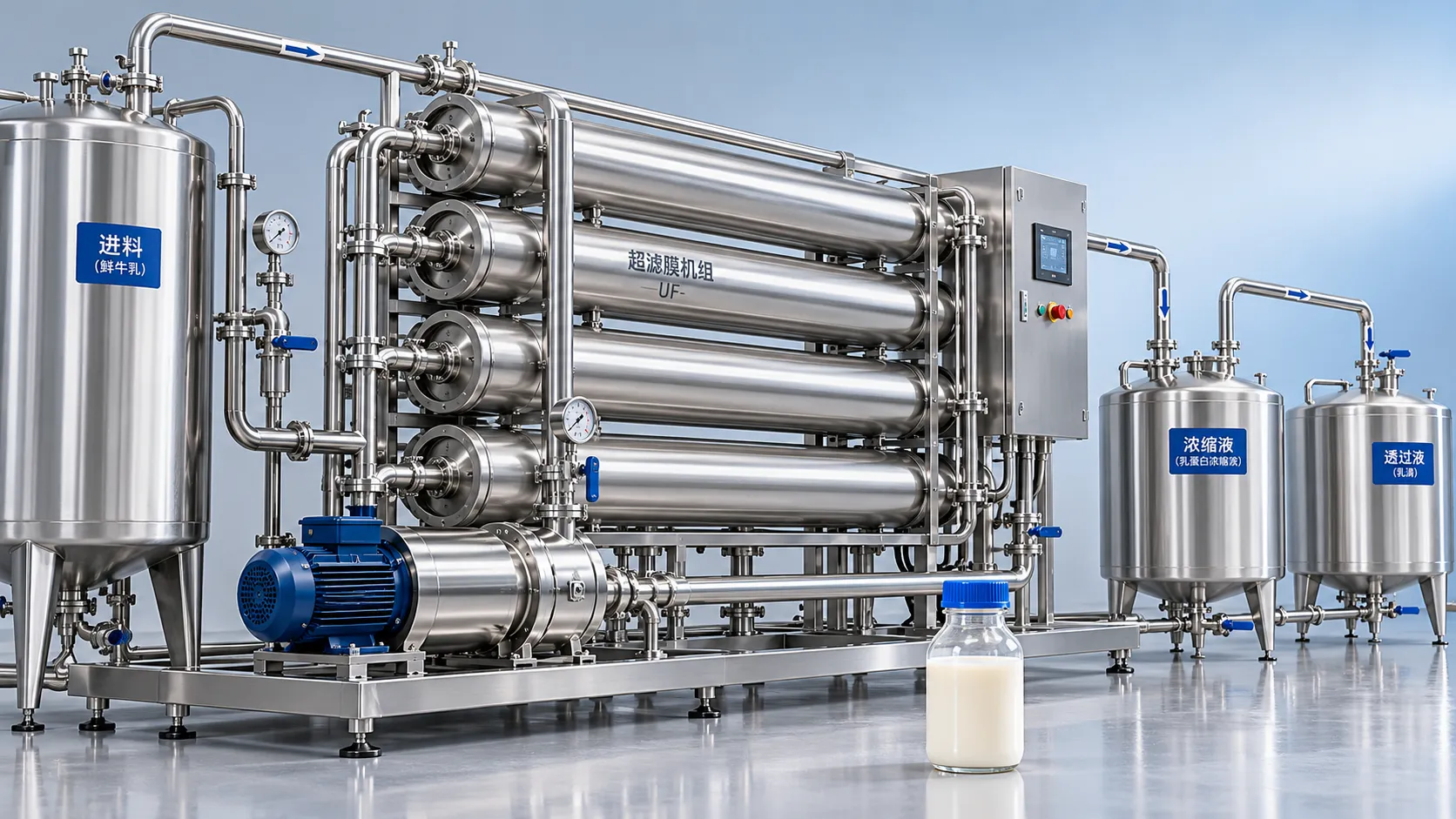
Which membrane filtration process suits dairy protein concentration?
Explore membrane filtration for dairy: compare UF, MF, and RO to select the right process for protein concentration, lactose reduction, and better recovery. Find your best fit.
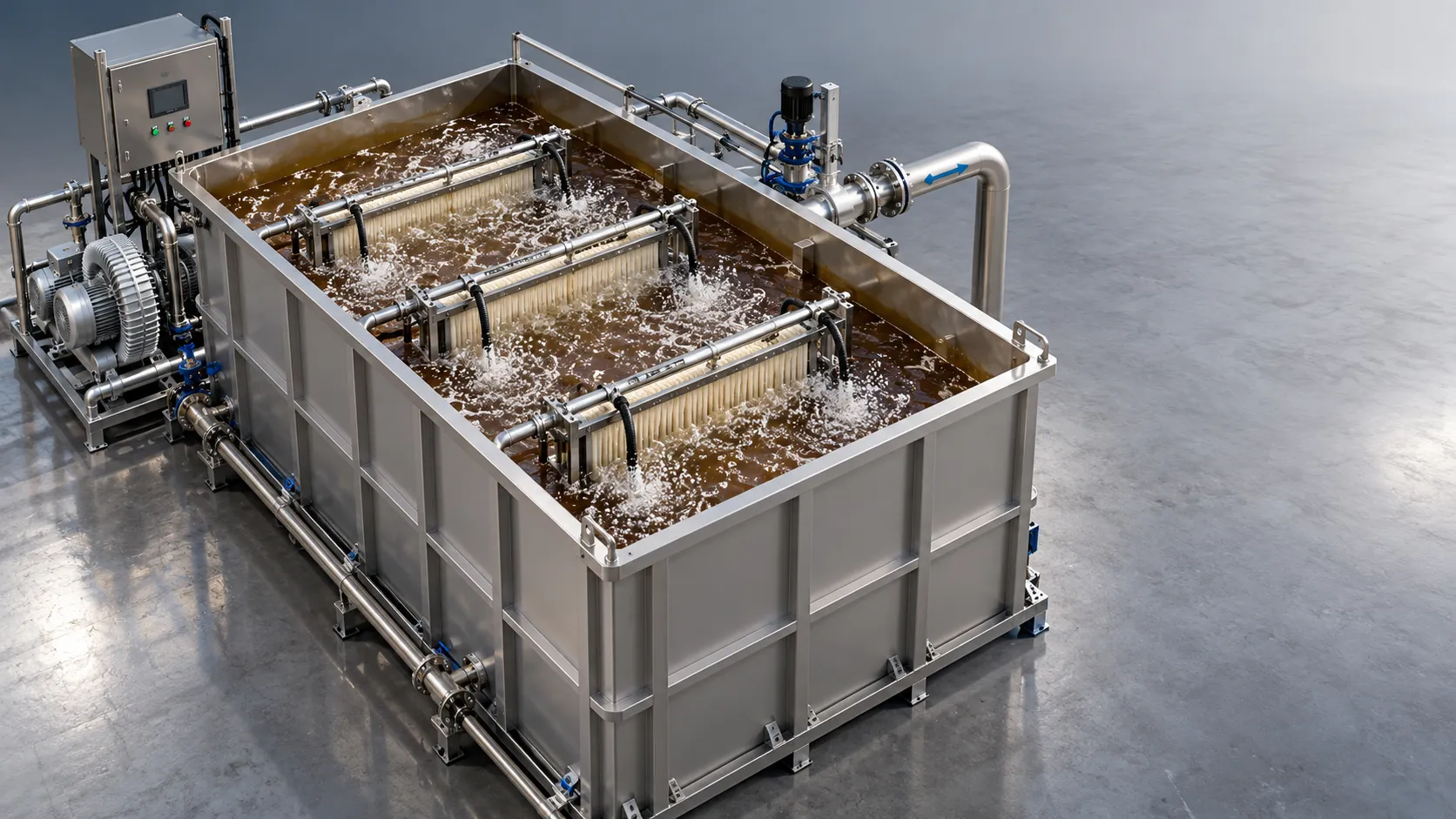
When is an MBR suitable for wastewater purification for bioprocessing?
For wastewater purification for bioprocessing, discover when an MBR fits your needs. Compare water quality, fouling risks, and lifecycle costs before investing.
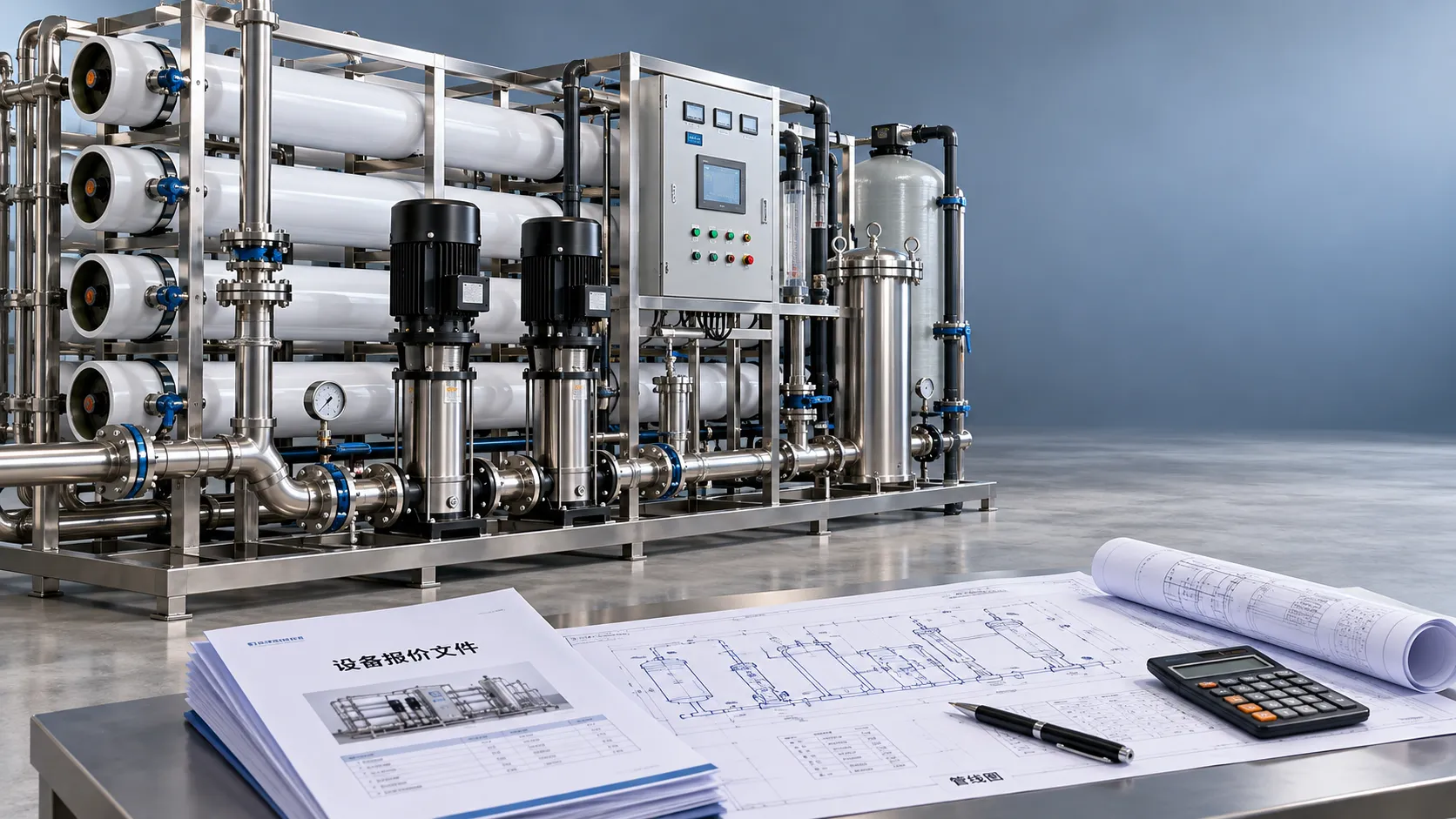
How to check a water treatment quotation for hidden project costs
Review your water treatment quotation for hidden costs, scope gaps, and operating expenses. Learn what to check before signing to protect your budget and avoid costly surprises.
How to vet ingredient processing equipment manufacturers using trials
Vet ingredient processing equipment manufacturers with real-world trials. Learn how to verify yield, cleaning, energy use, and scale-up before you invest.