
Industry News
Curation by industry experts
Hot Articles
Popular Tags
Denitrification Systems Cost: What Drives CAPEX and OPEX?
Denitrification Systems Cost: What Drives CAPEX and OPEX?
For procurement teams, denitrification systems cost usually looks simple in the first vendor quote and much less simple a few weeks later. The equipment number on page one is only part of the picture. Real project cost is shaped by what is entering the system, how low nitrogen must go, how stable the load is, how much operator attention the plant can realistically support, and what happens if discharge limits tighten or performance drifts.
If you are comparing options for municipal wastewater, industrial effluent, reuse projects, or polishing upgrades, this is the checklist worth using before you start negotiating. It helps separate low purchase price from low lifecycle cost, which are often not the same thing.
Start with the influent, not the reactor brochure
A surprising number of budget mistakes start here. Buyers compare denitrification skid prices before they have a reliable picture of nitrate, nitrite, total nitrogen, COD, alkalinity, temperature, salinity, flow variation, and shock load behavior. That is backwards.
Two systems with similar nameplate capacity can land very different CAPEX and OPEX once influent chemistry is clarified. High nitrate with insufficient biodegradable carbon usually means external carbon dosing. Cold wastewater can slow biological reaction rates and push larger reactor volumes or longer retention time. Industrial streams with salinity, toxicity, or variable pH may require pre-equalization, more instrumentation, or a different biological configuration entirely.
Procurement takeaway: do not issue final RFQs based on average water quality only. Ask for design data ranges, not just a single typical value. If the seller is pricing from limited composite samples, note that as a cost risk, not a fixed budget.
Your discharge target changes everything
There is a big difference between “reduce nitrate materially” and “guarantee compliance at a low total nitrogen limit year-round.” The tighter the permit, the narrower the operating window, and the more the system tends to need in controls, buffering volume, dosing precision, and operator discipline.
This is where buyers should press vendors on what exactly is being guaranteed. Nitrate removal? Total nitrogen? Average monthly performance? Instantaneous compliance? Temperature-adjusted conditions? Upset recovery time? Without that level of detail, competing prices are not actually comparable.
- If the project must meet low TN consistently, expect higher automation and monitoring cost.
- If compliance penalties are severe, redundancy may be cheaper than one shutdown event.
- If local limits may tighten, leaving no expansion margin is rarely a savings.
Check whether carbon source will become your real OPEX driver
In many denitrification projects, external carbon is where operating cost starts to bite. Methanol, ethanol, acetate, or other carbon sources can materially change annual spend, storage requirements, safety measures, and control complexity. The cheapest reactor package may become the most expensive operating choice if it relies heavily on purchased carbon.
This is also one of the easiest places for buyer-side assumptions to go wrong. Carbon demand depends on influent composition, target removal, process stability, and how efficiently dosing is controlled. If the vendor gives a consumption estimate, ask what assumptions sit behind it and whether the figure reflects steady-state conditions only. Upsets, seasonal changes, and overfeeding during commissioning can move the number significantly.
If the site has an internal carbon source option, such as upstream organics or recoverable side-stream value, that should be evaluated early. It will not always be usable, but when it is, it can change the economics more than a small discount on equipment price.
Reactor selection affects more than footprint
When people discuss CAPEX, they often focus on tank volume and civil works. Fair enough. But reactor choice also drives mixing energy, biomass control, instrumentation density, sludge behavior, maintenance access, and tolerance to load swings.
A compact design can save concrete and land, yet demand tighter operational control. A more forgiving layout may cost more upfront but reduce operator intervention and compliance risk. In retrofit situations, the “best” process on paper often loses to the one that fits existing hydraulics and available structures without major shutdowns.
Ask vendors to show where cost moves outside the battery limits. Pipe rerouting, equalization needs, blower or mixer upgrades, odor handling, sludge return changes, and building modifications are common budget creep items.
Automation is not decorative in nitrogen removal
Some buyers still treat advanced controls as an optional extra. That can be a costly shortcut. Denitrification performance is sensitive to changing load, carbon availability, dissolved oxygen carryover, and temperature. Poor control can waste chemicals, destabilize biology, and create a pattern where the plant looks acceptable in average months but struggles during the conditions that matter most.
That does not mean every site needs the most sophisticated control stack available. It means the control philosophy should match the compliance exposure and staffing reality. A lightly staffed industrial site usually needs simpler, robust automation with clear alarm logic. A large municipal plant may justify more online analyzers and tighter dosing feedback if the permit structure supports it.
A practical question to ask: if one analyzer goes offline for a week, can the system still run compliantly on fallback logic? That answer matters.
Do not underestimate energy and mixing loads
Denitrification is often discussed through chemical cost, but power use deserves a clean review as well. Mixers, pumps, recirculation loops, controls, and ancillary systems can shift OPEX more than expected, especially in large-flow applications. If the project involves internal recirculation or polishing stages, energy intensity should be normalized against actual nitrogen removed, not just installed kilowatts.
Also check partial-load efficiency. Plants rarely operate forever at ideal design flow. A system that looks efficient at peak load can become expensive under real-world turndown conditions.
Sludge, residuals, and side effects belong in the budget
This is where purchase teams sometimes inherit hidden cost from an incomplete process review. Additional biomass, solids handling, backwash streams, pH adjustment needs, and residual chemical handling can all land outside the headline denitrification package. In industrial applications, side reactions or upstream contaminants may also affect downstream sludge quality or disposal route. That can become a commercial issue, not just an operations issue.
If residuals management sits under a different budget owner, align early. Otherwise one department buys the process and another department absorbs the extra disposal cost later.
Retrofit risk usually costs more than greenfield complexity
For brownfield upgrades, denitrification systems cost is often driven by what cannot be changed easily: existing tank geometry, hydraulic profile, bypass limitations, shutdown windows, and control system compatibility. A lower process price can disappear once installation sequencing is mapped properly.
Ask bidders to separate process package price from retrofit assumptions. If their offer depends on uninterrupted tie-ins, ideal structural condition, or owner-supplied demolition, treat those as commercial qualifications that need pricing clarity. This is one area where a detailed site survey often saves more money than a hard negotiation round.
Compliance risk has a monetary value, even when it is not on the quote
Buyers under pressure to reduce CAPEX sometimes strip out redundancy, online monitoring, or commissioning support. That may work where discharge standards are forgiving and load is stable. It is much harder to defend when permits are tight, receiving waters are sensitive, or local enforcement is active.
The exact financial exposure varies by jurisdiction, and it should be checked against site-specific legal and permit conditions rather than assumed. Still, the procurement logic is straightforward: if non-compliance carries production interruption, reputational risk, or formal penalties, then resilience features belong in the lifecycle cost comparison. They are not “gold plating” by default.
Compare bids with one commercial frame, or the numbers will mislead you
A useful vendor comparison sheet for this category should go beyond CAPEX line items. Include guaranteed effluent basis, design temperature, allowable influent fluctuation, carbon source assumptions, analyzer list, spare parts, commissioning scope, operator training, performance testing method, and exclusions.
If one supplier prices bare equipment and another includes installation support, startup consumables, and controls integration, the lower price is not a lower project cost. It is just a different scope boundary.
- Request annualized chemical and power estimates with stated assumptions.
- Ask for critical spare parts list for the first operating period.
- Define acceptance test conditions before purchase order, not after delivery.
- Flag any vendor estimate that depends heavily on owner-managed interfaces.
A few procurement questions that usually expose weak proposals
Ask what happens during cold-weather performance dips. Ask how the carbon dose is optimized when influent swings. Ask what maintenance labor the analyzer package actually needs. Ask which components have the longest lead times. Ask whether local service support is available or whether troubleshooting depends on remote response only. Ask what part of the promised OPEX assumes ideal operator attention.
Weak proposals tend to stay general on these points. Better ones will show assumptions, operating envelopes, and the commercial consequences of falling outside them.
The practical buying view
If you need one rule of thumb, use this: do not buy denitrification on reactor price alone, and do not judge OPEX from a single spreadsheet cell labeled “chemical consumption.” The durable decision comes from matching treatment target, influent variability, staffing reality, and compliance exposure to a process package that can hold performance without constant intervention.
That is the real discussion behind denitrification systems cost. Get the assumptions on the table early, push suppliers to price the same risk envelope, and treat lifecycle operating stability as part of the procurement scope. It will give you a much cleaner comparison and usually a better project outcome than chasing the lowest initial number.
Recommended News
When is compaction suitable for solid nuclear waste treatment?
Is compaction right for solid nuclear waste treatment? Discover suitable waste streams, key safety checks, and disposal requirements to reduce package volume and optimize costs.
How solids concentration affects dewatering in waste recovery systems
Optimize waste recovery systems dewatering with insights on solids concentration. Learn to balance throughput, cake dryness, and solids capture while avoiding costly equipment overloads.
How to compare technical specs in an environmental equipment directory
Use this environmental equipment directory technical guide to compare capacity, energy use, compliance, and supplier evidence. Build a defensible shortlist and choose with confidence.
How to assess a zero liquid discharge equipment supplier’s energy claims
Assess a zero liquid discharge equipment supplier’s energy claims. Learn how to verify system boundaries, compare real costs, and demand testable guarantees before you buy.
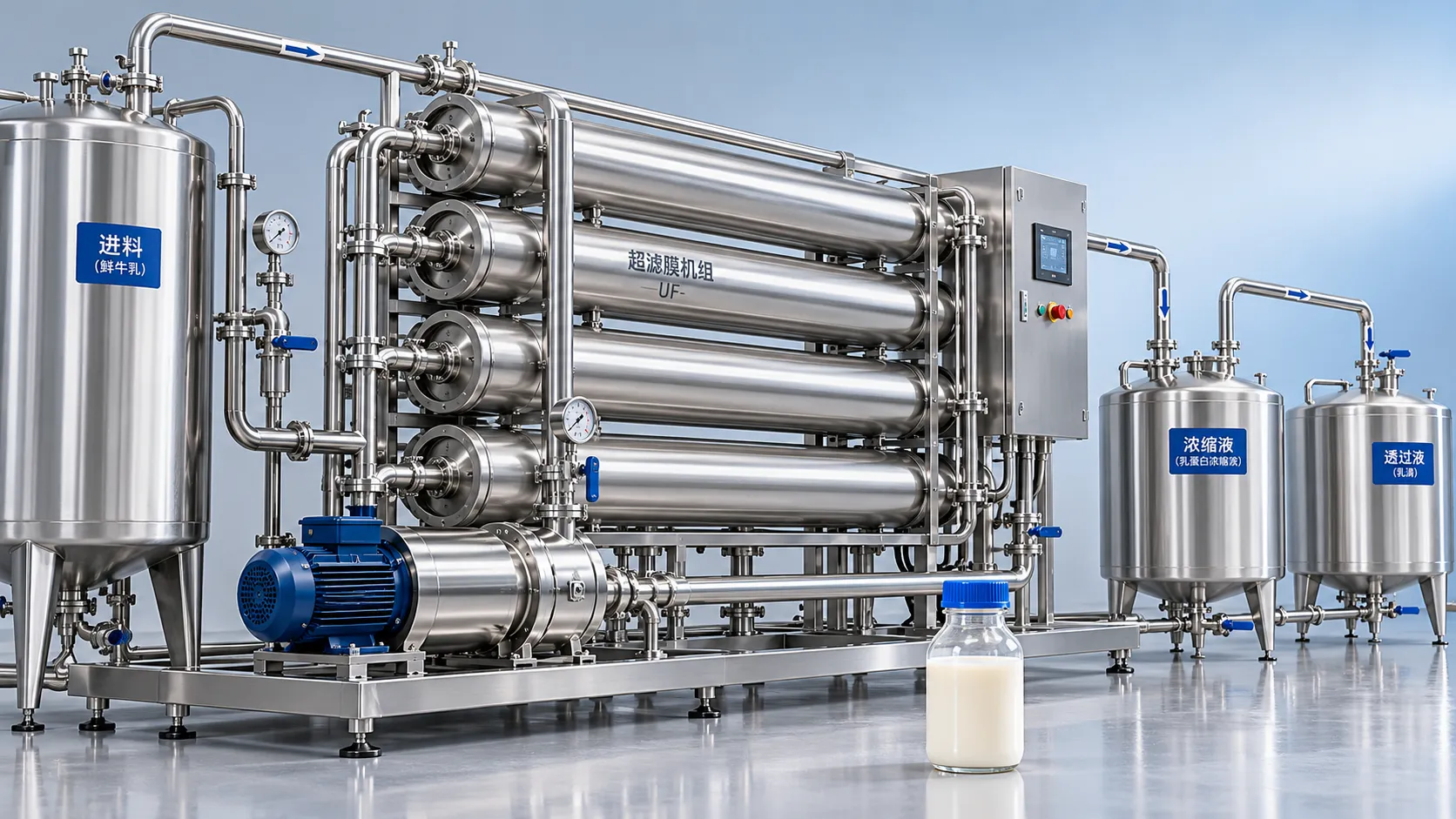
Which membrane filtration process suits dairy protein concentration?
Explore membrane filtration for dairy: compare UF, MF, and RO to select the right process for protein concentration, lactose reduction, and better recovery. Find your best fit.
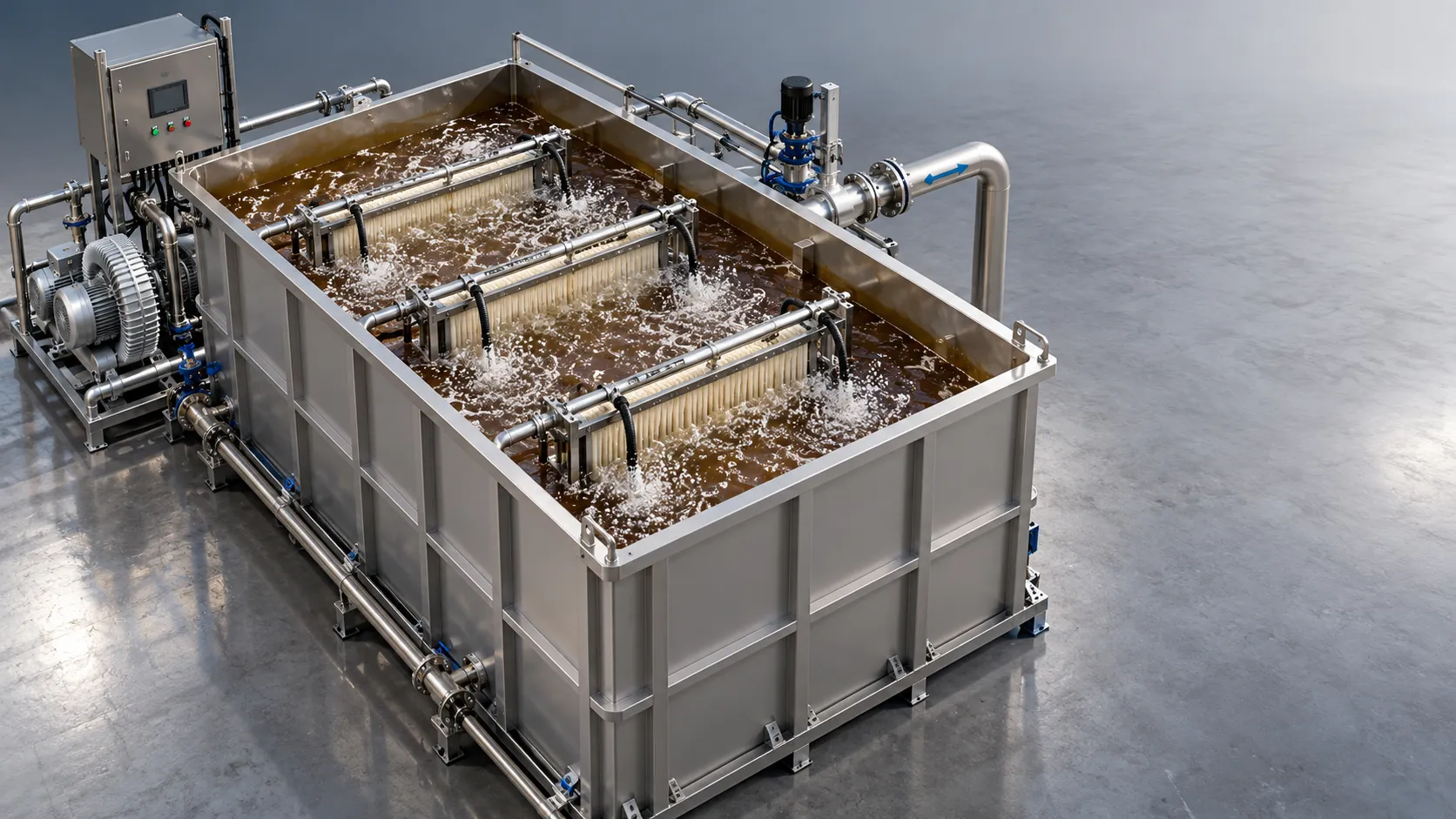
When is an MBR suitable for wastewater purification for bioprocessing?
For wastewater purification for bioprocessing, discover when an MBR fits your needs. Compare water quality, fouling risks, and lifecycle costs before investing.
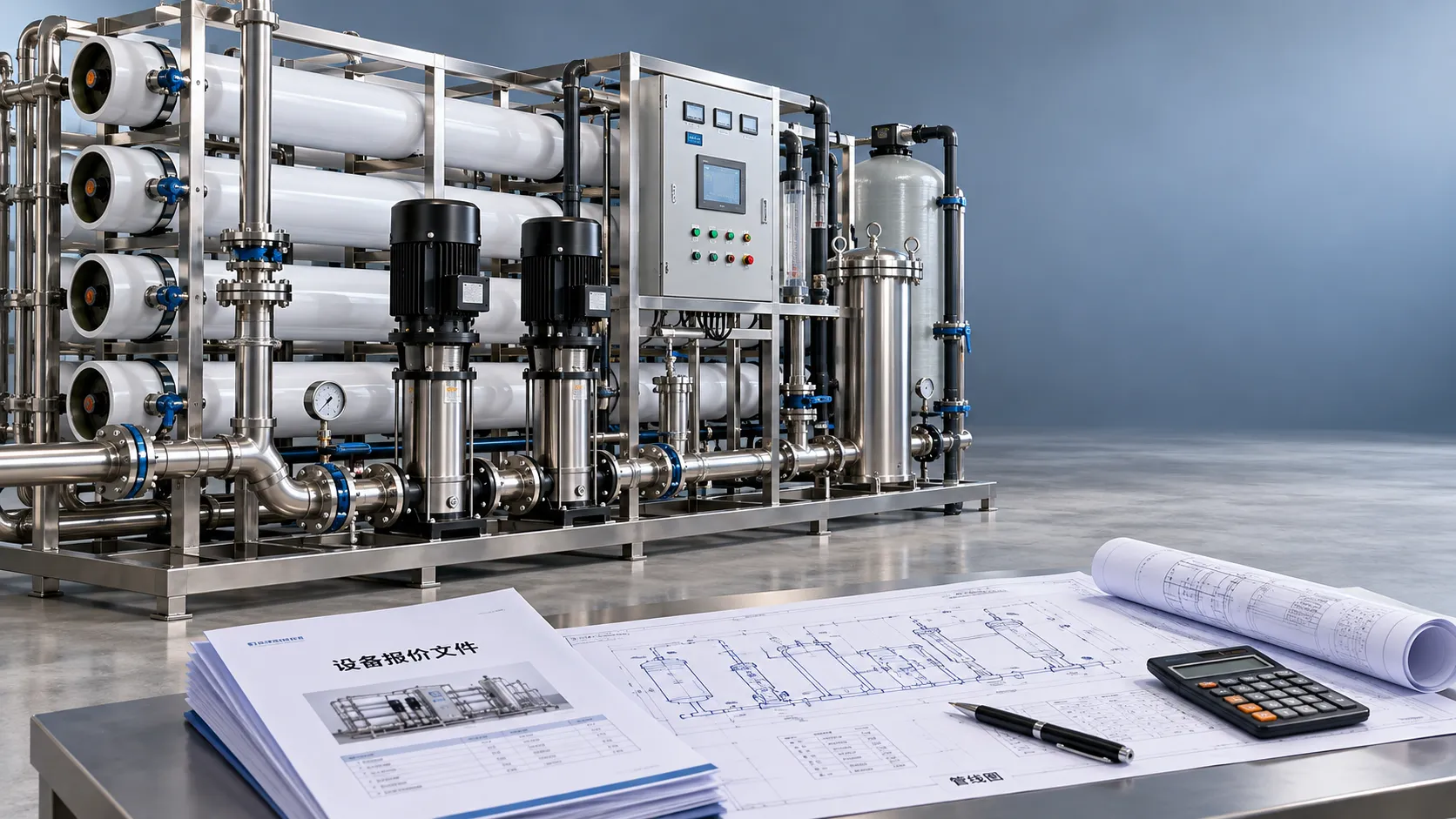
How to check a water treatment quotation for hidden project costs
Review your water treatment quotation for hidden costs, scope gaps, and operating expenses. Learn what to check before signing to protect your budget and avoid costly surprises.
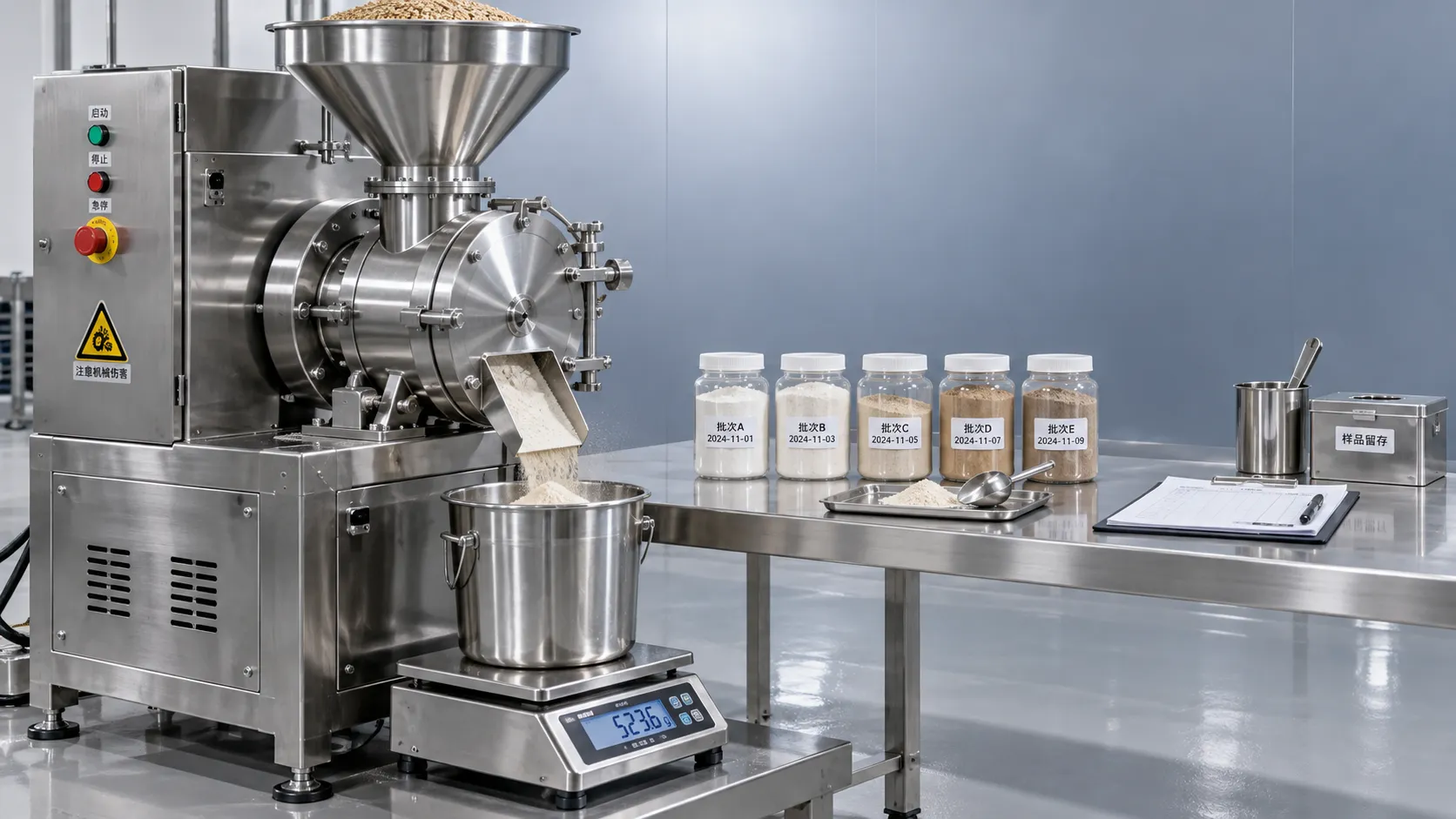
How to vet ingredient processing equipment manufacturers using trials
Vet ingredient processing equipment manufacturers with real-world trials. Learn how to verify yield, cleaning, energy use, and scale-up before you invest.
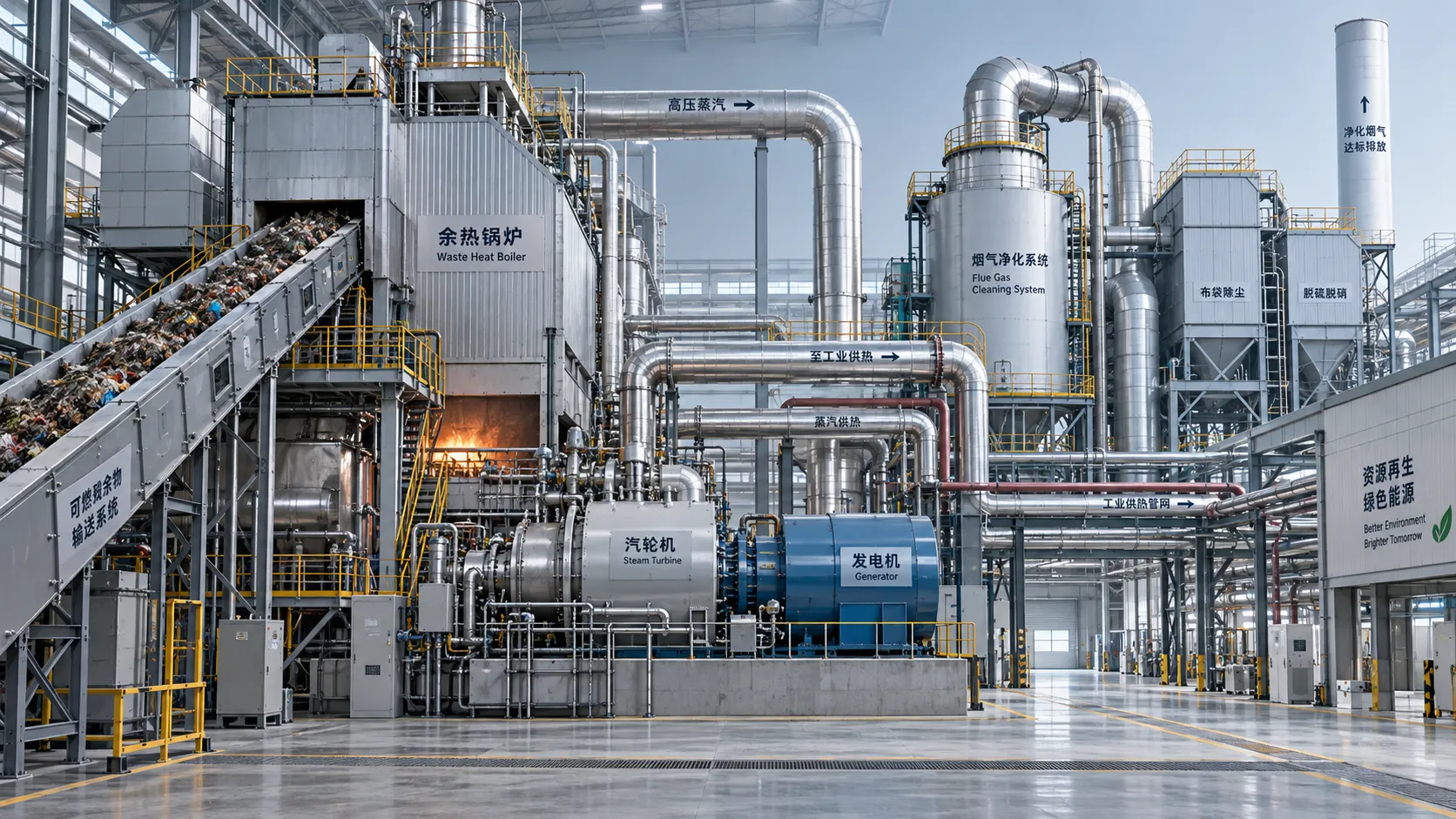
When is energy recovery viable in the solid waste recovery process?
When is energy recovery viable in the solid waste recovery process? Explore feedstock quality, net energy, emissions, and costs to assess feasibility and make smarter investment decisions.