
Industry News
Curation by industry experts
Hot Articles
Popular Tags
How does plant capacity affect the price of a wet FGD scrubber?
Plant capacity is a major driver of wet FGD scrubber prices, but a larger facility does not always mean a proportionally higher cost.
Flue gas volume, sulfur content, emissions targets, and equipment configuration influence the investment, while economies of scale can reduce costs per unit of capacity.
For procurement teams, understanding these relationships is essential to budgeting accurately, comparing supplier proposals, and balancing upfront expenditure with long-term operating costs.
How Much Does Plant Capacity Affect Wet FGD Scrubber Price?
As plant capacity increases, a wet flue gas desulfurization system generally requires larger absorbers, more powerful fans, greater slurry circulation, and expanded reagent handling.
Total installed cost therefore usually rises with capacity. However, cost per megawatt or per unit of flue gas treated often declines as fixed expenses spread.
Engineering, controls, project management, and certain auxiliary systems do not necessarily double when treatment capacity doubles. This creates potential economies of scale for larger installations.
Those savings are not automatic. A larger project may require multiple absorber trains, extensive ductwork, difficult retrofit construction, or higher corrosion resistance that offsets scale benefits.
For budgeting, compare projects on both total installed cost and normalized cost, while checking that their design conditions and equipment scopes are genuinely comparable.
Why Flue Gas Flow Matters More Than Nameplate Capacity
Plant capacity is a useful starting point, but a scrubber treats flue gas, not electrical output. Design gas flow is the more direct sizing parameter.
A power station rated at 500 MW can produce a different gas volume from another 500 MW station because fuel, efficiency, excess air, and operating conditions differ.
For industrial boilers, kilns, and furnaces, production throughput alone is similarly incomplete. Actual exhaust volume and composition determine much of the absorber and ductwork design.
Suppliers normally size major equipment for specified maximum gas flow, temperature, pressure, moisture content, and composition, including an agreed allowance for expected operating variation.
Request flow data on a consistent basis. Actual cubic meters per hour and normal cubic meters per hour are not interchangeable without temperature and pressure corrections.
Also state whether flow is reported on a wet or dry basis. Confusing these measurements can produce misleading capacity comparisons and materially different quotations.
For early screening, cost per unit of treated gas flow can be more informative than cost per megawatt, provided removal targets and project scopes are comparable.
How Does Cost Scale as Capacity Increases?
Preliminary estimates often use a scaling relationship: estimated cost equals a reference cost multiplied by the capacity ratio raised to a selected scaling exponent.
For illustration, assume a comparable installation cost $40 million and an exponent of 0.7. Doubling capacity gives an indicative estimate of about $65 million.
That result suggests a lower cost per unit of capacity, not a guaranteed supplier price. The exponent is an assumption, not a universal wet FGD constant.
Scaling is most useful within a comparable technology, location, scope, and capacity range. It becomes unreliable when equipment configuration or construction requirements change substantially.
For example, a larger gas flow may exceed a practical single-absorber design and require two trains. The additional vessel and auxiliaries can create a cost step.
Similarly, a smaller installation may need nearly the same control system, engineering effort, and permitting work as a larger one, raising its unit cost.
Use the calculation to test a preliminary budget, then replace it with equipment sizing, site-specific construction estimates, and supplier quotations as project information improves.
What Can Make a Smaller Plant More Expensive?
Capacity does not determine the sulfur load by itself. A smaller plant burning high-sulfur fuel can require more reagent and more demanding removal than a larger plant.
Incoming sulfur dioxide concentration, gas flow, operating hours, and the required outlet limit together determine how much sulfur the system must remove over time.
A stringent emissions target can increase absorber performance requirements, circulation rates, oxidation capacity, or reagent preparation needs, depending on the selected process and design conditions.
Other pollutants and gas characteristics matter too. Chlorides, particulates, acid gases, and temperature affect material selection, scaling risk, corrosion control, and wastewater management.
Site constraints can outweigh process-scale advantages. A compact retrofit may need elevated steelwork, long duct runs, temporary bypass arrangements, and work during a short shutdown.
Consequently, a low-capacity project should not automatically receive a low budget. Procurement teams should validate the full design basis before applying benchmark costs.
Which Equipment and Scope Items Drive the Budget?
A typical wet limestone FGD package includes an absorber, slurry circulation pumps, spray systems, oxidation equipment, mist eliminators, and limestone storage and preparation.
Depending on the process and contract, the scope may also include gypsum dewatering, wastewater treatment, ductwork, fans, electrical systems, controls, foundations, and a stack.
Equipment prices increase with gas flow and sulfur load, but installation costs can vary independently because of civil works, labor rates, access, and existing infrastructure.
Materials also affect price. Corrosion-resistant alloys, rubber linings, coatings, or other protective systems should be selected for the specified chemistry and operating temperature.
Do not assume that every supplier includes the same battery limits. One quotation may include commissioning and wastewater treatment while another prices only the absorber island.
Ask bidders to identify exclusions, owner-supplied utilities, spare parts, performance testing, taxes, freight, and any costs associated with connecting the new system to existing equipment.
Compare quotations using a common installed-cost schedule. Separating equipment supply from construction and indirect costs makes price differences easier to investigate and negotiate.
Should You Choose One Large Absorber or Multiple Trains?
A single absorber train can reduce duplicated vessels, piping, instrumentation, and maintenance interfaces. It may offer a lower initial cost when practical for the design flow.
Multiple trains can improve operating flexibility and support staged construction. They may also allow one train to be maintained while another remains in service.
However, partial operation is only useful if the remaining equipment can treat the actual gas flow and meet the applicable emissions limit during that condition.
Redundancy should therefore be specified in operating terms: required plant load, allowable outage duration, maintenance strategy, and emissions performance when equipment is unavailable.
Evaluate the cost of lost production and compliance exposure alongside duplicated capital expenditure. A cheaper configuration is not necessarily cheaper over the plant’s life.
Where future expansion is possible, compare a fully sized initial installation with a staged design that reserves space and connection capacity for additional equipment.
Avoid paying for speculative oversizing without examining its effects on turndown, energy use, reagent consumption, and maintenance. Document the demand scenario supporting the allowance.
How Do Operating Costs Change With Plant Capacity?
Large systems typically consume more limestone, water, and electricity in total. Their operating cost per unit treated depends on utilization, process efficiency, and local prices.
Reagent consumption is driven primarily by sulfur removal and reagent quality, not nameplate capacity alone. Suppliers should disclose their assumed sulfur load and utilization factor.
Pumps, fans, agitators, and oxidation blowers add auxiliary power demand. Higher pressure drop or excessive slurry circulation can materially increase lifetime electricity expenditure.
Water costs depend on evaporation, incoming gas moisture, discharge requirements, and the availability of recycled water. Tight site water limits can require additional treatment.
Gypsum handling also deserves scrutiny. Marketable by-product revenue depends on local buyers, quality specifications, transport costs, and a dependable outlet; it should not be assumed.
If gypsum cannot be sold, include dewatering, transport, and disposal costs. Wastewater treatment and residuals disposal may add further expense under site-specific discharge requirements.
For a meaningful comparison, calculate annual costs at expected operating hours and load profiles, then apply the same energy, reagent, water, and disposal prices to each bid.
Assess present value over the selected project life using an agreed discount rate. Include major maintenance, replacement components, and realistic production losses during planned outages.
What Should Procurement Teams Include in an RFQ?
A consistent request for quotation gives suppliers the same engineering basis and reduces the risk that apparent price differences reflect incompatible assumptions rather than better value.
Provide maximum and normal gas flow, measurement basis, temperature, pressure, moisture, particulate loading, inlet sulfur dioxide concentration, and expected variation across operating cases.
Specify the applicable outlet limit and its averaging period, reference oxygen conditions, test method, and any required performance during startup, shutdown, or reduced-load operation.
Include fuel scenarios, annual operating hours, turndown requirements, reagent properties, water availability, site layout, tie-in points, and the preferred construction and outage schedule.
Define battery limits and require a detailed price breakdown for equipment, engineering, installation, commissioning, consumables, optional items, and any recommended contingency or exclusions.
Request guaranteed performance figures for sulfur dioxide removal, auxiliary power, reagent use, water consumption, and availability, with test conditions and remedies clearly stated.
Ask suppliers to identify design margins and limiting assumptions. Compare their guarantees against the same load cases rather than accepting headline removal percentages alone.
How Can Buyers Compare Bids and Control Cost Risk?
Start by normalizing each proposal to the same scope, operating cases, currency, price date, delivery terms, and responsibility for civil and electrical works.
Then add quantified lifecycle costs and evaluate technical deviations. A lower equipment price may disappear once missing ductwork, wastewater treatment, or extra power consumption is included.
Review supplier experience with comparable gas chemistry and plant size, but verify references against actual operating conditions rather than relying solely on installed capacity.
Check the schedule for engineering approvals, long-lead components, shutdown access, and performance testing. Delays can create costs far larger than a modest equipment discount.
Finally, retain a project contingency appropriate to estimate maturity and identified risks. Treat it separately from supplier allowances so the budget does not count uncertainty twice.
Conclusion: Buy for the Design Duty, Not Capacity Alone
Greater plant capacity generally increases the total price of a wet FGD scrubber, while spreading fixed costs can reduce the price per unit treated.
The strongest procurement decisions account for gas flow, sulfur load, emissions limits, configuration, site conditions, and lifetime operating costs together, using a consistent bid basis.
Use capacity benchmarks for early screening, not final approval. A defensible budget comes from a documented design duty, comparable supplier scopes, and transparent performance guarantees.
Recommended News
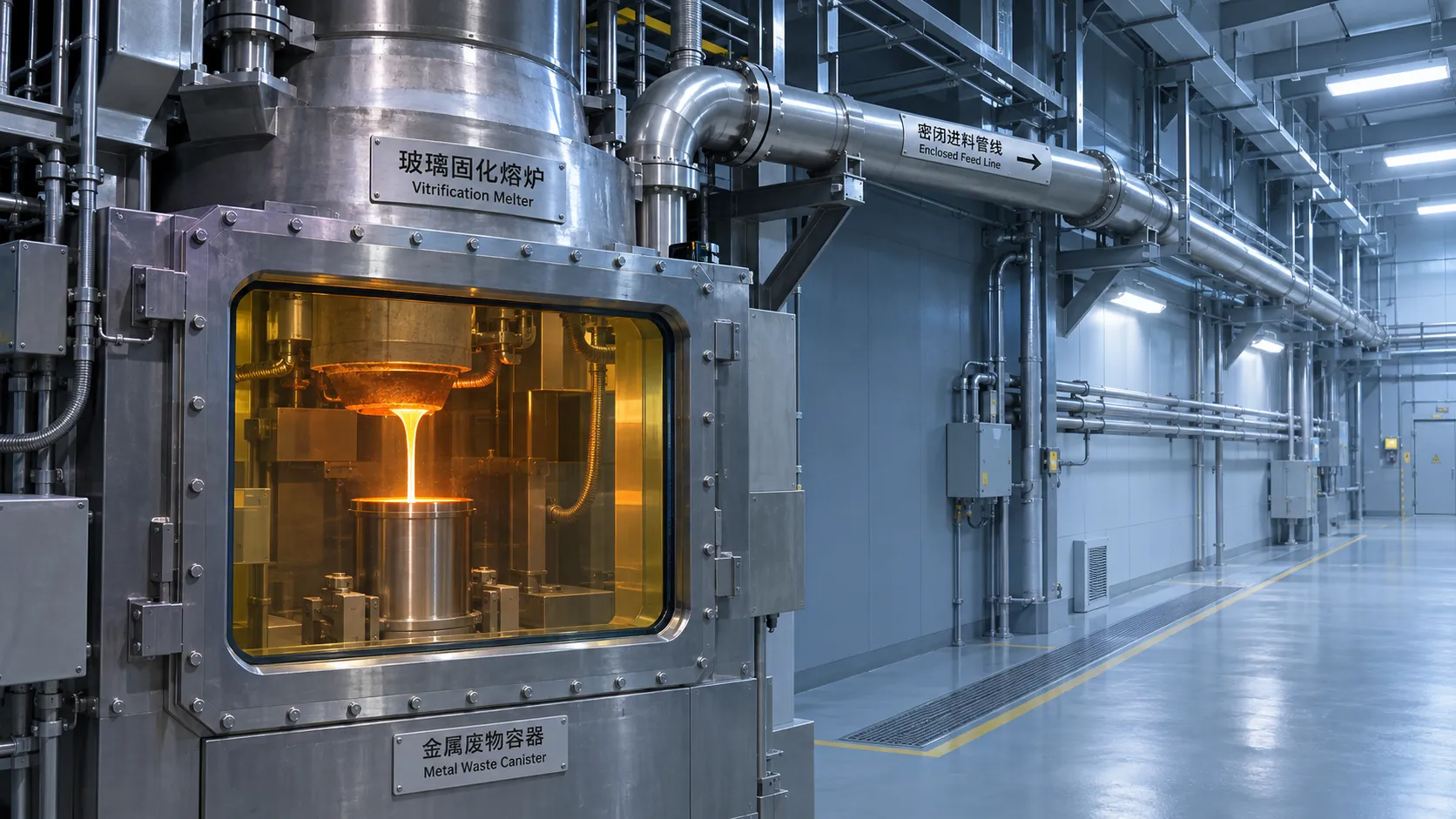
How is high-level waste vitrified at nuclear reprocessing plants?
Nuclear waste treatment for reprocessing plants turns liquid high-level waste into durable glass. Explore the process, safety controls and qualification steps.
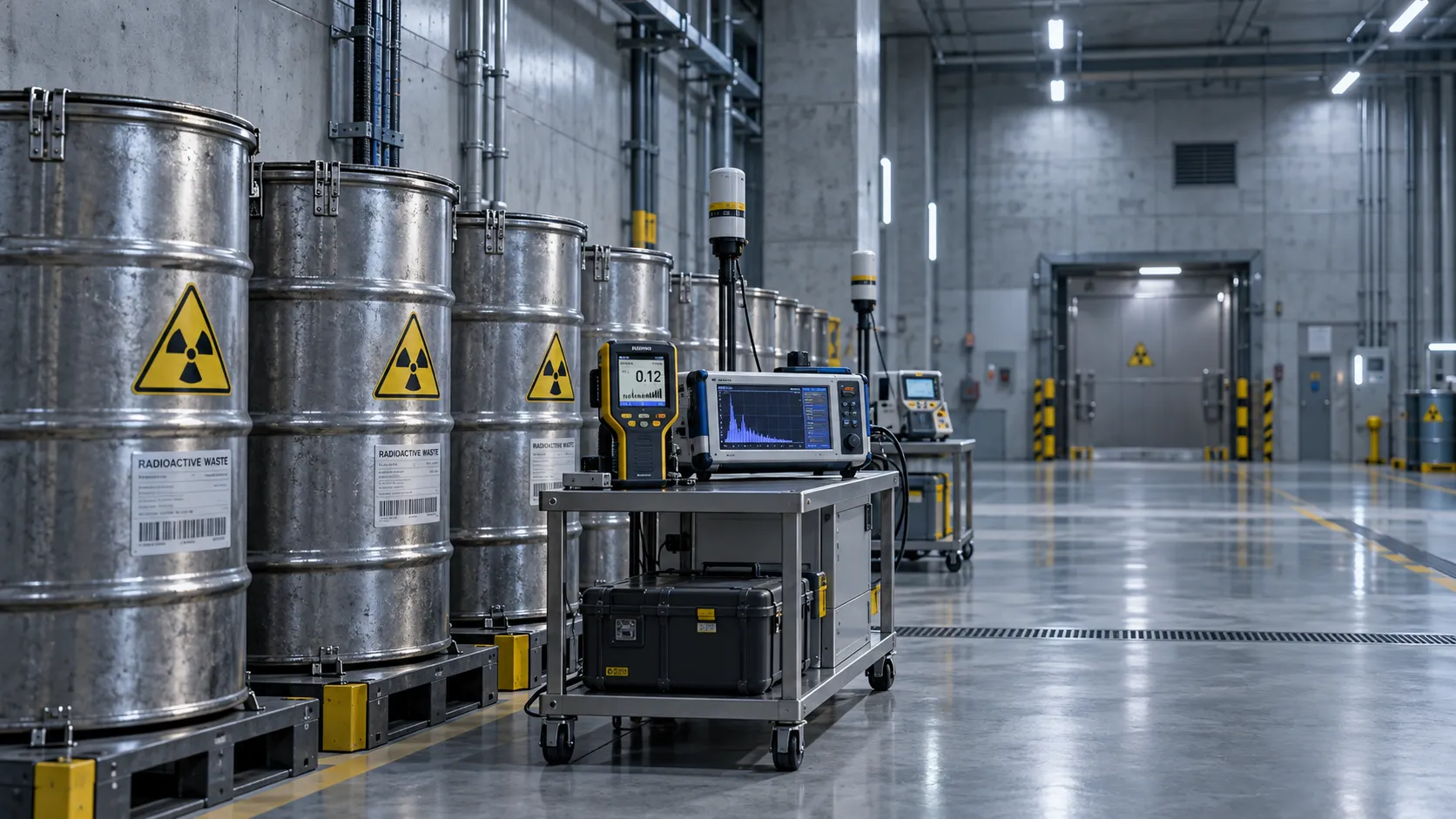
How does waste classification affect nuclear waste treatment cost?
Discover how waste classification affects nuclear waste treatment cost, from characterization and packaging to disposal, and learn how to build a more reliable project budget.
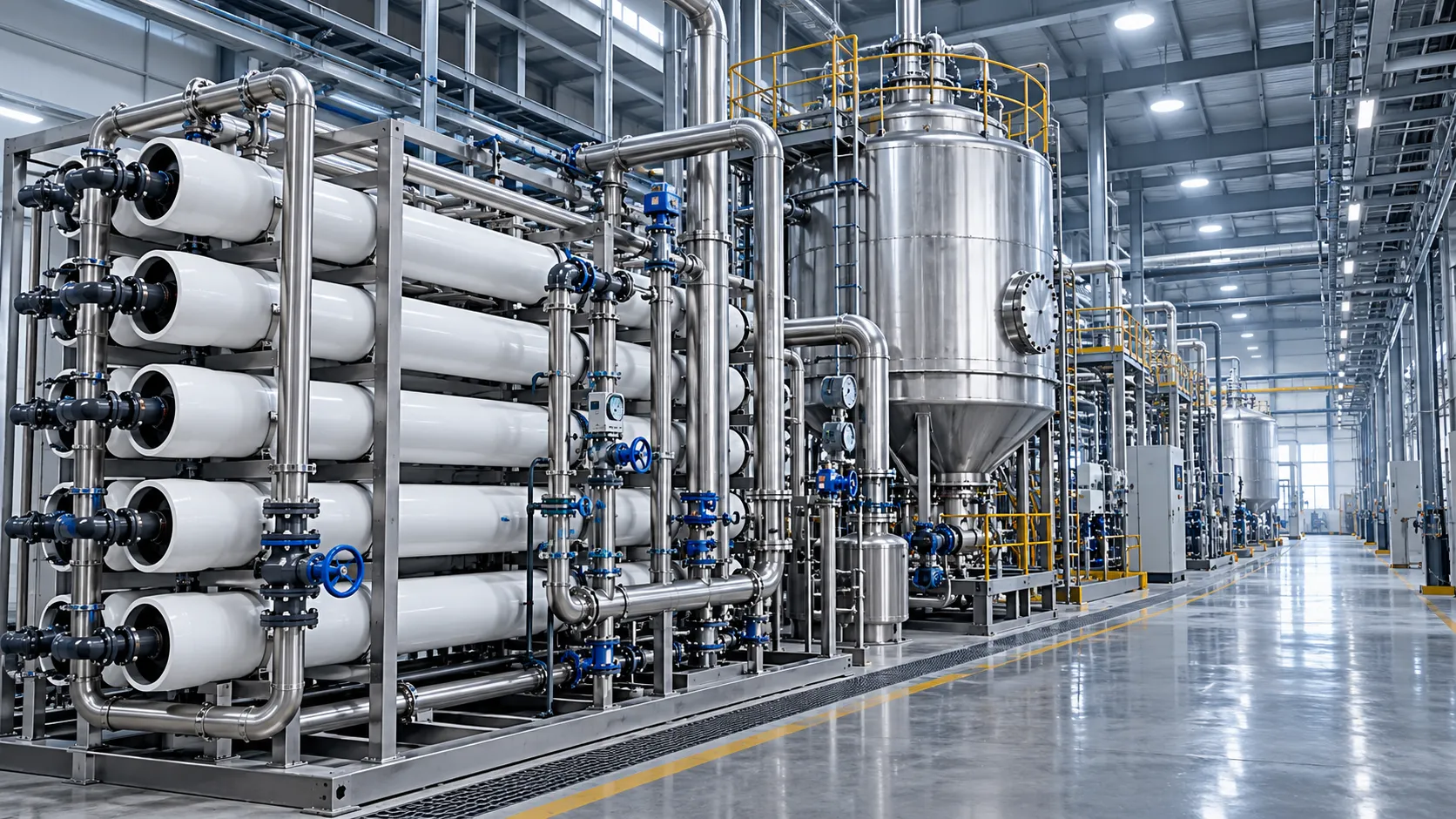
How wastewater salinity affects industrial zero liquid discharge equipment selection
Industrial zero liquid discharge equipment selection starts with wastewater salinity. Explore membrane, evaporation, scaling, and cost considerations.
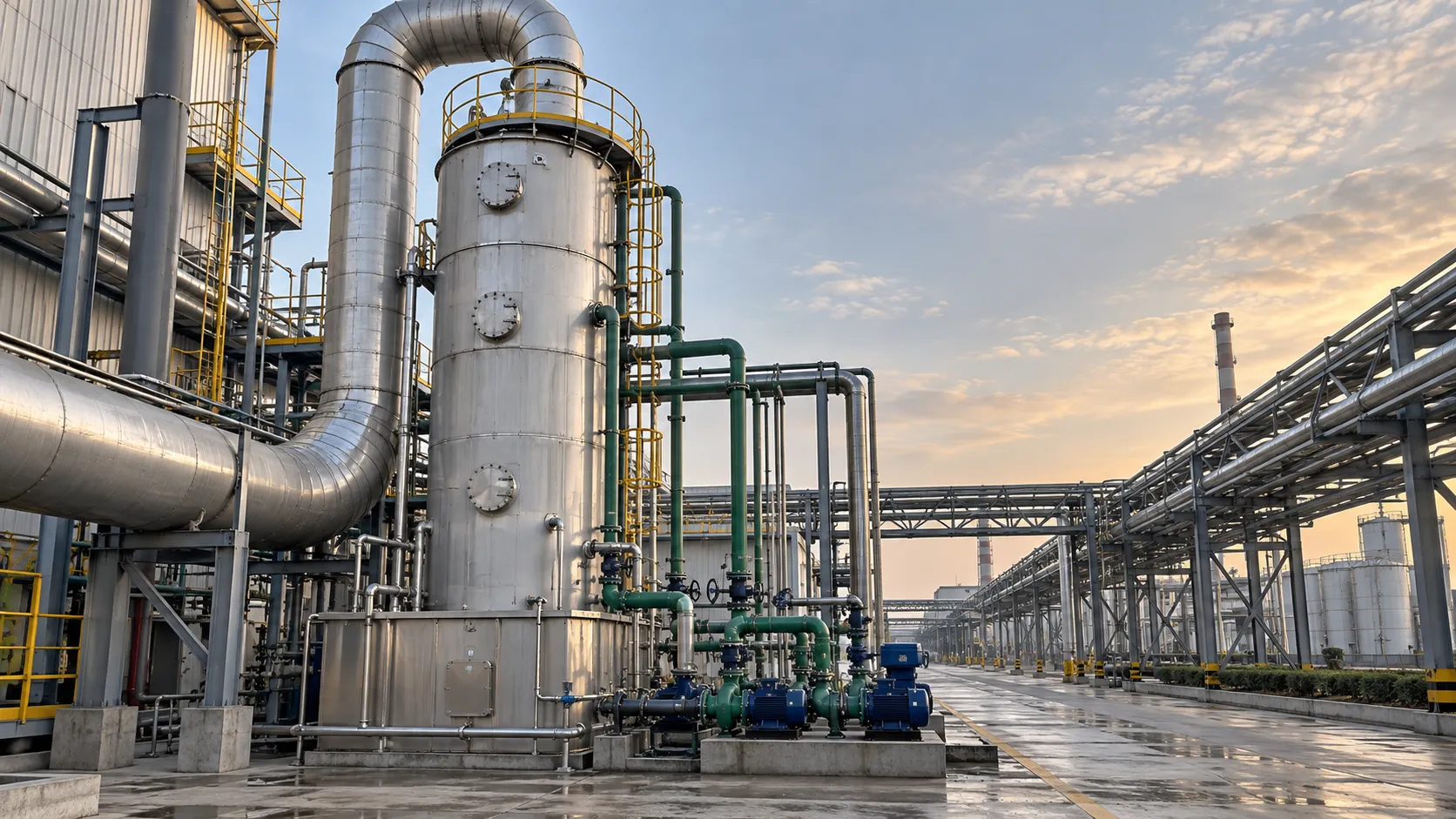
When is wet scrubbing suitable for flue gas cleaning?
Flue gas cleaning with wet scrubbing can control acid gases and particles. Discover when it makes sense and how to weigh water, wastewater and operating costs.
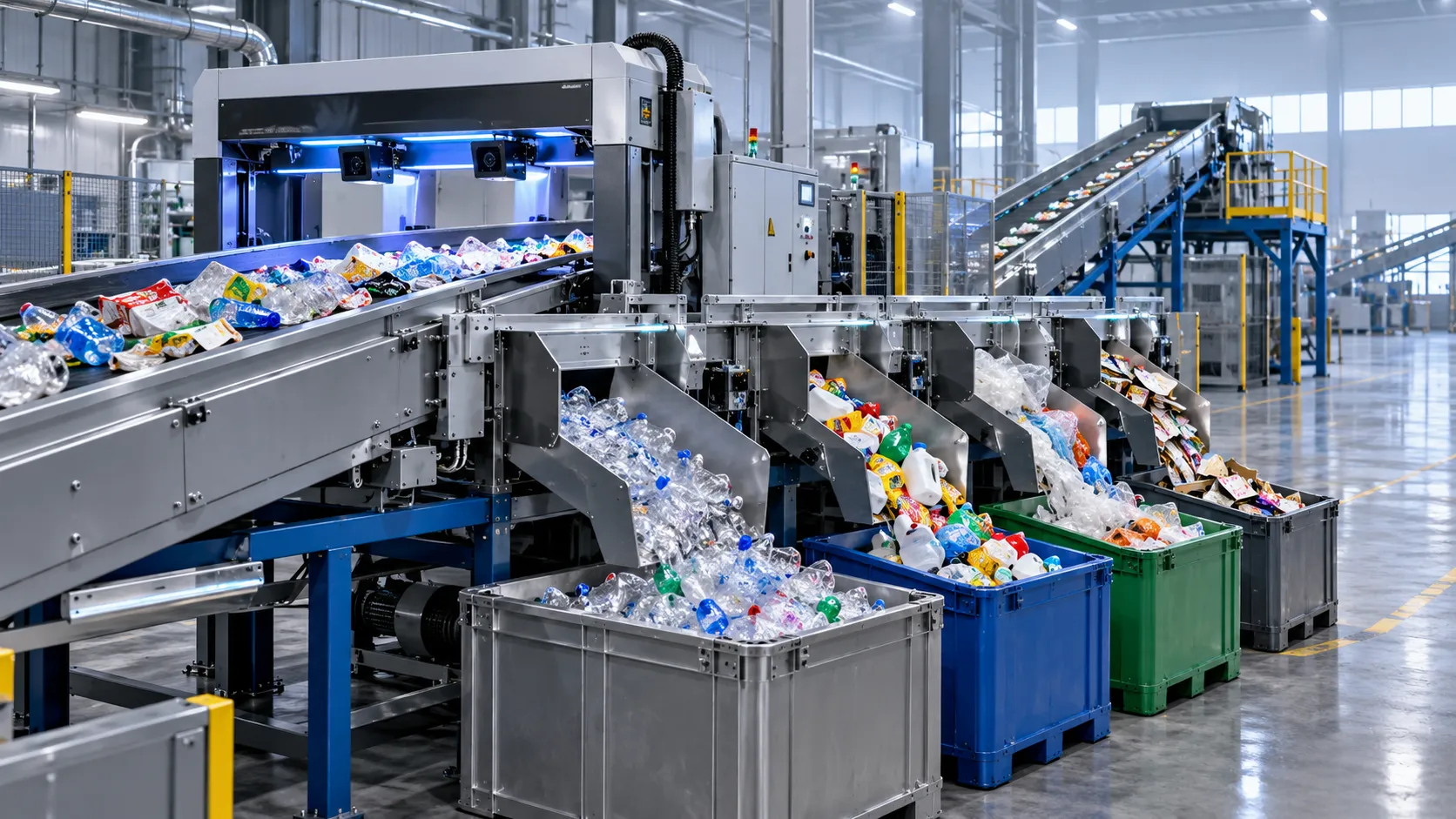
How to assess the sorting accuracy of AI waste sorting equipment
Assess AI waste sorting equipment with practical tests for recovery, purity and throughput. Learn how to compare suppliers and make a confident purchase.
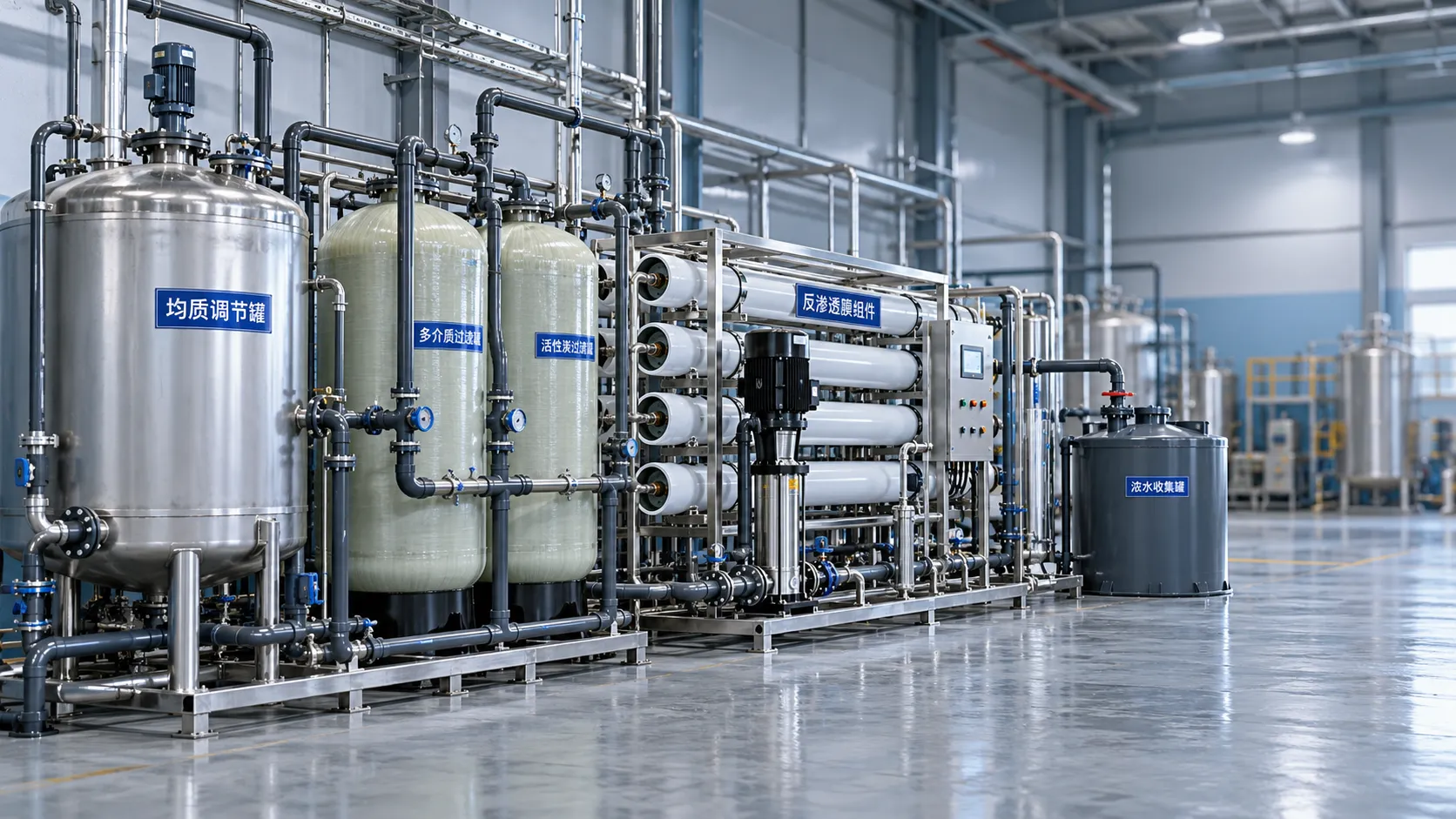
Choosing purification systems for chemical plants by contaminant load
Use this industrial purification systems guide for chemical plants to match treatment to contaminant loads, reduce operating risks, and improve water reuse. Explore smarter system choices.
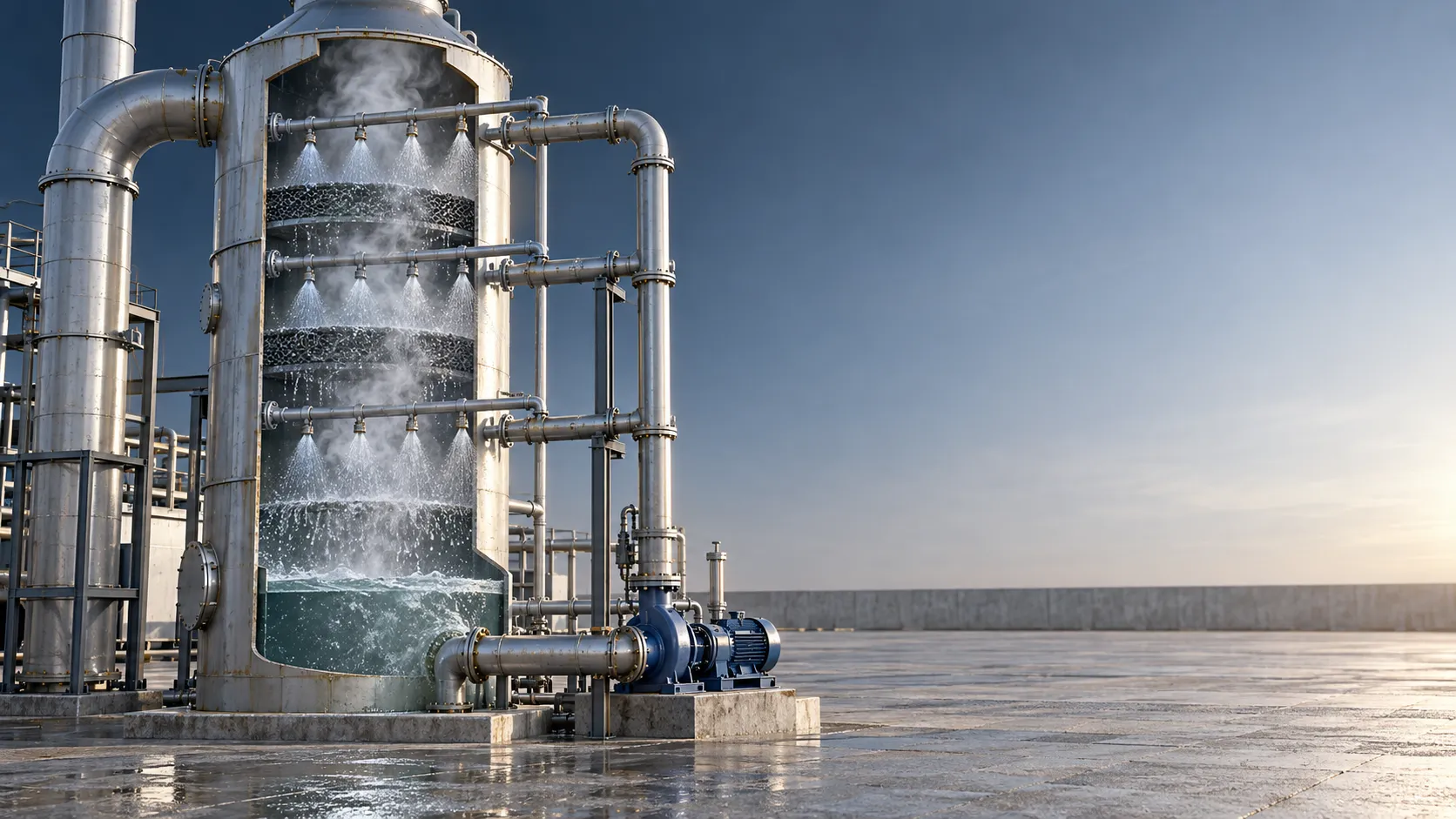
How liquid-to-gas ratio affects wet flue gas scrubbing design
Optimize flue gas scrubbing design with the right liquid-to-gas ratio. Discover how chemistry, hydraulics, and pumping costs shape reliable, cost-effective emissions control.
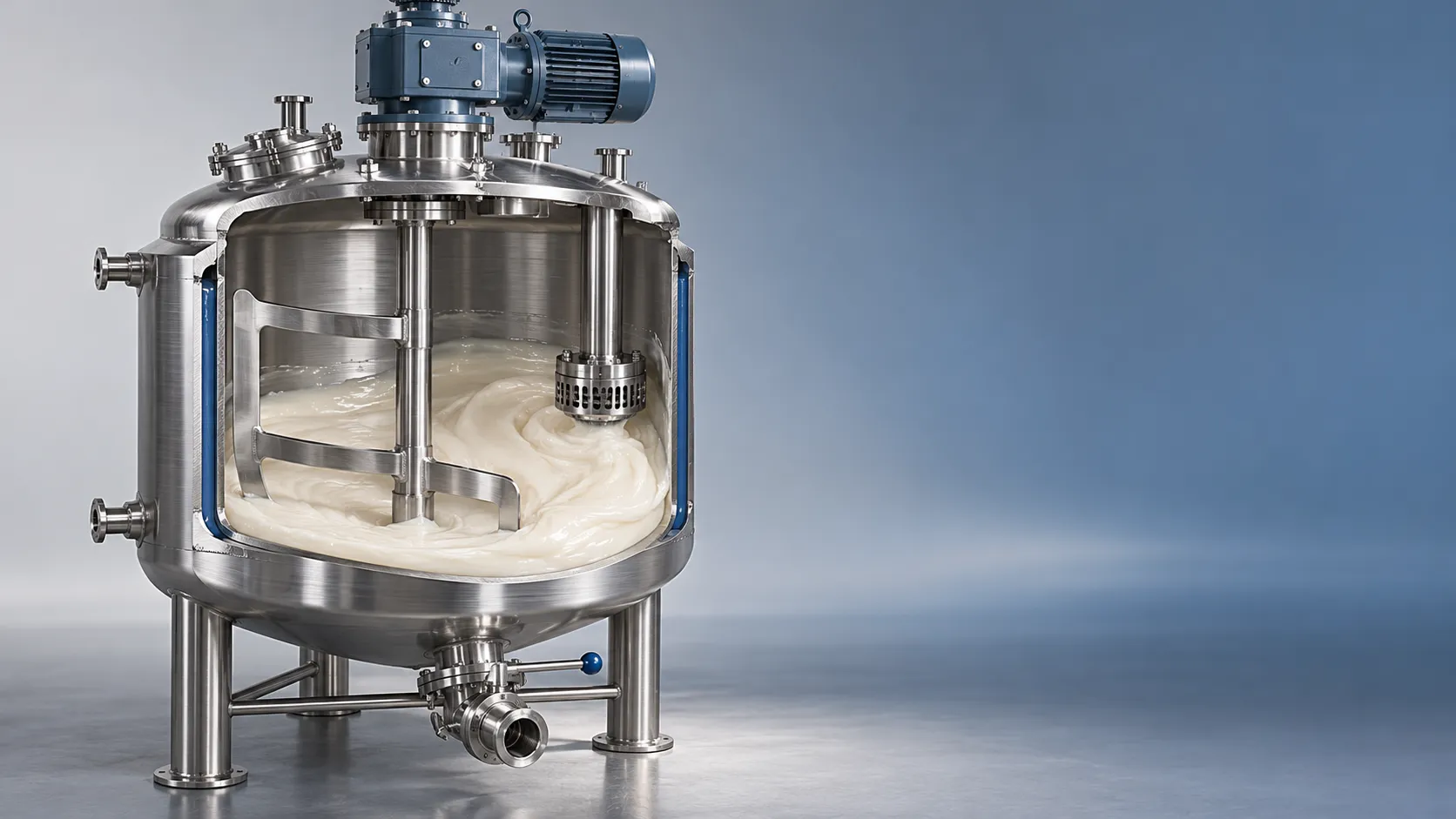
How to size ingredient mixing equipment for viscous formulations
Size mixing ingredient processing equipment for viscous formulations with expert guidance on rheology, torque, and heat removal. Learn how to select a system that delivers reliable batch performance.
How moisture affects material separation in solid waste recovery
Improve solid waste recovery material separation by understanding moisture effects on screening and sorting. Discover practical ways to boost recovery, purity, and throughput.