
Industry News
Curation by industry experts
Hot Articles
Popular Tags
How is high-level waste vitrified at nuclear reprocessing plants?
High-level waste vitrification converts radioactive liquid residues from spent-fuel reprocessing into a solid glass waste form. The liquid is conditioned, combined with glass-forming materials and fed to a high-temperature melter. The resulting molten glass incorporates much of the waste into its structure before being poured into a metal canister and cooled. Volatile and entrained radionuclides require separate capture in the off-gas system, while the sealed canister remains a managed radioactive waste package, not a finished disposal solution.
The technical question is whether the complete process can handle a defined range of waste compositions while producing glass that meets the applicable waste acceptance criteria. Melter throughput alone does not answer that question: feed variability, secondary waste generation, product durability and maintainability all constrain the practical operating envelope.
From reprocessing liquor to a controlled melter feed
High-level liquid waste is commonly an acidic solution containing fission products, residual actinides and process chemicals left after recoverable materials have been separated from dissolved spent fuel. Its composition reflects the fuel, irradiation history, cooling period and separation process. Stored liquor can also change through precipitation, evaporation or mixing with material from different campaigns.
Before vitrification, the waste is characterized and adjusted to make its behavior predictable. Sampling needs to account for both the liquid and any settled solids: a clear sample taken above a deposit may understate the amount of material that will eventually enter the melter. The relevant measurements include radionuclide inventory, acidity, major elements, suspended solids and constituents that affect glass chemistry or volatilization.
Feed preparation can include concentration, blending and addition of glass-forming chemicals. Depending on the plant design, the liquid feed is calcined before melting, or drying and decomposition occur as it enters the melter. Calcination removes water and decomposes some compounds, producing an oxide-rich material. These transformations also release gases, including nitrogen oxides from nitrate-bearing feed, that must be accommodated by the off-gas treatment system.
Feed homogeneity matters beyond meeting an average recipe. A batch that satisfies its target composition in aggregate can still cause local precipitation, unstable feeding or changes in electrical conductivity if solids settle in a tank or accumulate in a transfer line. Agitation, representative sampling and a defined response to interrupted transfers therefore form part of process control.
Designing glass around the waste
Borosilicate glass is widely used for high-level waste because its composition can accommodate a range of waste constituents while providing useful processing and durability characteristics. Glass formers such as silica and boron compounds build the network; other additives adjust properties including melting behavior, viscosity and chemical durability. The exact formulation is established for the waste and the melter, not selected independently of them.
Waste loading describes the fraction of waste-derived material incorporated into the glass, often expressed on an oxide basis. Higher loading reduces the amount of glass required for a given quantity of waste, but it can also push the formulation outside acceptable limits. The meaningful comparison is between qualified formulations with the same loading definition and an explicitly stated feed composition, including any assumed variation.
Several constraints can limit loading. Some components have limited solubility and can form separate phases; others alter melt viscosity or electrical conductivity. Excessive viscosity can hinder pouring and mixing, while glass that is too fluid can increase wear or encourage settling of dense particles. Electrical conductivity must remain compatible with the heating method in a joule-heated melter. A formulation that performs well in a laboratory crucible still needs confirmation under the relevant thermal history, feed rate and residence conditions.
Sulfate illustrates the importance of composition-specific limits. If its concentration exceeds the capacity of the melt, a separate salt-rich phase can form and affect processing or product consistency. The tolerance is not a universal number: it changes with the rest of the glass formulation and operating conditions. Similarly, crystalline phases are not automatically evidence of failure; their identity, quantity and effect on processing and qualified product performance determine their significance.
What happens inside the melter?
In a typical continuous vitrification process, prepared feed enters a heated vessel containing molten glass. Water evaporates, chemical species decompose or react, and the resulting material dissolves into the melt. Fresh glass is withdrawn periodically or continuously for pouring, while additional feed replaces it. The vessel operates within a controlled temperature range appropriate to its glass formulation and materials of construction.
Joule-heated ceramic melters pass electric current through the molten glass. Their refractory linings and electrodes must withstand a chemically aggressive, radioactive environment. Cold-crucible induction melters use electromagnetic heating and a cooled containment boundary that can support a protective layer of solidified glass. These approaches impose different constraints on conductivity, corrosion, maintenance and the treatment of feed constituents. A claimed throughput is meaningful only when the associated glass composition, feed condition, operating schedule and availability assumptions are known.
Where liquid feed is placed on the melt surface, a reacting layer often called a cold cap forms. It can reduce the escape of some volatile materials and shield the melt, but its behavior also influences heat transfer and production rate. A thick or uneven cap, foaming, deposits and variations in feed delivery can each reduce effective throughput. A single temperature reading cannot distinguish all of these conditions; interpretation requires the feed history, power input, off-gas behavior and other available process signals.
Dense, poorly soluble particles can accumulate in parts of a melter if mixing and withdrawal do not keep them suspended. Such deposits can interfere with heat transfer, electrical operation or draining. Conversely, an increase in electrical power is not proof of a deposit: changes in glass composition, melt level, electrode condition or thermal losses can produce similar symptoms. The design basis needs to address how accumulation is limited, detected and managed during the expected service life.
Off-gas control is part of the vitrification process
Vitrification concentrates much of the radioactive inventory in glass, but it does not retain every constituent completely. Evaporation, chemical volatility and entrainment carry material into the off-gas stream. Its composition varies with the waste, feed rate and temperature profile; it can contain water vapor, nitrogen oxides, particulates and volatile radioactive species.
A treatment train generally cools or quenches the gas, removes particulates and aerosols, and applies additional treatment suited to the contaminants present. Equipment can include scrubbers, filters and specialized sorbents. The train must maintain the required confinement and pressure conditions through normal operation, start-up, shutdown and credible upset conditions. Aerosol capture and removal of a gaseous species are different duties: strong performance for one does not establish adequate control of the other.
Captured material does not disappear. Scrubber liquids, spent filters, sorbents and maintenance components become secondary waste streams requiring their own treatment and disposal routes. Some collected material can be returned to the vitrification feed when the process and acceptance conditions allow it. Recycling also returns constituents that may accumulate or upset the glass recipe, so the recycle rate and purge route need to be included in the overall material balance.
Pouring, cooling and qualifying the package
Molten glass is poured into a compatible metal canister in a shielded facility. Filling arrangements must accommodate high temperature, radioactive contamination and remote handling. After cooling, the canister is closed, decontaminated as necessary and inspected under the applicable qualification and quality-assurance arrangements. Cooling establishes the final glass microstructure; it also creates thermal stresses, so the product is expected to fracture as it cools. Fracture alone does not establish that the waste form is unacceptable, although it affects the surface area exposed if water later reaches the glass.
Product qualification links the recorded feed and process conditions to the properties required of the finished package. Depending on the governing acceptance framework, evidence can include composition controls, production records, representative sampling, glass-property testing, canister inspection and radionuclide inventory calculations. Direct sampling of every highly radioactive canister may be impractical, making validated process controls and traceable records especially important.
Glass durability is often assessed using standardized laboratory leach tests or qualified alternative methods. These tests compare glass behavior under specified conditions; they do not reproduce every feature of a storage facility or geological repository. Test temperature, solution chemistry, glass particle size or exposed surface, and test duration affect the result. A low release measured in one test should not be treated as a direct prediction of release over the full disposal period.
The canister and glass have distinct functions. The canister contains the glass during filling, handling, transport and storage under its approved conditions. The glass immobilizes radionuclides within the waste form. Long-term isolation depends on the complete disposal system, including engineered barriers and the geological environment, as well as the evolution of the package over time.
Defining a defensible operating envelope
For nuclear waste treatment for reprocessing plants, a credible technical assessment connects the incoming waste inventory to the final package and every secondary stream. Nameplate capacity alone is insufficient. Production rate should be stated alongside the qualified feed range, glass loading, off-gas limitations, maintenance allowances and assumptions about campaign duration. A melter capable of accepting a difficult waste composition at reduced loading may generate more canisters than a higher-loading process, even if both process similar volumes of liquid.
Operating interruptions also deserve explicit treatment. Feed can remain in tanks or lines while solids settle; glass can cool in a pour path; volatile species can deposit in off-gas equipment. Restart procedures, provisions for flushing or recovery, remotely maintainable components and spare capacity affect whether the process can return to its qualified state. These provisions are particularly consequential where radiation fields restrict direct access.
Acceptance requirements come from the applicable national regulatory framework and the intended storage, transport and disposal routes. They should be established before finalizing the glass formulation and canister design, because a package acceptable for one stage is not automatically accepted at another. The strongest basis for comparison is a documented chain from characterized feed through operating limits and off-gas balances to a qualified waste form and a defined destination for secondary wastes.
Recommended News
How does waste classification affect nuclear waste treatment cost?
Discover how waste classification affects nuclear waste treatment cost, from characterization and packaging to disposal, and learn how to build a more reliable project budget.
How wastewater salinity affects industrial zero liquid discharge equipment selection
Industrial zero liquid discharge equipment selection starts with wastewater salinity. Explore membrane, evaporation, scaling, and cost considerations.
When is wet scrubbing suitable for flue gas cleaning?
Flue gas cleaning with wet scrubbing can control acid gases and particles. Discover when it makes sense and how to weigh water, wastewater and operating costs.
How to assess the sorting accuracy of AI waste sorting equipment
Assess AI waste sorting equipment with practical tests for recovery, purity and throughput. Learn how to compare suppliers and make a confident purchase.
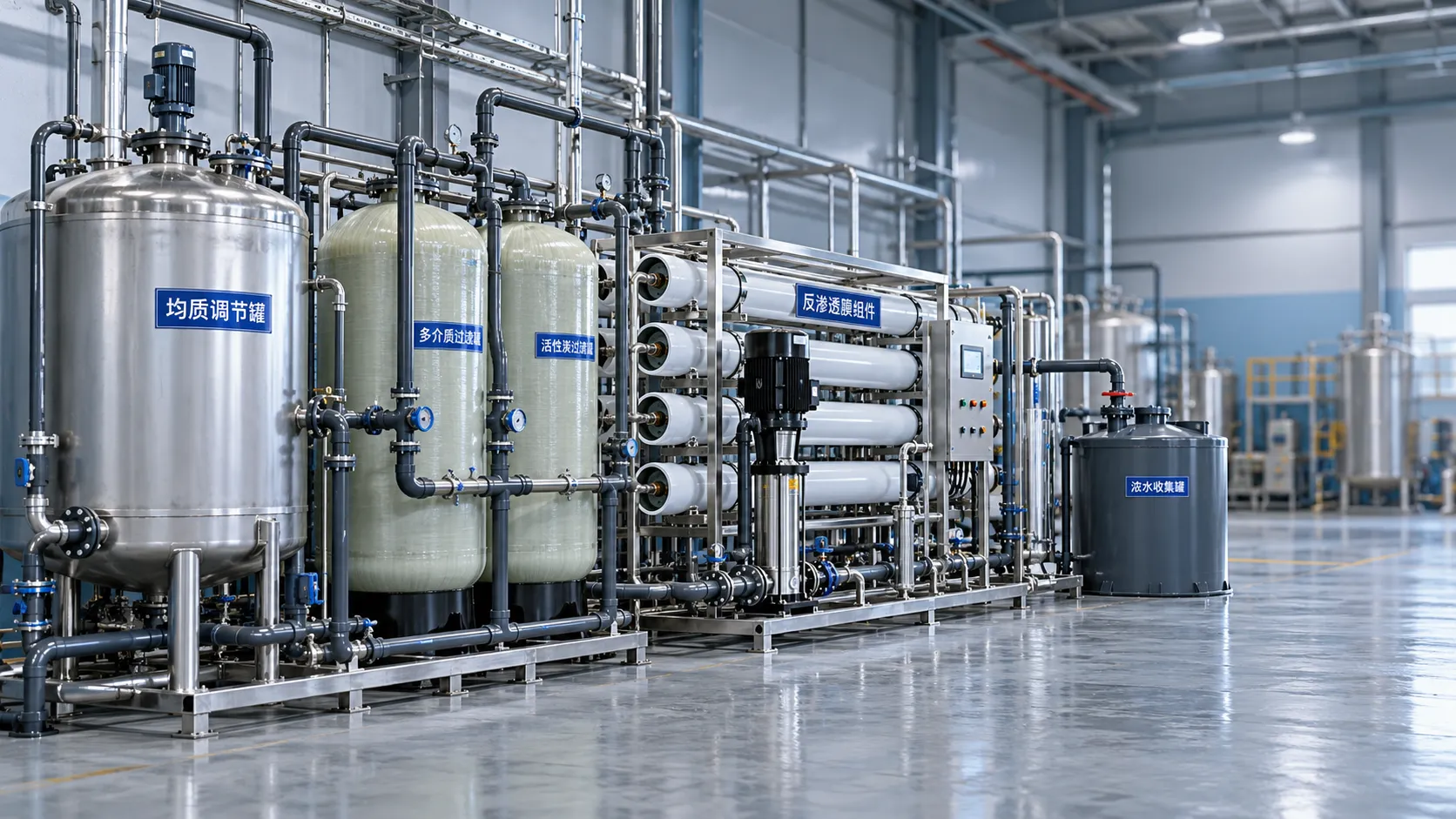
Choosing purification systems for chemical plants by contaminant load
Use this industrial purification systems guide for chemical plants to match treatment to contaminant loads, reduce operating risks, and improve water reuse. Explore smarter system choices.
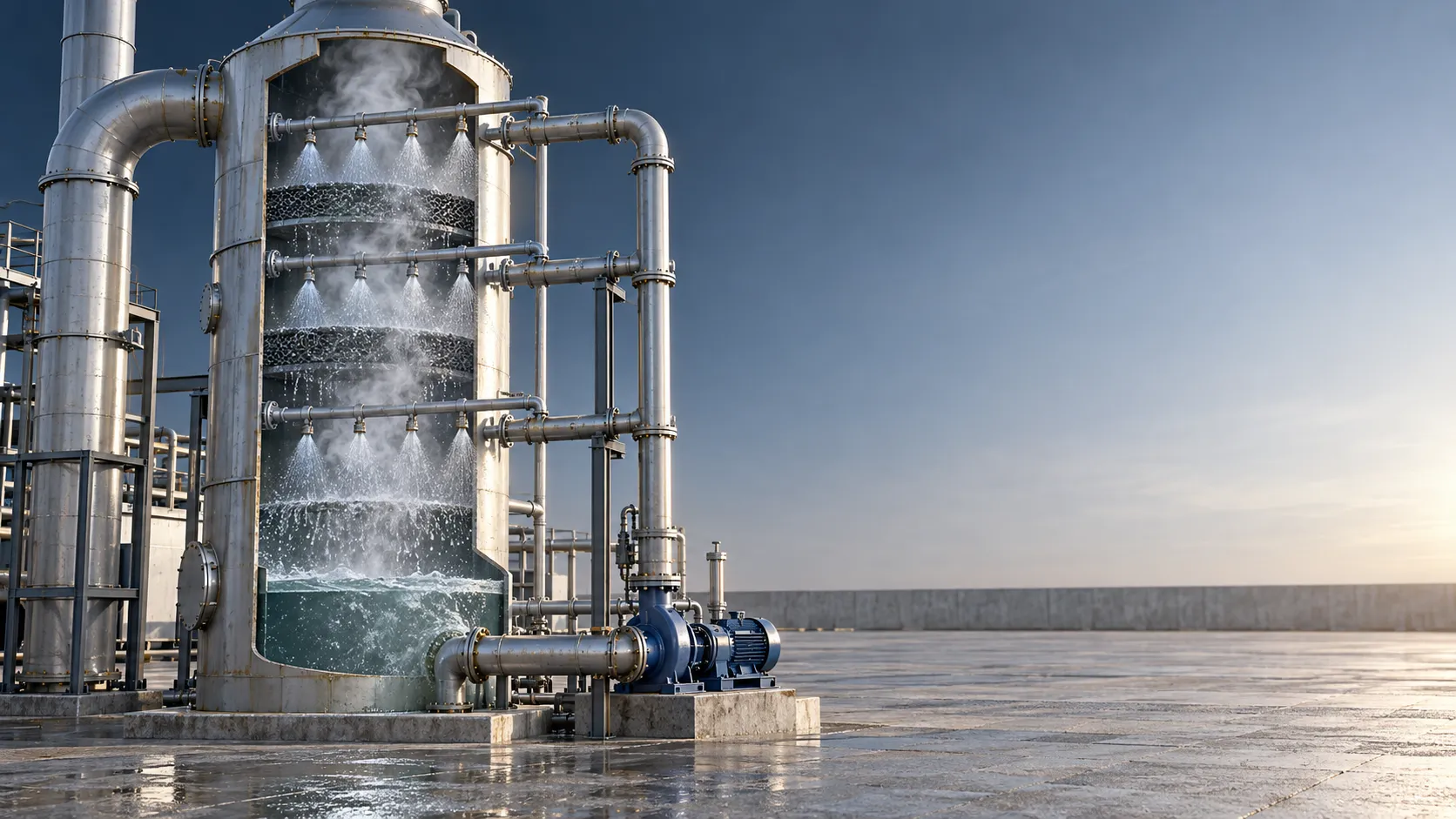
How liquid-to-gas ratio affects wet flue gas scrubbing design
Optimize flue gas scrubbing design with the right liquid-to-gas ratio. Discover how chemistry, hydraulics, and pumping costs shape reliable, cost-effective emissions control.
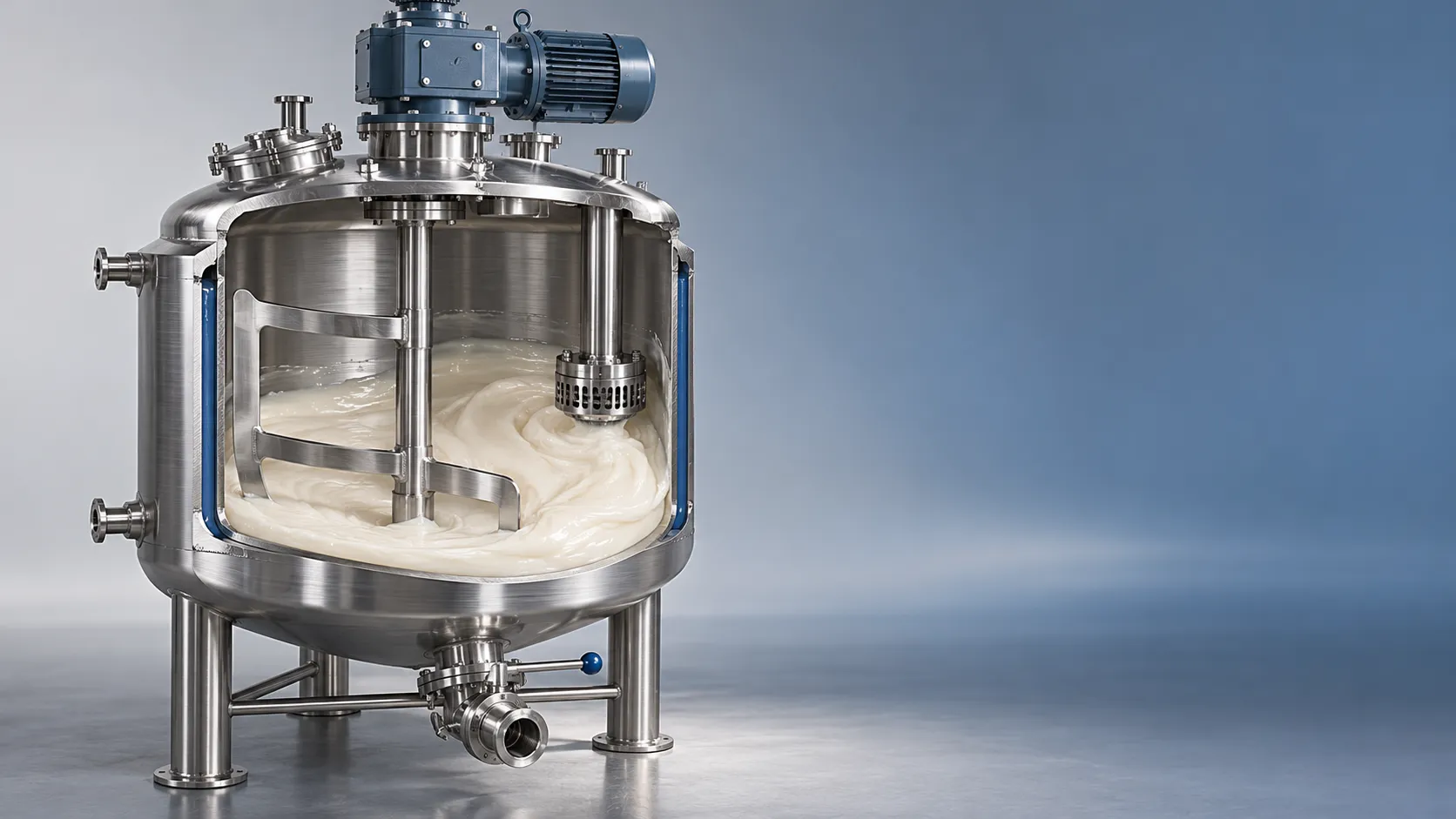
How to size ingredient mixing equipment for viscous formulations
Size mixing ingredient processing equipment for viscous formulations with expert guidance on rheology, torque, and heat removal. Learn how to select a system that delivers reliable batch performance.
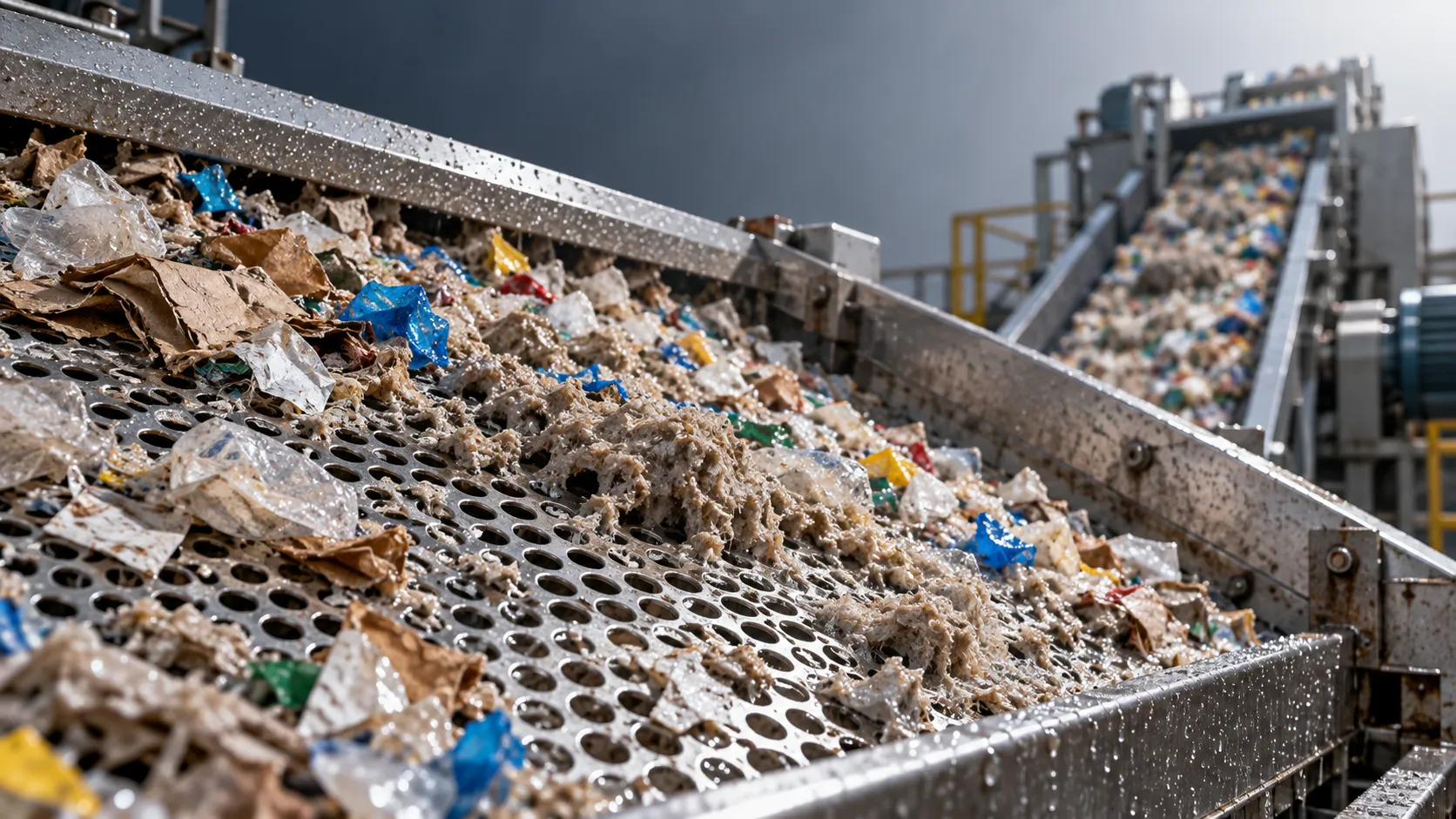
How moisture affects material separation in solid waste recovery
Improve solid waste recovery material separation by understanding moisture effects on screening and sorting. Discover practical ways to boost recovery, purity, and throughput.
How to set recovery rates in seawater reverse osmosis system design
Explore seawater desalination systems engineering: learn to set SWRO recovery rates that balance energy, scaling risks, and water quality for reliable, cost-effective operation.