
Industry News
Curation by industry experts
Hot Articles
Popular Tags
How moisture affects material separation in solid waste recovery
Moisture changes what a separation system actually handles: not just heavier waste, but particles with different adhesion, surface properties, and trajectories. A screen can retain fines that should pass through its apertures; an air classifier can send wet paper into the heavy fraction; an optical sorter can identify a plastic item correctly yet fail to eject it because other material is stuck to it. The result is lower recovery, poorer product purity, or unstable throughput—even when the equipment is mechanically sound.
There is no universal acceptable moisture content for solid waste recovery material separation. The relevant limit depends on where water is held, which materials carry it, and how the separator works. Moisture control should therefore be specified against measurable separation performance, not simply against a target percentage for the incoming waste.
The same moisture percentage can describe very different feedstocks
Total moisture content alone does not explain separation behavior. Water absorbed inside cardboard affects mass and stiffness, while a surface film on plastic can bind fines to the plastic and change its optical response. Free liquid adds drainage and handling problems. These conditions can coexist within one load.
The distinction matters because absorbed water and surface water respond differently to treatment. Drainage can remove free liquid without substantially drying paper. Mechanical dewatering can reduce water in a suitable organic fraction but may not remove thin films from mixed packaging. Thermal drying requires heat transfer and residence time, with results governed by material thickness, airflow, and how tightly water is retained.
Moisture results also require an explicit reporting basis:
- Wet-basis moisture: water mass divided by total wet sample mass.
- Dry-basis moisture: water mass divided by dry solids mass.
A sample containing 20% moisture on a wet basis contains 25% on a dry basis. Comparing these values without conversion creates a false difference between feedstocks or equipment guarantees. Specifications should state the basis, sampling location, sample preparation, and measurement method.
A bulk average can also conceal the moisture distribution that drives failure. A mixture of relatively dry containers and saturated paper may have the same average moisture as uniformly damp material, but it will not behave the same way during screening or air classification.
Adhesion and agglomeration disrupt the separation logic
At suitable surface conditions, water forms liquid bridges between contacting particles. These bridges create capillary forces that hold fines onto larger objects or bind particles into clusters. Their significance depends on particle size, surface wettability, roughness, and the amount of liquid present. Fine particles are particularly vulnerable because adhesive forces can become large relative to particle weight.
This changes the effective object being separated. A plastic container carrying wet organic fines is no longer behaving as clean plastic. Its mass, apparent density, exposed surface, and aerodynamic response have changed. Even if the container reaches the correct product stream, the attached material reduces product purity.
The relationship is not simply “more water means more sticking.” A damp feed may develop cohesive clusters, whereas a deliberately engineered water-based process can disperse material through agitation and controlled dilution. Uncontrolled moisture in a dry sorting line and controlled water addition in a wet separator are different operating conditions.
Water also changes mechanical behavior. Paper loses stiffness, flexible packaging can cling to other surfaces, and cohesive fines can resist uniform discharge from hoppers. These effects alter bed depth and feed presentation before material reaches the separator itself.
Screening failures begin with the effective particle size
Screens separate according to an item’s ability to encounter and pass through an opening, not its nominal size alone. Moisture interferes with both conditions. Agglomerated fines behave like larger particles, while sticky deposits reduce the available open area. Flexible wet material can cover apertures or form a mat that prevents smaller particles from reaching the screening surface.
The consequence is not limited to reduced throughput. Fine organic material retained in the oversize fraction can contaminate downstream paper, plastics, or refuse-derived fuel. A downstream sorter may then appear to perform poorly when the original loss of separation occurred at the screen.
Changing aperture size is not necessarily an effective remedy. Larger openings may release more wet fines but also allow valuable small objects into the undersize stream. Higher vibration or different motion can help release material, yet the outcome depends on screen design, feed depth, and the strength of the agglomerates.
Evaluation should therefore track size-by-size partitioning and misplaced material, alongside capacity. Comparing only total undersize yield can hide a deterioration: more material may pass through while the distribution of recoverable components becomes less selective. Inspection of blinding, cleaning frequency, and performance between cleaning intervals is also necessary.
Air classification responds to mass, shape, and moisture together
An air classifier does not separate materials by density alone. Particle mass, projected area, shape, orientation, and drag determine movement through the airflow. Moisture changes several of these variables simultaneously.
Wet paper gains mass and may collapse into a smaller shape, reducing its aerodynamic lift relative to its weight. Films carrying water or attached fines can behave more like heavy objects. Clusters containing both light and heavy materials follow a combined trajectory rather than the path expected for either clean component.
Increasing air velocity may recover some of the displaced light material, but it can also entrain unwanted dense fines. The correct adjustment depends on the product objective: recovering more combustible material is not equivalent to producing a cleaner plastic or paper fraction.
Trials should use the expected range of moisture conditions and record both product purity and component recovery. Airflow settings, feed rate, and bed presentation must remain documented; otherwise, moisture effects cannot be distinguished from changes in loading. A setting that works for dry feed may not provide an acceptable separation window for a rain-affected load.
Sensor recognition and physical ejection are separate failure points
In near-infrared sorting, water has strong absorption features that can alter measured spectra. The effect depends on the wavelength range, surface water, substrate, and classification model. Wetness does not automatically make an object unrecognizable, but it can reduce classification confidence or change the spectrum available to the algorithm.
Surface contamination adds another limitation. A sensor may observe a coating of wet fines rather than the underlying material. Camera-based recognition can also be affected by glare, darkening, obscured labels, and overlapping objects. Performance claims based on clean, dry samples do not establish performance on contaminated post-consumer waste.
Recognition accuracy alone is insufficient. A correctly classified item may be heavier than expected, attached to another object, or presented in a cluster. The air jet can then miss the intended trajectory or eject unwanted material with the target.
Useful testing separates classification errors from presentation and ejection errors. It should record missed targets, false ejections, co-ejected contamination, and product quality at realistic belt loading. Drying the feed may improve recognition, but spreading and singulation may deliver a larger benefit where overlap is the dominant limitation.
Other separation methods have different moisture sensitivities
Electrostatic separation is particularly sensitive to surface electrical behavior. Moisture can increase surface conductivity and allow charge to dissipate, weakening the contrast on which separation depends. Feed conditioning and humidity control may therefore be integral process requirements rather than optional improvements.
Magnetic attraction itself is not eliminated by ordinary feed moisture. However, wet nonmagnetic material attached to ferrous objects can be carried into the magnetic product, reducing its cleanliness. Thick or uneven feed beds can also limit access to the magnetic field.
Eddy-current separation can likewise suffer from poor presentation and attached contamination. Moisture should not be treated as a standalone explanation for every loss of nonferrous recovery: particle size, metal conductivity, rotor configuration, belt speed, and discharge geometry remain important.
Wet density separation deliberately uses water as a process medium. In that case, the question shifts from keeping feed dry to controlling dispersion, liquid density, suspended solids, entrained air, and water circulation. Water absorption by porous materials and trapped air can complicate apparent density differences. Washing can release attached contamination, but it transfers that contamination into a water-treatment and sludge-management system.
Build testing around a dry-solids mass balance
Wet tonnes per hour can obscure the actual processing duty. As an illustrative calculation, 10 tonnes of feed at 40% wet-basis moisture contains 6 tonnes of dry solids. The same wet feed rate at 20% moisture contains 8 tonnes of dry solids. A capacity comparison based only on incoming wet mass would miss this difference.
The same issue affects product yield. Water retained in a recovered fraction can increase its apparent mass without increasing recovered material. Recovery should be calculated from the target component entering and leaving the process on a consistent basis; product moisture should be reported separately.
A defensible test programme should include:
- Representative feed: capture variation in composition, particle size, and weather exposure rather than testing one convenient batch.
- Matched conditions: compare moisture levels using comparable material composition, with sufficient conditioning time to distinguish surface wetting from absorption.
- Stream sampling: sample feed, products, and rejects over aligned operating periods, allowing for process residence time.
- Performance accounting: report component recovery, purity, dry-solids throughput, downtime, cleaning demand, and moisture in each relevant stream.
- Operating records: document settings, bed depth, ambient conditions, and any operator intervention.
Sampling is especially important in heterogeneous waste. Exposed samples can lose moisture during handling, while free water can drain before weighing. Prompt weighing, sealed containers, and a defined preparation procedure help reduce these errors. Online moisture sensors need calibration against the relevant material mix; a changing composition can alter their response independently of water content.
The laboratory method must match the material and purpose. Oven mass loss is not always exclusively water: some waste components can release other volatile substances or change during heating. Where a recognized standard is used, its material scope and prescribed conditions should be checked. A method intended for solid recovered fuel should not automatically be treated as suitable for every mixed-waste sample.
Specify moisture control where it changes the result
The least demanding intervention may be preventing water ingress through covered storage, drainage, and controlled residence time. Where wet fines are the main source of contamination, removing or treating that fraction can be more effective than drying the entire feed. Where feed presentation dominates, agitation, controlled feeding, or better spreading may be the more relevant intervention.
Thermal drying requires a stronger justification. Its assessment must include water removal duty, heat losses, exhaust treatment, maintenance, and effects on downstream dust and fire risk. Mechanical dewatering avoids evaporating part of the water load, but its applicability depends on whether the material can be handled and dewatered without unacceptable losses or product damage.
The performance specification should define an operating envelope: moisture range and basis, composition, particle-size distribution, allowable free liquid, throughput, and required recovery and purity. It should also define what happens outside that envelope—reduced feed rate, alternative settings, diversion, or additional conditioning.
A moisture limit becomes useful only when it predicts a meaningful process outcome. The strongest acceptance criterion links feed condition to recoverable dry material, saleable product quality, and sustained operating availability. That establishes whether moisture control is solving a separation problem rather than merely producing a drier feed.
Recommended News
How to set recovery rates in seawater reverse osmosis system design
Explore seawater desalination systems engineering: learn to set SWRO recovery rates that balance energy, scaling risks, and water quality for reliable, cost-effective operation.
When is compaction suitable for solid nuclear waste treatment?
Is compaction right for solid nuclear waste treatment? Discover suitable waste streams, key safety checks, and disposal requirements to reduce package volume and optimize costs.
How solids concentration affects dewatering in waste recovery systems
Optimize waste recovery systems dewatering with insights on solids concentration. Learn to balance throughput, cake dryness, and solids capture while avoiding costly equipment overloads.
How to compare technical specs in an environmental equipment directory
Use this environmental equipment directory technical guide to compare capacity, energy use, compliance, and supplier evidence. Build a defensible shortlist and choose with confidence.
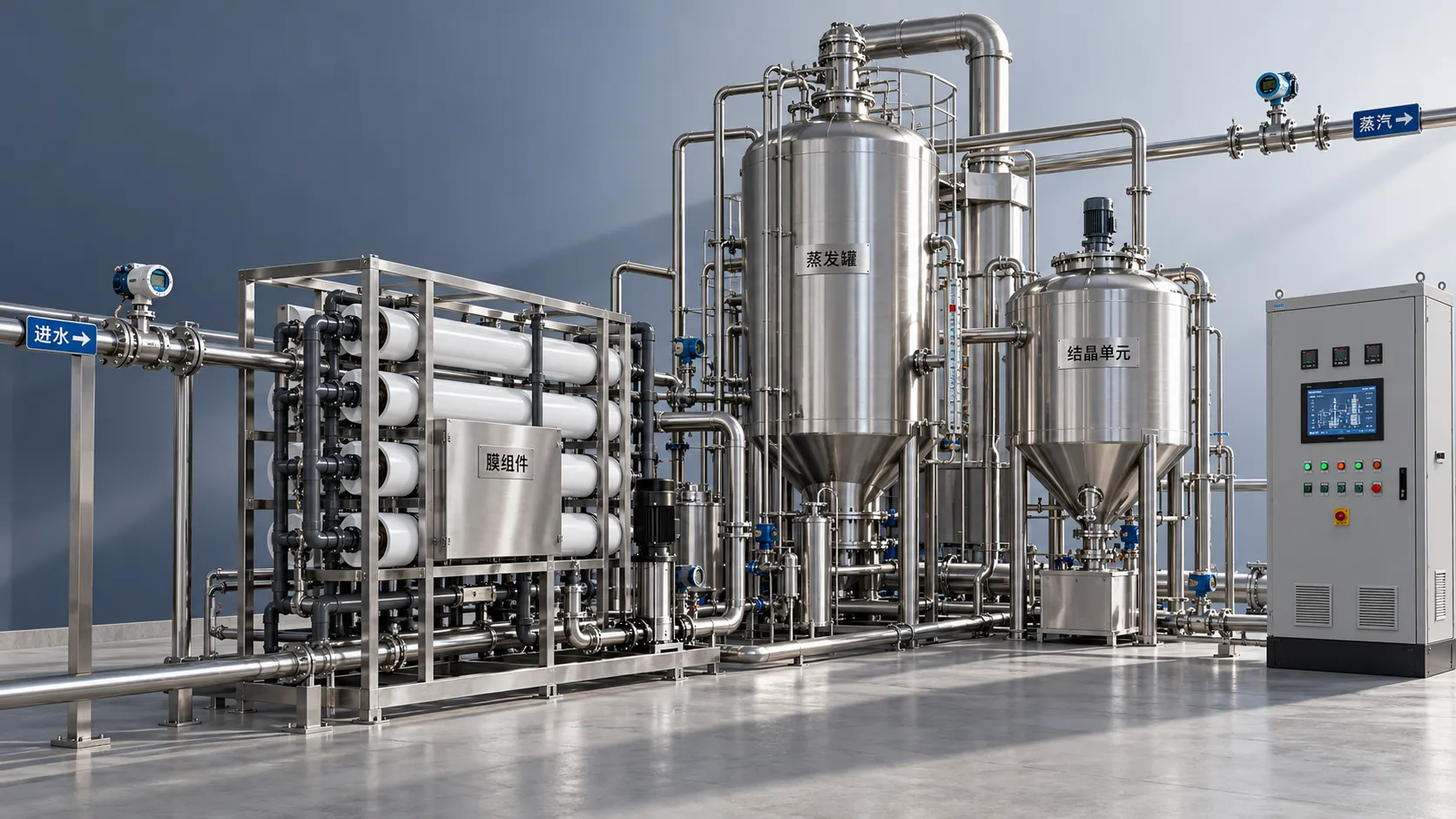
How to assess a zero liquid discharge equipment supplier’s energy claims
Assess a zero liquid discharge equipment supplier’s energy claims. Learn how to verify system boundaries, compare real costs, and demand testable guarantees before you buy.
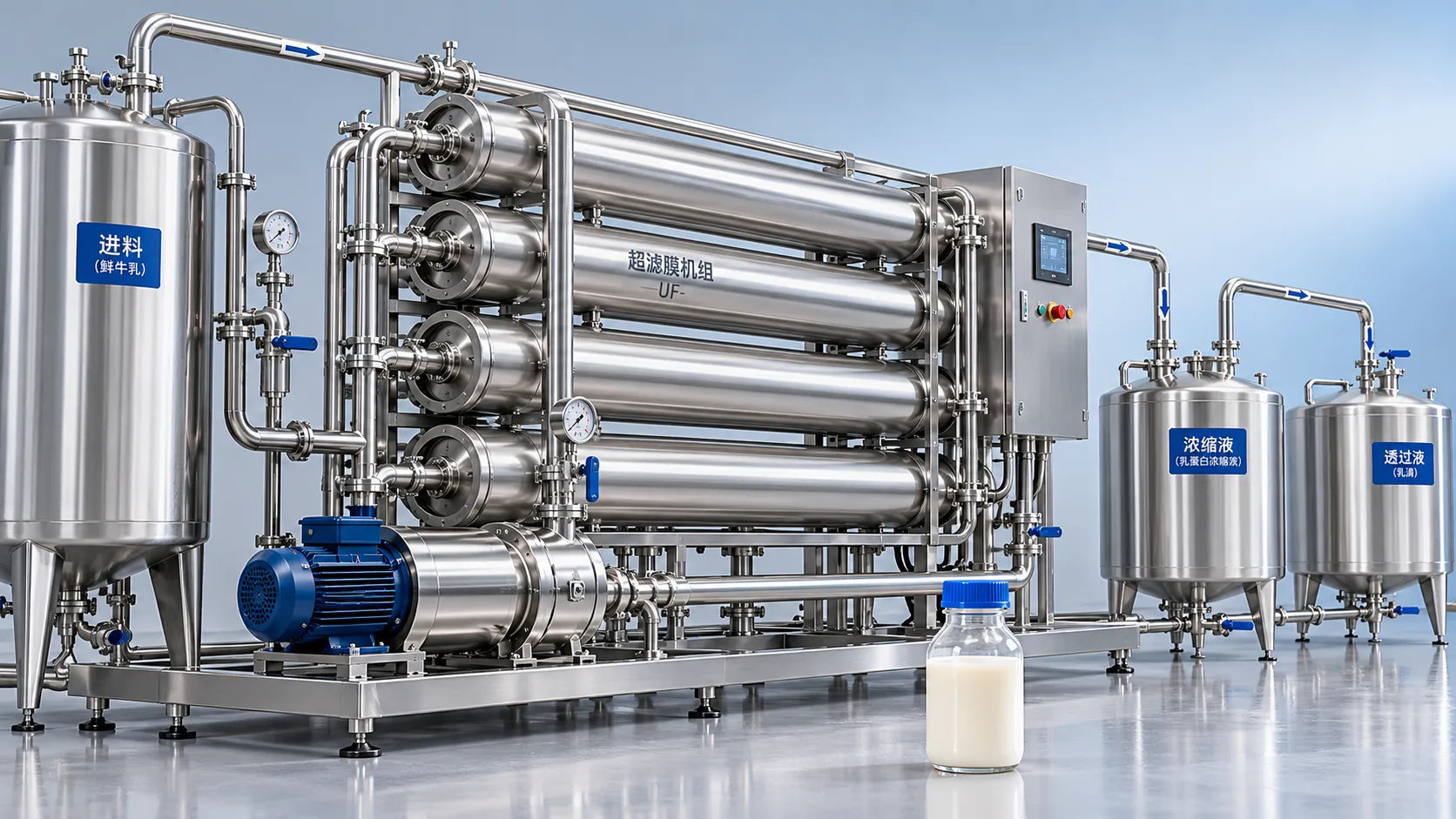
Which membrane filtration process suits dairy protein concentration?
Explore membrane filtration for dairy: compare UF, MF, and RO to select the right process for protein concentration, lactose reduction, and better recovery. Find your best fit.
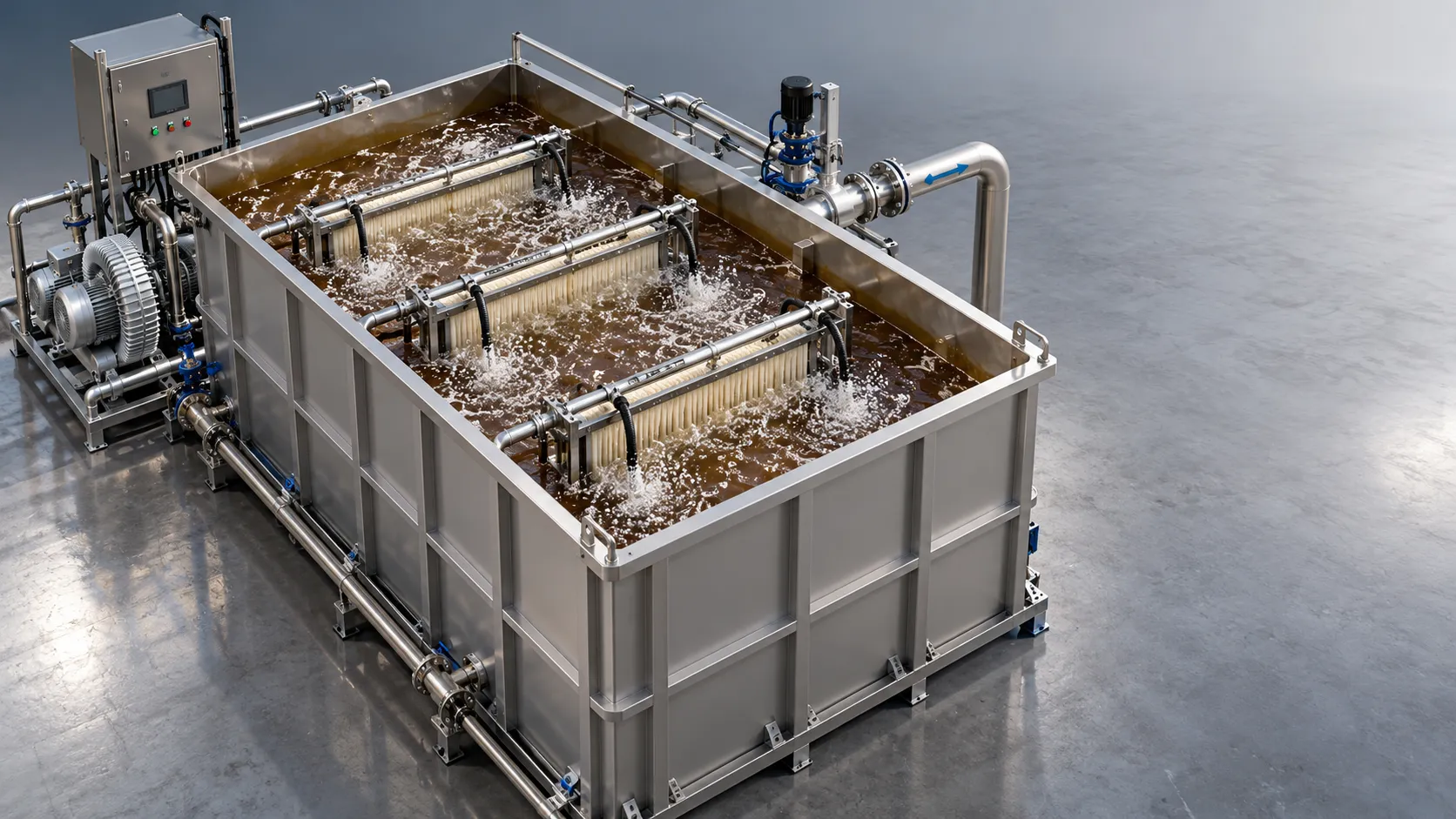
When is an MBR suitable for wastewater purification for bioprocessing?
For wastewater purification for bioprocessing, discover when an MBR fits your needs. Compare water quality, fouling risks, and lifecycle costs before investing.
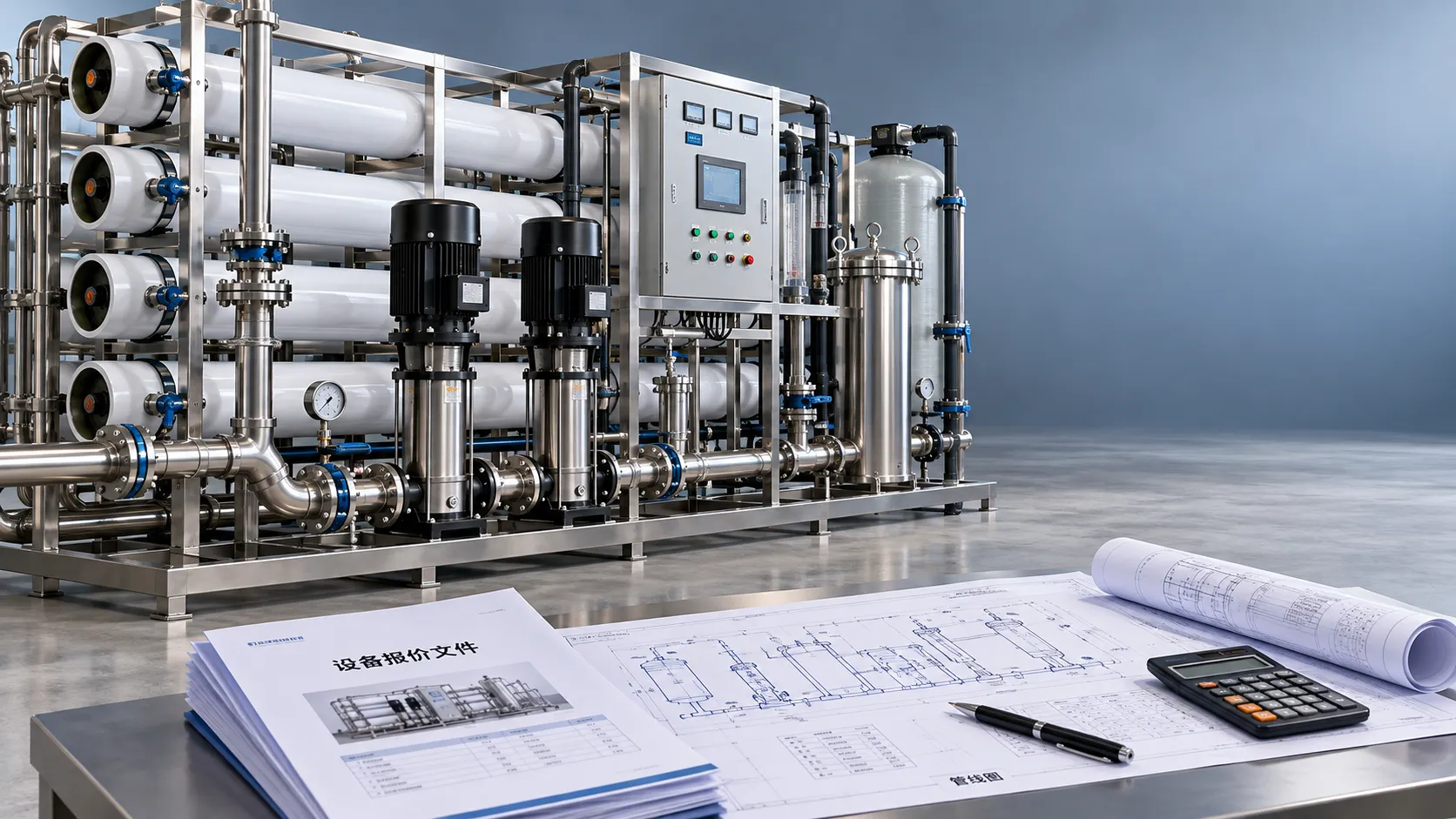
How to check a water treatment quotation for hidden project costs
Review your water treatment quotation for hidden costs, scope gaps, and operating expenses. Learn what to check before signing to protect your budget and avoid costly surprises.
How to vet ingredient processing equipment manufacturers using trials
Vet ingredient processing equipment manufacturers with real-world trials. Learn how to verify yield, cleaning, energy use, and scale-up before you invest.