
Industry News
Curation by industry experts
Hot Articles
Popular Tags
When is wet scrubbing suitable for flue gas cleaning?
Wet scrubbing is a suitable flue gas cleaning option when a facility must remove soluble acid gases, such as sulfur dioxide and hydrogen chloride, or capture particulate matter from high-moisture exhaust streams. Its suitability depends on pollutant concentrations, removal targets, gas temperature, reagent availability, and the capacity to manage wastewater and residual solids. Comparing these factors with dry and semi-dry alternatives is essential to determining whether wet scrubbing can meet emissions requirements without creating disproportionate operating costs or downstream treatment burdens.
The question is not simply whether a scrubber can absorb a particular pollutant. It is whether the entire system—quench, absorber, mist eliminator, recirculation loop, bleed treatment and stack—can handle the actual gas stream throughout the operating year. A design that looks attractive at average load can become difficult to operate when fuel composition changes, chlorides accumulate or the plant runs well below design capacity.
When the gas chemistry favors a wet process
Wet systems are especially relevant where acid-gas loading is substantial or varies over time. In a wet flue gas desulfurization system, sulfur dioxide is absorbed into liquid and reacts with an alkaline reagent. Limestone and lime are common choices, although the appropriate chemistry depends on the duty and the site’s ability to handle the resulting solids. Caustic-based systems are also used where rapid neutralization or a smaller equipment footprint is valuable, but reagent cost and dissolved salt management deserve close attention.
Hydrogen chloride and hydrogen fluoride are readily absorbed in water, so a wet stage can be attractive for exhaust from processes with variable halogen content, including some waste combustion applications. That does not mean a single alkaline loop is automatically the best arrangement. Acid loading, corrosion risk and competing treatment objectives may justify separate stages or a different reagent strategy. The correct choice depends on measured inlet conditions and the required outlet performance.
The reverse is also true: do not assume that every gas-phase contaminant will disappear in the same absorber. Nitrogen oxides are not generally controlled effectively by a conventional wet acid-gas scrubber alone. Elemental mercury is difficult to capture by ordinary absorption and may require oxidation or a separate control technique. Pollutant speciation matters more than a broad label such as “total mercury.”
Particle capture is a separate design decision
Wet scrubbers can collect particles as well as gases, but the particle size distribution determines how demanding that duty will be. A venturi scrubber can provide intensive gas-liquid contact for fine particulate capture; the trade-off is pressure drop and fan power. A spray tower selected primarily for acid-gas absorption should not be assumed to deliver the same fine-particle performance.
For a process with high dust loading, upstream collection may still be worthwhile. Removing much of the particulate before the wet stage can reduce abrasive wear, slurry loading and fouling. Whether a fabric filter, electrostatic precipitator or another device fits best depends on gas temperature, dust properties and the full treatment train. In particular, a fabric filter needs suitable temperature and moisture conditions; placing it after a wet absorber introduces condensation-related risks unless the gas is conditioned appropriately.
Also distinguish captured solids from liquid droplets carried out of the absorber. Poor mist elimination can cause visible emissions, downstream corrosion and deposit formation even when acid-gas absorption is performing well. Outlet particulate assessment should account for mist and entrainment, not just the dust entering the scrubber.
Hot or variable exhaust: useful duty, costly consequences
A hot exhaust stream may need quenching before entering the absorber. Cooling protects downstream components and brings the gas into contact with liquid, but it also consumes water and produces a saturated outlet stream. Evaluators should calculate the water balance across expected loads rather than treating make-up water as a minor utility. Evaporation, liquid entrainment, leaks and purge all affect demand.
The cooled gas can change stack behavior. A saturated plume may become visible as water condenses in ambient air, and wet operation can create corrosion and drainage problems in ductwork or the stack. Reheating may be considered where plume appearance, dispersion or downstream material limitations justify it, but it adds equipment and energy demand. Local permit conditions and site-specific dispersion assessment should guide that decision; a visible plume is not, by itself, proof of noncompliance.
Variable operation deserves the same attention as design capacity. Lower gas flow can alter liquid distribution and mist-eliminator performance, while pollutant spikes can outrun reagent dosing or pH control. Ask for performance expectations at minimum stable load, normal load and credible peak load—not just at one guaranteed point.
The wastewater question often decides the project
A wet scrubber transfers pollutants into a liquid or solid stream; it does not make them disappear. Recirculation reduces fresh water demand, but dissolved salts and other contaminants build up unless liquid is removed or treated. Depending on the process, the bleed may contain chlorides, sulfates, suspended solids, metals or other constituents that affect discharge, reuse and disposal options.
This is where an apparently inexpensive absorber can become an expensive site project. Existing wastewater treatment may have spare hydraulic capacity but lack the chemistry or discharge allowance to accept scrubber bleed. Conversely, a plant with established solids separation and suitable treatment capacity may be able to integrate a wet system more readily. Both hydraulic load and contaminant load need checking.
Treatment options may include neutralization, precipitation, solids separation, filtration or further salt management. Their suitability depends on the actual wastewater composition and the receiving system’s limits. Zero liquid discharge may be required by project constraints or considered where discharge is impractical, but it is not a free solution: evaporation, crystallization and residual salt disposal can substantially change energy use and capital cost. This is the kind of cross-boundary assessment that links ESD’s flue gas and water-treatment focus: the stack decision cannot be separated from the water balance.
Residual solids also need a destination. Some limestone-based desulfurization configurations can produce gypsum, but a saleable by-product depends on oxidation, product quality, contaminants, local demand and transport economics. Treat reuse as a project-specific opportunity, not an assumed revenue stream.
Wet, semi-dry or dry: where the trade-off shifts
Dry sorbent injection and semi-dry absorption can be attractive when water is scarce, wastewater discharge is restricted or the plant already has a compatible downstream particulate collector. They typically produce dry residues rather than a continuous liquid bleed. That simplifies one part of the site, but the resulting solids still require handling and disposal, and reagent consumption can be significant.
Wet scrubbing becomes more compelling when acid-gas duty is demanding, reagent costs favor the wet chemistry, and the site can manage water and residuals reliably. A dry or semi-dry route may be preferable where the total water-treatment burden outweighs those advantages. Neither choice can be settled from outlet concentration alone: compare reagent, water, electricity, maintenance, waste disposal, availability and retrofit costs under the same operating assumptions.
Space and tie-in constraints can reverse an early preference. A retrofit may require new foundations, access for slurry equipment, corrosion-resistant ducting and a fan upgrade. A dry system may instead require substantial sorbent storage, injection equipment and collector capacity. Existing assets matter, but only after their condition and remaining operating margin have been verified.
What to put in the technical evaluation
Begin with a mass balance based on representative measurements, including normal operation, foreseeable fuel or feed changes, startup and upset conditions. If sampling is limited, identify that uncertainty explicitly and test its effect on the design. An optimistic average inlet concentration is a poor basis for sizing a system that must remain compliant during short-lived peaks.
A useful bid comparison should resolve these points before performance claims are treated as equivalent:
- Inlet gas flow, temperature, moisture, oxygen basis and pollutant concentrations, including variability and measurement conditions.
- Required outlet limits and averaging periods, with the applicable jurisdiction and permit basis confirmed for the project.
- Reagent type, consumption assumptions, storage requirements and sensitivity to inlet loading.
- Water balance, purge composition, wastewater treatment scope and residual-solids disposal route.
- Guaranteed pressure drop, electrical loads, materials of construction and corrosion allowances.
- Performance at reduced load, cleaning arrangements, redundancy and the consequences of pump, nozzle or mist-eliminator failure.
Pay particular attention to interfaces. A supplier’s absorber guarantee may exclude inlet-gas variability, wastewater treatment, stack conditions or reagent quality. Those exclusions are not necessarily unreasonable, but someone must own them in the overall plant design. The same applies to monitoring: pH, circulation flow, pressure drop and liquid quality help operators detect problems, while compliance monitoring must follow the applicable permit and measurement requirements.
Wet scrubbing is a strong candidate when the pollutant chemistry favors absorption and the facility can support the water, materials and maintenance demands that follow. Before committing, ask the design team to trace each significant contaminant from the inlet duct to its final outlet: stack, wastewater, recoverable product or disposal. If any of those destinations remains undefined, the flue gas cleaning decision is not yet complete.
Recommended News
How to assess the sorting accuracy of AI waste sorting equipment
Assess AI waste sorting equipment with practical tests for recovery, purity and throughput. Learn how to compare suppliers and make a confident purchase.
Choosing purification systems for chemical plants by contaminant load
Use this industrial purification systems guide for chemical plants to match treatment to contaminant loads, reduce operating risks, and improve water reuse. Explore smarter system choices.
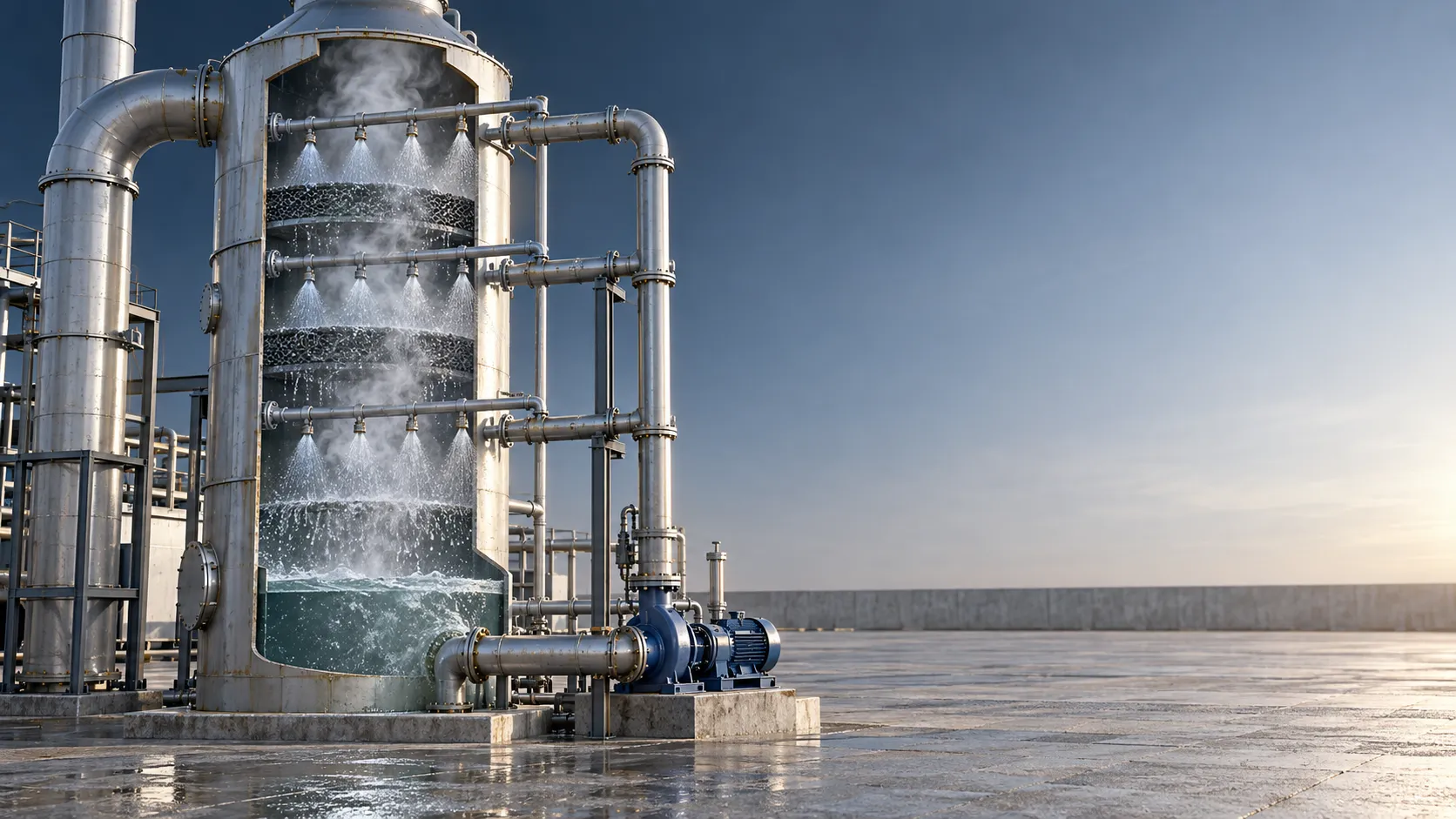
How liquid-to-gas ratio affects wet flue gas scrubbing design
Optimize flue gas scrubbing design with the right liquid-to-gas ratio. Discover how chemistry, hydraulics, and pumping costs shape reliable, cost-effective emissions control.
How to size ingredient mixing equipment for viscous formulations
Size mixing ingredient processing equipment for viscous formulations with expert guidance on rheology, torque, and heat removal. Learn how to select a system that delivers reliable batch performance.
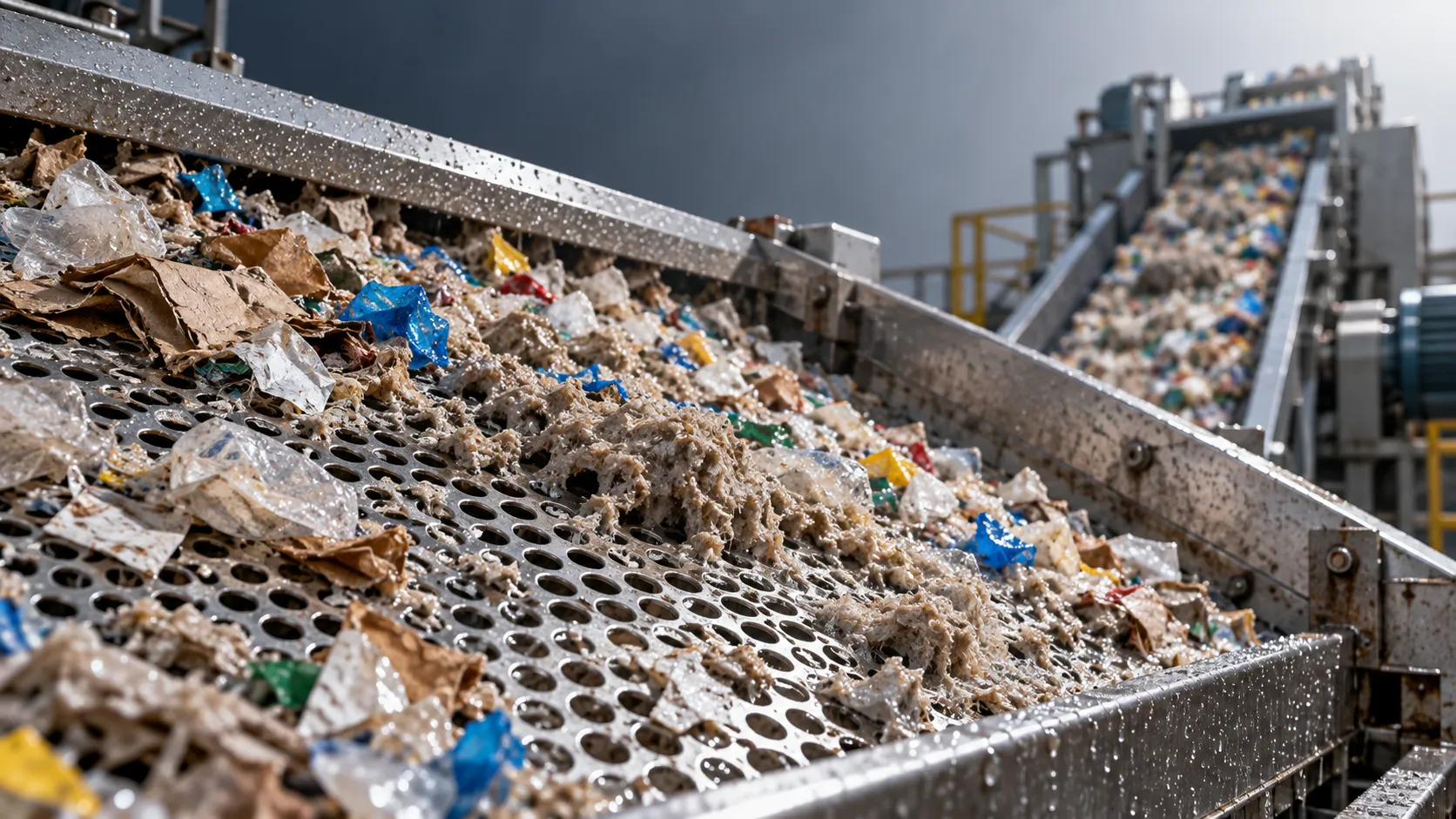
How moisture affects material separation in solid waste recovery
Improve solid waste recovery material separation by understanding moisture effects on screening and sorting. Discover practical ways to boost recovery, purity, and throughput.
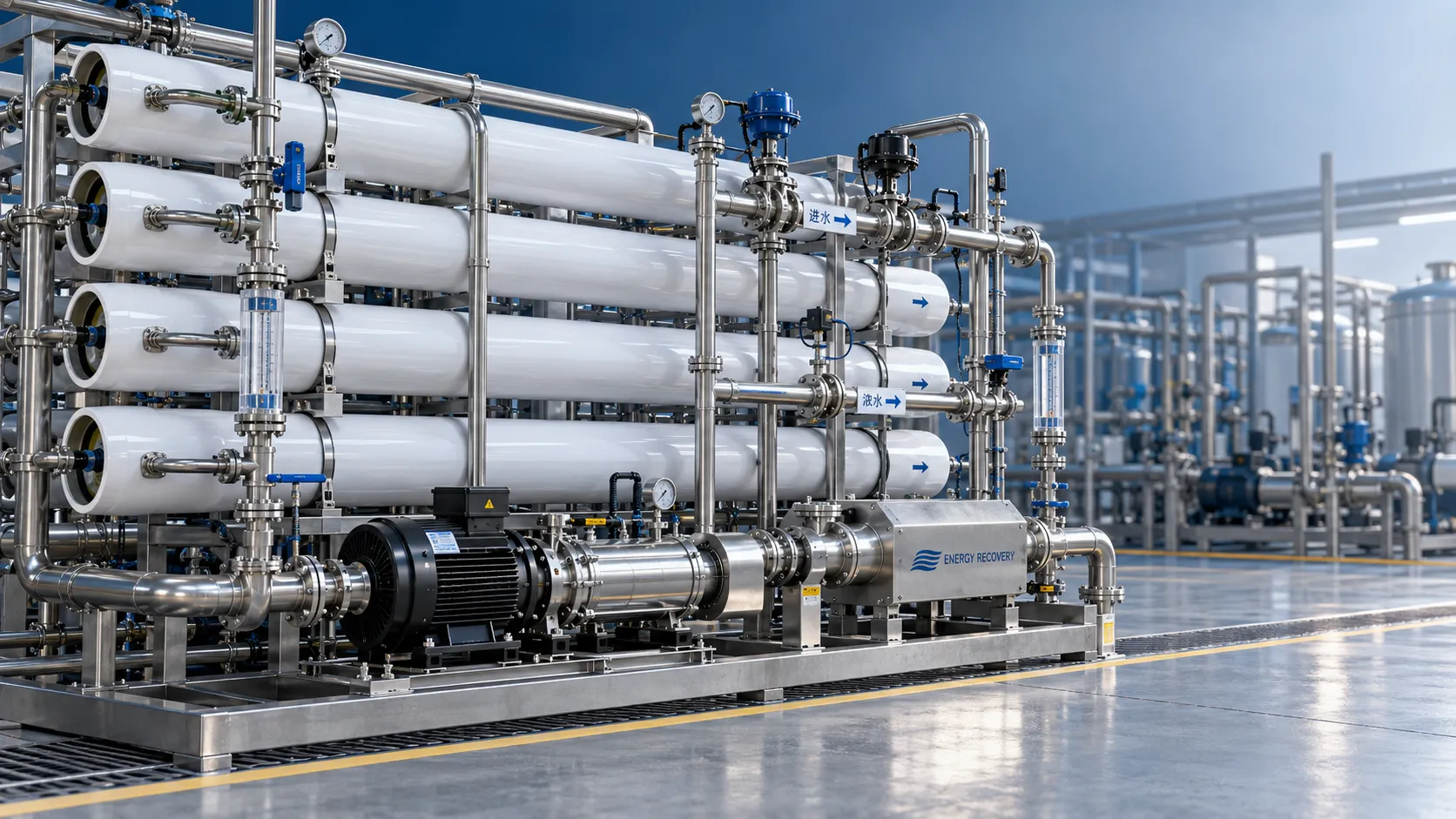
How to set recovery rates in seawater reverse osmosis system design
Explore seawater desalination systems engineering: learn to set SWRO recovery rates that balance energy, scaling risks, and water quality for reliable, cost-effective operation.
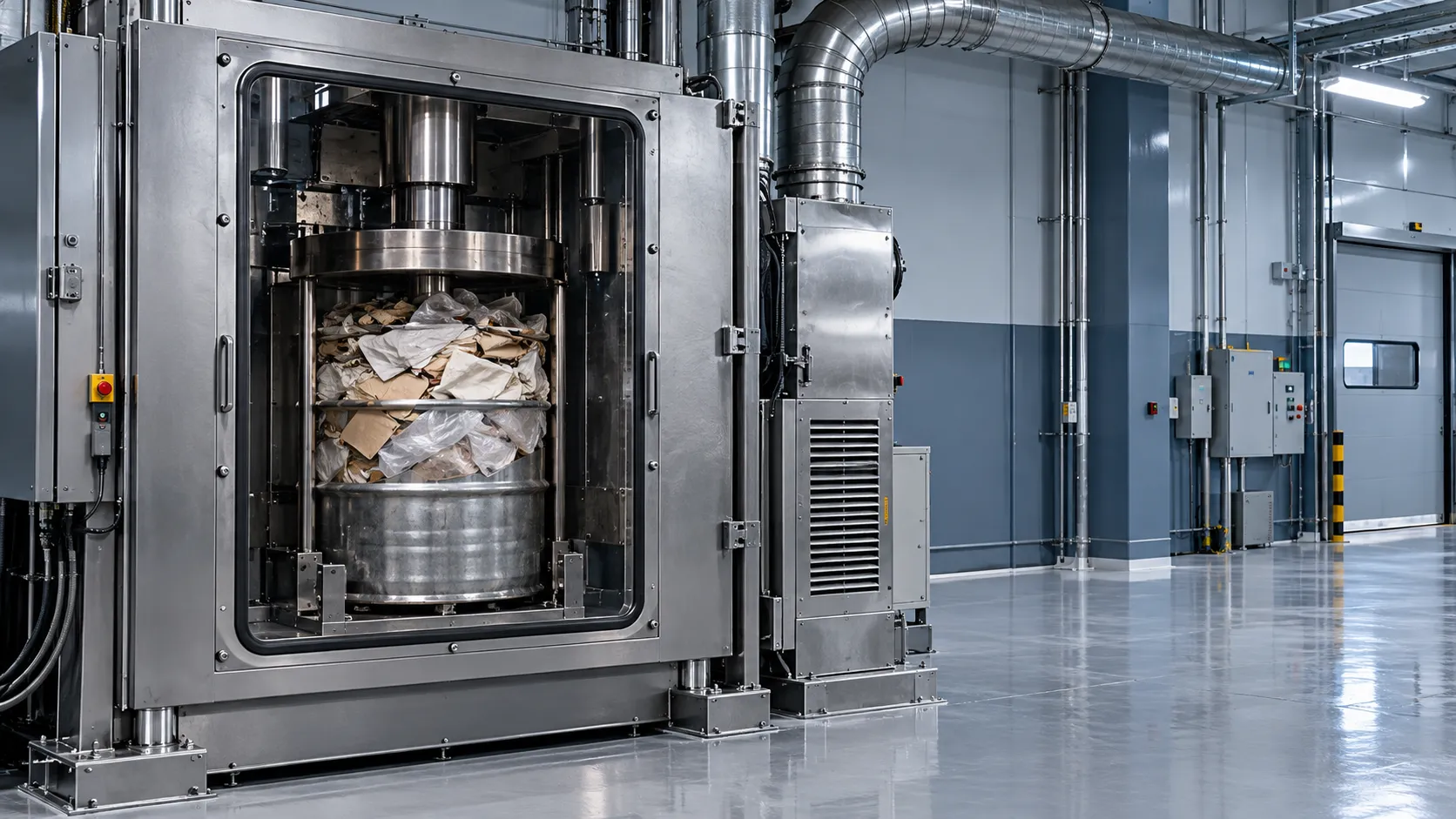
When is compaction suitable for solid nuclear waste treatment?
Is compaction right for solid nuclear waste treatment? Discover suitable waste streams, key safety checks, and disposal requirements to reduce package volume and optimize costs.
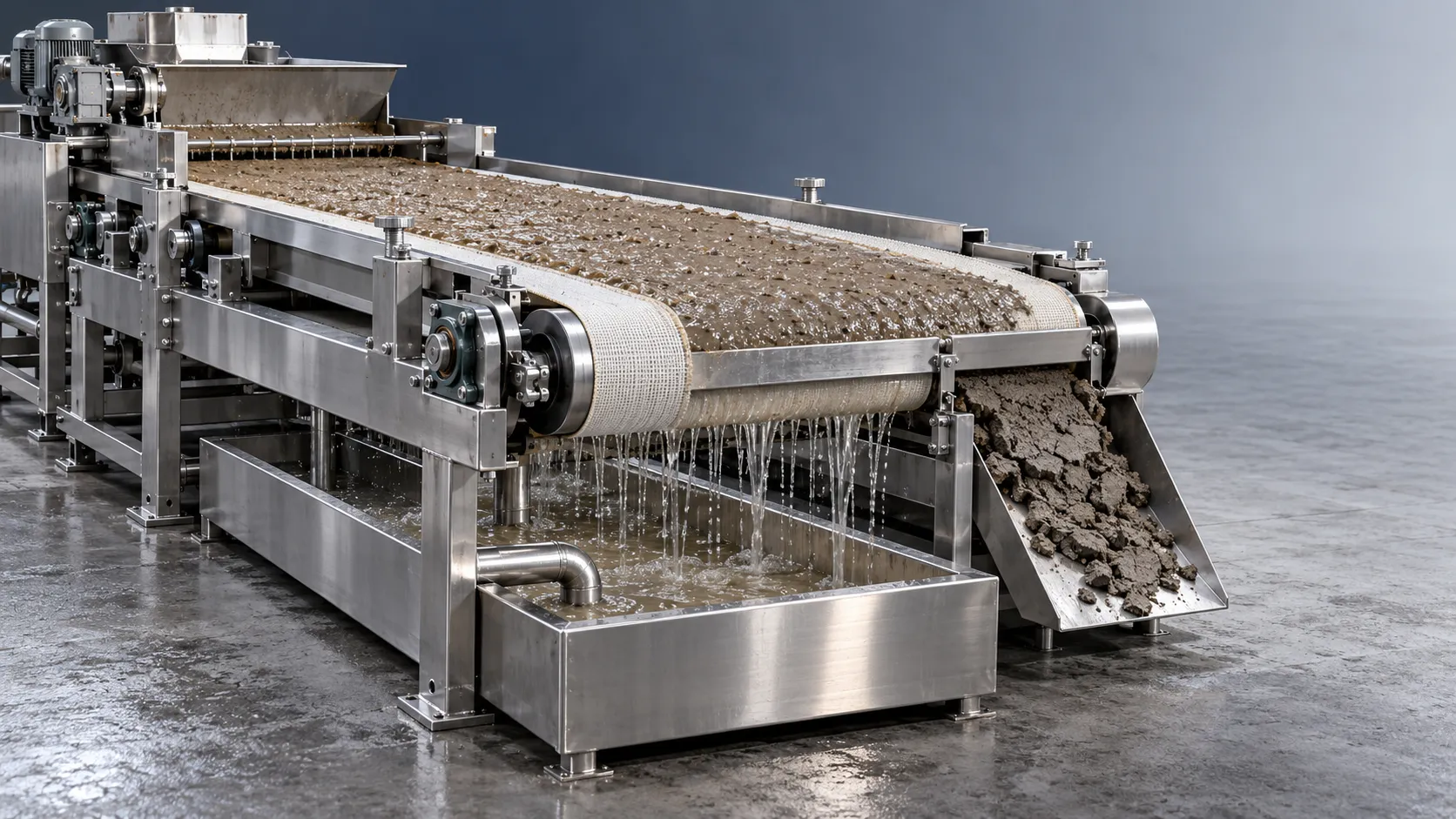
How solids concentration affects dewatering in waste recovery systems
Optimize waste recovery systems dewatering with insights on solids concentration. Learn to balance throughput, cake dryness, and solids capture while avoiding costly equipment overloads.
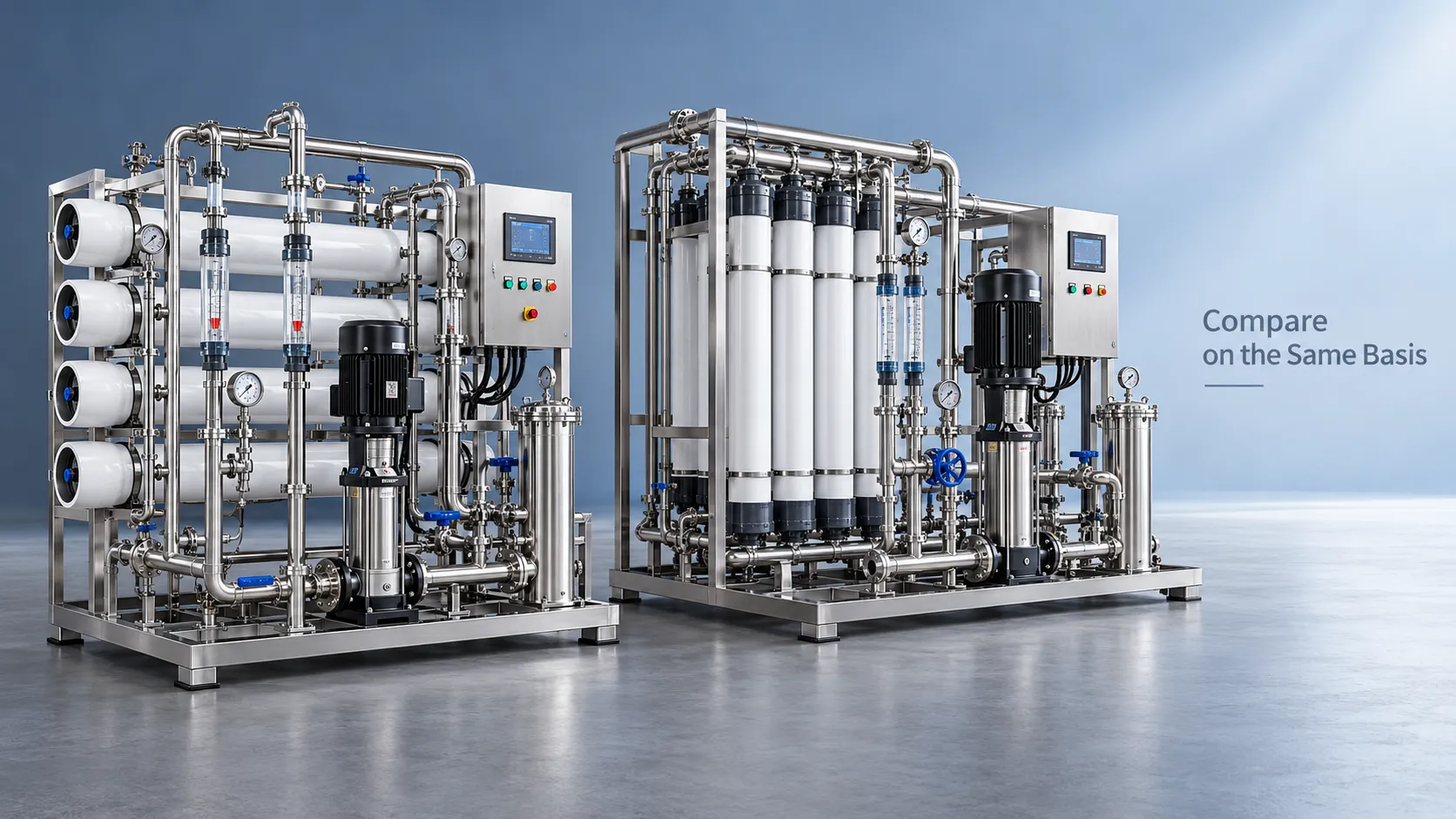
How to compare technical specs in an environmental equipment directory
Use this environmental equipment directory technical guide to compare capacity, energy use, compliance, and supplier evidence. Build a defensible shortlist and choose with confidence.