
Industry News
Curation by industry experts
Hot Articles
Popular Tags
How does waste classification affect nuclear waste treatment cost?
Nuclear waste classification can shape a project budget long before treatment equipment arrives on site. Activity levels, radionuclide content, physical form and applicable regulations influence the choice of processing technology, packaging, transport, storage and disposal. For a project manager, the challenge is not simply to assign a label: it is to establish a defensible route for each waste stream before assumptions become purchase orders.
Misclassification can raise nuclear waste treatment cost in either direction. An unnecessarily restrictive route may consume specialist capacity that was never needed. An overly optimistic classification can lead to rejected packages, additional characterization, redesign or prolonged storage. The most useful procurement question is therefore: what evidence is needed to select and maintain an acceptable route through the full waste lifecycle?
Why classification changes more than the treatment method
Classification connects the properties of a waste stream to regulatory controls and facility acceptance criteria. It affects where waste may be processed, which workers and equipment are needed, how material is packaged, and whether an intended disposal facility will accept it.
International guidance often distinguishes very low level, low level, intermediate level and high level waste. These descriptions are useful for discussion, but they are not a universal price list or a substitute for national rules. Different jurisdictions use different categories, thresholds and disposal systems. Facility-specific waste acceptance criteria can add further requirements.
A stream described as low level waste, for example, may still present difficult handling or treatment issues because of its chemistry, physical form, contamination pattern or other hazardous properties. Conversely, material that appears contaminated may be eligible for clearance or another authorized route if it meets the applicable requirements and is demonstrated to do so. Neither outcome should be assumed before characterization and regulatory review.
Where the cost differences appear
The same waste can therefore produce very different estimates depending on the proposed destination and the confidence in its characterization. A treatment quote that looks attractive in isolation may not include the cost of producing an acceptable final package—or the cost of keeping that package in storage while a route is confirmed.
Characterization is an upfront expense that protects the budget
Sampling, radiological measurements, laboratory analysis and records review all cost money. Under pressure to meet a procurement deadline, it can be tempting to use conservative assumptions and postpone detailed characterization. Sometimes that is appropriate for an early estimate. It becomes risky when provisional assumptions are treated as contract-ready facts.
Consider a decommissioning project with a mixed inventory of concrete, metals, filters and sludge. If the material is aggregated into one poorly defined stream, a contractor may price it against the most demanding credible conditions. That can increase allowances for shielding, packaging and specialist processing. If material is separated on the basis of a defensible characterization plan, some fractions may qualify for less demanding authorized routes, while genuinely challenging fractions receive the controls they need.
Segregation is not automatically cheaper. It adds handling, measurement and documentation, and it may be impractical where contamination is heterogeneous or access is restricted. The financial test is whether the expected reduction in downstream cost and uncertainty justifies those additional activities. The answer depends on stream volumes, contamination distribution, available routes and the quality of existing records.
Build an evidence package bidders can use
Before requesting firm prices, establish a waste inventory that is as complete as the project stage permits. It should describe the origin of each stream, estimated volume or mass, physical and chemical form, known or expected radionuclides, activity data, dose rates, container condition and the basis of any estimates. Include historical process information and identify data gaps rather than hiding them in an appendix.
Also distinguish measured values from calculations and assumptions. Bidders need to know whether a waste population has been sampled representatively or whether its characteristics are inferred from limited records. For hard-to-measure radionuclides, explain any proposed scaling or correlation methods and whether they require acceptance by the relevant authority or receiving facility.
Treatment cost is only one line in the lifecycle estimate
Procurement teams often compare technologies by a unit processing rate. That is useful, but it can obscure the costs created before and after the equipment operates. A more reliable comparison follows each stream from characterization to its accepted end state:
- Characterization and planning: sampling, analysis, classification, permitting support and waste-route development.
- Preparation and treatment: segregation, size reduction, decontamination, filtration, solidification or other suitable processes.
- Conditioning and packaging: immobilization where required, approved containers, shielding, inspection and package records.
- Transport and storage: compliant transport arrangements, handling equipment, interim storage, monitoring and maintenance.
- Disposal or other authorized destination: acceptance reviews, facility charges where applicable, documentation and provision for rejected packages.
Interfaces deserve particular attention. A volume-reduction process may lower the amount of material requiring disposal but generate secondary waste such as filters, residues or contaminated consumables. A solidification process may make a liquid stream manageable while increasing the volume of the conditioned product. These trade-offs do not make either approach inherently good or bad; they determine what must be included in a comparable cost model.
When a disposal route is not yet available or confirmed, the estimate should explicitly cover the interim period and its uncertainties. Storage is not merely a space allocation: packages may require inspection, monitoring, maintenance, retrieval and eventual repackaging, depending on the applicable requirements and their condition.
How to compare supplier proposals without comparing unlike scopes
Issue bidders with a common reference inventory and ask them to state their assumptions against it. A clear scope should identify whether the supplier is responsible for characterization, process design, permits, operations, package qualification, transport and destination acceptance. If several parties share those responsibilities, map the handover points and the information each party must provide.
Ask for a cost breakdown rather than a single blended rate. Separate fixed costs, mobilization, engineering, consumables, processing, packaging, transport and storage. Where volumes or activity levels are uncertain, request pricing bands or a transparent mechanism for changes. This makes it easier to understand whether a low initial offer depends on optimistic throughput, narrow acceptance limits or work transferred back to the owner.
Before award, project managers should be able to answer these questions:
- Which national classification and regulatory framework does the proposal use?
- What waste acceptance criteria apply at the treatment facility and at the proposed receiving facility?
- What happens if sampling reveals higher activity, different radionuclides or unexpected chemical hazards?
- Who pays for additional characterization, repackaging, rejected loads or changes to the route?
- Are secondary wastes included, and who retains responsibility for them?
- What evidence supports the proposed throughput, package design and destination?
A supplier may be unable to guarantee acceptance before all waste data are available. That need not disqualify the offer, but the approval milestones, dependencies and commercial consequences should be visible. An unresolved assumption is manageable; an assumption buried inside a fixed-price comparison is much harder to govern.
Managing uncertainty when classification is still provisional
Early in a project, there may be no practical way to classify every item definitively. Use a range-based estimate that separates the base case from plausible alternative routes. For each significant stream, record the assumed classification, supporting evidence, potential alternative, cost exposure and the decision date by which uncertainty must be reduced.
Prioritize investigation where the potential cost difference is material. A small amount of analytical work may resolve whether a large volume can follow one authorized route or another. Elsewhere, further sampling may add little value because the destination and handling requirements are already clear. This targeted approach helps the project team spend characterization funds where they can influence procurement decisions.
It is also wise to align the schedule with acceptance reviews. A treatment plant can be ready to operate while a package specification, transport arrangement or receiving facility approval remains unresolved. The resulting idle time can be expensive, particularly where specialist personnel and temporary infrastructure are already mobilized.
Make classification a decision gate, not an administrative afterthought
The strongest cost position comes from connecting technical evidence, regulatory requirements and commercial responsibility early. Classification should inform the waste inventory, the treatment specification and the procurement strategy together—not be added after a technology has already been selected.
For project managers, the objective is not to drive every stream toward the lowest apparent category. It is to establish the right authorized route, understand the full cost of reaching it and retain enough flexibility to respond when better information arrives. That discipline makes nuclear waste treatment cost more transparent and gives the project a firmer basis for decisions that may remain consequential long after processing is complete.
Recommended News

How wastewater salinity affects industrial zero liquid discharge equipment selection
Industrial zero liquid discharge equipment selection starts with wastewater salinity. Explore membrane, evaporation, scaling, and cost considerations.
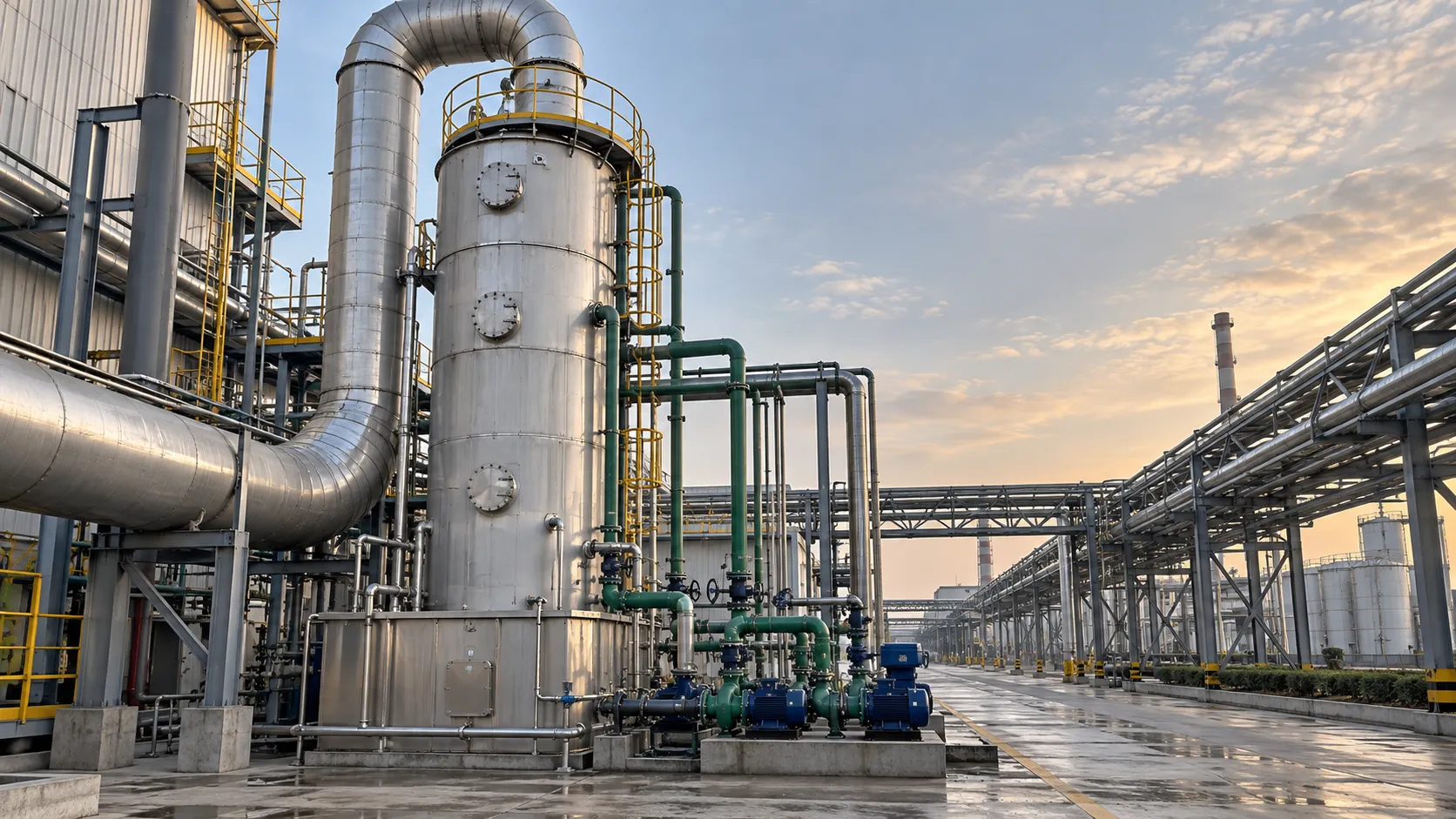
When is wet scrubbing suitable for flue gas cleaning?
Flue gas cleaning with wet scrubbing can control acid gases and particles. Discover when it makes sense and how to weigh water, wastewater and operating costs.
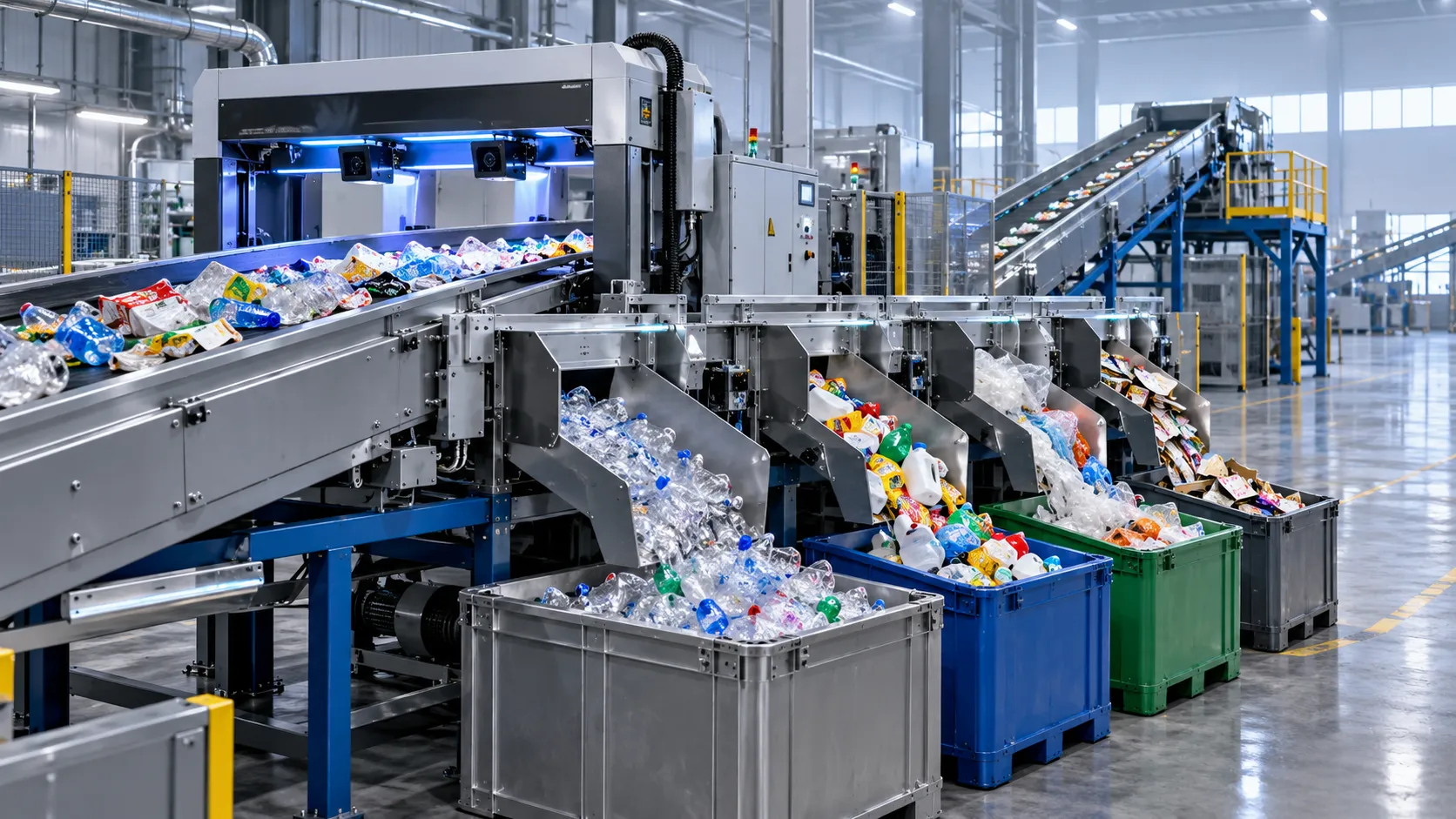
How to assess the sorting accuracy of AI waste sorting equipment
Assess AI waste sorting equipment with practical tests for recovery, purity and throughput. Learn how to compare suppliers and make a confident purchase.
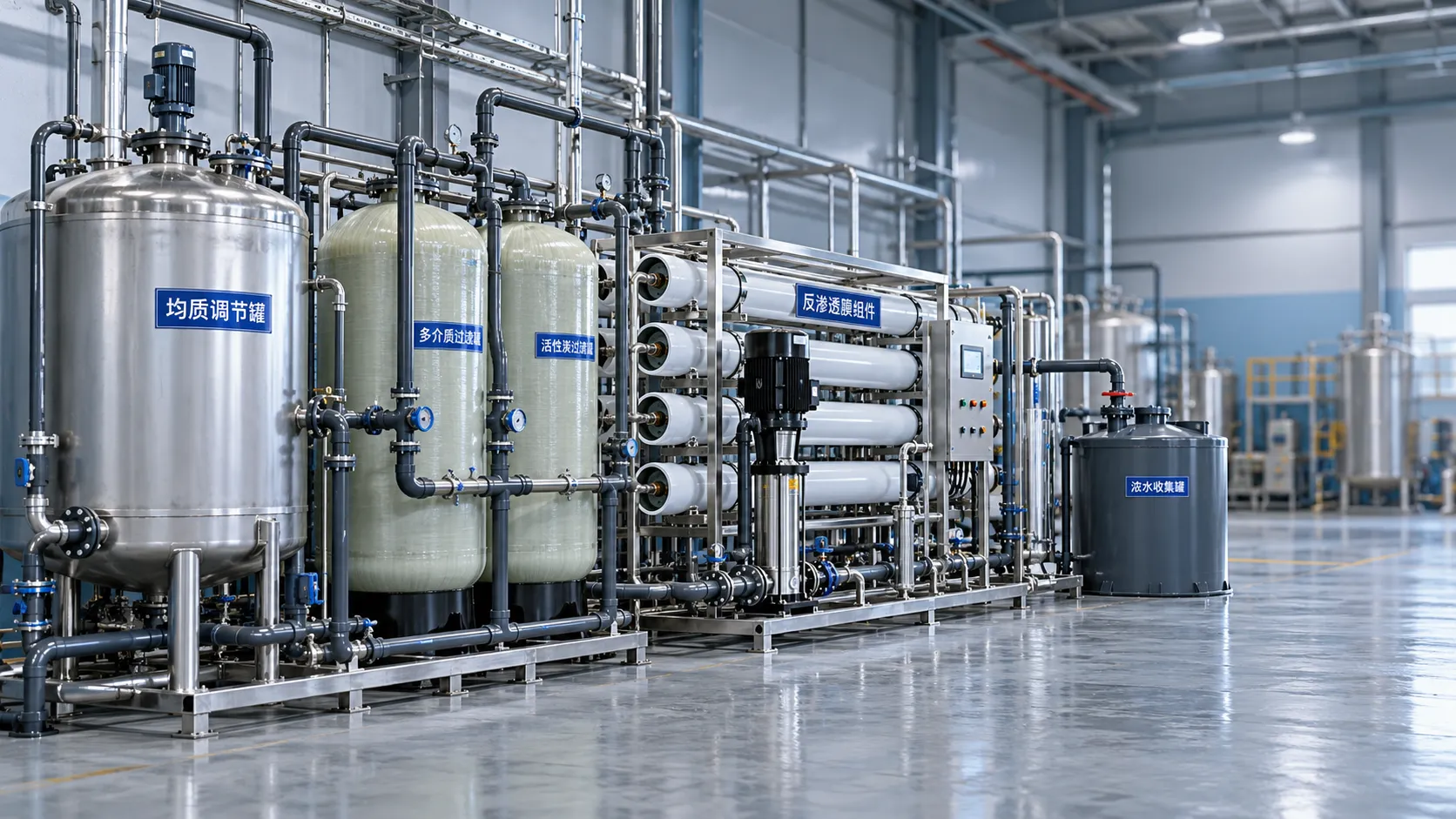
Choosing purification systems for chemical plants by contaminant load
Use this industrial purification systems guide for chemical plants to match treatment to contaminant loads, reduce operating risks, and improve water reuse. Explore smarter system choices.
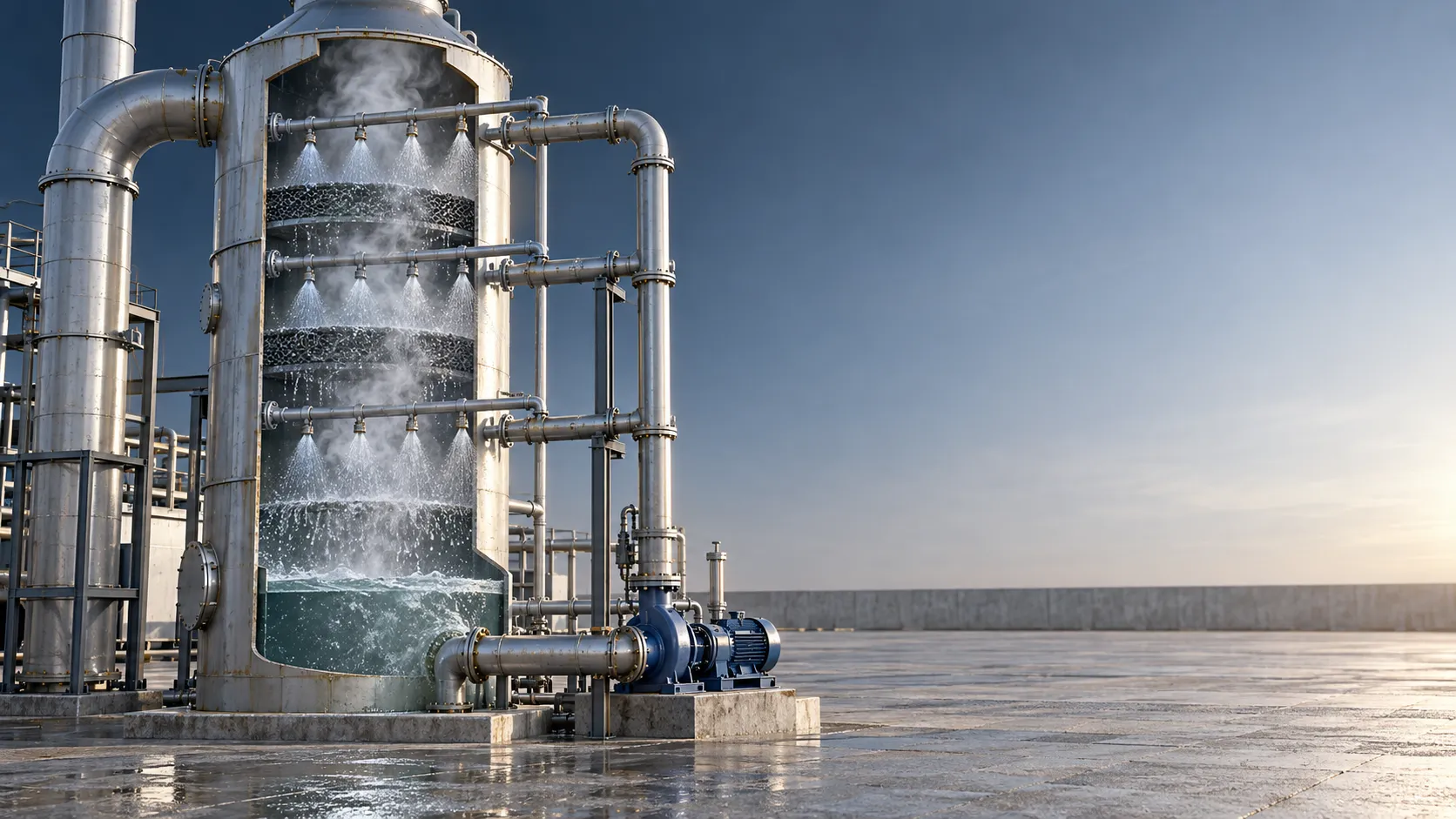
How liquid-to-gas ratio affects wet flue gas scrubbing design
Optimize flue gas scrubbing design with the right liquid-to-gas ratio. Discover how chemistry, hydraulics, and pumping costs shape reliable, cost-effective emissions control.

How to size ingredient mixing equipment for viscous formulations
Size mixing ingredient processing equipment for viscous formulations with expert guidance on rheology, torque, and heat removal. Learn how to select a system that delivers reliable batch performance.
How moisture affects material separation in solid waste recovery
Improve solid waste recovery material separation by understanding moisture effects on screening and sorting. Discover practical ways to boost recovery, purity, and throughput.

How to set recovery rates in seawater reverse osmosis system design
Explore seawater desalination systems engineering: learn to set SWRO recovery rates that balance energy, scaling risks, and water quality for reliable, cost-effective operation.
When is compaction suitable for solid nuclear waste treatment?
Is compaction right for solid nuclear waste treatment? Discover suitable waste streams, key safety checks, and disposal requirements to reduce package volume and optimize costs.