
Industry News
Curation by industry experts
Hot Articles
Popular Tags
Choosing purification systems for chemical plants by contaminant load
Selecting a purification system for a chemical plant starts with the contaminants the system must handle, their peak mass loads, and the quality required at the outlet. A treatment train suitable for biodegradable wastewater may fail when exposed to a solvent discharge, while a membrane system that produces excellent permeate can become uneconomic if salts and fouling agents are concentrated beyond a manageable operating range.
The strongest shortlist usually combines source segregation, treatment matched to contaminant behavior, and enough buffering to absorb credible production changes. Equipment comparisons become useful once those conditions are defined. For this industrial purification systems guide for chemical plants, the focus is liquid effluent treatment and water reuse, where organic compounds, suspended solids, dissolved salts, and toxic constituents often require different removal mechanisms within the same plant.
Define the load envelope before selecting equipment
An average wastewater analysis is an incomplete design basis. Chemical production can generate relatively steady utility discharges alongside concentrated batch residues, equipment cleaning solutions, and occasional off-spec material. Combining these into one average obscures the conditions most likely to overwhelm treatment.
Start with a stream inventory tied to production activity. Identify where each discharge originates, how often it occurs, how long it lasts, and whether its composition changes between products. Sampling should capture these operating states. Composite samples help characterize average conditions, while targeted grab samples can reveal short events that an average would dilute. Volatile or unstable constituents require sampling and preservation methods suited to their behavior.
For each significant stream, establish the following:
- Hydraulic conditions: average and peak flow, batch discharge volume, event duration, and temperature.
- Contaminant characteristics: suspended solids, oil, organic compounds, dissolved ions, metals, and substances that may inhibit biological treatment.
- Chemical behavior: pH, alkalinity, solubility, volatility, biodegradability, and potential reactions when streams mix.
- Required outlet quality: discharge limits or reuse specifications, including individual compounds that bulk measurements may miss.
Convert concentrations into mass loads. For an illustrative stream flowing at 100 cubic meters per hour with a chemical oxygen demand of 2,000 milligrams per liter, the COD load is 200 kilograms per hour. A flow increase doubles that load even if the concentration remains unchanged. A concentrated cleaning discharge may instead create a sharp concentration peak with little increase in daily water volume. These events place different demands on pumps, tanks, aeration, chemical dosing, and downstream separation.
COD also needs interpretation. It measures an aggregate oxygen demand; it does not identify individual chemicals or establish their biodegradability. Two streams with similar COD can require very different treatment. One may support biological removal, while another contains persistent organics, inhibitory solvents, or inorganic reducing substances that contribute to the result.
Design around credible combinations of flow and composition. Independently selecting every maximum can produce an unrealistic design case, but assuming that high flow and high concentration never coincide can leave the plant exposed. Production schedules, cleaning sequences, and upset scenarios should define which combinations the system must continuously treat, temporarily store, or divert.
Match each contaminant fraction to a removal mechanism
A useful treatment sequence removes constituents that would interfere with later stages before applying more selective or energy-intensive treatment. The sequence depends on contaminant form as much as concentration: free oil behaves differently from an emulsion, and dissolved metal behaves differently from metal-bearing particles.
Suspended solids, oils, and precipitable contaminants
Settleable solids may justify clarification, while fine particles or emulsified oils can require coagulation, flocculation, flotation, or filtration. Free oil should be assessed for physical separation before chemical treatment is specified. Particle size, density, emulsion stability, and the effects of surfactants determine whether a proposed separator can achieve useful removal.
Metals and some other dissolved constituents can be converted into separable solids through chemical precipitation. Performance depends on speciation, pH, competing ions, and complexing agents. A metal held in a stable complex may not respond adequately to a conventional hydroxide precipitation step. Treatability work should therefore use representative wastewater rather than a simple laboratory solution containing only the target metal.
Removal creates a residual stream. Chemical dosing can increase sludge production, and poor dewatering can make transport and disposal a substantial operating burden. Evaluate sludge quantity, composition, handling characteristics, and an acceptable disposal or recovery route alongside treated-water quality.
Biodegradable organics and inhibitory compounds
Biological treatment deserves consideration when a substantial share of the organic load is biodegradable and toxicity can be controlled. Aerobic systems require attention to oxygen transfer, nutrient balance, biomass retention, and sludge production. Anaerobic treatment may suit some concentrated biodegradable streams, provided composition, temperature, inhibition, and gas handling are compatible with the process.
A high COD result alone does not establish suitability for either approach. Evaluate biodegradation and inhibition using representative mixtures, including cleaning chemicals and production transitions. Salinity, pH excursions, and specific solvents can affect biological activity even when average organic loading appears manageable.
A membrane bioreactor improves biomass separation and solids control, but its membrane does not make dissolved salts disappear or guarantee removal of persistent dissolved organics. Its suitability still depends on biological performance, membrane fouling behavior, and the quality required downstream.
Persistent organics and low-concentration polishing
Activated carbon can be useful for adsorbable compounds, particularly when upstream treatment has reduced competing contaminants. Selection should consider adsorption capacity in the actual wastewater, breakthrough behavior, regeneration or replacement arrangements, and the destination of spent media. A favorable result for one compound does not establish capacity for a mixed effluent.
Oxidation processes may be appropriate for compounds that resist biological treatment or when a pretreatment step can improve biodegradability. Their economics depend strongly on the wastewater matrix because other constituents can consume oxidant. Parent-compound disappearance also does not prove complete mineralization or acceptable toxicity; transformation products and downstream compatibility may require evaluation.
For concentrated solvent-bearing streams, recovery or dedicated treatment can be more practical than sending the entire load through a central polishing system. Volatile compounds also require attention to air emissions: transferring a contaminant from water into an uncontrolled exhaust stream leaves an unresolved treatment obligation.
Dissolved salts and reuse requirements
Biological treatment and conventional solids removal generally leave most dissolved salts in the water. Where reuse requires lower salinity, reverse osmosis or another desalting process may become necessary. Selection must account for individual ions, scaling potential, osmotic pressure, membrane compatibility, and the required product-water quality.
Conductivity is useful for tracking changes, but it cannot replace an ionic analysis. Waters with similar conductivity can present different scaling and corrosion risks. Likewise, low turbidity does not demonstrate that water is suitable for reverse osmosis; dissolved organics, silica, hardness, and other foulants may still constrain operation.
Membrane separation produces concentrate that needs a defined destination. Evaporation and crystallization can support further water recovery or zero liquid discharge, but they introduce energy demand, scaling control, materials requirements, and solids handling. ZLD should follow a demonstrated discharge or water-management need and a complete residuals assessment.
Use segregation and equalization to control difficult peaks
Some of the most consequential selection decisions occur before the main treatment equipment. A small, highly saline stream can compromise reuse of a much larger low-salinity flow. A concentrated toxic batch can destabilize biological treatment. Keeping either stream separate may reduce the duty imposed on the central system and preserve recovery options.
Segregation is especially valuable when a stream has a distinct contaminant profile and a practical treatment or recovery route. It also carries costs: dedicated collection, storage, instrumentation, and operating procedures. Compare those costs with the consequences of blending, including increased chemical consumption, reduced biological stability, and greater concentrate production.
Equalization can smooth hydraulic and concentration changes, but it does not remove contaminant mass. Its useful volume depends on event duration, the acceptable feed rate to downstream treatment, and the time available to recover storage capacity before the next event. A tank sized around daily average flow may provide little protection against a rapid batch release.
Check compatibility before combining streams. Mixing can cause heat release, precipitation, gas evolution, or a change in contaminant volatility. Equalization may also need mixing, ventilation, corrosion-resistant materials, and controlled discharge. Those requirements belong in the system evaluation.
Define an operating response for off-spec influent. Online pH, conductivity, turbidity, or organic-load indicators can support alarms and diversion, although no single instrument detects every relevant contaminant. The response must connect a measurable trigger to available holding capacity and a clear decision about release, retreatment, or separate disposal.
Require proof at the proposed operating limits
Once the treatment sequence is credible, compare suppliers against the same influent envelope and outlet requirements. A guaranteed removal percentage can conceal an unacceptable final concentration when influent quality deteriorates. Conversely, a low outlet concentration says little about reliability if the guarantee applies only to a narrow feed composition.
Ask each proposal to state its limits for flow, contaminant loading, temperature, pH, salinity, and inhibitory substances. Identify which limits apply continuously and which excursions the system can tolerate for a defined period. Availability assumptions, cleaning downtime, standby capacity, and the handling of water produced during startup or upset conditions should be explicit.
Testing should address the uncertainty that could change the selection. Jar tests can support coagulation and precipitation decisions. Biological studies can examine degradation and inhibition. Adsorption testing can investigate capacity and breakthrough, while membrane trials can assess rejection, fouling, cleaning response, and achievable recovery. Short tests may establish feasibility without demonstrating long-term stability, so their conclusions need to remain within what the test actually measured.
Lifecycle comparisons should include the whole treatment boundary: energy, chemicals, replacement media, membranes, sludge, concentrate, labor, cleaning, and downtime. Evaluate performance at normal load and under plausible adverse conditions. A system with a low purchase price may become expensive when feed variability drives frequent cleaning or creates a residual that is difficult to dispose of.
For reuse, connect water quality to the receiving process. Cooling systems, boilers, washing operations, and chemical production have different tolerances for salts, organics, particles, and microbiological contamination. Higher recovery can reduce freshwater demand while increasing concentrate severity and operating pressure. The useful recovery target is the one supported by stable operation and a viable residual route.
A defensible shortlist should show where each significant contaminant goes, how the system handles the plant’s credible peak loads, and what happens when the influent exceeds its operating envelope. If a proposal leaves an inhibitory batch, a membrane concentrate, or a contaminated sludge outside that explanation, the treatment train still has an unresolved boundary. Resolve it before turning equipment specifications into a purchase decision.
Recommended News
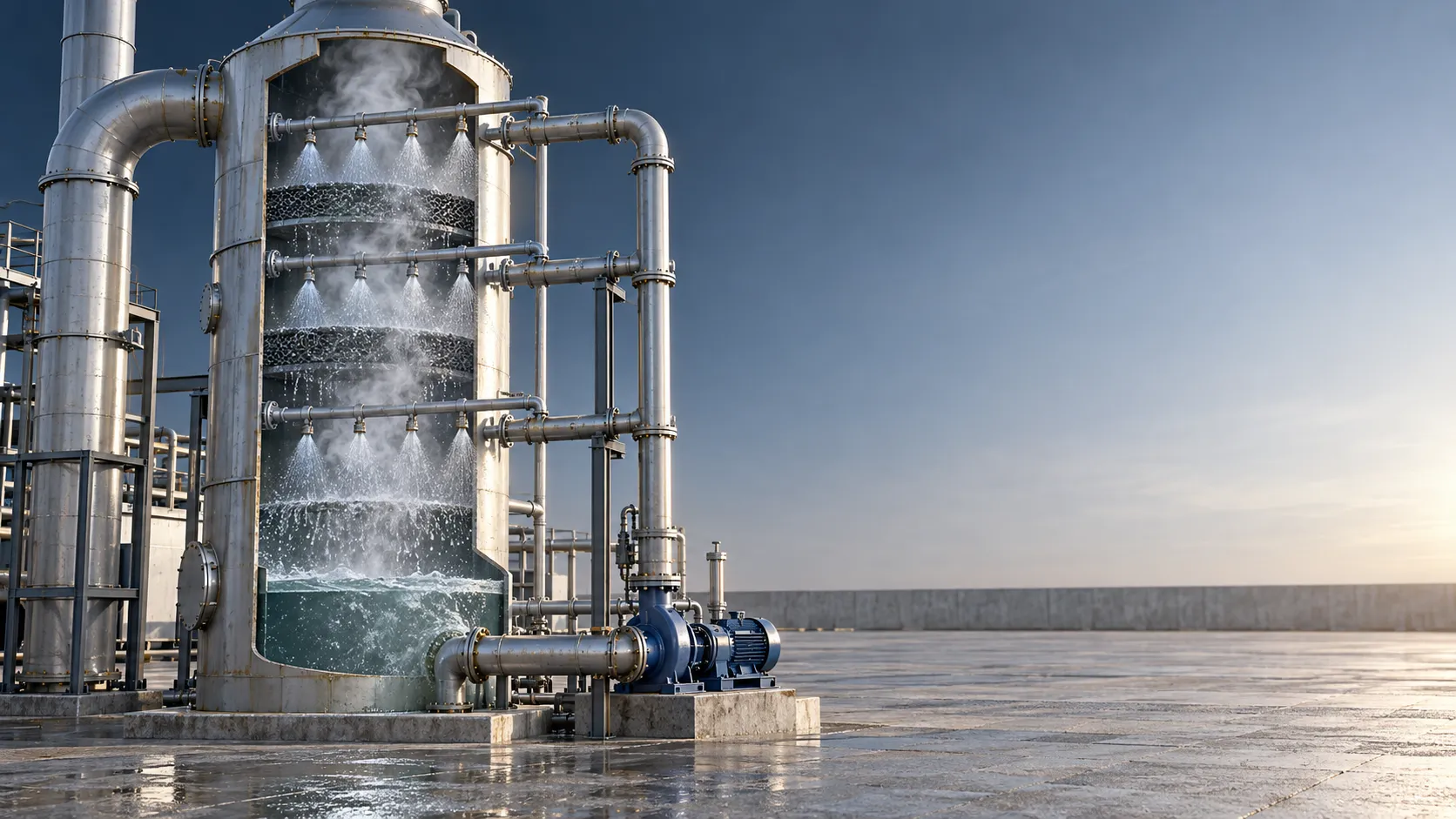
How liquid-to-gas ratio affects wet flue gas scrubbing design
Optimize flue gas scrubbing design with the right liquid-to-gas ratio. Discover how chemistry, hydraulics, and pumping costs shape reliable, cost-effective emissions control.
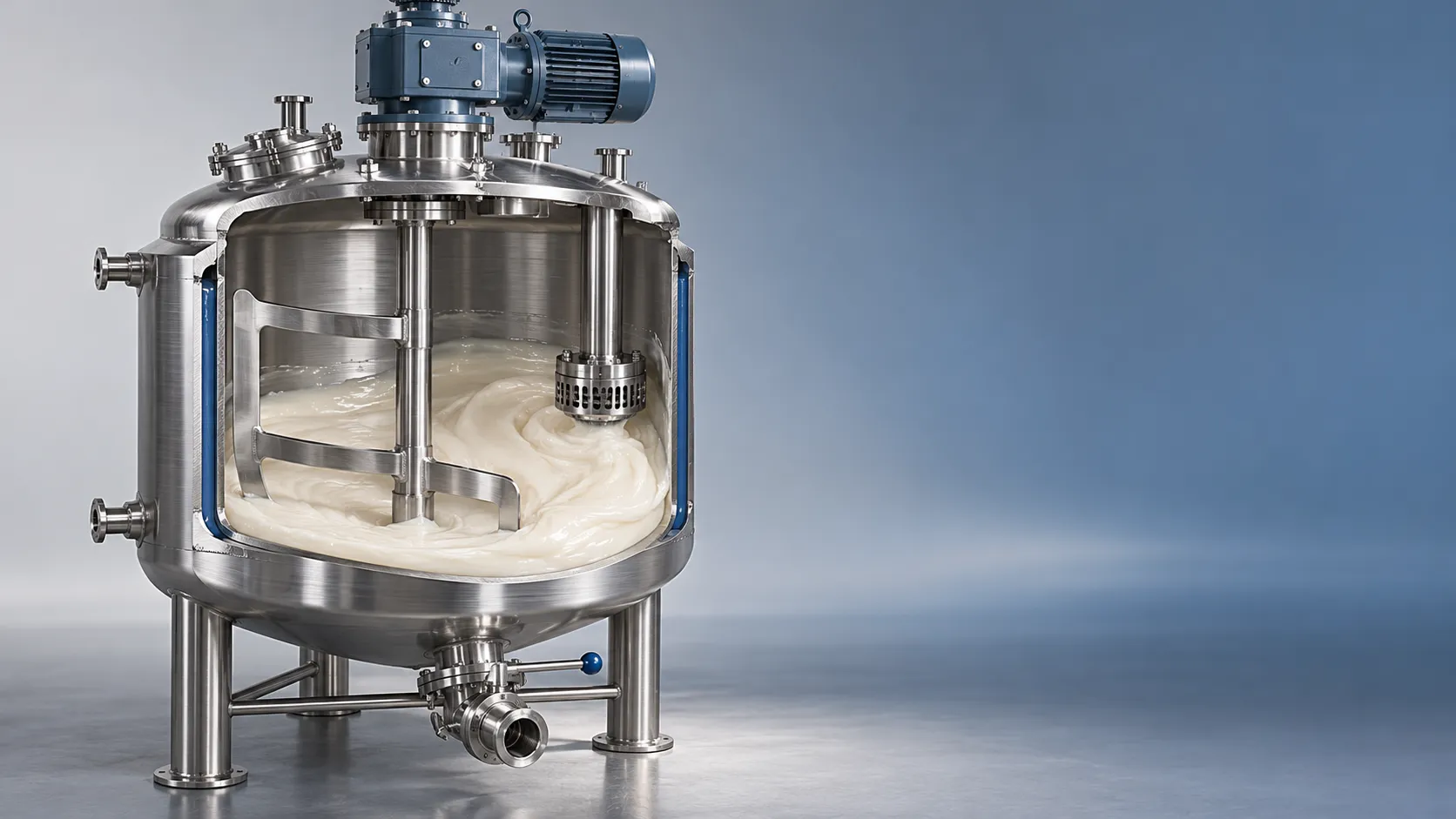
How to size ingredient mixing equipment for viscous formulations
Size mixing ingredient processing equipment for viscous formulations with expert guidance on rheology, torque, and heat removal. Learn how to select a system that delivers reliable batch performance.
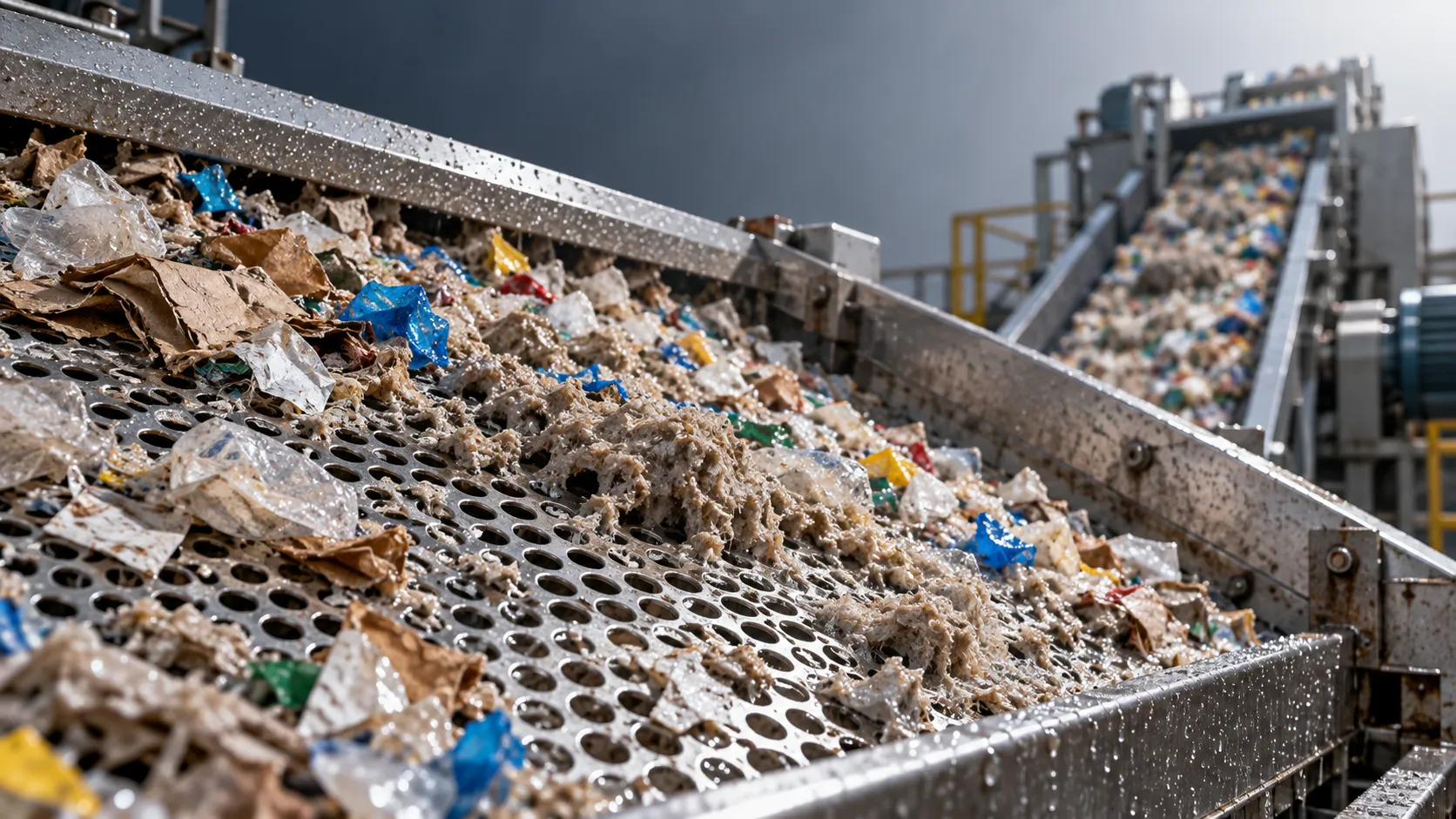
How moisture affects material separation in solid waste recovery
Improve solid waste recovery material separation by understanding moisture effects on screening and sorting. Discover practical ways to boost recovery, purity, and throughput.
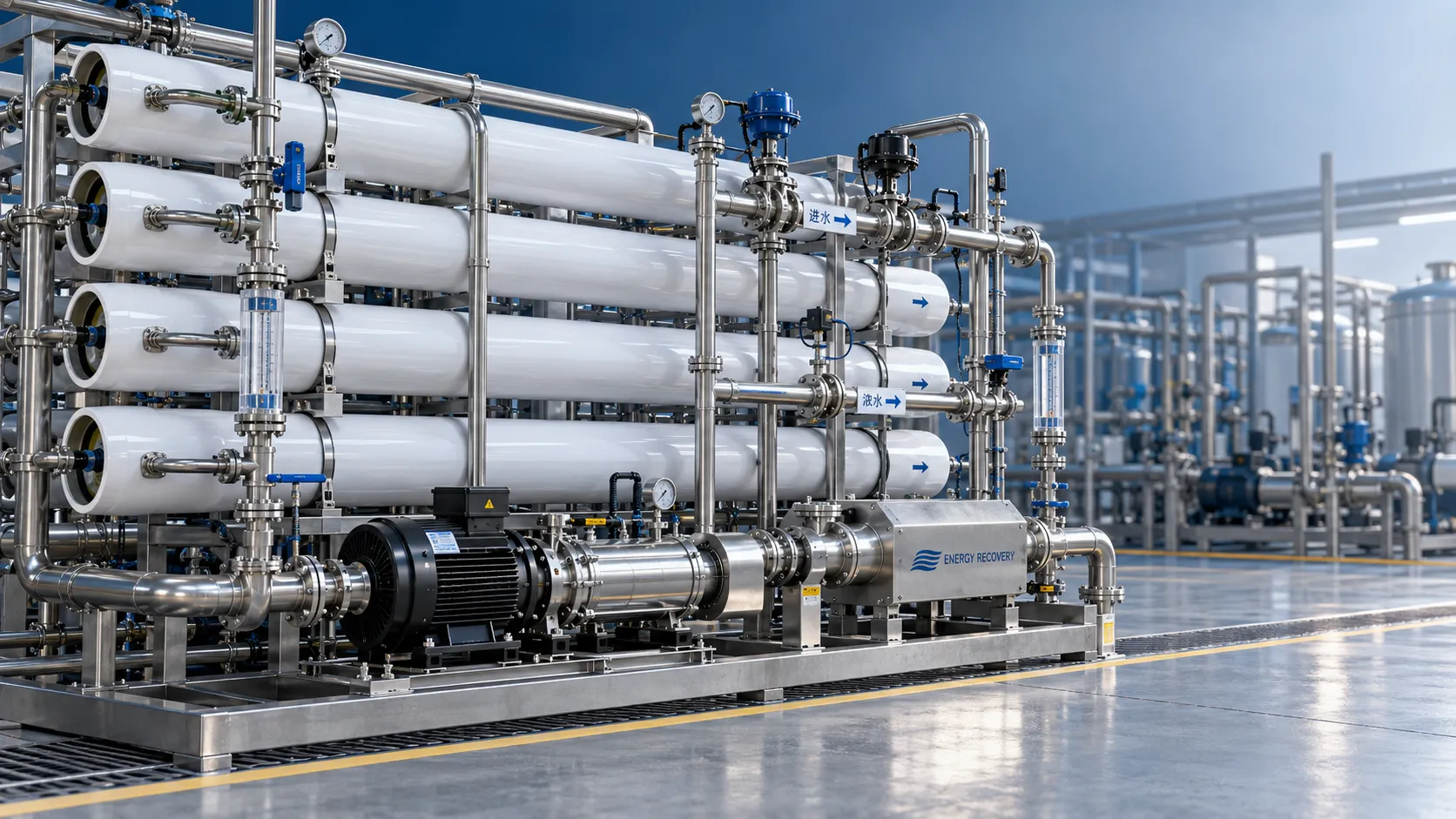
How to set recovery rates in seawater reverse osmosis system design
Explore seawater desalination systems engineering: learn to set SWRO recovery rates that balance energy, scaling risks, and water quality for reliable, cost-effective operation.
When is compaction suitable for solid nuclear waste treatment?
Is compaction right for solid nuclear waste treatment? Discover suitable waste streams, key safety checks, and disposal requirements to reduce package volume and optimize costs.
How solids concentration affects dewatering in waste recovery systems
Optimize waste recovery systems dewatering with insights on solids concentration. Learn to balance throughput, cake dryness, and solids capture while avoiding costly equipment overloads.
How to compare technical specs in an environmental equipment directory
Use this environmental equipment directory technical guide to compare capacity, energy use, compliance, and supplier evidence. Build a defensible shortlist and choose with confidence.
How to assess a zero liquid discharge equipment supplier’s energy claims
Assess a zero liquid discharge equipment supplier’s energy claims. Learn how to verify system boundaries, compare real costs, and demand testable guarantees before you buy.
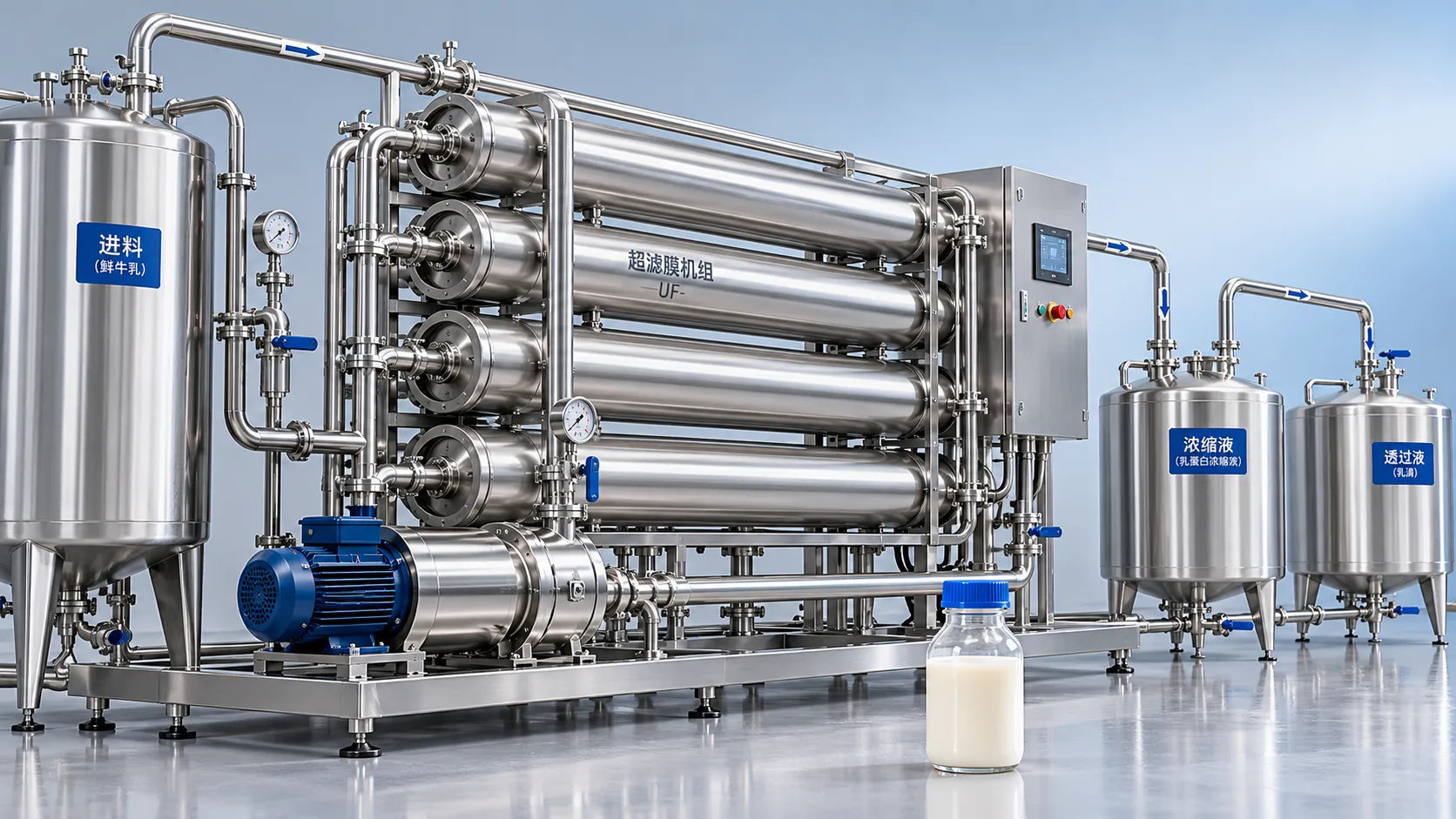
Which membrane filtration process suits dairy protein concentration?
Explore membrane filtration for dairy: compare UF, MF, and RO to select the right process for protein concentration, lactose reduction, and better recovery. Find your best fit.