
Industry News
Curation by industry experts
Hot Articles
Popular Tags
How to compare technical specs in an environmental equipment directory
Two systems may show the same rated capacity yet perform very differently once connected to a real plant. One supplier quotes clean-water throughput; another quotes performance on a difficult industrial feed. Both numbers may be accurate, but they do not describe the same duty.
For technical evaluators, the central question is not “Which specification is higher?” It is “Were these specifications measured on the same basis?” This environmental equipment directory technical guide explains how to compare capacity, energy use, treatment performance, materials, and compliance evidence across water treatment, waste recovery, desalination, emissions control, and specialized waste-management equipment.
The aim is a defensible shortlist: equipment that meets your operating requirements, with enough evidence to distinguish a credible proposal from an attractive listing.
Define the comparison basis before opening supplier listings
A directory helps you discover equipment. It cannot, by itself, establish whether that equipment fits your process. Before comparing entries, prepare a short design-basis document that every candidate must answer.
Include normal, minimum, maximum, and upset conditions—not just a single average. For wastewater, this means flow variation, temperature, pH, suspended solids, salinity, and relevant contaminant concentrations. For solid waste, include moisture, particle-size distribution, bulk density, composition, and contaminants. For flue gas, specify gas composition, temperature, pressure, dust loading, and expected operating fluctuations.
Then define the required output and the system boundary. Does the quoted package include feed preparation, chemical dosing, sludge dewatering, energy recovery, controls, and residual handling? A compact skid can look inexpensive because essential supporting equipment sits outside its quoted scope.
- Required duty: What must the system process, and over what operating range?
- Acceptance criteria: Which discharge, product-quality, recovery, or waste-acceptance limits must it meet?
- Site constraints: What utilities, space, operator skills, and maintenance access are available?
- Operating profile: Is the plant continuous, seasonal, batch-based, or subject to frequent starts?
This basis becomes the reference against which every directory specification is tested.
Normalize the numbers that most often mislead
Capacity: name the stream and the operating condition
A desalination plant rated in cubic meters per day may refer to feed intake or permeate production. A sorting line rated in tonnes per hour may be processing wet mixed waste rather than dry, prepared material. Neither figure is useful until its basis is clear.
Check whether capacity is instantaneous, sustained, or annualized. Ask how cleaning, regeneration, defrosting, batch turnaround, and planned maintenance affect annual output. Also examine turndown: equipment sized for peak demand may perform poorly or consume disproportionate energy at normal load.
For gas-treatment systems, distinguish actual volumetric flow from standardized flow. A value in Nm³/h still needs its reference temperature and pressure, wet or dry basis, and any oxygen-reference convention used for reported pollutant concentrations.
Energy: make the denominator and boundary explicit
“Low energy consumption” is not a specification. Compare kWh per cubic meter of compliant treated water, kWh per tonne of accepted waste, or another denominator that matches the purchasing decision.
Consider an illustrative comparison: one desalination listing states 3.0 kWh/m³ for the membrane high-pressure section, while another states 3.5 kWh/m³ for the complete plant. The first figure does not establish superior efficiency. Intake pumping, pretreatment, post-treatment, and other loads may explain the difference.
For evaporation, drying, and thermal recovery, keep electrical demand and thermal demand visible separately. Any combined energy or cost figure should disclose steam conditions, fuel assumptions, conversion factors, and the treatment of recovered heat.
Removal efficiency: percentages need outlet concentrations
A high removal percentage can still leave an unacceptable discharge when inlet loading is high. Conversely, a lower percentage may satisfy the required outlet limit on a cleaner feed.
Request both inlet and outlet values, including pollutant speciation where relevant. Total chromium and hexavalent chromium, for example, are not interchangeable measurements. Results below a method’s detection limit should not be presented as proof of absolute zero contamination.
Match the test’s sampling and averaging periods to the relevant permit or acceptance criteria. A favorable spot sample is weak evidence for a continuous compliance obligation.
Read each equipment category through its actual failure modes
The same comparison framework applies across environmental equipment, but the decisive specifications differ. A generic feature checklist will miss the conditions most likely to undermine performance.
Water treatment and zero liquid discharge
For biological treatment, examine loading rates, retention times, oxygen demand, temperature sensitivity, and inhibition risks. For membranes, compare flux alongside feed quality, transmembrane pressure, cleaning frequency, recovery, and expected fouling behavior. A higher flux is not automatically better if it accelerates irreversible fouling or replacement.
For zero liquid discharge systems, ask where water and dissolved solids ultimately go. Compare pretreatment requirements, scaling control, evaporator and crystallizer duties, condensate quality, and the characteristics of generated solids. “ZLD-ready” should not be interpreted as proof that the listed package achieves site-wide zero liquid discharge.
Seawater desalination
SWRO performance depends on feed salinity, temperature, membrane condition, recovery, and product-water requirements. Compare membrane projections at the same design conditions and aging assumptions. Review boron requirements explicitly where applicable; a configuration that meets overall salinity targets may need additional treatment to meet a specific boron limit.
Energy-recovery equipment deserves its own review, including operating range, pressure losses, maintenance needs, and compatibility with changing production demand. Confirm that pretreatment and brine-management requirements are included in the wider project assessment.
Solid waste sorting and recovery
For AI-assisted sorting, request capture rate and product purity together, measured on representative waste. Performance depends on belt loading, presentation, overlap, object size, contamination, and material variability. A carefully prepared demonstration feed may say little about a municipal waste stream.
For pyrolysis and related thermal systems, compare feed preparation, moisture tolerance, mass and energy balances, product specifications, emissions controls, and residue handling. Do not credit projected product revenue without evidence that the output meets a realistic buyer’s specification.
Flue gas treatment
For SCR systems, evaluate the operating-temperature window, catalyst poisons, expected catalyst life, pressure drop, and ammonia slip—not only NOx removal. Low-temperature performance claims need evidence under the proposed gas composition and dust conditions.
For FGD equipment, review inlet sulfur loading, reagent quality and consumption, liquid-to-gas ratio where applicable, corrosion protection, mist elimination, and by-product handling. Check performance during startup, shutdown, and load changes as well as steady operation.
Nuclear waste management
Nuclear applications require a separate, safety-led qualification pathway. Directory data can support discovery, but cannot establish suitability for a licensed application.
Evaluate waste characterization, radionuclide inventory, chemical compatibility, shielding needs, contamination control, and the applicable waste-acceptance criteria. For immobilization technologies, examine waste loading, process limits, durability evidence, and qualification requirements. Where relevant, criticality safety and decay-heat management require specialist assessment. Generic industrial certificates are not substitutes for the applicable nuclear quality-assurance and regulatory requirements.
Material compatibility is more than a stainless-steel grade
A listing that states “316L construction” leaves important questions unanswered. Which components use that grade? What are the weld specifications, surface conditions, corrosion allowances, and inspection requirements? What materials are used for seals, liners, fasteners, and instrument connections?
Compatibility must reflect the full operating envelope: chemical concentration, temperature, pressure, abrasion, cleaning chemicals, and intermittent exposure. Chloride service, oxidizing conditions, and acidic condensates can invalidate a reassuring but incomplete material description.
Ask for a wetted-parts list and a service-specific materials rationale. Where uncertainty could affect integrity, seek representative testing or specialist corrosion review rather than accepting a generic compatibility chart.
Separate claims, evidence, and contractual guarantees
Not all numbers in an environmental equipment directory carry the same weight. Label each critical value as a marketing claim, modeled prediction, measured result, or contractual guarantee. These categories should remain visible throughout evaluation.
A practical evidence hierarchy runs from unsupported descriptions through documented calculations and traceable tests to relevant operating references. Its strength depends on applicability: independent testing on an unrelated feed may be less informative than a well-documented pilot using your actual material.
For every performance-critical claim, request:
- The test protocol, feed characteristics, operating conditions, and duration.
- Sampling methods, instrument calibration, and laboratory methods where applicable.
- Configuration details showing whether the tested equipment matches the offered package.
- Performance deterioration, cleaning requirements, consumable use, and observed limitations.
- Guarantee conditions, exclusions, acceptance procedures, and contractual remedies.
Compliance evidence needs the same scrutiny. Check document validity, issuing organization, covered model, applicable standard, and scope. Equipment conformity does not establish that an entire installed plant will meet its environmental permit.
Turn the comparison into a defensible shortlist
Use mandatory gates before weighted scoring. A candidate that cannot meet an essential outlet limit, material requirement, safety obligation, or site constraint should not compensate with a lower price or higher nominal capacity.
For candidates that pass, score technical fit, evidence quality, lifecycle cost, maintainability, and delivery risk. Keep uncertainty separate from performance: missing information means “not demonstrated,” not necessarily “poor,” but it remains a procurement risk until resolved.
Build lifecycle costs on a common operating scenario. Include utilities, reagents, consumables, labor, maintenance, replacements, downtime, and residual disposal. Test sensitivity to feed variation and major cost drivers rather than relying on one optimistic annual figure.
When using Global Eco-Shield Dynamics (ESD) to explore equipment and sector intelligence, treat listings as the beginning of verification. Carry unresolved questions into a structured supplier clarification request, then use representative testing, engineering review, and contractual acceptance criteria to close the gaps.
The strongest shortlist is not the one with the most impressive headline numbers. It is the one where every important number has a defined basis, relevant evidence, and a clear connection to the conditions your plant will actually face.
Recommended News
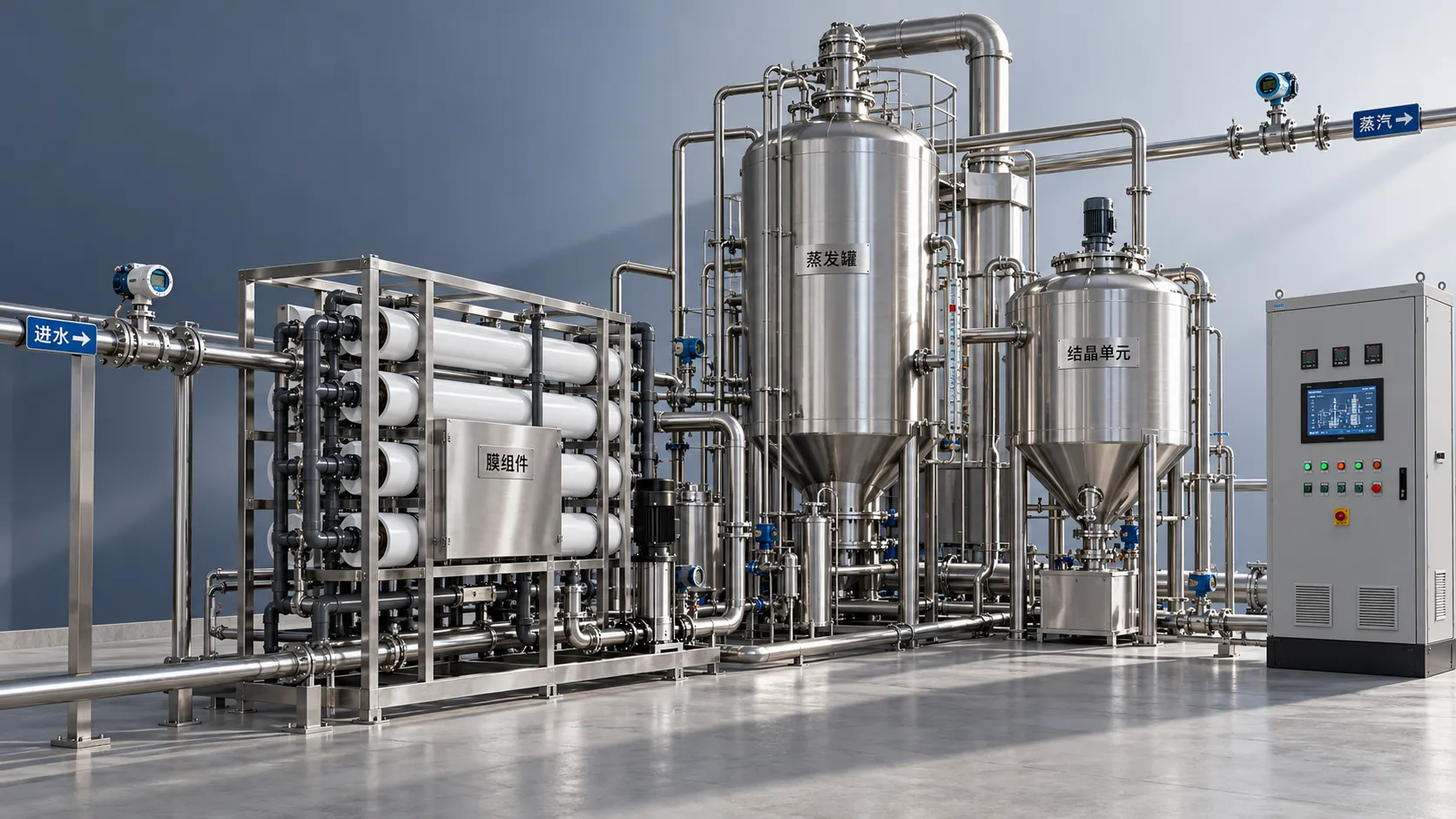
How to assess a zero liquid discharge equipment supplier’s energy claims
Assess a zero liquid discharge equipment supplier’s energy claims. Learn how to verify system boundaries, compare real costs, and demand testable guarantees before you buy.
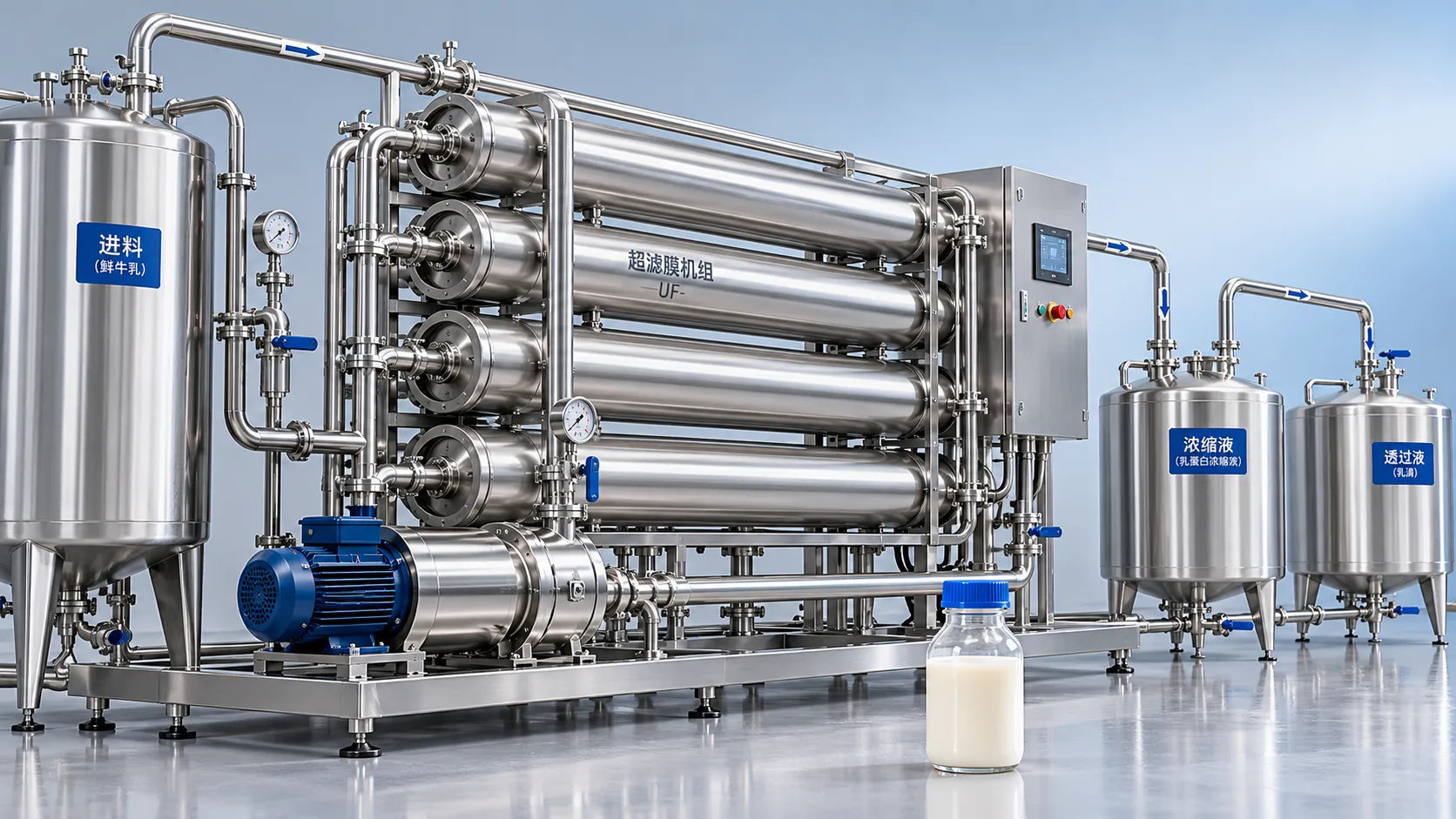
Which membrane filtration process suits dairy protein concentration?
Explore membrane filtration for dairy: compare UF, MF, and RO to select the right process for protein concentration, lactose reduction, and better recovery. Find your best fit.
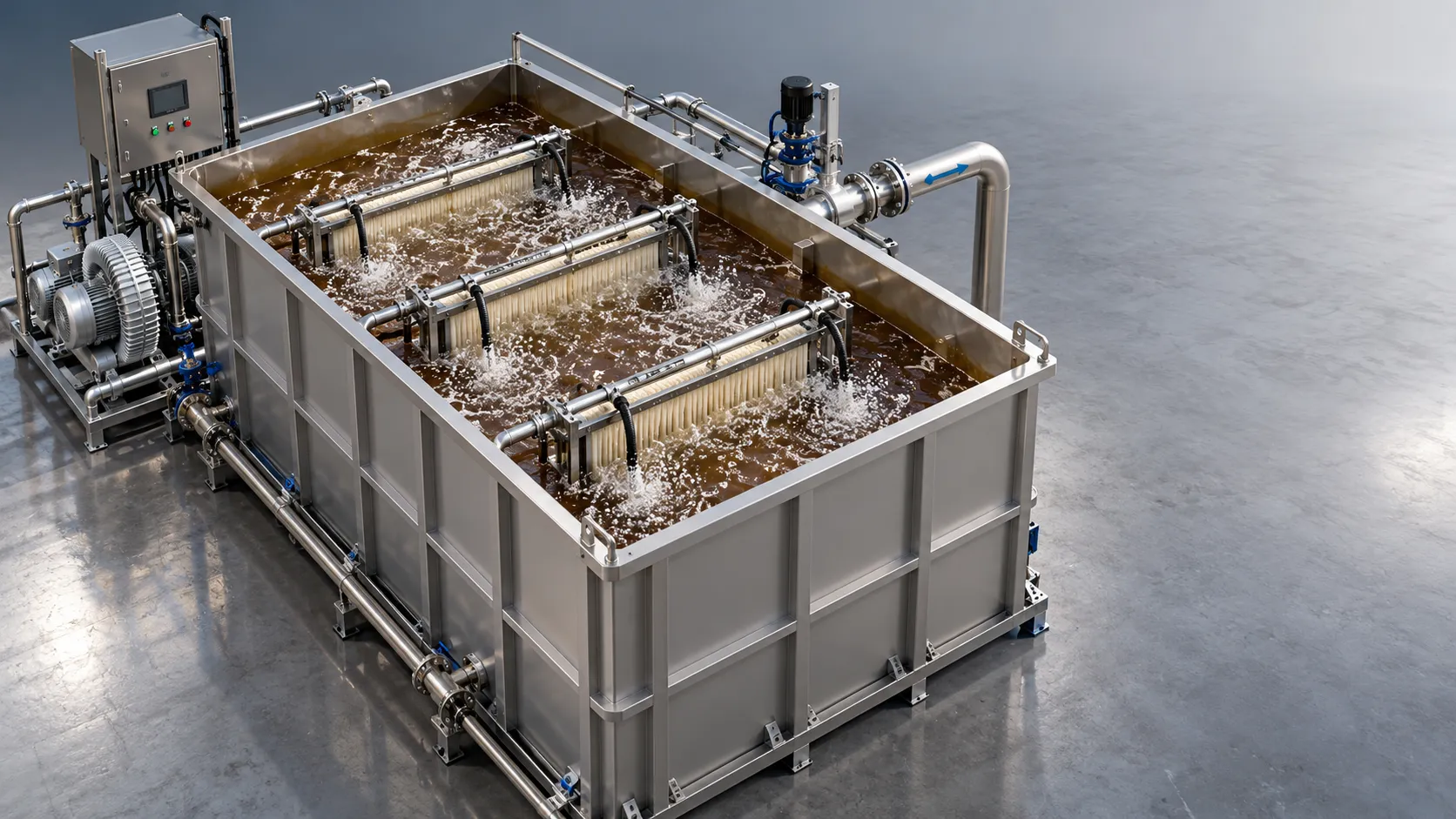
When is an MBR suitable for wastewater purification for bioprocessing?
For wastewater purification for bioprocessing, discover when an MBR fits your needs. Compare water quality, fouling risks, and lifecycle costs before investing.
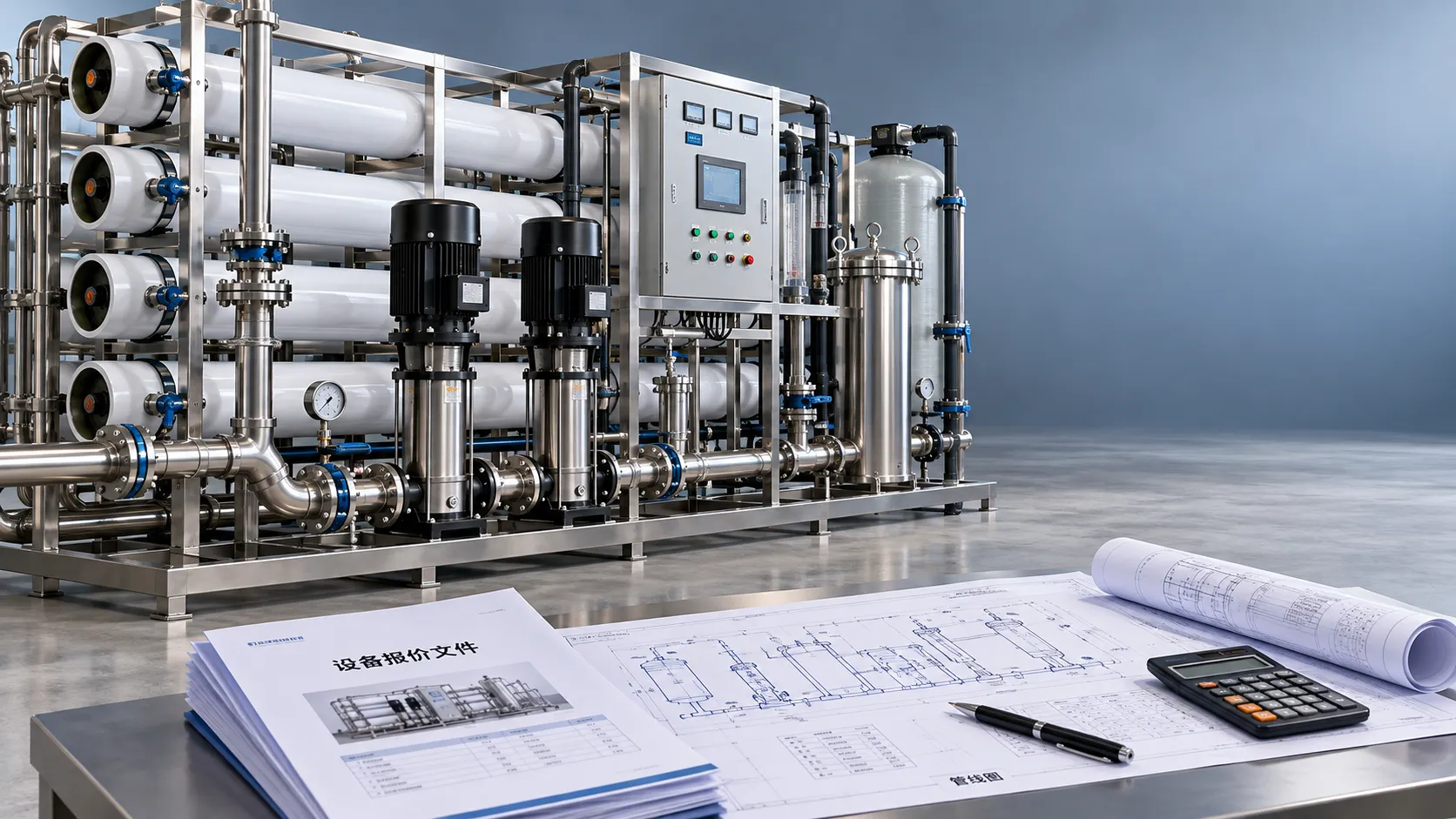
How to check a water treatment quotation for hidden project costs
Review your water treatment quotation for hidden costs, scope gaps, and operating expenses. Learn what to check before signing to protect your budget and avoid costly surprises.
How to vet ingredient processing equipment manufacturers using trials
Vet ingredient processing equipment manufacturers with real-world trials. Learn how to verify yield, cleaning, energy use, and scale-up before you invest.
When is energy recovery viable in the solid waste recovery process?
When is energy recovery viable in the solid waste recovery process? Explore feedstock quality, net energy, emissions, and costs to assess feasibility and make smarter investment decisions.
When is cementation suitable for nuclear decommissioning waste?
Explore nuclear waste treatment technology for decommissioning: learn when cementation fits, which risks to assess, and how disposal criteria guide an effective treatment choice.
What determines payback for waste-to-resource systems in Europe?
Assess waste-to-resource systems Europe-wide: compare feedstock, recovery yields, costs and contracts to uncover payback drivers and make smarter investment decisions.
How to verify a water treatment system factory’s production capacity
Verify a water treatment systems factory’s production capacity through records, bottlenecks, component availability, and testing. Learn what to check before accepting a delivery promise.