
Industry News
Curation by industry experts
Hot Articles
Popular Tags
How solids concentration affects dewatering in waste recovery systems
A dewatering unit can receive a steady volumetric flow yet begin producing wetter cake, losing fines to the liquid stream, or reaching its torque limit. An upstream thickener may have increased the feed solids concentration without a corresponding reduction in feed rate. The machine is then processing more dry material, even though the flow meter shows no change.
Increasing feed solids concentration generally reduces the water handled per tonne of dry solids, but only until viscosity, poor conditioning, restricted drainage, or equipment loading becomes limiting. For waste recovery systems, dewatering should therefore be evaluated across a feed concentration range—not at a single percentage—and against dry-solids throughput, capture, cake quality, and downstream recovery requirements.
Start with the solids basis, not the percentage alone
Feed solids concentration usually expresses dry solids as a percentage of wet feed mass. Cake solids use the same basic relationship. However, total solids, suspended solids, and recoverable particulate solids are not interchangeable. Dissolved salts can contribute to a total-solids measurement but largely remain in the liquid during mechanical separation, apart from the liquid retained in the cake.
For mineral slurries, organic residues, and mixed recycling fines, establish exactly what the reported percentage includes. A comparison between feed suspended solids and cake total solids can give misleading capture results, particularly where dissolved solids are substantial. Analytical drying methods also need consistent conditions because some materials lose volatile components or retain bound water differently.
The fundamental loading relationship is:
Dry-solids feed rate = volumetric feed rate × feed density × dry-solids mass fraction.
As an illustrative calculation, not an operating benchmark, a feed of 10 tonnes per hour at 2% solids contains 0.2 tonnes per hour of dry solids. At 4% solids, the same wet mass flow carries 0.4 tonnes per hour. If dry-solids throughput instead remains fixed at 0.2 tonnes per hour, increasing concentration from 2% to 4% halves the wet feed mass requiring treatment.
This distinction separates two different operating changes: concentrating feed to relieve hydraulic loading, and concentrating feed while increasing production loading. The first may improve performance; the second can overload the same machine.
Where concentration helps—and where the benefit reverses
Less bulk water, but not necessarily drier cake
Dilute feed requires equipment to separate a large volume of liquid for relatively little recovered material. Higher concentration can reduce pumping demand and relieve hydraulic limitations. On a belt press, it can help establish a workable solids layer in the gravity drainage zone. In a filter press, it can reduce the liquid volume that must pass through the cloth before chambers fill with solids.
Final cake dryness is a different question. Once free water has drained, remaining moisture depends on pore structure, particle surface area, compressibility, and water associated with biological or colloidal material. Raising feed concentration does not automatically change those properties. A thicker feed can shorten a filtration cycle without materially changing final cake solids.
Restricted flow through a denser solids network
Fine particles and soft organic flocs can create high-resistance cakes. Under pressure, a compressible cake may consolidate, narrowing its drainage pathways. Additional pressure can then yield progressively smaller increases in water removal rather than a proportional improvement.
Concentrated feed may also develop higher apparent viscosity or yield stress. Pump suction becomes less reliable, distribution across a belt becomes uneven, and mixing energy may no longer disperse polymer effectively. The resulting wet cake is not proof that concentration alone is excessive: poor distribution or conditioning may be the immediate cause.
Particle size and composition determine where these effects become important. A coarse mineral suspension may remain readily drainable at a concentration that makes a biological sludge difficult to pump. No universal optimum feed percentage applies across waste streams.
Conditioning must follow dry-solids loading
A frequent control error is keeping polymer solution flow constant while feed concentration rises. The polymer dose per tonne of dry solids then falls, potentially producing weak flocs, cloudy filtrate, and poor solids capture. Conversely, concentration falling at constant chemical flow can cause overdosing and, in some materials, sticky cakes or impaired drainage.
Express consumption as active polymer mass per tonne of dry feed solids, rather than solution volume alone. Record solution concentration and preparation conditions so that dilution changes are not mistaken for changes in active dose.
Even a constant dry-solids-based dose may need adjustment as feed concentration changes. Higher viscosity affects polymer distribution; changed mixing conditions alter floc formation and breakage. Polymer selection, injection location, maturation, and shear exposure can matter as much as dosage. Laboratory screening should therefore use representative feed concentrations and mixing conditions, followed by equipment trials rather than direct scale-up from a beaker result.
The limiting mechanism differs by machine
For a centrifuge, higher feed concentration increases particle interactions and can reduce settling performance through hindered settling and increased slurry viscosity. Conveying capacity can become the governing constraint even where hydraulic capacity remains available. Adjusting differential speed changes solids inventory and residence time, so torque control, capture, and dryness must be evaluated together.
A belt press depends heavily on gravity drainage before the pressure zones. Concentrated feed that spreads poorly can leave overloaded and underloaded regions across the belt. More belt tension cannot reliably compensate for inadequate initial drainage, and may increase solids extrusion or mechanical stress.
Filter presses require uniform chamber filling. Highly concentrated, difficult-to-pump feed may reach the feed-pressure limit before all chambers fill properly. Evaluate total productive throughput, including filling, filtration, squeezing where applicable, opening, discharge, and cloth cleaning—not filtration time alone.
Diagnose the symptom before changing the setpoint
When performance changes after an upstream thickening adjustment, align trends for feed concentration, flow, polymer addition, and machine response. A concentration sample collected well before or after the relevant operating period may not explain the event.
- Wet cake with clear separated liquid: examine drainage time, cake thickness, pressure or conveying settings, and feed compressibility. Good capture does not establish that water removal is adequate.
- Wet cake with high solids in the liquid: check hydraulic and dry-solids overload, floc formation, mixing, and shear. Increasing pressure or speed alone may worsen losses.
- Rising torque or feed pressure: verify dry-solids loading and rheology, then inspect for restrictions, wear, or plugging before assuming the material simply needs dilution.
- Unstable performance despite acceptable average concentration: investigate thickener discharge cycling, tank stratification, intermittent solids releases, and unrepresentative sampling.
Dilution can be a useful diagnostic trial where viscosity or distribution is suspected, provided additional water does not create a hydraulic overload. Use compatible process water and track its effect on conditioning chemistry. Dilution that improves cake dryness but increases liquid-treatment duty may not improve overall recovery economics.
Build a concentration-response test that separates causes
A useful trial distinguishes the effect of concentration from the effect of increased solids throughput. Begin with representative material and establish operating limits for pressure, torque, pumping, and safe sampling.
- Characterize the feed. Measure concentration, density where needed, particle-size distribution, temperature, and relevant composition. Include rheological measurements when pumping or mixing behavior changes markedly.
- Vary concentration at approximately constant dry-solids feed rate. Adjust volumetric flow accordingly. This helps reveal hydraulic and rheological effects without simultaneously imposing a larger solids load.
- Then test capacity at selected concentrations. Increase dry-solids throughput within equipment limits to identify where capture, dryness, or operability deteriorates.
- Allow stable operation before sampling. Account for tank turnover, equipment residence time, and complete batch cycles. Collect representative feed, cake, and separated-liquid samples over aligned periods.
- Optimize conditioning and settings transparently. Record each adjustment. Comparing an optimized condition against an untuned condition can misrepresent the concentration effect.
Measure cake solids and solids capture separately. Capture is the fraction of incoming particulate dry solids recovered in the cake. It can be calculated from matched mass flows and consistent solids measurements; it cannot be established reliably from filtrate concentration alone. A dilute liquid stream may still carry substantial losses when its flow is high.
Check the solids mass balance before accepting trial results. Poor closure can indicate sampling bias, solids accumulation inside equipment, unmeasured wash water, or inconsistent analytical bases. For batch presses, include the full cycle and relevant residual inventories.
Set acceptance criteria around recovered material
The preferred feed concentration is an operating window where the machine meets recovery requirements without unstable loading or excessive auxiliary demand. Define guarantees against that window, including expected concentration variability and material characteristics. A nameplate capacity stated only in cubic metres per hour leaves dry-solids capacity unresolved.
Compare energy in kilowatt-hours per tonne of dry solids processed and, where capture differs, per tonne recovered. Include the agreed system boundary: thickening, feed pumping, dewatering, wash water, and chemical preparation where relevant. A lower dewatering motor load does not demonstrate lower total energy consumption.
Downstream constraints can change the preferred setting. Thermal treatment is sensitive to residual water, while material reuse may prioritize contamination, consistency, or handling behavior. Cake dryness alone does not describe stackability or adhesive behavior. Polymer carryover and fines lost to the liquid stream can also affect recovered-material quality and recycle-water treatment.
For technical acceptance, specify sampling methods, solids definitions, test duration, permissible feed variation, and simultaneous requirements for throughput, capture, cake solids, and consumables. Use the applicable analytical and safety requirements for the actual waste stream rather than assuming a universal dewatering standard. A concentration setting is defensible only when those requirements are met together under representative operating conditions.
Recommended News
How to compare technical specs in an environmental equipment directory
Use this environmental equipment directory technical guide to compare capacity, energy use, compliance, and supplier evidence. Build a defensible shortlist and choose with confidence.
How to assess a zero liquid discharge equipment supplier’s energy claims
Assess a zero liquid discharge equipment supplier’s energy claims. Learn how to verify system boundaries, compare real costs, and demand testable guarantees before you buy.
Which membrane filtration process suits dairy protein concentration?
Explore membrane filtration for dairy: compare UF, MF, and RO to select the right process for protein concentration, lactose reduction, and better recovery. Find your best fit.
When is an MBR suitable for wastewater purification for bioprocessing?
For wastewater purification for bioprocessing, discover when an MBR fits your needs. Compare water quality, fouling risks, and lifecycle costs before investing.
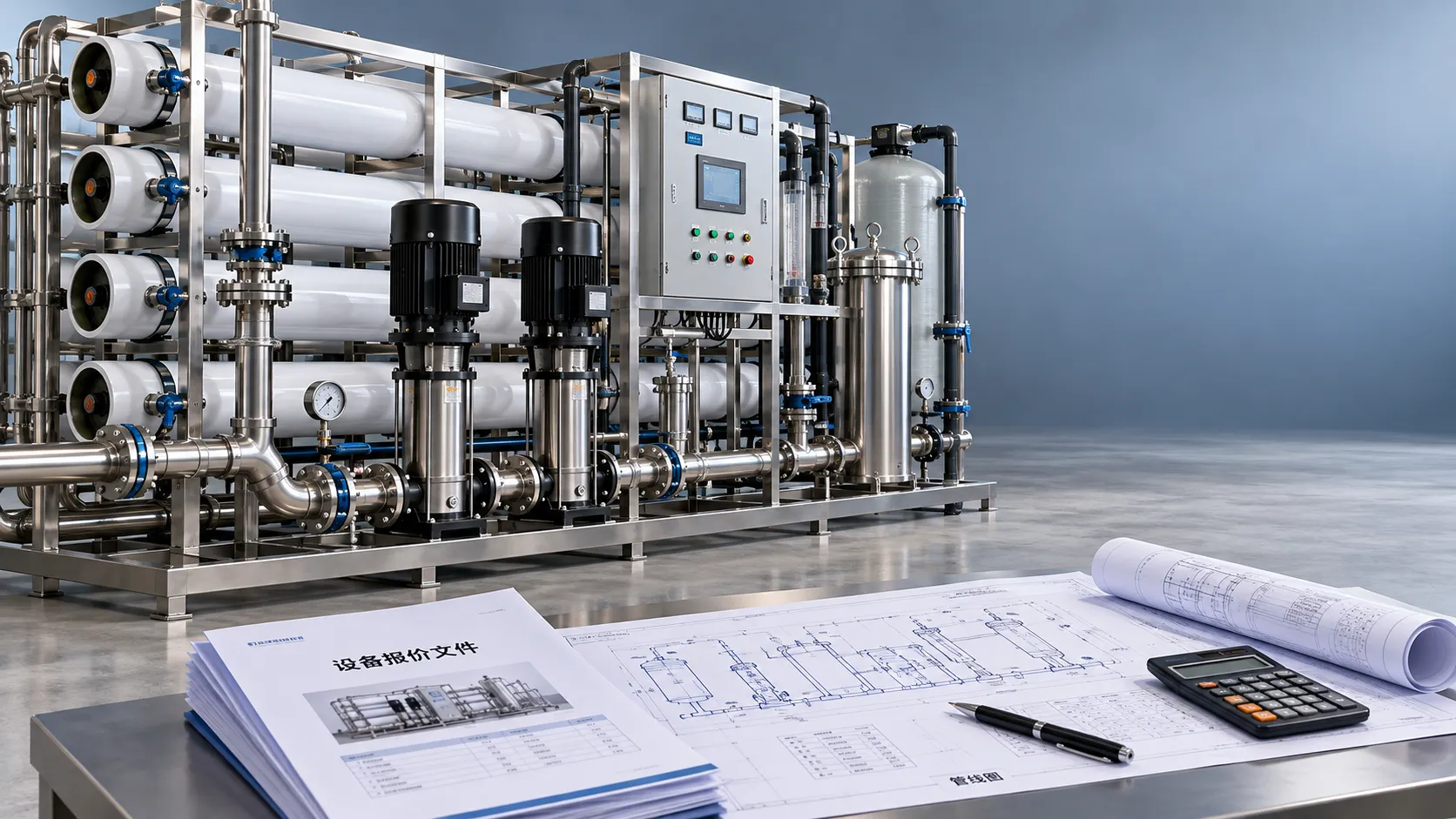
How to check a water treatment quotation for hidden project costs
Review your water treatment quotation for hidden costs, scope gaps, and operating expenses. Learn what to check before signing to protect your budget and avoid costly surprises.
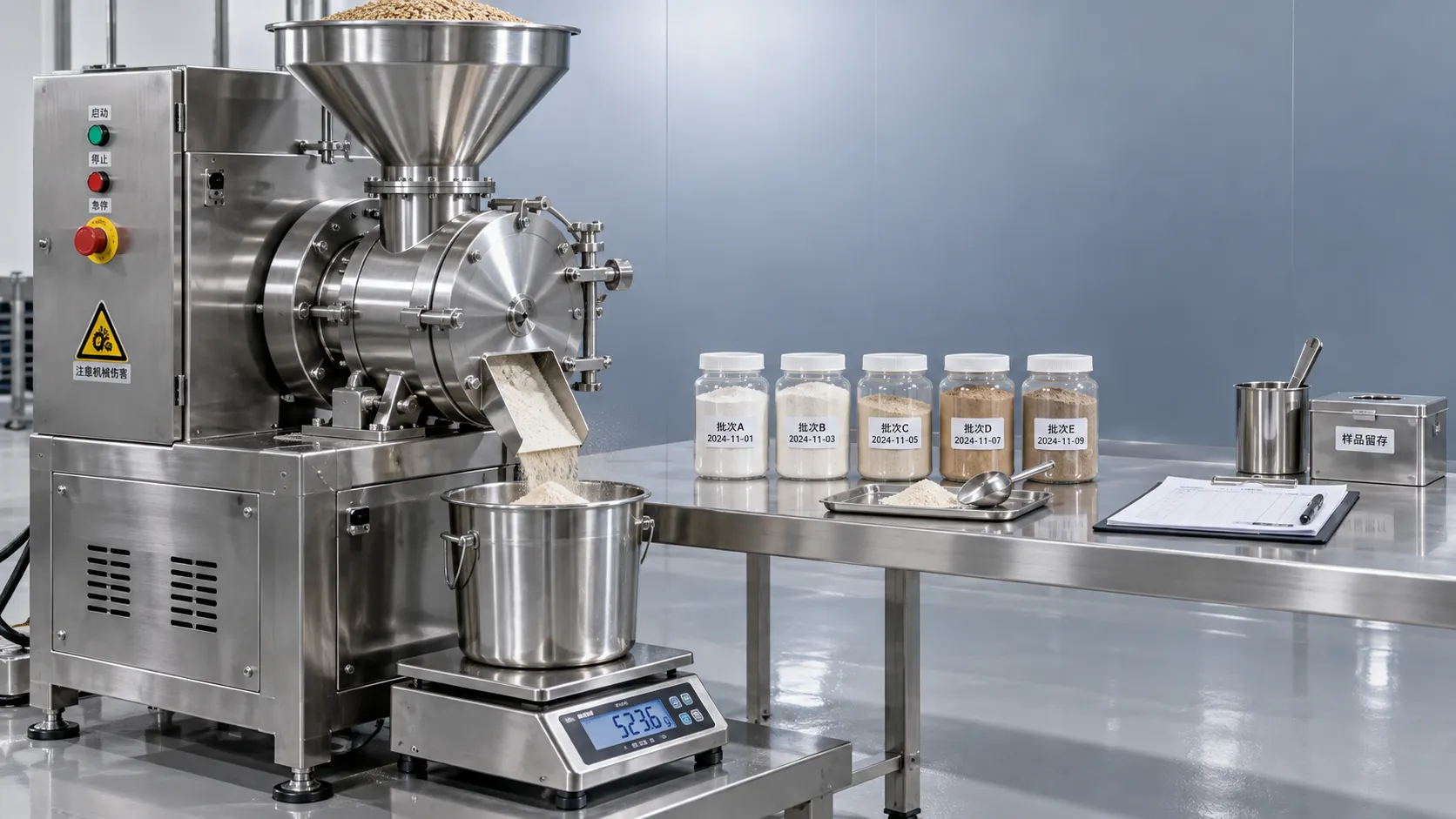
How to vet ingredient processing equipment manufacturers using trials
Vet ingredient processing equipment manufacturers with real-world trials. Learn how to verify yield, cleaning, energy use, and scale-up before you invest.
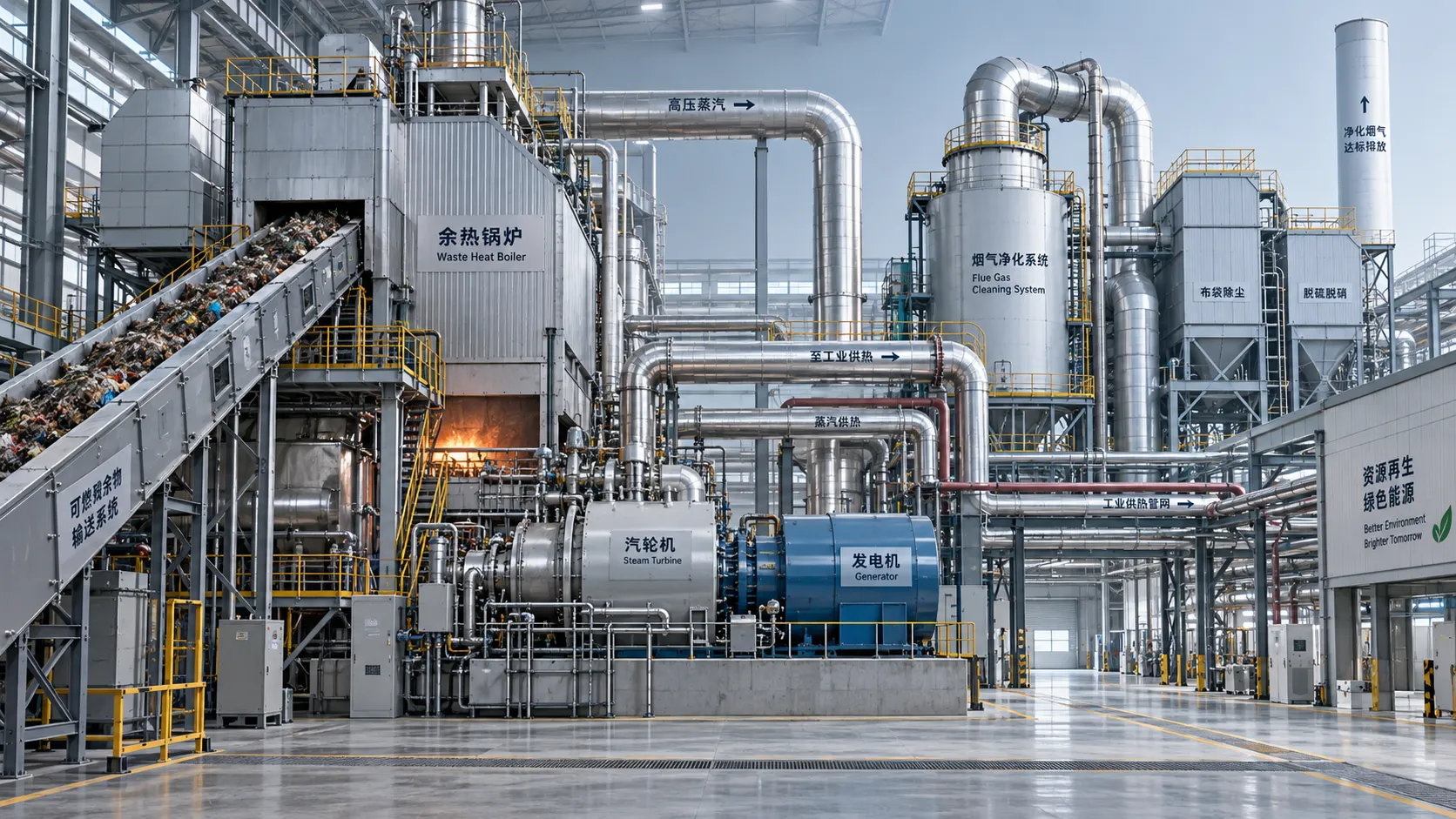
When is energy recovery viable in the solid waste recovery process?
When is energy recovery viable in the solid waste recovery process? Explore feedstock quality, net energy, emissions, and costs to assess feasibility and make smarter investment decisions.
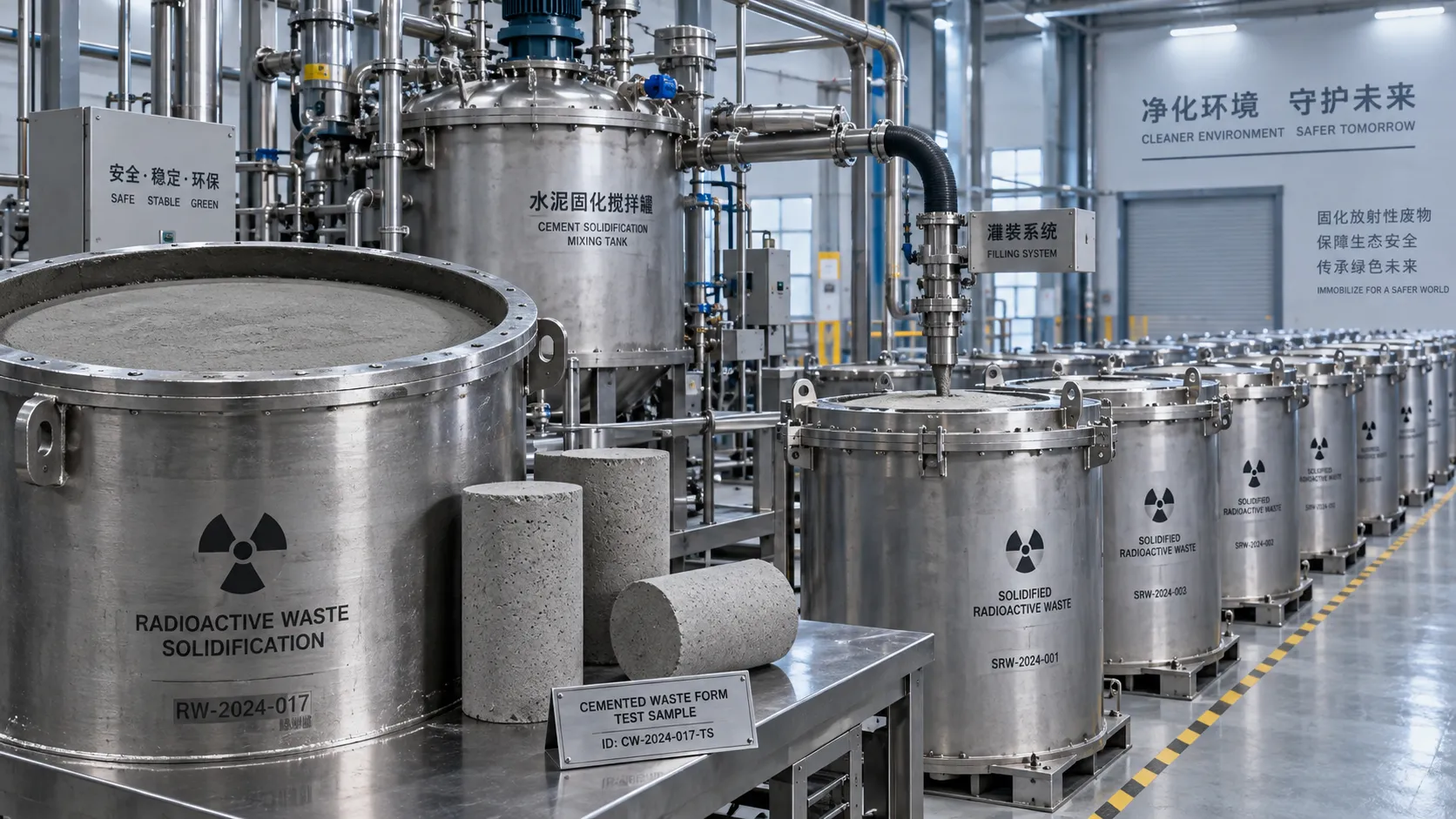
When is cementation suitable for nuclear decommissioning waste?
Explore nuclear waste treatment technology for decommissioning: learn when cementation fits, which risks to assess, and how disposal criteria guide an effective treatment choice.
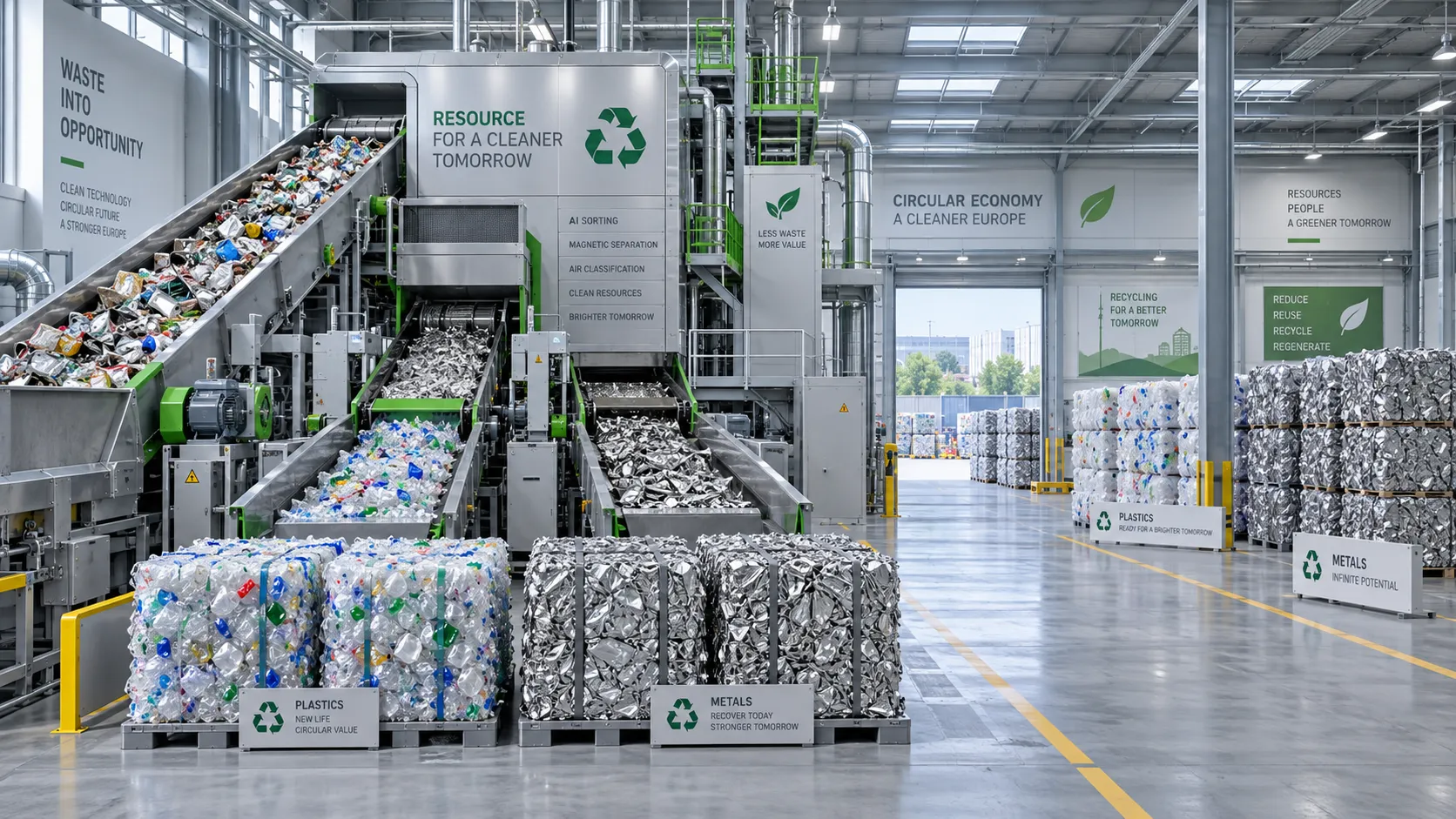
What determines payback for waste-to-resource systems in Europe?
Assess waste-to-resource systems Europe-wide: compare feedstock, recovery yields, costs and contracts to uncover payback drivers and make smarter investment decisions.