
Industry News
Curation by industry experts
Hot Articles
Popular Tags
When is compaction suitable for solid nuclear waste treatment?
Compaction is suitable for solid nuclear waste treatment when the waste contains enough compressible material to reduce its packaged volume, the pressing process can be controlled safely, and the resulting package meets the receiving facility’s waste acceptance criteria. Dry contaminated clothing, wipes, paper, and selected plastics are common candidates. Dense components, wet materials, reactive substances, and poorly characterized waste need a different assessment.
The decision should start with the disposal route and waste inventory. A press can produce a smaller package without producing an acceptable one. Compaction reduces void space; it does not remove radioactivity, destroy hazardous chemicals, or automatically create a stable waste form.
Start with the package the receiving facility will accept
Before comparing compactors, establish the requirements for the final waste package. These may address radionuclide inventory, activity concentration, free liquids, chemical compatibility, package weight, structural stability, external dose rate, and documentation. Transport requirements also influence container selection and handling arrangements.
Compaction changes several of these characteristics together. Reducing volume increases bulk density and can increase activity concentration when expressed per unit volume. The total radioactive inventory remains essentially unchanged, although contamination may transfer to equipment, ventilation filters, or collected liquids. External dose rates can change as the source geometry and shielding arrangement change.
A compacted drum or puck may also be an intermediate product. It might require placement in an overpack, void filling, or another conditioning step before shipment or disposal. Whether those steps are necessary depends on the receiving facility’s requirements and the approved package design.
The relevant measure is the volume and cost of the accepted final package. A substantial reduction inside the press may deliver a smaller benefit after overpacking, shielding, and conditioning are included.
Which waste streams are good candidates?
Compaction works by collapsing voids and deforming materials. It is most useful where loose waste occupies considerable space relative to its mass. The following screening distinctions help identify promising streams without treating a material description as automatic approval.
Mixed bags are harder to qualify than consistent streams. A bag dominated by protective clothing may still contain a sharp component, a liquid-filled item, or a battery. Source segregation and reliable characterization therefore influence both safety and equipment performance.
Material resilience matters as well. Some plastics and elastomers spring back after pressure is released. A convincing reduction during the pressing stroke may not persist during handling or storage unless the container or package design restrains expansion.
Radiological characteristics can outweigh compressibility
A mechanically suitable material may still be unsuitable for a particular compaction installation. Pressing can disturb surface contamination, release dust, and rupture inner bags. Dryness improves handling in some respects, but dry contaminated powders can present a significant airborne contamination challenge.
The assessment should distinguish contamination fixed to a surface from loose contamination that can become airborne. It should also consider radionuclides, activity distribution, radiation type, and the possibility of concentrated items within otherwise lightly contaminated waste. A general waste classification does not provide enough information to design the handling system.
Enclosure, local extraction, suitable filtration, contamination monitoring, and controlled loading and unloading may be necessary. Their design should address credible releases during pressing and abnormal events, including a damaged package or a jammed load. Ventilation filters and cleaning materials then become secondary waste that must enter the treatment balance.
Maintenance deserves the same attention as normal production. Ram surfaces, chamber walls, seals, and drainage points can become contaminated. An installation that operates acceptably during routine cycles may impose substantial exposure or downtime when a component needs replacement. Access, decontamination, remote intervention where appropriate, and recovery arrangements should be evaluated before equipment selection.
Where fissile material may be present, compaction can change geometry and material distribution. Moisture and other moderating materials also affect the assessment. Such streams need an approved criticality safety basis appropriate to the process; ordinary compactor specifications cannot establish suitability.
Moisture and chemical hazards need their own screening
Waste that appears dry can contain retained liquid in absorbents, tubing, filters, or closed cavities. Pressure may release that liquid into the chamber or package. This creates contamination pathways and may conflict with free-liquid limits at the receiving facility.
Drainage and liquid collection can be part of a designed process, but they create an additional treatment stream. If substantial liquid release is expected, dewatering or a different conditioning route may provide a more coherent solution than adding liquid-handling equipment around a compactor.
Chemical screening should identify reactive metals, pyrophoric materials, oxidizers, flammable residues, corrosive substances, and other incompatible constituents. Compression may damage protective casings or bring previously separated materials into contact. Radioactive waste that also contains regulated hazardous chemicals needs a treatment and disposal route that addresses both characteristics.
Compaction also leaves combustible and degradable materials in the package. It does not eliminate their potential contribution to fire loading or gas generation. Where radiolysis, corrosion, or decomposition could generate gas, the storage duration, package design, and receiving facility’s limits become part of the selection decision.
Match the compaction system to the whole waste route
In-drum compaction for consistent, compressible feed
In-drum systems compress waste within a container, commonly through repeated loading and pressing. They can suit facilities with a steady stream of segregated soft waste and a compatible drum-based packaging route.
The assessment should include loading arrangements, drum support, resistance to puncture, rebound, and the ability to close the container correctly. A drum that contains sharp or unevenly distributed material may behave differently from one filled with soft protective clothing, even when both have the same initial volume.
Supercompaction when greater reduction justifies more handling
Supercompaction applies higher force and can compress suitable waste-filled drums into pucks. These are subsequently loaded into a larger container, with additional conditioning where required by the package specification.
This approach may be attractive when disposal volume is costly, sufficient feed is available, and the receiving route accepts the resulting package. It also introduces puck handling, overpack loading, heavier localized loads, and potentially more demanding contamination-control arrangements.
A higher press force alone is not a reason to choose supercompaction. Dense contents may offer little additional reduction, while overpack geometry can leave unused space around the pucks. Compare complete package configurations using representative feed, including difficult but permitted materials.
Evaluate performance beyond the advertised reduction ratio
Volume-reduction claims depend on the starting waste, its initial packing density, and the boundary used for measurement. Loose bags, prefilled drums, compacted pucks, and completed disposal packages are different comparison points. A ratio without that context has limited value for selection.
A useful evaluation follows a defined waste batch from receipt through final packaging. It records the starting volume, waste mass, final external package volume, container consumption, secondary waste, and operator time. It also captures rejected items and interruptions, because feed variability can determine practical capacity.
Equipment trials can use representative nonradioactive materials to assess mechanical behavior. These trials help reveal bridging, rebound, puncture, unstable loads, and handling difficulties. They do not establish radiological containment performance by themselves; containment and monitoring need their own design and verification basis.
Throughput should reflect the entire operating cycle. Sorting, surveys, loading, container changes, decontamination, and maintenance can take longer than the pressing stroke. Capacity estimates based only on ram cycle time can overstate the amount of waste the facility can process.
Package mass may become the limiting factor before volume does. Greater density can reach container, lifting, transport, or receiving-facility weight limits while usable space remains. The assessment should therefore examine volume, mass, radiation protection, and handling capacity together.
When another treatment route makes more sense
For dense metal components, cutting or dismantling may improve packing efficiency more effectively than pressing. If surface contamination can be removed through an authorized decontamination process, separating cleaner material from the radioactive fraction may reduce the amount requiring disposal.
Wet sludges and similar residues generally need a route designed around moisture removal, immobilization, or both. Compaction may have a supporting role for particular materials, but it does not inherently provide the chemical retention or mechanical stability that a conditioning process may be intended to achieve.
Combustible waste may be considered for thermal treatment where an appropriate licensed route exists. That comparison must include off-gas treatment, ash management, feed restrictions, and final residue conditioning. A large reduction in combustible material does not remove the need to manage the radionuclides retained in residues and captured emissions.
Direct packaging can also be reasonable for small, irregular waste quantities. A dedicated press brings inspection, maintenance, contamination control, and operating obligations. Where suitable feed is limited, a shared or contracted treatment route may be more practical, provided transport and receiving conditions fit the waste.
Build the selection around a defined waste envelope
A compaction proposal becomes reviewable when it describes both the permitted feed and the accepted output. The feed description should set boundaries for composition, moisture, radioactive inventory, hazardous constituents, dimensions, and prohibited items. The output description should establish the container system, weight limits, conditioning needs, and acceptance route.
The decision can then follow a short sequence:
- Establish the destination. Define the final package requirements and any storage or transport constraints.
- Characterize and segregate the feed. Identify compressible fractions and remove items requiring separate treatment.
- Assess process hazards. Address airborne contamination, dose, liquids, chemical reactions, fire, and criticality where applicable.
- Demonstrate package performance. Evaluate persistent volume reduction, package integrity, mass, handling, and required conditioning.
- Compare complete operating costs. Include consumables, secondary waste, maintenance, exposure controls, transport, and disposal.
Compaction is a strong candidate when this assessment shows a reliable reduction in accepted package volume with manageable operating demands. If the waste is poorly characterized, releases significant liquid, offers little compressibility, or produces a package incompatible with its destination, resolve those conditions before selecting a press. The most useful starting document is a waste inventory linked to a disposal package specification; together, they establish what the equipment must actually achieve.
Recommended News
How solids concentration affects dewatering in waste recovery systems
Optimize waste recovery systems dewatering with insights on solids concentration. Learn to balance throughput, cake dryness, and solids capture while avoiding costly equipment overloads.
How to compare technical specs in an environmental equipment directory
Use this environmental equipment directory technical guide to compare capacity, energy use, compliance, and supplier evidence. Build a defensible shortlist and choose with confidence.
How to assess a zero liquid discharge equipment supplier’s energy claims
Assess a zero liquid discharge equipment supplier’s energy claims. Learn how to verify system boundaries, compare real costs, and demand testable guarantees before you buy.
Which membrane filtration process suits dairy protein concentration?
Explore membrane filtration for dairy: compare UF, MF, and RO to select the right process for protein concentration, lactose reduction, and better recovery. Find your best fit.
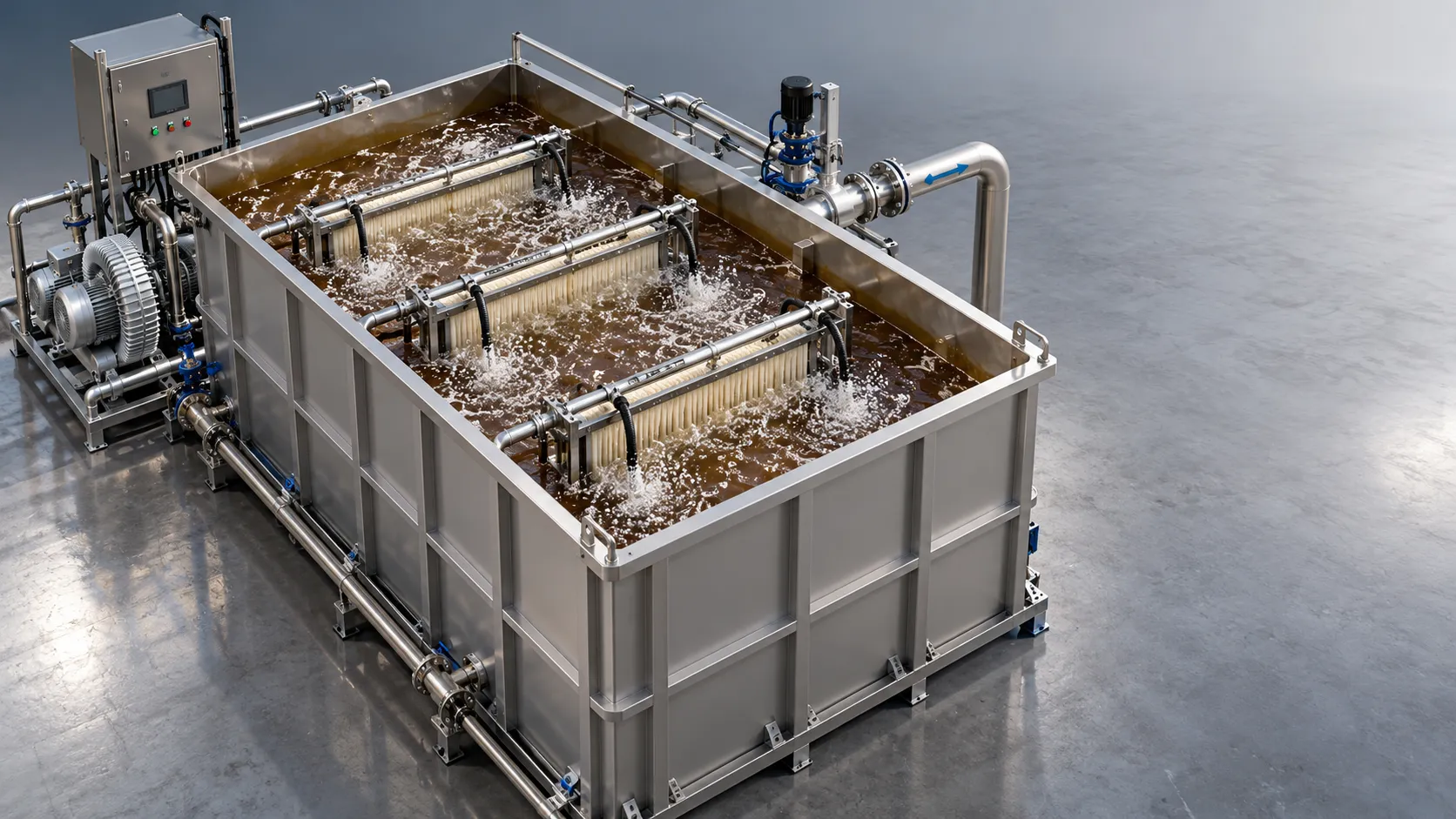
When is an MBR suitable for wastewater purification for bioprocessing?
For wastewater purification for bioprocessing, discover when an MBR fits your needs. Compare water quality, fouling risks, and lifecycle costs before investing.
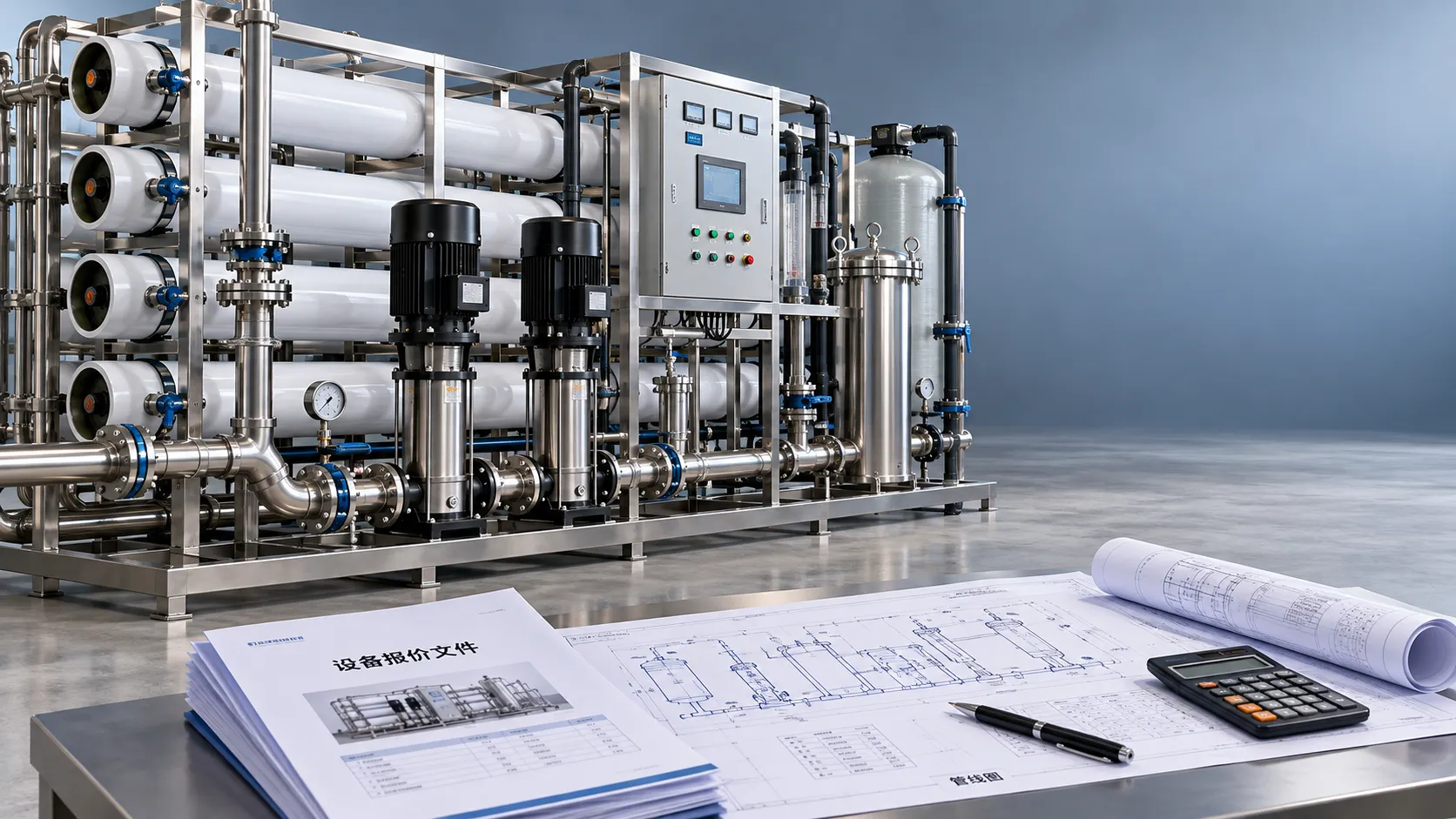
How to check a water treatment quotation for hidden project costs
Review your water treatment quotation for hidden costs, scope gaps, and operating expenses. Learn what to check before signing to protect your budget and avoid costly surprises.
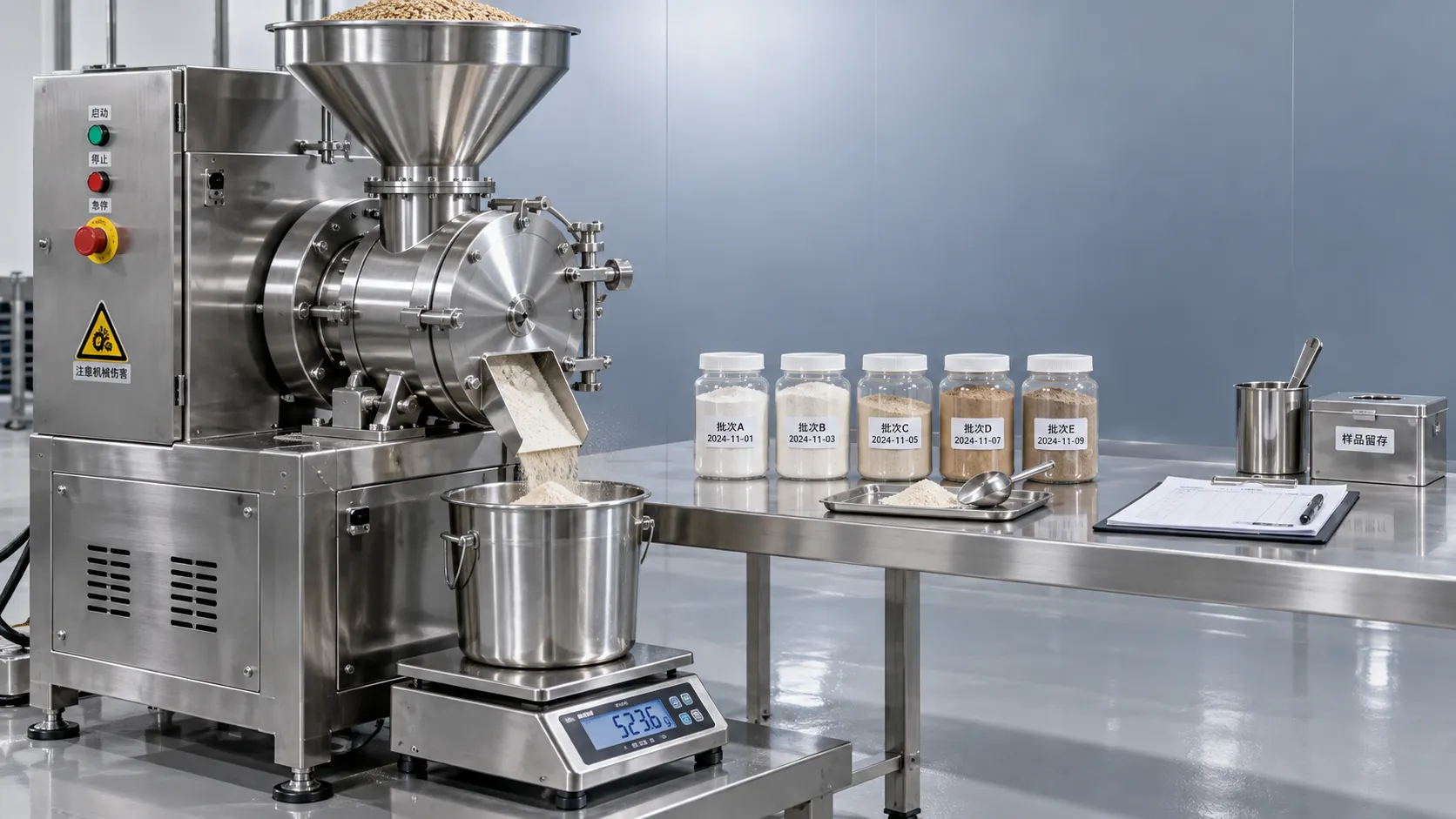
How to vet ingredient processing equipment manufacturers using trials
Vet ingredient processing equipment manufacturers with real-world trials. Learn how to verify yield, cleaning, energy use, and scale-up before you invest.
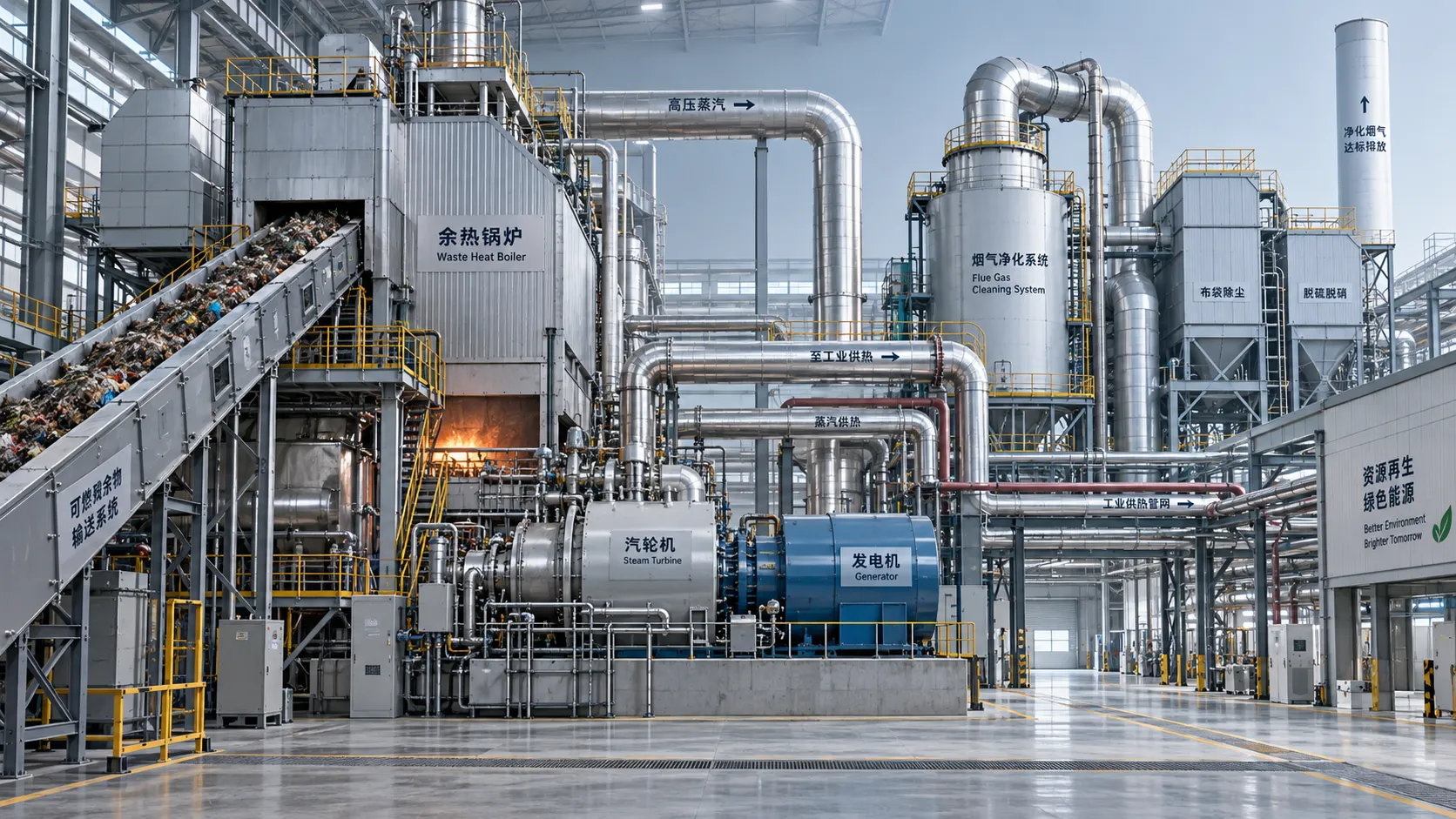
When is energy recovery viable in the solid waste recovery process?
When is energy recovery viable in the solid waste recovery process? Explore feedstock quality, net energy, emissions, and costs to assess feasibility and make smarter investment decisions.
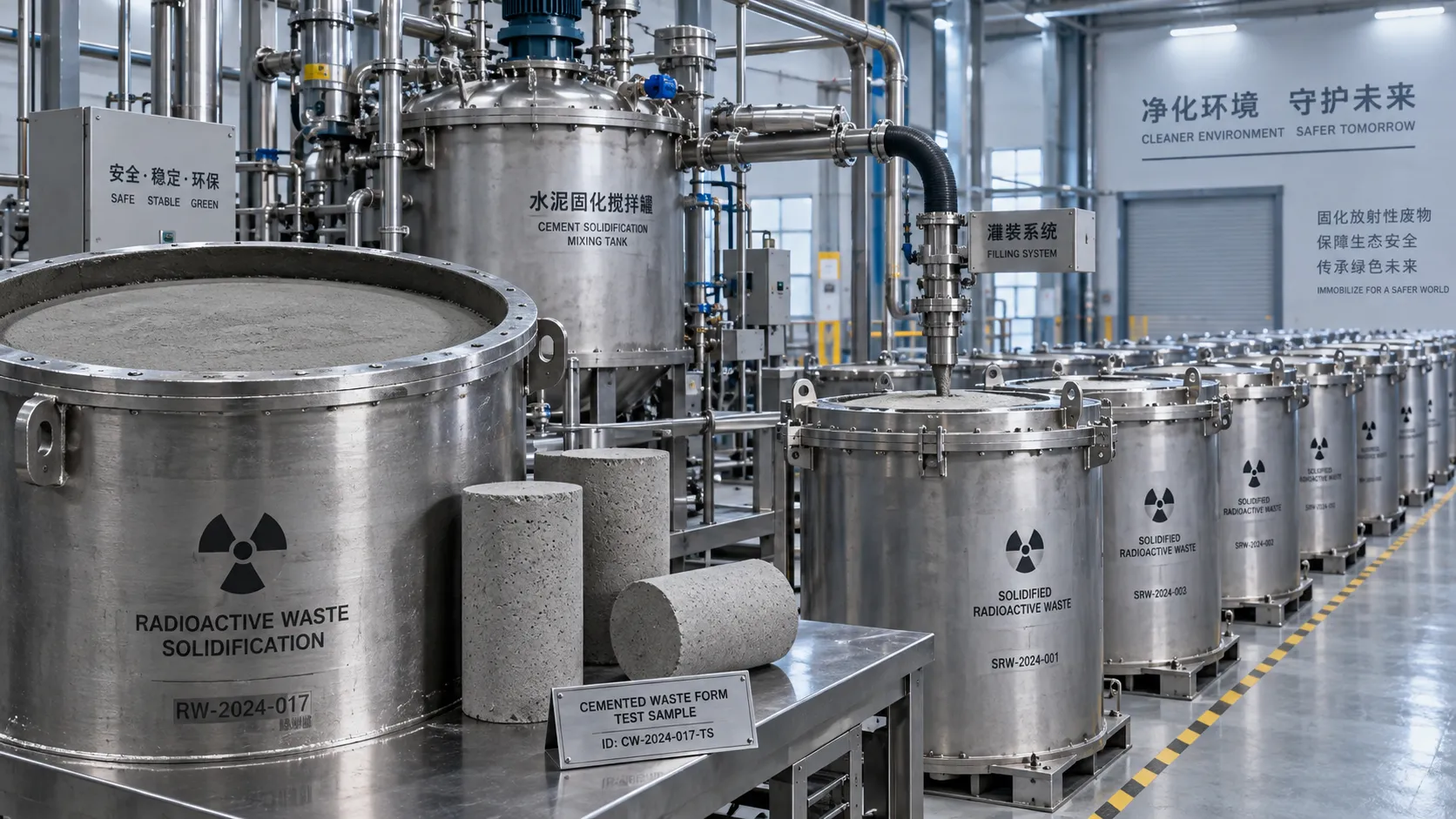
When is cementation suitable for nuclear decommissioning waste?
Explore nuclear waste treatment technology for decommissioning: learn when cementation fits, which risks to assess, and how disposal criteria guide an effective treatment choice.