
Industry News
Curation by industry experts
Hot Articles
Popular Tags
Industrial Decarbonization Options: Which Projects Deliver ROI First?
Why does industrial decarbonization now start with ROI, not slogans?
Industrial decarbonization has moved from policy language into boardroom math.
The real question is no longer whether to decarbonize.
It is which project lowers emissions and pays back first.
That matters more in heavy environmental infrastructure.
Water treatment, flue gas control, desalination, and recovery systems consume energy, chemicals, and maintenance capital every day.
When those systems are optimized, carbon reduction often appears as a financial result.
In practice, the fastest-return industrial decarbonization projects usually fix waste first.
That may mean wasted heat, over-aeration, membrane fouling, unstable combustion, or poor material recovery.
This is why ESD’s intelligence model is relevant.
It connects environmental compliance, process physics, and commercial timing instead of treating them as separate topics.
A good industrial decarbonization decision should improve operating resilience, not just produce a reporting line.
Which industrial decarbonization projects usually deliver ROI first?
The quickest payback rarely comes from the most ambitious technology.
It more often comes from assets already consuming too much power, steam, fuel, or reagent.
Across integrated industrial sites, four project types tend to move first.
- Energy efficiency retrofits in pumps, blowers, drives, and thermal systems.
- Process control upgrades that stabilize load and reduce over-treatment.
- Resource recovery projects that convert waste streams into saleable output.
- Targeted electrification where power is cleaner and more price-stable than fuel.
In wastewater systems, aeration optimization is a common early winner.
Blowers often run conservatively, not efficiently.
Adding sensors, controls, and variable-speed drives can cut electricity use without changing treatment performance.
In flue gas treatment, low-temperature catalyst optimization and fan efficiency upgrades can reduce both energy and reagent demand.
In desalination, membrane fouling control and energy recovery devices often outperform large redesigns in early-stage ROI.
In solid waste systems, AI sorting and thermal recovery projects can create dual value.
They reduce disposal cost while improving recovered material revenue.
A quick comparison helps separate “good stories” from bankable returns
The table shows a simple pattern.
Industrial decarbonization pays back fastest when it improves an existing inefficiency that is measured daily.
How should you judge wastewater, flue gas, desalination, and recovery projects differently?
Not all carbon savings are created the same way.
A wastewater retrofit saves through energy intensity and compliance stability.
A flue gas project may save through reagent reduction, pressure drop management, and avoided penalties.
A desalination upgrade often depends on specific energy consumption per cubic meter.
A resource recovery system adds another dimension.
It can turn carbon and circularity into a revenue model.
More importantly, each system faces different operational limits.
For example, Zero Liquid Discharge projects may look attractive on compliance grounds.
Yet their capital burden can delay ROI unless water scarcity, discharge restrictions, or brine disposal costs are severe.
By contrast, upgrading SWRO membranes or energy recovery devices may produce measurable savings sooner.
ESD’s sector coverage is useful here because project value depends on process detail.
Catalyst kinetics, membrane structure, brine chemistry, and recovery yield all affect the real decarbonization case.
- Wastewater: focus on kWh per treated volume, aeration efficiency, sludge burden, and discharge reliability.
- Flue gas: check fan load, reagent ratio, catalyst life, and pollutant removal at real operating temperatures.
- Desalination: compare SEC, membrane cleaning frequency, pressure recovery, and intake water variability.
- Recovery systems: test feedstock consistency, product purity, offtake contracts, and downtime sensitivity.
What usually goes wrong when an industrial decarbonization project looks attractive on paper?
Most failed decisions do not fail because carbon reduction was impossible.
They fail because the business case was built on ideal conditions.
One common mistake is using vendor assumptions instead of plant baselines.
If actual loads fluctuate sharply, modeled savings can disappear.
Another mistake is counting carbon benefit twice.
A heat recovery unit may lower fuel use.
But if it increases maintenance outages, total value may shrink.
There is also a timing problem.
Some industrial decarbonization projects generate savings immediately after commissioning.
Others need feedstock changes, operator training, or regulatory approval before value appears.
This is especially relevant in nuclear waste management and other high-compliance environments.
A technically sound upgrade may still face a long approval path.
A more grounded review usually asks these questions first.
- Is the current energy or material loss already measured and trusted?
- Does the project depend on ideal uptime or ideal feed quality?
- Will compliance rules accelerate value or slow project realization?
- Can savings be audited for internal finance and external reporting?
Those questions often reveal whether the proposal is operationally real or only presentation-ready.
Is a fast payback always better than a larger long-term carbon cut?
Not always, but fast payback usually deserves priority.
Early wins create internal confidence and improve capital discipline.
They also fund harder projects later.
That said, industrial decarbonization should not become a short-term-only exercise.
Some slower-return projects matter because they reduce future regulatory exposure.
CBAM pressure, water scarcity, emissions permits, and waste transport rules can all change investment logic.
A practical approach is to divide the pipeline into three layers.
- Layer one: no-regret efficiency projects with clear baseline data.
- Layer two: process redesigns with moderate capital and strategic upside.
- Layer three: transformational projects with longer payback but major compliance value.
This sequencing works well in complex environmental systems.
It respects both cash flow and long-term positioning.
In other words, the best industrial decarbonization roadmap is rarely a single bet.
It is a portfolio with different return horizons.
What is the smartest next step before comparing vendors or technologies?
Start with a decision screen, not with brochures.
The strongest industrial decarbonization choices are built from verified process pain points.
That means energy intensity, compliance risk, downtime cost, and recoverable value must be visible in one frame.
A short evaluation checklist keeps the process honest.
From there, compare options by system behavior, not headline claims.
That is especially important in sectors ESD follows closely.
A membrane upgrade, catalyst change, AI sorting line, or vitrification-related improvement only makes sense when matched to the real process envelope.
The most effective next move is simple.
Build a shortlist of projects with trusted baselines, short operational paths, and clear compliance relevance.
Then test each one against payback, carbon intensity, implementation risk, and resilience value.
That is where industrial decarbonization stops being abstract and starts becoming a disciplined investment sequence.
Recommended News
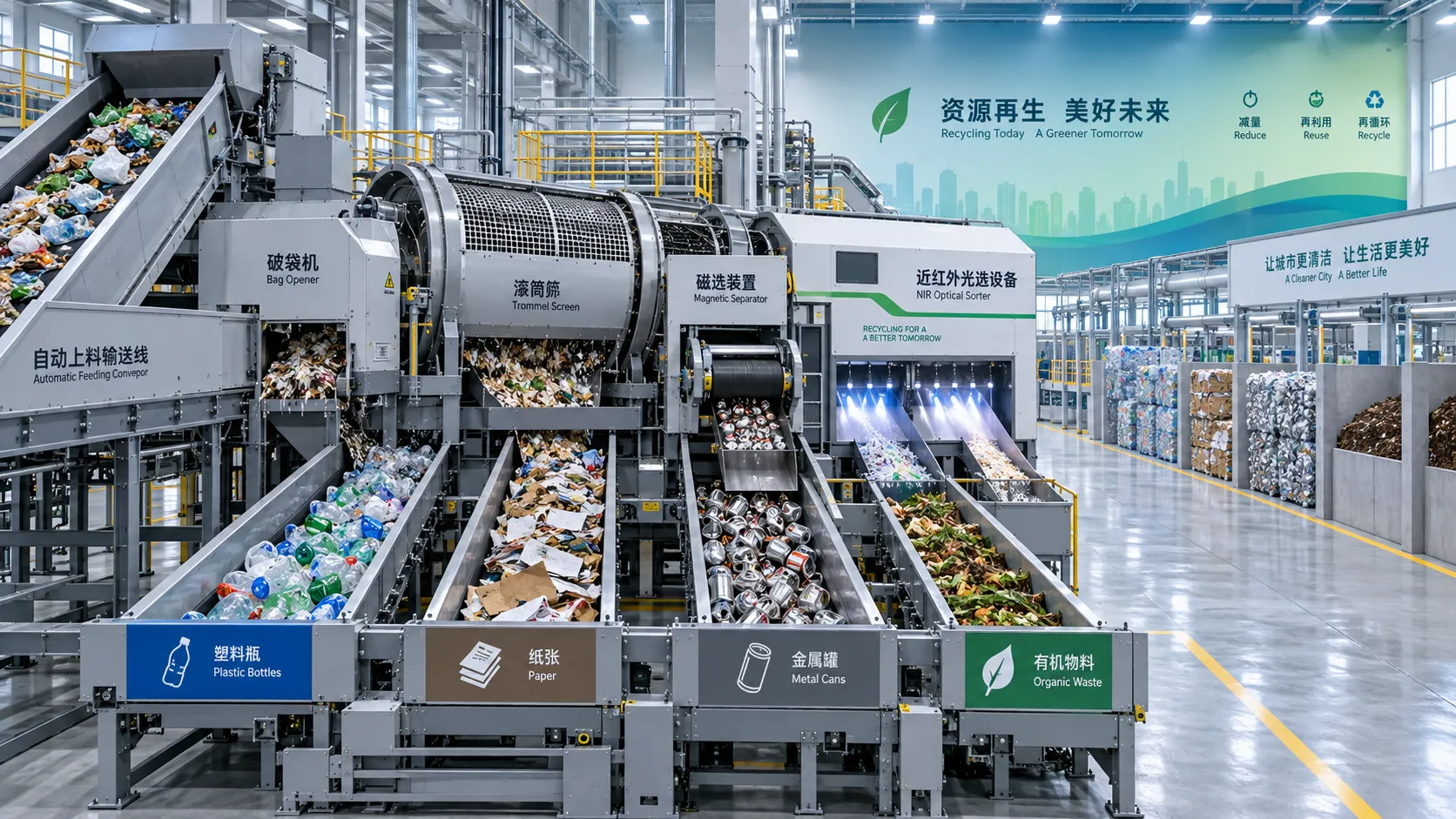
How to choose waste sorting equipment for mixed municipal waste
Waste sorting equipment selection guide for mixed municipal waste: compare technologies, improve recovery, reduce downtime, and build reliable output streams.
How to verify standards in an environmental equipment directory
environmental equipment directory standards reference: learn to verify certifications, performance evidence, scope, and project fit for confident, compliant equipment selection.
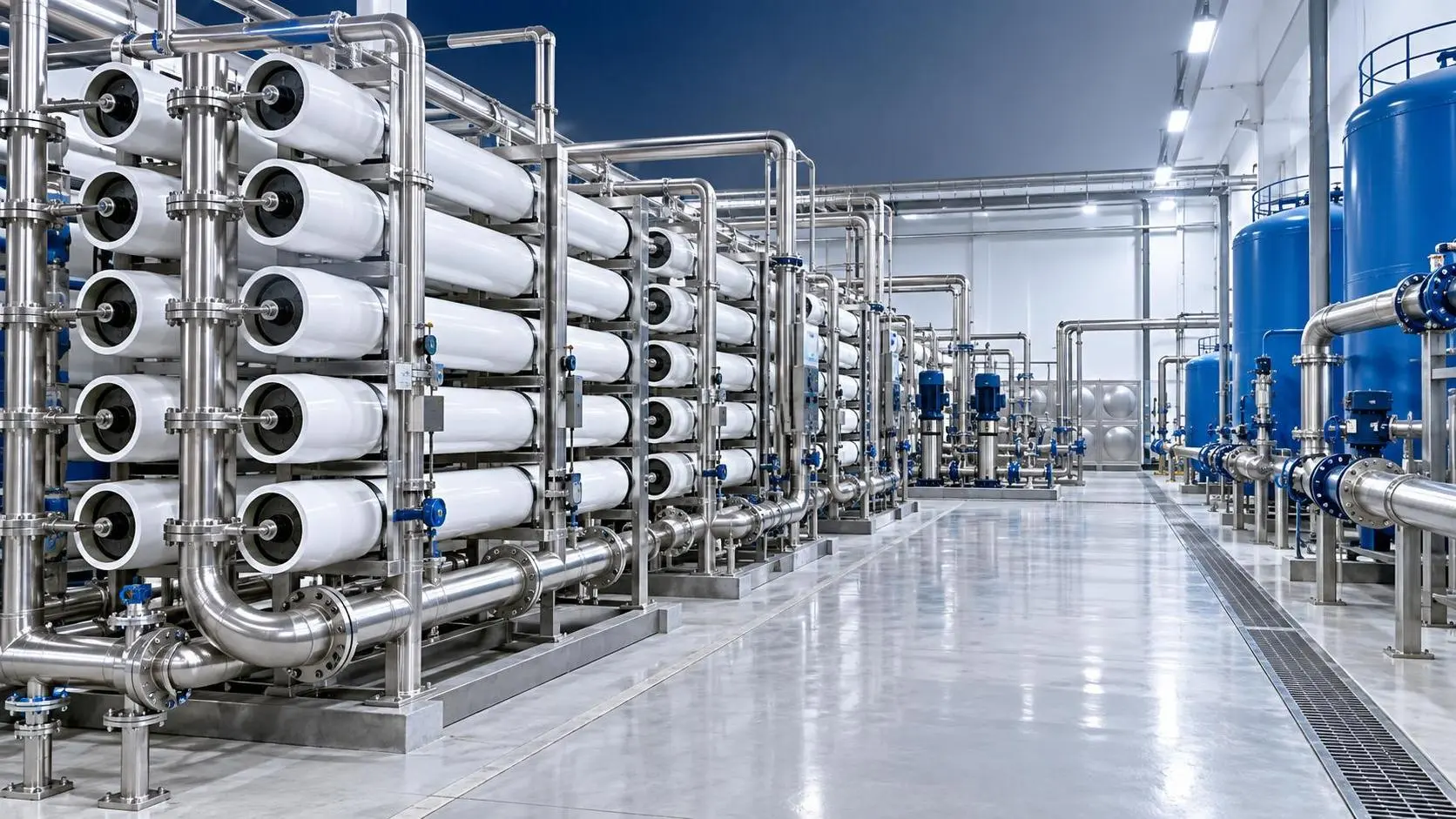
When high flux membrane water treatment justifies a larger footprint
High flux membrane water treatment can justify a larger footprint when variable feedwater, fouling risk, and uptime demands require resilient, lower-flux operation.
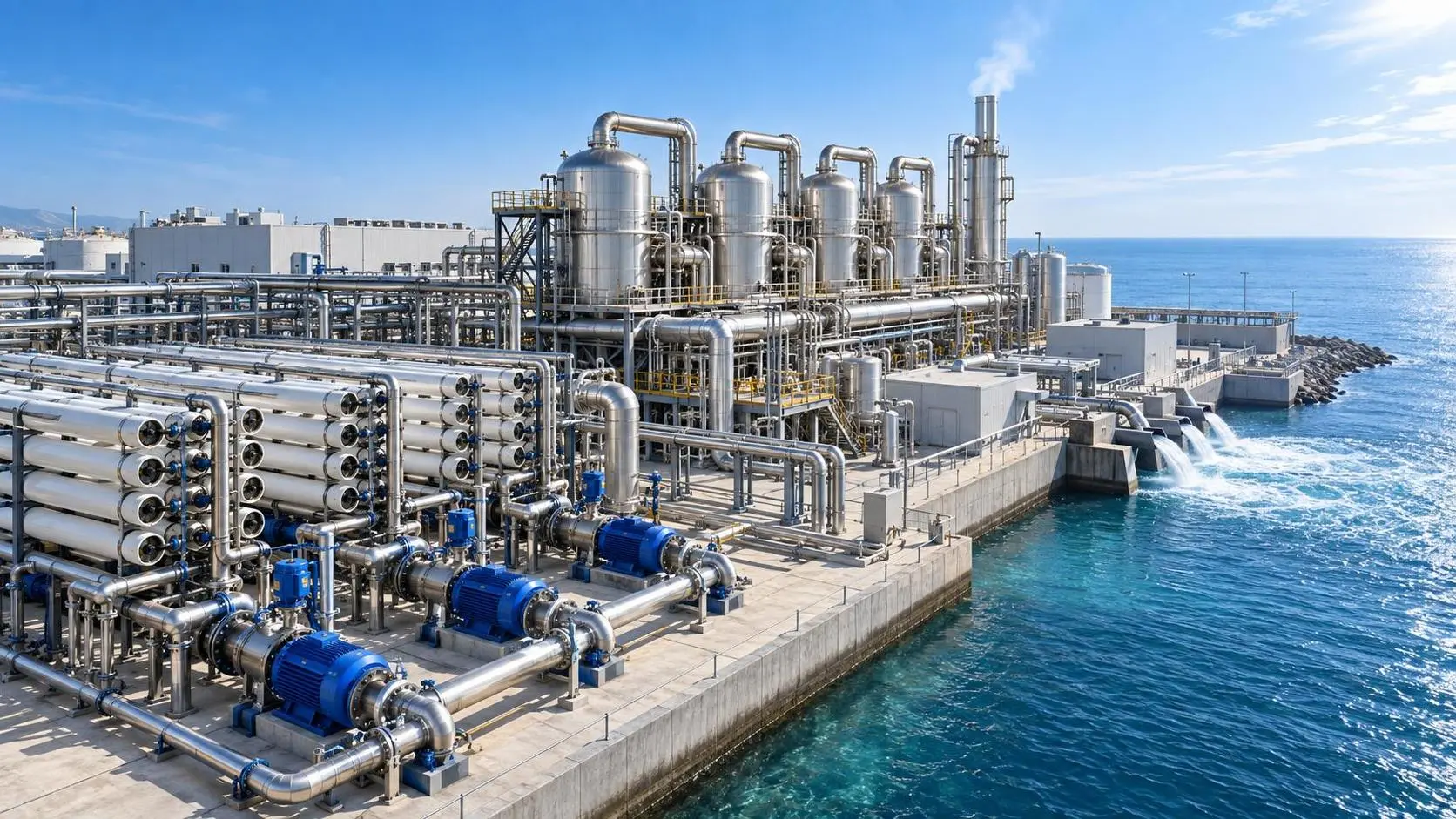
RO vs MED desalination: which is more energy-efficient at scale?
Desalination technology comparison: RO vs MED at scale. See how energy use, waste heat, feedwater, carbon, and flexibility determine the best choice.
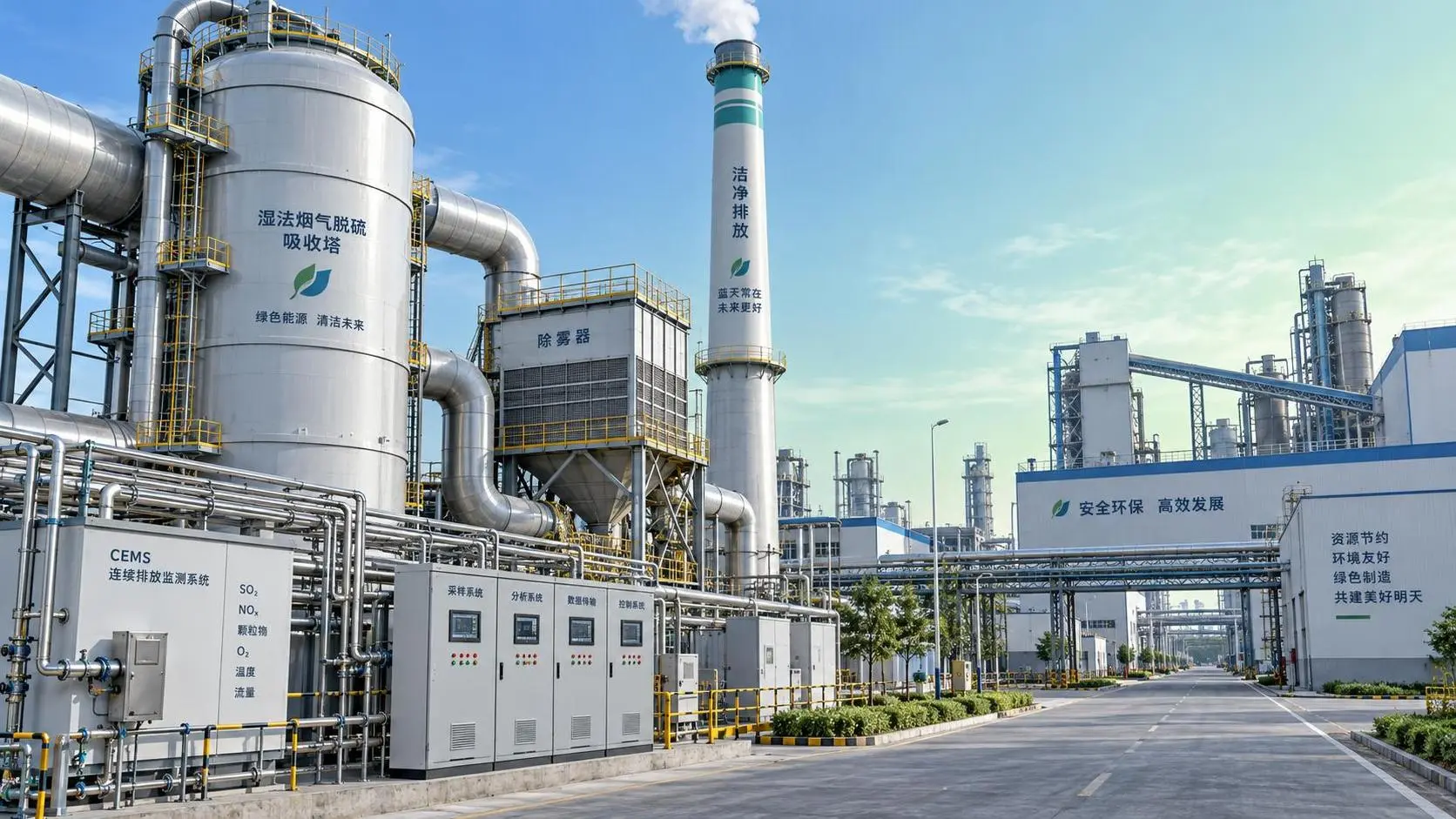
Which ISO standards apply to flue gas treatment systems?
Flue gas treatment systems ISO standards: explore key requirements for emissions testing, CEMS, safety, fabrication, corrosion control, and compliant project evaluation.

When corrosion resistant purification systems are needed for brine treatment
Corrosion resistant purification systems for brine treatment: assess chloride, heat, scaling, materials, and lifecycle reliability for demanding water projects.

How preventive maintenance reduces seawater desalination equipment downtime
Seawater desalination equipment maintenance reduces downtime through proactive monitoring, pretreatment protection, and planned repairs. Explore practical strategies for reliable RO performance.
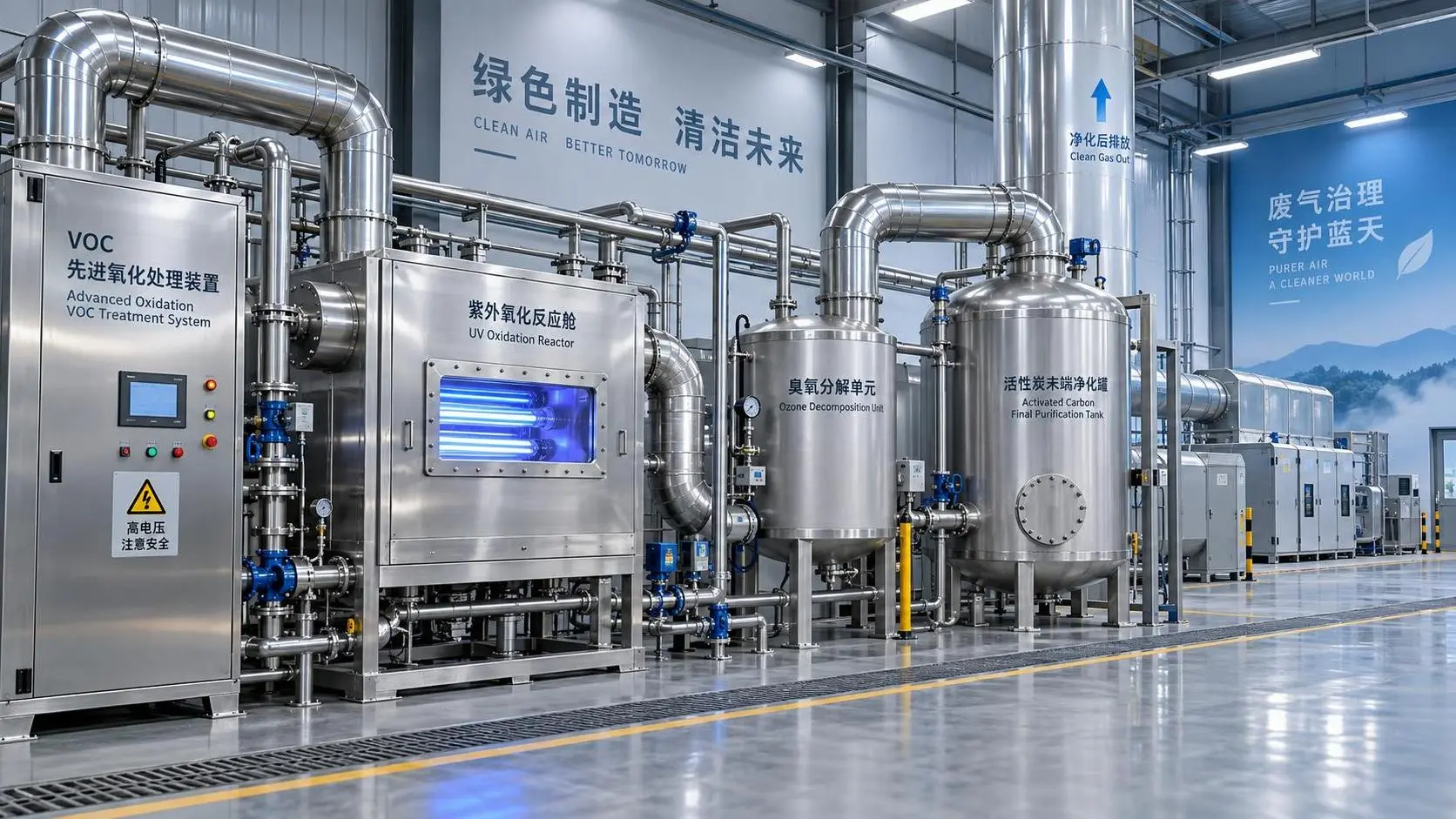
When are advanced oxidation processes the right choice for VOC control?
Advanced oxidation processes for VOC control: learn when AOPs outperform conventional options, manage by-products, and achieve reliable compliance.
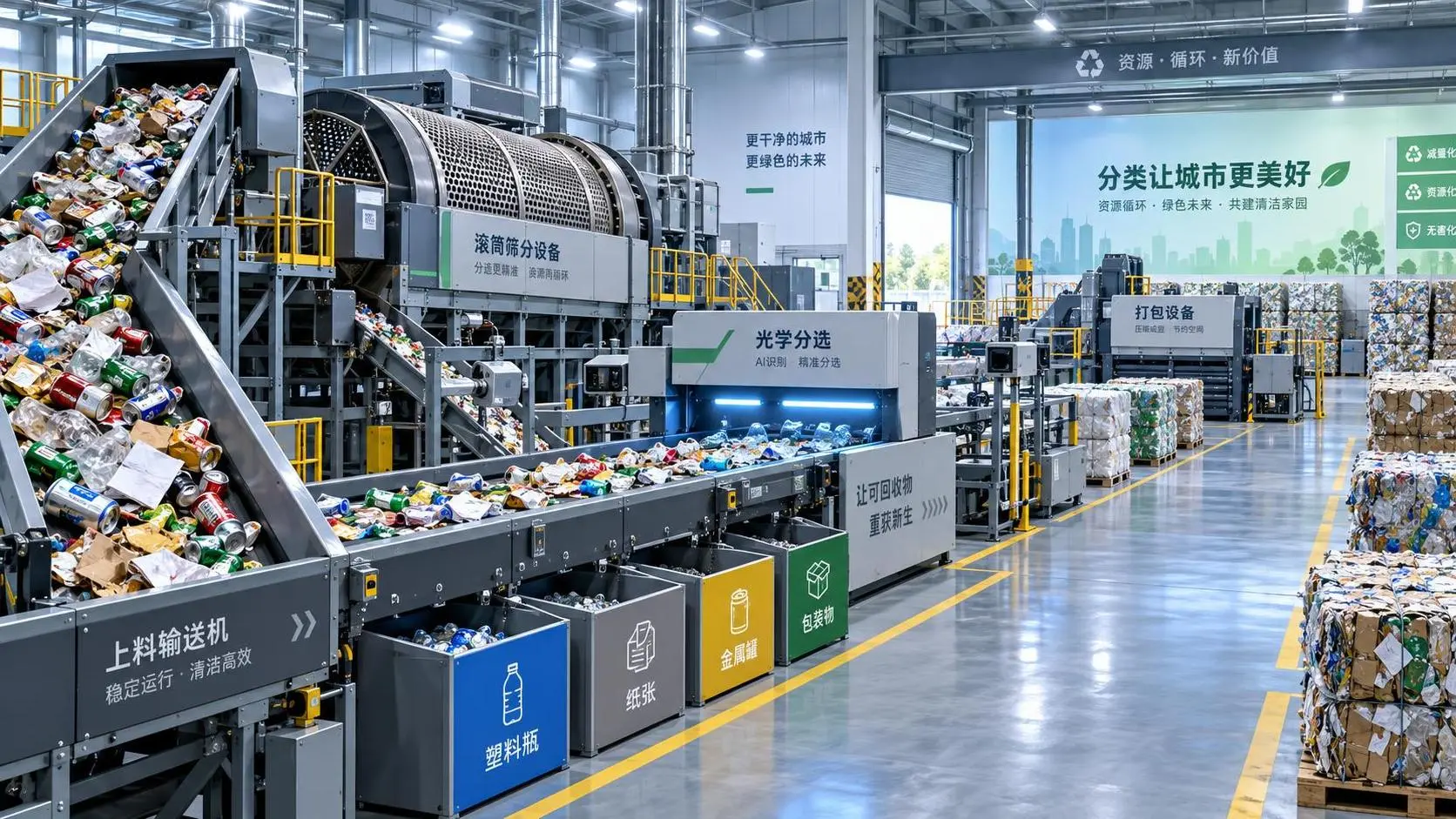
What throughput should municipal waste sorting equipment deliver?
Waste sorting equipment for municipal waste: learn how to set reliable throughput based on peak loads, material quality, uptime, and recovery targets.