
Industry News
Curation by industry experts
Hot Articles
Popular Tags
Low-Temperature Reaction: When It Improves Yield and Energy Efficiency
A low-temperature reaction is often discussed as an energy-saving choice, but its real value is broader. In many environmental systems, lower reaction temperatures can raise selectivity, reduce side reactions, protect sensitive materials, and smooth daily operation. That matters when treatment performance, energy costs, and compliance pressure all move at the same time.
Across water treatment, flue gas control, desalination, resource recovery, and even nuclear waste handling, temperature is not just a utility setting. It is a process variable that shapes yield, catalyst life, corrosion risk, fouling behavior, and the economics of plant upgrades. For capital-intensive projects, knowing when a low-temperature reaction creates real gains can improve both technical design and long-term asset decisions.
Why lower temperature can improve more than energy use
The common assumption is simple: colder operation slows chemistry. In practice, that is only partly true. Some reactions become slower, but others become cleaner, easier to control, and less wasteful.
A low-temperature reaction can improve yield when unwanted parallel reactions are more temperature-sensitive than the target pathway. In that case, lower heat input does not merely save fuel. It shifts the process toward a more useful product distribution.
This is especially relevant in environmental engineering, where process goals are rarely limited to throughput. Operators also need stable emissions, lower reagent consumption, safer materials handling, and predictable maintenance windows.
- Lower thermal load can reduce scaling, decomposition, or volatilization.
- Better selectivity can decrease by-product treatment demand.
- Gentler conditions can extend catalyst, membrane, and lining life.
- Steadier operation can simplify compliance reporting and process control.
Where the industry is paying attention
The interest in low-temperature reaction design is growing because environmental systems are under pressure from several directions at once. Energy prices remain volatile. Carbon accounting is becoming stricter. Water stress is increasing. Regulatory tolerances are narrowing.
That combination changes process priorities. A technically workable high-temperature route may no longer be commercially attractive if it drives excessive steam demand, accelerates wear, or creates unstable emissions during load changes.
This is where intelligence-led evaluation becomes important. Platforms such as ESD have focused on how extreme purification targets, resource circularity, and global compliance strategies intersect. In that context, low-temperature reaction behavior is not a niche laboratory topic. It is a decision factor in major infrastructure planning.
One visible example is low-temperature SCR catalyst performance in flue gas treatment. Another appears in membrane-protected systems, where excessive heat can damage material stability or intensify fouling. Similar logic appears in resource recovery lines that must balance reaction completeness with product purity.
What a low-temperature reaction really changes in plant performance
Selectivity and yield
Yield improves when the desired chemistry survives lower temperature better than competing reactions. This can happen in catalytic conversion, precipitation control, solvent-sensitive treatment, or thermal-chemical recovery steps.
The key point is not absolute reaction speed. It is useful output per unit of energy, reagent, and downtime.
Equipment reliability
Lower temperatures often reduce thermal stress across reactors, ducts, seals, coatings, and instrumentation. In harsh process environments, that can be as valuable as direct energy savings.
A low-temperature reaction may also reduce coking, sintering, or material embrittlement. These effects are highly site-specific, but they often drive lifecycle cost.
Control stability
Processes operating near thermal extremes tend to be less forgiving during feed variation, startup, and partial load. Lower-temperature windows can widen operational tolerance.
That matters for plants facing irregular influent quality, fluctuating fuel composition, or variable renewable power integration.
Typical application settings across environmental systems
The value of a low-temperature reaction depends on the chemistry, equipment architecture, and business objective. The following comparison helps frame where lower-temperature operation tends to create practical benefits.
How to judge whether lower temperature is the better route
Not every process benefits from colder operation. Some systems need heat to achieve destruction efficiency, sterilization, viscosity control, or phase transition. The decision should be based on system economics and chemistry together.
A practical evaluation usually starts with five questions.
- Does the low-temperature reaction improve selectivity or only reduce utility demand?
- What happens to residence time, reactor volume, and throughput at lower temperature?
- Will lower temperature reduce fouling, corrosion, or catalyst aging over a full operating cycle?
- Can the process still meet permit limits during transient conditions?
- Do lifecycle savings outweigh any increase in equipment complexity or control requirements?
This is where many projects go wrong. Teams compare only heat duty or nameplate efficiency. They miss the hidden trade-offs in reaction time, reagent quality, solids formation, or integration with upstream and downstream units.
From design choice to business impact
In large environmental projects, temperature strategy affects much more than a reactor. It changes piping insulation, utility sizing, instrumentation ranges, maintenance routines, startup sequences, and carbon intensity calculations.
A well-chosen low-temperature reaction can support bid competitiveness because it improves total cost of ownership, not only process efficiency. That is particularly relevant in sectors where EPC decisions increasingly depend on compliance resilience and long-term operating reliability.
ESD’s cross-sector perspective is useful here. Water treatment, FGD systems, SWRO-linked pretreatment, and resource recovery equipment may look separate on paper, yet they share the same strategic pressures: decarbonization, tighter environmental standards, and the need for robust process windows.
Seen this way, low-temperature reaction design becomes part of a broader plant intelligence model. It helps connect chemistry, equipment durability, and policy-driven performance requirements.
What deserves closer review before a final decision
Before adopting a lower-temperature pathway, it is worth reviewing several details that often determine project success.
- Reaction kinetics data under real feed conditions, not only lab-grade inputs.
- Material compatibility across seasonal temperature ranges and shutdown cycles.
- Catalyst or reagent sensitivity to contaminants, moisture, and sulfur-bearing species.
- Digital control needs, especially when low temperature narrows the margin for mixing errors.
- Compliance scenarios, including off-design operation and future emissions tightening.
These checks do not slow progress. They reduce redesign risk and prevent short-term energy savings from being erased by unstable operation later.
A more useful next step
The best way to assess a low-temperature reaction is to map it against the full process chain. Compare yield, utility demand, maintenance exposure, and permit risk under realistic operating cases.
For complex environmental assets, the strongest decisions usually come from combining kinetics, equipment intelligence, and regulatory foresight. That approach makes it easier to see when lower temperature is a genuine efficiency advantage, and when it only shifts cost elsewhere.
A focused review of reaction windows, materials limits, and site-specific compliance targets is often enough to identify whether a low-temperature reaction should remain a technical option or become a core design principle.
Recommended News
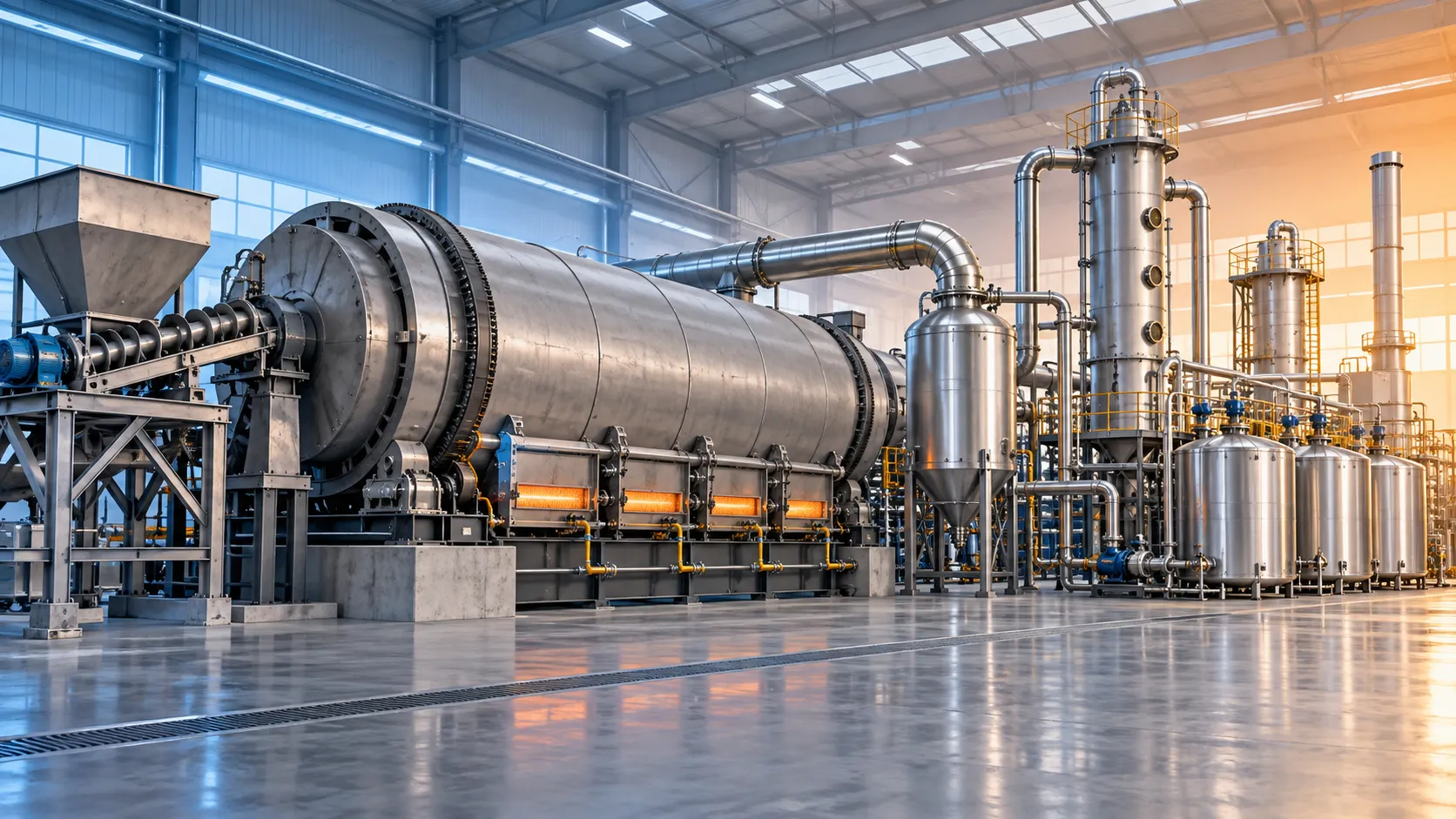
How reactor capacity affects throughput in pyrolysis systems
Pyrolysis systems reactor capacity explained: learn how heat transfer, residence time, feed quality, and emissions controls determine reliable throughput.
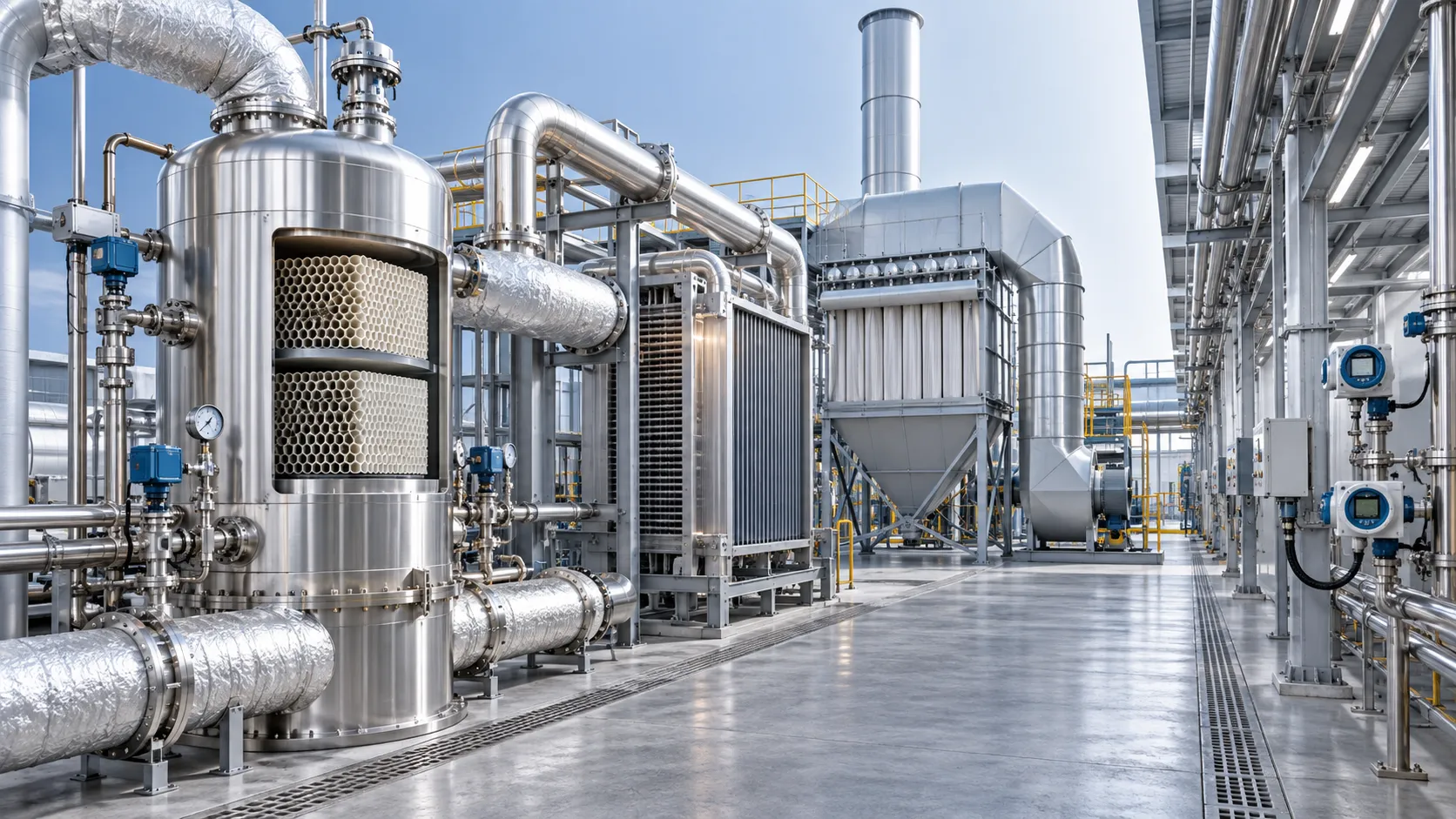
When low-temperature reaction equipment is the right fit for heat-sensitive processes
Low-temperature reaction equipment helps protect heat-sensitive streams, improve energy integration, and maintain reliable conversion. Explore key selection factors today.
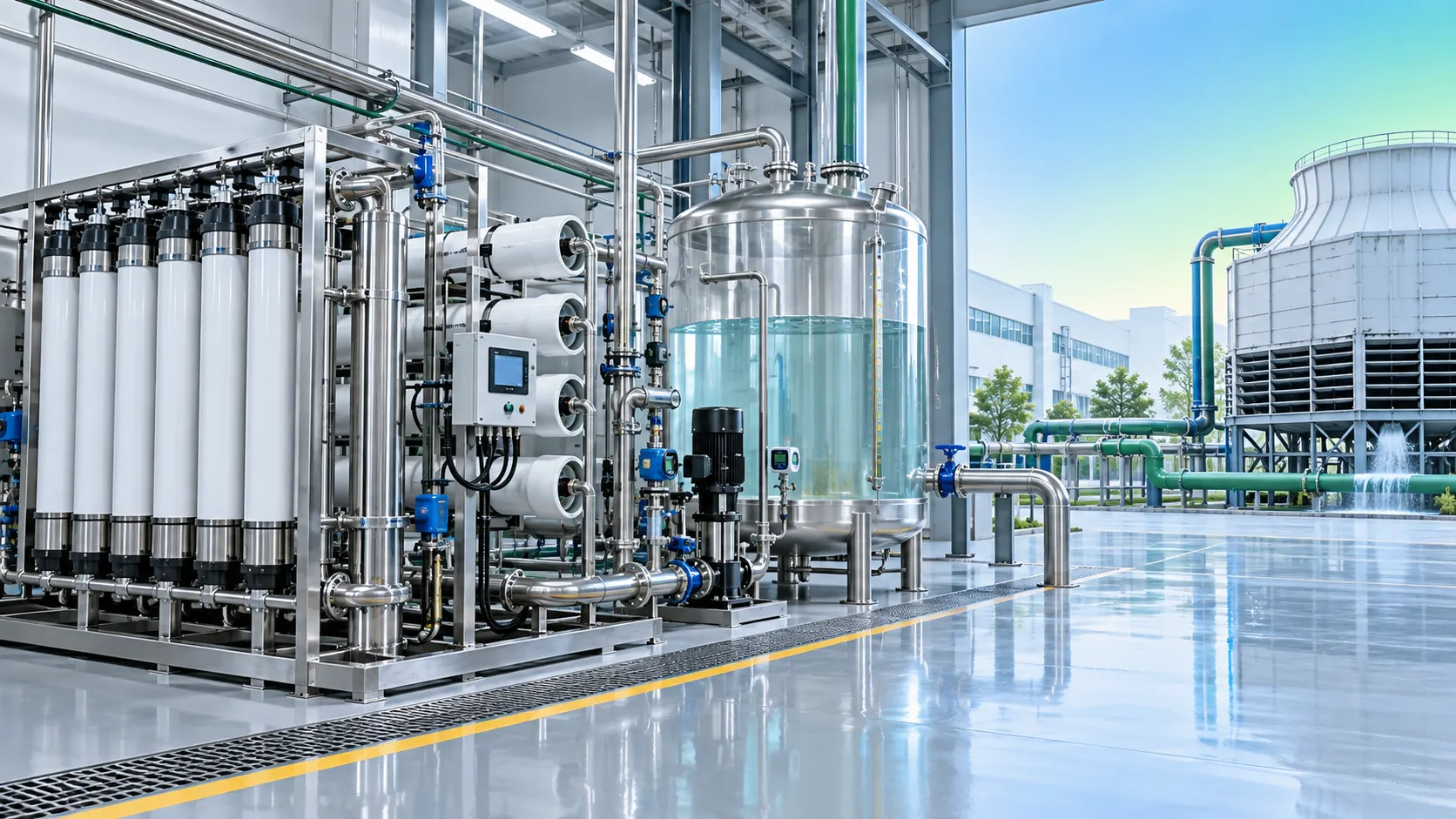
When do water reuse systems deliver a practical payback?
Water reuse systems deliver practical payback when they cut water, discharge, and downtime costs. Learn how to match treatment, recovery, and reuse quality for lasting ROI.
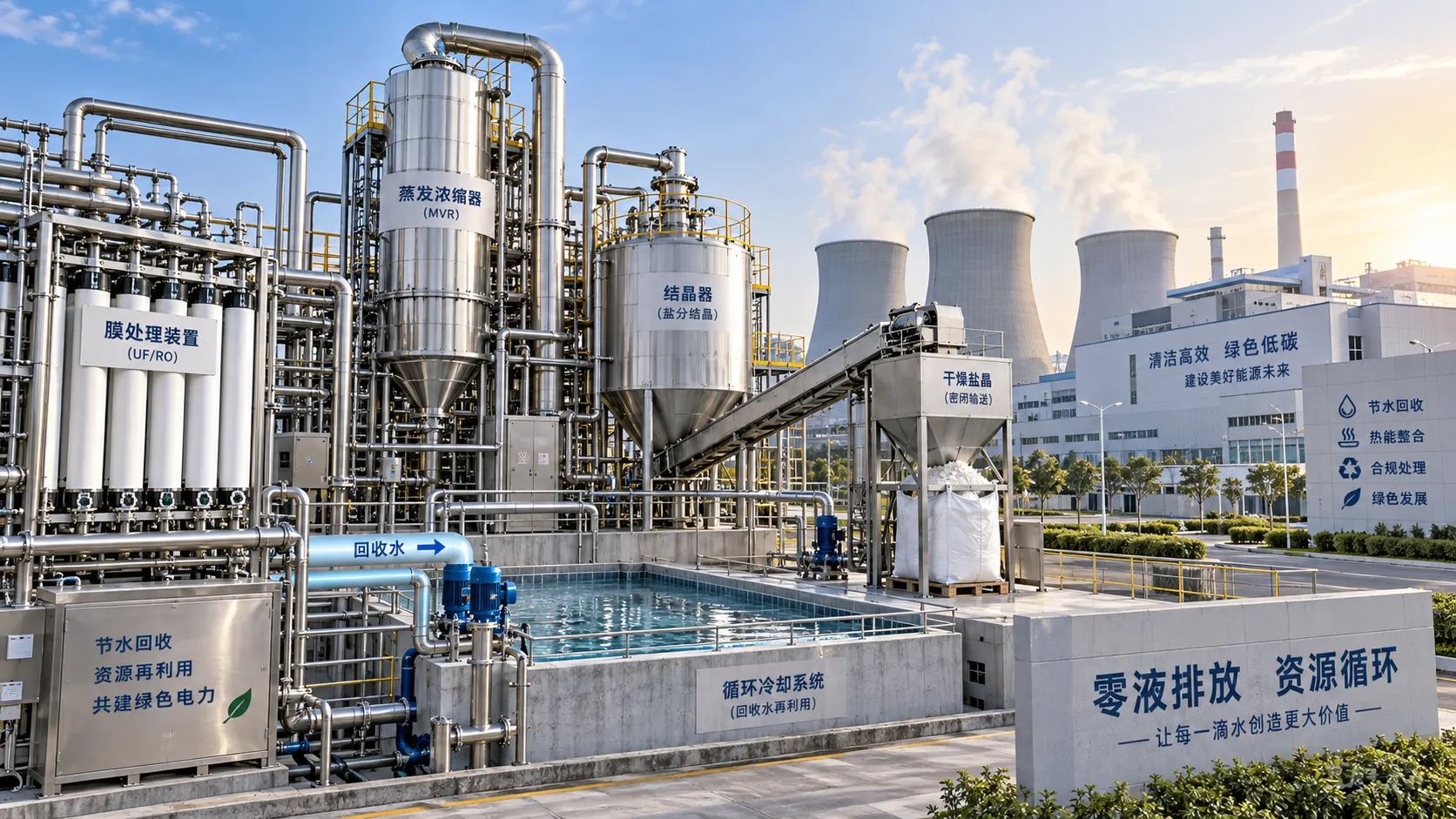
When do ZLD systems for power generation justify their energy use?
ZLD systems for power generation: learn when energy-intensive water recovery delivers stronger compliance, resilience, and long-term value.
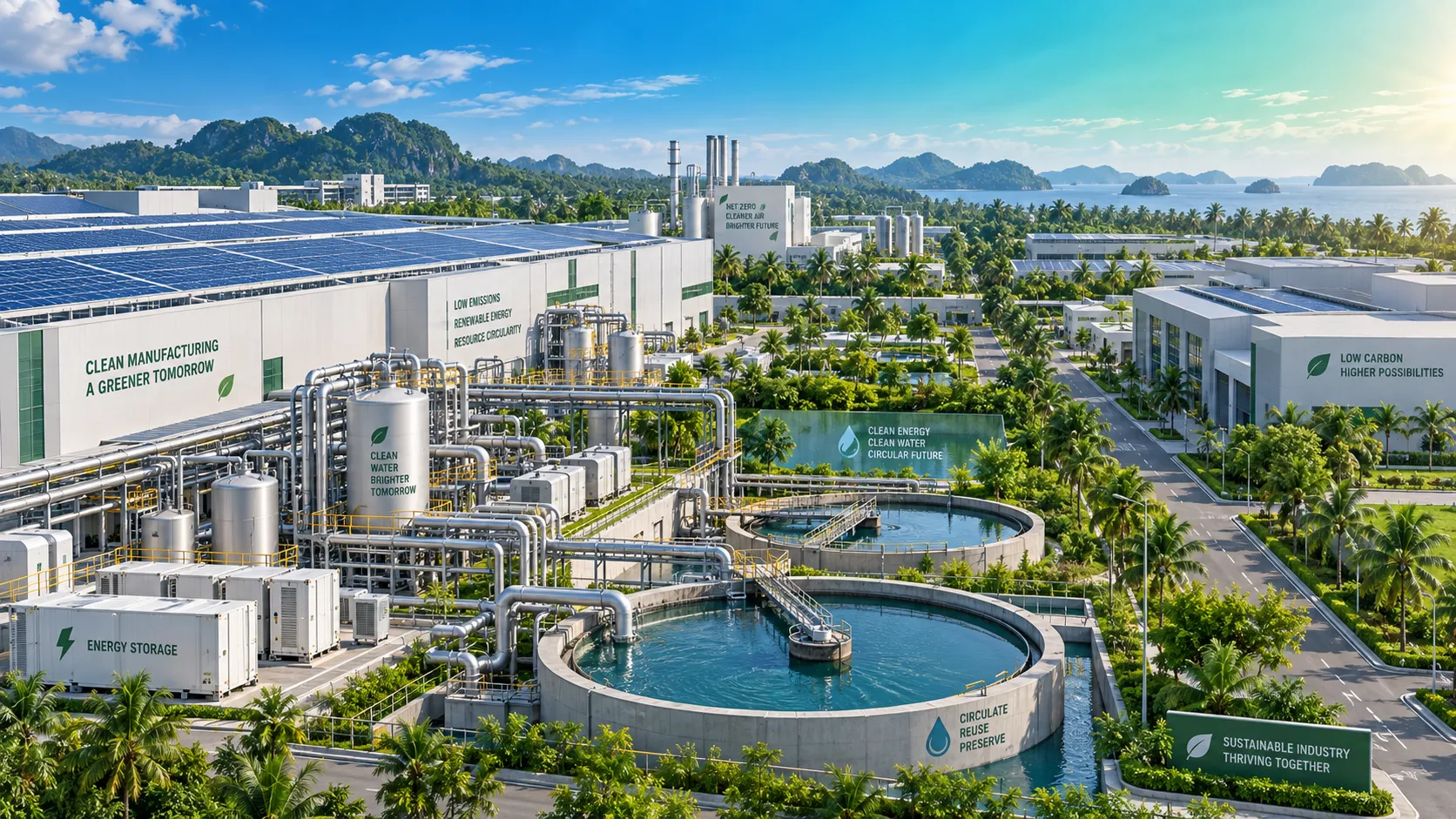
Which decarbonization pathways are most viable in Southeast Asia?
Decarbonization Southeast Asia: discover practical pathways for clean power, efficiency, electrification, circular recovery, and resilient industrial growth.
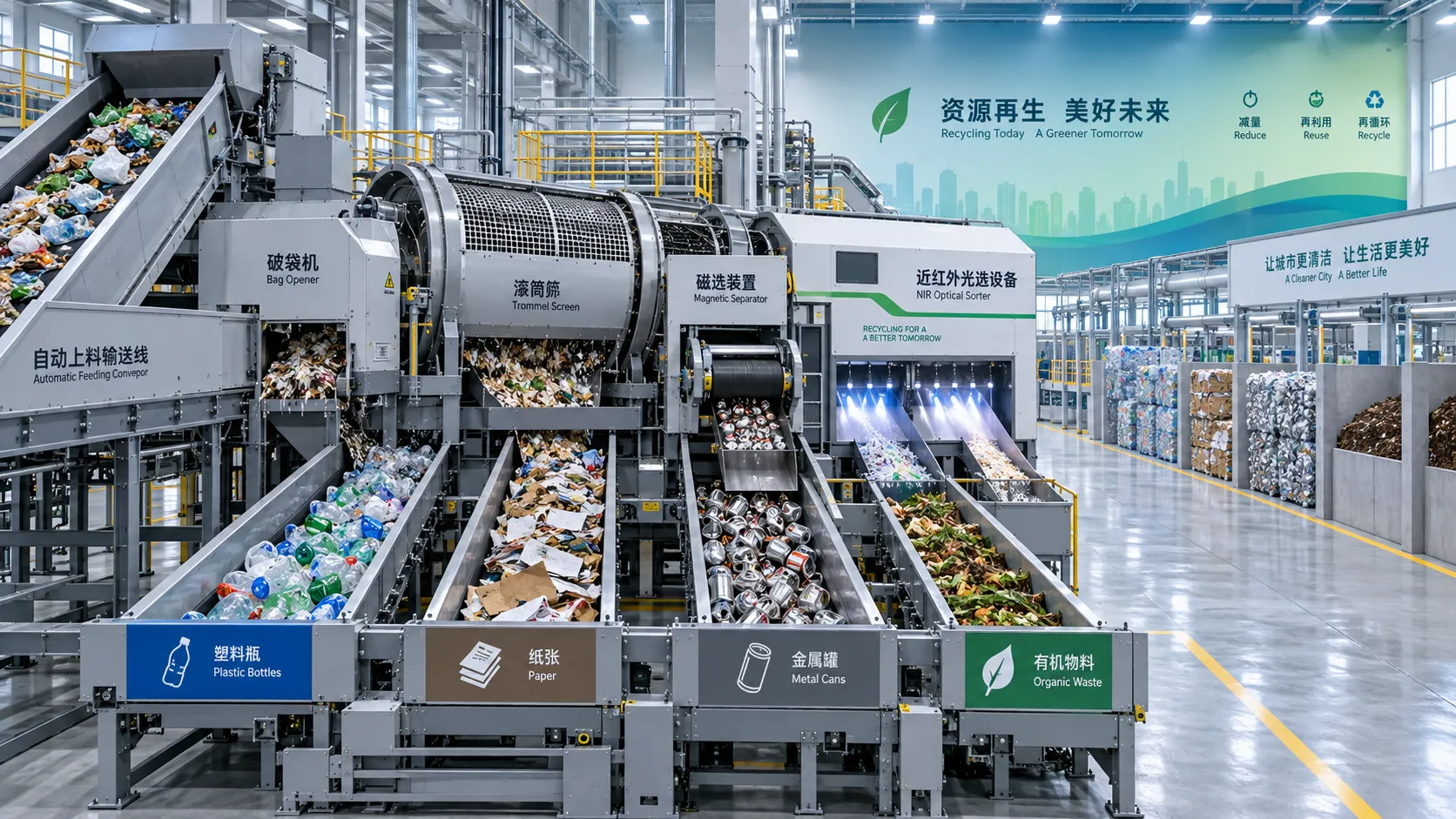
How to choose waste sorting equipment for mixed municipal waste
Waste sorting equipment selection guide for mixed municipal waste: compare technologies, improve recovery, reduce downtime, and build reliable output streams.
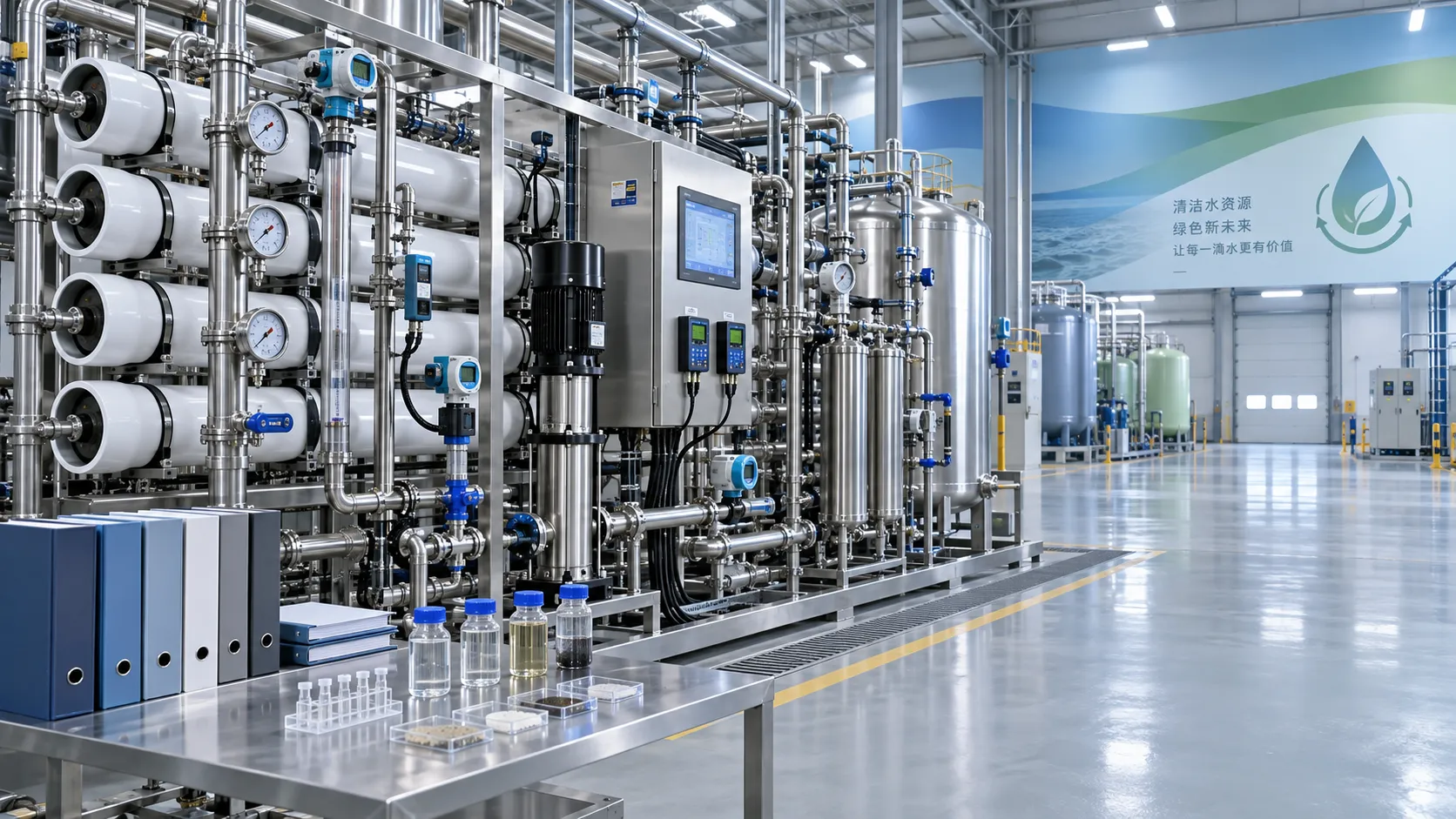
How to verify standards in an environmental equipment directory
environmental equipment directory standards reference: learn to verify certifications, performance evidence, scope, and project fit for confident, compliant equipment selection.
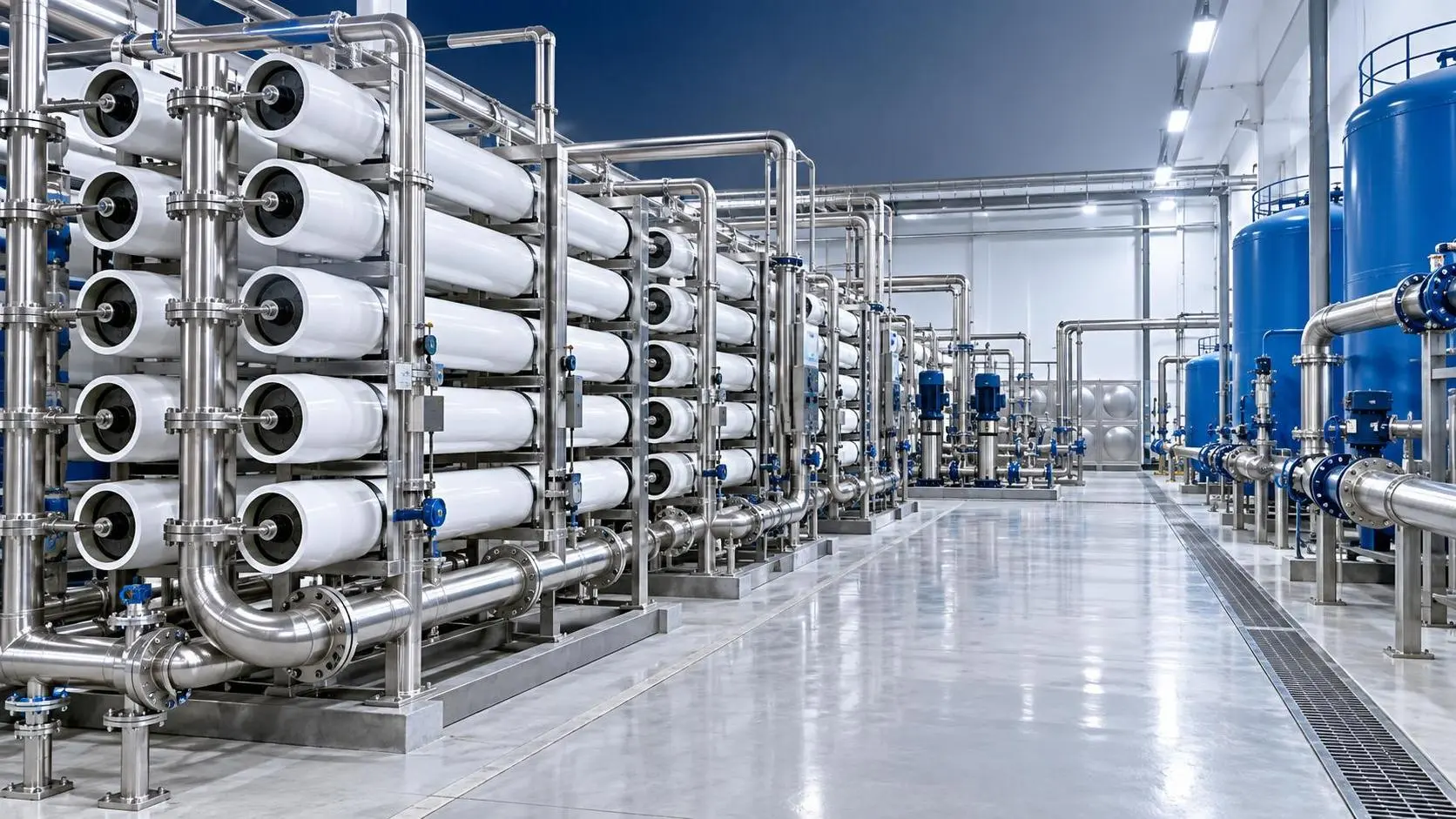
When high flux membrane water treatment justifies a larger footprint
High flux membrane water treatment can justify a larger footprint when variable feedwater, fouling risk, and uptime demands require resilient, lower-flux operation.
RO vs MED desalination: which is more energy-efficient at scale?
Desalination technology comparison: RO vs MED at scale. See how energy use, waste heat, feedwater, carbon, and flexibility determine the best choice.