
Industry News
Curation by industry experts
Hot Articles
Popular Tags
Industrial Water Purification Systems: How to Compare RO, UF, and EDI
Industrial Water Purification Systems: How to Compare RO, UF, and EDI
Choosing among industrial water purification systems requires more than checking a single rejection number.
RO, UF, and EDI solve different parts of the water quality problem.
That difference matters when purity targets, compliance risk, and operating cost all sit on the same decision table.
In real projects, the wrong selection often comes from comparing technologies as substitutes when they actually perform as stages.
This is why industrial water purification systems should be evaluated by treatment role, feedwater stability, recovery goals, and downstream sensitivity.
For high-end treatment intelligence platforms such as ESD, this comparison is central to wastewater reuse, desalination pretreatment, and high-purity process design.
Start with the Treatment Objective
Before comparing equipment, define what the system must actually remove.
Some industrial water purification systems target suspended solids.
Others target dissolved salts, silica, hardness, or trace ions that affect product quality.
A quick way to frame the decision is simple.
- UF mainly removes suspended solids, colloids, bacteria, and some macromolecules.
- RO removes dissolved salts, organics, and many contaminants at high rejection rates.
- EDI polishes already treated water to very high purity by removing residual ions.
That means the first question is not which technology is best.
The first question is where each one fits in the treatment train.
How UF Performs in Industrial Water Purification Systems
UF is usually the most forgiving membrane step among industrial water purification systems.
It works well when feedwater has turbidity swings, biological load, or fine particles that threaten downstream membranes.
This makes UF a strong pretreatment choice for surface water, tertiary wastewater reuse, and seawater desalination front ends.
Its value is often indirect but very real.
UF protects RO from fouling, stabilizes silt density behavior, and reduces cleaning frequency across the full system.
Best-fit cases for UF
- Pretreatment before RO in wastewater reclamation projects.
- Removal of colloids and microorganisms from variable surface water.
- Barrier protection in desalination pretreatment lines.
- Suspended solids control before advanced polishing steps.
Still, UF is not a desalting technology.
If conductivity, dissolved hardness, or silica are the main concerns, UF alone will not close the gap.
How RO Changes the Decision
RO is usually the core separation step in industrial water purification systems when dissolved contaminants drive the specification.
It is widely used in boiler make-up water, process water, water reuse, and seawater or brackish water desalination.
Compared with UF, RO is more sensitive.
It reacts strongly to scaling potential, oxidants, organic fouling, biofouling, and upstream instability.
This sensitivity is exactly why pretreatment quality often decides lifecycle cost more than membrane list price.
Key RO comparison points
- Salt rejection versus required conductivity target.
- Recovery rate versus scaling and concentrate management.
- Energy demand versus pressure requirement.
- Cleaning frequency versus feedwater variability.
- Membrane replacement cycle versus total operating budget.
From a decision perspective, RO is rarely judged by rejection alone.
A stronger signal is how steadily it can maintain target quality under real plant fluctuations.
That includes startup behavior, temperature shifts, and contaminant spikes from upstream units.
Where EDI Fits Best
EDI serves a different purpose inside industrial water purification systems.
It is not designed to handle dirty or high-TDS feedwater directly.
Instead, EDI follows RO and polishes permeate to high-purity standards.
This is common in power, electronics, pharmaceuticals, and other applications where ionic residues become operational or quality risks.
One reason EDI is attractive is continuous operation without chemical regeneration, unlike conventional mixed-bed ion exchange.
But the tradeoff is strict feedwater quality discipline.
Residual hardness, CO2, silica, or organics can undermine performance if upstream RO is poorly configured.
When EDI is the right call
- High-purity water systems needing low conductivity and low ionic residue.
- Facilities seeking to reduce chemical handling in polishing stages.
- Projects where consistent product water matters more than raw recovery alone.
RO, UF, and EDI Side-by-Side
A practical comparison helps narrow industrial water purification systems more quickly.
The pattern is clear.
UF protects, RO separates, and EDI polishes.
In many advanced industrial water purification systems, the real decision is about sequence, not rivalry.
What Technical Evaluators Should Check First
When reviewing industrial water purification systems, early assumptions can distort the full business case.
A tighter evaluation framework helps avoid that.
- Map feedwater by worst-case condition, not average condition.
- Define the true limiting contaminant for the process or discharge permit.
- Check whether the project needs pretreatment, primary removal, or final polishing.
- Model recovery together with concentrate disposal and ZLD implications.
- Estimate cleaning, membrane life, downtime, and operator burden.
- Review how the system responds to regulatory tightening and future expansion.
This approach reflects a broader market change.
Selection now happens under stronger pressure from reuse targets, discharge control, carbon intensity, and compliance documentation.
That shift favors industrial water purification systems designed for resilience, not just nameplate performance.
Common Selection Mistakes
Several mistakes appear again and again in industrial water purification systems procurement.
- Using UF where desalting is actually required.
- Choosing RO without robust pretreatment for unstable water.
- Adding EDI before proving RO permeate consistency.
- Focusing on CAPEX while ignoring cleaning chemicals, energy, and replacement cycles.
- Designing for current compliance only, with no room for tougher limits.
These are not minor errors.
They often show up later as unstable water quality, poor recovery, frequent maintenance, and difficult audits.
A Smarter Way to Make the Final Choice
The best industrial water purification systems are selected by matching process risk with separation logic.
If solids and colloids threaten the line, start with UF.
If dissolved salts control the outcome, RO becomes the central decision.
If ultra-clean water is the finish line, EDI is usually the last precision step.
In many facilities, the strongest answer is a combined architecture rather than a single technology bet.
That is especially true in reuse projects, high-purity production, and compliance-driven upgrades.
A practical final check is simple.
- Verify the limiting contaminant.
- Verify the required product quality.
- Verify feedwater variability.
- Verify lifecycle cost under realistic operating conditions.
Once those four points are clear, comparing industrial water purification systems becomes less about vendor claims and more about process fit, long-term reliability, and confident project decisions.
Recommended News
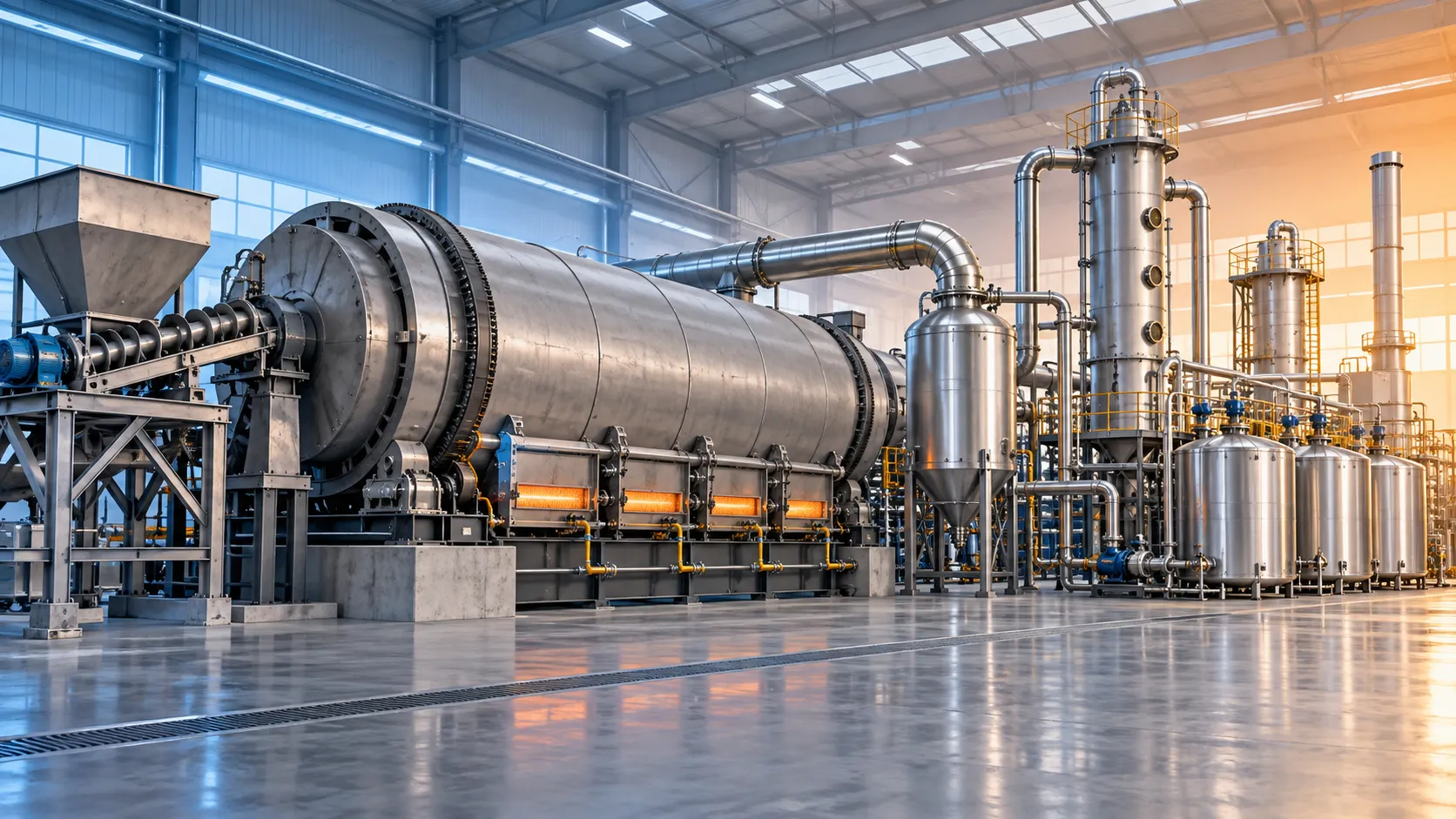
How reactor capacity affects throughput in pyrolysis systems
Pyrolysis systems reactor capacity explained: learn how heat transfer, residence time, feed quality, and emissions controls determine reliable throughput.
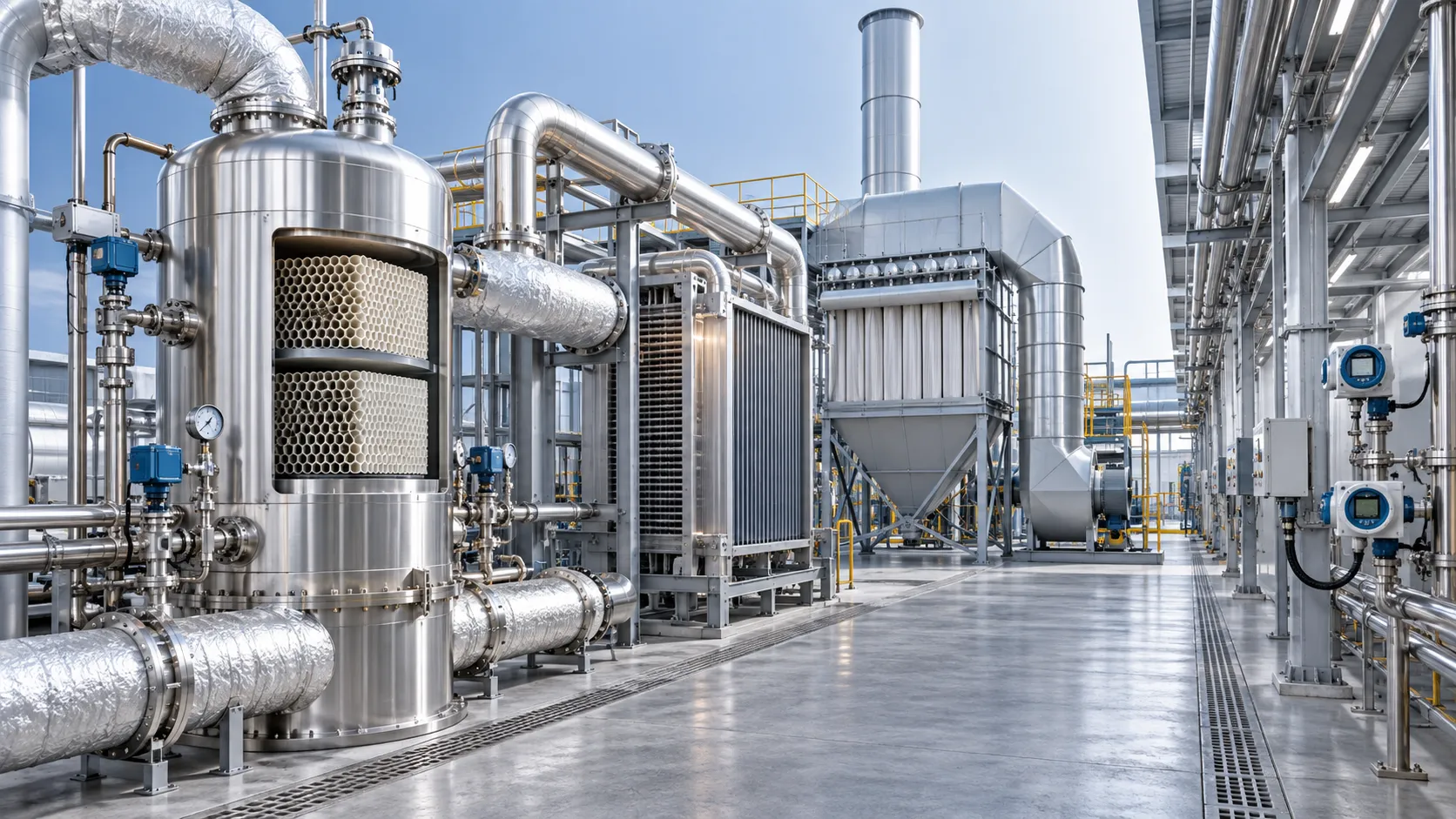
When low-temperature reaction equipment is the right fit for heat-sensitive processes
Low-temperature reaction equipment helps protect heat-sensitive streams, improve energy integration, and maintain reliable conversion. Explore key selection factors today.
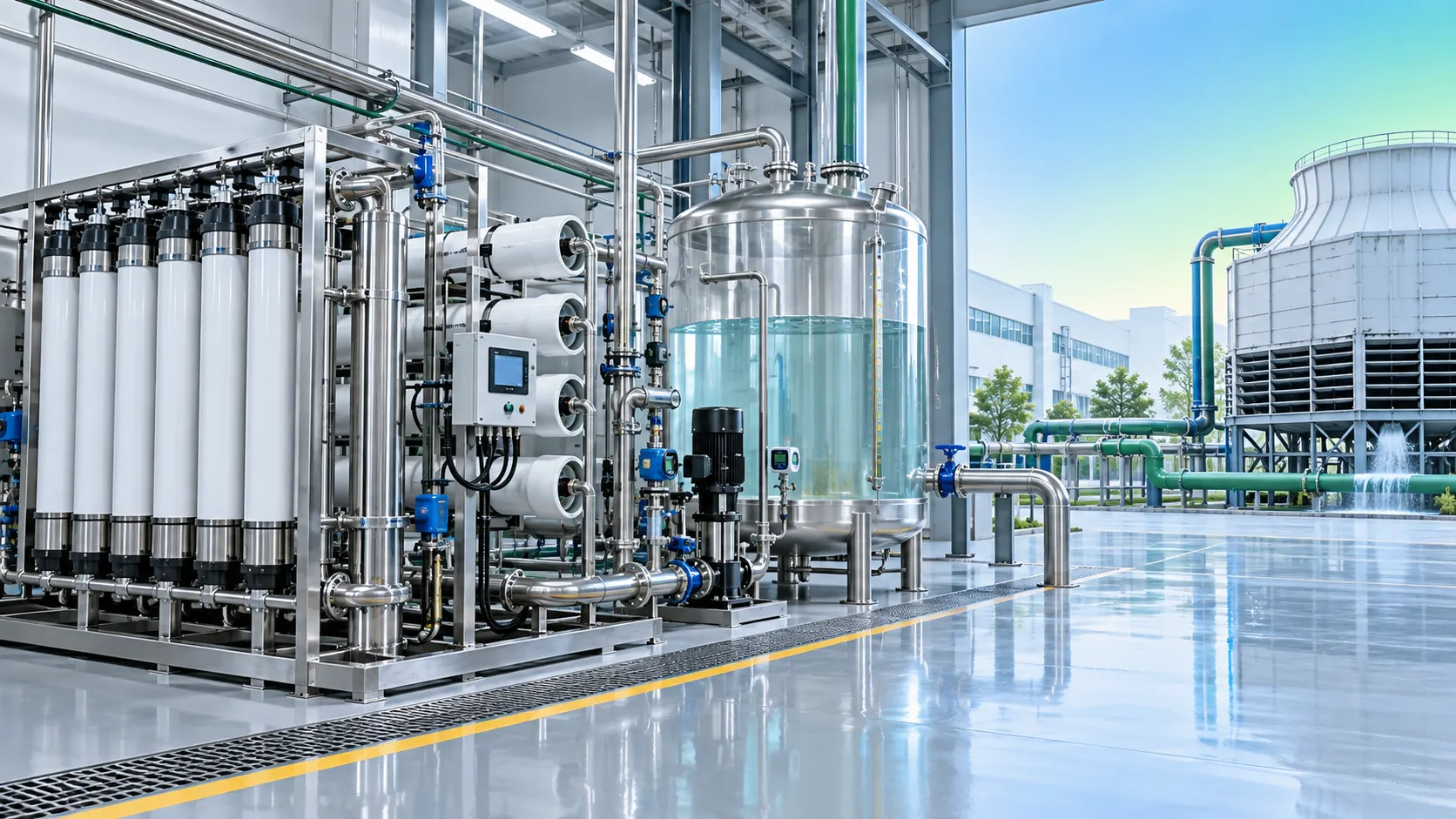
When do water reuse systems deliver a practical payback?
Water reuse systems deliver practical payback when they cut water, discharge, and downtime costs. Learn how to match treatment, recovery, and reuse quality for lasting ROI.
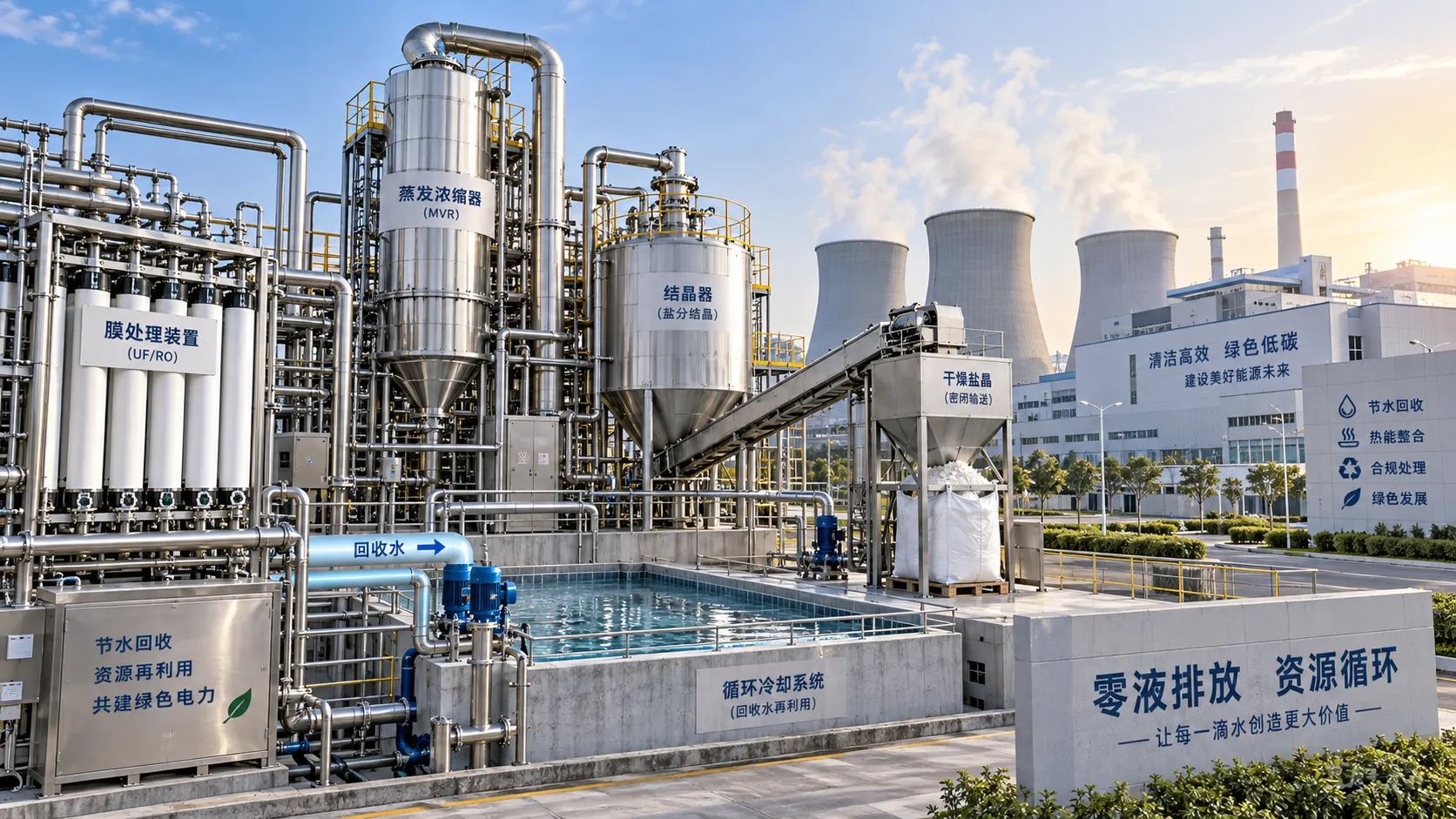
When do ZLD systems for power generation justify their energy use?
ZLD systems for power generation: learn when energy-intensive water recovery delivers stronger compliance, resilience, and long-term value.
Which decarbonization pathways are most viable in Southeast Asia?
Decarbonization Southeast Asia: discover practical pathways for clean power, efficiency, electrification, circular recovery, and resilient industrial growth.
How to choose waste sorting equipment for mixed municipal waste
Waste sorting equipment selection guide for mixed municipal waste: compare technologies, improve recovery, reduce downtime, and build reliable output streams.
How to verify standards in an environmental equipment directory
environmental equipment directory standards reference: learn to verify certifications, performance evidence, scope, and project fit for confident, compliant equipment selection.
When high flux membrane water treatment justifies a larger footprint
High flux membrane water treatment can justify a larger footprint when variable feedwater, fouling risk, and uptime demands require resilient, lower-flux operation.
RO vs MED desalination: which is more energy-efficient at scale?
Desalination technology comparison: RO vs MED at scale. See how energy use, waste heat, feedwater, carbon, and flexibility determine the best choice.