
Industry News
Curation by industry experts
Hot Articles
Popular Tags
Resource Recovery Systems: Where Energy Savings Really Come From
Why do resource recovery systems matter beyond waste reduction?
Resource recovery systems are often discussed as sustainability assets, but the stronger business case usually starts with energy.
They reduce the amount of fresh heat, power, water, and raw material a site must purchase or generate.
That sounds simple, yet the savings rarely come from one machine alone.
In practice, the biggest gains appear when resource recovery systems connect waste streams, utilities, and compliance tasks into one operating logic.
This is why the topic now reaches far beyond recycling lines.
Across water treatment, solid waste recovery, desalination, flue gas control, and even high-risk waste handling, energy efficiency is tied to recovery design.
A platform such as ESD reads this landscape as an interconnected eco-shield system.
The useful question is no longer whether recovery helps.
The real question is where the energy savings actually come from, and how to verify them before investment.
Where do the energy savings in resource recovery systems really come from?
Most savings come from avoided energy, not just generated energy.
That distinction matters when comparing options.
A recovery unit may not export electricity, yet it can still cut total energy demand more effectively than a visible power project.
The main sources are usually these
- Heat capture from exhaust gases, thermal processes, digesters, dryers, or hot wastewater.
- Lower pumping, shredding, separation, or dewatering loads through better process design.
- Reuse of water, solvents, metals, fibers, and organics that avoids energy-intensive replacement inputs.
- Smarter sorting that raises material purity and prevents downstream reprocessing losses.
- Automation and controls that stabilize operation and reduce off-spec batches, purge streams, and restart energy.
Take wastewater as an example.
If a plant adopts concentration, reuse, and ZLD pathways, energy use may rise in one step and fall sharply across the full water balance.
The net result depends on how much intake, discharge treatment, sludge hauling, and thermal demand are displaced.
The same logic applies in solid waste recovery systems.
AI sorting, pyrolysis preparation, and contamination control often save more energy by preventing low-value processing than by extracting fuel alone.
Which operating scenarios benefit most from resource recovery systems?
Not every site captures equal value.
Resource recovery systems perform best where waste streams are large, continuous, and expensive to manage.
They also gain importance where energy prices, disposal fees, or environmental obligations are rising together.
More commonly, attractive cases share a few operating traits.
This is where broad intelligence becomes useful.
ESD’s cross-sector perspective matters because recovery decisions increasingly sit between treatment performance, energy optimization, and global compliance pressure.
CBAM exposure, carbon accounting, and permit constraints can change project value faster than equipment prices do.
How can you tell whether projected savings are real or just sales math?
This is usually the hardest question.
Many resource recovery systems look attractive because suppliers model ideal feedstock, stable uptime, and perfect utility offsets.
Real sites rarely behave that neatly.
A more reliable approach is to test savings against operating friction.
Useful validation questions include
- What baseline is being replaced: electricity, steam, fuel, trucking, chemicals, or disposal?
- Are the savings constant, seasonal, or tied to production volume?
- What happens when feed composition shifts outside the design window?
- How much parasitic load comes from pretreatment, cleaning, compression, or controls?
- Does recovered output actually match onsite demand, or will some value be stranded?
Needle-moving projects usually have strong mass and energy balance discipline.
They also define savings in lifecycle terms, not only in unit efficiency.
For example, a higher-efficiency component may still lose economically if maintenance shutdowns erase throughput.
That is especially relevant in membrane systems, gas treatment trains, and hazardous waste handling, where reliability drives both energy and compliance outcomes.
What do companies often misunderstand when selecting resource recovery systems?
One common mistake is treating recovery as an end-of-pipe add-on.
When the upstream process remains unstable, the recovery unit inherits that instability and underperforms.
Another mistake is focusing only on headline recovery rate.
A high recovery rate means little if purity is low, offtake is uncertain, or the energy needed to upgrade material is excessive.
There is also a tendency to underestimate compliance design.
In flue gas treatment, desalination, and nuclear-adjacent waste control, the best resource recovery systems are built around extreme reliability and traceable operating parameters.
That is not administrative overhead.
It directly affects uptime, energy intensity, and approval risk.
A practical comparison helps
How should implementation, payback, and risk be judged?
Payback is important, but isolated payback can mislead.
Resource recovery systems should be judged through three linked lenses: energy value, operating resilience, and compliance durability.
A project with a moderate payback can outperform a faster one if it prevents permit bottlenecks or utility volatility.
Implementation risk usually sits in interfaces.
The challenge is less about buying equipment and more about aligning data, piping, controls, feed handling, operator routines, and maintenance windows.
In actual projects, the smartest preparation is to build a short decision framework before procurement.
- Map where waste heat, pressure, water, solids, and by-products currently lose value.
- Rank each stream by annual cost, variability, and compliance sensitivity.
- Identify which resource recovery systems reduce both energy demand and disposal exposure.
- Stress-test the business case under lower uptime and changing utility prices.
- Set acceptance criteria for purity, reliability, maintenance burden, and auditability.
That framework is especially useful in sectors ESD tracks closely.
Large water treatment, AI sorting, SWRO, flue gas control, and nuclear waste systems all reward disciplined parameter tracking.
The better the operating intelligence, the more credible the energy case becomes.
So what should be done before moving forward?
Start with the energy question, but do not stop there.
The most effective resource recovery systems create value because they connect energy savings with recovery quality, process stability, and regulatory readiness.
That is why two projects with similar equipment can produce very different returns.
A sensible next step is to review site data stream by stream.
Look for where thermal energy is rejected, where materials lose purity, where water loops remain open, and where disposal costs keep rising.
Then compare resource recovery systems by verified integration value, not only by catalog performance.
Where the operating environment is complex, intelligence-led review becomes essential.
That is the broader lesson seen across the ESD ecosystem: savings become durable when recovery design, process science, and compliance strategy are evaluated together.
If that standard is applied early, resource recovery systems can move from a sustainability concept to a measurable energy and resilience decision.
Recommended News
Which supplier evaluation support tools improve audit consistency?
Supplier evaluation support tools improve audit consistency with controlled checklists, evidence capture, risk scoring, CAPA workflows, and traceable approvals. Explore the essentials.
How reactor retention time affects denitrification equipment performance
Denitrification equipment reactor performance depends on retention time, carbon, mixing, and load control. Explore practical insights for reliable nitrogen removal.
How feed salinity affects energy use in ZLD system brine treatment
ZLD system brine treatment: discover how feed salinity drives energy use, scaling risk, and technology choices for efficient, reliable zero liquid discharge.

How coastal cities can select desalination solutions for peak demand
Seawater desalination solutions for coastal cities: compare firm peak capacity, intake risk, energy resilience, and lifecycle value to secure reliable water supply.
How SCR denitrification systems in Europe meet Industrial Emissions rules
SCR denitrification systems Europe: learn how permit-led design, ammonia-slip control, catalyst management and monitoring support Industrial Emissions compliance.
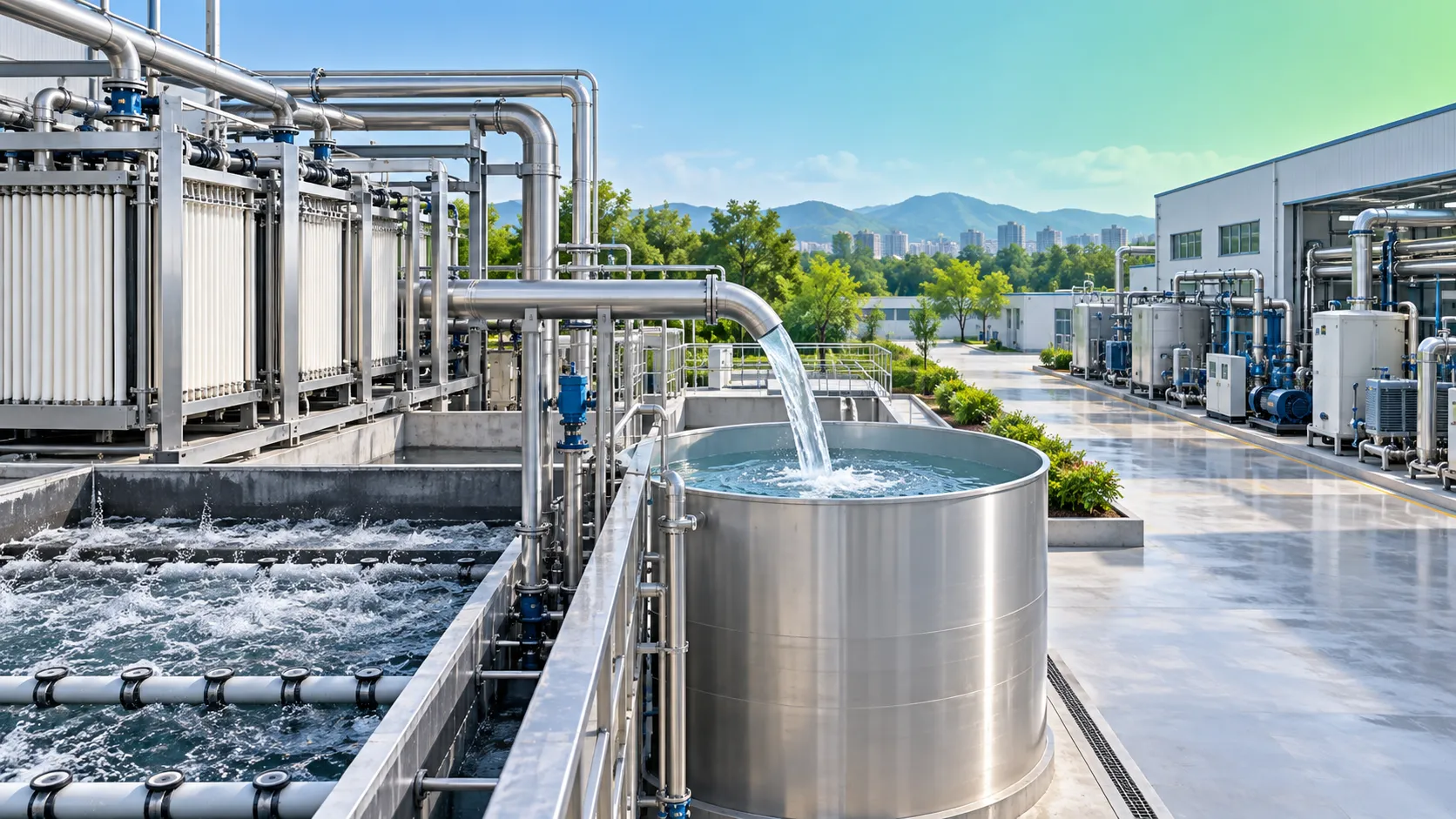
When does MBR equipment make sense for wastewater reuse?
Water treatment equipment for wastewater reuse: learn when MBR delivers compact, reliable low-solids effluent—and when alternative treatment trains offer better value.
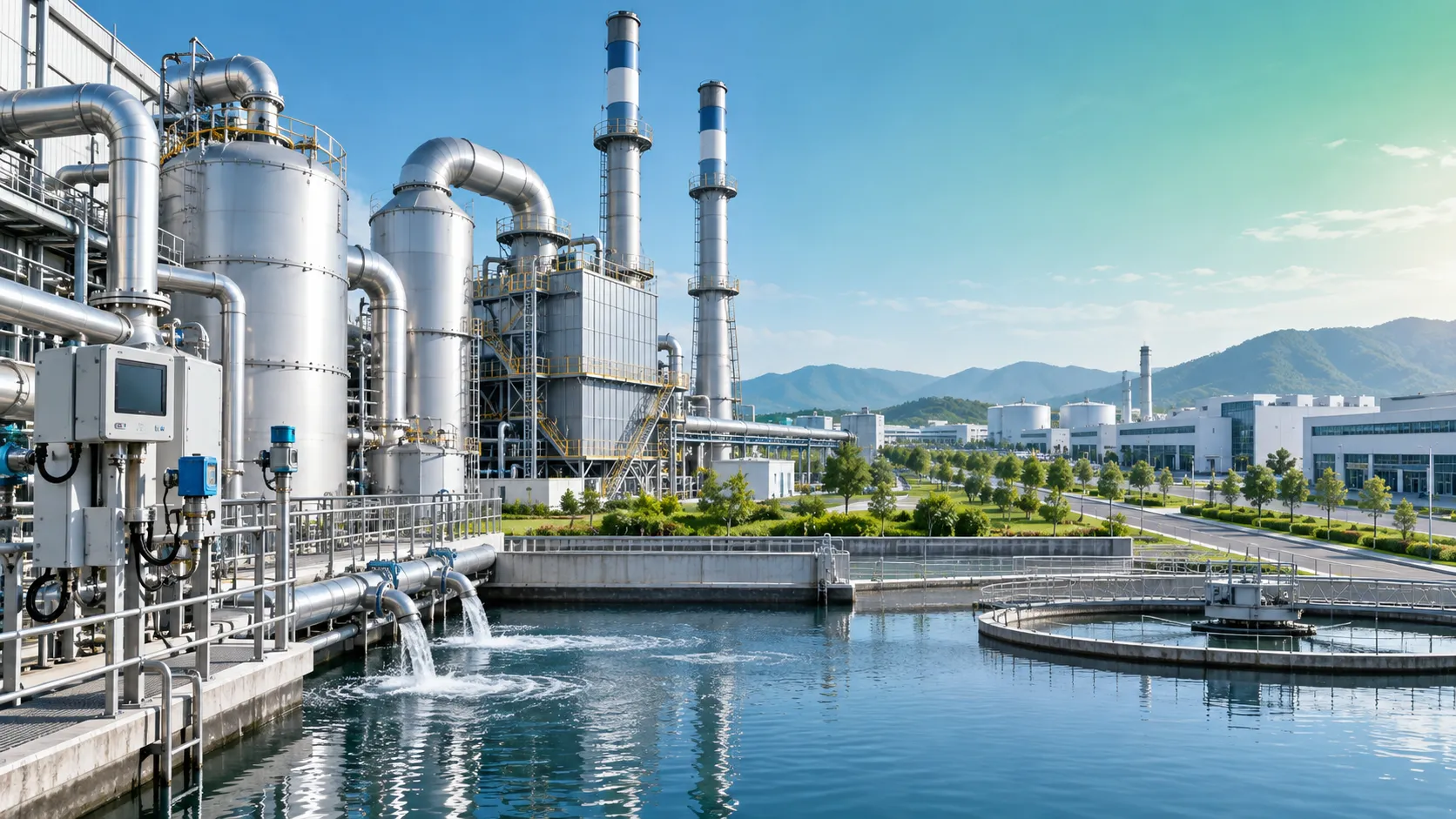
How North America shapes global environmental governance standards
Global environmental governance North America: discover how regulation, finance, and procurement raise worldwide standards and reshape environmental projects.
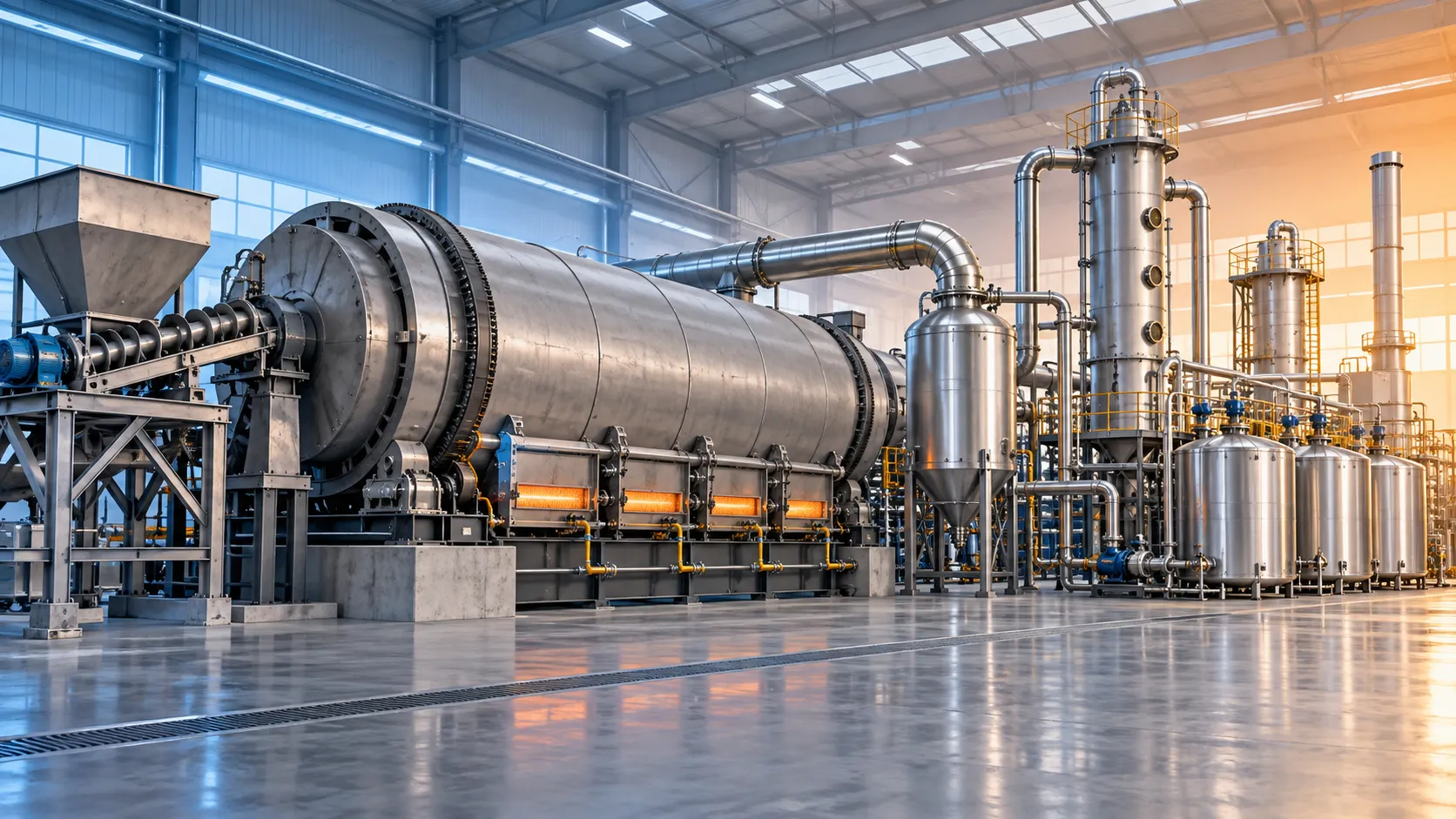
How reactor capacity affects throughput in pyrolysis systems
Pyrolysis systems reactor capacity explained: learn how heat transfer, residence time, feed quality, and emissions controls determine reliable throughput.
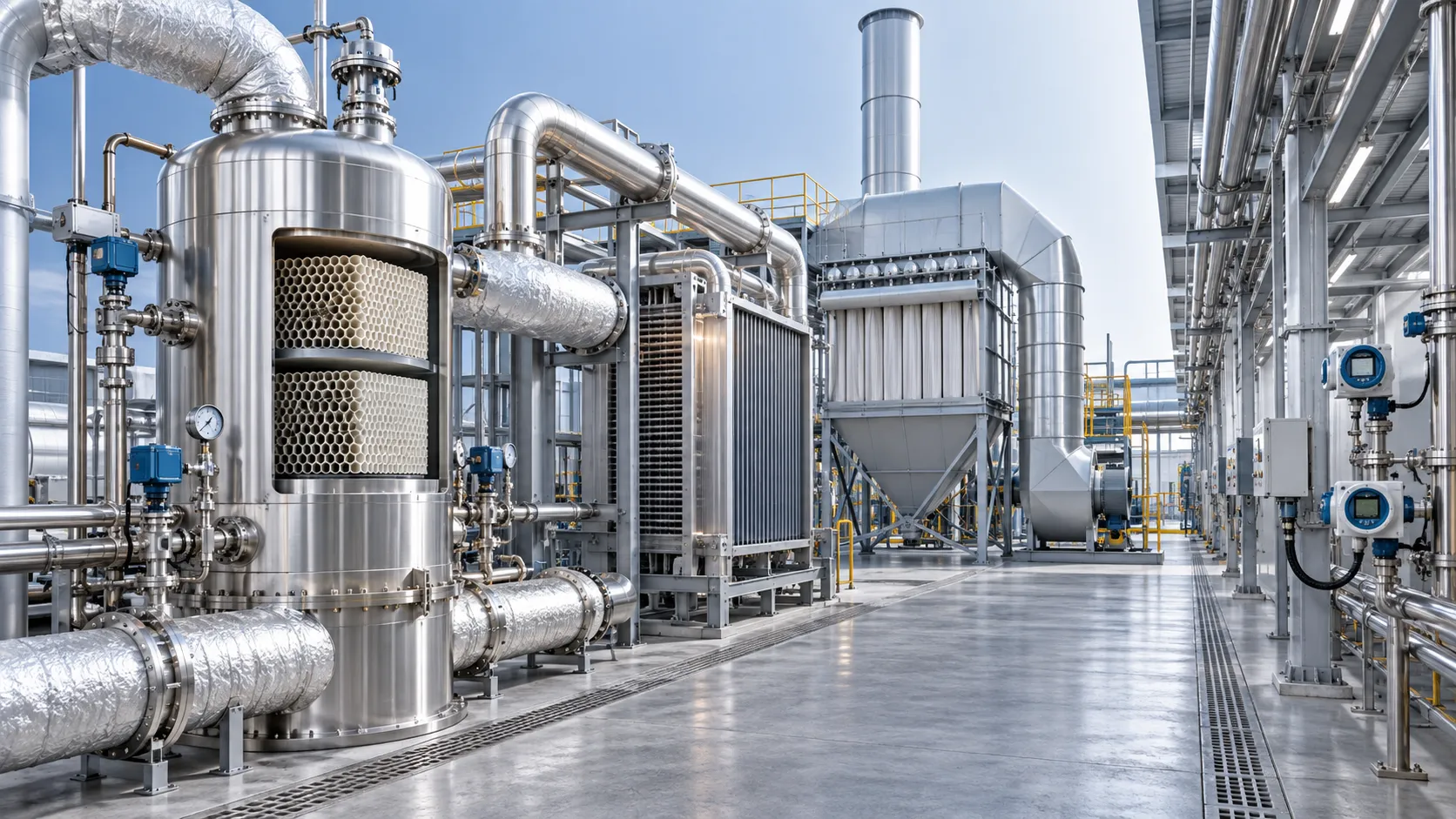
When low-temperature reaction equipment is the right fit for heat-sensitive processes
Low-temperature reaction equipment helps protect heat-sensitive streams, improve energy integration, and maintain reliable conversion. Explore key selection factors today.