
Industry News
Curation by industry experts
Hot Articles
Popular Tags
Flue Gas Cleaning for Power Plants: Key Performance Metrics That Matter
Flue Gas Cleaning for Power Plants: Key Performance Metrics That Matter
For technical evaluations, flue gas cleaning for power plants now goes far beyond passing an emissions test.
The real question is how a system performs under fuel swings, load changes, corrosion risk, and tighter reporting duties.
That shifts attention toward measurable indicators.
Removal efficiency still matters, but it is only one part of the picture.
Pressure drop, reagent consumption, by-product stability, uptime, and lifecycle cost often decide whether a design remains viable after commissioning.
In practice, flue gas cleaning for power plants must be judged as a complete operating system, not a standalone pollution control box.
Why performance metrics now carry more weight
Recent regulatory changes have made average emissions data less sufficient.
Plants are increasingly assessed on stability, traceability, and response during transient operation.
This is especially relevant for coal-fired units, waste-to-energy plants, and mixed-fuel industrial boilers.
Fuel sulfur, ash chemistry, chlorine content, moisture, and flue gas temperature can all change cleaning behavior.
A system that looks efficient in design documents may underperform once these variables move together.
That is why flue gas cleaning for power plants must be evaluated with performance metrics tied to real operating envelopes.
Core metrics in flue gas cleaning for power plants
1. Pollutant removal efficiency
This remains the headline metric.
For SO2, NOx, HCl, HF, particulates, mercury, and dioxin-related compounds, removal rates must be checked against expected inlet variability.
A high average value is useful, but consistent outlet control matters more.
Look for both guaranteed efficiency and guaranteed outlet concentration.
That distinction becomes important when inlet concentrations rise above baseline assumptions.
2. Pressure drop across the system
Pressure drop directly affects fan power and parasitic energy use.
For flue gas cleaning for power plants, a small rise in pressure drop can materially change operating cost over time.
This is often underestimated during procurement.
Wet scrubbers, bag filters, SCR reactors, and gas-gas heaters each add resistance.
The relevant metric is not only clean-condition pressure drop.
It should include fouling tendency and end-of-cycle resistance.
3. Reagent consumption rate
Limestone, lime, ammonia, urea, activated carbon, and sodium-based sorbents all carry recurring cost.
A strong flue gas cleaning for power plants assessment compares reagent use per ton of pollutant removed.
Stoichiometric ratio is the key reference point.
If a vendor promises high removal with unusually low consumption, check the operating assumptions very carefully.
Low reagent use can hide poor adaptability under peak pollutant loads.
4. Water use and wastewater burden
Wet FGD and related polishing steps may solve one problem while creating another.
Water demand, chloride buildup, purge flow, and heavy metal concentration must be part of the review.
Where ZLD or strict discharge control applies, this metric becomes critical.
5. Availability and reliability
A cleaning train is valuable only when it remains online.
Unplanned outages can trigger derating, compliance risk, and major maintenance expense.
For flue gas cleaning for power plants, reliability metrics should include:
- mean time between failures
- maintenance frequency
- redundancy of pumps, fans, and dosing systems
- catalyst life or filter bag life
- sensitivity to startup and low-load operation
Technology-specific metrics that often change the decision
Not all systems should be judged with the same emphasis.
The shortlist of metrics depends on the cleaning route.
Wet FGD systems
For wet limestone scrubbers, focus on SO2 removal, liquid-to-gas ratio, oxidation performance, gypsum purity, and mist eliminator efficiency.
Mist carryover is especially important.
If poorly controlled, it can drive downstream corrosion and particulate readings.
Dry and semi-dry systems
For SDA and dry sorbent injection, watch sorbent utilization, temperature window, residual alkalinity, and baghouse interaction.
Performance can drop quickly if gas temperature drifts outside the design range.
SCR and SNCR for NOx control
Here the decisive metrics include NOx reduction, ammonia slip, catalyst activity decay, and temperature sensitivity.
Ammonia slip deserves close review.
It can increase particulate fouling and affect air preheater cleanliness.
Particulate and multi-pollutant controls
For ESPs and baghouses, collection efficiency by particle size is more useful than bulk dust capture alone.
Fine particulate performance often determines whether the full line meets modern standards.
How to compare systems beyond nameplate data
Nameplate claims are a starting point, not a decision basis.
A useful comparison framework for flue gas cleaning for power plants should test each option under the same boundary conditions.
That includes fuel quality range, expected annual operating hours, ramping profile, ambient conditions, and discharge rules.
Then compare at least these decision items:
Common evaluation mistakes
Several mistakes still appear in flue gas cleaning for power plants reviews.
- Using average inlet pollutant data instead of worst credible cases.
- Ignoring startup, shutdown, and low-load behavior.
- Comparing CAPEX without a serious OPEX model.
- Missing water treatment and residue management cost.
- Treating vendor guarantees as directly comparable without aligned test methods.
More importantly, many reviews separate emissions control from the wider plant balance.
That misses interactions with boiler efficiency, heat rate, wastewater systems, and ash logistics.
A practical checklist for technical assessment
A disciplined review process keeps flue gas cleaning for power plants decisions grounded and comparable.
- Define the full pollutant envelope, not only average stack values.
- Check guaranteed performance at minimum, normal, and peak load.
- Quantify energy, reagent, water, and waste impacts per operating year.
- Review reliability history on similar fuels and duty cycles.
- Verify corrosion control, materials selection, and access for maintenance.
- Require clear test protocols for acceptance and ongoing monitoring.
This approach makes comparisons sharper and reduces the chance of expensive surprises after startup.
Conclusion
The most effective flue gas cleaning for power plants strategy is not the one with the boldest brochure claim.
It is the one that keeps emissions low, operating cost controlled, and system uptime high across real plant conditions.
That means judging performance through linked metrics, not isolated numbers.
When removal efficiency, pressure drop, reagent use, water burden, and reliability are assessed together, decisions become much more defensible.
For any upcoming project review, start with the metric framework first, then test every proposed solution against it with real operating assumptions.
Recommended News
Which supplier evaluation support tools improve audit consistency?
Supplier evaluation support tools improve audit consistency with controlled checklists, evidence capture, risk scoring, CAPA workflows, and traceable approvals. Explore the essentials.
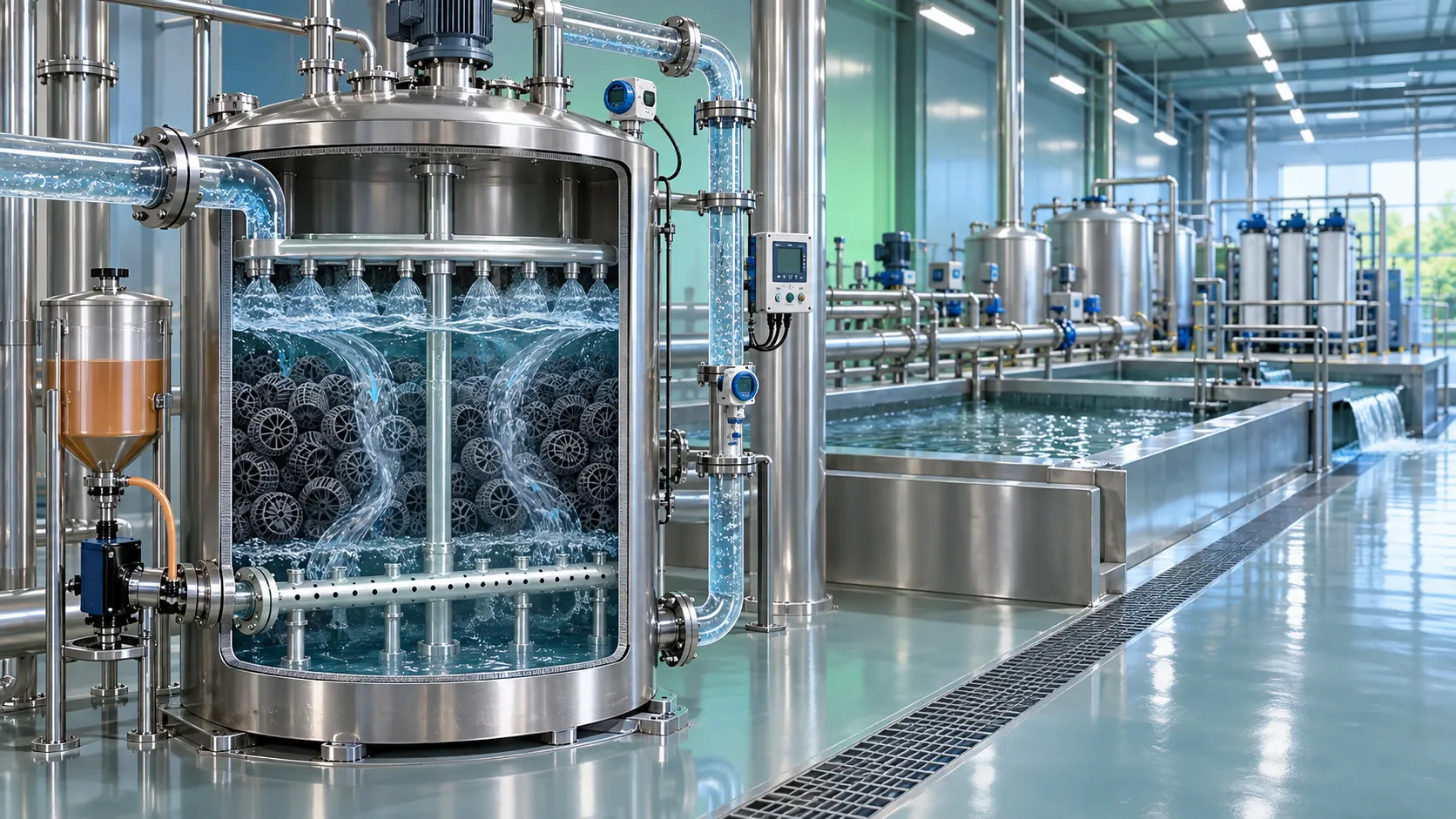
How reactor retention time affects denitrification equipment performance
Denitrification equipment reactor performance depends on retention time, carbon, mixing, and load control. Explore practical insights for reliable nitrogen removal.
How feed salinity affects energy use in ZLD system brine treatment
ZLD system brine treatment: discover how feed salinity drives energy use, scaling risk, and technology choices for efficient, reliable zero liquid discharge.
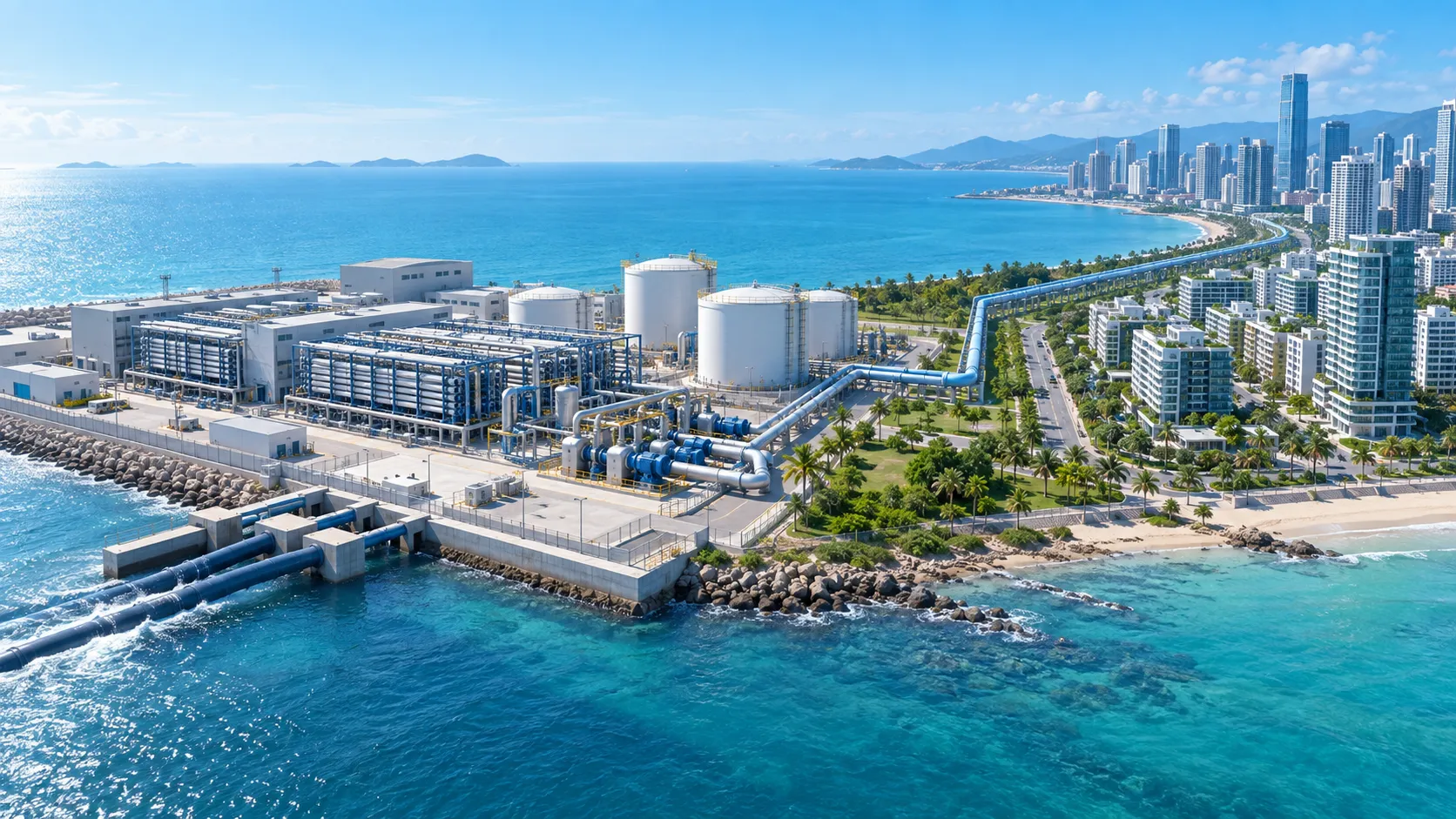
How coastal cities can select desalination solutions for peak demand
Seawater desalination solutions for coastal cities: compare firm peak capacity, intake risk, energy resilience, and lifecycle value to secure reliable water supply.
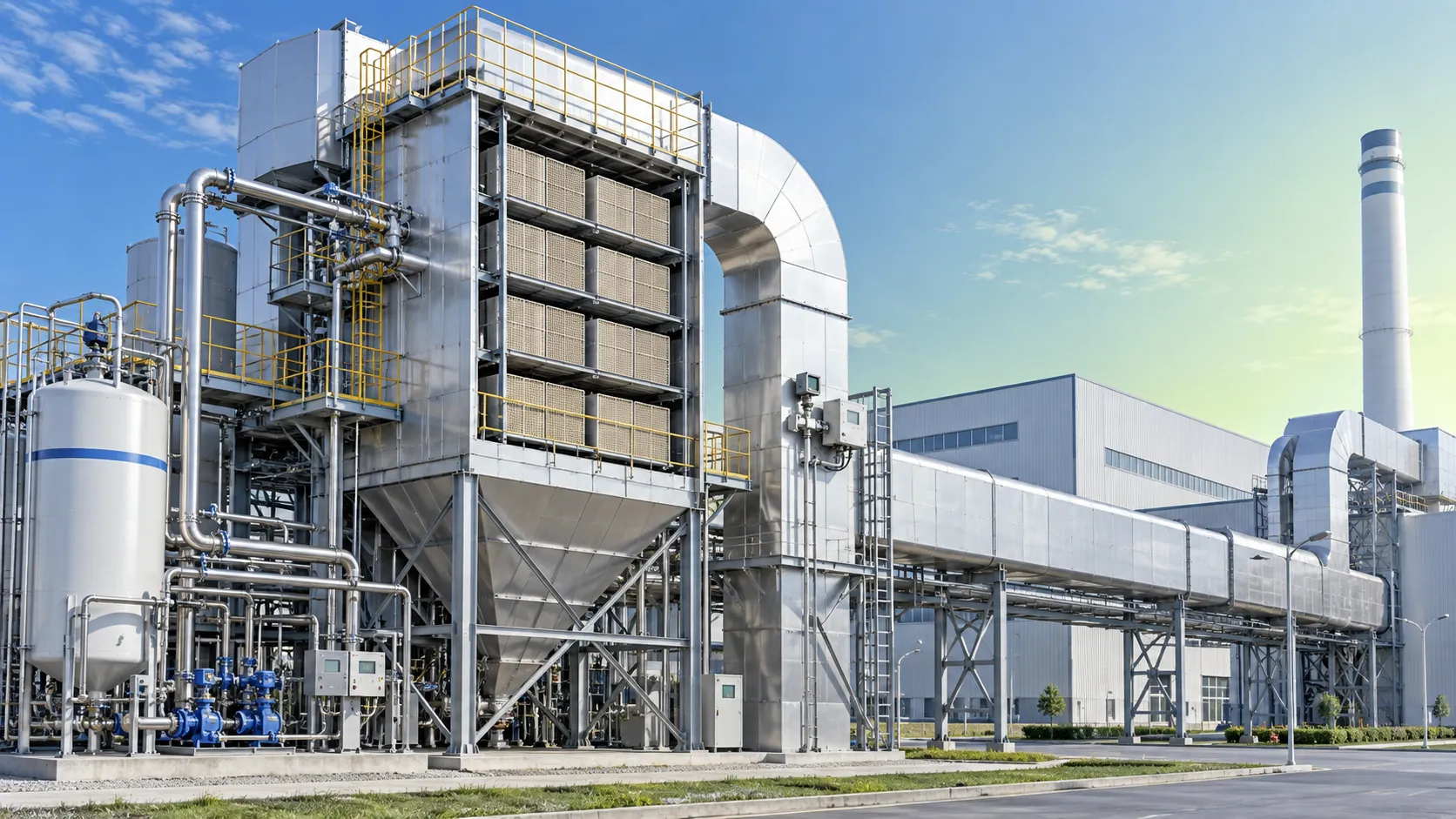
How SCR denitrification systems in Europe meet Industrial Emissions rules
SCR denitrification systems Europe: learn how permit-led design, ammonia-slip control, catalyst management and monitoring support Industrial Emissions compliance.
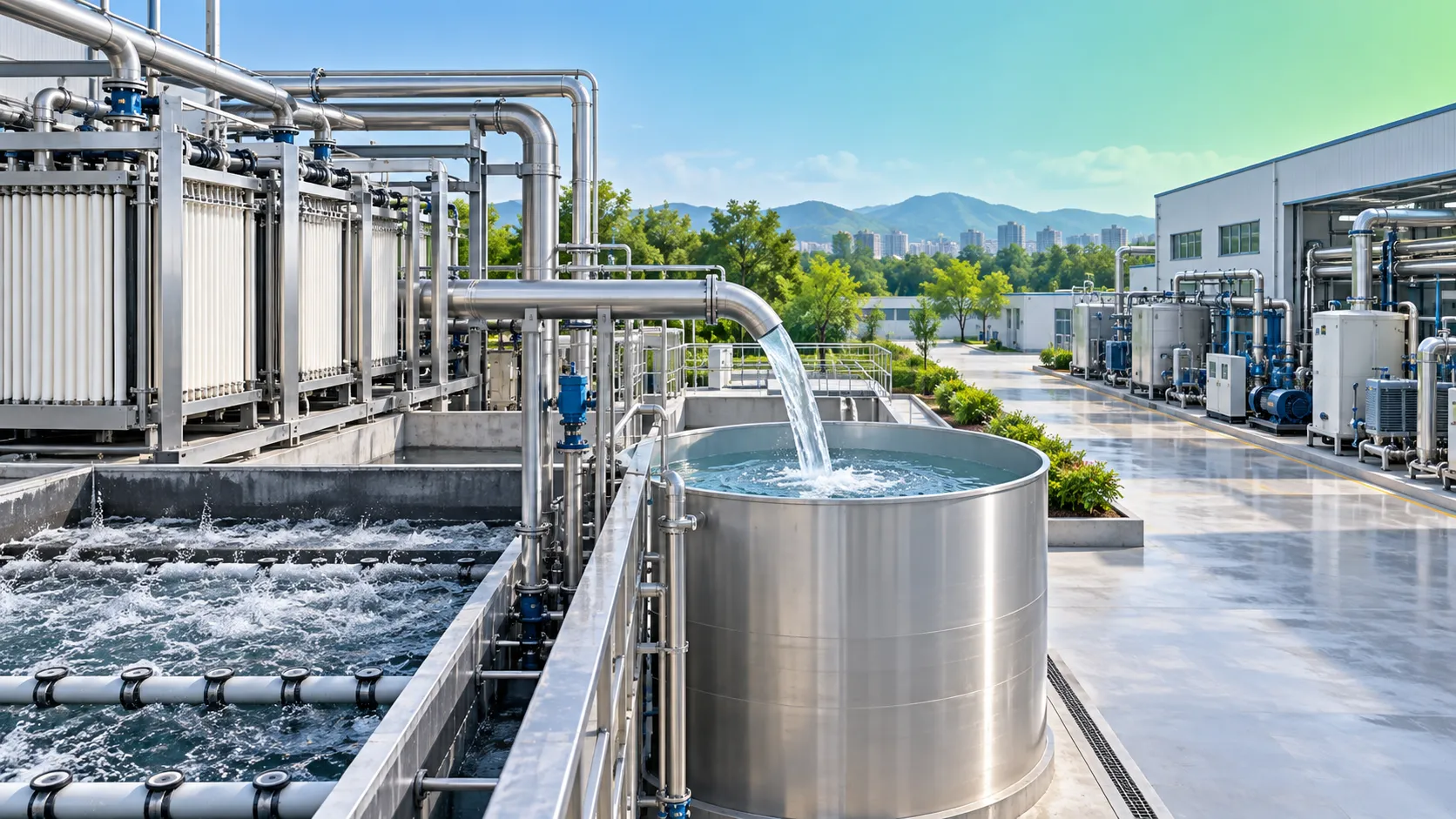
When does MBR equipment make sense for wastewater reuse?
Water treatment equipment for wastewater reuse: learn when MBR delivers compact, reliable low-solids effluent—and when alternative treatment trains offer better value.
How North America shapes global environmental governance standards
Global environmental governance North America: discover how regulation, finance, and procurement raise worldwide standards and reshape environmental projects.
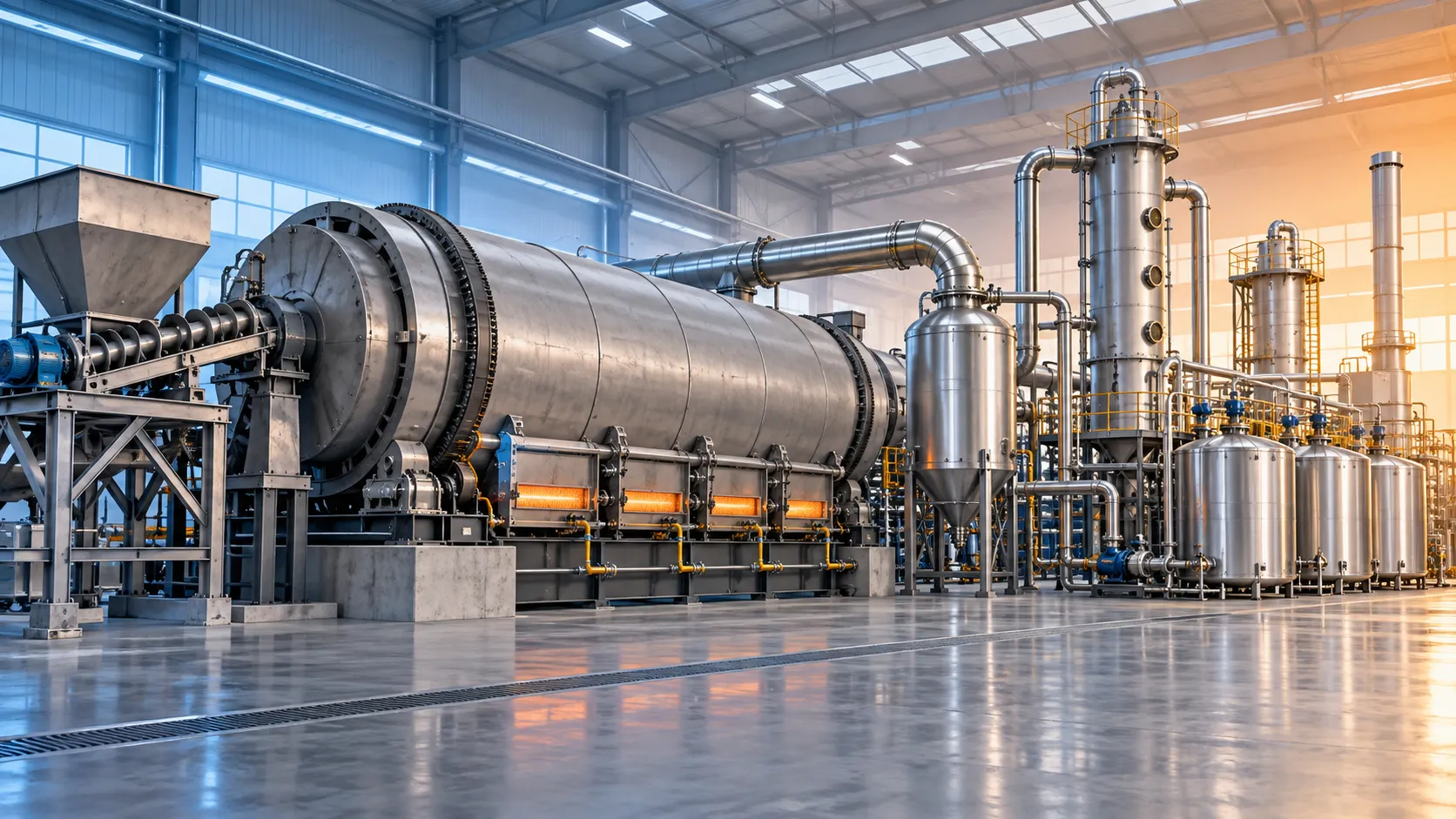
How reactor capacity affects throughput in pyrolysis systems
Pyrolysis systems reactor capacity explained: learn how heat transfer, residence time, feed quality, and emissions controls determine reliable throughput.
When low-temperature reaction equipment is the right fit for heat-sensitive processes
Low-temperature reaction equipment helps protect heat-sensitive streams, improve energy integration, and maintain reliable conversion. Explore key selection factors today.