
Industry News
Curation by industry experts
Hot Articles
Popular Tags
Can Urban Mining Projects Be Profitable Without Government Subsidies?
Yes, urban mining projects can be profitable without government subsidies, but only when they are designed around reliable material value rather than assumed waste volume. A facility that receives a steady stream of recoverable metals, polymers, batteries, electronics, or construction materials can earn from recovered commodities, processing fees, avoided disposal costs, and higher-value secondary raw materials. A facility that depends on mixed, contaminated, unpredictable waste often needs subsidies or unusually favorable market conditions to survive.
The central commercial question is not whether discarded products contain valuable material. They often do. The question is whether that value can be recovered at sufficient purity, volume, and consistency to exceed collection, transport, sorting, processing, quality-control, residue-disposal, and working-capital costs. Urban mining becomes a business when the output is usable by a real downstream process, not merely when a sorting line produces a material fraction that looks recyclable.
Where unsubsidized profitability comes from
Urban mining has several potential revenue sources, and their relative importance changes by feedstock. A metal-rich electronic waste stream may justify disassembly, separation, and specialized refining because a small mass can carry concentrated value. A municipal mixed-waste stream is different: its economics are usually shaped by gate fees, landfill alternatives, equipment uptime, contamination rates, and the ability to sell separated commodities in large, repeatable lots.
Projects are most resilient when no single revenue line must carry the entire plant. Material sales alone can be volatile. If a facility is paid to receive difficult waste, reduces an existing disposal cost, recovers saleable fractions, and keeps residual material manageable, its cash flow is less exposed to a temporary fall in one commodity price. This is not a case for accepting any material with a gate fee. High-fee waste can still be unprofitable when it damages equipment, creates dangerous residues, or requires expensive downstream treatment.
Recovered material needs a defined destination. Clean ferrous and non-ferrous metals, homogeneous polymer bales, glass cullet with controlled contamination, and prepared battery intermediates can have clearer markets than loosely sorted mixed fractions. The difference lies in specification. A buyer may accept recycled aluminum only within limits for alloy chemistry, coatings, moisture, particle size, and non-metal inclusions. A bale described as “plastic” has little commercial meaning if it contains incompatible resins, food residues, paper labels, or black material that optical sorters failed to classify.
Feedstock quality sets the economic ceiling
Many weak business cases begin with a gross-tonnage assumption: a city, commercial district, demolition program, or collection network produces a large amount of waste, so the processing plant should have enough input. Gross tonnage does not reveal the recoverable mass, the useful material grade, or the cost of extracting it. Two streams with the same weight can have radically different economics.
Pre-sorted commercial packaging, end-of-life appliances, industrial scrap, and source-separated organics generally have more predictable composition than mixed municipal waste. Predictability allows equipment to be selected for a known duty, labor to be scheduled, and output contracts to be written against measurable quality. By contrast, mixed refuse changes with season, consumer behavior, weather, collection practices, and local disposal rules. Moisture alone can distort incoming weight, lower separation performance, increase drying demand, and create odors or corrosion.
Feedstock contracts should describe more than annual volume. They need practical terms for prohibited items, contamination allocation, load inspection, moisture treatment, hazardous-material handling, minimum and maximum throughput, rejection rights, and responsibility for residuals. Without these details, a processor can inherit costs that were never included in the original model.
- Electronic scrap can contain high-value metals, yet its value depends heavily on device mix, battery removal, secure data-bearing component handling, and access to qualified refining routes.
- Construction and demolition material may generate usable aggregates, metals, timber, and gypsum, but profitability falls quickly when loads arrive with mixed insulation, soil, treated wood, or poor segregation at demolition sites.
- Municipal residual waste can support recovery where disposal costs are high and processing is stable, but it carries the highest contamination and operational variability.
- Battery waste requires strict segregation and safety controls. A valuable chemistry does not offset the cost of fires, damaged packaging, improper discharge, or incompatible material mixing.
A useful test is to track composition by incoming source rather than averaging all deliveries together. An average can hide a damaging pattern: a facility may receive several profitable loads followed by irregular loads that consume disproportionate labor, stop the line, and produce costly rejects. Source-level data exposes whether the business is based on material recovery or on an unsustainable attempt to process every load alike.
Technology earns its return through usable output
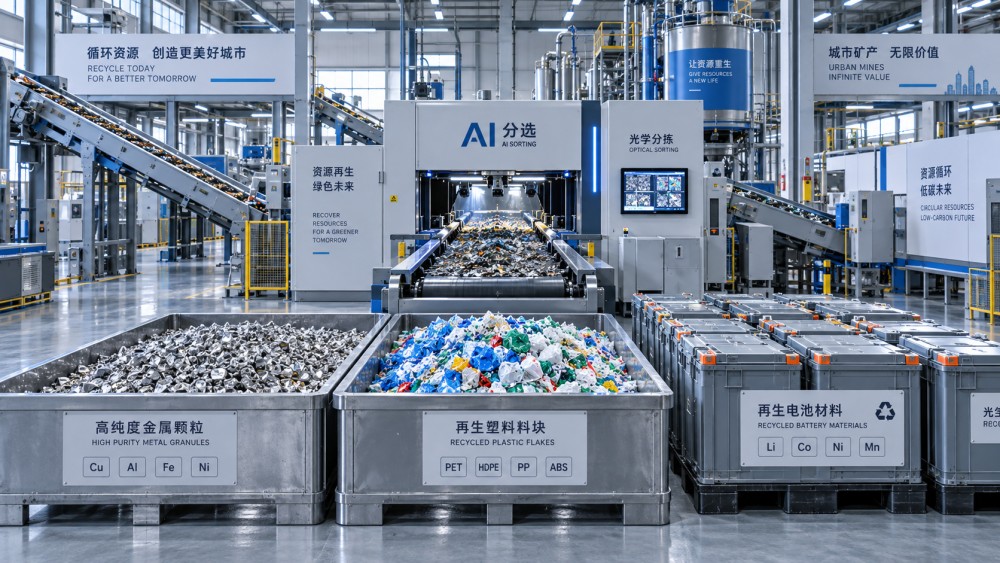
AI-assisted sorting, robotics, sensor-based separation, eddy-current systems, magnets, screening, density separation, washing, and advanced recycling processes can improve recovery. Their commercial value is not simply a higher sorting rate on a demonstration sample. It lies in whether the equipment raises net output quality after accounting for throughput, maintenance, energy, false picks, downtime, and residue handling.
For example, an optical sorter can distinguish material classes that are difficult to separate manually, but recognition is only one part of the system. Feed presentation must be even. Material needs suitable size reduction. Dust, moisture, labels, surface contamination, and overlapping objects can reduce recognition accuracy. Air valves must eject the target fraction without throwing too much non-target material into the same stream. A line with impressive identification capability can still produce low-grade output when these upstream conditions are uncontrolled.
Robotic picking is often valuable at specific bottlenecks, such as removing hazardous items, extracting identifiable high-value objects, or improving the purity of a final quality-control stream. It is less compelling where feedstock is so variable that the robot spends much of its time waiting, or where simple mechanical separation produces an acceptable grade at lower cost. Equipment selection should follow the material problem, not the visibility of the technology.
Advanced recycling deserves the same discipline. Chemical, thermal, or hydrometallurgical routes may recover materials that mechanical systems cannot return to a suitable specification. Yet these routes have their own economic boundaries: pretreatment requirements, reagent consumption, energy use, emissions control, corrosion, process-water treatment, catalyst life, and the handling of secondary residues. A mass-balance claim is incomplete unless it identifies which outputs are marketable products, which are internal recycle streams, and which still require paid disposal.
The hidden costs that turn a promising model negative
Capital expenditure receives attention because sorting plants, shredders, furnaces, wash lines, and safety systems are visible. Operating friction is often more decisive over the life of a project. Conveyors jam. Abrasive contaminants wear screens and cutters. Film wraps around shafts. Lithium-ion batteries enter streams intended for ordinary municipal waste. Fine dust affects sensors and requires extraction. A process designed around clean input can lose margin steadily when real-world material deviates from the assumed condition.
Residue cost is particularly easy to underestimate. Every separation process creates fractions that are not immediately saleable. These may include contaminated fines, composite materials, unrecoverable plastics, ash, filter-cake material, sludge, broken glass, and hazardous components. The commercial model should treat residual disposal as a direct operating variable, not as a negligible percentage of total input. A modest increase in residue rate can erase the gain from a higher recovery yield, especially when disposal routes are distant or tightly controlled.
Transportation can have a similar effect. Low-density materials such as films, mixed plastics, insulation, and light packaging occupy volume before they accumulate much commodity value. Collecting them over a wide territory without compaction, baling, or transfer infrastructure can consume the margin before the material reaches the plant. Dense, high-value material can tolerate longer transport distances, while bulky low-value fractions need local aggregation or a nearby end market.
Maintenance planning should reflect the actual waste stream. Spare wear parts, fire detection, suppression interfaces, dust management, inspection access, and isolation procedures may seem secondary during procurement, yet they influence availability and insurance exposure. A line that runs at a lower nameplate rate but maintains stable quality and uptime is often commercially stronger than a line optimized for peak throughput.
Commodity prices matter, but they are not the only exposure
Recovered materials are frequently priced against primary-material markets, so price swings cannot be ignored. However, price risk is often overstated while specification risk is understated. A processor may forecast an attractive price for recycled polymer or metal, then discover that its output needs additional washing, compounding, blending, or refining before a buyer will accept it. The resulting downgrade can be more damaging than a modest market-price movement.
Offtake arrangements need to define testing methods, accepted impurity limits, moisture basis, lot size, packaging, delivery terms, rejection procedures, and payment timing. A nominal buyer interest is not equivalent to a dependable sales route. The strongest projects validate samples under routine operating conditions, including material from less favorable incoming loads. Producing one clean batch after manual intervention does not establish an industrial-grade product.
Closed-loop arrangements improve the odds
Urban mining is more likely to stand on its own when recovered material is designed back into a defined production loop. A recycler that supplies a consistent secondary feedstock to a nearby remanufacturer has a different position from one that sells mixed output through spot markets. The closed-loop model can reduce transport, simplify quality feedback, and reveal which contamination issues matter most to the final product.
That relationship does not eliminate commercial discipline. A nearby user of recycled material may require tighter consistency than an open commodity market. The recovery operation must control batch variability, trace contamination sources, and separate grades before material becomes irreversibly mixed. Yet the feedback loop has real value: when a batch fails, the problem can be linked to collection, sorting settings, washing, storage, or processing rather than being treated as an unexplained price discount.
Storage conditions also affect whether a recovered material remains valuable. Mixed metals exposed to moisture can corrode. Plastic flakes can pick up dust or absorb odors. Fine powders may require controlled handling to avoid loss and cross-contamination. Battery intermediates require appropriate containment and segregation. The material is not fully recovered when it leaves a separator; it is recovered when it reaches the next process in a condition that meets the agreed specification.
When subsidies are absent, project design becomes less forgiving
Government support can accelerate infrastructure, reduce financing pressure, or bridge early-stage technology risk. Its absence does not make urban mining impossible. It removes the cushion that can hide weak feedstock control, vague product definitions, underestimated residues, or speculative commodity assumptions.
Profitable unsubsidized projects tend to begin with a narrow, verifiable proposition: a known material stream, an appropriate separation route, a defined output specification, and a credible destination for each major fraction. Expansion can follow after operating data confirms yield, purity, maintenance demand, and disposal cost. Starting with every available waste type often creates a complex plant before the economics of any one stream are proven.
The answer, then, is conditional but clear. Urban mining can make money without public funding when it converts waste into dependable industrial inputs and prices the full cost of making those inputs. Where value rests on theoretical recovery, mixed feedstock, or an untested buyer assumption, subsidies may postpone the problem rather than solve it.
Recommended News
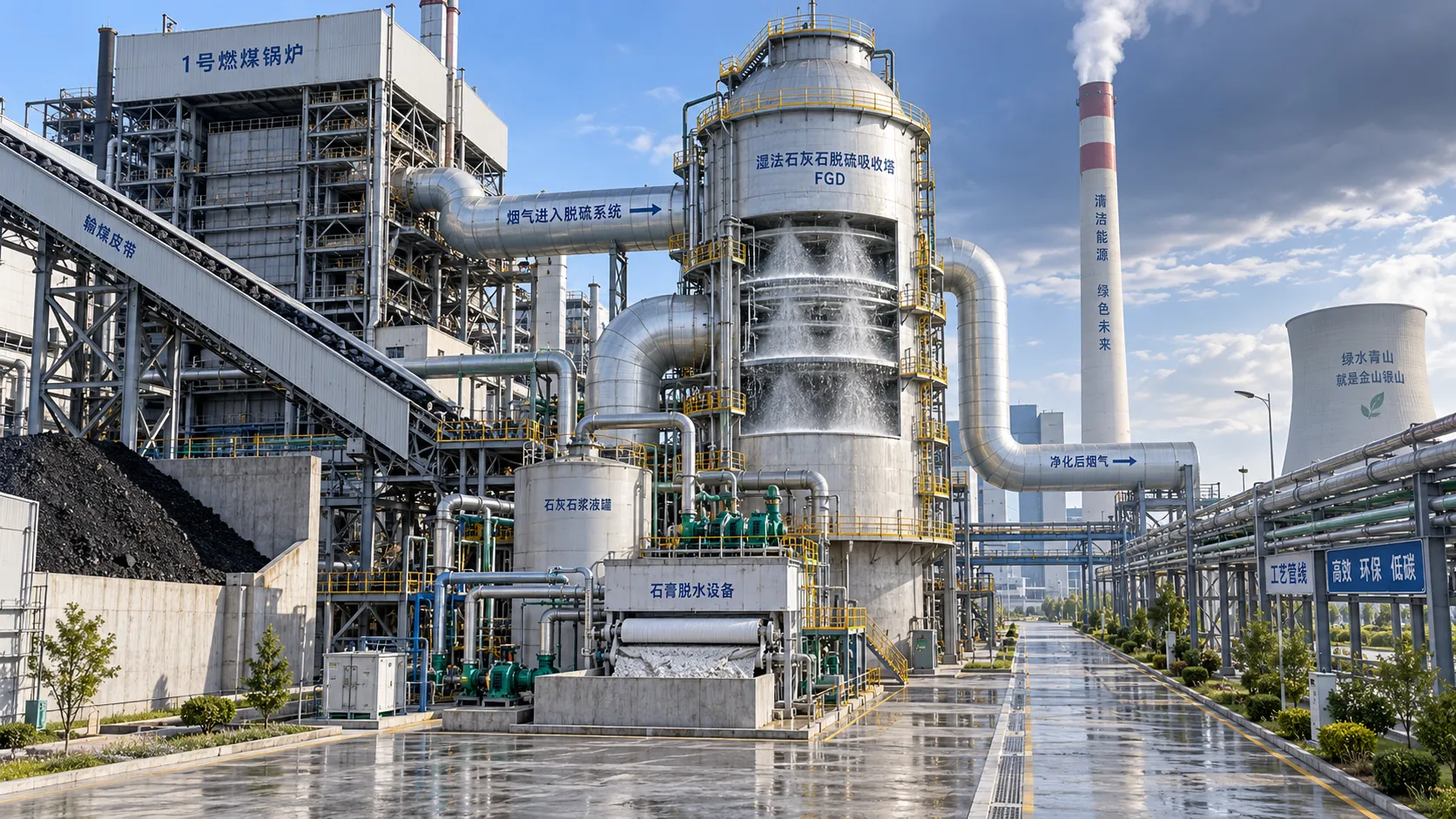
How to select FGD systems for coal boilers based on sulfur content
FGD systems for coal boilers: learn how sulfur content, fuel variability, emissions limits, water, waste, and retrofit constraints guide a compliant, cost-effective scrubber choice.
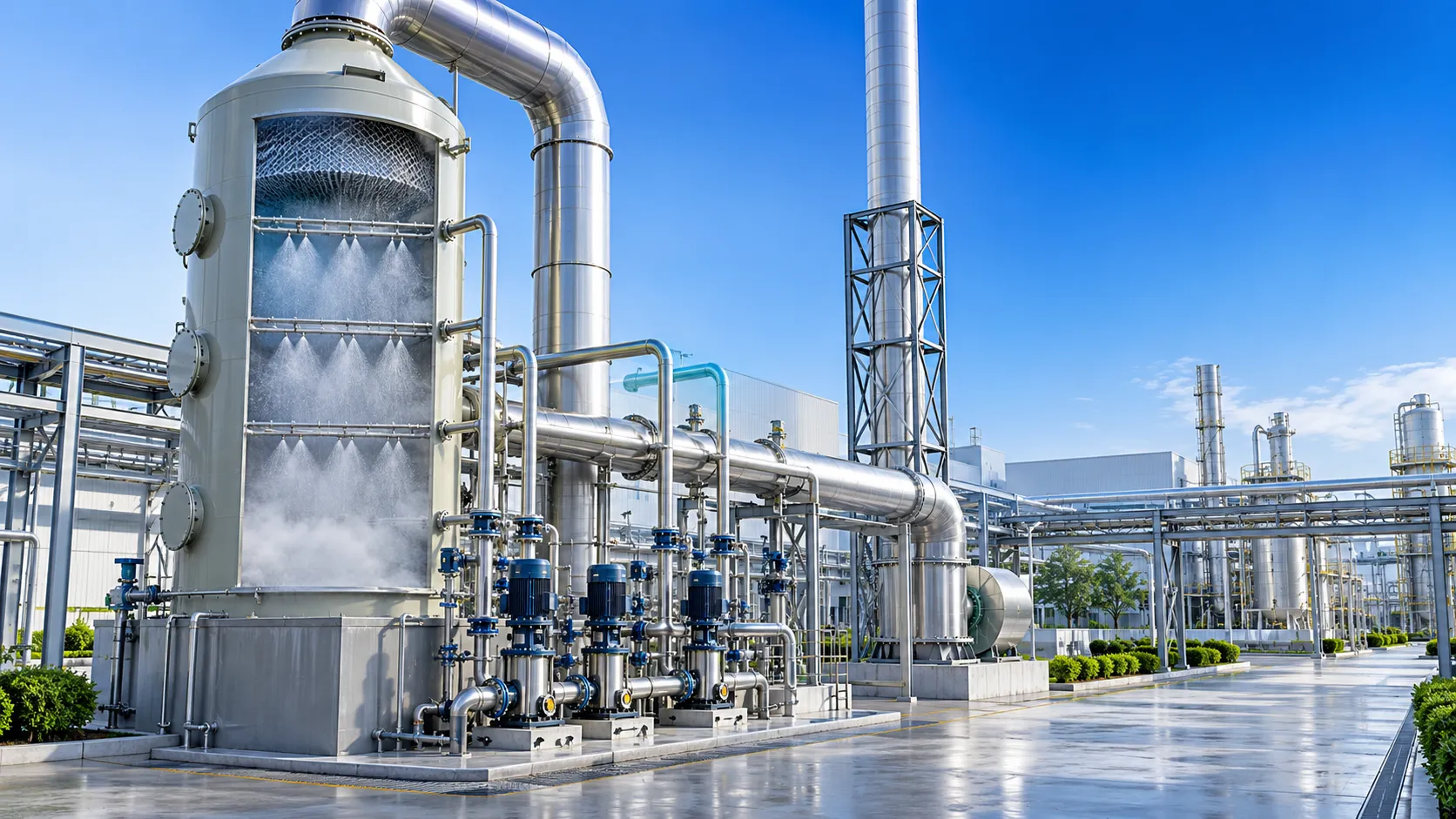
How to size a desulfurization equipment scrubber for variable gas flow
Desulfurization equipment scrubber sizing for variable gas flow: optimize SO2 removal, pressure drop, liquid-to-gas control, and compliance across every load.
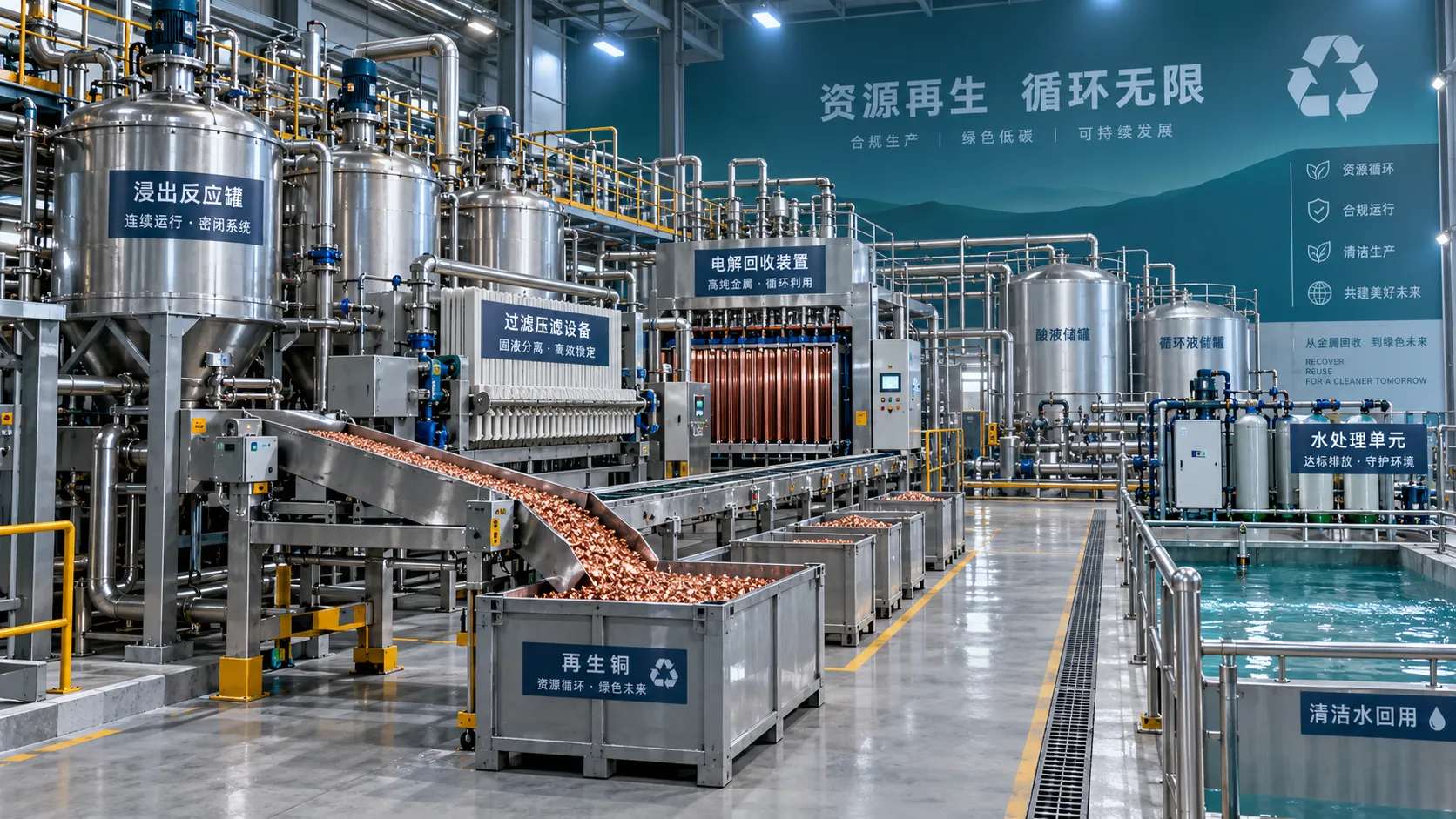
When does repeatable metals recovery infrastructure justify the investment?
Repeatable metals recovery infrastructure: discover when consistent feedstock, lower disposal costs, compliance control, and reliable offtake justify investment.
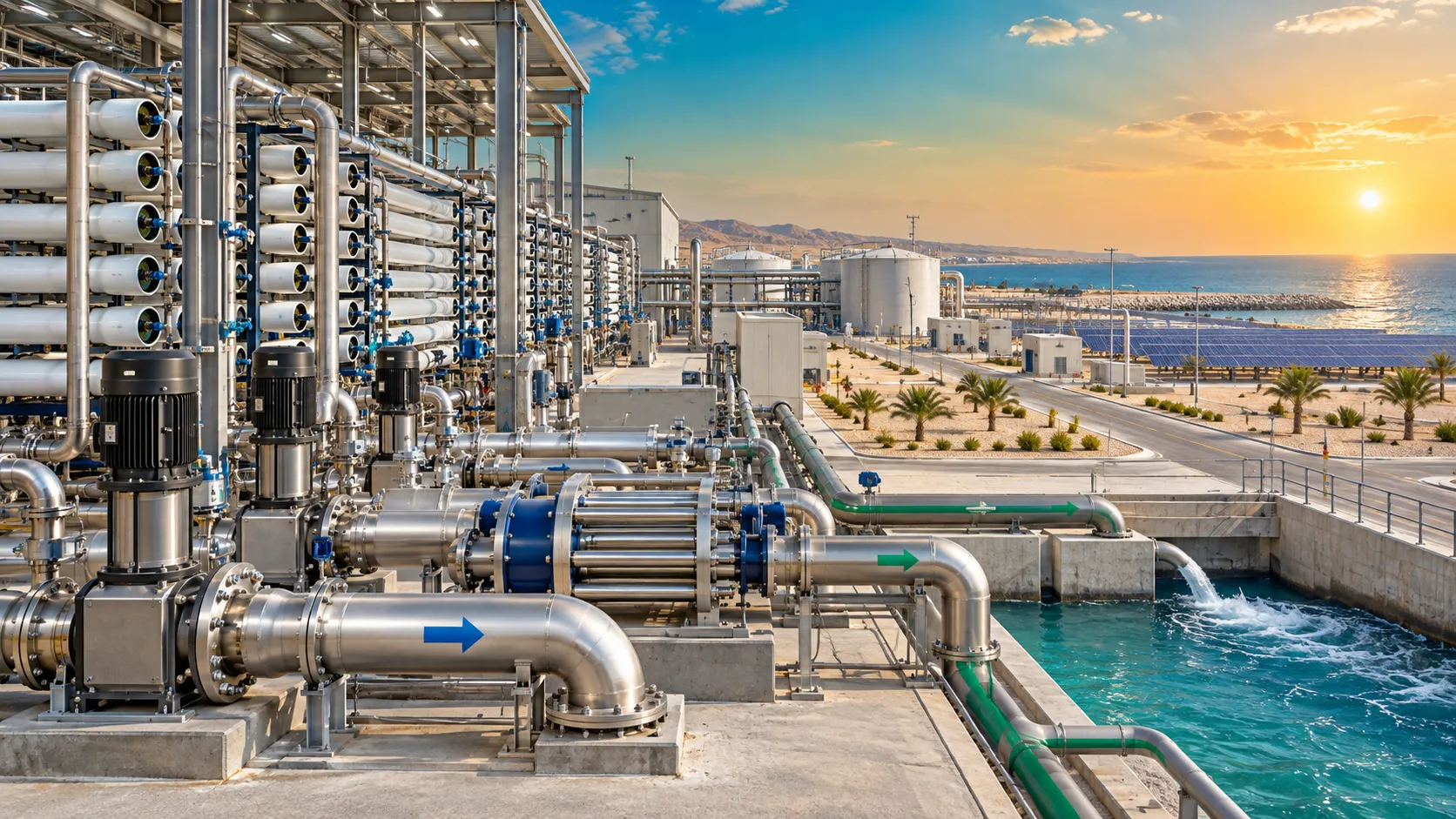
How energy recovery cuts the cost of seawater desalination in the Middle East
Seawater desalination Middle East projects can cut lifecycle costs with energy recovery. Explore savings, bankability, power-risk strategies, and smarter investment decisions.
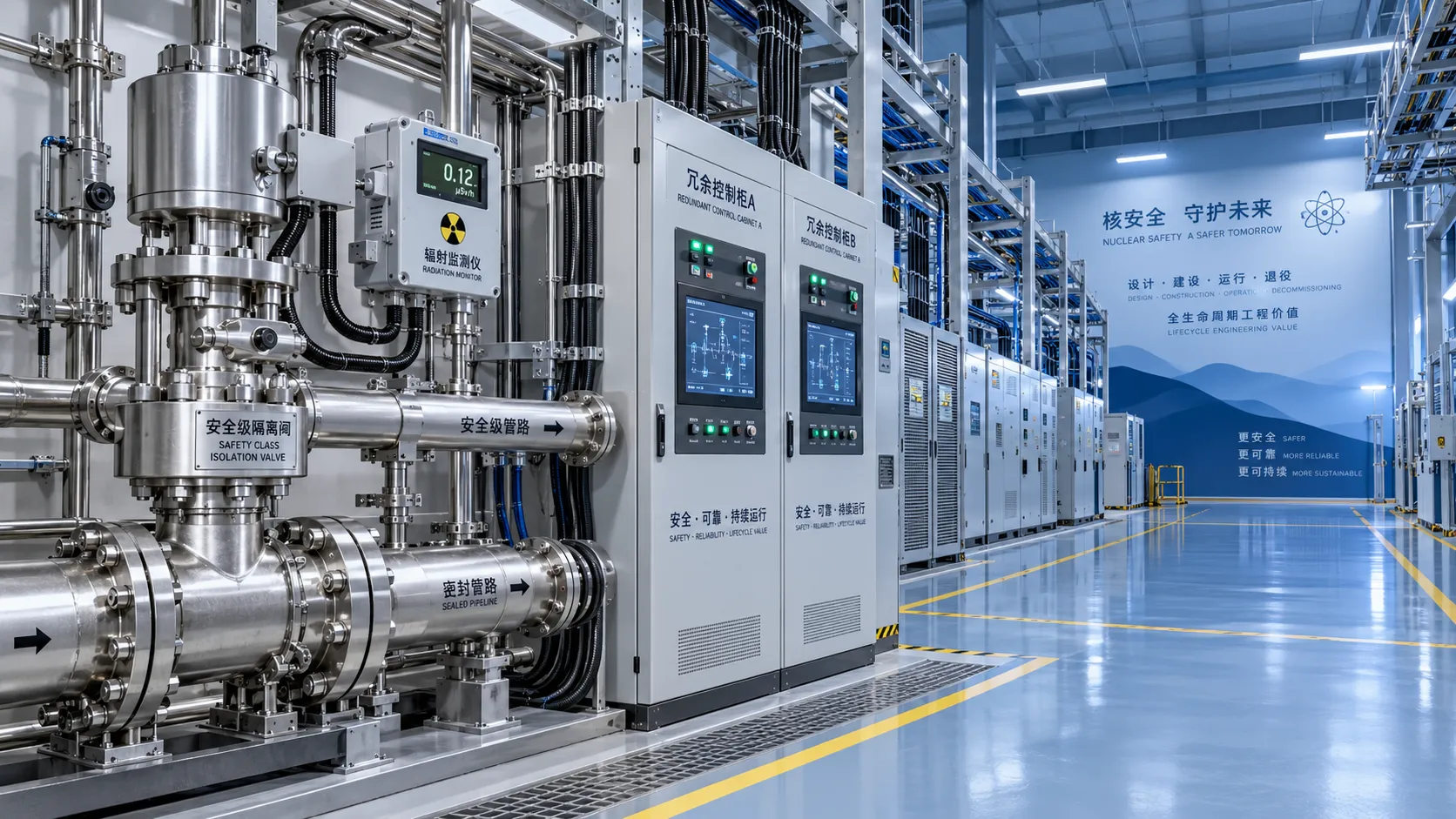
What drives nuclear safety solutions pricing for new facility projects?
Nuclear safety solutions pricing explained: uncover the key cost drivers for new facilities, from qualification and interfaces to lifecycle support.
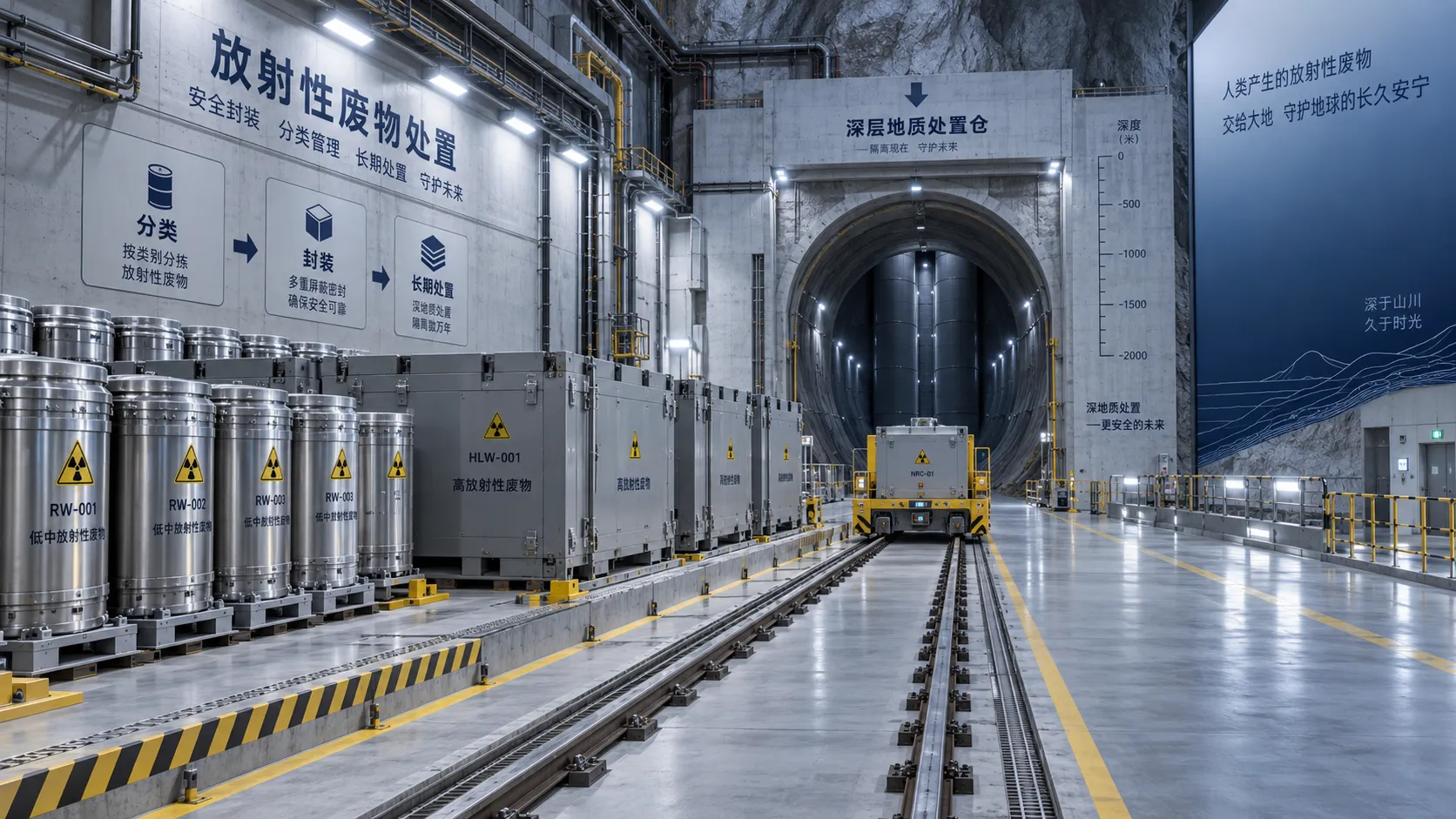
What drives radioactive waste cost over the life of a disposal project?
Radioactive waste cost depends on classification, treatment, transport, storage, disposal access, and long-term compliance. Explore the key lifecycle cost drivers.
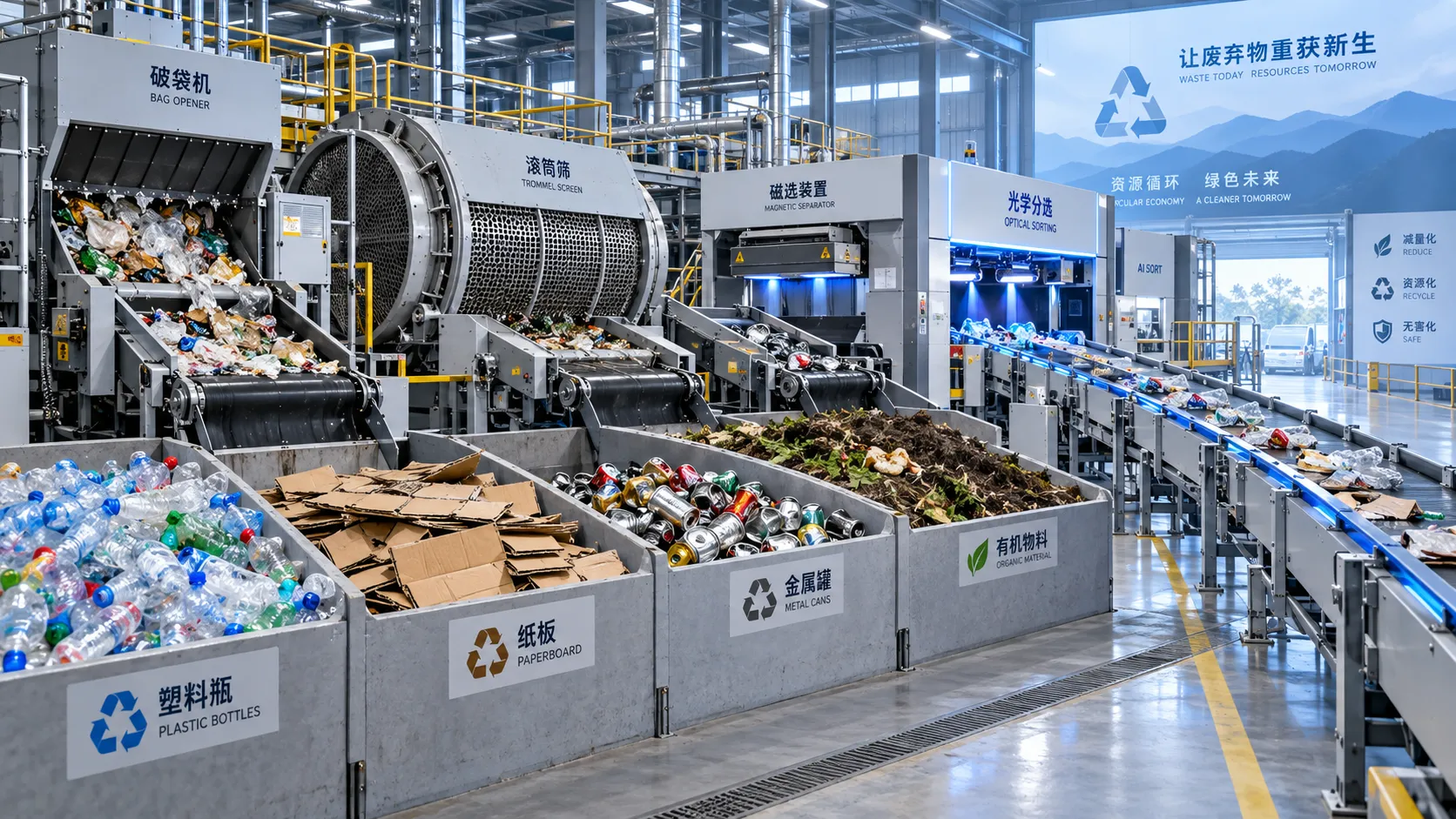
How to choose solid waste equipment based on waste stream characteristics
Environmental equipment guide for solid waste: discover how to match sorting, treatment, and recovery equipment to waste composition, moisture, contamination, and output goals.
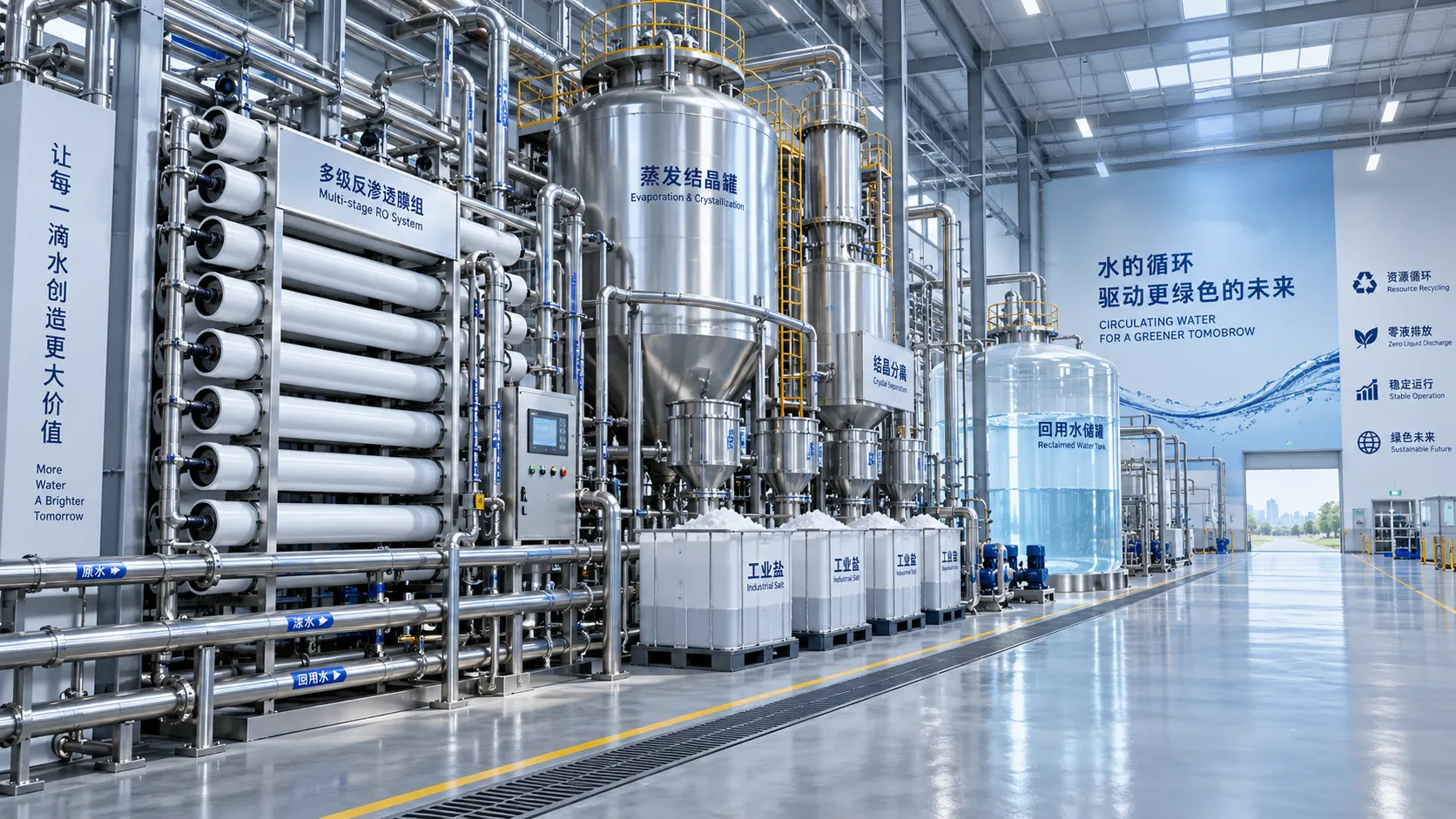
When does high recovery ZLD equipment justify its higher capital cost?
High recovery ZLD equipment can justify higher capital cost when water scarcity, discharge risks, brine disposal, and downtime threaten operations. Explore the decision factors.
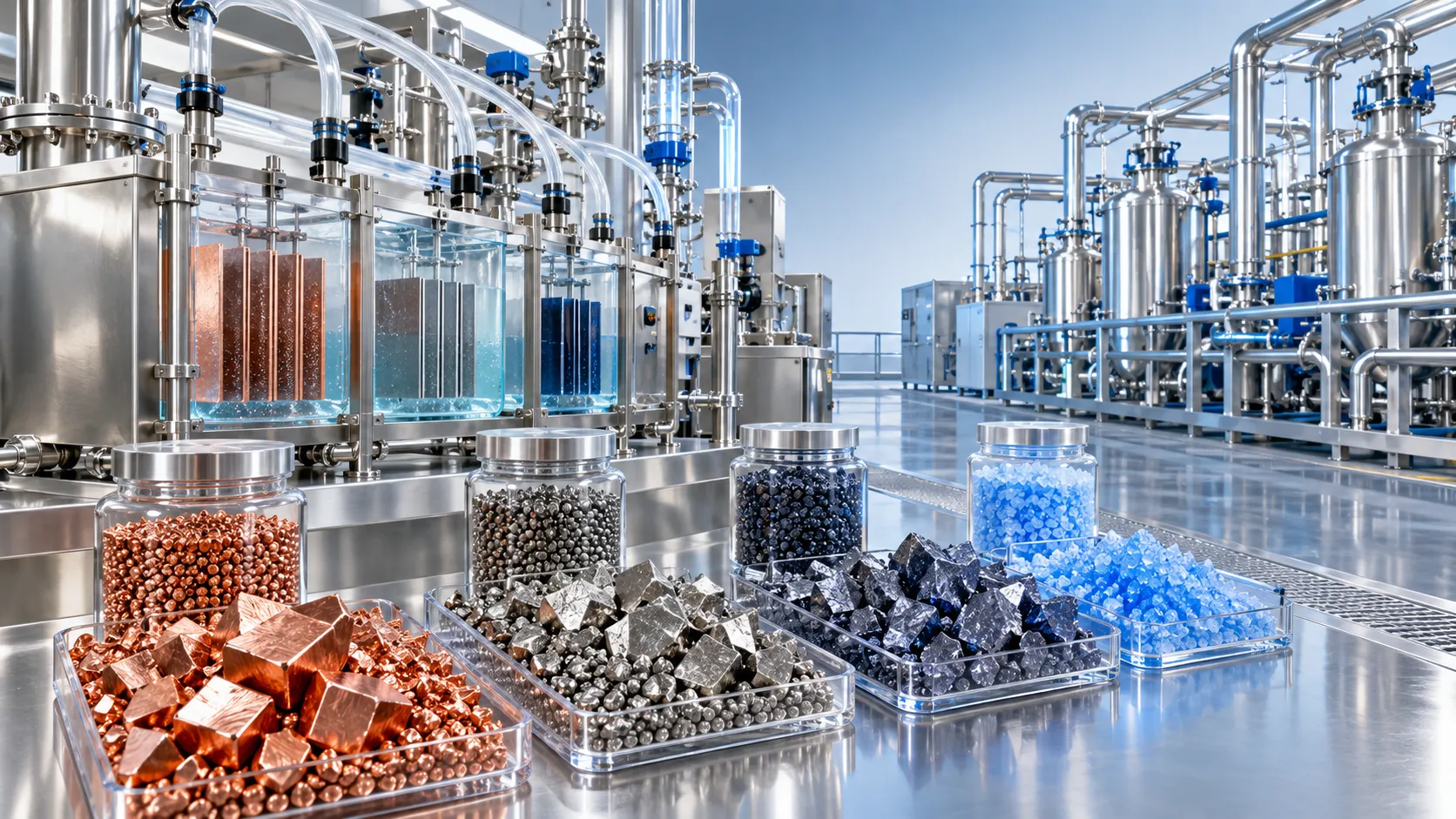
How high purity heavy metal recovery affects recovered metal value
High purity heavy metal recovery boosts recovered metal value by improving payability, reducing penalties, and unlocking stronger buyer opportunities. Explore smarter netback strategies.