
Industry News
Curation by industry experts
Hot Articles
Popular Tags
Municipal Sewage Treatment: Key Process Choices and Cost Trade-Offs
Municipal Sewage Treatment: Key Process Choices and Cost Trade-Offs
Choosing a municipal sewage treatment process is no longer a purely technical call.
It shapes compliance, operating stability, energy demand, sludge handling, and long-term capital efficiency.
For municipal sewage projects, the wrong process often looks affordable at bid stage.
Later, it becomes expensive through retrofits, chemical overuse, downtime, and discharge risk.
That is why process selection should connect water quality targets with lifecycle economics from day one.
In practice, the best municipal sewage strategy is rarely the most advanced process on paper.
It is the one that matches influent volatility, local regulation, land constraints, and O&M capability.
Why Municipal Sewage Process Choice Has Become a Strategic Issue
Municipal sewage treatment now sits under tighter environmental pressure than a decade ago.
Effluent standards are rising, energy prices remain uncertain, and carbon performance is under closer review.
At the same time, influent conditions are becoming less predictable.
Stormwater intrusion, industrial mixing, population growth, and seasonal peaks can all distort plant performance.
This means a municipal sewage system must do more than meet average design values.
It must keep working under stress without pushing cost beyond acceptable limits.
From a decision perspective, four questions usually drive the final choice:
- Can the process consistently meet discharge and reuse targets?
- How much land, energy, and operator skill does it require?
- What are the hidden costs in sludge, chemicals, and maintenance?
- How easily can the plant expand or tighten standards later?
Core Municipal Sewage Treatment Process Options
Most municipal sewage projects compare a similar shortlist of mainstream biological routes.
The real difference lies in performance stability, footprint, and operating burden.
Conventional Activated Sludge
Conventional activated sludge remains common in municipal sewage treatment for one simple reason.
It is familiar, proven, and often cost-effective for medium to large plants.
Its strengths are process maturity and broad supplier support.
Its weaknesses are larger land demand, higher sensitivity to load swings, and more dependence on clarifier performance.
A2/O and Nutrient Removal Variants
Where nitrogen and phosphorus limits are stricter, A2/O is often the default municipal sewage choice.
It improves nutrient removal through anaerobic, anoxic, and aerobic stages.
This route balances compliance and familiarity well.
Still, tighter control, internal recycling, and chemical polishing can increase operating complexity.
SBR Systems
Sequencing batch reactors are attractive in municipal sewage projects with variable flow patterns.
They combine reaction and settling in one tank, reducing some civil requirements.
SBR can be flexible and compact.
However, automation reliability becomes critical, especially when inflow fluctuations are sharp.
MBR Systems
Membrane bioreactor technology has become a serious option for high-standard municipal sewage treatment.
Its main advantage is excellent effluent quality in a compact footprint.
That matters in dense urban areas and water reuse projects.
The trade-off is clear: higher CAPEX, higher energy demand, membrane cleaning costs, and replacement planning.
MBBR and IFAS Routes
For expansion or retrofit, MBBR and IFAS can be practical municipal sewage solutions.
They improve biomass retention and treatment capacity without full greenfield rebuilding.
This can protect existing assets and shorten project schedules.
Yet media management, aeration control, and hydraulic behavior still need careful design.
The Real Cost Trade-Offs Behind Municipal Sewage Decisions
The biggest mistake in municipal sewage planning is focusing only on upfront cost.
A lower bid can hide higher lifetime expenses across power, sludge disposal, chemicals, labor, and equipment renewal.
A smarter evaluation compares total cost of ownership, not just construction value.
Energy is often the most visible operating cost in municipal sewage treatment.
Aeration alone can dominate the power bill in biological systems.
That makes blower efficiency, oxygen transfer, and process control especially important.
A process that looks efficient in design software may behave very differently in mixed real-world influent.
Sludge is another underestimated municipal sewage cost center.
Disposal, dewatering, odor control, and transport can materially reshape project economics.
In some regions, sludge strategy is almost as important as liquid treatment performance.
How to Match Municipal Sewage Technology to Project Conditions
There is no universal best municipal sewage process.
The right answer depends on the project context and the risks that matter most.
When land is limited
Compact municipal sewage solutions such as MBR often gain an edge in dense urban settings.
Higher equipment cost may still be justified if land acquisition is expensive or impossible.
When budget pressure is high
Activated sludge or optimized A2/O may provide the best balance for municipal sewage compliance and cost.
But the design should leave room for future polishing or nutrient upgrades.
When influent changes sharply
SBR, IFAS, or robust equalization strategies can improve municipal sewage resilience.
The decision should reflect real variability, not only average influent data.
When reuse is a target
High-quality municipal sewage effluent usually requires tighter solids and pathogen control.
That often pushes selection toward MBR or stronger tertiary treatment integration.
A Practical Evaluation Framework for Better Decisions
A disciplined municipal sewage assessment should compare options through a common decision framework.
This keeps discussions anchored in business outcomes, not only process preference.
- Define required effluent quality, reuse goals, and compliance margin.
- Map influent variability, industrial mixing risk, and peak hydraulic events.
- Compare CAPEX, OPEX, and renewal cost over the full asset life.
- Evaluate land, energy, sludge route, and operator capability together.
- Stress-test each municipal sewage option against future regulation and expansion plans.
This kind of evaluation usually reveals a useful pattern.
The cheapest process is not always the lowest-risk choice.
Likewise, the most advanced municipal sewage technology is not automatically the best investment.
Value comes from alignment between process capability and real operating conditions.
Final Takeaway
Municipal sewage treatment decisions now sit at the intersection of engineering, regulation, and long-term asset strategy.
A sound choice weighs discharge reliability, land efficiency, energy intensity, sludge burden, and upgrade flexibility together.
In fast-changing environmental markets, resilience often matters more than headline savings.
The most effective municipal sewage strategy is the one built for actual constraints, not ideal assumptions.
Before locking in a process, test each option against tighter standards, variable influent, and full lifecycle cost.
That simple discipline leads to stronger compliance, better cost control, and more durable project outcomes.
Recommended News

How reactor capacity affects throughput in pyrolysis systems
Pyrolysis systems reactor capacity explained: learn how heat transfer, residence time, feed quality, and emissions controls determine reliable throughput.
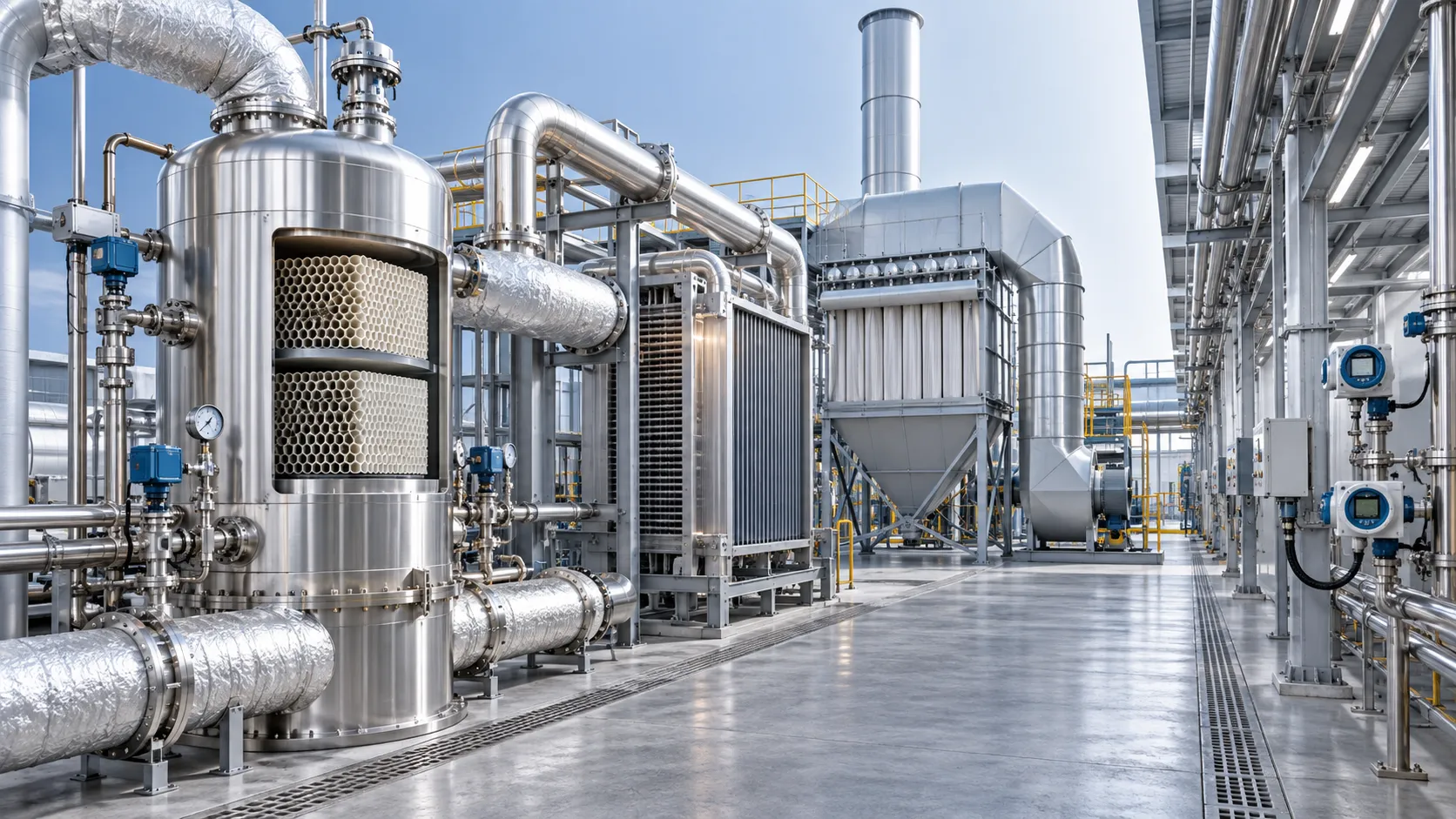
When low-temperature reaction equipment is the right fit for heat-sensitive processes
Low-temperature reaction equipment helps protect heat-sensitive streams, improve energy integration, and maintain reliable conversion. Explore key selection factors today.
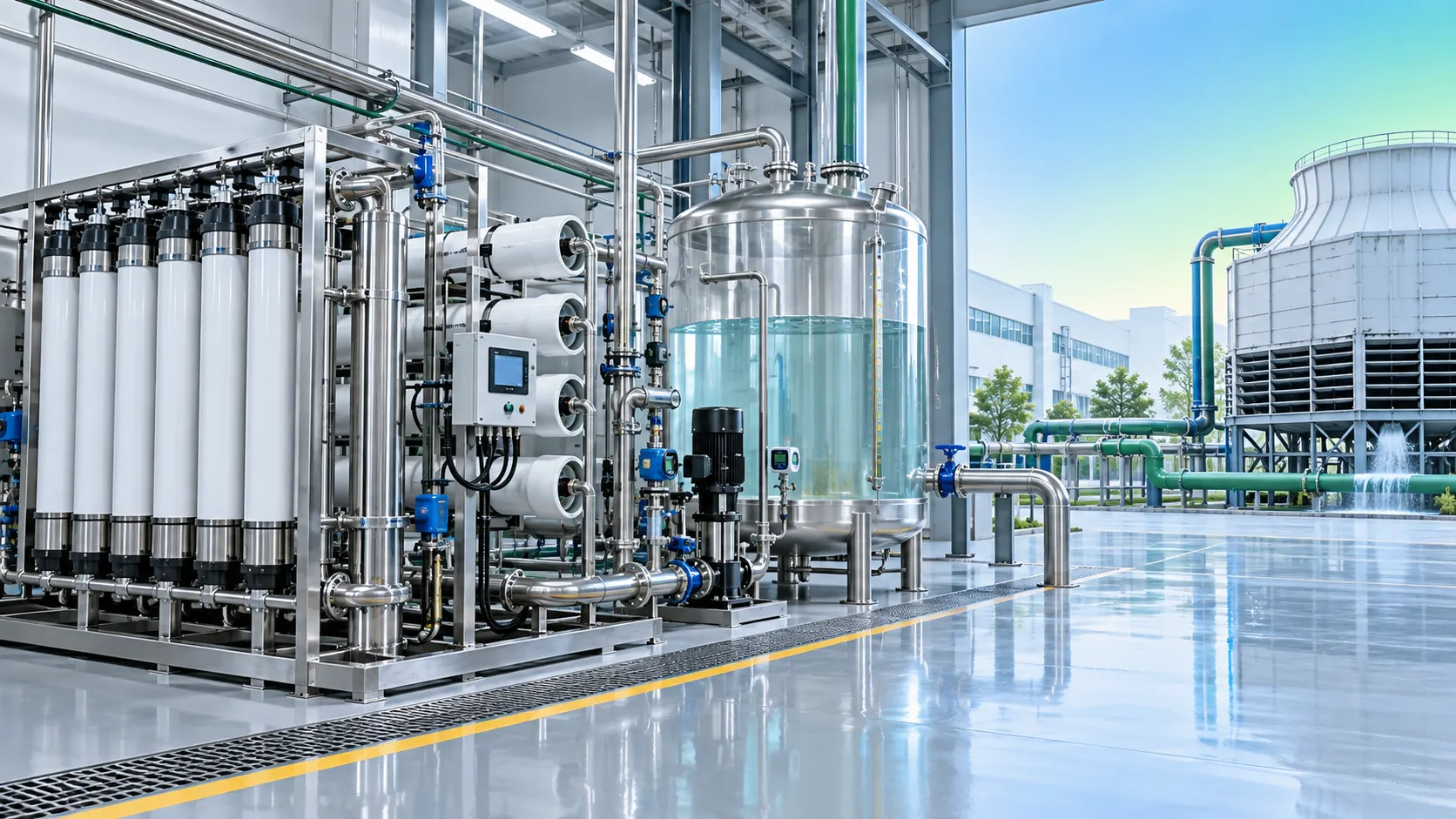
When do water reuse systems deliver a practical payback?
Water reuse systems deliver practical payback when they cut water, discharge, and downtime costs. Learn how to match treatment, recovery, and reuse quality for lasting ROI.
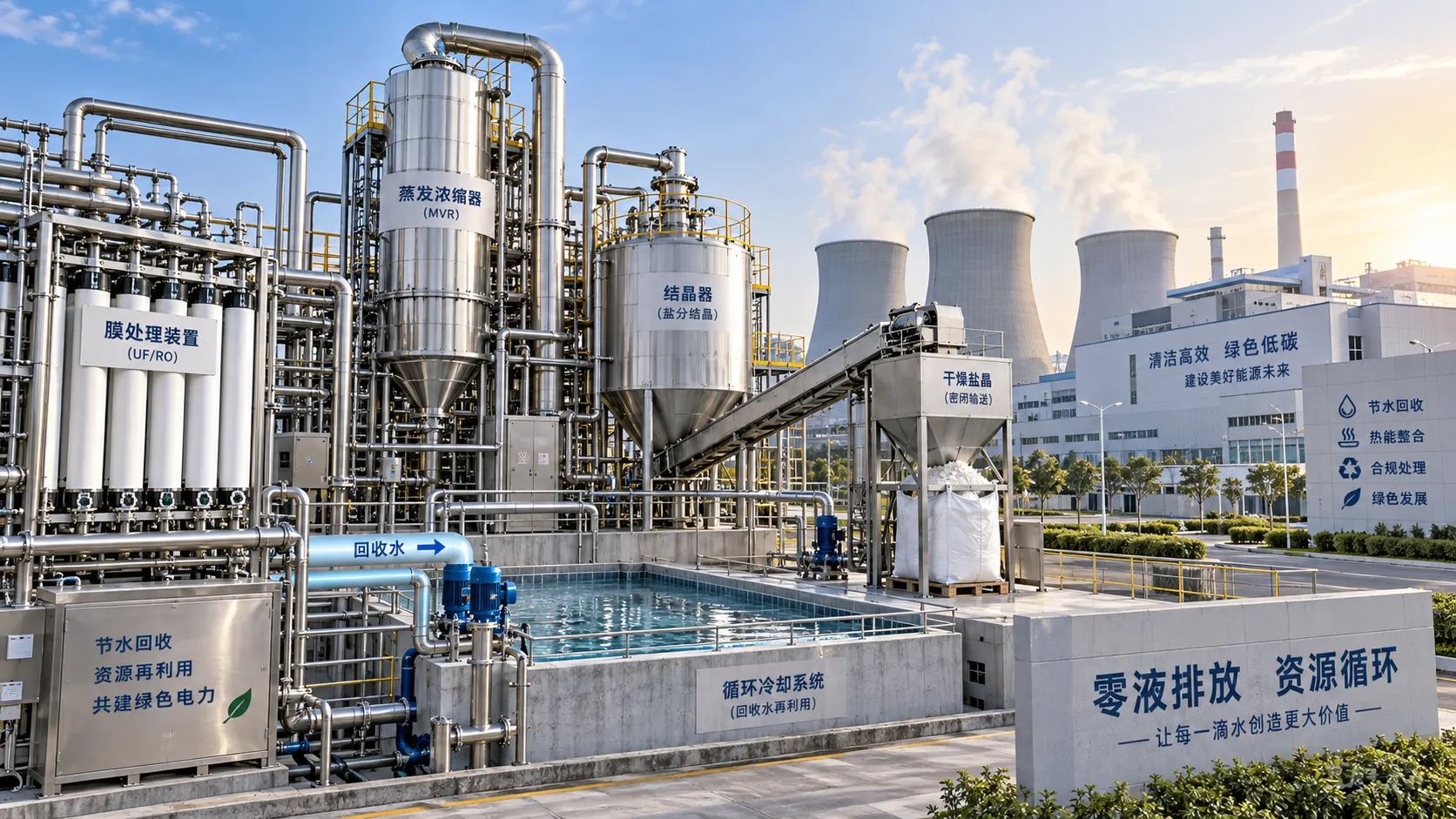
When do ZLD systems for power generation justify their energy use?
ZLD systems for power generation: learn when energy-intensive water recovery delivers stronger compliance, resilience, and long-term value.
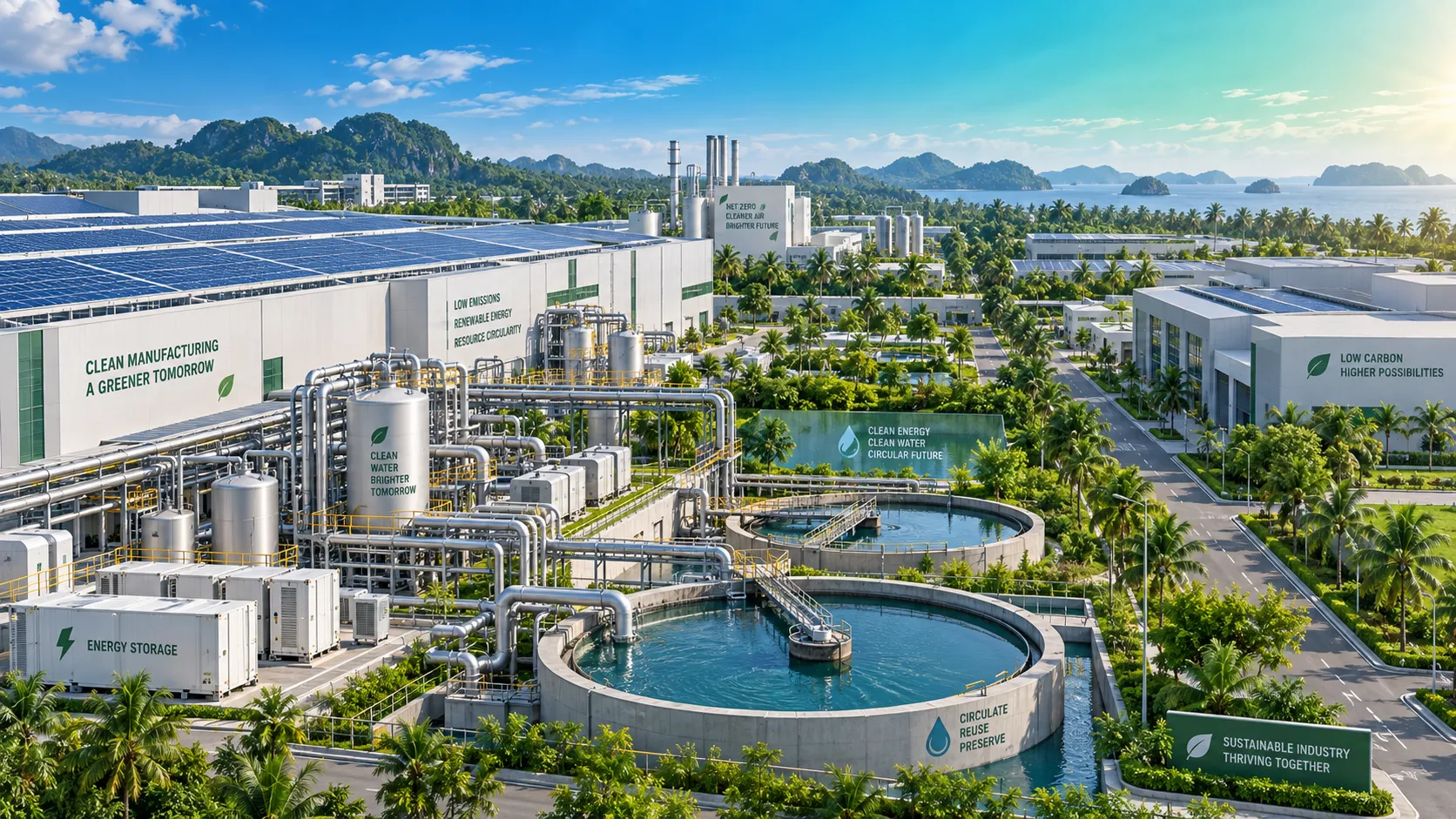
Which decarbonization pathways are most viable in Southeast Asia?
Decarbonization Southeast Asia: discover practical pathways for clean power, efficiency, electrification, circular recovery, and resilient industrial growth.
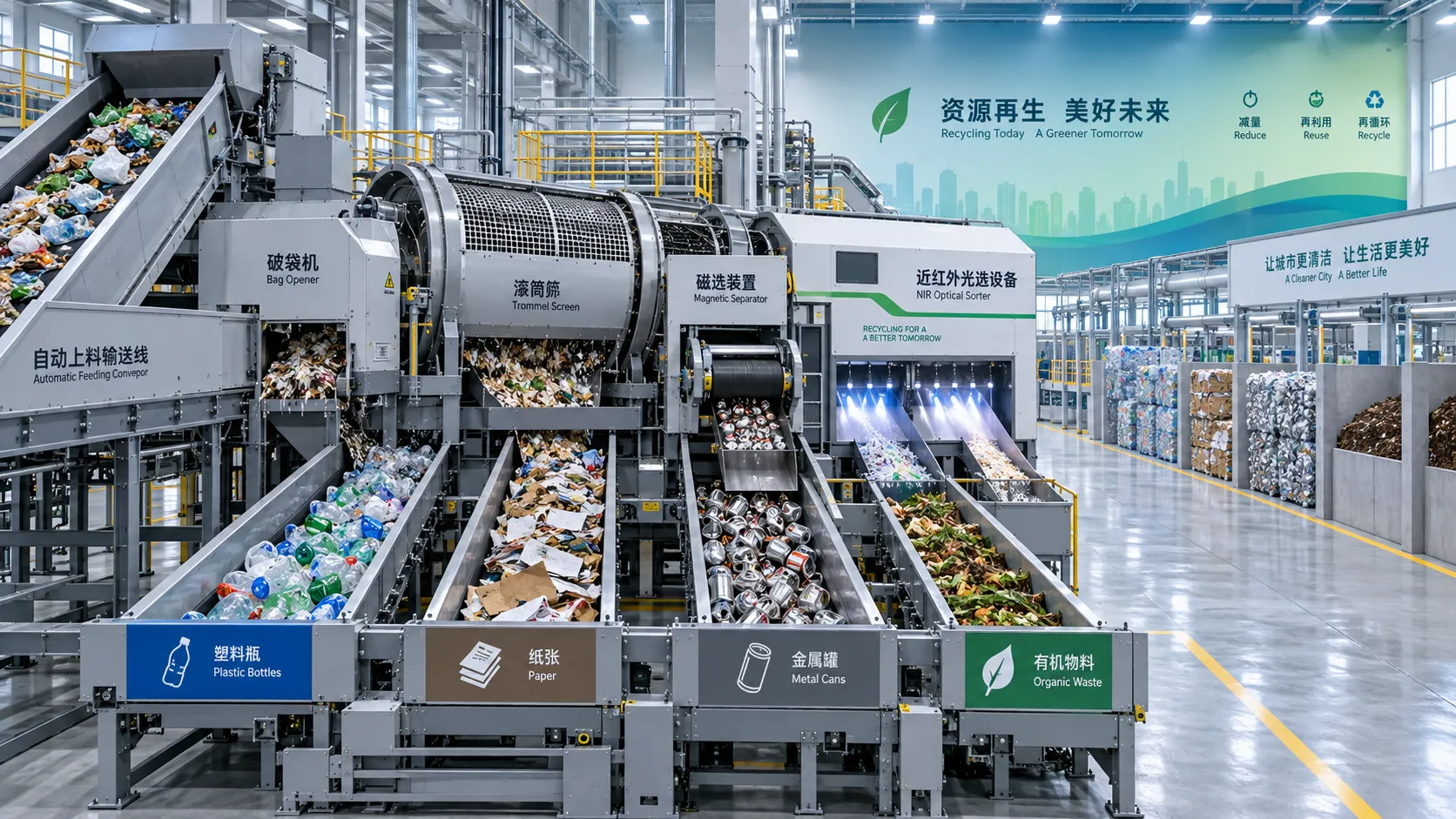
How to choose waste sorting equipment for mixed municipal waste
Waste sorting equipment selection guide for mixed municipal waste: compare technologies, improve recovery, reduce downtime, and build reliable output streams.
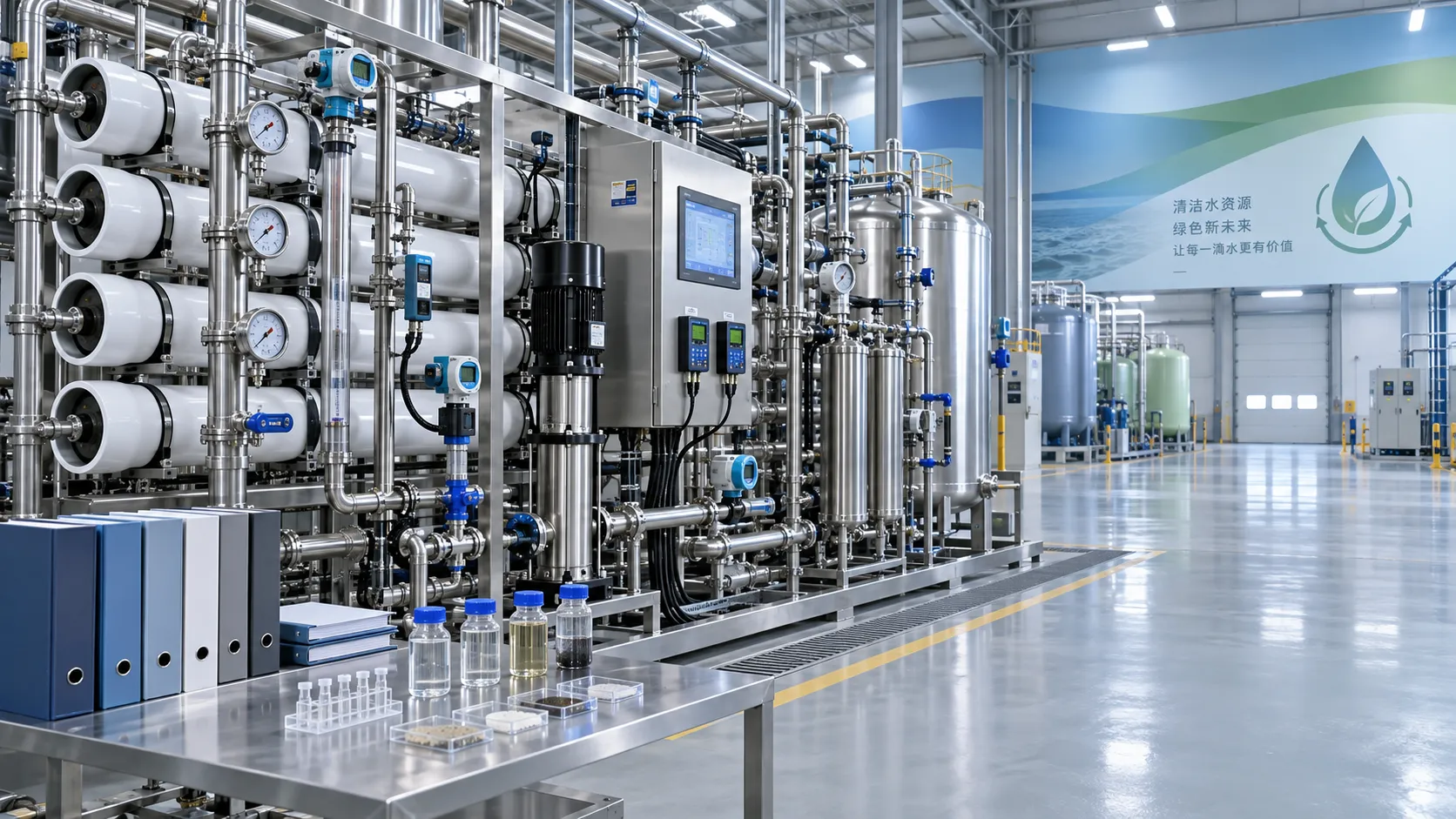
How to verify standards in an environmental equipment directory
environmental equipment directory standards reference: learn to verify certifications, performance evidence, scope, and project fit for confident, compliant equipment selection.
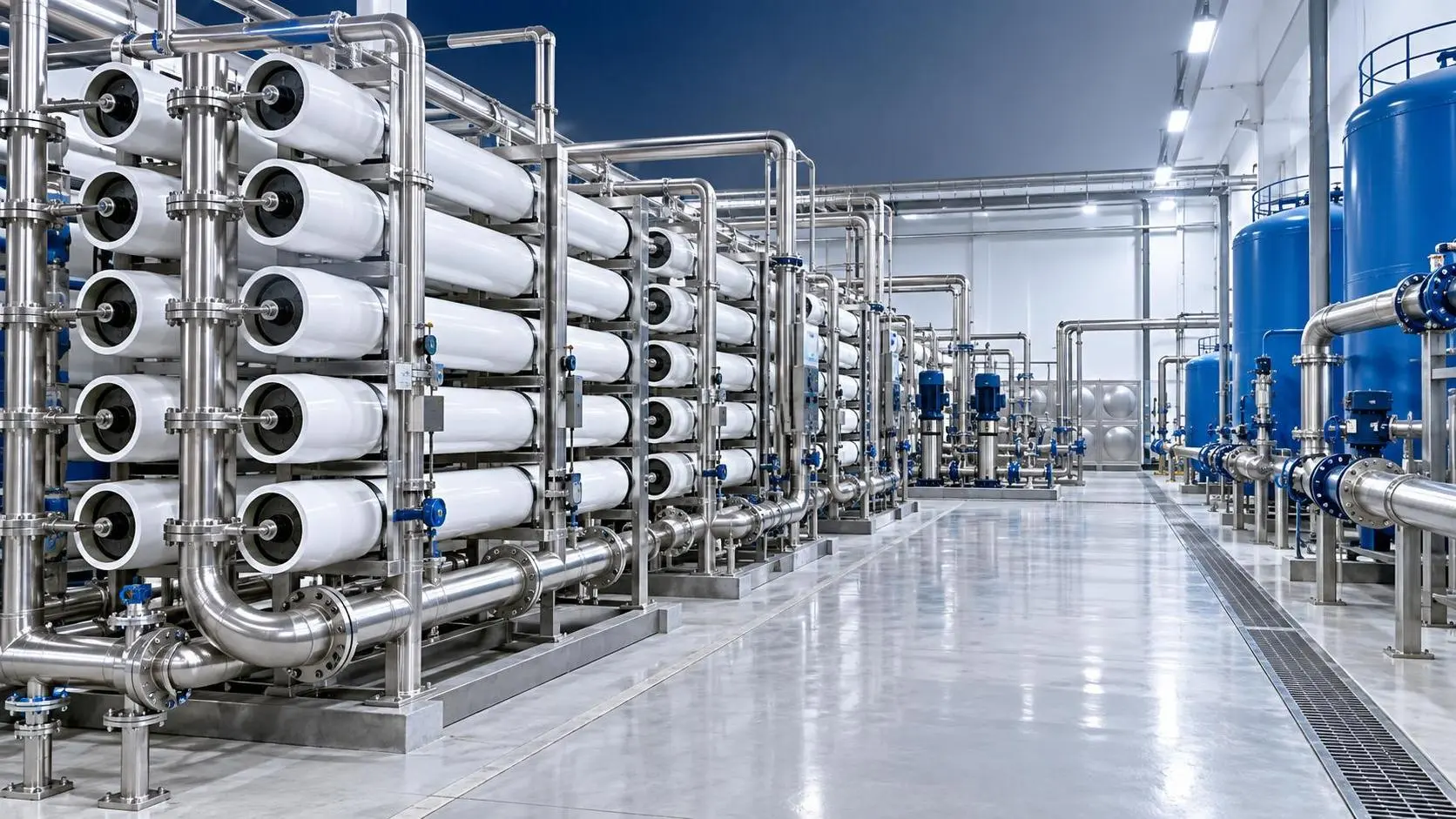
When high flux membrane water treatment justifies a larger footprint
High flux membrane water treatment can justify a larger footprint when variable feedwater, fouling risk, and uptime demands require resilient, lower-flux operation.
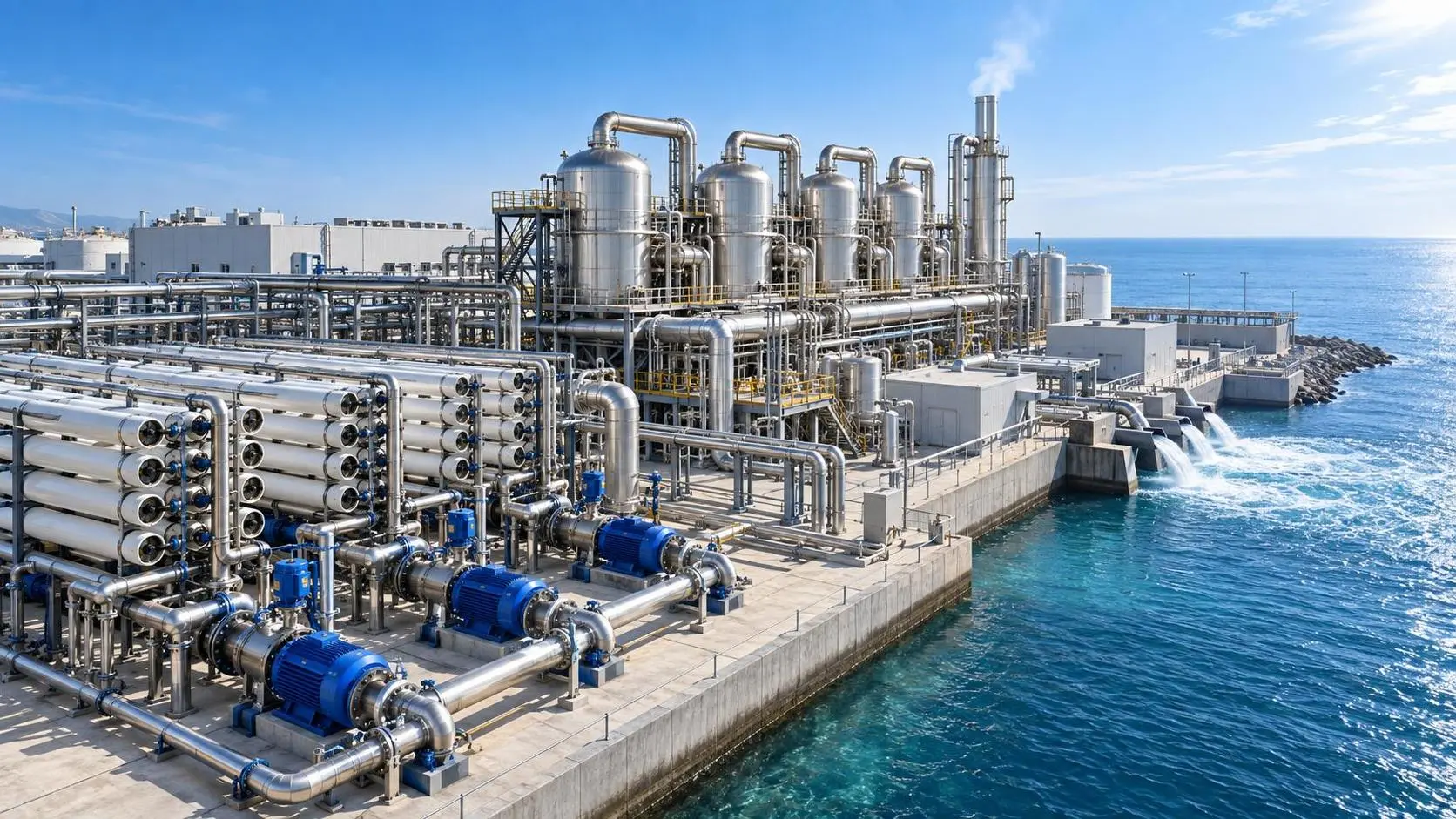
RO vs MED desalination: which is more energy-efficient at scale?
Desalination technology comparison: RO vs MED at scale. See how energy use, waste heat, feedwater, carbon, and flexibility determine the best choice.