
Industry News
Curation by industry experts
Hot Articles
Popular Tags
Reverse Osmosis Desalination: How to Cut Energy Use Without Losing Output
Reverse Osmosis Desalination Under Real Operating Pressure
Reverse osmosis desalination is no longer judged only by how much freshwater it can produce. In utility-scale plants, the real question is whether the system can hold output while energy prices, intake variability, and compliance pressure keep changing.
That shift matters across the wider environmental equipment landscape. ESD’s work around seawater desalination, large water treatment, and resource recovery shows a common pattern: technical decisions are now shaped by power intensity, membrane life, and operating stability at the same time.
In practice, reverse osmosis desalination becomes a balancing act. Too much pressure lifts power use. Too little pretreatment raises fouling risk. A system that looks efficient on paper can still miss its target if feedwater quality changes faster than the control logic can respond.
Why the same design behaves differently on different sites
No two desalination sites face the same combination of seawater salinity, temperature swing, organic load, and downtime tolerance. That is why reverse osmosis desalination should be judged by site behavior, not by a single design number.
A coastal industrial park may care most about stable recovery and short maintenance windows. A municipal supply project may focus more on year-round uptime and predictable unit cost. A remote island plant may accept lower flexibility if energy recovery and automation reduce staffing burden.
The most common misstep is treating membrane choice as the only performance lever. In reality, pretreatment, pressure control, cleaning strategy, and energy recovery devices often decide whether the plant can keep output steady without paying for it in extra kilowatt-hours.
Where energy savings usually come from
In reverse osmosis desalination, lower energy use rarely comes from a single upgrade. It usually comes from removing small inefficiencies that add up across the train.
- Match membrane permeability to feedwater conditions, not only to peak output targets.
- Use pretreatment that keeps fouling under control without creating unnecessary pressure loss.
- Keep high-pressure pumps within an efficient operating zone, especially under part-load conditions.
- Recover energy from brine streams where feed stability supports it.
These levers matter even more in large systems, where a small efficiency gain can translate into major annual savings. ESD’s intelligence on SWRO membrane behavior and control strategy reflects the same point: the best-performing plants are usually the ones that reduce waste at several points, not only at the pump.
What different project types care about most
The right operating target changes with the project’s role in the wider water system. A comparison helps clarify the tradeoffs.
The table is useful because it shows why reverse osmosis desalination cannot be standardized too early. A design that is ideal for one plant may be too rigid, too power-hungry, or too maintenance-heavy for another.
How to judge whether a system is truly efficient
A plant should be assessed on operating behavior over time, not just on commissioning data. The most useful checks are simple, but they need to be read together.
- Track specific energy consumption under different seasons, not only at nominal load.
- Watch how recovery rate changes when feedwater quality drifts.
- Compare cleaning frequency with membrane performance decay.
- Check whether pressure settings leave enough margin for fouling and temperature shifts.
This is where many projects misread their own numbers. A lower initial energy reading can hide unstable output, while an aggressive recovery target can shorten membrane life and increase cleaning cycles. Reverse osmosis desalination works best when efficiency is measured across the full operating year.
Common mistakes that quietly raise operating cost
One frequent mistake is over-optimizing the membrane train and underestimating pretreatment. When suspended solids, biofouling, or seasonal seawater changes are not controlled early, the system pays later through higher pressure demand and shorter service life.
Another mistake is treating energy recovery as a universal fix. It helps, but only when the process is stable enough to support it. If intake conditions vary sharply, the control strategy matters as much as the device itself.
A third blind spot is lifecycle planning. Membrane replacement, chemical cleaning, downtime risk, and staffing constraints often cost more than the initial efficiency gap people focus on during design review.
What a practical next step looks like
For reverse osmosis desalination, the best next step is to map the site conditions that actually drive energy use: intake quality, load pattern, recovery target, and maintenance window. From there, membrane selection and pressure control become easier to judge.
It also helps to compare the design against similar projects in the same climate and operating regime. ESD’s broader focus on desalination, water treatment, and compliance-driven equipment strategy points to the same conclusion: the winning solution is usually the one that fits the site’s operating reality, not the one with the most impressive single metric.
When the project team can link energy use, output stability, and membrane health in one view, reverse osmosis desalination becomes much easier to optimize. That is the point where cost control stops fighting performance and starts supporting it.
Recommended News
When does MBR equipment make sense for wastewater reuse?
Water treatment equipment for wastewater reuse: learn when MBR delivers compact, reliable low-solids effluent—and when alternative treatment trains offer better value.
How North America shapes global environmental governance standards
Global environmental governance North America: discover how regulation, finance, and procurement raise worldwide standards and reshape environmental projects.
How reactor capacity affects throughput in pyrolysis systems
Pyrolysis systems reactor capacity explained: learn how heat transfer, residence time, feed quality, and emissions controls determine reliable throughput.
When low-temperature reaction equipment is the right fit for heat-sensitive processes
Low-temperature reaction equipment helps protect heat-sensitive streams, improve energy integration, and maintain reliable conversion. Explore key selection factors today.
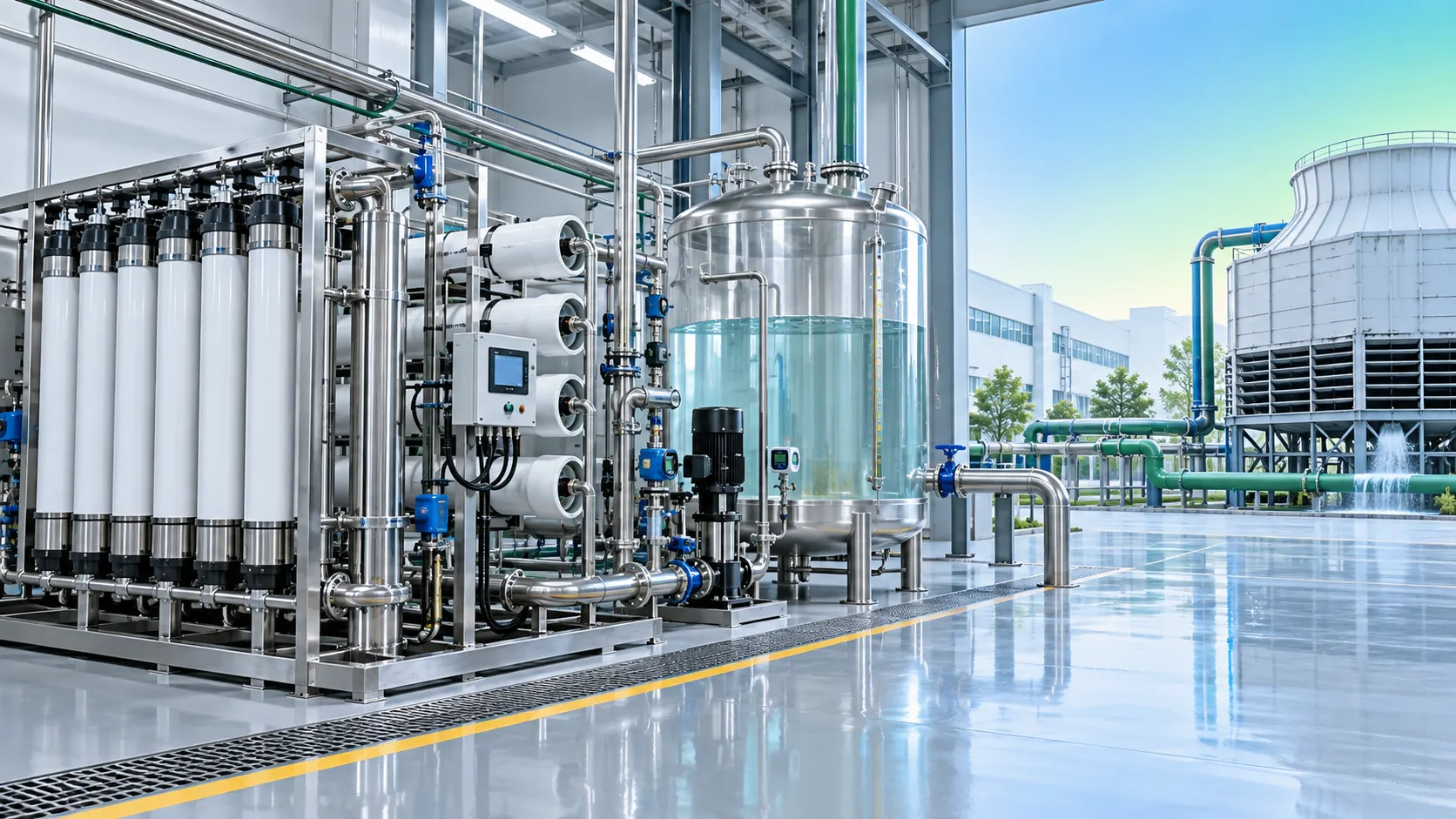
When do water reuse systems deliver a practical payback?
Water reuse systems deliver practical payback when they cut water, discharge, and downtime costs. Learn how to match treatment, recovery, and reuse quality for lasting ROI.
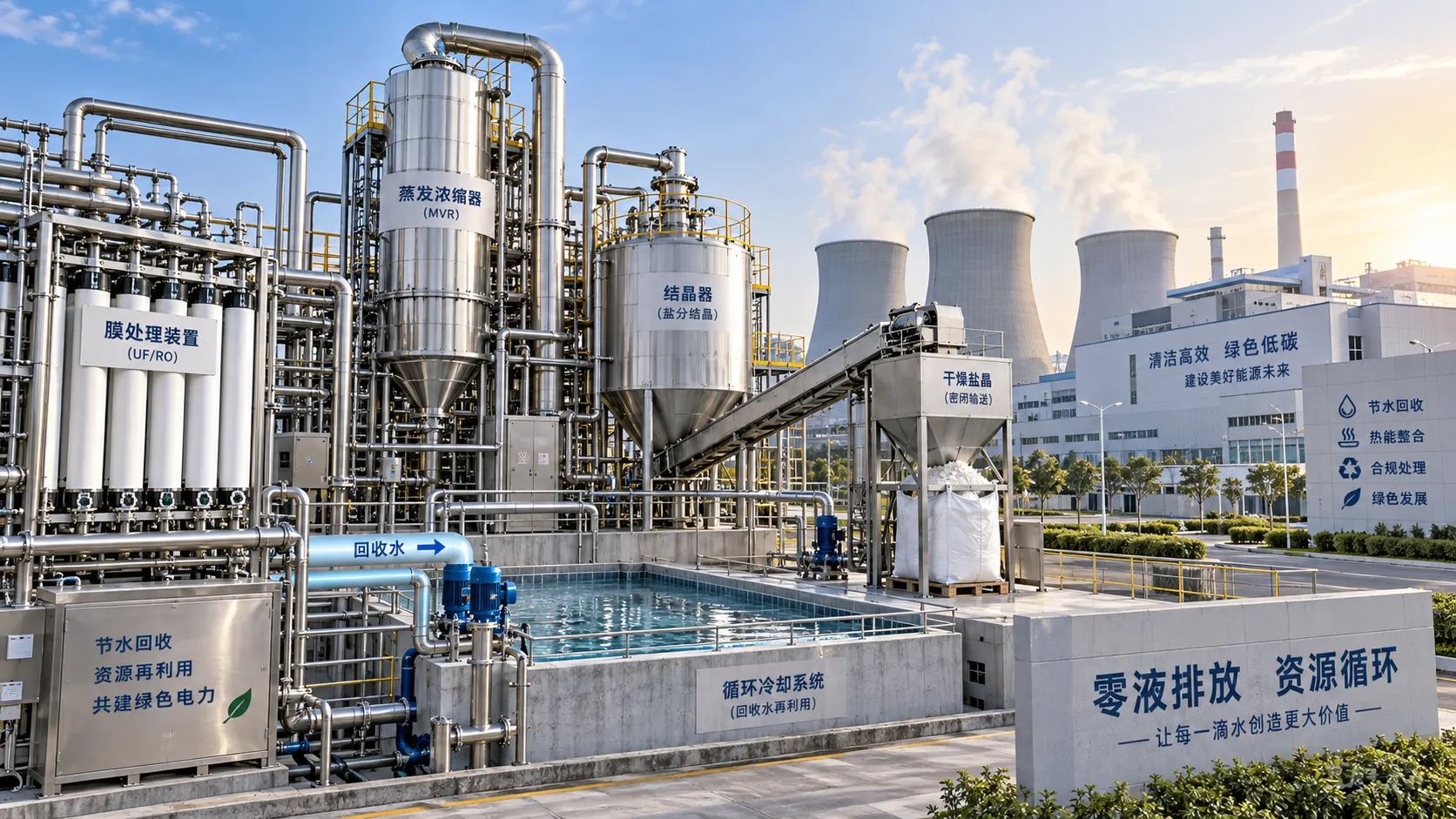
When do ZLD systems for power generation justify their energy use?
ZLD systems for power generation: learn when energy-intensive water recovery delivers stronger compliance, resilience, and long-term value.
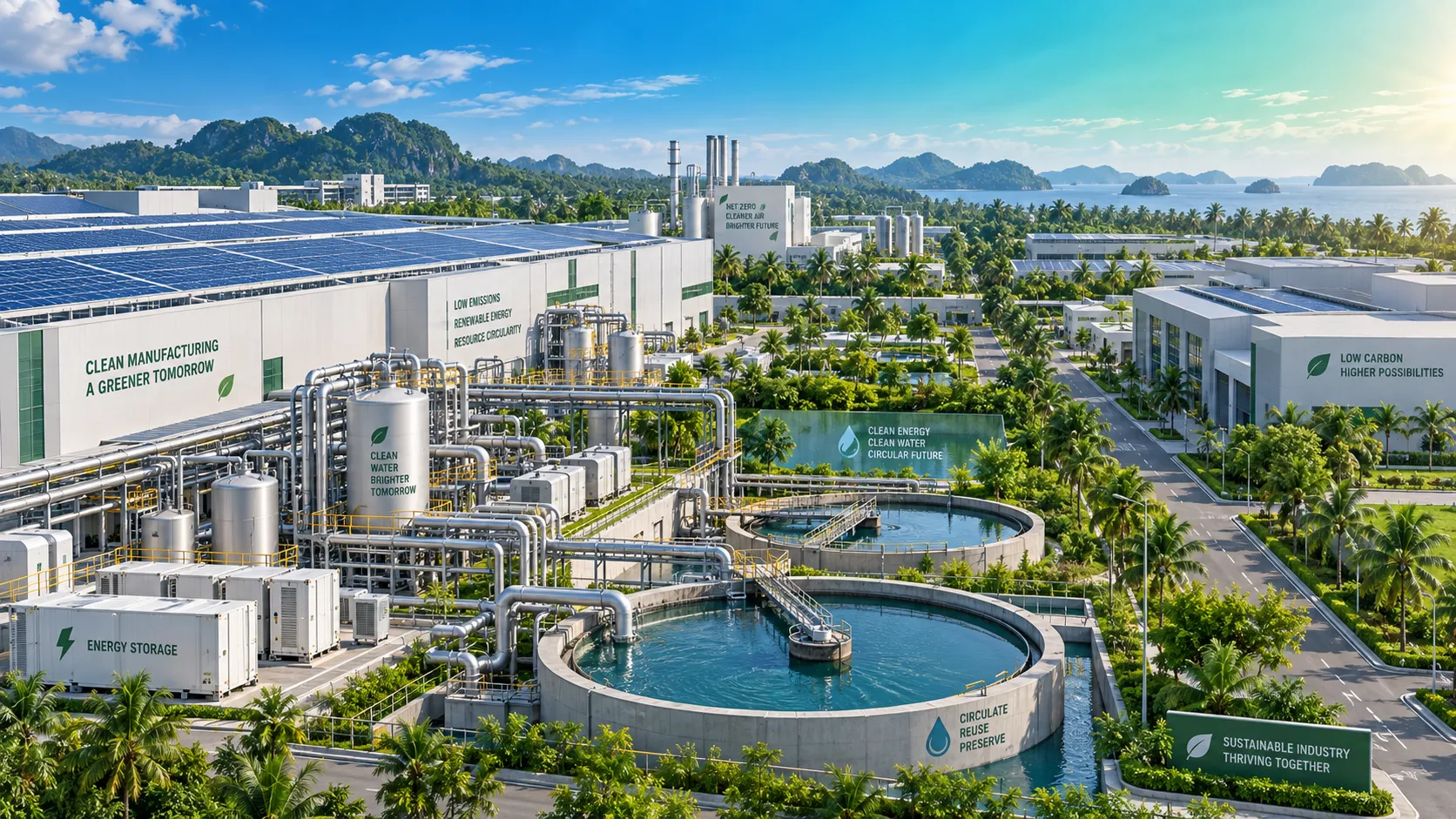
Which decarbonization pathways are most viable in Southeast Asia?
Decarbonization Southeast Asia: discover practical pathways for clean power, efficiency, electrification, circular recovery, and resilient industrial growth.
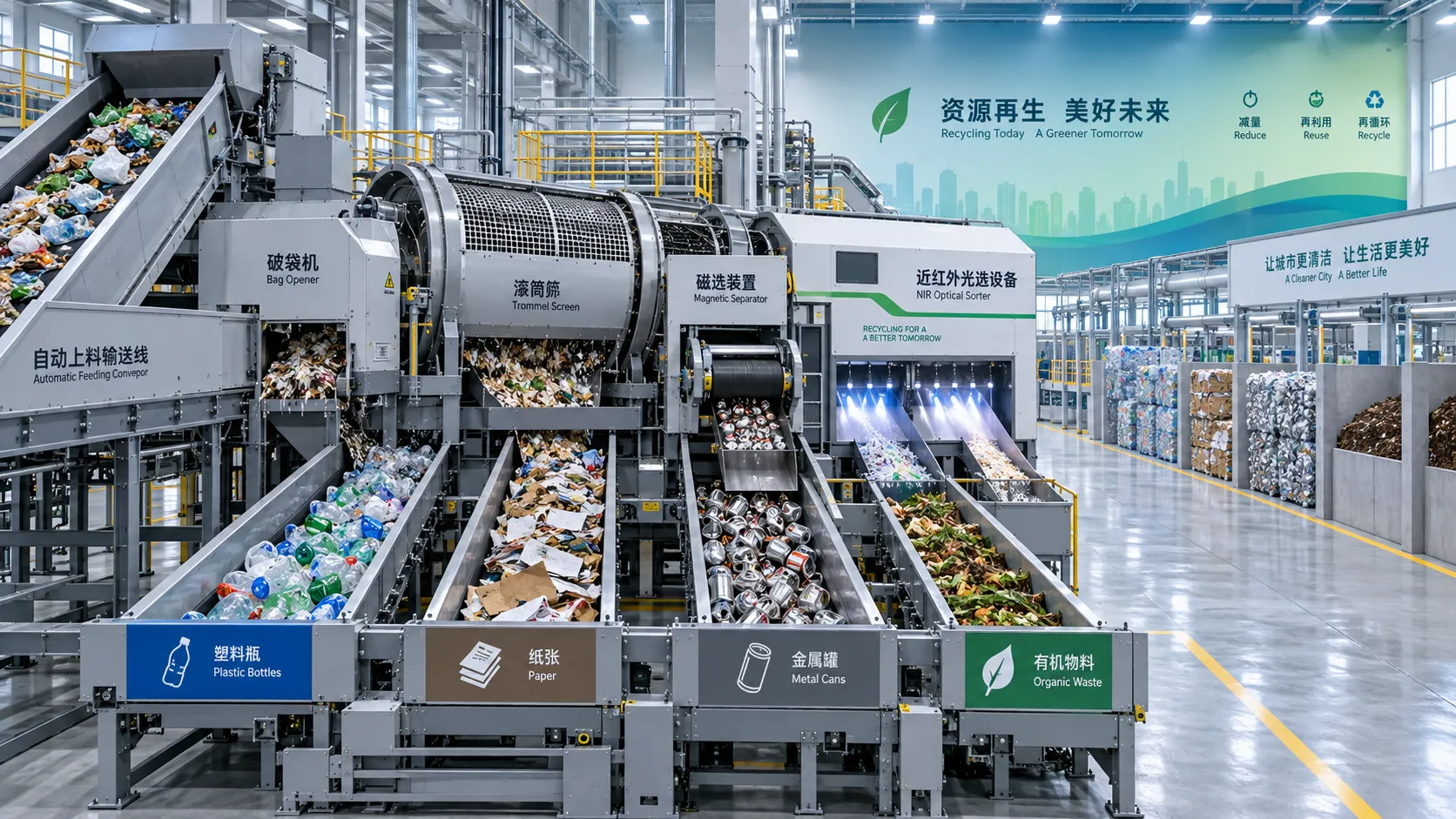
How to choose waste sorting equipment for mixed municipal waste
Waste sorting equipment selection guide for mixed municipal waste: compare technologies, improve recovery, reduce downtime, and build reliable output streams.
How to verify standards in an environmental equipment directory
environmental equipment directory standards reference: learn to verify certifications, performance evidence, scope, and project fit for confident, compliant equipment selection.