
Industry News
Curation by industry experts
Hot Articles
Popular Tags
Radioactive Waste Management Systems: Key Safety Checks Before Selection
Selecting radioactive waste management systems is rarely a routine equipment decision. For quality and safety control teams, the real challenge is not only handling radioactive material, but proving that the full chain remains stable under daily operations, abnormal events, and long-term compliance review. That is why the most useful selection process starts with safety checks, not catalog comparisons. When containment, shielding, monitoring, and lifecycle handling are tested early, radioactive waste management systems become a controlled risk layer rather than a hidden liability.
Why selection starts with safety verification
In industrial ecosystems, radioactive waste rarely appears in isolation. It may come from power generation, medical facilities, laboratory operations, decommissioning work, or specialist manufacturing. Each setting has different waste forms, exposure patterns, and storage durations. A system that looks suitable on paper can still fail if its design does not match the actual waste profile.
This is where radioactive waste management systems deserve careful review. The issue is not only removal or storage. It is the ability to maintain a stable safety boundary over time, especially when waste characterization changes, transport schedules shift, or regulatory expectations tighten.
ESD’s broader focus on high-stakes environmental governance makes this topic especially relevant. The same discipline used to evaluate ZLD water treatment, flue gas control, or vitrification stability also applies here: verify the physics, verify the monitoring, and verify the compliance path before committing.
Containment integrity is the first non-negotiable check
The core purpose of radioactive waste management systems is to keep radionuclides isolated from workers, equipment, and the environment. That sounds simple, but in practice it depends on multiple layers: primary containers, secondary barriers, seals, transfer interfaces, and corrosion resistance.
When reviewing options, it helps to ask whether the system can contain the expected waste chemistry, not just the radioactivity level. Moisture, acid content, particulate load, and heat generation all affect integrity. If the waste stream may evolve, the containment design should tolerate that shift without creating leak paths.
- Check weld quality, seal durability, and closure repeatability.
- Confirm compatibility with corrosion, temperature, and gas generation.
- Review how the system behaves during handling, transfer, and temporary storage.
If containment is weak, every later safeguard becomes more expensive and less effective.
Shielding performance should match real exposure conditions
Radiation shielding is often discussed as a material specification, but selection should be based on the actual workflow. Mobile handling, buffered storage, and fixed vaults all create different exposure geometries. A system that performs well in one layout may leave gaps in another.
Shielding checks should cover expected dose rates, occupancy patterns, and access frequency. In mixed-use facilities, the best radioactive waste management systems are those that reduce exposure without making inspection or maintenance impractical. Over-engineered shielding can slow operations, but under-engineered shielding creates a direct safety problem.
For high-compliance environments, it is also worth verifying whether the shielding design remains effective as containers age, load patterns change, or adjacent systems are upgraded. A stable dose profile is often a sign that the system is truly integrated, not just isolated.
Monitoring reliability turns protection into proof
No safety system is complete without evidence. That is why monitoring is one of the most important selection criteria for radioactive waste management systems. Reliable monitoring does more than display numbers. It shows whether conditions are still inside the safe operating envelope.
Useful checks include radiation sensors, leak detection, temperature tracking, alarm logic, data retention, and calibration access. The question is not whether a system has instruments installed, but whether those instruments produce stable, auditable data under real operating conditions.
In practice, monitoring should support three decisions: whether to continue operation, whether to isolate a component, and whether to escalate to emergency response. If those decisions are not clear, the monitoring layer is too weak for serious use.
A simple review table for decision screening
Regulatory fit matters as much as technical fit
One of the most common mistakes in selecting radioactive waste management systems is focusing on performance first and compliance later. In reality, the system must fit waste classification rules, transport requirements, recordkeeping expectations, and site-specific permit conditions from the start.
This is especially important in cross-border or multi-site operations, where standards may differ across jurisdictions. A technically strong system can still become a poor choice if it creates gaps in documentation, inspection access, or approved handling procedures.
ESD’s intelligence perspective is useful here because environmental compliance is no longer static. Regulations around traceability, emissions, and life-cycle responsibility continue to tighten, and radioactive waste programs must stay ahead of that curve.
Lifecycle handling is where many risks reappear
A system can pass acceptance testing and still fail over time if its downstream handling is weak. Waste packaging, interim storage, transfer planning, maintenance intervals, and eventual disposal all influence the actual safety outcome.
This is why lifecycle capability should be part of the selection checklist for radioactive waste management systems. Ask how the system supports segregation, retrievability, inspection, replacement, and emergency isolation. If maintenance requires excessive exposure or frequent manual intervention, operational risk rises quickly.
- Plan for waste growth, not only today’s volume.
- Confirm retrievability for future audits or repackaging.
- Verify maintenance steps do not create avoidable exposure.
What a practical selection process looks like
In actual business use, the best selection process is usually sequential. Start with waste characterization, then test containment and shielding against that profile, and finally validate monitoring, documentation, and lifecycle support. That order reduces surprises and keeps technical, safety, and compliance teams aligned.
For radioactive waste management systems used in broader ecological infrastructure, the logic is similar to other high-reliability environmental equipment. Whether the project involves water treatment, waste recovery, flue gas control, or nuclear support systems, the winning solution is the one that stays predictable under stress.
A good next step is to build a short internal checklist around the five checks: containment, shielding, monitoring, regulatory fit, and lifecycle handling. Once that baseline is clear, comparing vendors or technologies becomes far more objective.
A clearer path to safer decisions
Radioactive waste management systems are not selected for appearance or general capability. They are chosen because they can maintain control where failure is unacceptable. That is why the most useful evaluation is built around safety checks that can be verified, documented, and repeated.
If the next decision requires a shortlist, begin with the waste profile, the exposure scenario, and the compliance context. From there, compare how each system performs under real handling conditions, not just ideal ones. That approach keeps the focus where it belongs: on long-term safety, operational continuity, and environmental protection.
Recommended News

When does MBR equipment make sense for wastewater reuse?
Water treatment equipment for wastewater reuse: learn when MBR delivers compact, reliable low-solids effluent—and when alternative treatment trains offer better value.

How North America shapes global environmental governance standards
Global environmental governance North America: discover how regulation, finance, and procurement raise worldwide standards and reshape environmental projects.

How reactor capacity affects throughput in pyrolysis systems
Pyrolysis systems reactor capacity explained: learn how heat transfer, residence time, feed quality, and emissions controls determine reliable throughput.

When low-temperature reaction equipment is the right fit for heat-sensitive processes
Low-temperature reaction equipment helps protect heat-sensitive streams, improve energy integration, and maintain reliable conversion. Explore key selection factors today.

When do water reuse systems deliver a practical payback?
Water reuse systems deliver practical payback when they cut water, discharge, and downtime costs. Learn how to match treatment, recovery, and reuse quality for lasting ROI.
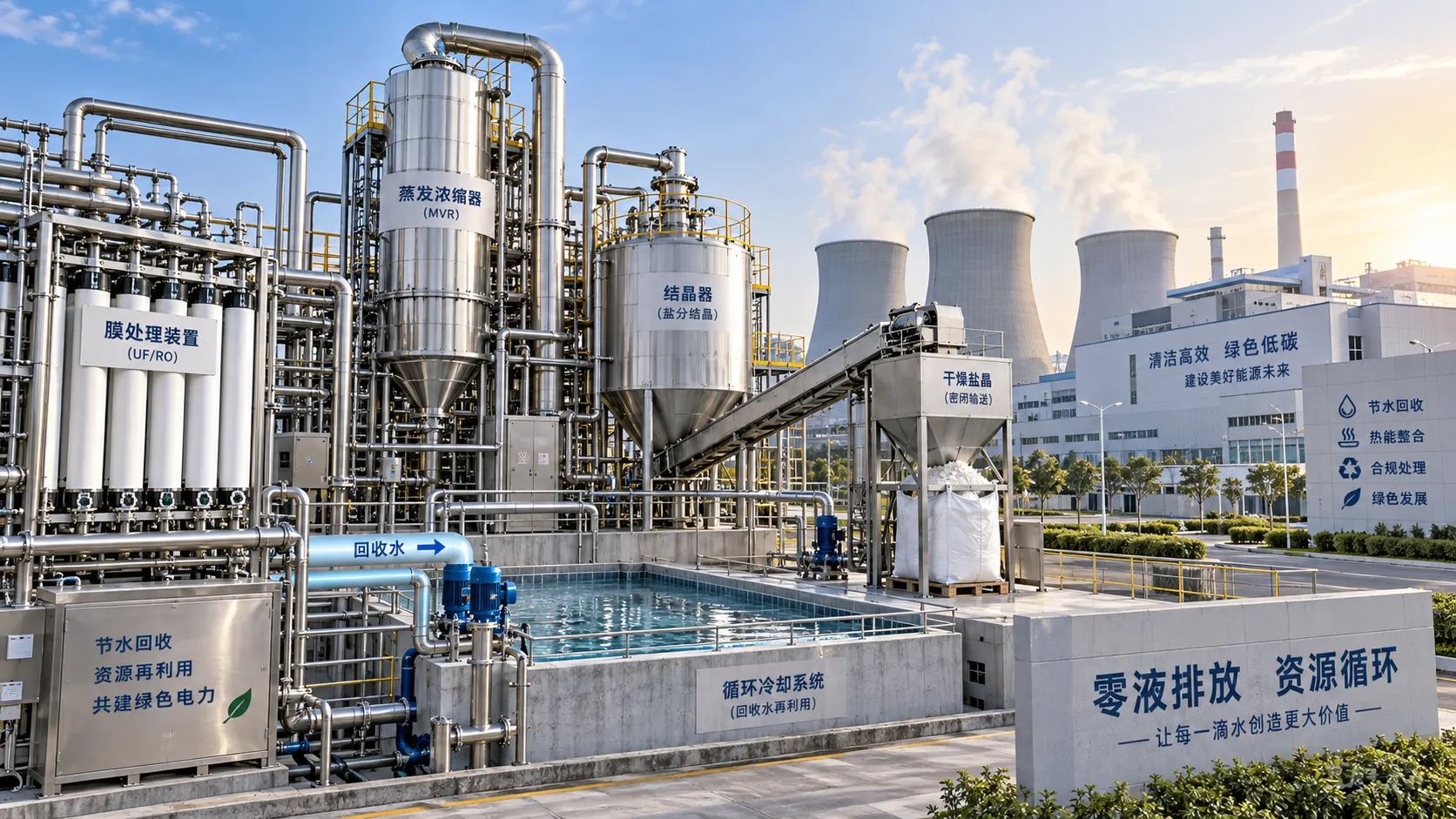
When do ZLD systems for power generation justify their energy use?
ZLD systems for power generation: learn when energy-intensive water recovery delivers stronger compliance, resilience, and long-term value.

Which decarbonization pathways are most viable in Southeast Asia?
Decarbonization Southeast Asia: discover practical pathways for clean power, efficiency, electrification, circular recovery, and resilient industrial growth.
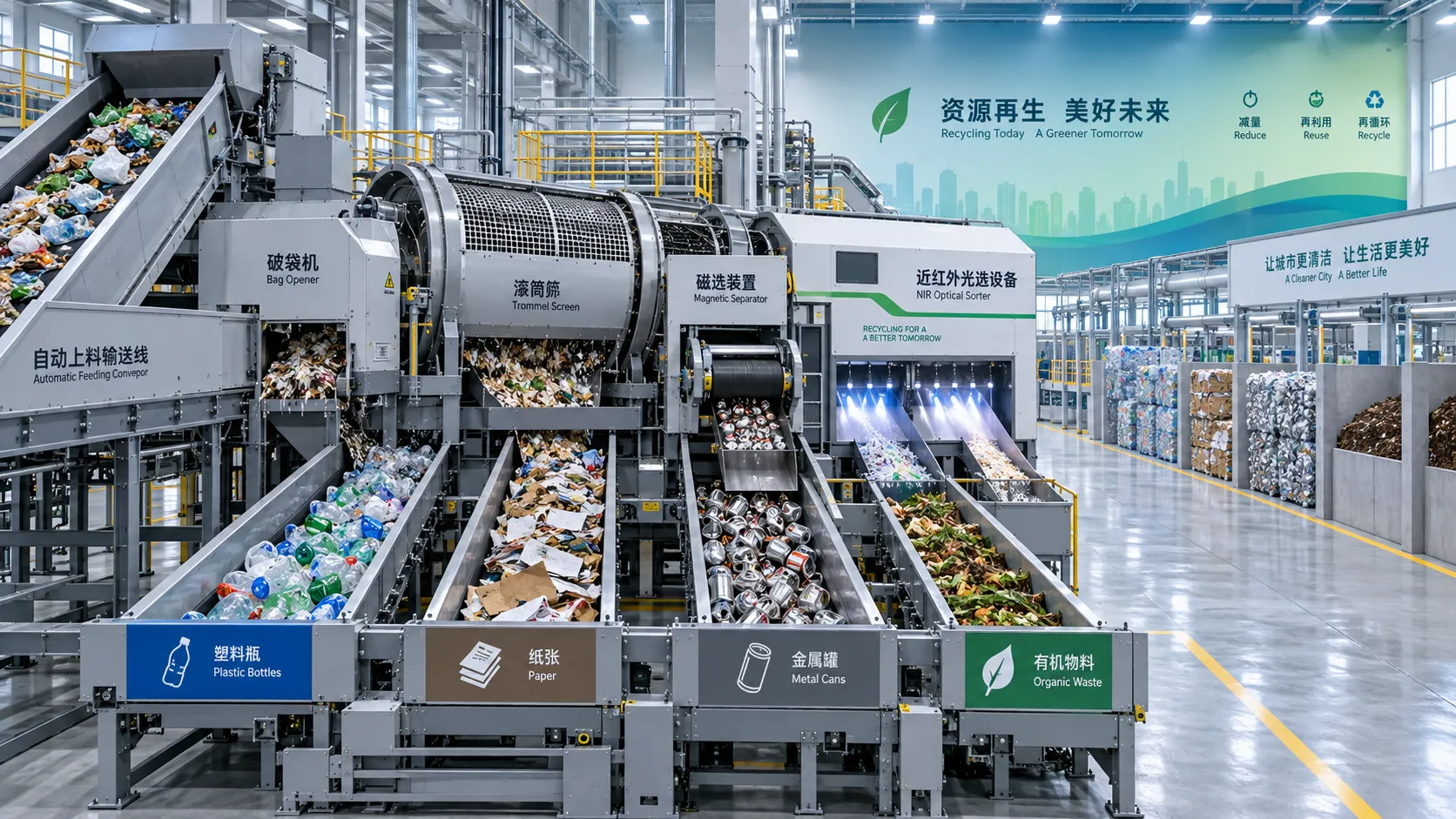
How to choose waste sorting equipment for mixed municipal waste
Waste sorting equipment selection guide for mixed municipal waste: compare technologies, improve recovery, reduce downtime, and build reliable output streams.

How to verify standards in an environmental equipment directory
environmental equipment directory standards reference: learn to verify certifications, performance evidence, scope, and project fit for confident, compliant equipment selection.