
Industry News
Curation by industry experts
Hot Articles
Popular Tags
Waste-to-Resource Models: Where the Best Cost Gains Come From
Waste-to-Resource Is Moving From Side Project to Margin Strategy
Waste-to-resource is no longer a back-end compliance task. It is becoming a front-end cost strategy, especially where water treatment, solid waste recovery, desalination, and industrial environmental systems meet tighter regulation and higher energy pressure.
The shift is easy to miss at first. Disposal costs rise slowly, while recovered water, metals, salts, heat, and secondary materials often enter the balance sheet in small steps. Yet those steps now add up. The strongest cost gains are coming from models that treat waste streams as asset streams, not residual burdens.
That is why ESD’s broader focus on large water treatment plants, solid waste recovery, desalination, and nuclear waste management matters. The common thread is not only purification. It is closed-loop value capture, where environmental systems are judged by how much recoverable output they can retain under compliance constraints.
The Change Is Happening Because Waste Has Become More Expensive to Ignore
Three pressure points are making waste-to-resource models more attractive. The first is regulation. CBAM-style carbon accounting, discharge limits, landfill restrictions, and hazardous waste traceability all raise the real cost of simply moving waste out of sight.
The second is resource volatility. Industrial buyers are seeing unstable prices for virgin materials, energy, and chemicals. In that environment, recovered output is valuable not because it is perfect, but because it is predictable.
The third is technology maturity. AI sorting, membrane upgrades, pyrolysis optimization, brine concentration, and better vitrification control are turning once-low-yield waste streams into usable feeds or saleable byproducts. The economics are changing faster than the old waste hierarchy suggests.
Where the Best Returns Usually Appear First
Not every waste stream produces the same return. In practice, the fastest gains appear where disposal fees are high, recovered material has a clear downstream use, and process stability is good enough to support consistent output.
In large water treatment, the strongest case often comes from ZLD-linked recovery. Brine, sludge, and concentrate are no longer just treatment tails. They can carry salts, reusable water fractions, and even metals that reduce purchasing or disposal pressure.
In solid waste recovery, the highest-value gains usually come from better sorting before any thermal or chemical process begins. AI sorting lines improve purity, and purity improves resale value. That is a direct cost equation, not a sustainability slogan.
Desalination creates a different pattern. The best gains do not always come from water alone. They often come from energy recovery, membrane life extension, and brine utilization, especially where industrial parks or coastal clusters can share infrastructure.
A simple rule helps here
- High disposal cost plus stable composition usually supports recovery investment.
- Low purity plus weak downstream demand usually pushes the project back toward compliance-only economics.
- Shared utilities and clustered industrial sites improve payback by spreading capex.
- Energy recovery matters more when electricity and heat prices are volatile.
The Market Impact Is Broader Than Equipment Replacement
What changes most is not a single machine, but the design logic around it. Waste-to-resource models push teams to reconsider how streams are separated, monitored, buffered, and monetized. That affects plant layout, OPEX planning, maintenance cycles, and contract structures.
For water systems, it increases attention on concentrate handling, reuse corridors, and chemical optimization. For recovery systems, it increases demand for sorting accuracy, thermal efficiency, and product-spec consistency. For desalination, it raises the value of auxiliary recovery and uptime. For nuclear waste management, it reinforces the premium on containment, vitrification stability, and long-term handling logic.
ESD’s intelligence view is useful here because the same market signal appears across different domains: environmental performance is being judged less by input purity alone and more by closed-loop output quality. That shifts competitive advantage toward operators that can prove resource recovery, not just waste removal.
What to Watch Before Committing Capital
The main mistake is assuming every waste stream deserves a recovery line. Some do. Some do not. The decision should be anchored in a few signals that are easy to test early.
- How stable is the waste composition across seasons and operating loads?
- What fraction of the stream can be upgraded into a reusable or sellable output?
- How sensitive is the business case to energy price, reagent cost, and transport distance?
- Does the recovered product meet a real downstream specification, or only an internal target?
- Will future compliance rules increase the value of recovery, or make the process more complex?
These questions matter because the best cost gains usually come from systems with repeatable streams and measurable outputs. Where variability is too high, modular recovery works better than large fixed infrastructure.
The Next Phase Will Reward Smarter Closed Loops
The direction is clear: waste-to-resource is moving from an environmental add-on to a core operating model. The companies gaining the most are not only cutting disposal cost. They are learning how to keep value inside the system longer.
That means the next round of advantage will likely come from three moves: improving stream visibility, matching recovery methods to actual downstream demand, and linking recovery performance to compliance reporting from the start. In sectors shaped by water stress, circular economy rules, and carbon constraints, those moves are increasingly hard to separate.
The practical response is to review current waste streams one by one, identify where recovery already has a market, and test which streams can support a phased upgrade. The earlier the analysis starts, the easier it is to capture margin before disposal costs do it first.
Recommended News
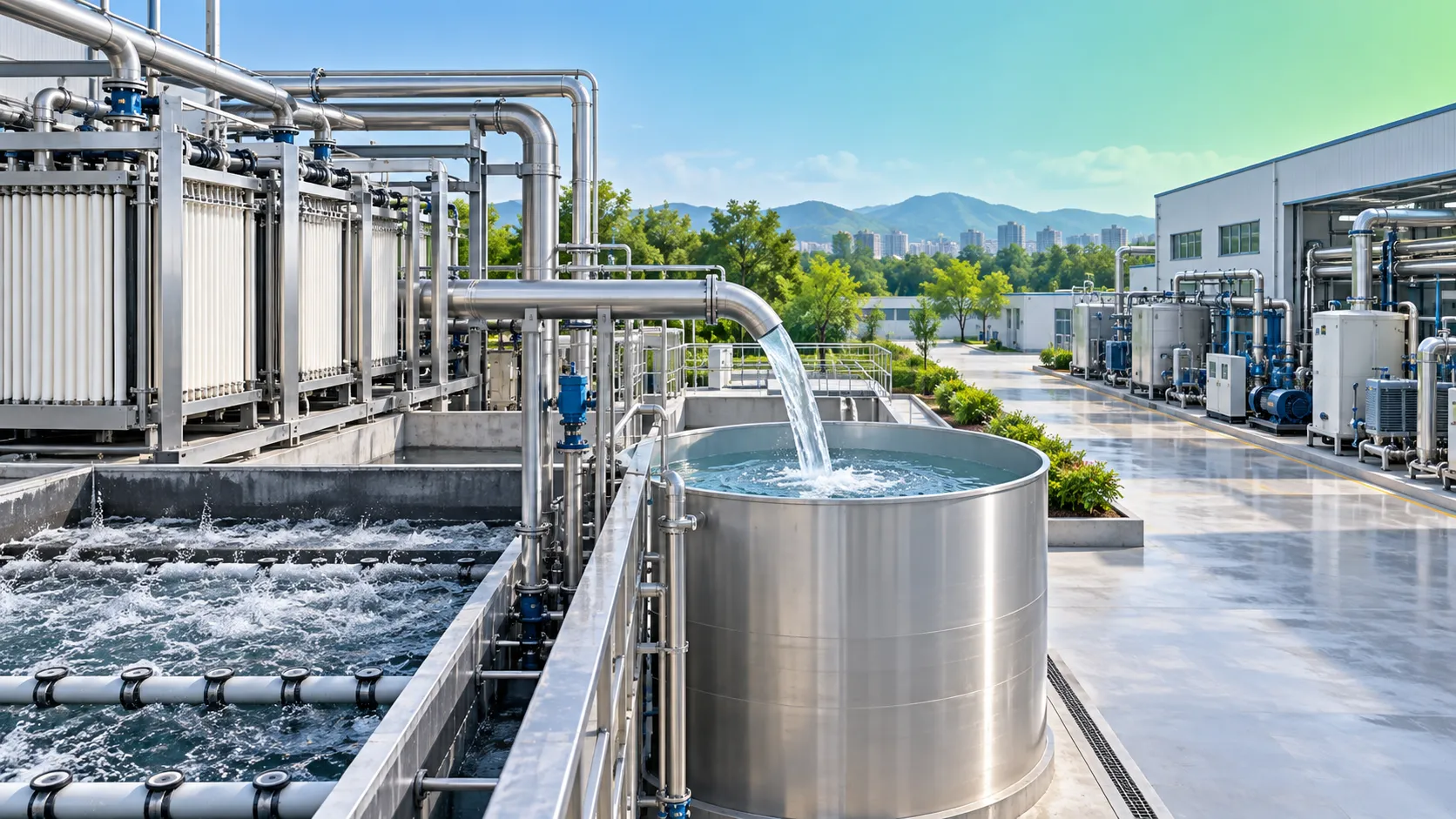
When does MBR equipment make sense for wastewater reuse?
Water treatment equipment for wastewater reuse: learn when MBR delivers compact, reliable low-solids effluent—and when alternative treatment trains offer better value.
How North America shapes global environmental governance standards
Global environmental governance North America: discover how regulation, finance, and procurement raise worldwide standards and reshape environmental projects.
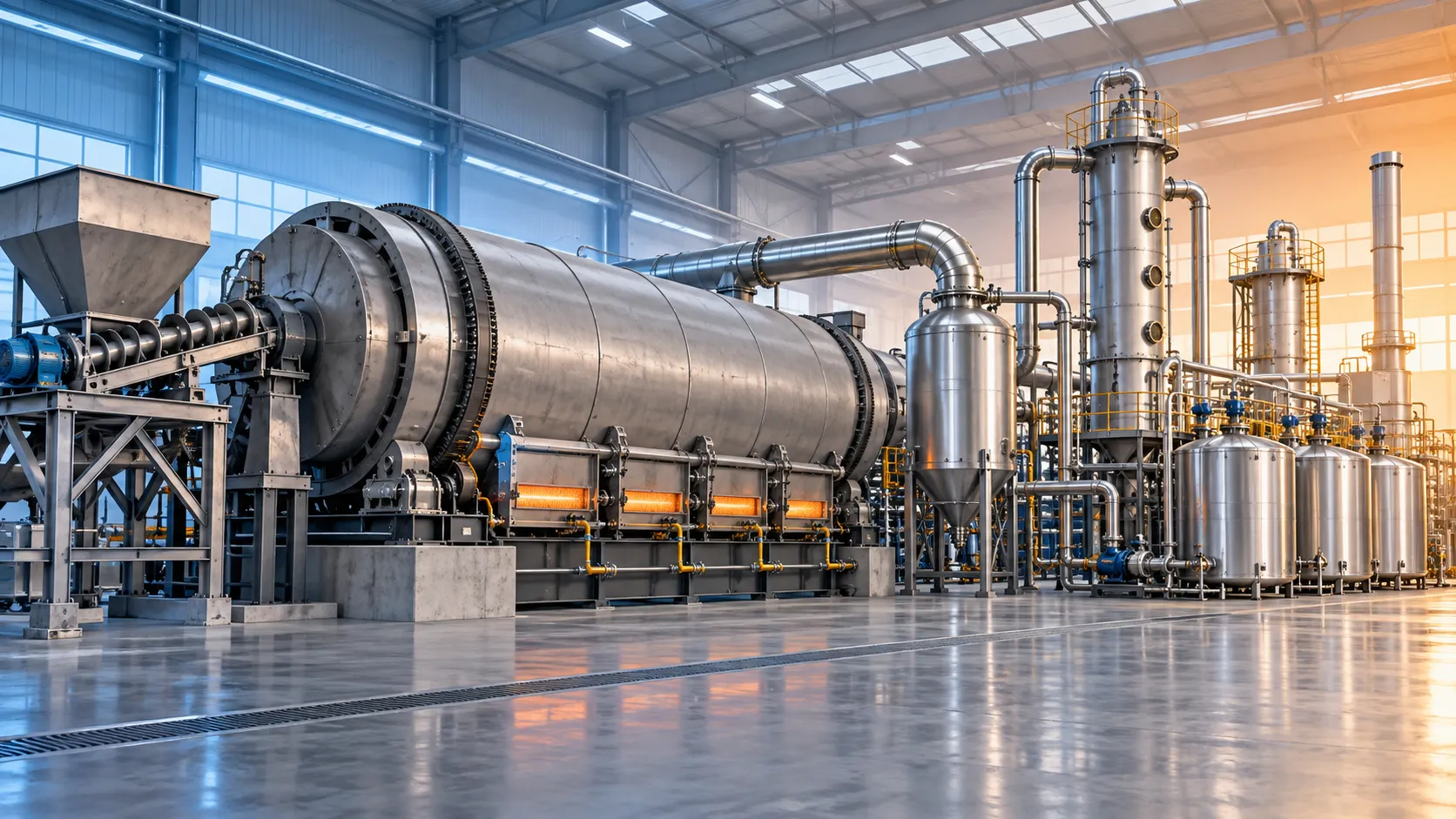
How reactor capacity affects throughput in pyrolysis systems
Pyrolysis systems reactor capacity explained: learn how heat transfer, residence time, feed quality, and emissions controls determine reliable throughput.
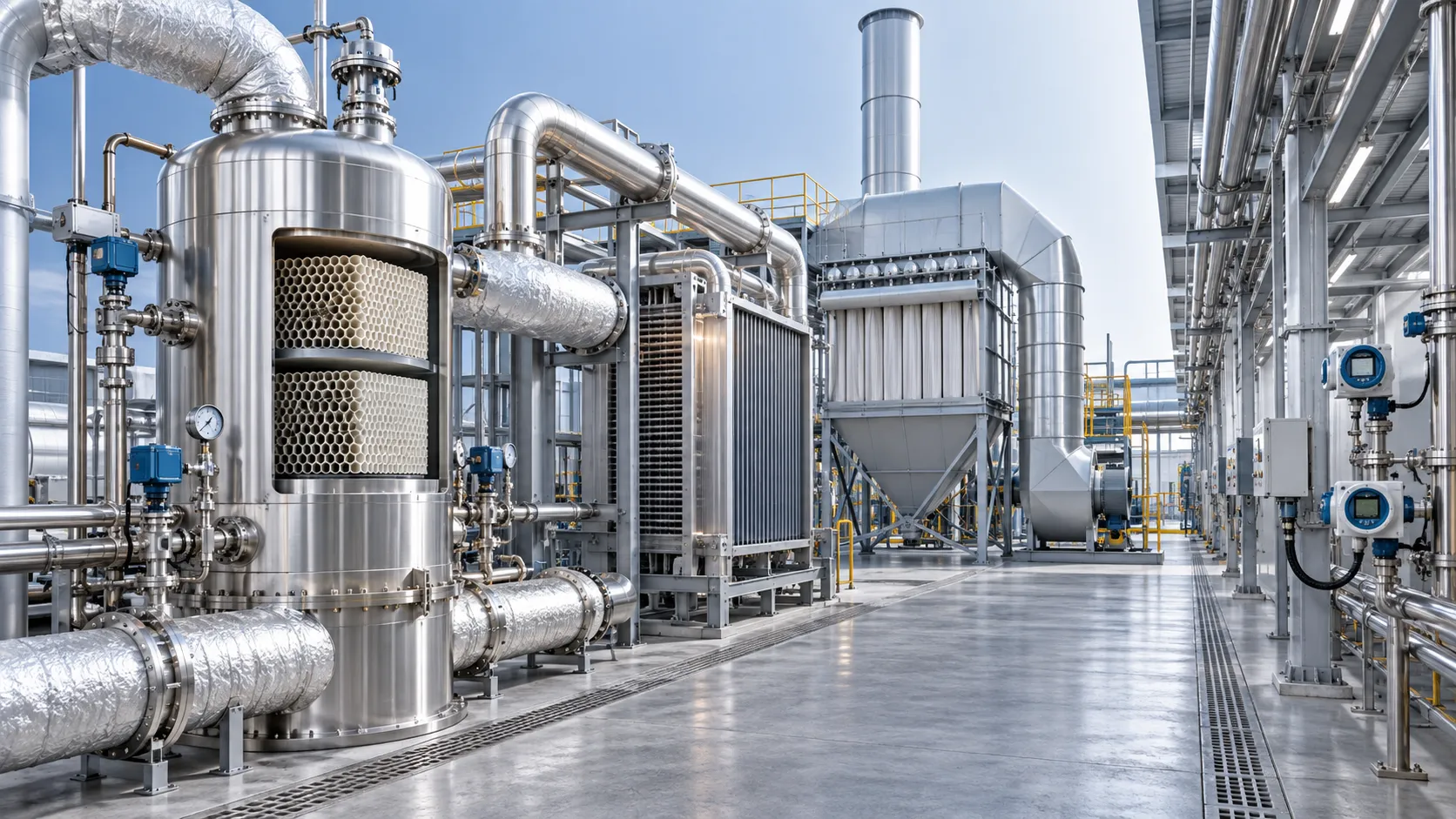
When low-temperature reaction equipment is the right fit for heat-sensitive processes
Low-temperature reaction equipment helps protect heat-sensitive streams, improve energy integration, and maintain reliable conversion. Explore key selection factors today.
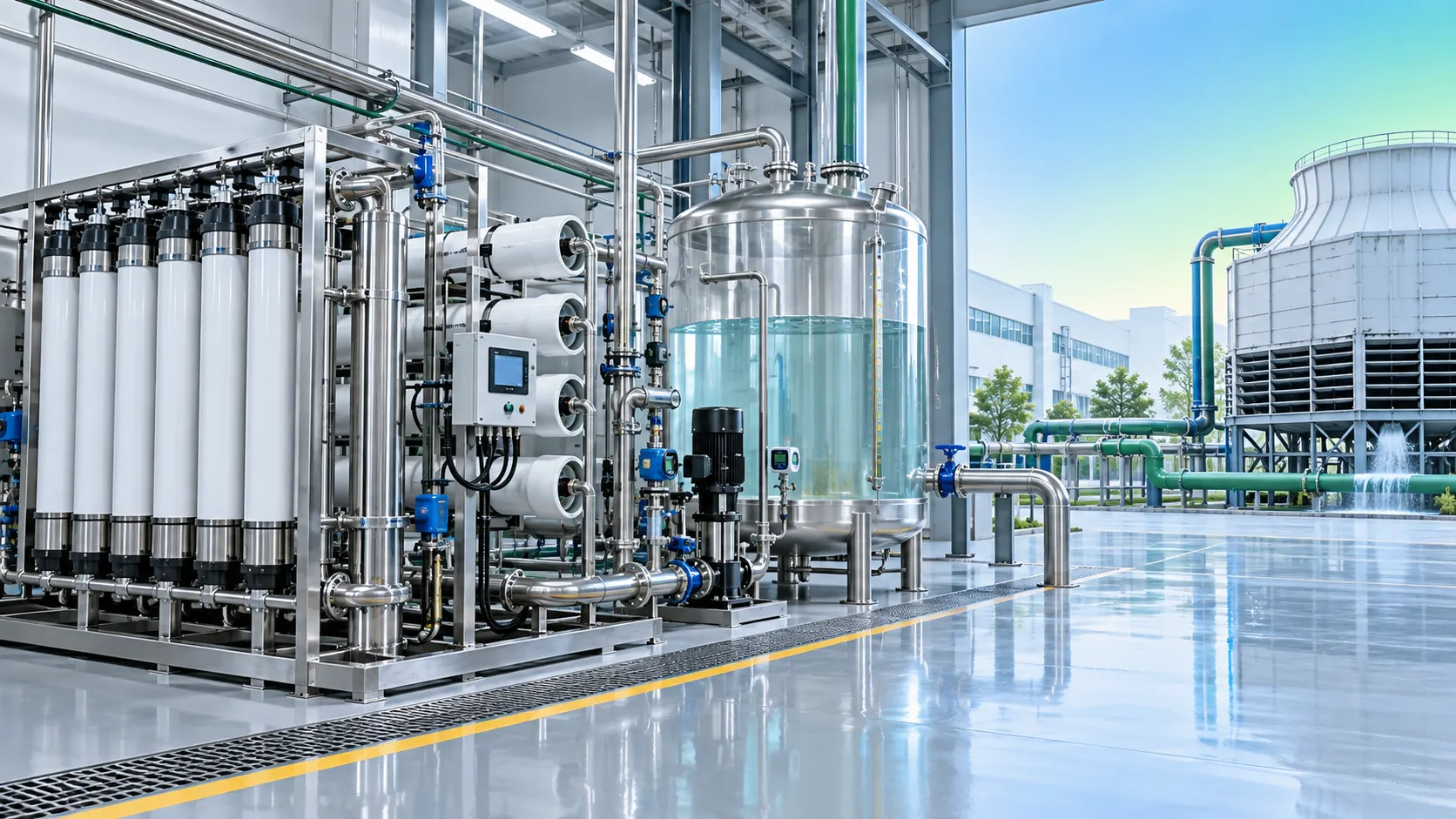
When do water reuse systems deliver a practical payback?
Water reuse systems deliver practical payback when they cut water, discharge, and downtime costs. Learn how to match treatment, recovery, and reuse quality for lasting ROI.
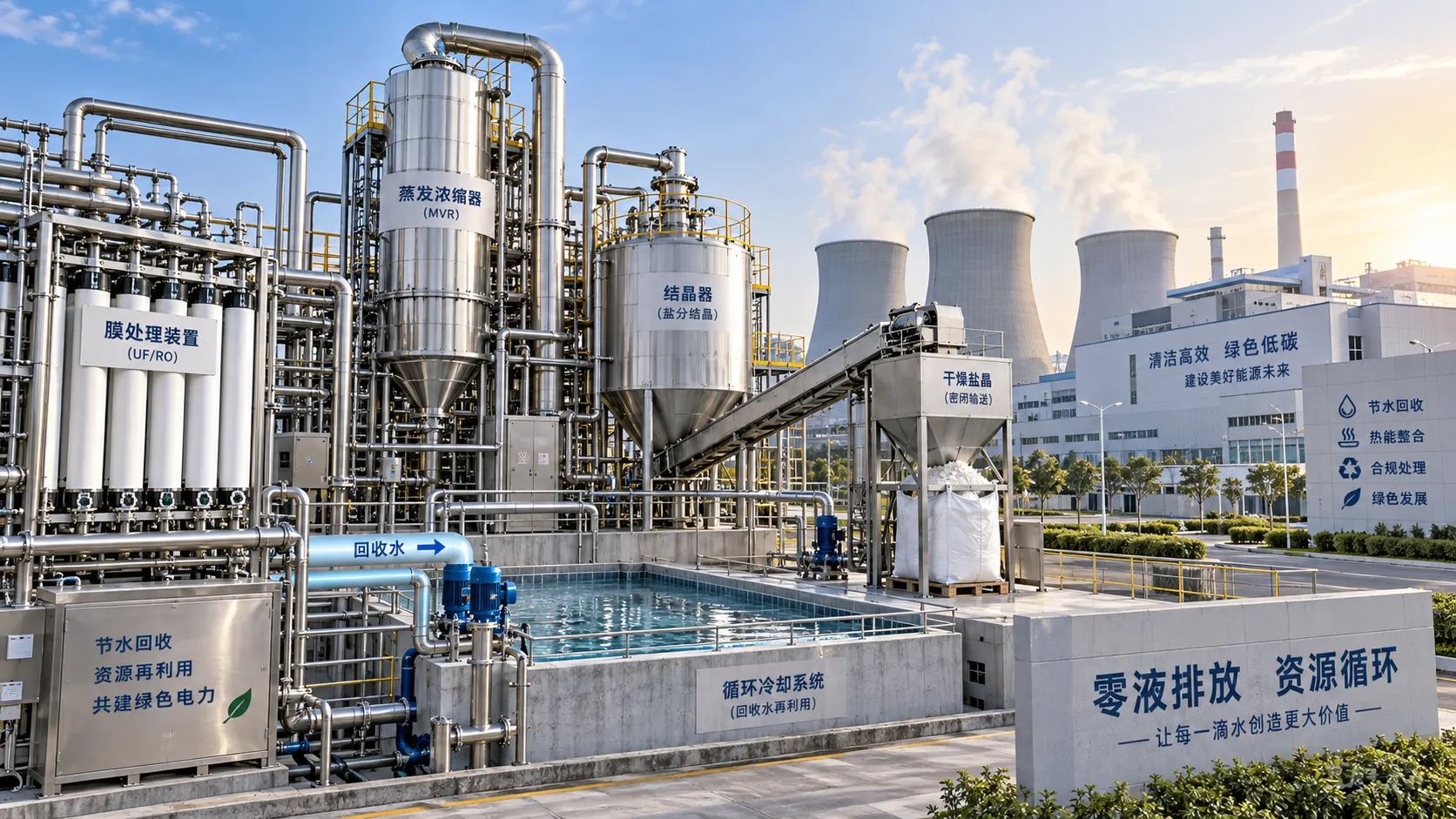
When do ZLD systems for power generation justify their energy use?
ZLD systems for power generation: learn when energy-intensive water recovery delivers stronger compliance, resilience, and long-term value.
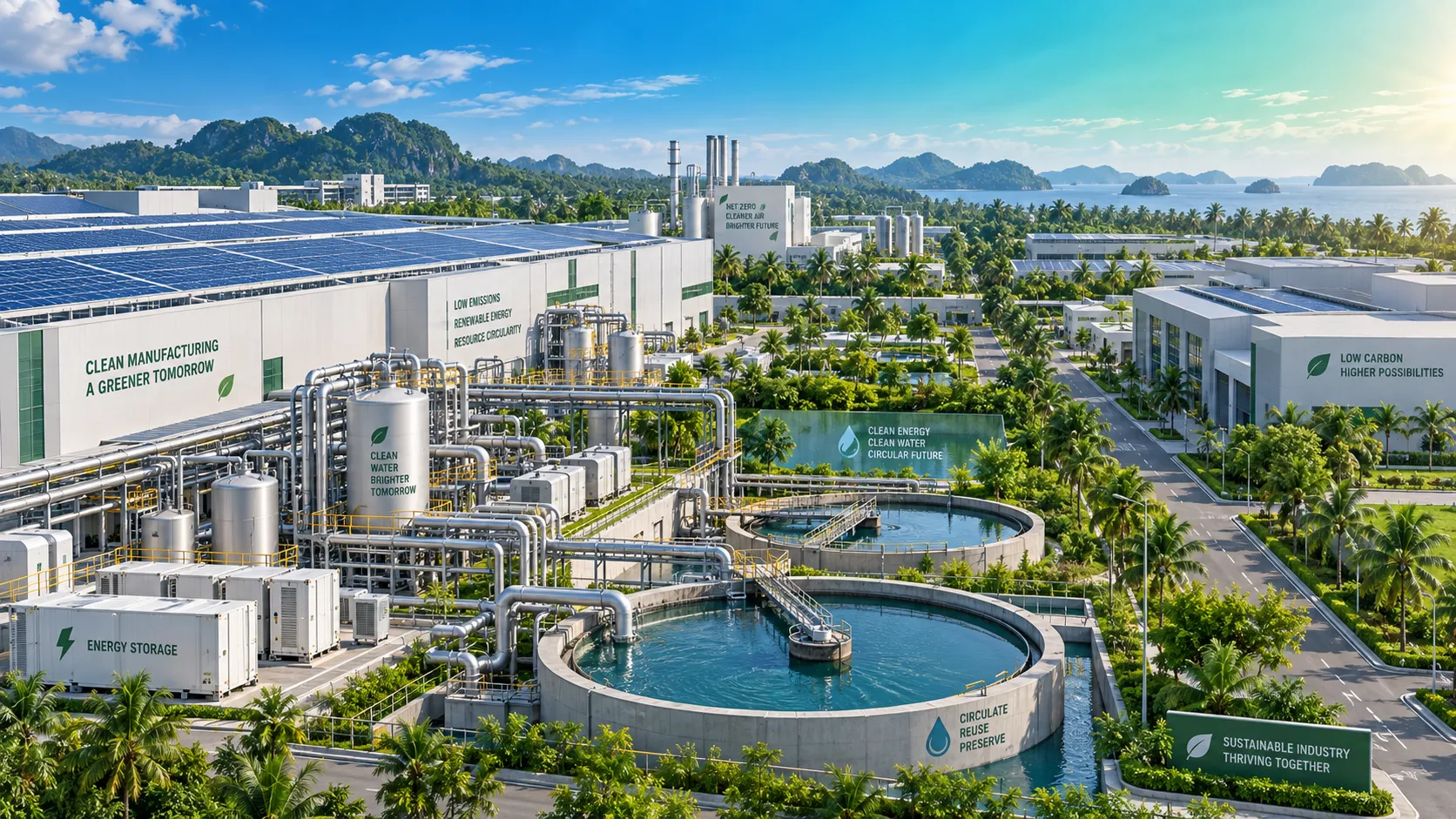
Which decarbonization pathways are most viable in Southeast Asia?
Decarbonization Southeast Asia: discover practical pathways for clean power, efficiency, electrification, circular recovery, and resilient industrial growth.
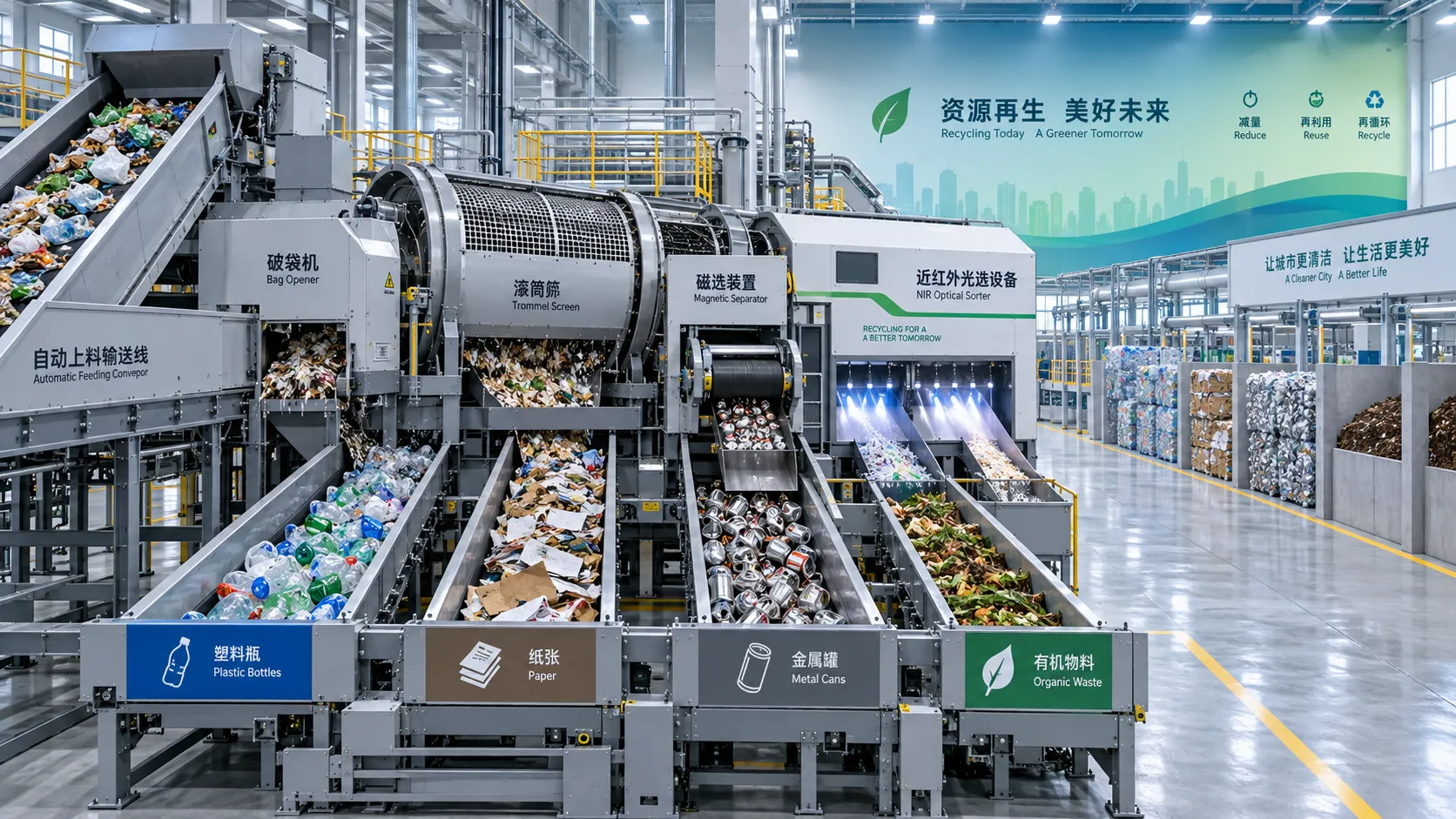
How to choose waste sorting equipment for mixed municipal waste
Waste sorting equipment selection guide for mixed municipal waste: compare technologies, improve recovery, reduce downtime, and build reliable output streams.
How to verify standards in an environmental equipment directory
environmental equipment directory standards reference: learn to verify certifications, performance evidence, scope, and project fit for confident, compliant equipment selection.