
Industry News
Curation by industry experts
Hot Articles
Popular Tags
Reverse Osmosis Desalination Systems for Resorts: Capacity, Energy, and Water Quality Trade-Offs
Reverse Osmosis Desalination Systems for Resorts: Capacity, Energy, and Water Quality Trade-Offs
Choosing reverse osmosis desalination systems for resorts means balancing three project-critical variables: capacity, energy demand, and delivered water quality.
The right setup protects guest comfort, stabilizes operating cost, and supports environmental compliance in water-stressed coastal locations.
That sounds straightforward on paper, but resort projects rarely behave like textbook municipal plants.
Demand changes by season, occupancy swings fast, and water use quality targets vary across guest rooms, kitchens, spas, pools, and irrigation networks.
In practice, reverse osmosis desalination systems for resorts must be designed as operating platforms, not just equipment packages.
This article breaks down the main trade-offs behind capacity sizing, specific energy consumption, pretreatment choices, and product water standards.
The goal is simple: help teams make cleaner decisions before procurement, civil works, and long-term O&M commitments lock the project in.
Why Resort Desalination Design Is Different
A resort is not a uniform industrial load.
It combines hospitality service standards with utility-level reliability expectations.
Guests expect stable pressure, neutral taste, clear ice, spotless laundry, and uninterrupted service, even during peak occupancy.
That raises the bar for reverse osmosis desalination systems for resorts compared with many basic commercial water schemes.
More importantly, demand is layered.
- Potable water must meet drinking and food service expectations.
- Hot water systems need chemistry that limits corrosion and scaling.
- Pools and spas need makeup water with controlled dissolved solids.
- Landscape irrigation may accept lower-quality blended water.
- Staff housing and back-of-house loads often follow different usage profiles.
This also means the smartest system is not always the one producing the purest water everywhere.
Capacity Planning: Size for Peaks, Not Just Average Demand
Capacity is usually the first decision, and often the most expensive mistake.
Undersizing creates visible service failures.
Oversizing inflates CAPEX, wastes energy at partial load, and may increase membrane fouling risk during low-demand periods.
For reverse osmosis desalination systems for resorts, nameplate capacity should come from several demand layers, not one daily average.
Key Inputs for Sizing
- Peak occupancy and shoulder-season occupancy.
- Per-guest consumption by room class and amenity mix.
- Laundry, kitchen, cooling, and irrigation demand separation.
- Storage volume available for raw water and product water.
- Required redundancy during maintenance or membrane cleaning.
A common approach is modular design.
Instead of one large train, two or three smaller trains allow better turndown and maintenance flexibility.
That matters when occupancy drops after holiday peaks or during monsoon travel dips.
In many resort projects, the best answer is not maximum installed output.
It is the best combination of production rate, storage buffer, and flexible train operation.
That reduces both stranded capital and emergency water trucking risk.
Energy Demand: The Real Cost Driver Over Time
For resort desalination, energy usually shapes lifecycle economics more than membranes alone.
This is especially true on islands or remote coastlines with diesel-based power, unstable grids, or expensive imported fuel.
Reverse osmosis desalination systems for resorts must therefore be evaluated on specific energy consumption, not just purchase price.
What Pushes Energy Use Higher
- High seawater salinity and seasonal temperature shifts.
- Poor intake water quality requiring stronger pretreatment.
- Low-recovery design selected to reduce fouling exposure.
- Operation far below optimal load on oversized trains.
- Insufficient energy recovery integration.
Energy recovery devices are no longer optional in serious SWRO design.
They are central to efficient reverse osmosis desalination systems for resorts, especially above mid-scale production ranges.
Variable frequency drives also matter because resort demand is rarely flat.
A system that can ramp intelligently often beats a theoretically efficient system that only performs well at one operating point.
From a project view, the right metric is delivered water cost across realistic occupancy scenarios.
Water Quality: Fit for Use Beats Over-Treatment
One frequent design trap is treating every liter to the highest possible purity.
That sounds safe, but it can increase remineralization needs, corrosion risk, and total operating cost.
For reverse osmosis desalination systems for resorts, product water quality should match the end use.
Typical Water Quality Priorities
- Guest drinking water: taste, odor, microbiological safety, mineral balance.
- Bathrooms and showers: low scaling tendency, stable residual disinfection.
- Laundry: low hardness and controlled silica to protect fabric appearance.
- Food service: chemistry compatible with ice machines and boilers.
- Irrigation: acceptable salinity without wasting premium potable-grade water.
This is where blending, remineralization, and point-of-use polishing can outperform a one-quality-for-all design.
Water that is too soft or too low in alkalinity may create downstream corrosion issues.
That can affect copper, steel, valves, and hot water systems faster than expected.
So the quality question is not only “How pure?” but also “How stable in the actual distribution network?”
Pretreatment Choices Decide Reliability
Pretreatment is often where project outcomes are quietly won or lost.
Membranes get the attention, but intake quality volatility usually dictates uptime, cleaning frequency, and membrane life.
For reverse osmosis desalination systems for resorts, local seawater conditions should drive pretreatment architecture.
Open intakes near reefs, marinas, or storm runoff zones face very different risks than beach wells.
Questions That Need Early Answers
- How high is turbidity during storms or seasonal algae events?
- Is there hydrocarbon exposure from nearby marine traffic?
- What is the SDI trend, not just a single test result?
- Can chemical dosing be stored and handled safely on site?
- How much operator attention is realistic year-round?
Multimedia filtration, ultrafiltration, cartridge protection, and chemical conditioning each have a place.
The right sequence depends on feedwater variability and staffing capability.
A slightly higher pretreatment budget often prevents a much larger membrane replacement and downtime bill later.
Recovery Rate, Brine, and Compliance Trade-Offs
Higher recovery sounds attractive because it reduces intake demand and product water cost per cubic meter.
But higher recovery also raises scaling pressure and can increase chemical use, fouling sensitivity, and cleaning frequency.
For reverse osmosis desalination systems for resorts, the right recovery target should reflect feedwater chemistry and discharge constraints.
Brine disposal is not just a technical afterthought.
It can become the permitting bottleneck, especially near marine protected areas, coral zones, or tourism-sensitive coastlines.
That is where early environmental review matters.
A lower recovery design with cleaner operations may be the stronger business case when compliance risk is fully priced in.
A Practical Decision Framework for Resort Projects
When comparing reverse osmosis desalination systems for resorts, a structured shortlist usually works better than vendor claims alone.
- Define peak day, average day, and low-season demand separately.
- Map water quality targets by end use, not by habit.
- Model energy cost using real local tariff or fuel assumptions.
- Stress-test pretreatment against seasonal worst-case feedwater conditions.
- Check redundancy for planned maintenance and unplanned membrane cleaning.
- Price compliance, brine management, and chemical logistics early.
- Compare lifecycle water cost, not only initial equipment cost.
This framework helps separate technically possible options from commercially resilient ones.
It also keeps the project team focused on service continuity, which is often the true cost center in hospitality operations.
Conclusion
The best reverse osmosis desalination systems for resorts are rarely defined by one headline metric.
They succeed because capacity matches real occupancy behavior, energy demand stays controlled, and water quality is tailored to use.
Pretreatment reliability, recovery discipline, and discharge compliance complete the picture.
For resort-scale desalination planning, better early assumptions usually create better long-term performance than late-stage equipment upgrades.
The practical next step is to build a site-specific design basis covering demand profile, intake quality, power cost, and end-use water standards before vendor comparison begins.
Recommended News
How feed salinity affects energy use in ZLD system brine treatment
ZLD system brine treatment: discover how feed salinity drives energy use, scaling risk, and technology choices for efficient, reliable zero liquid discharge.
How coastal cities can select desalination solutions for peak demand
Seawater desalination solutions for coastal cities: compare firm peak capacity, intake risk, energy resilience, and lifecycle value to secure reliable water supply.
How SCR denitrification systems in Europe meet Industrial Emissions rules
SCR denitrification systems Europe: learn how permit-led design, ammonia-slip control, catalyst management and monitoring support Industrial Emissions compliance.
When does MBR equipment make sense for wastewater reuse?
Water treatment equipment for wastewater reuse: learn when MBR delivers compact, reliable low-solids effluent—and when alternative treatment trains offer better value.

How North America shapes global environmental governance standards
Global environmental governance North America: discover how regulation, finance, and procurement raise worldwide standards and reshape environmental projects.

How reactor capacity affects throughput in pyrolysis systems
Pyrolysis systems reactor capacity explained: learn how heat transfer, residence time, feed quality, and emissions controls determine reliable throughput.
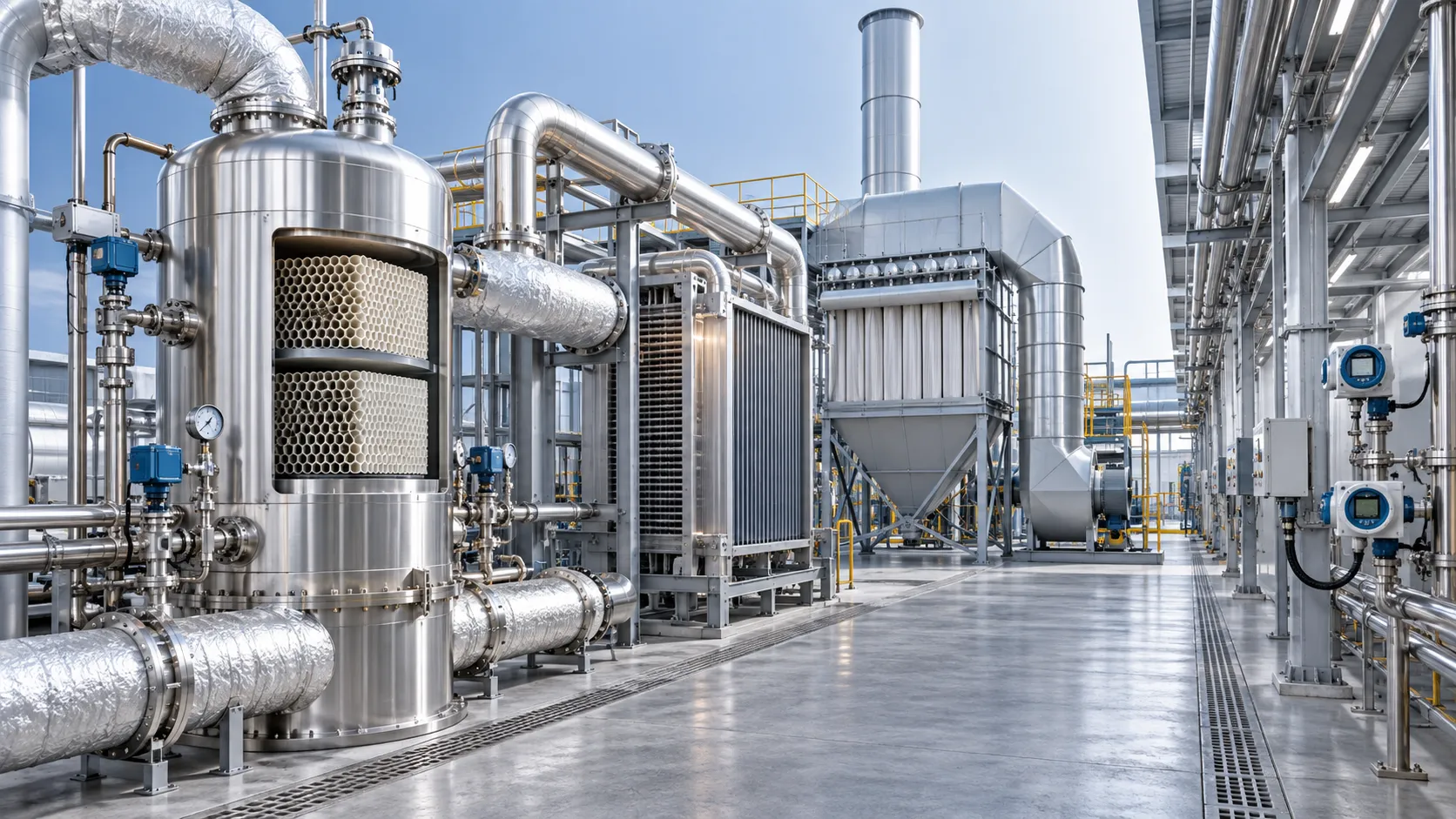
When low-temperature reaction equipment is the right fit for heat-sensitive processes
Low-temperature reaction equipment helps protect heat-sensitive streams, improve energy integration, and maintain reliable conversion. Explore key selection factors today.
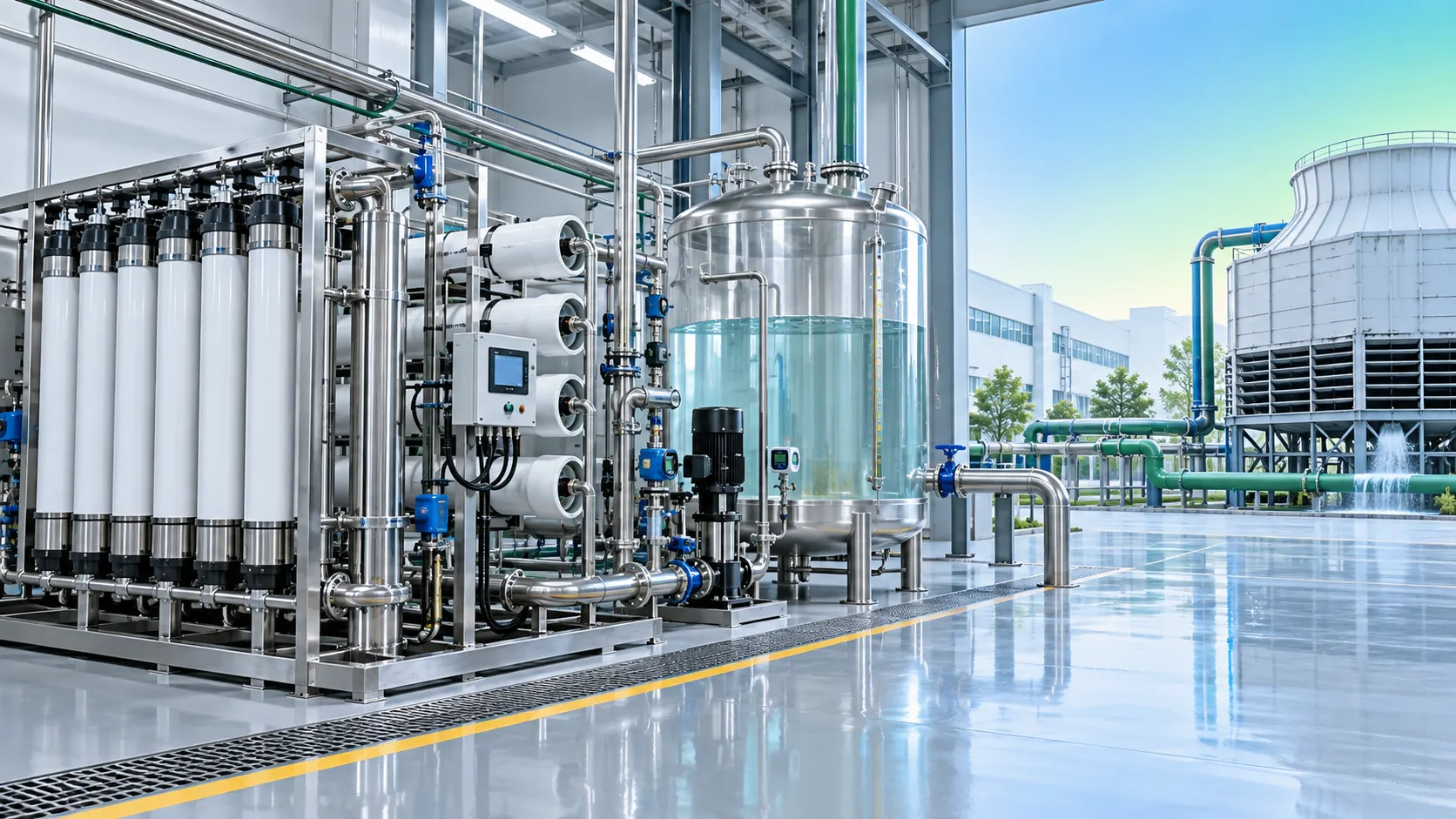
When do water reuse systems deliver a practical payback?
Water reuse systems deliver practical payback when they cut water, discharge, and downtime costs. Learn how to match treatment, recovery, and reuse quality for lasting ROI.
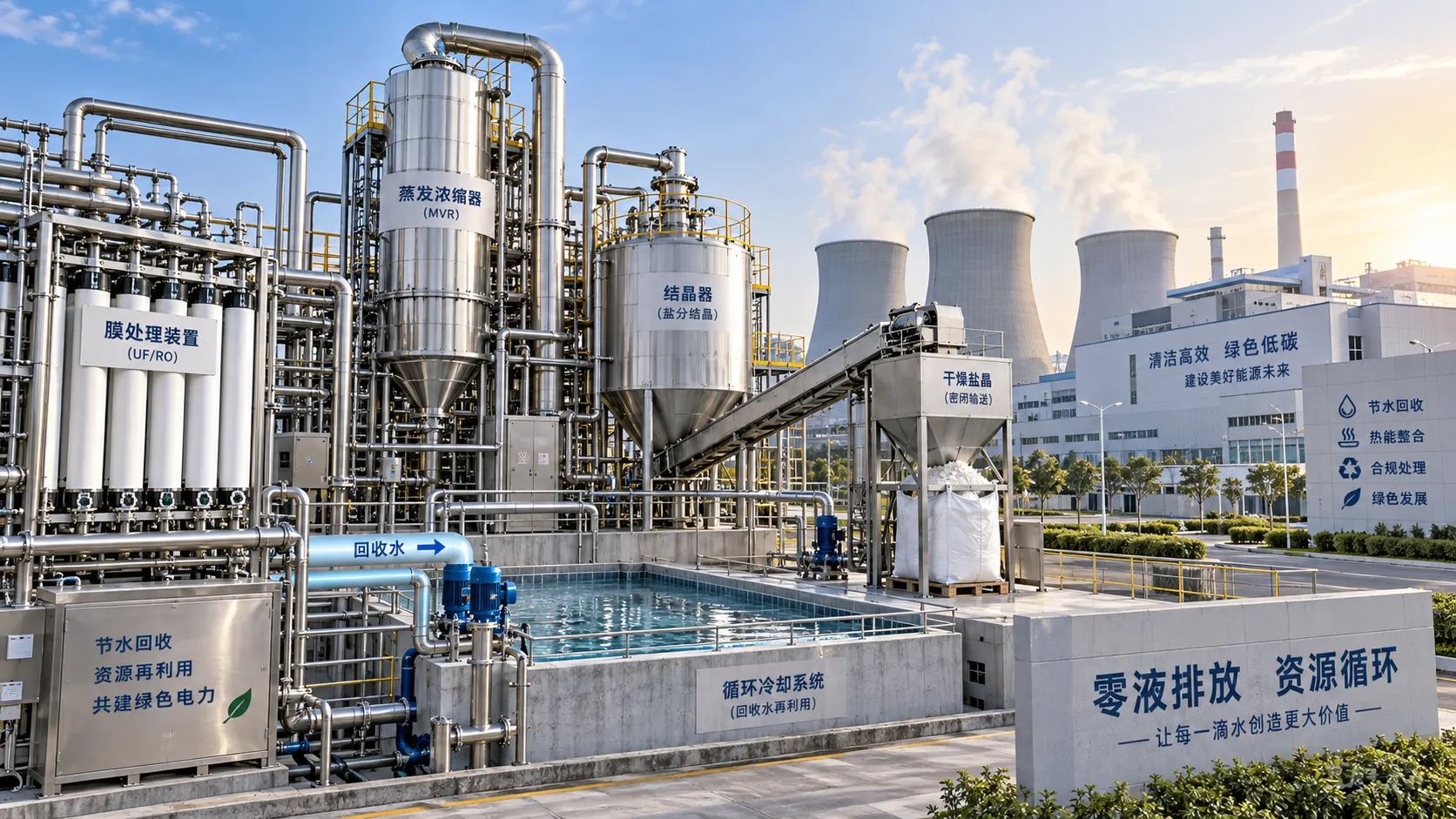
When do ZLD systems for power generation justify their energy use?
ZLD systems for power generation: learn when energy-intensive water recovery delivers stronger compliance, resilience, and long-term value.