
Industry News
Curation by industry experts
Hot Articles
Popular Tags
SWRO Systems Pretreatment: Common Failures That Shorten Membrane Life
Why does SWRO systems pretreatment decide membrane life so early?
In seawater desalination, membrane damage rarely starts inside the membrane train. It usually starts upstream, inside SWRO systems pretreatment.
That is why early warning signs matter more than many plants expect. Small pretreatment drift often becomes large cleaning frequency later.
When feed quality swings, membranes see more than salt. They face suspended solids, organics, oxidants, bio-growth, and unstable dosing conditions.
In practical terms, weak SWRO systems pretreatment shortens run length, raises differential pressure, and increases normalized permeate decline.
The cost is not only membrane replacement. It also appears in energy use, chemical consumption, downtime, and compliance risk.
Across large water treatment and heavy desalination projects, this first barrier shapes the reliability of the whole asset.
That perspective also fits ESD’s broader view. Pretreatment is not a minor utility step. It is part of industrial ecological reliability.
Which pretreatment failures show up most often in real SWRO operation?
The common pattern is not one dramatic breakdown. More often, several modest failures overlap and quietly erode membrane life.
The table below helps connect visible symptoms with likely pretreatment causes and the first checks worth making.
A few failures appear again and again in SWRO systems pretreatment.
- Inconsistent intake water characterization during tides, storms, or seasonal blooms.
- Coagulation control based on fixed dose rather than jar testing or online response.
- Backwash routines that restore appearance, but not actual filtration performance.
- Cartridge filtration treated as a final barrier, even when upstream solids loading is already too high.
- Incomplete sodium bisulfite control, allowing oxidant traces to reach the membranes.
Each issue looks manageable alone. Together, they create the classic short-membrane-life cycle that many plants keep repeating.
Is unstable feed water the real problem, or is the pretreatment train failing to adapt?
Usually, both are involved. Seawater is dynamic by nature, but resilient SWRO systems pretreatment should absorb much of that variability.
A storm surge, red tide, harbor disturbance, or warm-season biological event can double solids loading very quickly.
That does not automatically mean membrane fouling is unavoidable. The bigger question is whether the pretreatment train responds fast enough.
More robust plants watch trend relationships, not just individual numbers. Turbidity, SDI, filter differential pressure, and cartridge consumption should be read together.
When those signals are disconnected, operators often chase the wrong cause. They may blame membranes when the feed envelope already shifted hours earlier.
A useful field question is simple: did pretreatment performance remain stable when intake conditions changed?
If the answer is no, the issue is not only raw water quality. It is an adaptability gap inside SWRO systems pretreatment.
This is where intelligence matters. ESD often frames desalination reliability through linked parameters, not isolated equipment names.
That approach helps plants judge whether the weak point is intake variability, control philosophy, filtration capacity, or chemical strategy.
How do filtration and chemical dosing mistakes actually shorten membrane life?
Filtration failures usually damage membranes indirectly. Chemical mistakes can damage them both indirectly and directly.
When filtration underperforms
Poor media filtration, weak DAF tuning, or compromised UF integrity allows fine solids and colloids to pass forward.
These particles build dense fouling layers. Cleaning becomes more frequent, and repeated cleaning gradually reduces membrane life expectancy.
The common mistake is relying on acceptable average turbidity. Membranes are usually harmed by peak events, not by the daily average.
When chemical dosing drifts
Overdosed coagulant can increase residual carryover. Underdosed coagulant leaves colloids uncontrolled. Both outcomes burden SWRO systems pretreatment.
Incorrect antiscalant selection creates another hidden problem. The product may be active, but not appropriate for the actual ionic profile.
Dechlorination errors are even less forgiving. A brief oxidant breakthrough can irreversibly attack polyamide membranes.
There is also a biofouling angle. Nutrient carryover, poor shock dosing discipline, and dead zones in storage tanks encourage biological growth.
In real operation, membrane life is shortened less by one wrong drum of chemical than by weak control around dose verification.
- Confirm dose against current water quality, not historical settings.
- Verify mixing energy and contact time, not only pump stroke percentage.
- Track residuals with alarms that are meaningful enough to trigger action.
What is the best way to judge whether SWRO systems pretreatment is still protecting the membranes?
A good judgment method combines pretreatment indicators with membrane response. Looking at only one side leaves blind spots.
The most reliable routine is to build a short weekly review around trend coherence.
- Compare intake events with SDI, turbidity, and pretreatment differential pressure.
- Check cartridge replacement frequency against upstream filtration recovery.
- Review normalized membrane flow, pressure drop, and salt rejection together.
- Investigate every sudden cleaning interval change, even if production still looks acceptable.
- Audit chemical logs for drift, stock dilution errors, and analyzer calibration gaps.
Plants with mature SWRO systems pretreatment do something else well. They define trigger points before failure becomes visible.
For example, a moderate SDI rise during algal season may already justify a coagulant review or filtration reset.
That prevents the familiar delay where membrane symptoms appear days after the real pretreatment problem started.
From an asset perspective, that is also where operating intelligence becomes commercially important, especially in high-capex desalination infrastructure.
If membrane life is already falling, what should be checked first?
Start upstream, and start with evidence. Replacing membranes before diagnosing pretreatment performance often repeats the same failure pattern.
A practical first-pass checklist usually includes four areas.
1. Feed variation history
Look back at storms, dredging, seasonal blooms, intake maintenance, and storage tank turnover.
2. Pretreatment barrier performance
Review DAF, media filters, or UF integrity data. Confirm backwash quality instead of assuming it.
3. Chemical control discipline
Check antiscalant choice, dechlorination residual, coagulant dose logic, and analyzer calibration records.
4. Membrane symptom interpretation
Different fouling signatures matter. Pressure rise, flux decline, and salt passage do not point to the same root cause.
Needless delay often comes from treating every decline as generic fouling. The better approach is failure mode matching.
Where the root cause remains unclear, trending data should be reviewed in the wider environmental context.
That includes compliance pressure, energy penalties, and system resilience expectations now shaping desalination decisions worldwide.
What should improve next: equipment, monitoring, or operating routine?
The answer depends on which weakness is proven, but operating routine is often the fastest gain.
Many SWRO systems pretreatment problems are not caused by missing hardware. They come from delayed interpretation and weak response thresholds.
If filtration capacity is structurally undersized, equipment changes may be unavoidable. If not, better monitoring logic can recover performance quickly.
A sensible next step is to rank failures by frequency, membrane impact, and correction speed.
- Fix data gaps that hide real feedwater instability.
- Tighten chemical verification where breakthrough risk exists.
- Reset filtration acceptance criteria around peak events, not averages.
- Use membrane trends as confirmation, not as the first alarm source.
SWRO systems pretreatment works best when it is treated as an active control layer, not a passive front-end package.
That is the practical takeaway. Longer membrane life comes from disciplined upstream control, not from downstream recovery alone.
For the next review cycle, map recent membrane symptoms against pretreatment trends, confirm the most fragile barrier, and set intervention points before the next upset arrives.
Recommended News
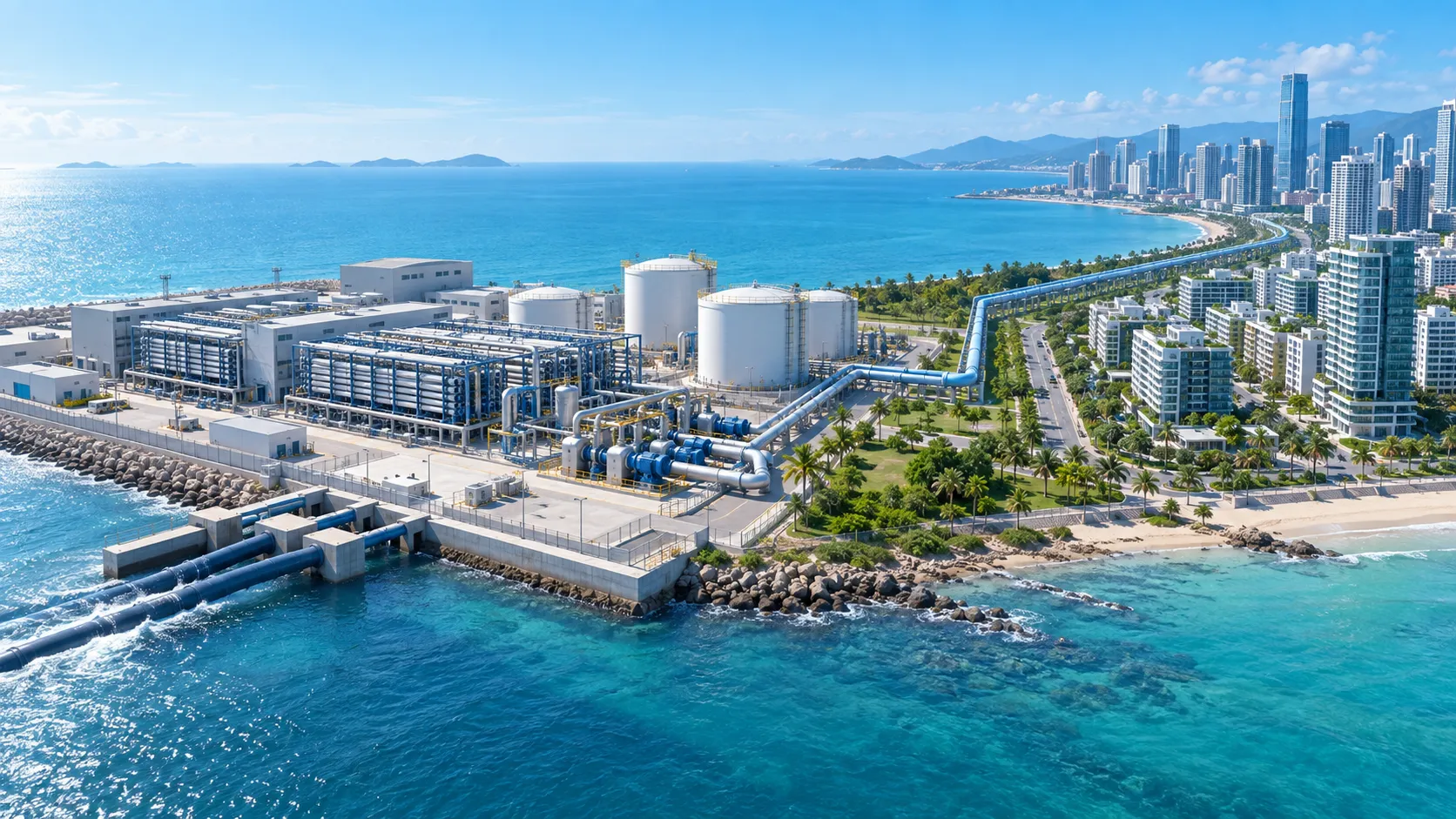
How coastal cities can select desalination solutions for peak demand
Seawater desalination solutions for coastal cities: compare firm peak capacity, intake risk, energy resilience, and lifecycle value to secure reliable water supply.

How SCR denitrification systems in Europe meet Industrial Emissions rules
SCR denitrification systems Europe: learn how permit-led design, ammonia-slip control, catalyst management and monitoring support Industrial Emissions compliance.
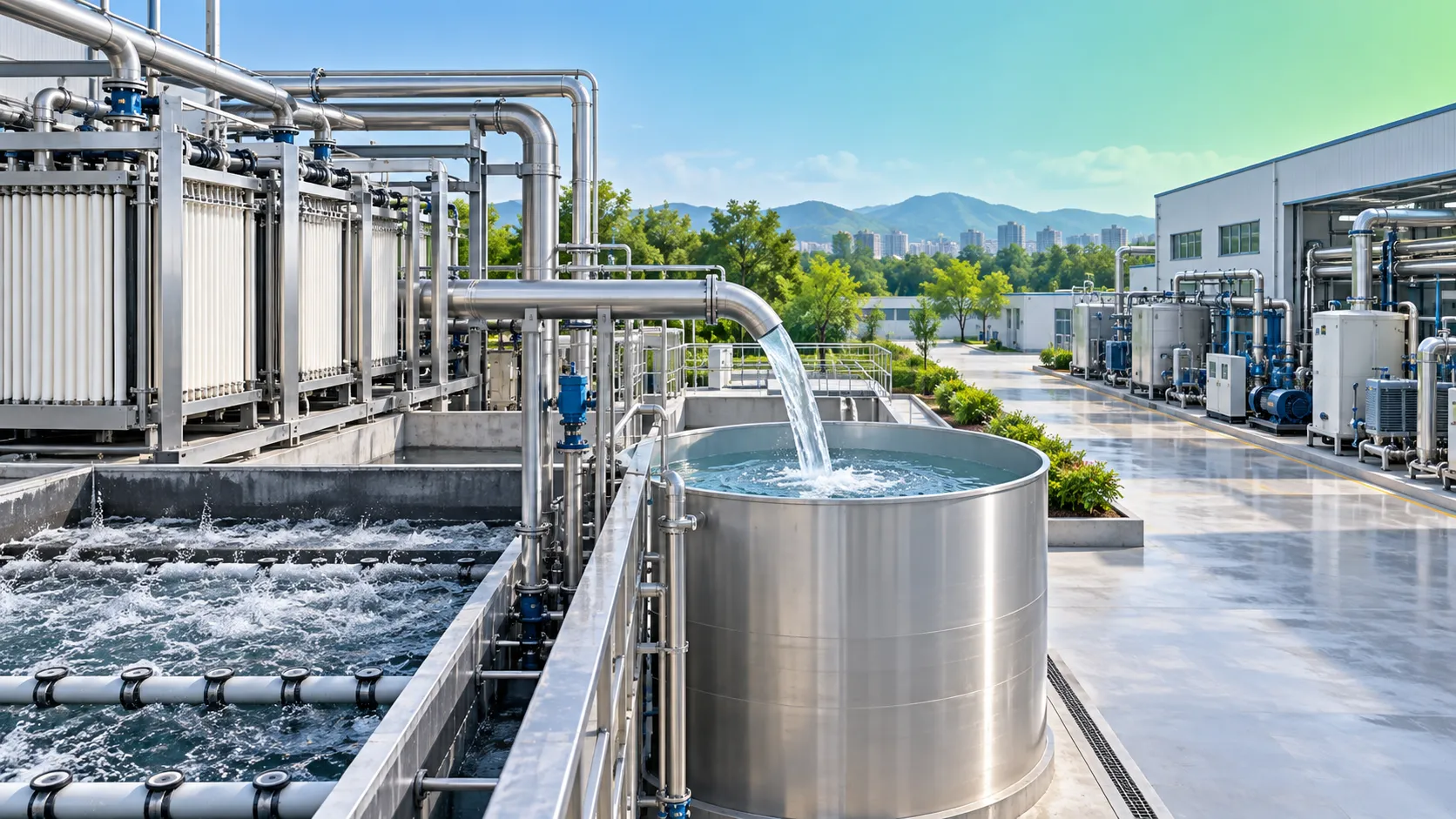
When does MBR equipment make sense for wastewater reuse?
Water treatment equipment for wastewater reuse: learn when MBR delivers compact, reliable low-solids effluent—and when alternative treatment trains offer better value.

How North America shapes global environmental governance standards
Global environmental governance North America: discover how regulation, finance, and procurement raise worldwide standards and reshape environmental projects.

How reactor capacity affects throughput in pyrolysis systems
Pyrolysis systems reactor capacity explained: learn how heat transfer, residence time, feed quality, and emissions controls determine reliable throughput.

When low-temperature reaction equipment is the right fit for heat-sensitive processes
Low-temperature reaction equipment helps protect heat-sensitive streams, improve energy integration, and maintain reliable conversion. Explore key selection factors today.

When do water reuse systems deliver a practical payback?
Water reuse systems deliver practical payback when they cut water, discharge, and downtime costs. Learn how to match treatment, recovery, and reuse quality for lasting ROI.
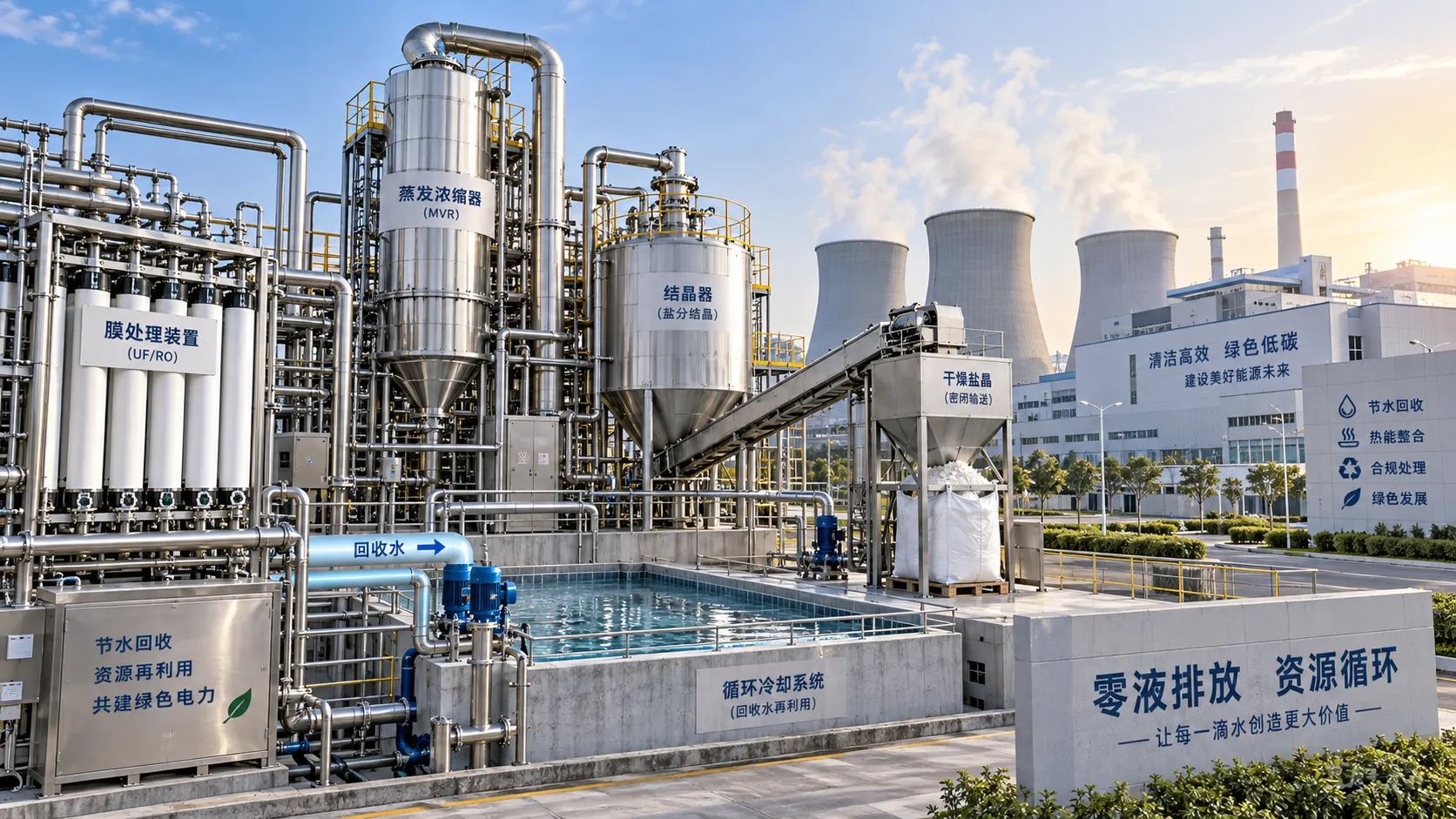
When do ZLD systems for power generation justify their energy use?
ZLD systems for power generation: learn when energy-intensive water recovery delivers stronger compliance, resilience, and long-term value.
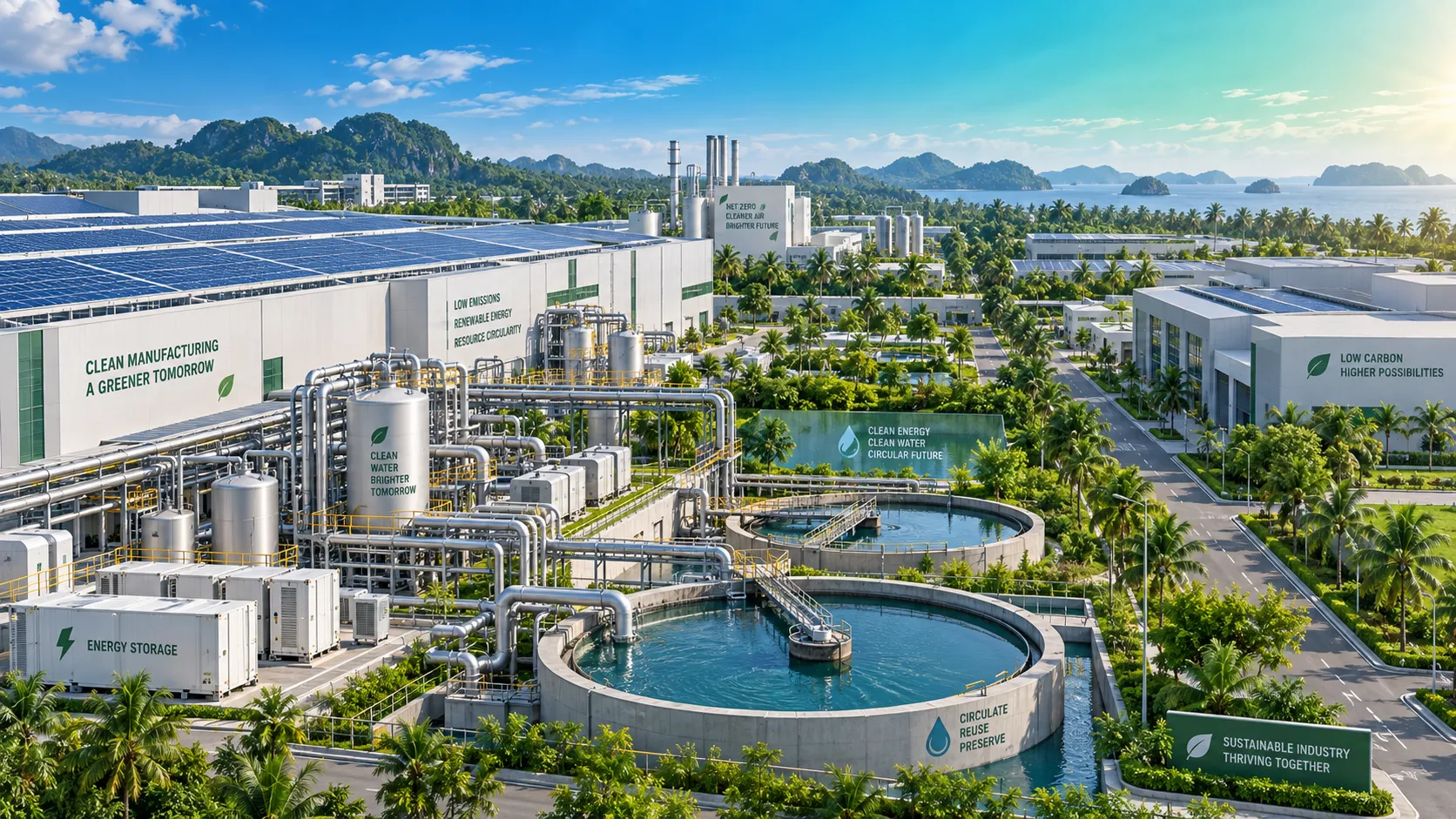
Which decarbonization pathways are most viable in Southeast Asia?
Decarbonization Southeast Asia: discover practical pathways for clean power, efficiency, electrification, circular recovery, and resilient industrial growth.