
Industry News
Curation by industry experts
Hot Articles
Popular Tags
SCR Catalysts in North America: How to Compare Lifespan and Compliance Risk
In North American emissions control, SCR catalyst selection has moved well beyond price-per-layer comparisons. For plants facing tighter NOx limits, variable fuel quality, and harsher cycling, the real question is how long performance remains stable before compliance risk starts to rise. That is why evaluating SCR catalysts North America now requires a broader view of lifespan, poisoning resistance, low-temperature behavior, and replacement timing.
This matters across power, waste-to-energy, refining, chemicals, cement, and other heavy process sectors. In the wider ecological equipment landscape tracked by ESD, flue gas treatment sits beside water reuse, desalination, and resource recovery as a core control point. Catalyst decisions influence not only stack performance, but also outage planning, ammonia slip exposure, and long-term environmental credibility.
Why lifespan matters more than nameplate activity
Many catalyst comparisons still begin with fresh activity data. That is useful, but incomplete. A catalyst can show strong initial NOx reduction and still create operating problems much earlier than expected.
In practice, lifespan means retained function under real flue gas conditions. It includes resistance to deactivation, mechanical durability, pressure drop stability, and the ability to keep conversion efficiency within permit limits.
For SCR catalysts North America, this distinction is especially important because operating profiles are rarely ideal. Units start and stop more often, fuels can vary, and regional compliance pressure leaves less room for gradual performance decay.
A shorter-lived catalyst may still appear economical in a bid sheet. Once more frequent layer replacement, testing, reactor tuning, and outage disruption are included, the picture often changes.
What actually drives catalyst aging
Catalyst life is not lost through one mechanism alone. Most failures develop through a combination of thermal stress, chemical poisoning, fouling, erosion, and uneven gas distribution.
Chemical poisoning
Alkali metals, arsenic, phosphorus, sulfur compounds, and certain heavy metals can block active sites or alter surface chemistry. Waste incineration and some industrial boilers face this problem more often than cleaner gas streams.
Low-temperature fouling
At lower operating temperatures, ammonium bisulfate formation becomes more likely. Deposits can narrow channels, increase pressure drop, and reduce effective contact area even before catalytic activity appears weak.
Thermal and mechanical stress
Frequent ramping, bypass events, and particulate loading can crack or erode catalyst structures. Mechanical integrity matters because damaged geometry changes flow patterns and undermines predictable conversion performance.
For anyone comparing SCR catalysts North America, the key is to map these aging routes to the actual unit history rather than relying on generic service-life claims.
The compliance risk behind performance decline
Compliance risk does not begin only when a catalyst stops working. It starts earlier, when margin disappears. Plants may still meet average limits, but only with narrower operating windows and higher reagent use.
That loss of margin can show up in several ways:
- Higher ammonia injection to hold the same NOx reduction
- Increasing ammonia slip and downstream fouling risk
- Reduced flexibility during cold starts or partial loads
- Greater sensitivity to fuel or feed variability
- Shorter response time before permit deviation events
North America also presents a mixed compliance environment. Federal standards, state-level enforcement, consent decrees, and permit-specific monitoring obligations can all shape the acceptable risk threshold.
That is why the best SCR catalysts North America are not simply the most active on paper. They are the ones that preserve compliance headroom over time.
A practical framework for comparing SCR catalysts North America
A useful comparison model should connect laboratory data with plant reality. Looking at isolated specifications often hides the real commercial and regulatory tradeoffs.
This kind of framework is more reliable than a single warranty period. It helps translate catalyst claims into operational consequences.
Different sectors, different risk profiles
Not all applications ask the same thing from an SCR bed. Sector context changes which catalyst attributes deserve the most weight.
Waste-to-energy and recovery facilities
These systems often deal with more complex contaminant loads. Poison resistance and fouling management usually matter as much as nominal activity.
Gas- and coal-related thermal assets
Cycling behavior, sulfur impacts, and low-load operation are central. Catalysts that age gracefully under variable dispatch conditions can reduce both emissions risk and OPEX volatility.
Refining, chemicals, and process industries
Process upsets and feed changes can rapidly alter flue gas composition. Here, the ability to maintain stable performance across changing conditions becomes a major selection advantage.
ESD’s broader environmental intelligence perspective is useful here. The same disciplined parameter thinking applied to ZLD, desalination membranes, or nuclear containment also applies to catalyst evaluation: design limits, contaminants, failure modes, and compliance pathways must be read together.
Questions that improve a comparison
A better catalyst review usually comes from better questions. Several points deserve closer attention before any ranking is trusted.
- Was performance data generated under gas conditions close to the target unit?
- How much activity retention is expected after realistic poisoning exposure?
- What compliance margin remains at seasonal low temperatures?
- How does catalyst geometry affect plugging, sootblowing, and fan demand?
- Can layers be regenerated, rotated, or selectively replaced?
- What operating penalties appear before formal end of life?
These questions help separate attractive quotations from durable solutions. They also expose where compliance risk is being transferred back to the operator.
Reading supplier claims with more discipline
Supplier data is necessary, but it should be normalized. Activity values can look similar while underlying test methods, velocity assumptions, and contaminant allowances differ materially.
For SCR catalysts North America, case references should also be filtered carefully. A successful installation on a stable gas turbine does not automatically validate performance in a waste-derived flue gas service.
More useful evidence usually includes aged samples, pressure drop evolution, outlet slip trends, and examples of how the catalyst performed near permit boundaries rather than only under best-case conditions.
Where to focus the next evaluation step
The next step is rarely to ask which catalyst is cheapest. A stronger approach is to build a unit-specific scorecard that combines gas chemistry, operating temperature range, cycling frequency, permit margin, and outage economics.
From there, compare SCR catalysts North America against the risks that matter most: early deactivation, low-temperature underperformance, ammonia slip escalation, and replacement timing uncertainty. That creates a clearer basis for shortlisting.
Where decisions affect broader environmental infrastructure, a disciplined review is worth the effort. In the same way ESD tracks high-stakes equipment across flue gas treatment, water, resource recovery, and nuclear systems, catalyst choices should be judged by resilience under real constraints, not by simplified averages. That is the level of analysis most likely to protect both compliance and asset value over time.
Recommended News
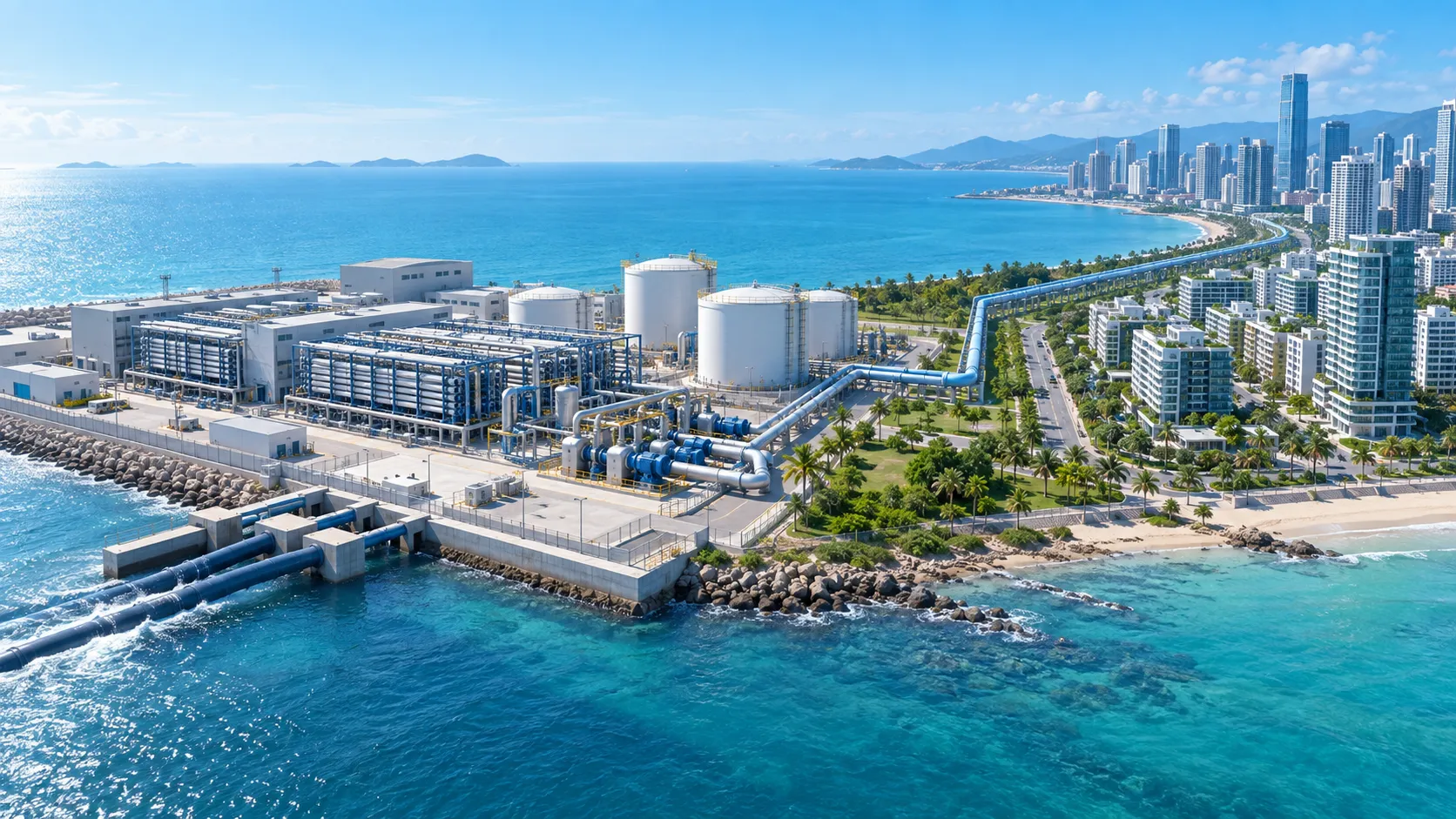
How coastal cities can select desalination solutions for peak demand
Seawater desalination solutions for coastal cities: compare firm peak capacity, intake risk, energy resilience, and lifecycle value to secure reliable water supply.
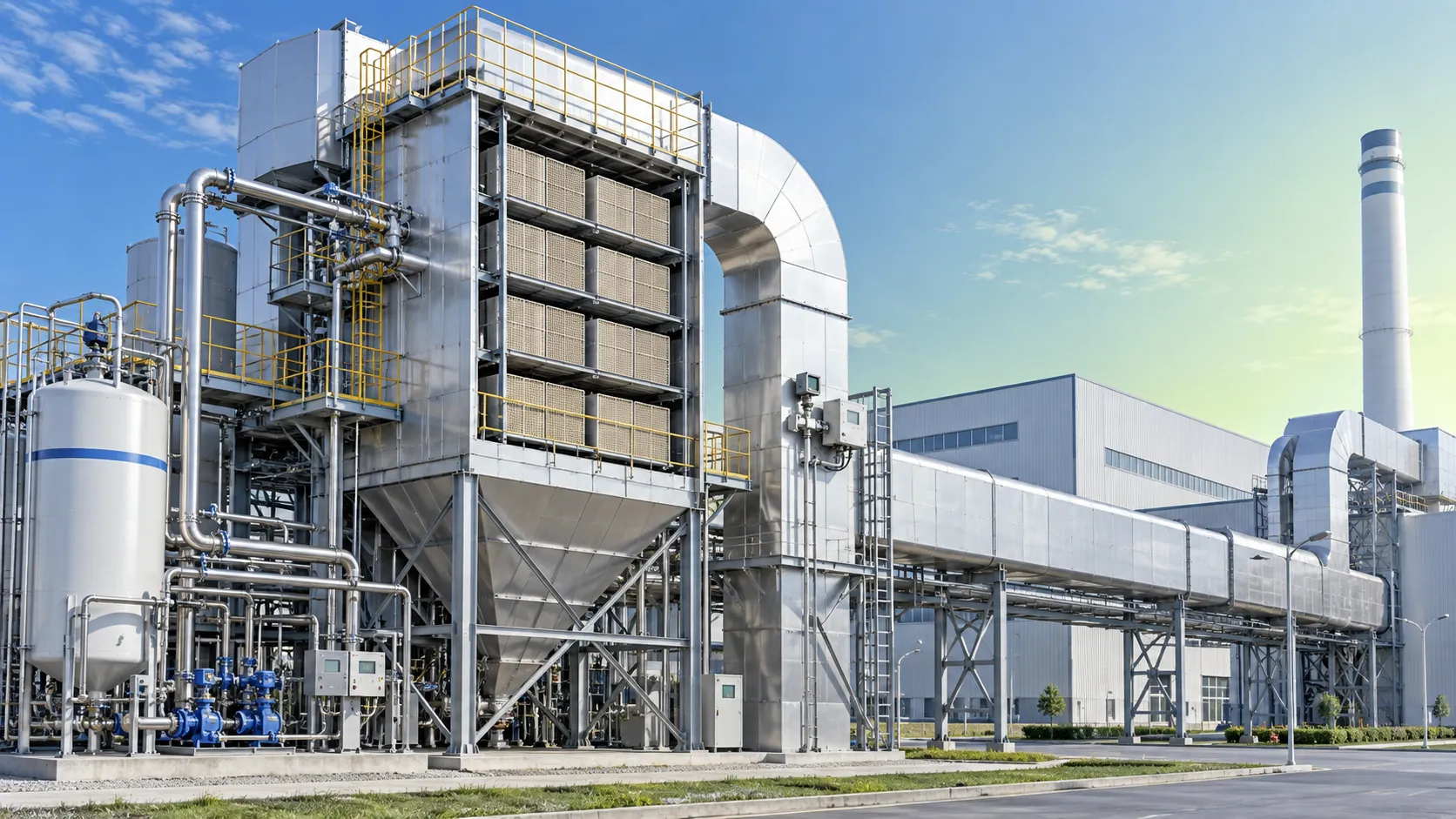
How SCR denitrification systems in Europe meet Industrial Emissions rules
SCR denitrification systems Europe: learn how permit-led design, ammonia-slip control, catalyst management and monitoring support Industrial Emissions compliance.
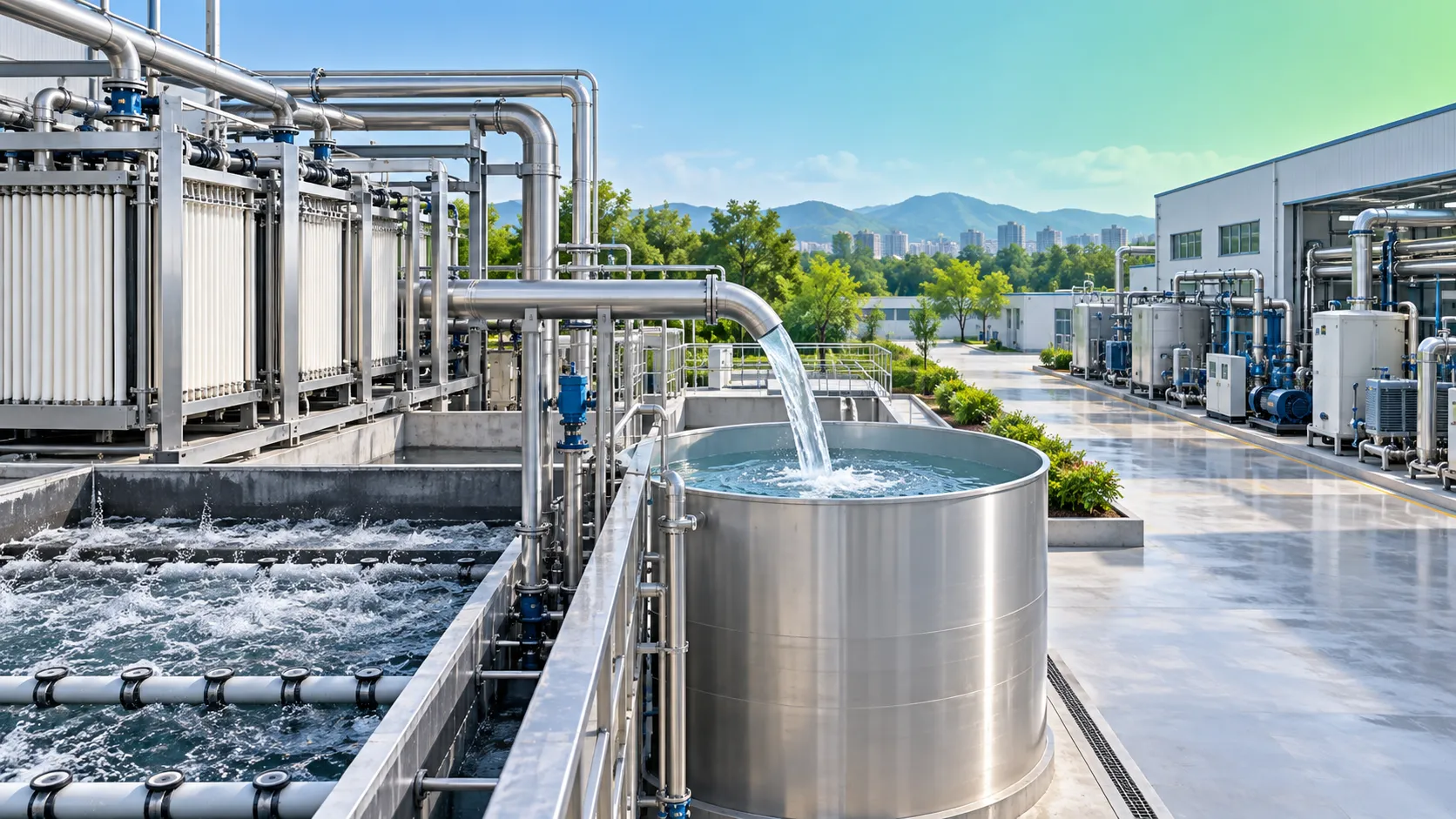
When does MBR equipment make sense for wastewater reuse?
Water treatment equipment for wastewater reuse: learn when MBR delivers compact, reliable low-solids effluent—and when alternative treatment trains offer better value.

How North America shapes global environmental governance standards
Global environmental governance North America: discover how regulation, finance, and procurement raise worldwide standards and reshape environmental projects.
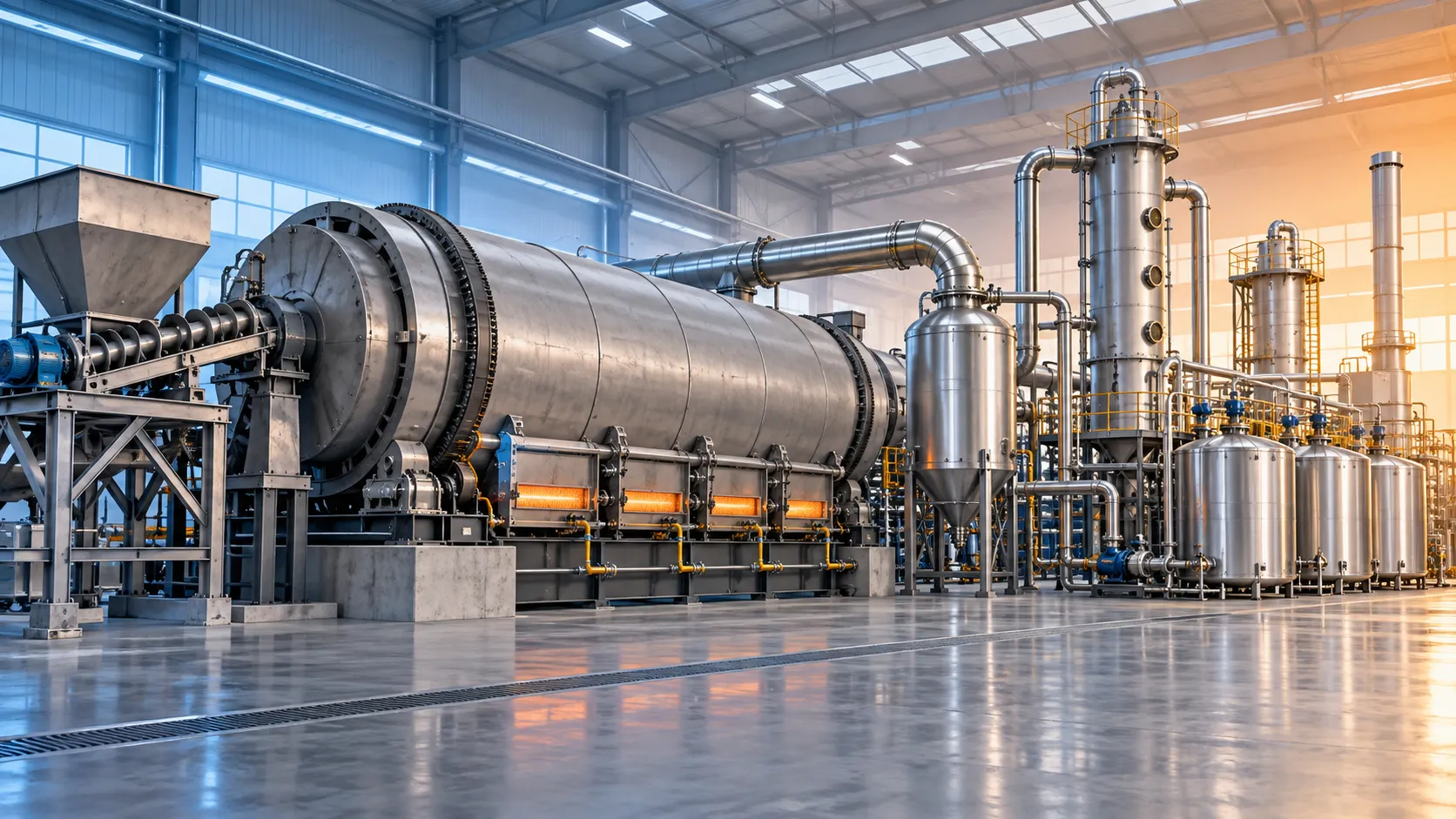
How reactor capacity affects throughput in pyrolysis systems
Pyrolysis systems reactor capacity explained: learn how heat transfer, residence time, feed quality, and emissions controls determine reliable throughput.
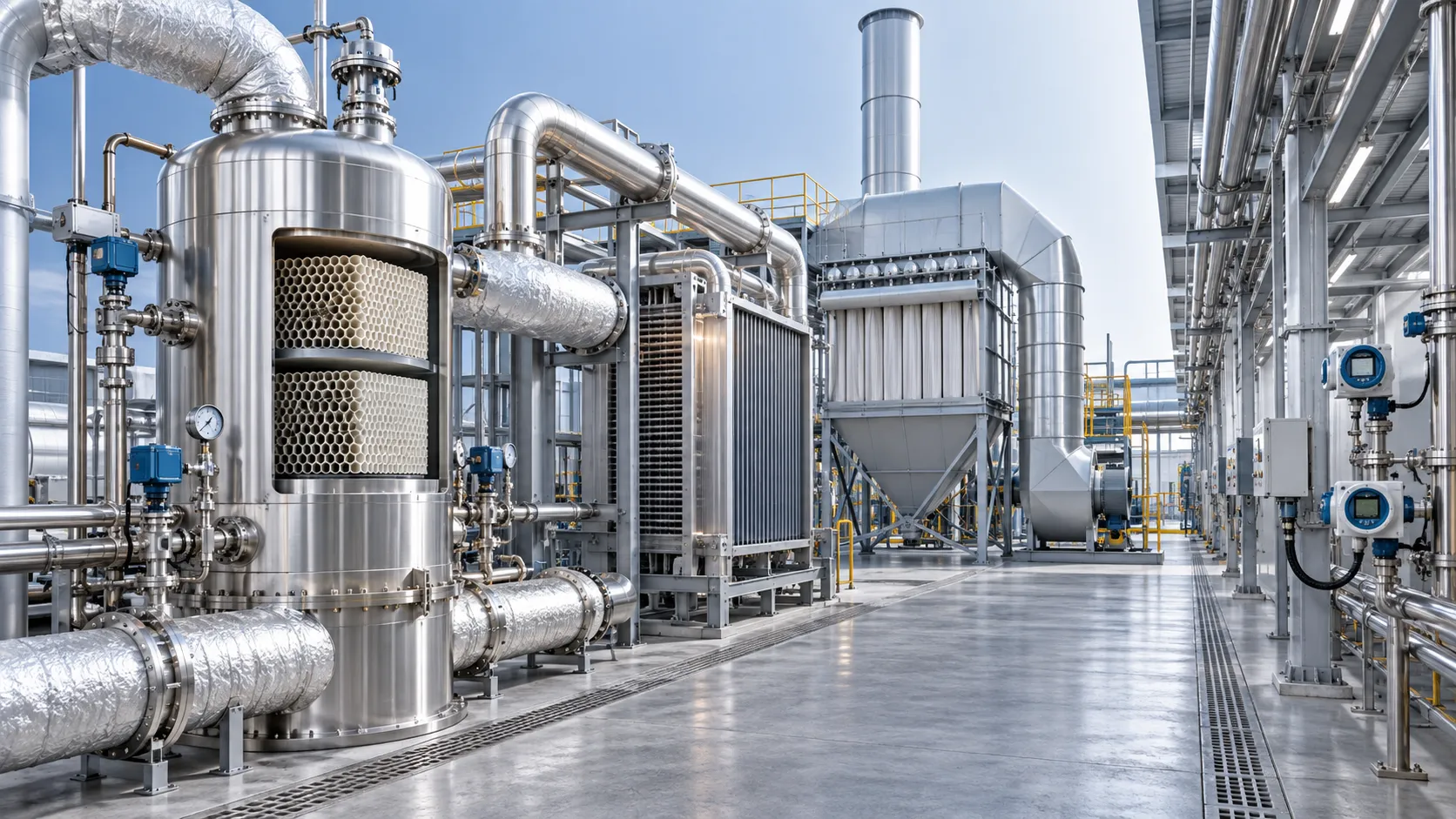
When low-temperature reaction equipment is the right fit for heat-sensitive processes
Low-temperature reaction equipment helps protect heat-sensitive streams, improve energy integration, and maintain reliable conversion. Explore key selection factors today.
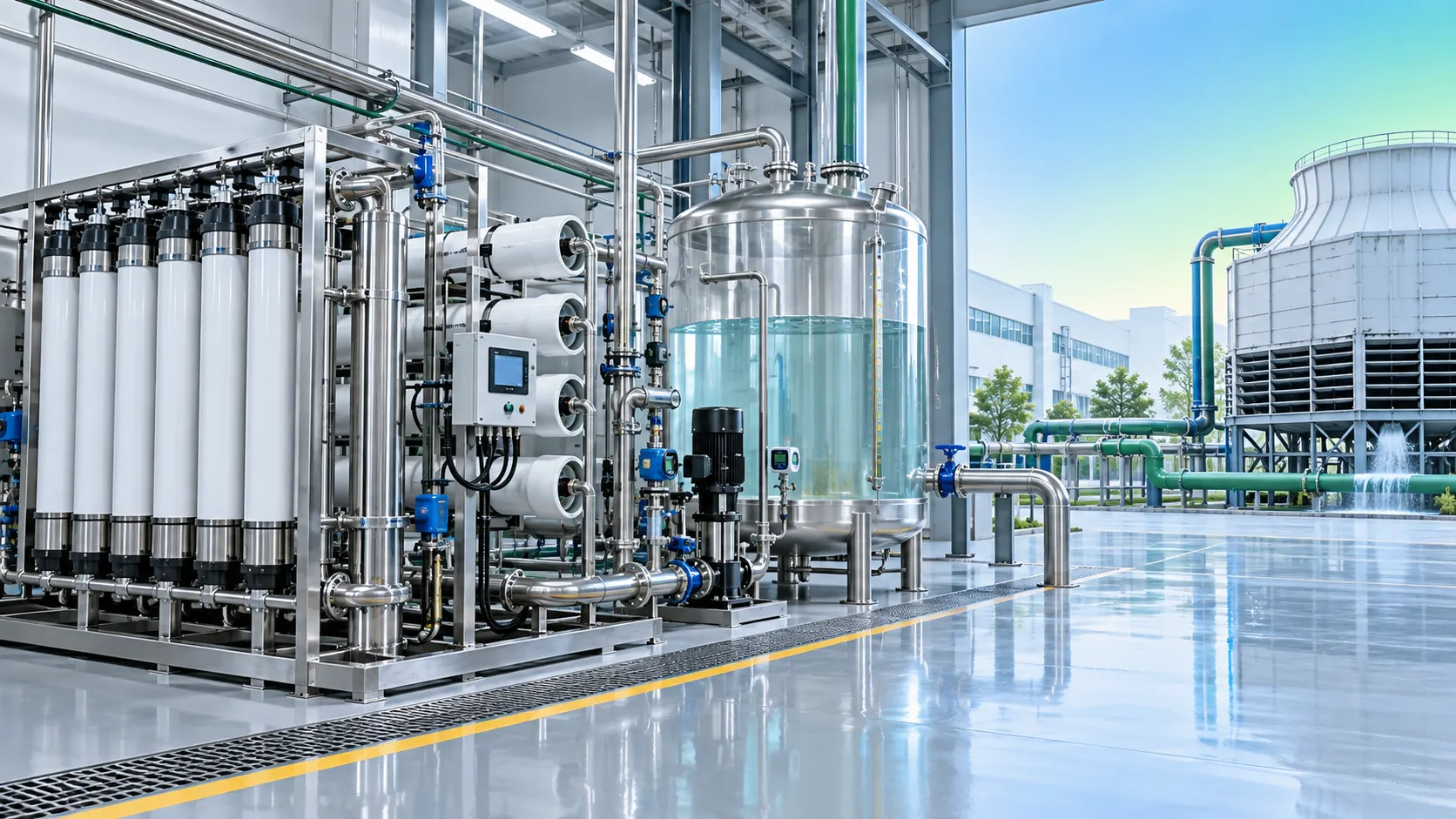
When do water reuse systems deliver a practical payback?
Water reuse systems deliver practical payback when they cut water, discharge, and downtime costs. Learn how to match treatment, recovery, and reuse quality for lasting ROI.
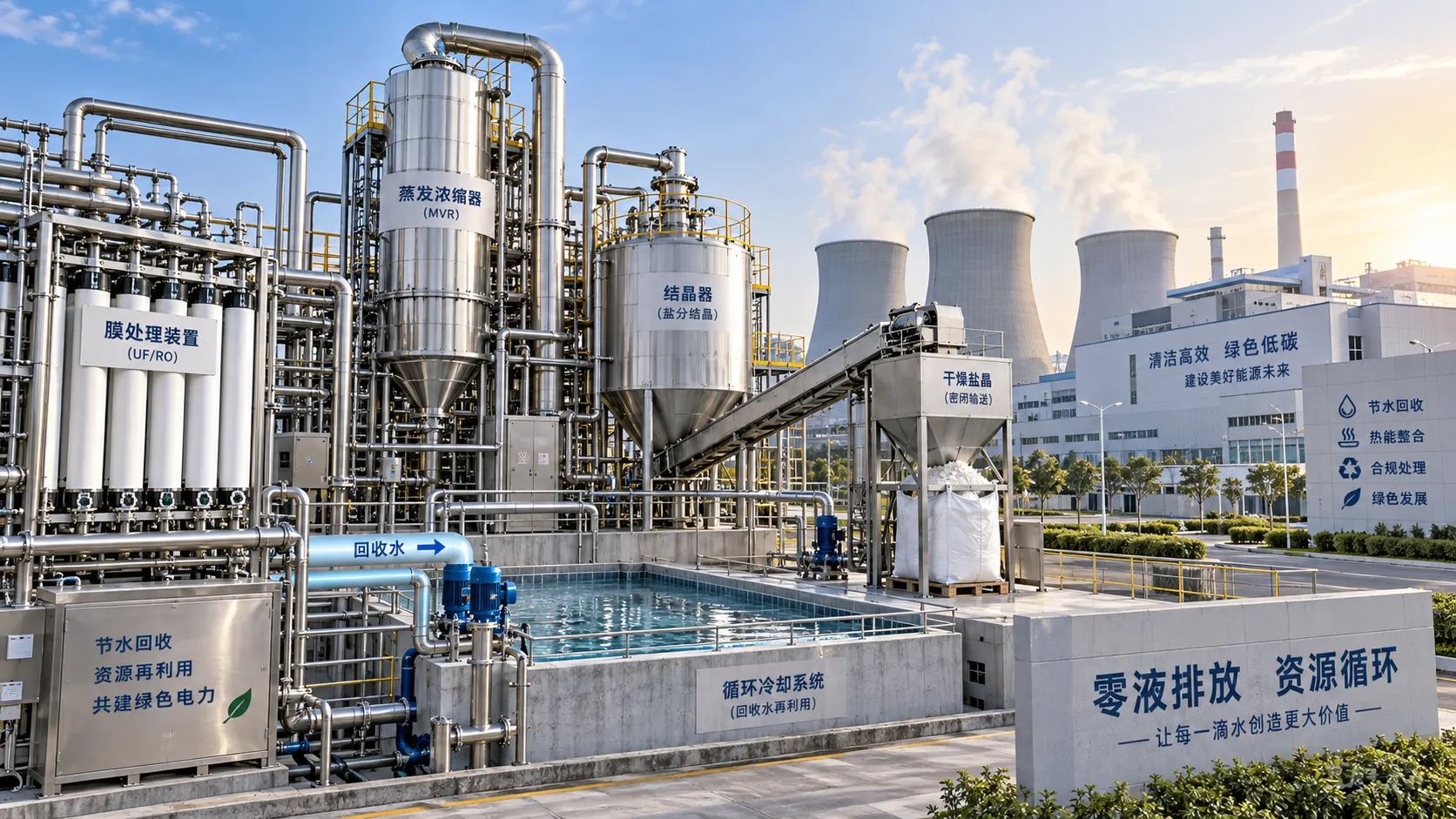
When do ZLD systems for power generation justify their energy use?
ZLD systems for power generation: learn when energy-intensive water recovery delivers stronger compliance, resilience, and long-term value.
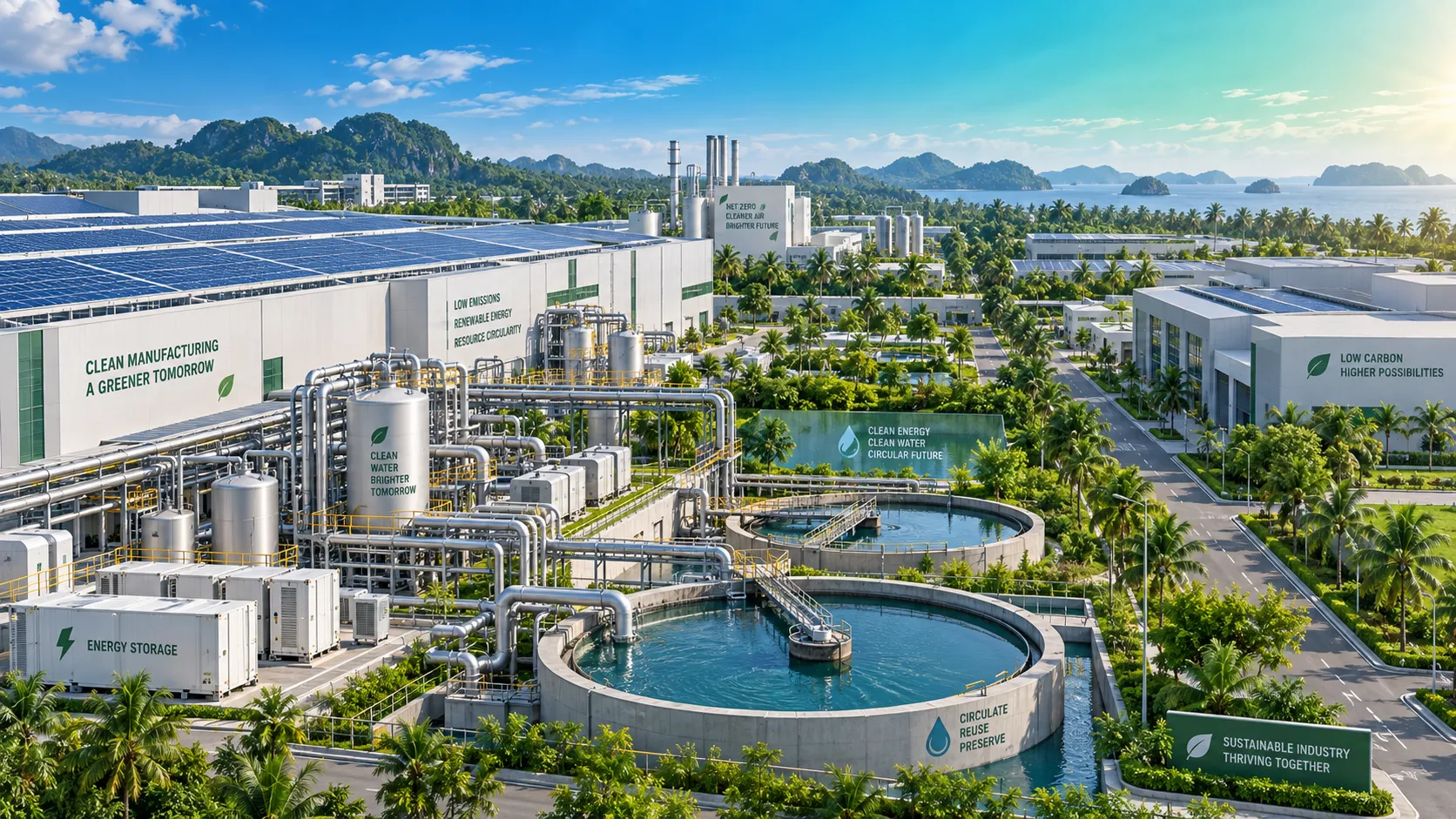
Which decarbonization pathways are most viable in Southeast Asia?
Decarbonization Southeast Asia: discover practical pathways for clean power, efficiency, electrification, circular recovery, and resilient industrial growth.