
Industry News
Curation by industry experts
Hot Articles
Popular Tags
Seawater Desalination Plants: OPEX Benchmarks for New Capacity Planning
Seawater Desalination Plants: OPEX Benchmarks for New Capacity Planning
For finance approvers, seawater desalination plants are judged by lifetime cost, not headline capacity.
That is why OPEX benchmarks matter early, before procurement models become fixed.
A plant can look efficient on paper and still miss tariff targets after commissioning.
The gap usually comes from energy, chemicals, membrane life, labor, and compliance costs.
In new capacity planning, seawater desalination plants need benchmarks that reflect actual operating conditions.
This makes bid comparisons sharper and long-term return assumptions more defensible.
Why OPEX Benchmarks Change the Investment Picture
CAPEX opens the project. OPEX determines whether the asset keeps delivering value.
For seawater desalination plants, a small difference in unit operating cost scales quickly.
At large volumes, even a modest cost variance can reshape tariff competitiveness.
It also affects debt service comfort, reserve policy, and contingency planning.
More importantly, OPEX benchmarks help separate optimistic vendor assumptions from robust plant economics.
In practice, finance teams should ask one simple question.
Will these seawater desalination plants still perform if power prices rise or pretreatment deteriorates?
The Core OPEX Lines to Benchmark
Not every cost item moves equally.
For seawater desalination plants, five categories usually drive most operating variance.
1. Energy Consumption
Energy remains the largest OPEX component for most seawater desalination plants.
Benchmarks should cover kWh per cubic meter, peak load behavior, and recovery efficiency.
They should also reflect intake conditions, temperature swings, and fouling patterns.
A low quoted figure means little if it assumes ideal seawater year-round.
2. Chemicals and Pretreatment
Chemical demand often rises when feedwater quality turns unstable.
That includes coagulants, antiscalants, biocides, cleaning agents, and pH adjustment reagents.
Finance models should benchmark dosage ranges, not only average consumption values.
This is especially important in algal bloom regions or industrialized coastlines.
3. Membrane Replacement
Membrane life is a critical benchmark in seawater desalination plants using SWRO systems.
Replacement assumptions should include flux decline, cleaning frequency, and warranty limits.
A longer theoretical lifespan does not help if real operating stress shortens performance stability.
4. Labor and Maintenance
Automation reduces headcount, but it rarely removes maintenance complexity.
Seawater desalination plants still need skilled operators, instrumentation support, and rotating equipment care.
Benchmark labor by staffing pattern, not by a single annual estimate.
5. Brine and Compliance Costs
Environmental compliance is becoming a larger line item in new projects.
Discharge monitoring, marine impact mitigation, carbon reporting, and permit conditions all add cost.
For seawater desalination plants, this line deserves more attention than older benchmarks suggest.
A Practical Benchmark Table for New Capacity Planning
A benchmark table works best when it shows ranges and decision implications together.
This kind of structure makes comparisons between seawater desalination plants far more transparent.
How to Read Vendor OPEX Claims More Carefully
Most proposals present strong design-point numbers.
The real test is whether those numbers survive variable operations.
When reviewing seawater desalination plants, focus on assumptions hidden beneath performance tables.
- Check whether energy use is based on average salinity or worst-month salinity.
- Ask if chemical estimates include seasonal shocks and biofouling events.
- Review membrane replacement against similar reference plants, not brochure claims.
- Confirm whether labor assumptions rely on local skill availability.
- Test compliance costs against tighter future discharge requirements.
A disciplined review prevents seawater desalination plants from looking cheaper than they really are.
Scenario Planning: The Fastest Way to Stress-Test OPEX
Benchmarking works best when paired with scenarios.
That is where approval quality usually improves the most.
For seawater desalination plants, three scenarios are especially useful.
Base Case
Use realistic benchmark averages from comparable operating plants.
Stress Case
Model higher electricity prices, shorter membrane life, and elevated chemical consumption.
Transition Case
Include stricter carbon accounting, discharge rules, or expanded monitoring obligations.
If seawater desalination plants remain viable across all three, the investment case is stronger.
If returns collapse under one realistic stress, the project needs redesign or pricing adjustment.
Where New Capacity Plans Commonly Go Wrong
Several mistakes appear again and again in seawater desalination plants procurement reviews.
- Using CAPEX savings to justify weak OPEX visibility.
- Accepting single-point efficiency figures without operating range analysis.
- Ignoring local marine conditions that change pretreatment demand.
- Underpricing compliance because current permits seem manageable.
- Comparing different process designs without normalizing OPEX boundaries.
These issues are avoidable when benchmark definitions are clear from the start.
A Simple Approval Framework for Better Decisions
A practical framework keeps evaluation disciplined and fast.
For seawater desalination plants, use this sequence before final approval.
- Define OPEX boundaries clearly, including intake, pretreatment, brine, and compliance.
- Benchmark against plants with similar salinity, scale, and regulatory burden.
- Translate technical assumptions into tariff and payback sensitivity.
- Stress-test the model with at least three downside variables.
- Approve only when vendor claims and benchmark evidence align.
This approach keeps seawater desalination plants evaluation grounded in operating reality.
Final Takeaway
The most bankable seawater desalination plants are not always the cheapest to build.
They are the ones with OPEX assumptions that remain credible after real-world pressure is applied.
Benchmark energy, chemicals, membranes, labor, and compliance with discipline.
Then link those benchmarks directly to tariff resilience and long-term return quality.
In new capacity planning, that is how seawater desalination plants move from technical promise to approval confidence.
Recommended News

How North America shapes global environmental governance standards
Global environmental governance North America: discover how regulation, finance, and procurement raise worldwide standards and reshape environmental projects.

How reactor capacity affects throughput in pyrolysis systems
Pyrolysis systems reactor capacity explained: learn how heat transfer, residence time, feed quality, and emissions controls determine reliable throughput.

When low-temperature reaction equipment is the right fit for heat-sensitive processes
Low-temperature reaction equipment helps protect heat-sensitive streams, improve energy integration, and maintain reliable conversion. Explore key selection factors today.

When do water reuse systems deliver a practical payback?
Water reuse systems deliver practical payback when they cut water, discharge, and downtime costs. Learn how to match treatment, recovery, and reuse quality for lasting ROI.
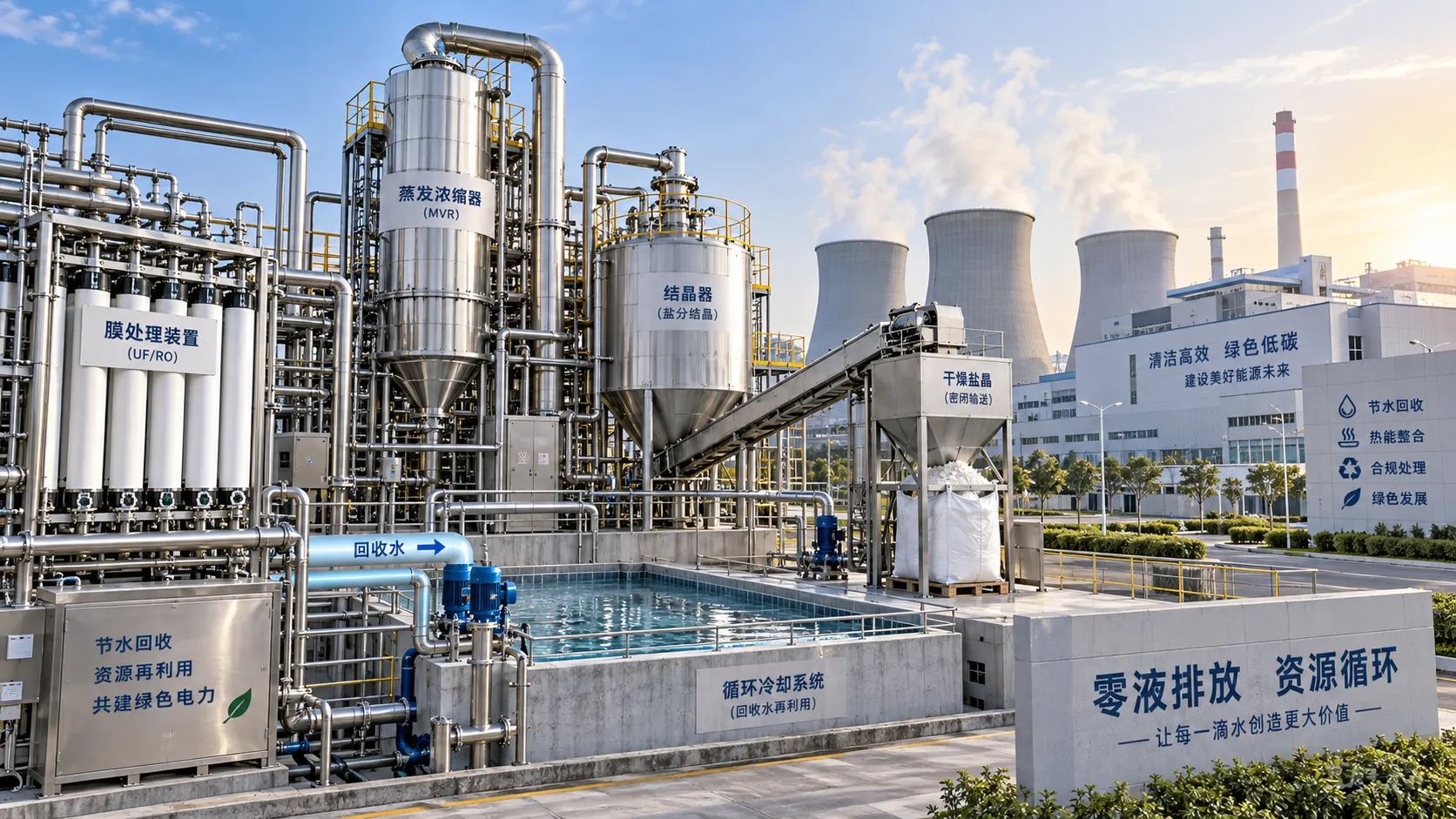
When do ZLD systems for power generation justify their energy use?
ZLD systems for power generation: learn when energy-intensive water recovery delivers stronger compliance, resilience, and long-term value.
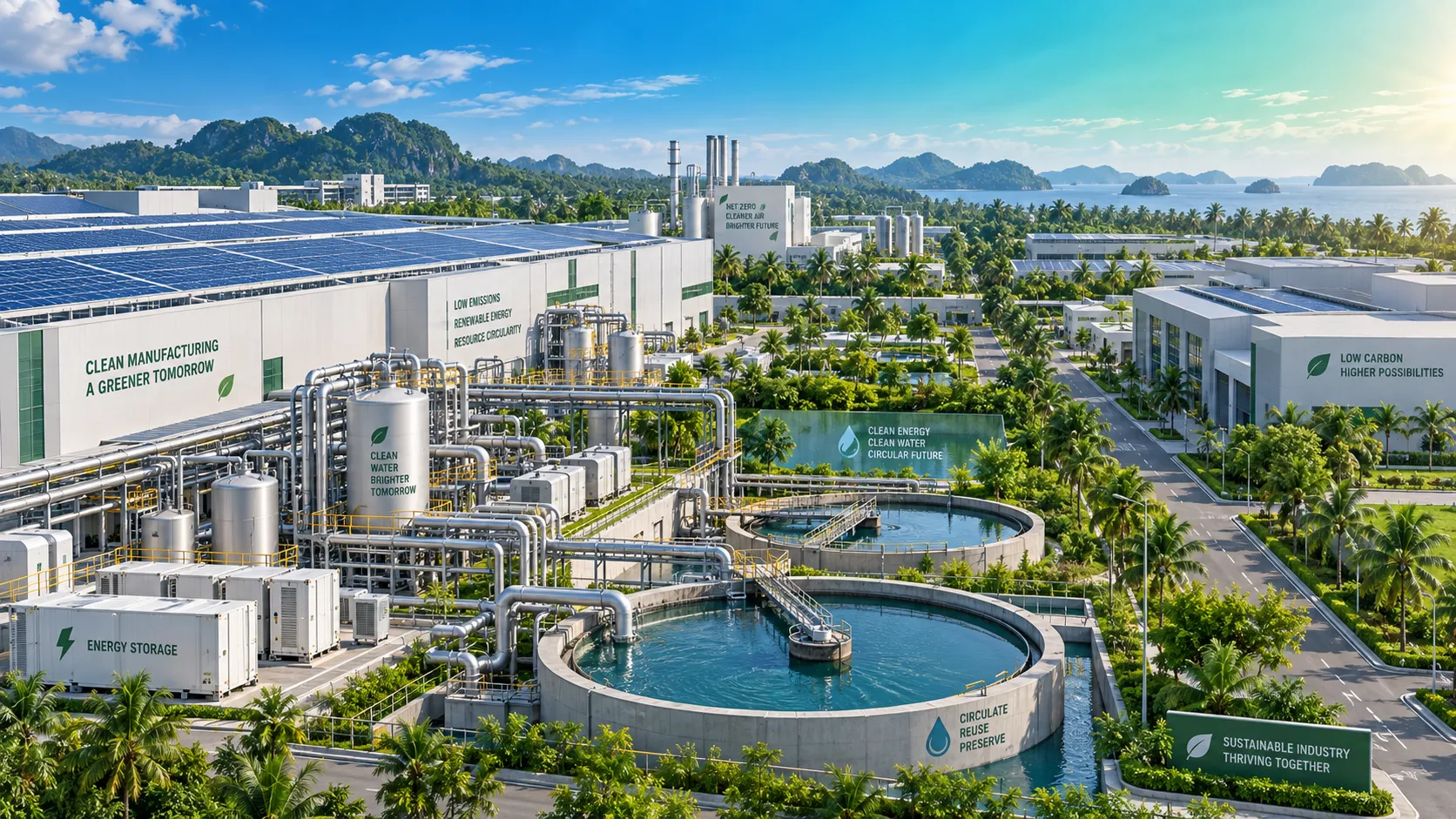
Which decarbonization pathways are most viable in Southeast Asia?
Decarbonization Southeast Asia: discover practical pathways for clean power, efficiency, electrification, circular recovery, and resilient industrial growth.

How to choose waste sorting equipment for mixed municipal waste
Waste sorting equipment selection guide for mixed municipal waste: compare technologies, improve recovery, reduce downtime, and build reliable output streams.

How to verify standards in an environmental equipment directory
environmental equipment directory standards reference: learn to verify certifications, performance evidence, scope, and project fit for confident, compliant equipment selection.
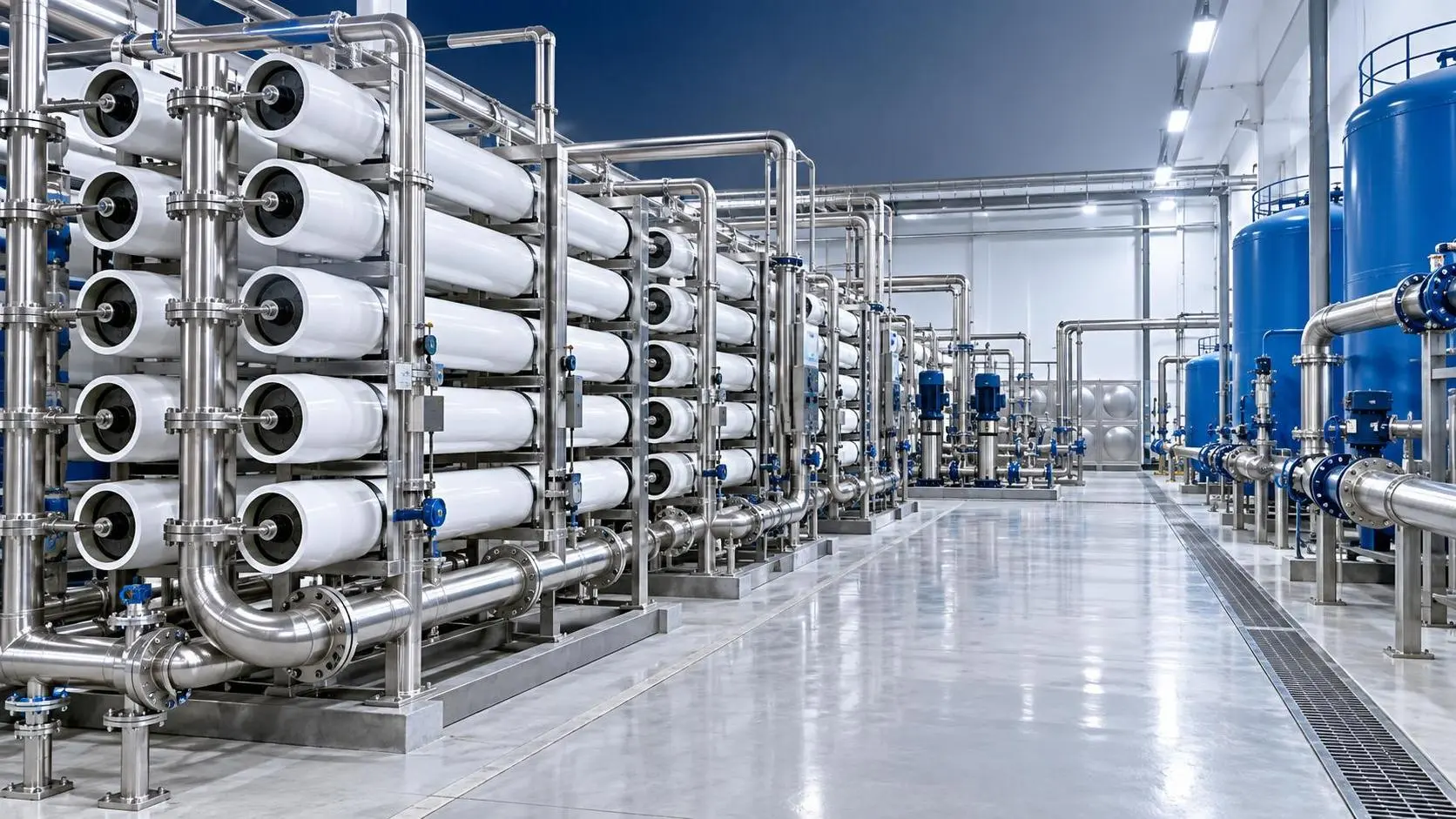
When high flux membrane water treatment justifies a larger footprint
High flux membrane water treatment can justify a larger footprint when variable feedwater, fouling risk, and uptime demands require resilient, lower-flux operation.