
Industry News
Curation by industry experts
Hot Articles
Popular Tags
Solid Waste Management Plan: Common Gaps That Raise Disposal Costs
Where disposal costs start rising before anyone notices
A solid waste management plan rarely fails in one obvious place.
Costs usually climb through small operational gaps that look harmless at first.
Mixed waste loads, weak manifest control, unstable recovery outlets, and poor residue forecasting all push fees upward.
In broad industrial and infrastructure settings, the same document can perform very differently across sites.
That is why a useful solid waste management plan must reflect process reality, not just compliance language.
This becomes more important where water treatment sludge, sorting residues, flue gas byproducts, desalination pretreatment waste, or special hazardous streams interact.
From the perspective of ESD’s ecological intelligence approach, disposal economics depend on how material flow, recovery logic, and regulatory pressure connect.
A plan that ignores those links may appear complete, yet still undermine margin, resilience, and long-term compliance.
Different operating environments create very different waste decisions
One common mistake is treating all waste streams as if disposal were the main issue.
In practice, the bigger question is whether the stream is stable enough for segregation, recovery, treatment, or regulated transfer.
A municipal plant handling dewatered sludge faces different priorities than a recycling hub managing mixed plastics and ash.
A desalination project may care more about pretreatment solids and chemical residues.
A nuclear-related environment cannot rely on ordinary assumptions about storage duration, chain of custody, or documentation depth.
The solid waste management plan should therefore be built around variability, contamination risk, and downstream market certainty.
Where feedstock changes often, decision rules matter more than static waste categories.
Where compliance thresholds are strict, traceability can matter more than the haulage rate itself.
A quick comparison of where planning priorities diverge
The point is not to create more paperwork.
It is to match the solid waste management plan to the operating logic of each site.
When segregation looks adequate but still fails financially
Segregation is often treated as a basic housekeeping issue.
In reality, it is one of the strongest cost levers in any solid waste management plan.
The problem is not only mixing hazardous and non-hazardous waste.
More often, value is lost when recoverable fractions are diluted by moisture, fines, packaging residue, or inconsistent operator practice.
At sorting and recovery sites, a small contamination increase can move material from resale to disposal.
At treatment plants, poor separation between grit, screenings, sludge, and maintenance waste complicates classification and transport planning.
A stronger approach is to define segregation around downstream destination, not only source location.
If two containers leave the site under different permits or different price structures, they should not be managed under one generic label.
- Map each stream to its likely outlet before assigning bins and labels.
- Track contamination triggers that change transport class or treatment route.
- Review whether storage layout encourages incorrect mixing during peak loads.
- Use periodic composition audits instead of assuming operators sort consistently.
Vendor control becomes critical when outlet markets are unstable
A solid waste management plan can look efficient while depending on a fragile vendor network.
This usually appears when a site relies on one transporter, one recycler, or one treatment contractor for several streams.
That structure may work in stable periods, yet costs jump quickly when permits change, fuel rises, or resale markets tighten.
The issue is common in circular economy operations, where recovery value depends on quality and timing.
It also affects remote desalination or industrial sites, where replacement vendors may not be readily available.
Good vendor control means more than checking licenses once a year.
It means understanding fallback capacity, acceptance criteria, pricing structure, and the real destination of the waste.
Without that visibility, disposal charges often become a surprise rather than a managed variable.
What to verify before a contractor becomes a cost risk
- Whether pricing is volume-based, weight-based, contamination-based, or tied to emergency callouts.
- Whether rejected loads are redirected legally and at what surcharge.
- Whether manifests, certificates, and digital records match local compliance expectations.
- Whether backup outlets exist for shutdowns, market shocks, or seasonal overloads.
Compliance tracking matters most where materials change faster than permits
Many disposal overruns begin with outdated assumptions about classification.
A process upgrade, reagent change, membrane cleaning cycle, or maintenance turnaround can alter waste characteristics unexpectedly.
The solid waste management plan should be flexible enough to catch those shifts early.
This is especially relevant in ESD-linked environments where purification chemistry, resource recovery, and compliance standards evolve together.
For example, a stream that was previously suitable for beneficial use may lose that status after minor contamination changes.
Once that happens, transport, storage, and reporting requirements can all become more expensive.
The practical lesson is simple.
Compliance tracking should follow process changes, not wait for annual documentation review.
Recovery design only works when residue economics are realistic
Another frequent gap is assuming every recovery step lowers total disposal cost.
Sometimes it does the opposite.
Pyrolysis, AI sorting, sludge drying, or materials extraction can improve circularity, but only if residue streams are predictable and saleable outputs have stable channels.
When reject fractions remain high, the site ends up paying for both processing and final disposal.
This is where a solid waste management plan should connect recovery ambition with mass balance discipline.
A recovery line that captures value from one stream may create a more difficult residue elsewhere.
In actual projects, that tradeoff is often missed during early planning.
The better question is not whether recovery is technically possible.
It is whether the full chain remains compliant, financeable, and operable under changing feed conditions.
The most common misread is focusing on unit price instead of system cost
A low hauling quote can hide expensive consequences.
The same applies to a cheap container setup, a single recovery outlet, or a minimal testing schedule.
What matters is total system cost across storage, handling, transfer, treatment, rejection, reporting, and contingency events.
Sites with mixed industrial and environmental infrastructure are especially exposed because one weak interface can affect several waste streams at once.
A solid waste management plan should therefore be tested against real interruptions.
What happens if moisture rises by ten percent.
What happens if a recycler stops accepting fines.
What happens if a regulated waste stream doubles during shutdown maintenance.
Those stress points reveal whether the plan controls cost or merely records activity.
Practical next steps for a stronger solid waste management plan
- Re-map waste streams by downstream outlet, not by internal department alone.
- Check where segregation failure changes classification, resale value, or permit conditions.
- Review vendor contracts for rejection clauses, fallback routes, and documentation duties.
- Link compliance review to process changes, maintenance events, and seasonal variability.
- Model residue volumes and contingency costs before expanding recovery equipment.
- Build site-specific adaptation rules instead of copying one plan across different facilities.
A solid waste management plan becomes more resilient when it reflects how material actually moves, changes, and exits the site.
That is usually where disposal cost control starts becoming visible and durable.
Recommended News

How North America shapes global environmental governance standards
Global environmental governance North America: discover how regulation, finance, and procurement raise worldwide standards and reshape environmental projects.

How reactor capacity affects throughput in pyrolysis systems
Pyrolysis systems reactor capacity explained: learn how heat transfer, residence time, feed quality, and emissions controls determine reliable throughput.

When low-temperature reaction equipment is the right fit for heat-sensitive processes
Low-temperature reaction equipment helps protect heat-sensitive streams, improve energy integration, and maintain reliable conversion. Explore key selection factors today.

When do water reuse systems deliver a practical payback?
Water reuse systems deliver practical payback when they cut water, discharge, and downtime costs. Learn how to match treatment, recovery, and reuse quality for lasting ROI.
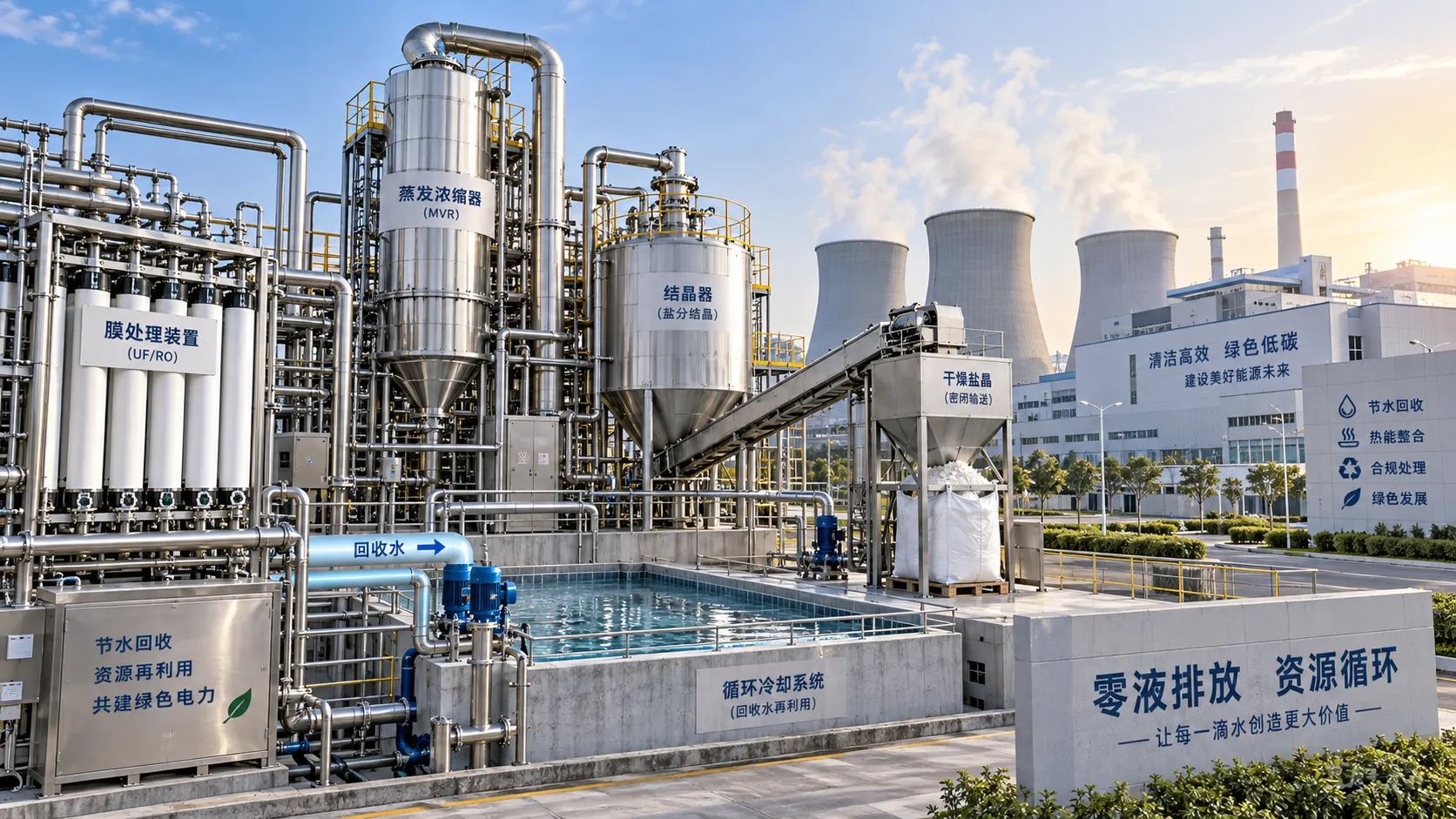
When do ZLD systems for power generation justify their energy use?
ZLD systems for power generation: learn when energy-intensive water recovery delivers stronger compliance, resilience, and long-term value.
Which decarbonization pathways are most viable in Southeast Asia?
Decarbonization Southeast Asia: discover practical pathways for clean power, efficiency, electrification, circular recovery, and resilient industrial growth.
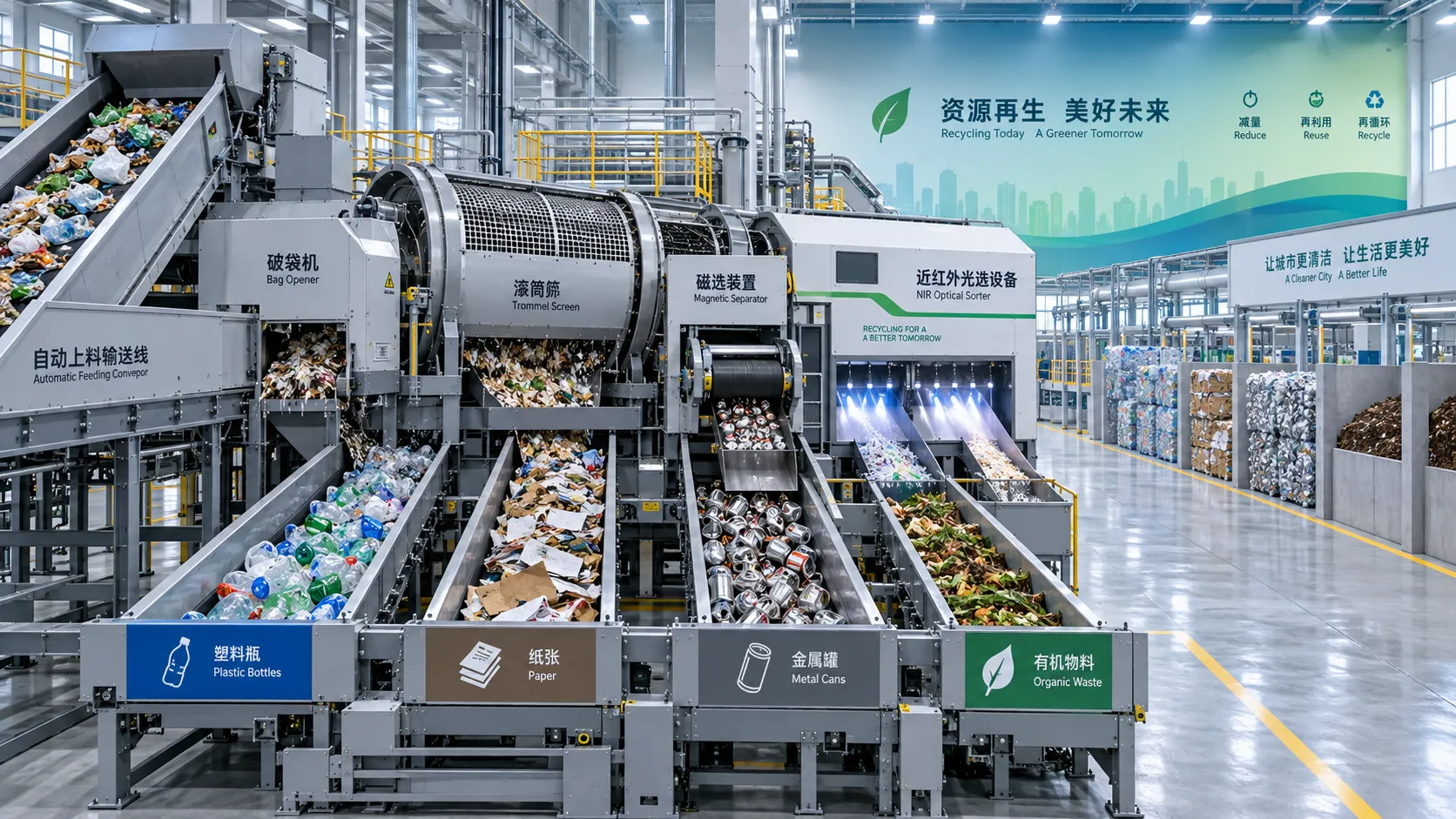
How to choose waste sorting equipment for mixed municipal waste
Waste sorting equipment selection guide for mixed municipal waste: compare technologies, improve recovery, reduce downtime, and build reliable output streams.
How to verify standards in an environmental equipment directory
environmental equipment directory standards reference: learn to verify certifications, performance evidence, scope, and project fit for confident, compliant equipment selection.

When high flux membrane water treatment justifies a larger footprint
High flux membrane water treatment can justify a larger footprint when variable feedwater, fouling risk, and uptime demands require resilient, lower-flux operation.