
Industry News
Curation by industry experts
Hot Articles
Popular Tags
Urban Mining Technology Advancements: What Actually Improves Recovery Rates?
Urban mining technology advancements are changing how recovery performance is judged in real projects. The discussion is no longer limited to whether waste can be sorted. It now centers on how much valuable material can be recovered, how pure it is, how stable the output remains, and whether the full process can meet tightening environmental rules.
That shift matters across the wider ecological engineering chain. For platforms such as ESD, which track equipment intelligence across water treatment, solid waste recovery, desalination, flue gas control, and nuclear waste management, urban mining is not an isolated recycling topic. It is part of a broader industrial logic: reducing loss, controlling contamination, and turning complex residues into traceable resources.
In practice, the strongest gains come from integrated systems. Better pre-processing, AI-based identification, selective liberation, advanced thermal treatment, and tighter process control often improve recovery rates more than any single machine upgrade. The real question is which combinations create measurable improvements at scale.
Why recovery rates are now a strategic metric
Urban mining converts end-of-life products, industrial residues, mixed scrap, and municipal streams into secondary raw materials. Recovery rate sounds simple, but it reflects several layers of performance at once.
A plant may report high throughput while losing critical metals in fines. Another may recover large volumes but deliver low-purity output that downstream buyers reject. A third may reach strong yields while creating wastewater, off-gas, or hazardous residues that raise compliance costs.
This is why urban mining technology advancements attract serious attention. Recovery is now evaluated against material value, contamination control, energy intensity, traceability, and regulatory risk. In markets shaped by carbon accounting and resource security, recovery quality matters as much as recovery quantity.
What actually improves recovery performance
The most effective urban mining technology advancements usually target one of three bottlenecks: poor feed consistency, incomplete separation, or downstream contamination. Technologies that reduce these losses tend to move recovery rates in a meaningful way.
Smarter pre-processing and liberation
Recovery starts before separation. Shredding, crushing, dismantling, and particle-size management determine whether valuable fractions become accessible or remain trapped in mixed composites.
Advanced pre-processing lines now use adaptive cutting, low-damage dismantling, and staged liberation. These methods reduce over-grinding, preserve higher-value fractions, and lower the amount of mixed dust that is difficult to recover.
AI sorting with better sensor fusion
Basic optical sorting has limitations in mixed and contaminated streams. More recent systems combine near-infrared, X-ray transmission, hyperspectral imaging, induction sensors, and machine vision.
This sensor fusion improves classification accuracy for plastics, alloys, circuit boards, batteries, and composite materials. It also helps separate visually similar materials with very different downstream value.
Among urban mining technology advancements, this is one of the clearest drivers of better recovery rates because fewer valuable fractions are lost into reject streams.
Controlled pyrolysis and thermal upgrading
Pyrolysis plays a growing role where mixed organic contamination blocks material recovery. Wire scrap, electronic waste, laminated products, and complex packaging often respond better when thermal treatment is tightly controlled.
The improvement does not come from heat alone. It comes from temperature profile control, residence time management, oxygen exclusion, gas cleaning, and residue stabilization. These factors determine whether pyrolysis improves metal liberation and carbon removal, or simply creates new contamination problems.
Process analytics and closed-loop optimization
A modern line that cannot measure loss points rarely sustains high recovery. Inline analytics, digital twins, and feedback control systems now allow operators to tune settings according to feed variability.
This matters because urban feedstocks are unstable by nature. Product design changes, seasonal collection patterns, and contamination levels all affect process behavior. Plants that monitor recovery in real time usually outperform plants that rely on periodic manual checks.
The technologies that look good on paper but underperform
Not every upgrade improves actual recovery. Some projects overestimate the benefit of adding a premium separator to a poorly conditioned feed stream. Others install AI sorting without cleaning up material presentation, belt loading, or particle-size distribution.
In those cases, the technology is not necessarily weak. The system design is incomplete. Urban mining technology advancements produce the best results when they are matched to feed composition, downstream metallurgy, and environmental treatment capacity.
This systems view aligns with ESD’s broader lens on ecological infrastructure. A recovery line affects water circuits, off-gas handling, residue management, and compliance exposure. Recovery rates should therefore be judged within the full industrial balance, not only at the sorter outlet.
Where the biggest gains appear in practice
Different waste streams reward different technical choices. A practical comparison makes the point more clearly.
The common pattern is clear. Recovery improves when the process is designed around the real physical and chemical barriers of the stream, not around generic equipment claims.
How to judge recovery claims more accurately
When reviewing urban mining technology advancements, headline percentages can be misleading. Recovery claims should be tested against several linked indicators.
- Check whether recovery is reported by mass, by metal content, or by marketable output.
- Ask how feed variability was defined during trials and whether contaminants were included.
- Review purity levels, not only extraction rates, because low-grade output may shift losses downstream.
- Assess water, air, and residue treatment requirements created by the recovery process.
- Look for traceability tools that support compliance, certification, and buyer confidence.
This broader evaluation is especially important where CBAM pressure, recycled content targets, and hazardous waste rules are tightening. A process with slightly lower nominal yield may create stronger overall economics if it delivers cleaner fractions and lower compliance burden.
Why traceability and compliance now affect recovery value
One major shift in urban mining technology advancements is the integration of data with physical recovery. Traceability platforms, batch-level monitoring, and contamination mapping increasingly shape commercial value.
Recovered material is more bankable when its origin, composition, and treatment history are visible. This is particularly relevant in metals, battery materials, engineering plastics, and cross-border recycling chains.
From ESD’s intelligence perspective, this mirrors a wider trend across environmental equipment sectors. Whether the system handles wastewater concentrate, flue gas residues, or recovered solids, performance is becoming inseparable from data integrity and compliance readiness.
What deserves attention in the next evaluation cycle
The next phase of urban mining will likely reward technologies that connect higher recovery with lower environmental overhead. Hybrid mechanical-thermal flowsheets, robotics-assisted dismantling, AI-guided process control, and better secondary residue treatment are moving in that direction.
Still, the most useful approach is not to chase novelty. It is to map the dominant loss mechanisms in each stream, compare them against available urban mining technology advancements, and test whether the proposed system improves net recovery after purity, emissions, residues, and traceability are counted together.
That creates a more reliable basis for decision-making. It also helps separate equipment marketing from actual process capability. In a field shaped by circular economy targets and stricter environmental scrutiny, that distinction is what turns urban mining from a promising concept into dependable infrastructure.
A sensible next step is to build a comparison framework around feed characteristics, target materials, purity thresholds, utility demand, and compliance obligations. Once those conditions are explicit, the most relevant urban mining technology advancements become much easier to identify and verify.
Recommended News
When does MBR equipment make sense for wastewater reuse?
Water treatment equipment for wastewater reuse: learn when MBR delivers compact, reliable low-solids effluent—and when alternative treatment trains offer better value.
How North America shapes global environmental governance standards
Global environmental governance North America: discover how regulation, finance, and procurement raise worldwide standards and reshape environmental projects.
How reactor capacity affects throughput in pyrolysis systems
Pyrolysis systems reactor capacity explained: learn how heat transfer, residence time, feed quality, and emissions controls determine reliable throughput.
When low-temperature reaction equipment is the right fit for heat-sensitive processes
Low-temperature reaction equipment helps protect heat-sensitive streams, improve energy integration, and maintain reliable conversion. Explore key selection factors today.
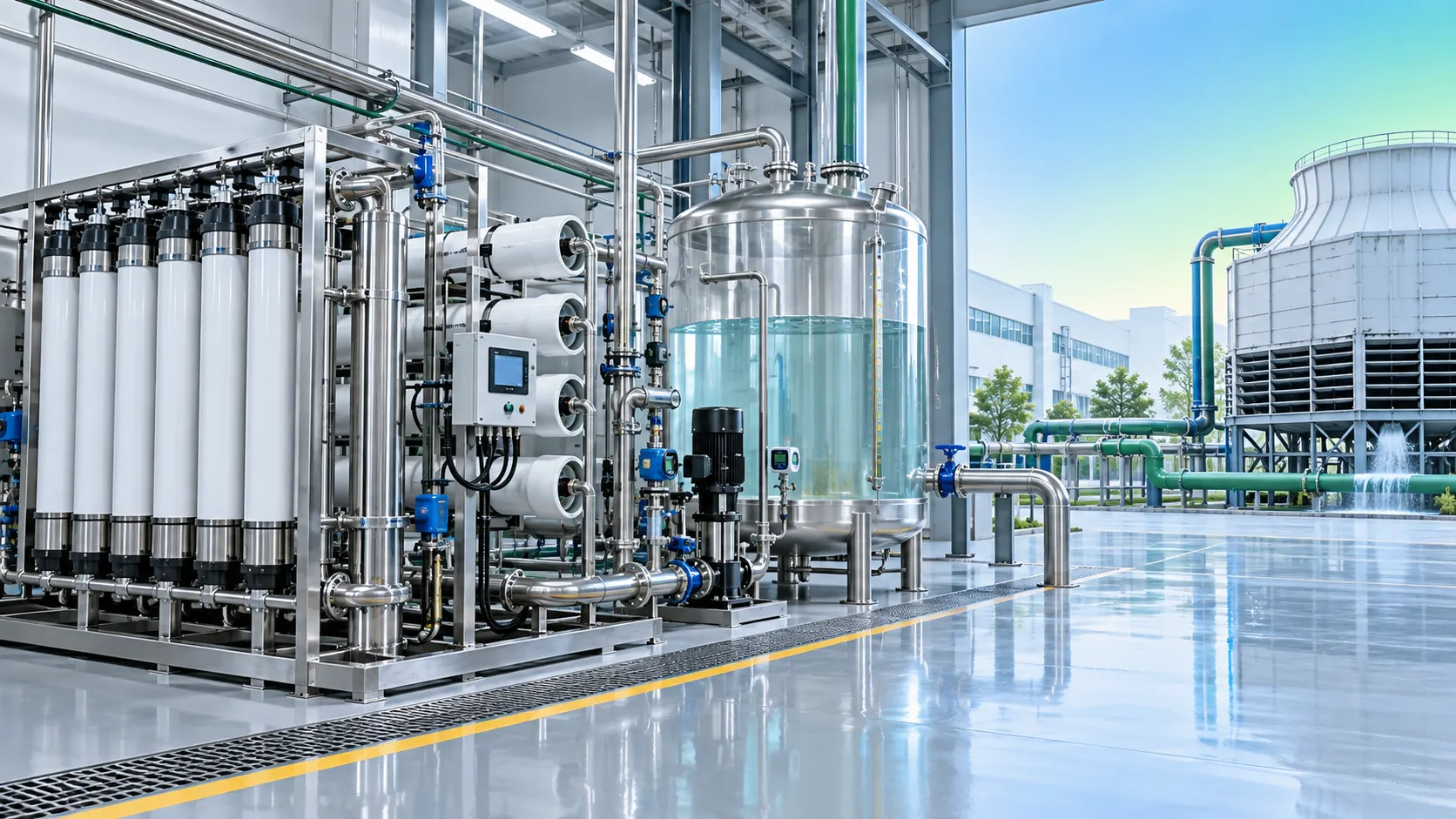
When do water reuse systems deliver a practical payback?
Water reuse systems deliver practical payback when they cut water, discharge, and downtime costs. Learn how to match treatment, recovery, and reuse quality for lasting ROI.
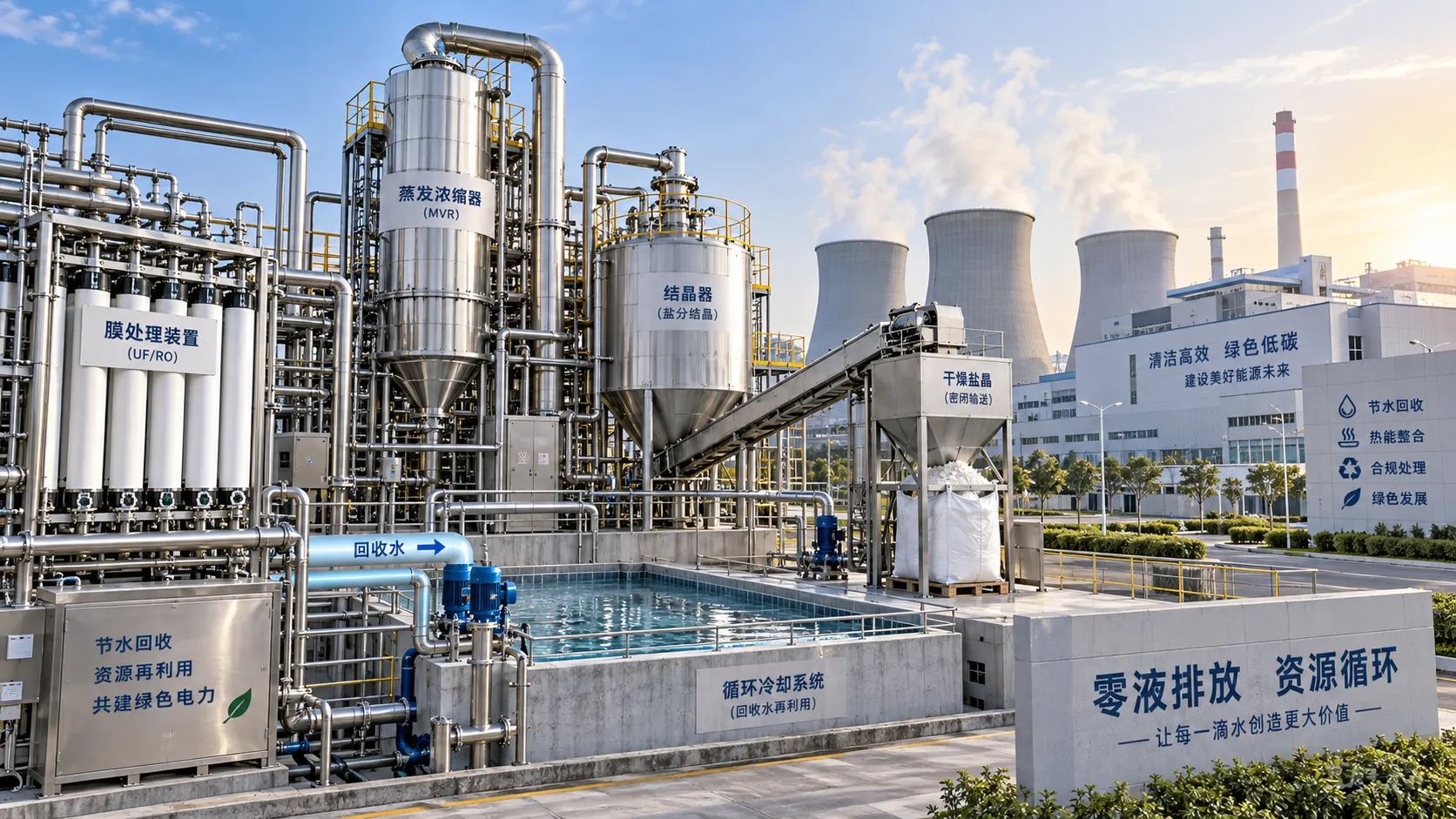
When do ZLD systems for power generation justify their energy use?
ZLD systems for power generation: learn when energy-intensive water recovery delivers stronger compliance, resilience, and long-term value.
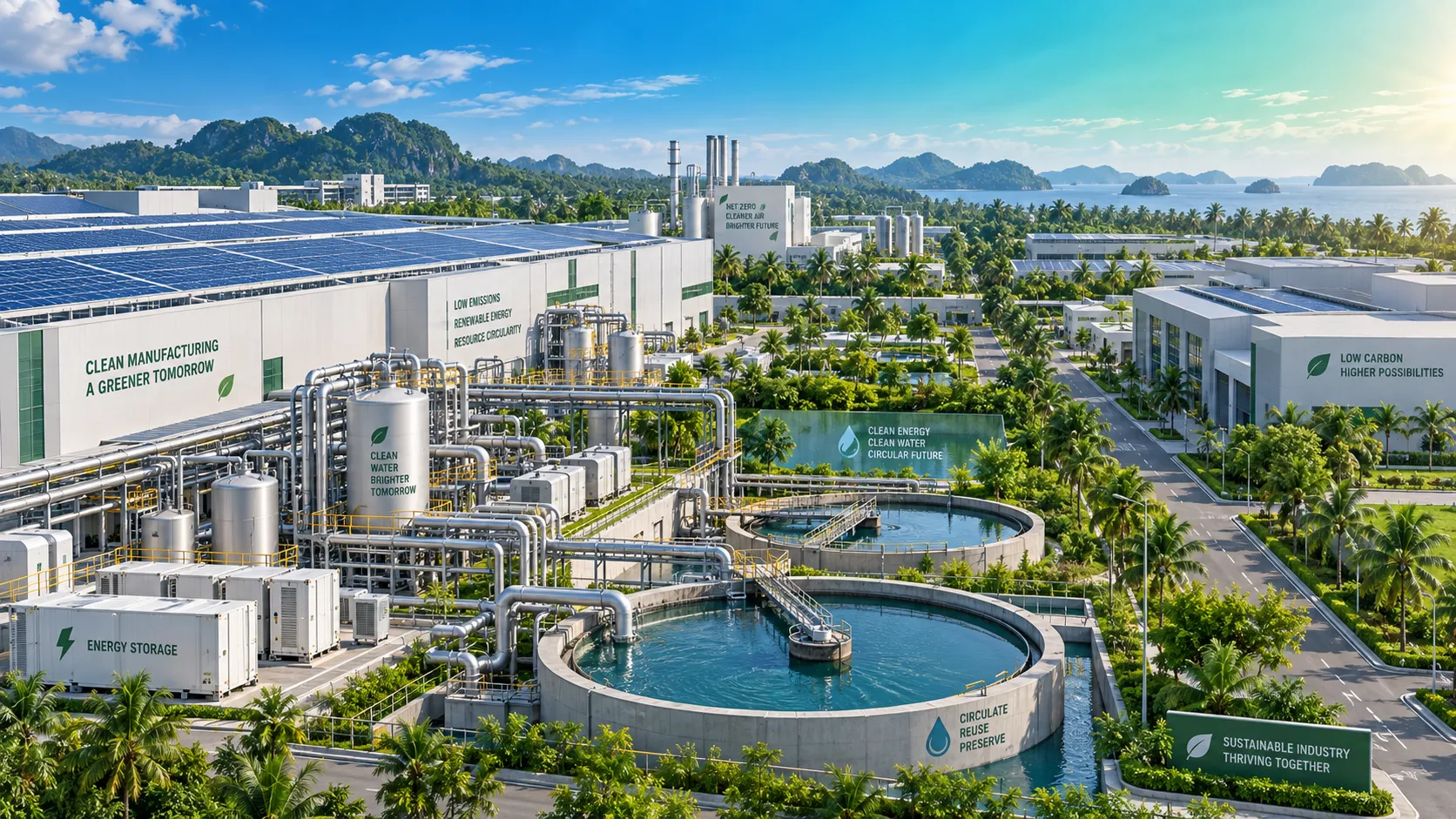
Which decarbonization pathways are most viable in Southeast Asia?
Decarbonization Southeast Asia: discover practical pathways for clean power, efficiency, electrification, circular recovery, and resilient industrial growth.
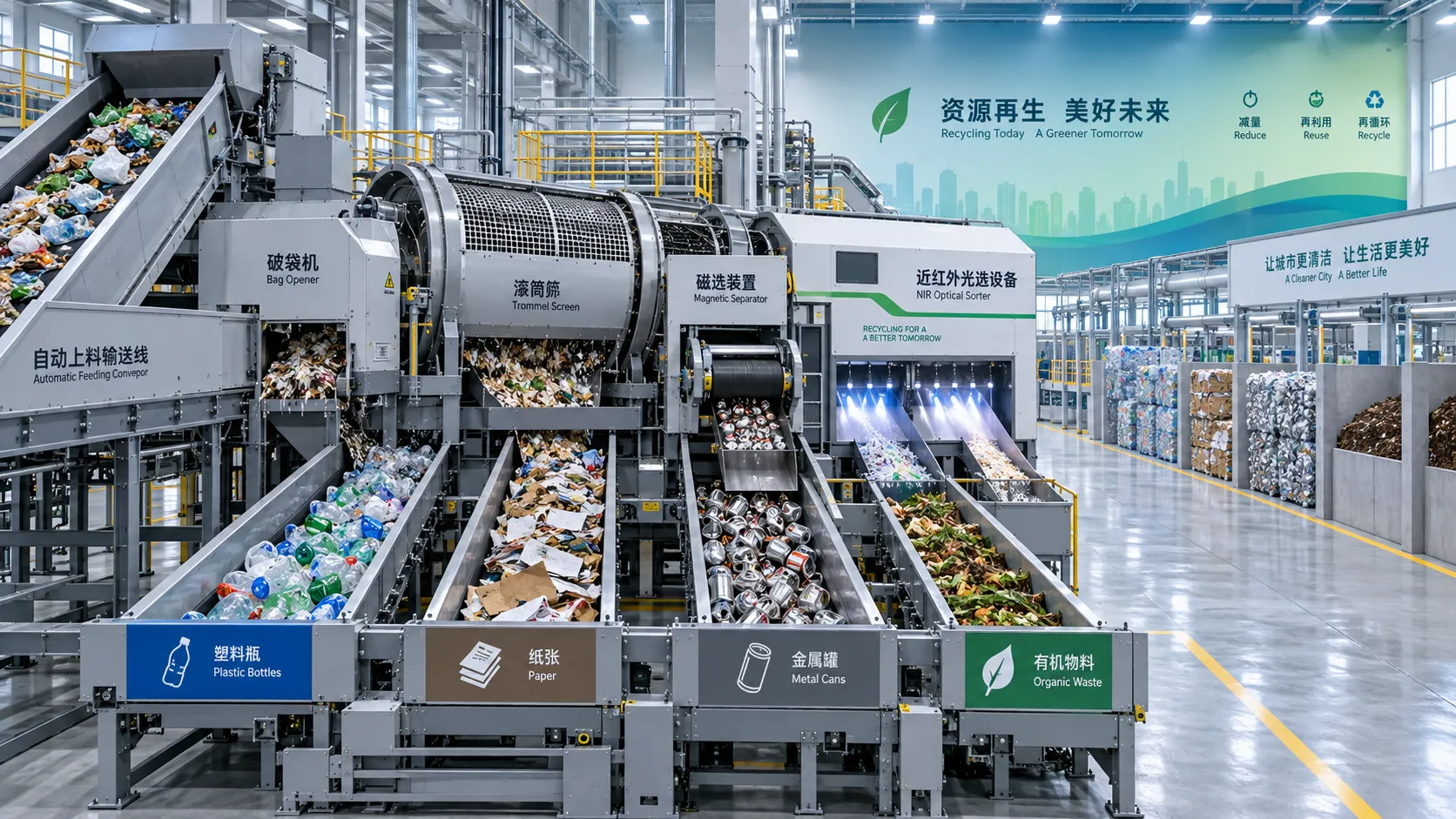
How to choose waste sorting equipment for mixed municipal waste
Waste sorting equipment selection guide for mixed municipal waste: compare technologies, improve recovery, reduce downtime, and build reliable output streams.
How to verify standards in an environmental equipment directory
environmental equipment directory standards reference: learn to verify certifications, performance evidence, scope, and project fit for confident, compliant equipment selection.