
Industry News
Curation by industry experts
Hot Articles
Popular Tags
Seawater Desalination: SWRO or MED for Lower Lifecycle Cost?
Seawater Desalination: SWRO or MED for Lower Lifecycle Cost?
In seawater desalination, the real question is not only capex.
It is which process keeps total ownership cost lower over twenty or thirty years.
That is why the SWRO versus MED discussion stays central in technical evaluation.
The answer changes with energy structure, seawater quality, plant duty, and reliability targets.
A seawater desalination project can look economical at award stage, then become expensive in operation.
Why lifecycle cost matters more than headline efficiency
SWRO usually wins attention because its specific energy use is often lower.
MED often enters the debate when heat is available or reliability is valued above minimum power use.
In practice, seawater desalination cost is shaped by a chain of interacting variables.
These include pretreatment intensity, membrane replacement, scaling control, staffing, spares, shutdown frequency, and brine management.
A sound decision compares stable annualized cost, not one isolated performance number.
Typical lifecycle cost buckets
- Initial plant investment, including intake, pretreatment, core process, and outfall.
- Energy and utility demand across changing load and seasonal conditions.
- Consumables, such as antiscalants, cleaning chemicals, cartridges, and membranes.
- Maintenance labor, rotating equipment overhaul, and spare part inventories.
- Availability losses, unplanned downtime, and product quality excursions.
- Future compliance costs linked to emissions, discharge, and energy source shifts.
Where SWRO usually delivers lower cost
For many modern seawater desalination plants, SWRO is the default economic benchmark.
The reason is straightforward.
Its equipment chain is mature, globally standardized, and supported by a deep supply network.
Energy recovery devices, better membranes, and optimized pretreatment have pushed operating cost down.
For greenfield municipal or industrial water supply, SWRO often reaches the lowest levelized water cost.
Best-fit conditions for SWRO
- Electricity is reasonably priced and grid stability is acceptable.
- Pretreatment can handle algae, turbidity swings, and biofouling risk.
- Project scale benefits from modular train expansion.
- Fast construction and lower initial footprint matter.
- The owner wants proven vendor competition for lifecycle procurement.
SWRO also responds well to phased investment.
That flexibility reduces stranded capital when demand growth is uncertain.
From a commercial risk view, this matters almost as much as power consumption.
Where MED can beat SWRO on lifecycle cost
MED is not the low-cost loser many quick comparisons assume.
In the right setting, MED can produce a lower and more stable lifecycle cost.
This is especially true when low-grade steam or waste heat is already available.
A co-located power, refinery, or petrochemical complex can change the economics dramatically.
Under those conditions, seawater desalination should be judged as an integrated utility system.
Best-fit conditions for MED
- Waste heat or cheap thermal energy reduces effective energy cost.
- Feedwater quality is harsh, variable, or biologically challenging.
- Very high product water reliability is a contractual priority.
- Chemical consumption and membrane replacement are strategic concerns.
- Long operating life with slower performance decline is highly valued.
MED can also simplify some fouling-related risks that burden SWRO plants.
That does not make MED maintenance-free.
But it can reduce vulnerability to membrane condition, pretreatment drift, and feed shocks.
The hidden cost drivers that change the answer
This is where many seawater desalination evaluations go off track.
They compare design-point data but miss site reality.
A plant rarely operates at ideal conditions every day of the year.
1. Energy price structure
If electricity tariffs are volatile, SWRO operating cost can swing sharply.
If thermal energy is effectively stranded, MED may gain a durable advantage.
2. Feedwater quality risk
High red tide exposure, suspended solids, or organic loading can punish SWRO economics.
Extra pretreatment, more frequent cleaning, and shorter membrane life add up quickly.
3. Recovery and product requirements
If product water quality tolerance is tight, polishing costs may alter the comparison.
If recovery targets are aggressive, concentrate handling becomes more relevant.
4. Downtime economics
For critical industrial supply, one outage can cost more than a year of chemical savings.
That is why resilience deserves a monetary value in seawater desalination selection.
A practical SWRO versus MED decision framework
A better evaluation starts by separating assumptions from site facts.
Then build a lifecycle model that reflects how the plant will really operate.
- Map feedwater variability across seasons, storms, and biological events.
- Price electricity and thermal energy using realistic long-term scenarios.
- Model consumables and replacements using conservative service intervals.
- Quantify downtime cost based on actual water supply criticality.
- Stress-test both options against tighter environmental compliance rules.
- Include expansion logic, because future capacity often changes present value.
From recent market shifts, the clearer signal is this.
Seawater desalination projects are being judged more harshly on long-term operating resilience.
That makes simplistic cost-per-cubic-meter comparisons less useful than before.
So which option usually wins?
If the project is stand-alone, power-driven, and backed by manageable seawater quality, SWRO usually wins.
It tends to offer lower capex, lower energy cost, and easier modular growth.
If low-cost thermal energy exists and reliability under difficult feedwater conditions is crucial, MED can win.
It may not look cheaper in a quick spreadsheet, but it can outperform over the asset life.
For seawater desalination, the lower lifecycle cost belongs to the option that best matches the site system.
Final decision takeaway
The smartest seawater desalination choice is rarely made by technology preference alone.
It comes from matching SWRO or MED to energy context, water risk, operating philosophy, and compliance exposure.
In real projects, hidden costs usually sit in variability, not in nameplate performance.
That also means a defendable decision needs scenario testing, not vendor headline numbers.
When the model includes energy, maintenance, downtime, and future compliance, the right answer becomes clearer.
Use that framework first, and the SWRO versus MED choice becomes a disciplined lifecycle decision, not a guess.
Recommended News

How North America shapes global environmental governance standards
Global environmental governance North America: discover how regulation, finance, and procurement raise worldwide standards and reshape environmental projects.

How reactor capacity affects throughput in pyrolysis systems
Pyrolysis systems reactor capacity explained: learn how heat transfer, residence time, feed quality, and emissions controls determine reliable throughput.

When low-temperature reaction equipment is the right fit for heat-sensitive processes
Low-temperature reaction equipment helps protect heat-sensitive streams, improve energy integration, and maintain reliable conversion. Explore key selection factors today.

When do water reuse systems deliver a practical payback?
Water reuse systems deliver practical payback when they cut water, discharge, and downtime costs. Learn how to match treatment, recovery, and reuse quality for lasting ROI.
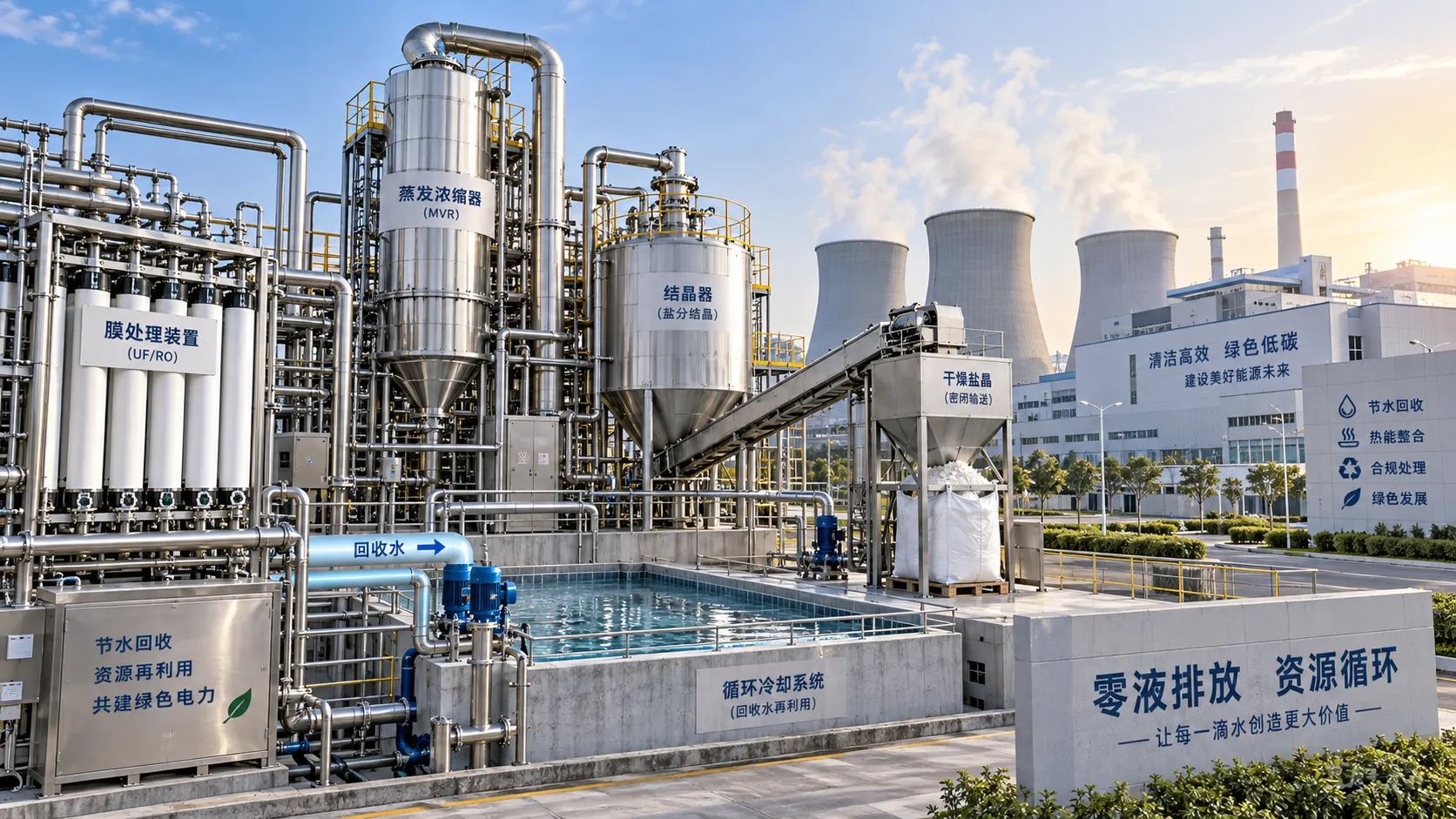
When do ZLD systems for power generation justify their energy use?
ZLD systems for power generation: learn when energy-intensive water recovery delivers stronger compliance, resilience, and long-term value.
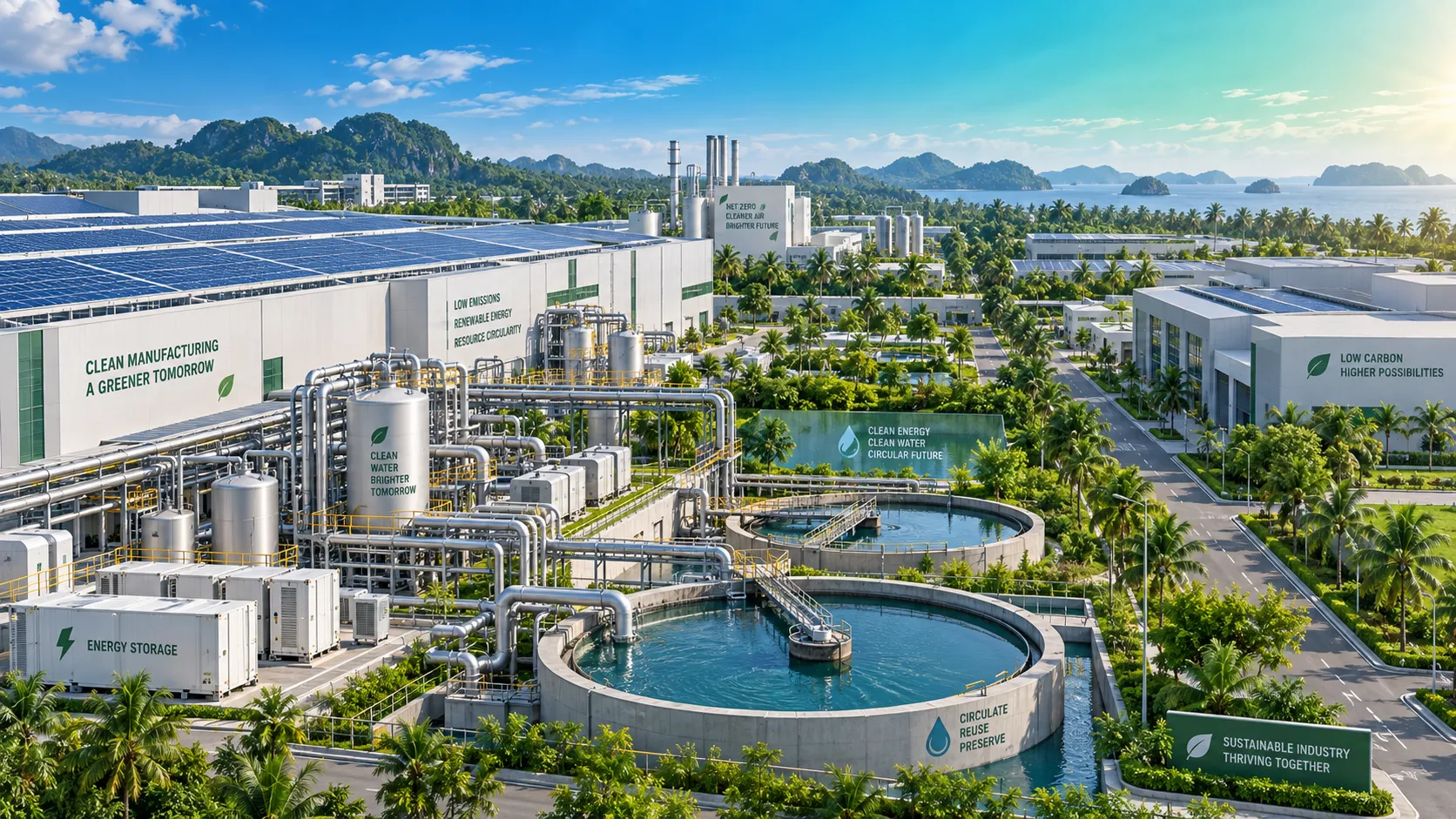
Which decarbonization pathways are most viable in Southeast Asia?
Decarbonization Southeast Asia: discover practical pathways for clean power, efficiency, electrification, circular recovery, and resilient industrial growth.
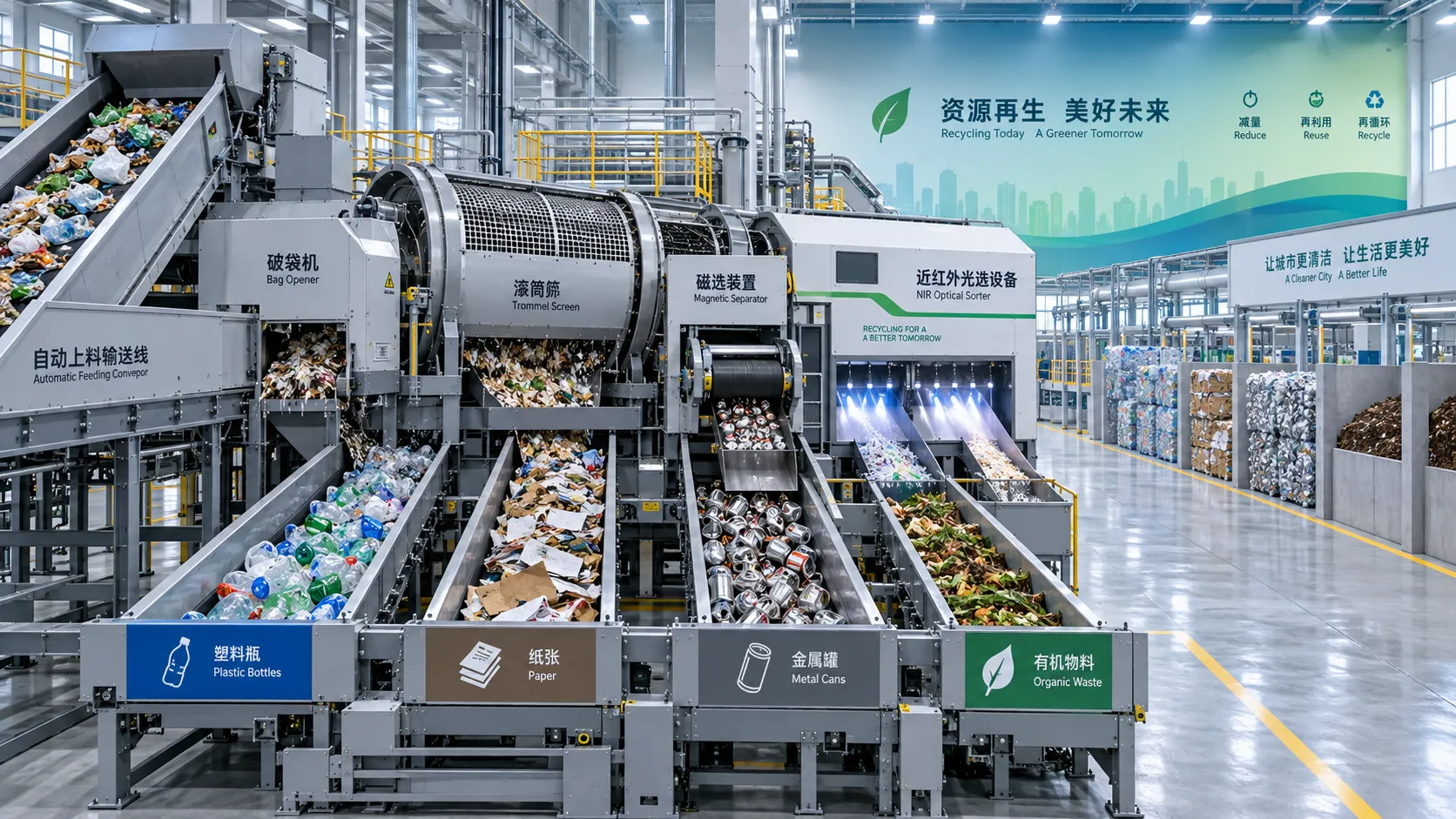
How to choose waste sorting equipment for mixed municipal waste
Waste sorting equipment selection guide for mixed municipal waste: compare technologies, improve recovery, reduce downtime, and build reliable output streams.
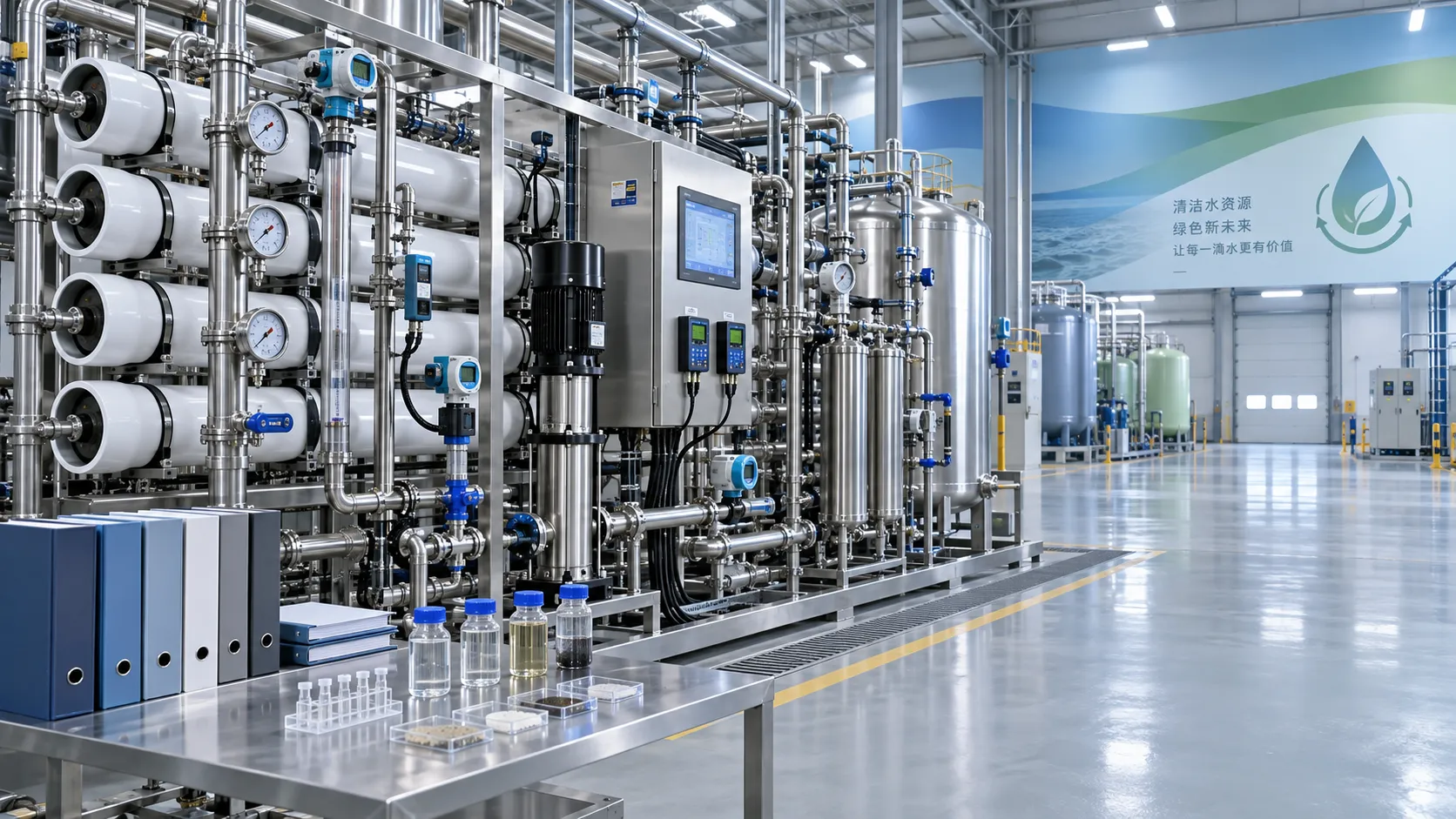
How to verify standards in an environmental equipment directory
environmental equipment directory standards reference: learn to verify certifications, performance evidence, scope, and project fit for confident, compliant equipment selection.
When high flux membrane water treatment justifies a larger footprint
High flux membrane water treatment can justify a larger footprint when variable feedwater, fouling risk, and uptime demands require resilient, lower-flux operation.