
Industry News
Curation by industry experts
Hot Articles
Popular Tags
Green Tech Investment Opportunities to Watch in 2026
Green Tech Investment Opportunities Are Shifting Into Industrial Core Assets
By 2026, green tech investment opportunities will look less like thematic bets and more like infrastructure decisions.
That shift matters because capital is no longer chasing sustainability language alone.
It is moving toward equipment, systems, and service chains that solve measurable compliance and resource constraints.
Across industrial markets, the strongest signal is convergence.
Carbon policy, water stress, waste pricing, air permits, and energy security are increasingly shaping one investment map.
This is where green tech investment opportunities become more durable.
They sit inside mission-critical treatment assets, circular recovery systems, and high-reliability environmental infrastructure.
From ESD’s view of the ecological engineering landscape, the more interesting story is not simple demand growth.
It is the tightening connection between physicochemical performance, closed-loop resource logic, and global compliance pressure.
That connection is redefining what counts as investable in water treatment, solid waste recovery, flue gas control, desalination, and nuclear waste management.
Why the 2026 Signal Is Becoming Harder to Ignore
Recent market changes are not random.
They reflect a more disciplined phase of environmental investment.
In many regions, operators now face simultaneous pressure from discharge limits, feedstock volatility, and localization rules.
That combination favors scalable technologies with verified operating data.
It also explains why green tech investment opportunities are clustering around heavy-duty systems rather than lifestyle-facing products.
Three drivers stand out in 2026 planning cycles.
A more visible signal is the role of trade and carbon-border rules.
Mechanisms such as CBAM push environmental performance deeper into export economics.
That makes green tech investment opportunities relevant beyond sustainability budgets.
They now influence market access, bid competitiveness, and long-term industrial positioning.
The Strongest Opportunities Are Emerging in Five Heavy-Duty Segments
Not every green category will attract the same quality of capital.
The more resilient green tech investment opportunities are tied to systems that cannot be postponed for long.
Large-scale water treatment is becoming a resilience market
Industrial water reuse and municipal upgrades are moving from environmental upgrades to continuity investments.
ZLD, advanced membranes, and smart dosing systems gain relevance where water permits are tightening.
In practice, projects with lower fouling risk and stable energy profiles are attracting more serious attention.
Solid waste recovery is being revalued through material security
Urban mining is no longer a peripheral concept.
AI sorting, pyrolysis integration, and recovery logistics are gaining strategic weight as secondary materials become more valuable.
The best green tech investment opportunities here are connected to purity, throughput, and downstream saleability.
Flue gas control is entering a new precision phase
Heavy industry still needs smokestack solutions that work under variable loads and harsher standards.
Low-temperature SCR catalysts, higher-efficiency scrubbers, and digital monitoring are becoming core upgrade areas.
Here, green tech investment opportunities depend less on headline novelty and more on reaction stability and compliance certainty.
Seawater desalination is shifting from emergency supply to strategic planning
The desalination market is broadening beyond arid-state megaprojects.
More regions now view SWRO and hybrid systems as long-horizon security infrastructure.
Investable value sits in membrane durability, pretreatment efficiency, and energy optimization rather than installed capacity alone.
Nuclear waste management is gaining quiet strategic importance
As nuclear energy regains policy support, waste handling becomes impossible to treat as a back-end afterthought.
Vitrification stability, containment systems, and high-integrity monitoring form a niche with high barriers and lasting relevance.
Among all green tech investment opportunities, this one remains specialized but unusually defensible.
What Is Changing in Evaluation Logic
A few years ago, many green narratives were judged by adoption potential.
In 2026, the sharper question is different.
Can the technology hold performance under regulatory scrutiny and industrial stress?
That is why business evaluation now leans toward parameter-level evidence.
- Treatment assets are judged by recovery rate, energy intensity, corrosion resistance, and maintenance intervals.
- Recovery systems are judged by contamination control, material yield, and offtake reliability.
- Flue gas solutions are judged by catalyst behavior, temperature adaptability, and emissions consistency.
- Desalination platforms are judged by membrane life, pretreatment resilience, and brine management strategy.
- Nuclear waste solutions are judged by long-term stability, traceability, and containment assurance.
This is where specialized intelligence platforms gain importance.
ESD’s emphasis on membrane nanostructures, catalyst kinetics, and vitrification stability reflects a broader market need.
Decision quality increasingly depends on technical granularity, not only market headlines.
That shift is making green tech investment opportunities more evidence-driven and less speculative.
The Impact Extends Beyond Equipment Vendors
One common mistake is to view these changes as relevant only to environmental technology suppliers.
In reality, the impact reaches financing structures, engineering strategies, and operating models.
For EPC-linked projects, stronger environmental intelligence can improve bid credibility in large public tenders.
For infrastructure owners, it reduces the risk of stranded upgrades.
For industrial groups, it changes how environmental systems are valued inside core production economics.
More notably, green tech investment opportunities are beginning to separate into two tiers.
The first tier includes technologies with measurable compliance and resource outcomes.
The second includes promising concepts still lacking field durability or commercial proof.
That divide will likely widen through 2026.
Capital costs remain high enough to reward selectivity.
Meanwhile, regulators are demanding less narrative and more verifiable output.
Where to Look Next Before the Market Fully Reprices
The next phase of green tech investment opportunities will not be defined by broad enthusiasm.
It will be defined by selective conviction.
From current demand signals, several watchpoints deserve close attention.
- Track whether compliance changes alter technical specifications, not just reporting requirements.
- Compare lifecycle economics across treatment, recovery, and control systems under real operating loads.
- Watch for projects where water, waste, and emissions decisions are being bundled together.
- Prioritize segments with strong service revenue and replacement cycles, not only first-install momentum.
- Examine whether geopolitical trade rules are raising the value of local environmental infrastructure.
These steps help identify which green tech investment opportunities are moving toward structural demand.
They also reduce the risk of confusing policy noise with investable transformation.
Looking ahead, the most durable upside may come from technologies that make environmental governance more intelligent, decarbonized, and operationally reliable.
That includes the systems ESD follows most closely across water, waste, flue gas, desalination, and nuclear containment.
For 2026, the practical next move is not to chase every green headline.
It is to map regulatory direction, verify technical thresholds, compare closed-loop value, and build a staged view of which assets can defend margin and access over time.
That is where green tech investment opportunities become clearer, and where better judgment starts to compound.
Recommended News
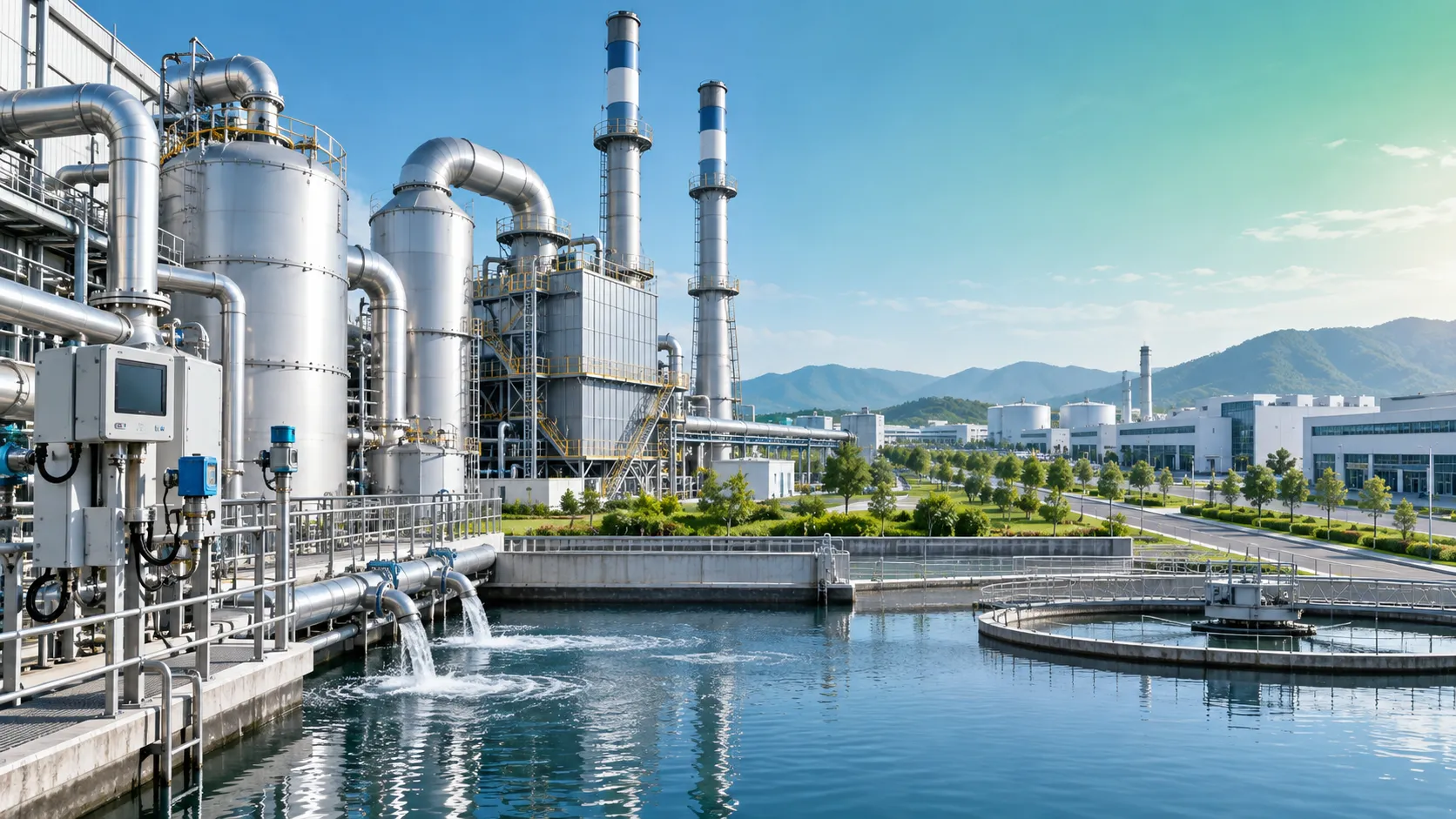
How North America shapes global environmental governance standards
Global environmental governance North America: discover how regulation, finance, and procurement raise worldwide standards and reshape environmental projects.
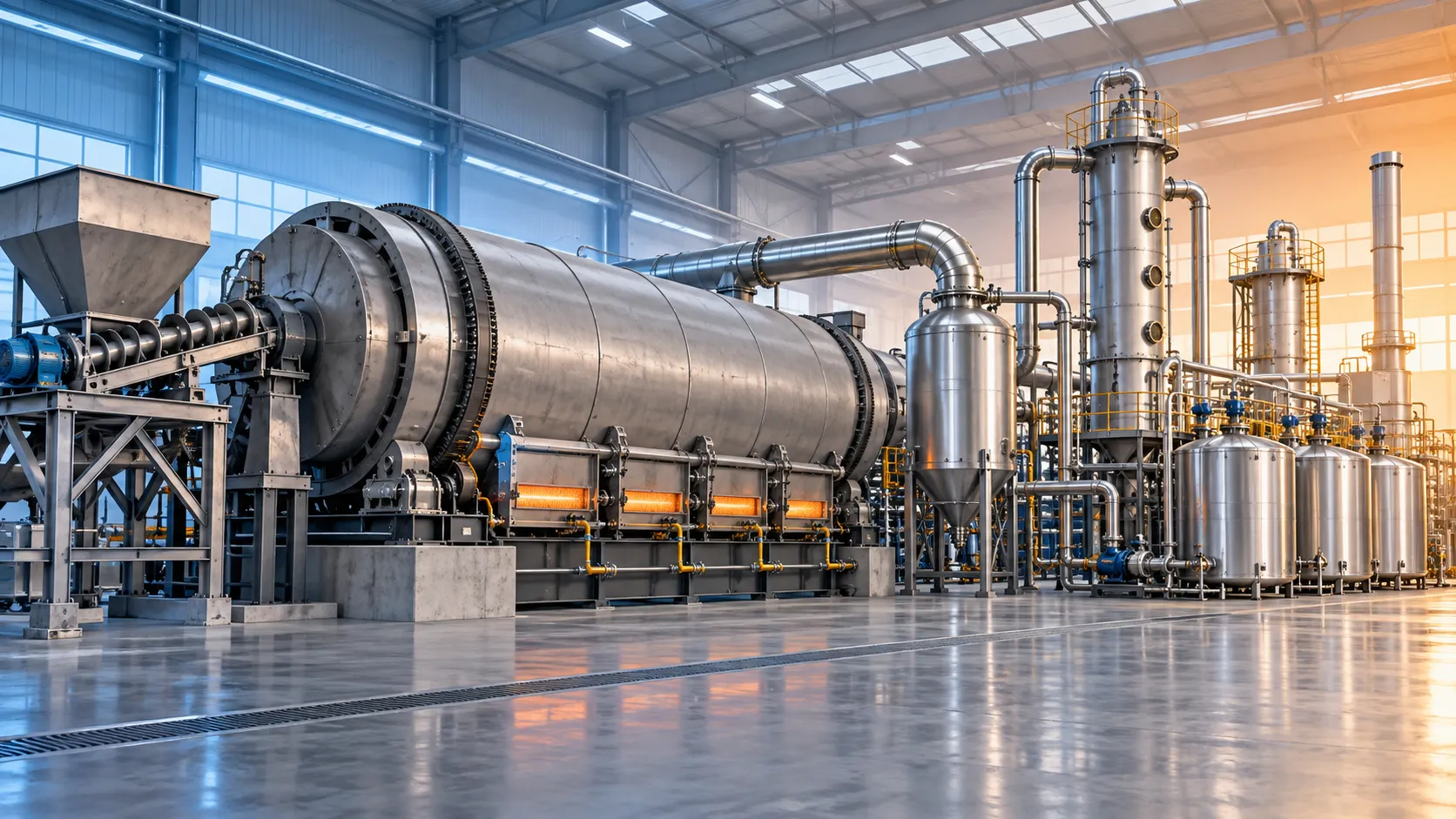
How reactor capacity affects throughput in pyrolysis systems
Pyrolysis systems reactor capacity explained: learn how heat transfer, residence time, feed quality, and emissions controls determine reliable throughput.
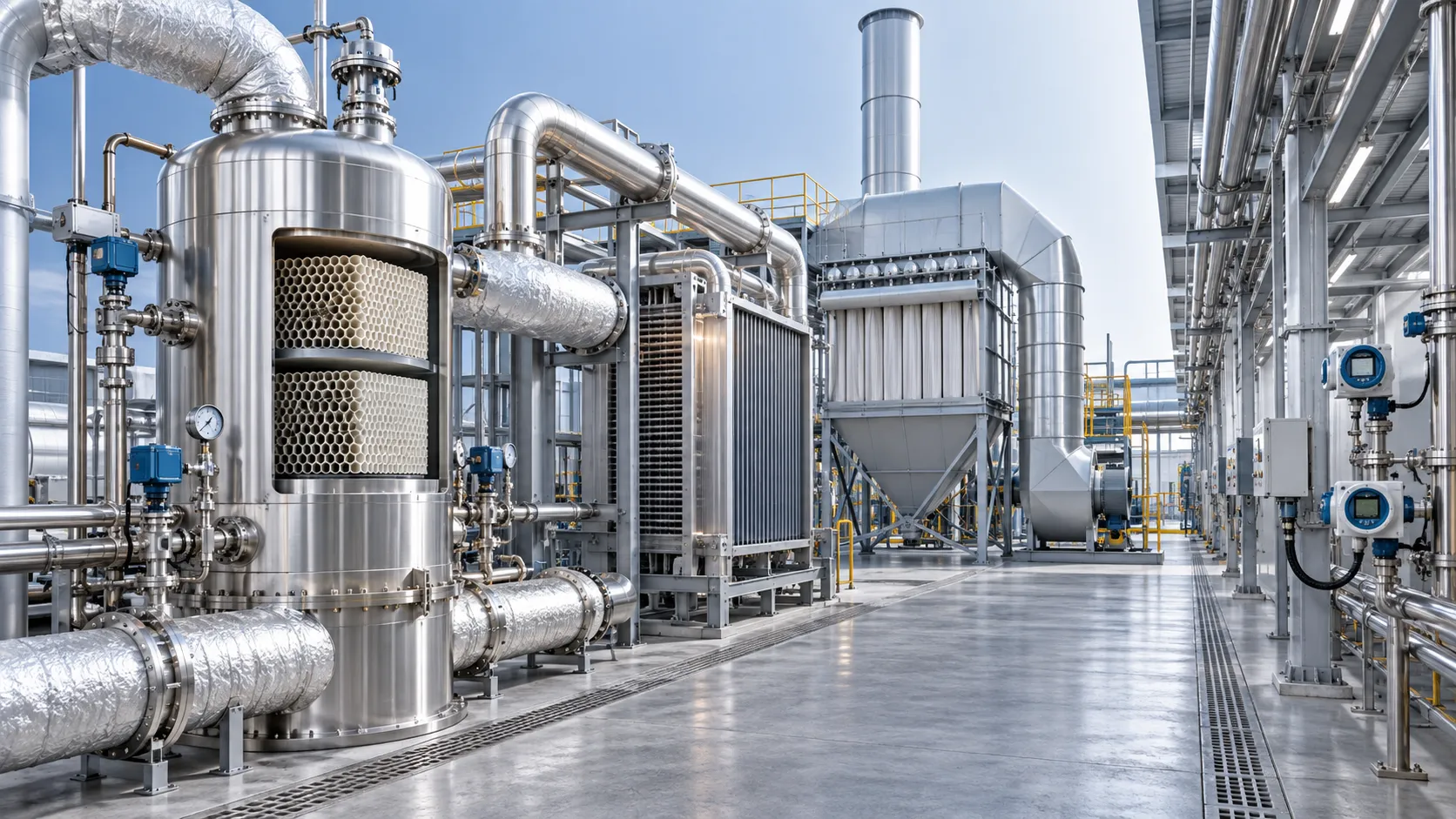
When low-temperature reaction equipment is the right fit for heat-sensitive processes
Low-temperature reaction equipment helps protect heat-sensitive streams, improve energy integration, and maintain reliable conversion. Explore key selection factors today.
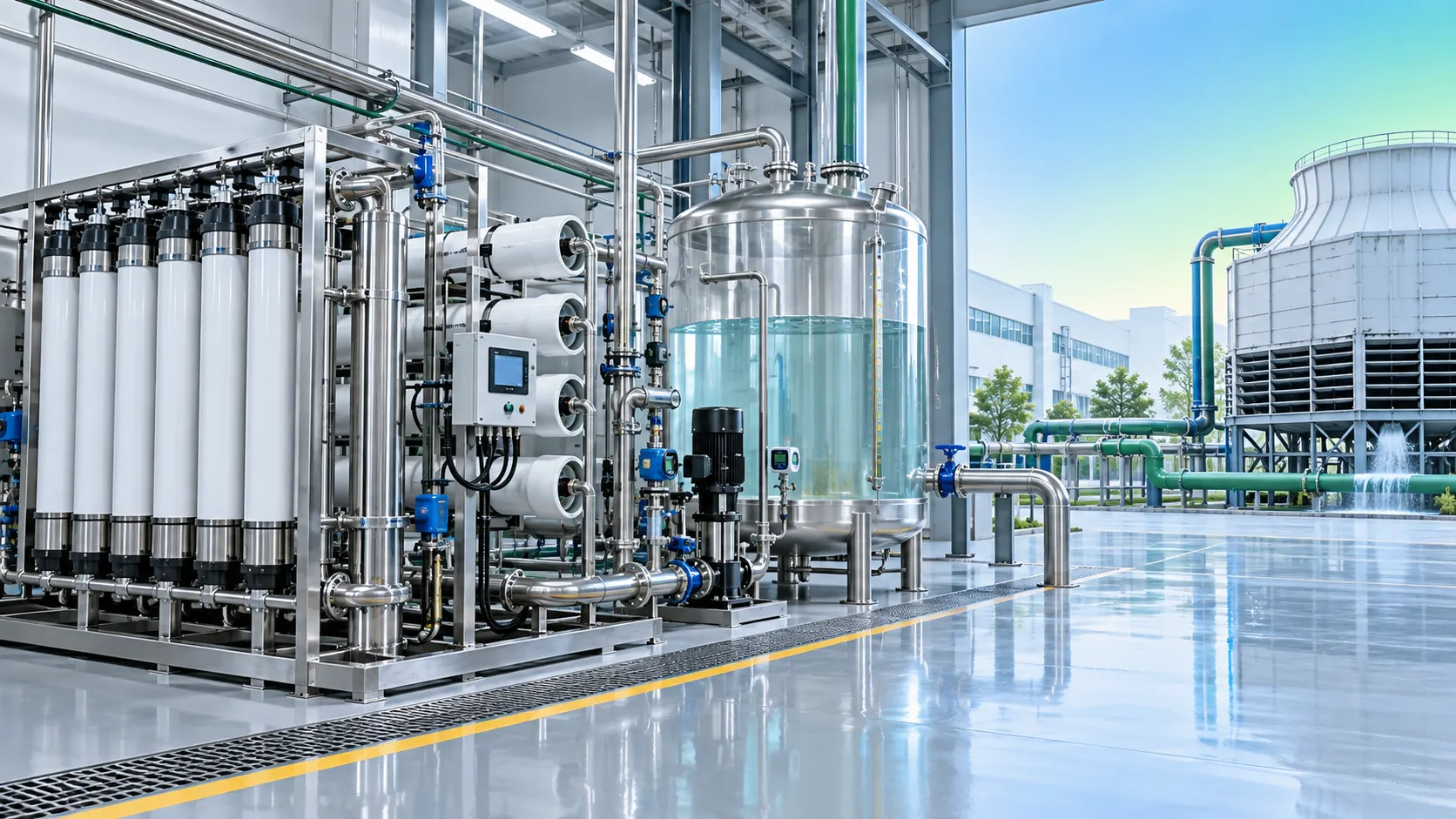
When do water reuse systems deliver a practical payback?
Water reuse systems deliver practical payback when they cut water, discharge, and downtime costs. Learn how to match treatment, recovery, and reuse quality for lasting ROI.
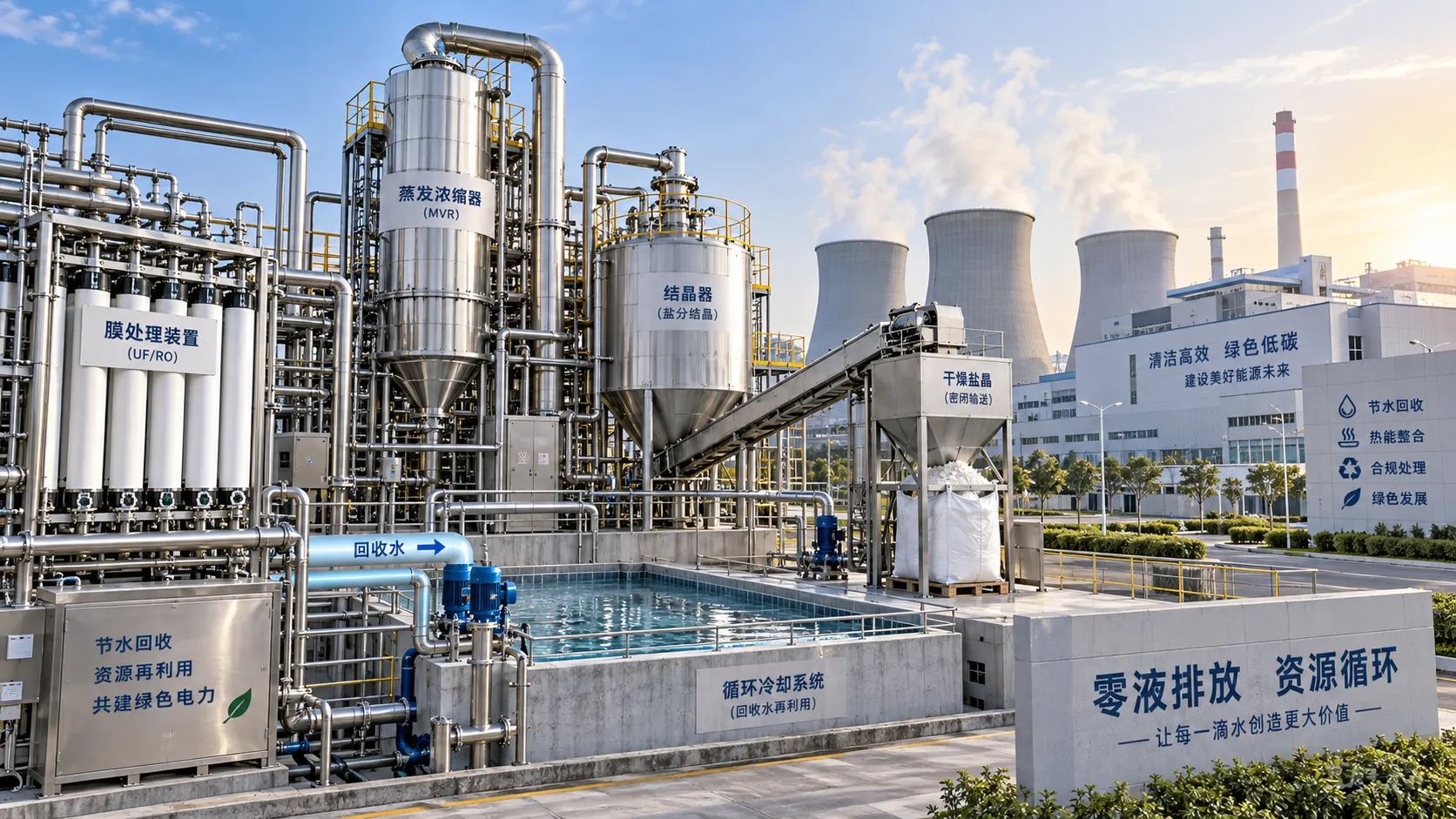
When do ZLD systems for power generation justify their energy use?
ZLD systems for power generation: learn when energy-intensive water recovery delivers stronger compliance, resilience, and long-term value.
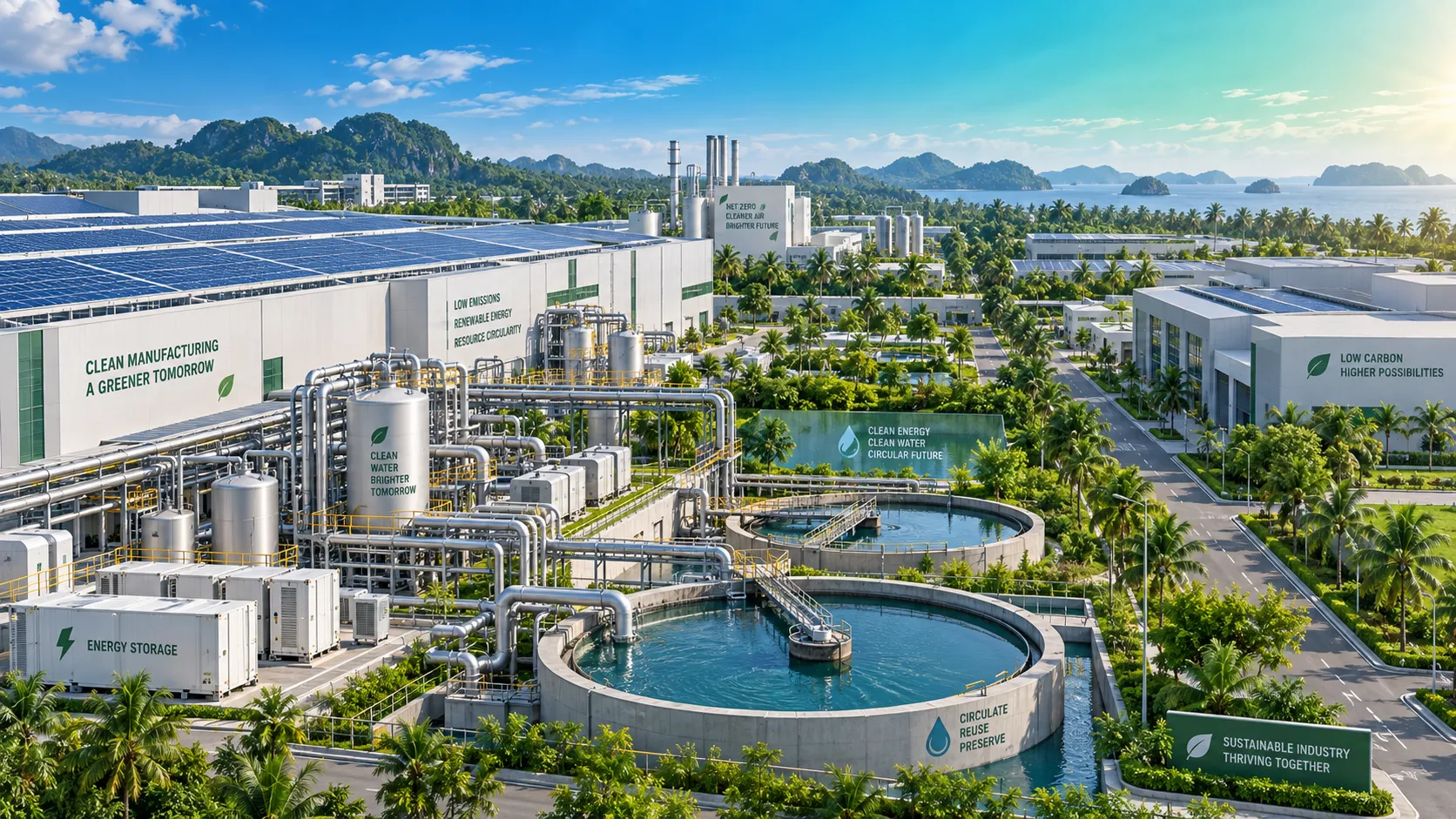
Which decarbonization pathways are most viable in Southeast Asia?
Decarbonization Southeast Asia: discover practical pathways for clean power, efficiency, electrification, circular recovery, and resilient industrial growth.
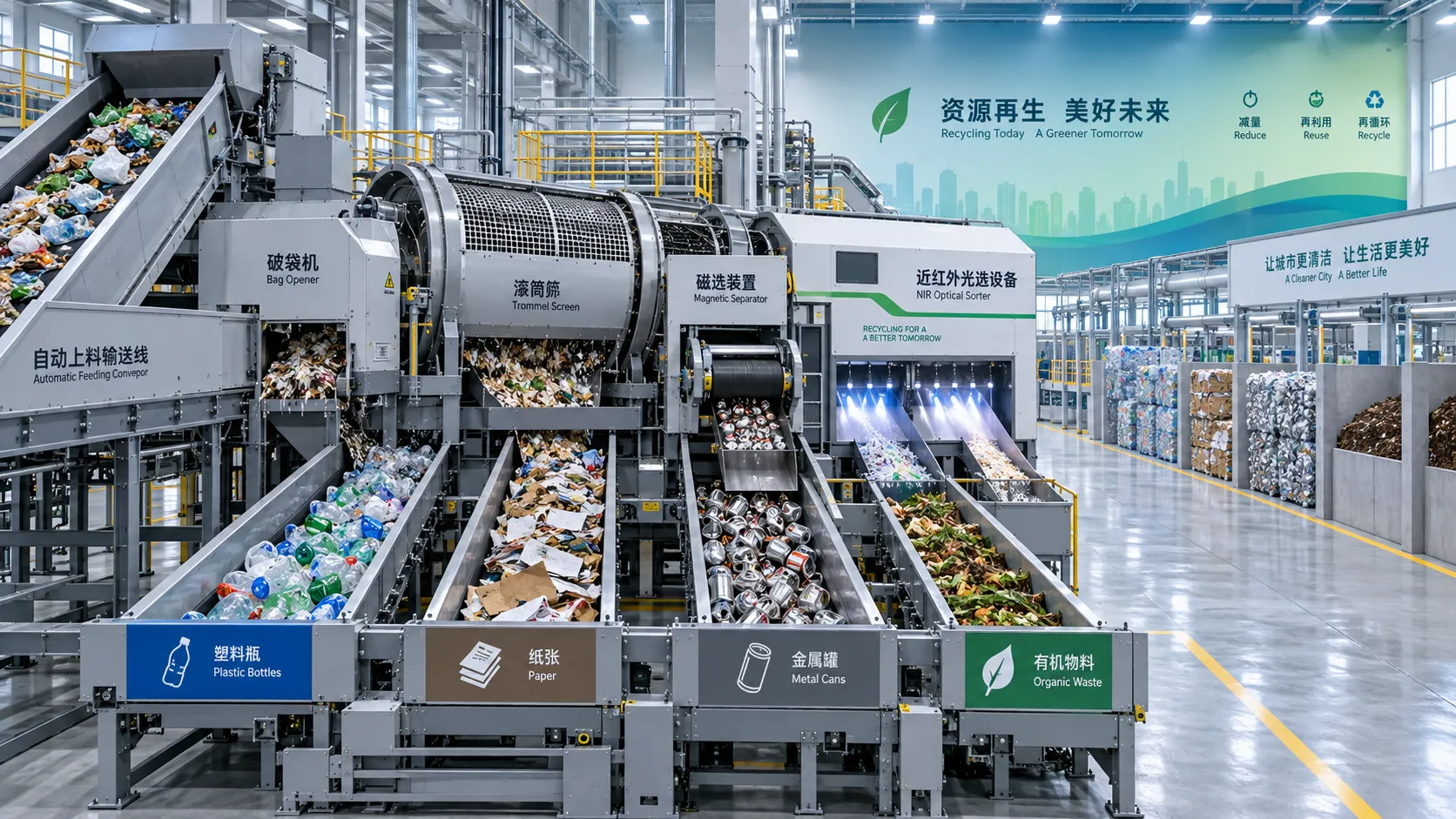
How to choose waste sorting equipment for mixed municipal waste
Waste sorting equipment selection guide for mixed municipal waste: compare technologies, improve recovery, reduce downtime, and build reliable output streams.
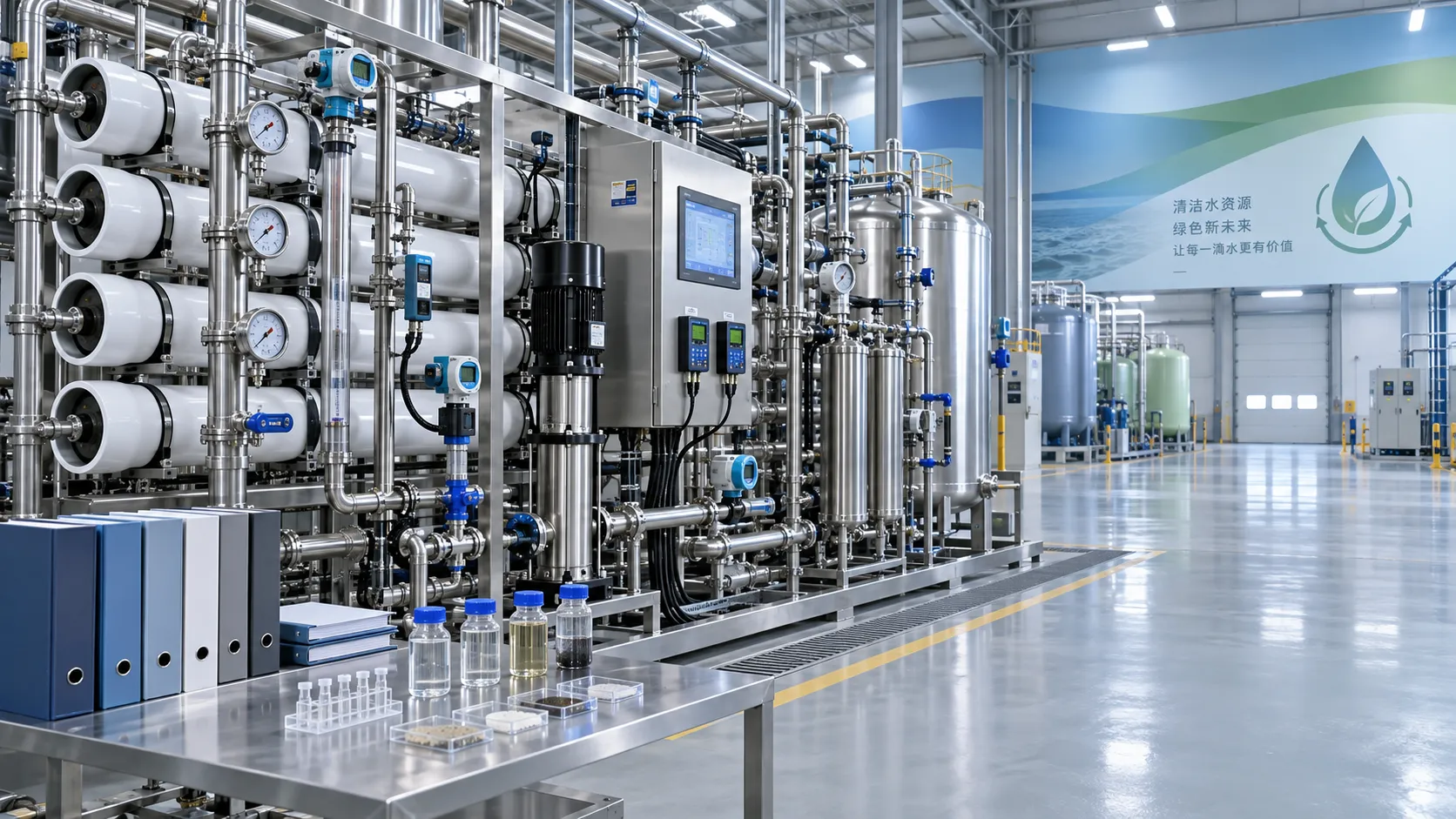
How to verify standards in an environmental equipment directory
environmental equipment directory standards reference: learn to verify certifications, performance evidence, scope, and project fit for confident, compliant equipment selection.
When high flux membrane water treatment justifies a larger footprint
High flux membrane water treatment can justify a larger footprint when variable feedwater, fouling risk, and uptime demands require resilient, lower-flux operation.