
Industry News
Curation by industry experts
Hot Articles
Popular Tags
Water Reuse Costs: What Changes Total Project ROI
Water Reuse Costs: What Changes Total Project ROI
Water reuse is no longer judged by upfront equipment price alone.
The real question is how total lifecycle cost shapes long-term project returns.
In many projects, water reuse starts as a compliance response.
Then it becomes a resilience strategy, a supply hedge, and sometimes a margin protection tool.
That shift changes how ROI should be evaluated.
A lower bid can still deliver weaker returns if energy demand climbs, membranes foul early, or brine disposal gets expensive.
A more advanced solution can outperform when it reduces downtime, stabilizes water quality, and lowers regulatory exposure.
So, what really changes water reuse costs and total project ROI?
The answer sits across design choices, site conditions, operating discipline, and future policy pressure.
Why Capital Cost Tells Only Part of the Story
Capital expenditure still matters, especially in budget approvals.
But water reuse economics rarely stay fixed after commissioning.
Two systems with similar capacity can produce very different ROI outcomes.
The difference usually appears in operating cost, risk transfer, and useful asset life.
For example, a plant designed around aggressive recovery rates may look efficient on paper.
Yet that same design can increase scaling, chemical cleaning frequency, and brine handling burden.
In practice, water reuse costs move with system behavior under real feedwater conditions, not brochure assumptions.
The most common ROI mistake
The biggest mistake is valuing treated water only against current freshwater tariffs.
That view is too narrow for industrial and municipal planning.
A stronger model also counts discharge avoidance, production continuity, drought resilience, and permit security.
When those factors enter the analysis, water reuse often becomes a strategic infrastructure investment.
The Core Cost Drivers Behind Water Reuse
Several variables shape total water reuse costs more than decision teams first expect.
These variables interact, so one design choice can raise or reduce another cost line.
- Feedwater quality, including salinity, organics, hardness, and seasonal variability.
- Target water quality, especially when reuse supports boilers, cooling, process water, or indirect potable schemes.
- Energy intensity across pretreatment, membrane separation, oxidation, pumping, and polishing.
- Consumables, such as membranes, chemicals, media, cartridges, and cleaning reagents.
- Brine management, concentrate minimization, and disposal route availability.
- Automation depth, staffing needs, and operational troubleshooting capability.
- Compliance cost linked to discharge limits, reporting, audits, and future tightening.
- Downtime exposure when the water reuse system supports critical production assets.
From recent market shifts, energy and concentrate handling stand out more clearly.
They often become the fastest-moving cost centers over the life of a project.
Energy can quietly dominate water reuse costs
Energy use affects every treatment train, but it hits high-recovery systems especially hard.
Pressure-driven membrane systems become more expensive as salinity rises and recovery targets tighten.
Thermal concentration steps raise the cost profile even further.
This is why site-specific energy pricing must be built into every ROI model.
In volatile power markets, water reuse economics can shift faster than many procurement teams expect.
Membrane life changes replacement and reliability economics
Membrane replacement is not just a consumables issue.
It also reflects pretreatment quality, cleaning strategy, operator discipline, and upstream variability.
Shorter membrane life increases direct cost and raises process instability.
That combination can materially weaken total project ROI in water reuse applications.
Brine management is often underestimated
Brine disposal is where many water reuse business cases lose their early confidence.
If there is no low-cost discharge route, concentrate becomes a major economic constraint.
Truck hauling, deep well injection, evaporation ponds, or ZLD all bring different risk profiles.
For high-salinity industrial water reuse, concentrate strategy should be evaluated before final technology selection.
How Site Conditions Change Water Reuse ROI
No water reuse project exists in a vacuum.
Local conditions can change project economics as much as process design.
That is especially true in sectors with variable wastewater composition or constrained infrastructure.
- Water scarcity raises the avoided cost of external supply interruptions.
- High discharge fees improve the comparative value of water reuse.
- Remote locations increase spare parts, service, and chemical logistics costs.
- Cold or hot climates change process efficiency and utility demand.
- Limited site footprint can push projects toward denser and more expensive equipment choices.
This also means benchmark pricing from another region can be misleading.
A sound procurement process treats site data as a primary economic variable, not a technical appendix.
Industrial and municipal projects do not price risk the same way
Industrial water reuse often places a premium on uptime and water quality consistency.
A short outage can interrupt revenue-generating operations.
Municipal water reuse projects usually face stronger public scrutiny, permitting complexity, and long asset horizons.
As a result, total ROI should reflect different risk weights even when treatment technologies appear similar.
Compliance, Carbon, and the Next Wave of Cost Pressure
Regulation is becoming a larger part of water reuse costs.
More stringent discharge limits, trace contaminant rules, and reporting requirements increase design expectations.
This trend is not temporary.
It is part of a broader shift toward measurable environmental performance.
Carbon also enters the picture more directly now.
Energy-heavy water reuse systems may carry future cost exposure in carbon-regulated markets.
That makes energy efficiency and resource recovery more valuable than they first appear in a tender review.
Compliance resilience improves long-term ROI
A system that barely meets today’s permit may become tomorrow’s retrofit project.
That is a hidden cost many models ignore.
By contrast, modular upgrades, stronger monitoring, and better contaminant control can protect project economics for longer.
In water reuse, compliance resilience is increasingly a financial variable, not just a legal one.
Where Smarter Design Improves Water Reuse Returns
The best ROI gains often come from design discipline, not oversized complexity.
Smarter water reuse systems align treatment intensity with actual reuse value.
There is no reason to produce ultra-pure water for an application that does not need it.
That simple principle can materially cut capital and operating cost.
- Match water quality targets to each end use instead of applying one uniform standard.
- Improve pretreatment to protect membrane life and reduce cleaning frequency.
- Use phased expansion when future production growth is uncertain.
- Integrate data monitoring to detect fouling, drift, and abnormal energy demand earlier.
- Evaluate concentrate minimization and by-product recovery where disposal costs are rising.
In actual business settings, these choices improve both cost control and board-level confidence.
They also make supplier comparisons more meaningful during procurement.
Digital visibility helps control lifecycle water reuse costs
Digital monitoring is no longer a nice extra.
It supports faster intervention, better dosing control, and stronger asset planning.
Over time, that reduces avoidable losses and improves forecasting accuracy.
For large water reuse assets, visibility often translates directly into better ROI stability.
A Practical Framework for Better Procurement Decisions
A useful procurement process compares more than equipment lists and bid totals.
It compares economic durability under realistic operating scenarios.
- Define the real value of reused water by end use, risk avoided, and supply resilience gained.
- Model energy, membranes, chemicals, labor, and brine management under local conditions.
- Stress-test feedwater variability instead of relying on average design numbers.
- Price compliance tightening and future upgrade paths into the business case.
- Assess vendor service depth, spare part access, and control system transparency.
- Measure ROI across 10 to 20 years, not only at commissioning.
This framework leads to a more realistic view of water reuse costs.
More importantly, it helps separate low-price offers from high-value solutions.
Final Takeaway
Water reuse ROI changes when decision-makers look beyond initial capex.
Energy intensity, membrane life, brine strategy, compliance pressure, and site conditions all reshape total returns.
The stronger projects are usually not the cheapest at purchase.
They are the ones that stay reliable, adaptable, and economically efficient under real operating stress.
That is why water reuse should be evaluated as strategic infrastructure.
When the system is designed around full lifecycle performance, water reuse can move from cost center to competitive asset.
Recommended News

How North America shapes global environmental governance standards
Global environmental governance North America: discover how regulation, finance, and procurement raise worldwide standards and reshape environmental projects.

How reactor capacity affects throughput in pyrolysis systems
Pyrolysis systems reactor capacity explained: learn how heat transfer, residence time, feed quality, and emissions controls determine reliable throughput.
When low-temperature reaction equipment is the right fit for heat-sensitive processes
Low-temperature reaction equipment helps protect heat-sensitive streams, improve energy integration, and maintain reliable conversion. Explore key selection factors today.
When do water reuse systems deliver a practical payback?
Water reuse systems deliver practical payback when they cut water, discharge, and downtime costs. Learn how to match treatment, recovery, and reuse quality for lasting ROI.
When do ZLD systems for power generation justify their energy use?
ZLD systems for power generation: learn when energy-intensive water recovery delivers stronger compliance, resilience, and long-term value.
Which decarbonization pathways are most viable in Southeast Asia?
Decarbonization Southeast Asia: discover practical pathways for clean power, efficiency, electrification, circular recovery, and resilient industrial growth.
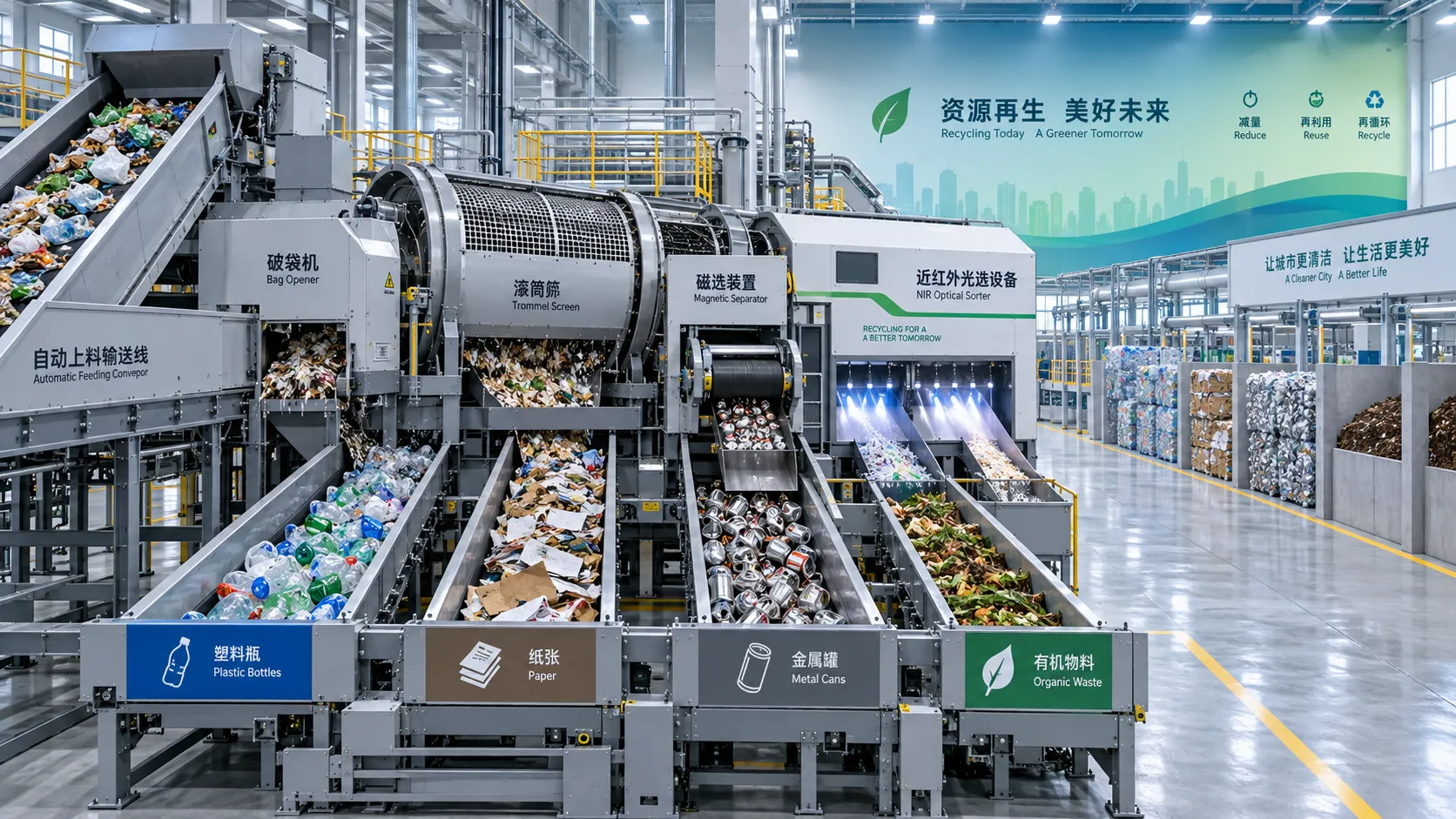
How to choose waste sorting equipment for mixed municipal waste
Waste sorting equipment selection guide for mixed municipal waste: compare technologies, improve recovery, reduce downtime, and build reliable output streams.
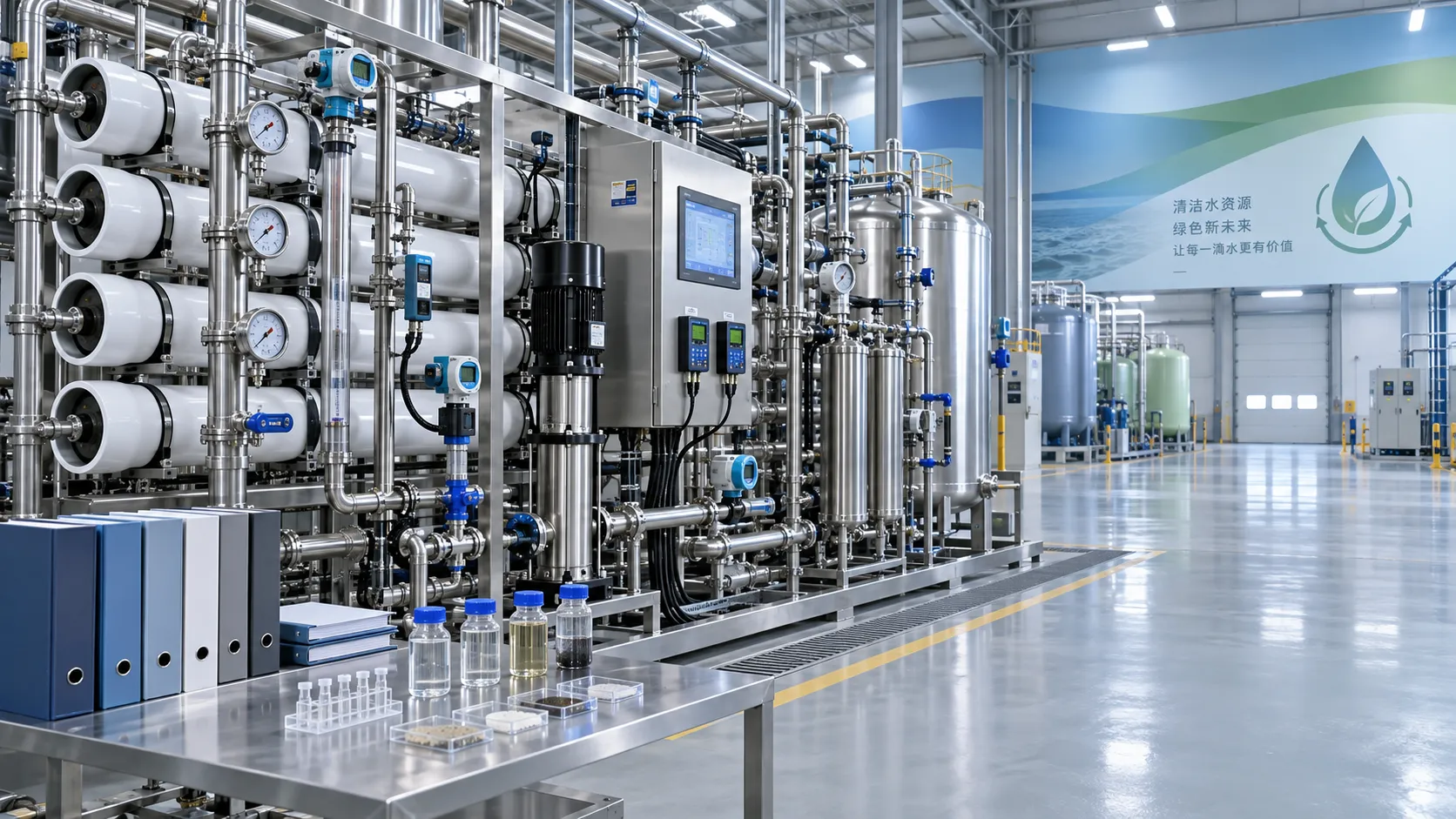
How to verify standards in an environmental equipment directory
environmental equipment directory standards reference: learn to verify certifications, performance evidence, scope, and project fit for confident, compliant equipment selection.
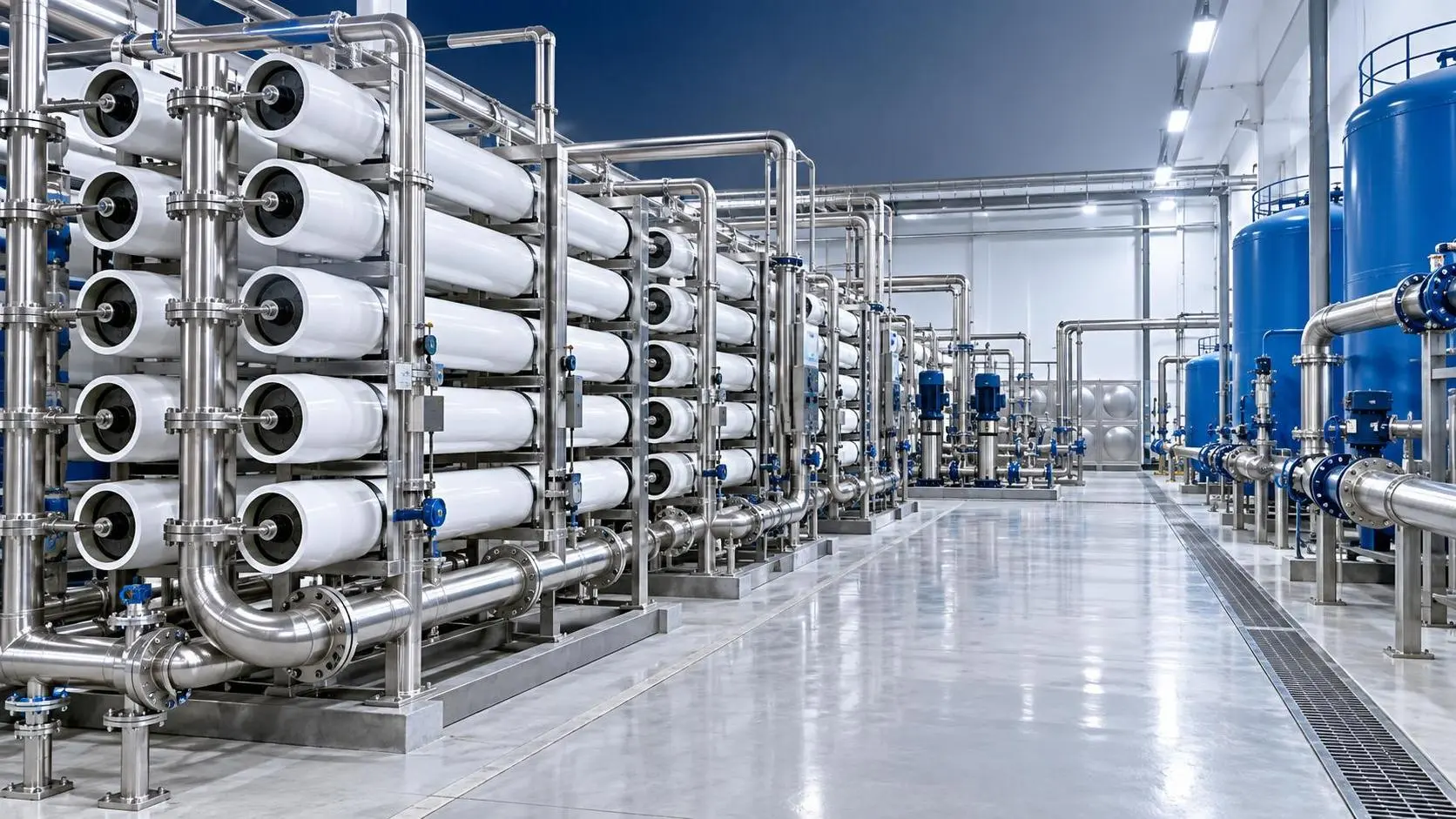
When high flux membrane water treatment justifies a larger footprint
High flux membrane water treatment can justify a larger footprint when variable feedwater, fouling risk, and uptime demands require resilient, lower-flux operation.