
Industry News
Curation by industry experts
Hot Articles
Popular Tags
What affects SWRO membrane performance most in high-salinity feed water
It usually starts with a familiar complaint in a desalination review meeting: the plant is receiving saltier feed than expected, recovery targets are under pressure, and the numbers no longer look comfortable. Permeate flow drifts, differential pressure rises faster than the team predicted, and the specific energy figure begins to move in the wrong direction. In that moment, the question is rarely academic. People need to know which variable is actually driving the change, and which one only looks guilty because it changed at the same time.
High-salinity feed water makes this harder because several stress factors arrive together. A membrane may still reject salt well, yet deliver less flux. Another train may lose performance after a temperature shift, but the real issue is a scaling threshold crossed by a small change in pH or antiscalant control. When evaluating SWRO membrane performance, the most useful approach is not to search for a single universal cause. It is to rank the dominant influences in the order they affect net driving pressure, fouling rate, and stability of operation.
Where the biggest performance loss usually begins
In high-salinity seawater reverse osmosis, osmotic pressure is often the first factor to put the entire system under strain. As dissolved salt concentration rises, the membrane needs more applied pressure just to maintain the same net driving force across the active layer. This is not a minor correction. A feed stream with elevated salinity can make a previously stable operating window feel narrow very quickly. Flux declines even when the membrane itself is healthy, and operators may respond by increasing pressure, which then shifts energy demand upward and can worsen downstream scaling conditions.
That is why salinity itself often affects performance more directly than people expect. Not because salt always damages the membrane, but because it changes the pressure balance that governs production. If an assessment only looks at permeate quantity without separating hydraulic limitations from material degradation, it can lead to the wrong conclusion. A membrane may appear underperforming when it is simply operating against a much higher osmotic load.
In practical terms, if feed salinity rises and everything else is held steady, the first visible impact is usually reduced permeate flow at the same pressure. If pressure is increased to recover flow, the next concerns become energy use, mechanical stress on elements and pressure vessels, and concentration polarization near the membrane surface. That surface effect matters because it raises the local salt concentration above the bulk feed value, making the membrane experience an even harsher environment than the laboratory feed number suggests.
Why scaling often becomes the deciding factor after pressure
Once salinity is high, scaling tendency becomes the factor that most often decides whether a system can sustain performance over time. Many reviews treat scaling as a maintenance issue, separate from membrane performance. In reality, it is one of the main reasons a membrane that looked acceptable on day one becomes difficult to operate a short time later. Even a modest amount of mineral deposition can reduce active area, alter flow distribution, increase pressure drop, and make cleaning less effective if the deposit hardens or mixes with organic matter.
The trouble is that high salinity does not only mean more sodium chloride. It usually comes with a more complicated saturation picture: sulfate, calcium, barium, strontium, silica, alkalinity, and pH interactions all become more sensitive as recovery increases. The last stage of an SWRO array is especially exposed because concentrate-side conditions are the most severe there. A design that appears safe based on bulk feed chemistry can still run into trouble if the concentration factor, temperature, and recovery push local saturation beyond the practical limit.
This is why scaling deserves a place next to osmotic pressure in any serious evaluation of SWRO membrane performance. One affects the immediate physics of water transport. The other shapes whether that transport remains stable from one operating period to the next.
Temperature changes are easy to underestimate
A common mistake is to treat temperature as a correction factor used only for normalized data. In real operation, temperature changes can alter performance enough to confuse root-cause analysis. Higher temperature generally increases water permeability and lowers feed viscosity, so flux may temporarily improve. That sounds helpful, but it can also accelerate membrane compaction, change salt passage behavior, and increase scaling or biofouling risk depending on the chemistry and pretreatment condition.
Lower temperature creates a different problem. Flux falls because water viscosity rises, and the system may need more pressure to maintain output. If the review team sees lower production in colder periods, there is a temptation to blame membrane aging too early. But if normalized performance remains stable, the apparent decline may be mostly thermal. On the other hand, if salt passage increases together with temperature swings, the membrane’s intrinsic selectivity or integrity may deserve closer attention.
In high-salinity feed, temperature also interacts with osmotic pressure and scaling behavior rather than acting alone. Some salts become more problematic under warmer conditions, while cleaning frequency may change because deposits form differently across the train. That is why temperature should never be interpreted in isolation.
Pretreatment stability often separates manageable operation from chronic underperformance
When people ask what affects membranes most, they often think first about membrane brand, nominal flux, or maximum pressure rating. Those matter, but in high-salinity service, unstable pretreatment can overshadow all of them. Suspended solids breakthrough, colloidal loading, oxidant carryover, coagulant overdose, or poor cartridge filter condition can create fouling patterns that look like membrane weakness but are actually upstream control problems.
For technical review work, pretreatment stability matters in two ways. First, it influences how quickly fouling develops. Second, it determines whether the membrane can be cleaned back to an acceptable baseline. A feed stream with variable turbidity or episodic organics may not cause immediate alarm, yet repeated short disturbances can build a fouling layer that intensifies concentration polarization. Once that happens, local salinity and local scaling tendency increase at the membrane surface even if bulk feed data still looks routine.
Oxidant management deserves special caution. Polyamide membranes are vulnerable to free chlorine and certain oxidizing conditions. In a high-salinity system where teams are already focused on pressure and recovery, chemical carryover can be missed because the first symptoms resemble ordinary performance drift. If salt rejection weakens unexpectedly, oxidant exposure belongs on the shortlist of causes.
The variables that matter, in the order they should be checked
If you are trying to determine which factor is affecting performance most in a real plant review, start with the variables that change the membrane’s immediate operating environment, then move toward those that explain long-term deviation.
1. Net driving pressure
Compare feed pressure, concentrate pressure, permeate pressure, and salinity-corrected osmotic pressure. If the net driving force has narrowed, low flux may be a predictable hydraulic response rather than a sign of membrane damage.
2. Normalized permeate flow and normalized salt passage
These help separate temperature and pressure effects from true membrane condition changes. A drop in raw flow alone is not enough to judge membrane health in high-salinity duty.
3. Differential pressure across stages
Rising differential pressure often points to particulate or biofouling, though scaling and telescoping-related flow restrictions can also contribute. The stage pattern matters more than a single train average.
4. Concentrate-side saturation risk
Review recovery, pH, antiscalant control, and concentrate chemistry together. The question is not whether the feed is salty; it is whether the last membrane stage is crossing a practical scaling threshold.
5. Pretreatment consistency
Check whether upstream filtration, dechlorination, and chemical dosing have remained stable. Intermittent problems here often produce persistent downstream symptoms.
Misread signals that often waste time
One frequent misread is assuming that high feed salinity automatically means poor salt rejection. In fact, membranes can maintain strong rejection while still showing reduced production because osmotic pressure has increased. Another is treating every pressure increase as evidence of scaling. Sometimes the pressure was raised simply to compensate for temperature or salinity shifts, and the real warning sign is hidden in normalized trends rather than absolute values.
There is also a tendency to discuss recovery as if higher is always better provided antiscalant is dosed. In high-salinity water, recovery is not just an economic setting. It is a multiplier of membrane stress. Pushing recovery without enough margin in scaling prediction, mixing assumptions, and pretreatment reliability often transfers the problem from one KPI to another rather than solving it.
A more reliable way to judge membrane condition
The most useful evaluation method is to combine operating data with the feed-water story behind it. Look at changes over time, but normalize them carefully. Compare actual flux against expected flux under current salinity and temperature, not against a historical day with easier conditions. Review rejection together with pressure and differential pressure, not as a standalone figure. If cleaning was performed, examine not only whether flow recovered, but which parameter recovered first. A membrane that regains flow but not rejection may be signaling a different issue than one that regains rejection but remains hydraulically restricted.
It also helps to divide concerns into reversible and non-reversible categories. Fouling and some early scaling may respond to cleaning if identified early. Oxidative damage, severe compaction, and certain forms of persistent scaling are much less forgiving. That distinction affects whether the next step should be operational correction, membrane autopsy planning, or a revision of design assumptions for future trains.
For organizations that routinely review desalination equipment intelligence, a disciplined comparison of membrane nanostructure behavior, pretreatment reliability, and concentration-limit assumptions can be more valuable than another round of broad performance averages. In other words, the membrane should be judged in the context of the full desalination chain, not as an isolated cartridge inside a pressure vessel.
So what affects SWRO membrane performance most?
If a single answer is required, high salinity itself, through increased osmotic pressure, is usually the first and strongest direct influence on short-term membrane output. But when the question shifts from immediate output to sustained and reliable operation, scaling tendency is often the factor that decides whether performance can be held without excessive cleaning, rising energy use, or shortened membrane life.
Temperature and pretreatment stability are not secondary in the casual sense. They are the variables that can either mask the real cause of decline or accelerate it. That is why strong technical evaluations do not ask only which parameter moved the most. They ask which parameter changed the membrane environment enough to alter transport, fouling, and cleanability.
When high-salinity feed water is involved, the best judgment usually comes from this sequence: calculate the osmotic burden, test the scaling margin at actual recovery, verify whether temperature is distorting the reading, and then confirm that pretreatment has not introduced a separate fouling or chemical damage pathway. That order tends to reveal the real driver faster than debating membrane performance from a single trend line.
For anyone reviewing SWRO membrane performance under difficult salinity conditions, that distinction is the difference between reacting to symptoms and identifying the variable that is truly controlling the system.
Recommended News
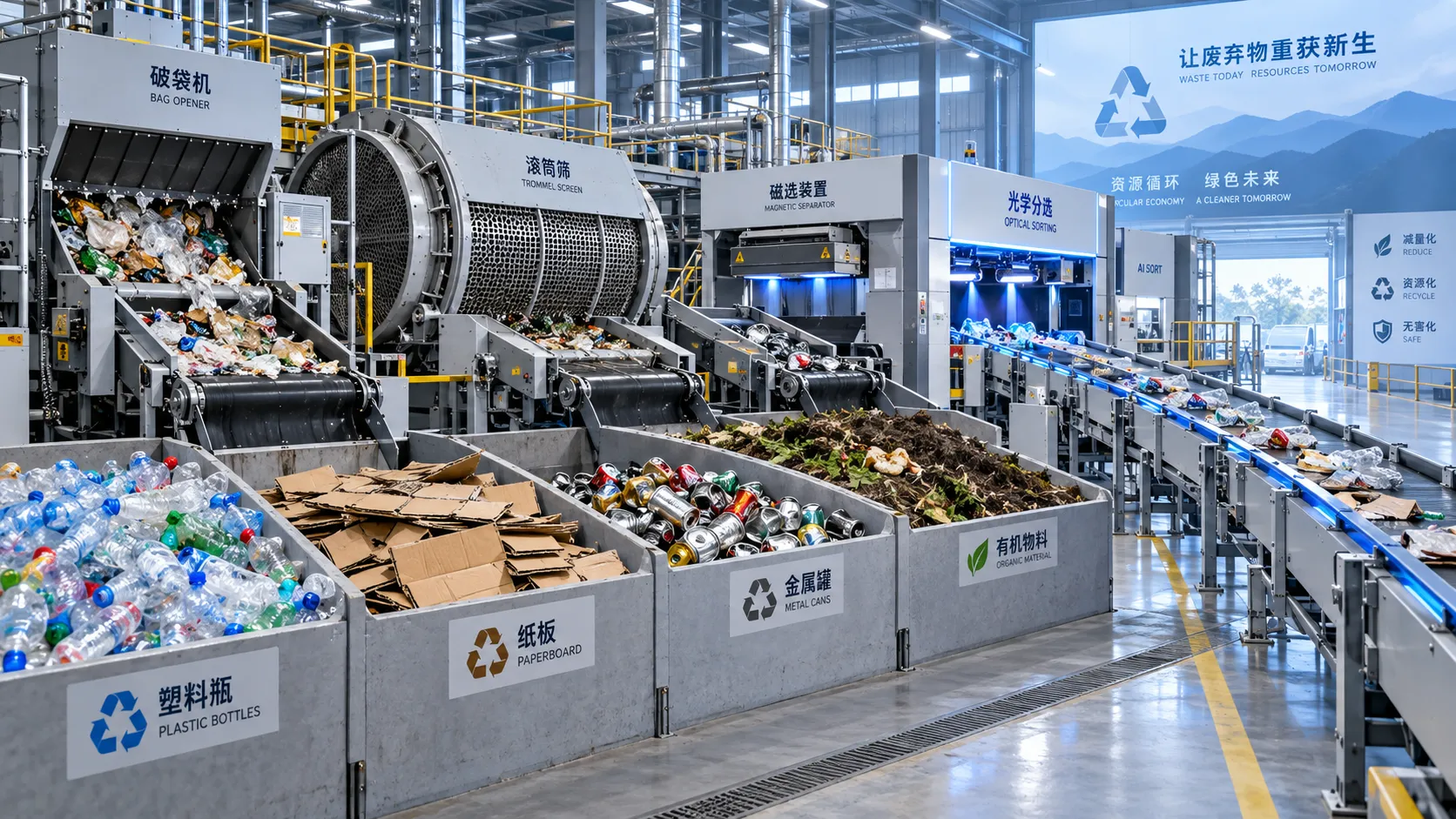
How to choose solid waste equipment based on waste stream characteristics
Environmental equipment guide for solid waste: discover how to match sorting, treatment, and recovery equipment to waste composition, moisture, contamination, and output goals.
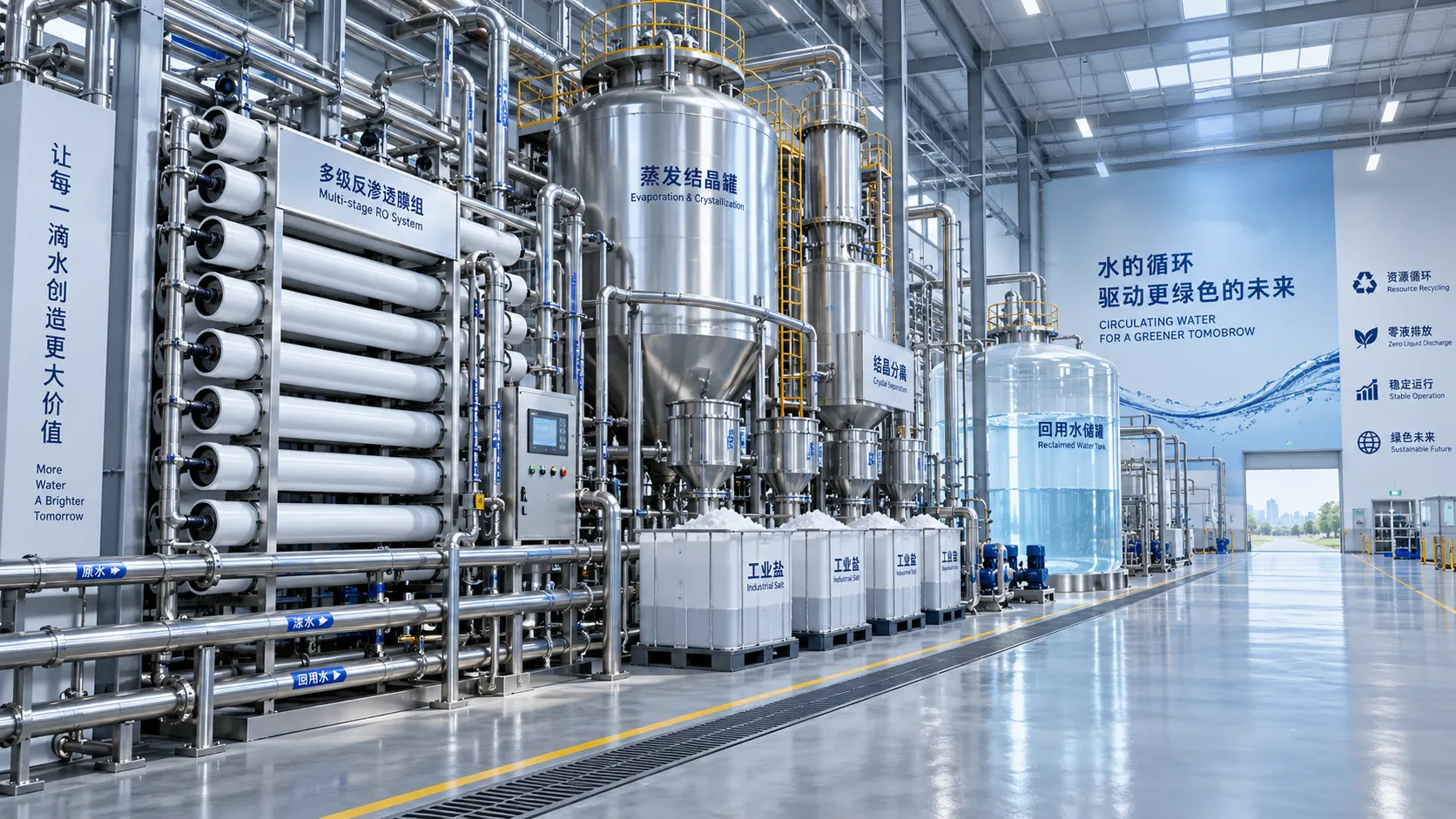
When does high recovery ZLD equipment justify its higher capital cost?
High recovery ZLD equipment can justify higher capital cost when water scarcity, discharge risks, brine disposal, and downtime threaten operations. Explore the decision factors.
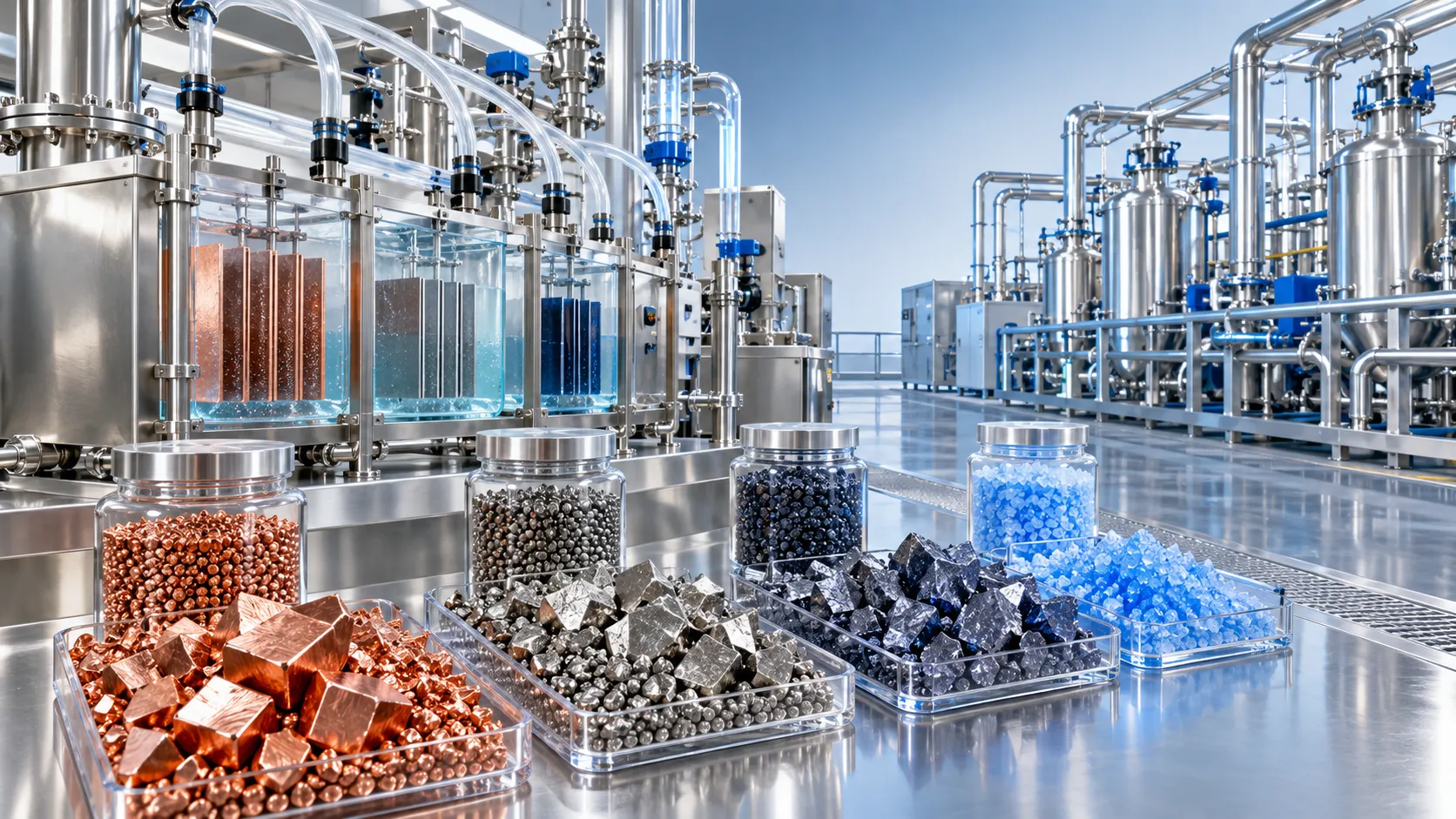
How high purity heavy metal recovery affects recovered metal value
High purity heavy metal recovery boosts recovered metal value by improving payability, reducing penalties, and unlocking stronger buyer opportunities. Explore smarter netback strategies.
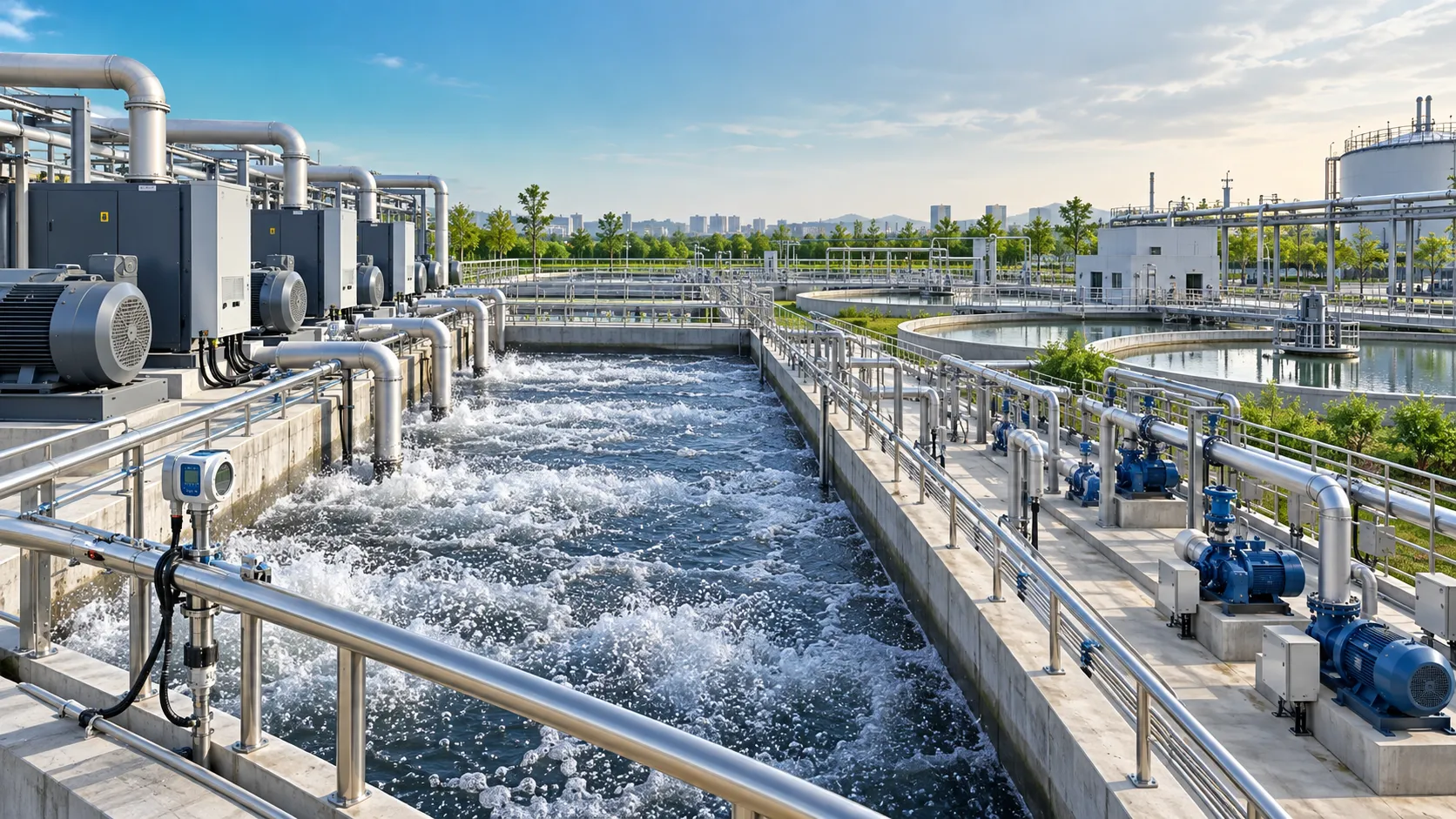
When does environmental equipment intelligence reduce wastewater plant energy use?
Environmental equipment intelligence for wastewater plants cuts energy use through smarter aeration, pumping, and data-driven controls—without compromising compliance. Discover when it delivers measurable savings.
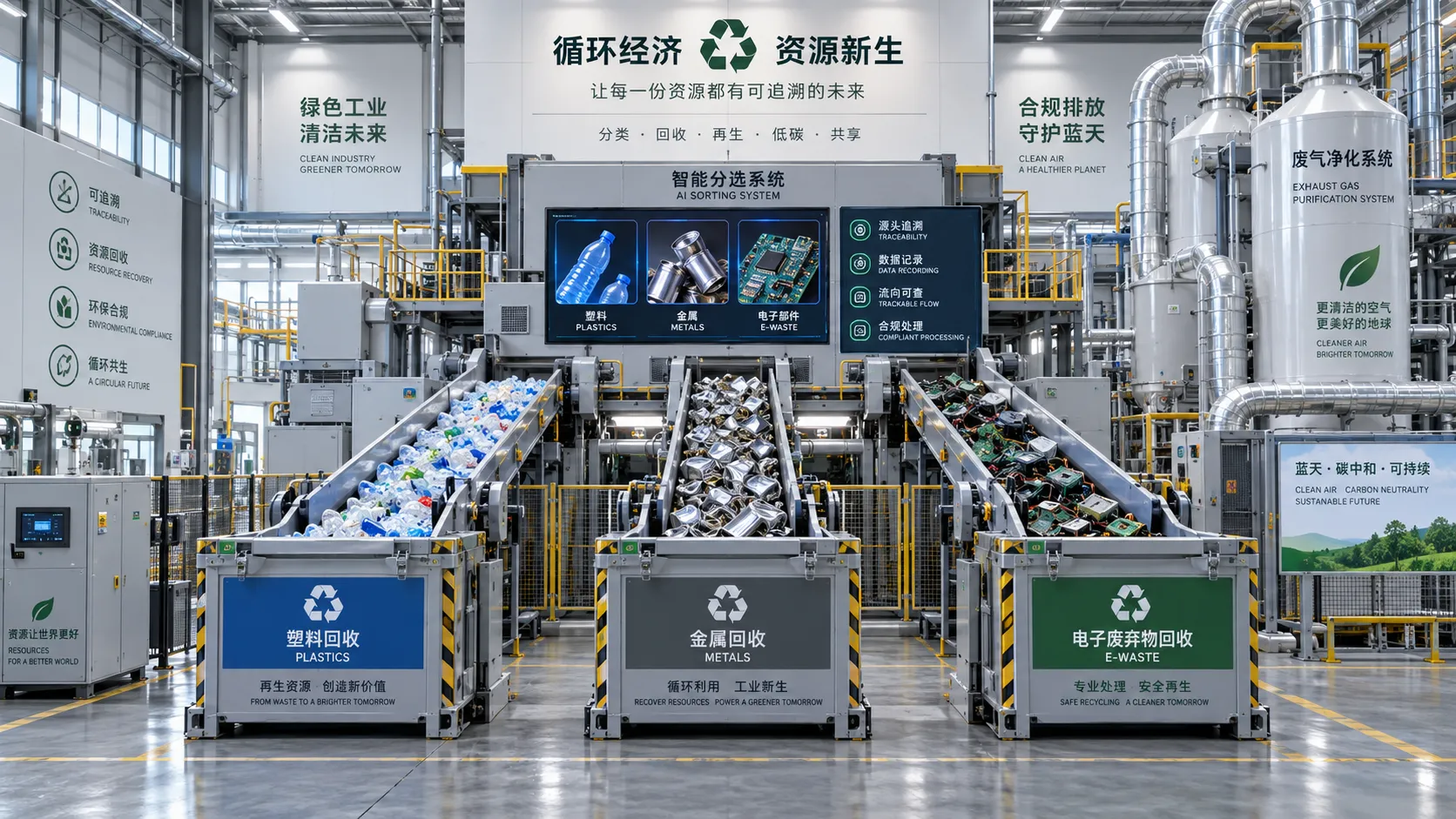
Waste Management and Circular Economy Regulations to Watch in 2025–2026
Recent regulatory updates in waste management and circular economy 2025-2026: explore PPWR, EPR, waste shipments, PFAS controls, and practical compliance steps.
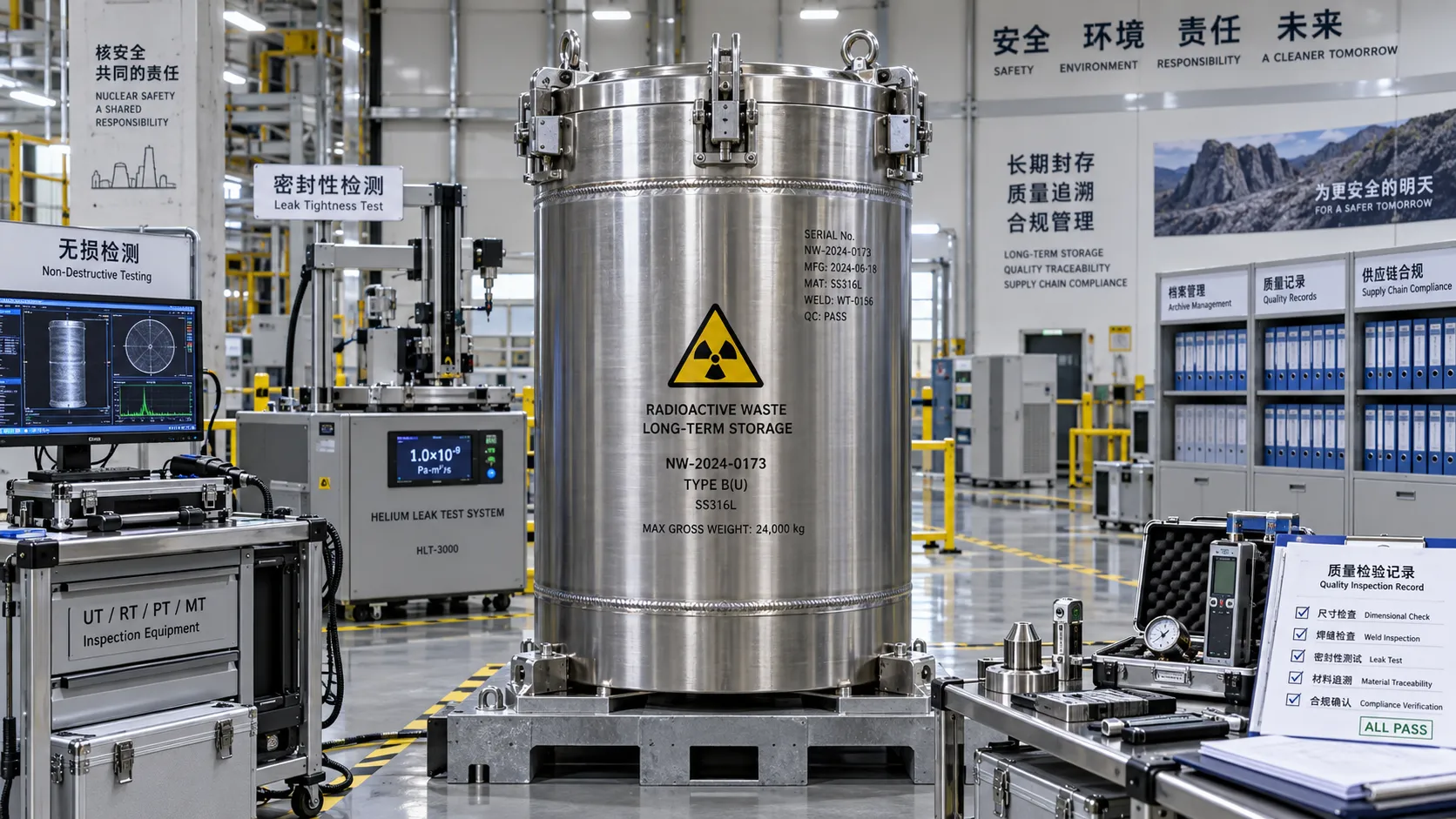
How to Qualify Nuclear Waste Supply Chain Partners for Long-Term Projects
Nuclear waste supply chain partner qualification: learn how to verify technical capability, compliance, traceability, resilience, and lifecycle support for long-term projects.
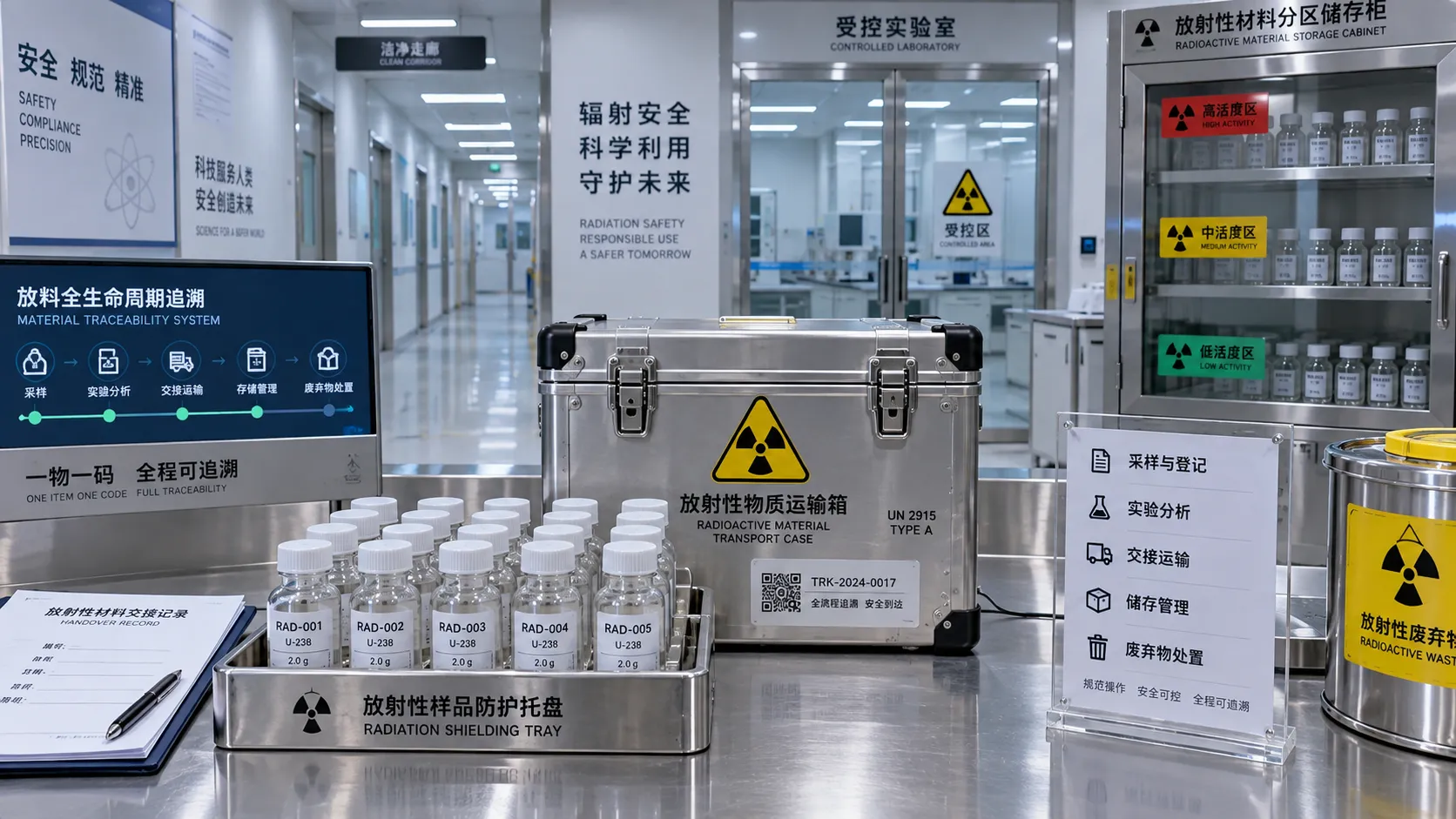
Choosing a Radioisotope Management System for Multi-Site Research Facilities
Radioisotope management system guide for multi-site research facilities: compare traceability, chain of custody, waste controls, roles, and integrations.
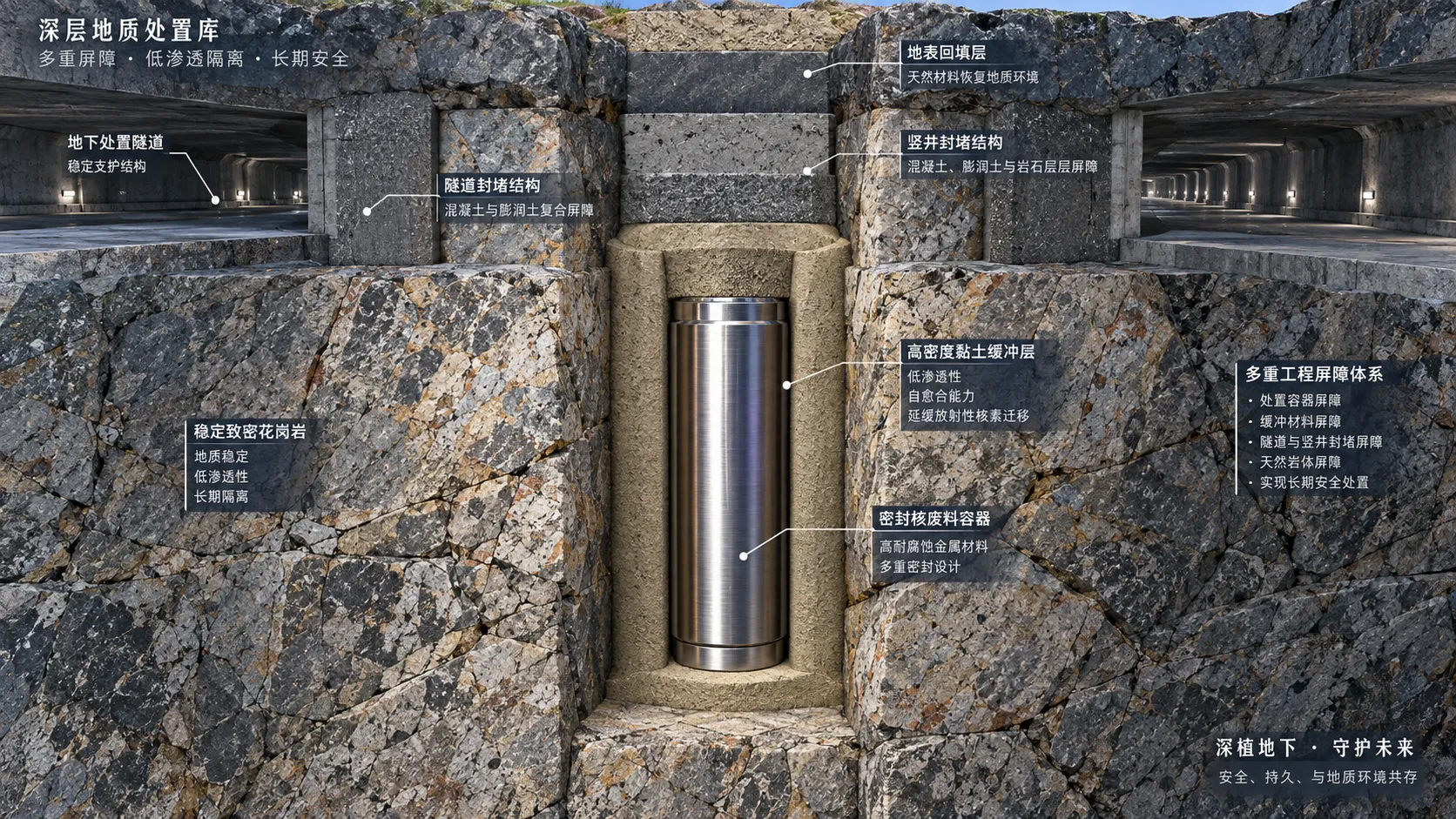
Applying C. McCombie’s Disposal Principles to Long-Lived Radioactive Waste
Explore principles and standards for the disposal of long-lived radioactive wastes C. McCombie, covering geological isolation, engineered barriers, safety cases, and intergenerational protection.
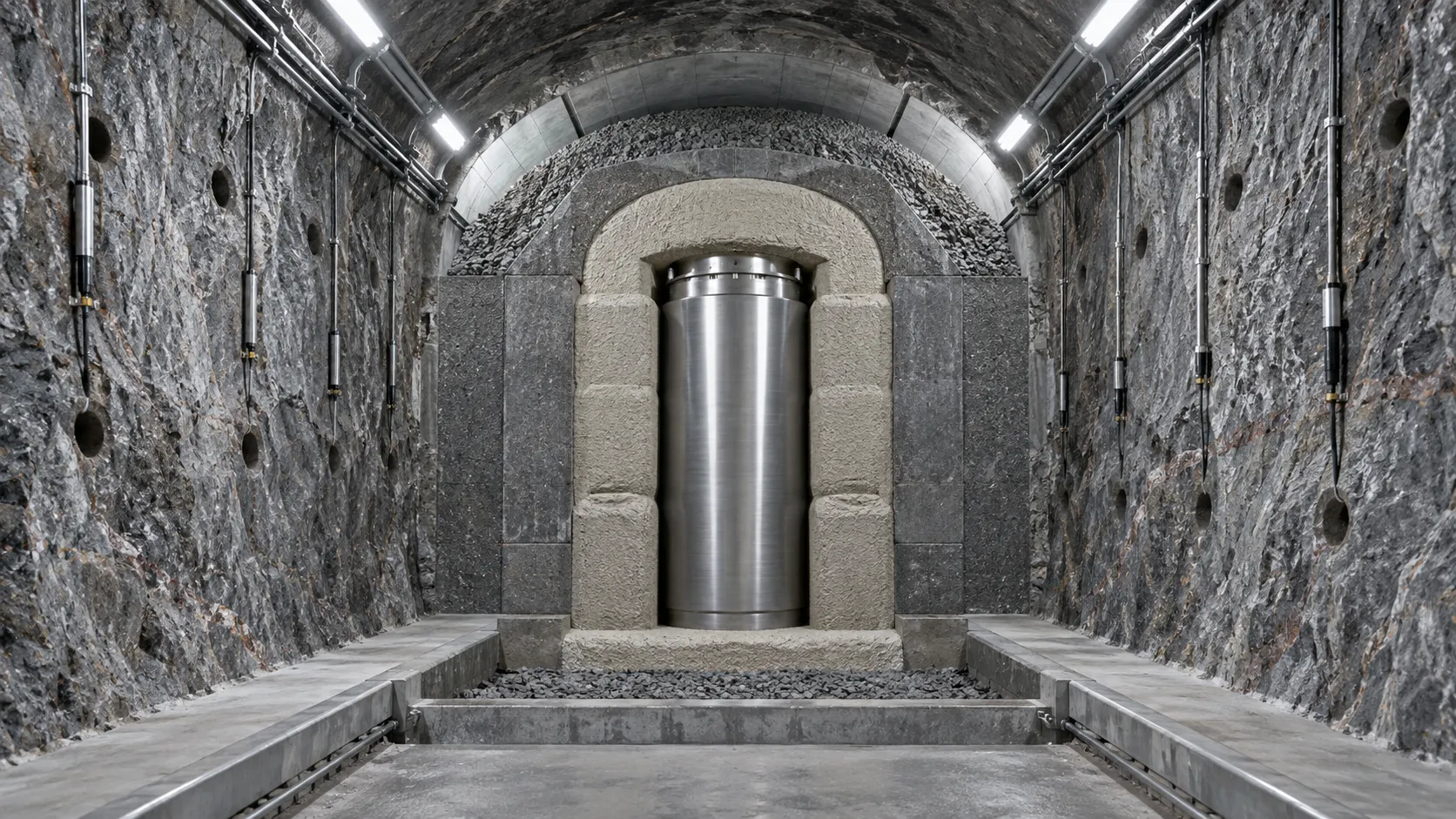
What Evidence Supports the Long-Term Safety Case for Geological Disposal?
Long-term safety of geological disposal: explore the evidence behind multi-barrier systems, site science, uncertainty testing, and auditable safety cases.