
Industry News
Curation by industry experts
Hot Articles
Popular Tags
What to check before choosing an environmental governance solutions supplier
What to check before choosing an environmental governance solutions supplier
Choosing an environmental governance solutions supplier is rarely a simple equipment comparison. For technical evaluators, the harder question is whether a supplier can keep a complex system stable under real operating conditions, changing regulations, and long asset lifecycles. A proposal may look solid on paper, yet fail when feedwater fluctuates, waste composition shifts, stack temperatures drop, or compliance reporting becomes stricter halfway through the project.
That is why selection work should begin with engineering fit, not presentation quality. In large water treatment, solid waste recovery, flue gas treatment, seawater desalination, or nuclear waste management, supplier choice affects process continuity, permitting risk, maintenance burden, and future retrofit costs. The earlier these points are tested, the fewer surprises appear during commissioning and operation.
For readers following ESD, this way of thinking is familiar. The platform’s value has always been in connecting purification limits, closed-loop resource logic, and evolving compliance demands across high-stakes environmental infrastructure. That perspective matters because most procurement failures do not come from one bad component. They come from weak stitching between process design, local standards, operating reality, and long-term support.
Start with the process boundary, not the equipment list
A capable supplier should be able to define the treatment boundary in plain technical terms. What exactly are they responsible for: influent variability, pretreatment, core reaction or separation unit, polishing stage, residue handling, emissions control, automation, performance guarantees, or all of them together? If that boundary remains vague, risk usually gets pushed downstream to the owner or EPC team.
This becomes critical in cross-disciplinary projects. A desalination package that performs well in membrane design may still struggle if intake water quality, pretreatment chemistry, and brine management are treated as separate issues. A waste recovery line may promise high sorting efficiency, but the real constraint may sit in downstream pyrolysis residue handling or odor control. In flue gas treatment, a scrubber or SCR system cannot be judged in isolation from temperature window, dust loading, reagent quality, and maintenance access.
When reviewing suppliers, ask them to show how they define design basis, operating envelope, upset conditions, and interfaces with upstream and downstream units. If they cannot map those interactions clearly, they may be selling a package rather than owning a process outcome.
Check how they deal with variable inputs
Environmental systems almost never run on perfectly stable feed conditions. Industrial wastewater composition changes by batch and season. Municipal streams vary with weather and load. Solid waste composition is affected by collection quality and local behavior. Stack gas can move outside design temperatures during partial load operation. Seawater can swing in turbidity, biofouling pressure, and salinity depending on site conditions.
A strong environmental governance solutions supplier will not hide behind nominal conditions. They should explain what happens during peak contaminant load, low-temperature operation, high suspended solids, membrane fouling episodes, abnormal ash chemistry, or unstable calorific value. In some sectors, the best sign of competence is not an aggressive performance claim but a careful description of derating logic, contingency design, and operational alarms.
Ask for the assumptions behind guarantees. Are they tied to average feed conditions, maximum values, or a tested range? Are consumables and utilities defined within that guarantee? Are bypass conditions, startup phases, or cleaning cycles excluded? Those exclusions often matter more than the headline number.
Compliance readiness is not a side topic
Many technical teams still treat compliance as something to verify after process selection. In practice, it should shape supplier evaluation from the start. The regulatory pressure around discharge, emissions, waste classification, trace contaminants, carbon accounting, and cross-border trade exposure is becoming tighter, not looser. Depending on the project, this may involve local discharge permits, hazardous waste rules, stack emission requirements, water reuse standards, nuclear safety controls, or reporting obligations connected to carbon-intensive industrial output.
ESD’s Strategic Intelligence Center is useful precisely because regulation does not move independently from equipment design anymore. Membrane choice, catalyst behavior, reagent use, sludge handling, vitrification stability, and digital traceability may all become compliance issues. For evaluators, the practical question is simple: can the supplier translate regulatory language into engineering decisions, documentation, and operating procedures?
If a supplier says they are “compliant,” ask with what, in which jurisdiction, and under what design assumptions. If the project may face CBAM-related scrutiny or strict tender review, the documentation trail, emissions basis, and lifecycle energy logic may deserve more attention than the equipment brochure itself.
Look past CAPEX: the operating model usually decides success
The lowest upfront price often hides the highest operational complexity. In environmental infrastructure, total value depends heavily on energy intensity, chemical consumption, membrane or catalyst replacement frequency, residue disposal burden, cleaning downtime, spare parts access, and control stability.
This is obvious in ZLD and desalination, where energy and fouling management can reshape economics over time. It is just as true in flue gas treatment, where reagent efficiency, pressure drop, and low-temperature catalyst performance affect both compliance margin and OPEX. In solid waste recovery, one weak sorting stage can reduce downstream material quality enough to break the business logic of the whole line.
A useful review is to ask suppliers for a lifecycle operating picture rather than a single efficiency number. What consumables are critical? Which items are imported or long lead? What maintenance tasks require shutdown? Which failures are predictable, and which ones are difficult to diagnose? If the supplier cannot discuss lifecycle behavior with confidence, their engineering depth may be limited.
Integration capability matters more in complex projects than standalone performance
One of the easiest mistakes in supplier selection is overvaluing a technically elegant unit operation while underestimating integration risk. Large environmental projects are systems projects. Instrumentation, controls, civil constraints, utility demand, digital reporting, corrosion management, safety logic, and residue routing all influence whether the line actually performs.
This is particularly true in sectors ESD tracks closely. A seawater reverse osmosis train depends heavily on pretreatment quality and cleaning strategy. An AI sorting line only creates value if material streams remain stable enough for secondary recovery. Nuclear waste management demands unusually strict discipline around containment logic, material behavior, and traceability. In these environments, a supplier should show not only process expertise, but coordination discipline.
Review their deliverables carefully: P&IDs, control philosophy, instrument lists, materials of construction, interface matrix, commissioning procedures, and operator training scope. If those documents are vague at bid stage, they rarely become clearer later without cost and delay.
Reference experience should be read carefully
Reference lists can help, but only if they are interpreted with discipline. A supplier’s experience in municipal wastewater does not automatically transfer to high-salinity industrial brine. A strong record in general flue gas cleanup may not prove readiness for low-temperature, high-dust, or variable sulfur applications. In solid waste recovery, regional feedstock differences can be large enough to invalidate easy comparisons.
The right question is not “How many projects have you done?” but “How close were those projects to this one in chemistry, load profile, compliance threshold, and operating constraints?” Similarity of problem matters more than volume of installations.
If actual operating references cannot be shared in detail, suppliers should still be able to discuss lessons learned in a technically credible way: fouling behavior, catalyst aging, corrosion surprises, residue classification challenges, automation tuning, or spare parts bottlenecks. That type of answer is often more informative than branded case slides.
Service depth is a technical issue, not just a commercial one
After handover, the project is judged by uptime, response speed, and recoverability from off-design events. That makes service capability part of technical evaluation. Can the supplier support commissioning, process optimization, troubleshooting, and major maintenance in the target region? Are critical spares standardized or custom? Is remote diagnostic support realistic for the project’s control architecture and cybersecurity environment?
In highly regulated segments such as nuclear waste management, and in performance-sensitive segments such as desalination and advanced flue gas treatment, weak after-sales support can become a compliance or availability problem very quickly. A supplier does not need a giant local footprint to be credible, but they do need a believable support model.
A short evaluation framework that actually helps
This kind of framework is intentionally simple. It does not replace process review, but it helps separate polished bids from suppliers that can actually carry technical risk.
What experienced evaluators usually notice early
Good suppliers ask difficult questions early. They want better sampling data. They challenge incomplete assumptions. They distinguish between pilot logic and full-scale guarantees. They are careful about where responsibility starts and ends. None of that feels especially “sales friendly,” but it usually signals engineering maturity.
By contrast, weak suppliers tend to flatten complexity. They answer every problem with a standard package, avoid discussion of off-design conditions, and treat compliance as paperwork rather than design input. In environmental governance, that is rarely a small issue. It is often the first sign that the project team will end up solving process gaps on its own.
For technical evaluators working across water, waste, gas, desalination, or nuclear-adjacent systems, the best decision usually comes from combining bid review with intelligence on technology evolution, regulatory direction, and delivery reality. That is where platforms like ESD become useful: not as a shortcut to selection, but as a way to see whether a supplier’s claims fit broader engineering and compliance trends.
Before making a final choice, it is worth forcing one more round of verification: confirm design assumptions, operating range, maintenance logic, documentation scope, and local compliance obligations in writing. If a supplier remains technically consistent under that level of scrutiny, you are no longer just comparing offers. You are reducing project risk before it gets expensive.
Recommended News
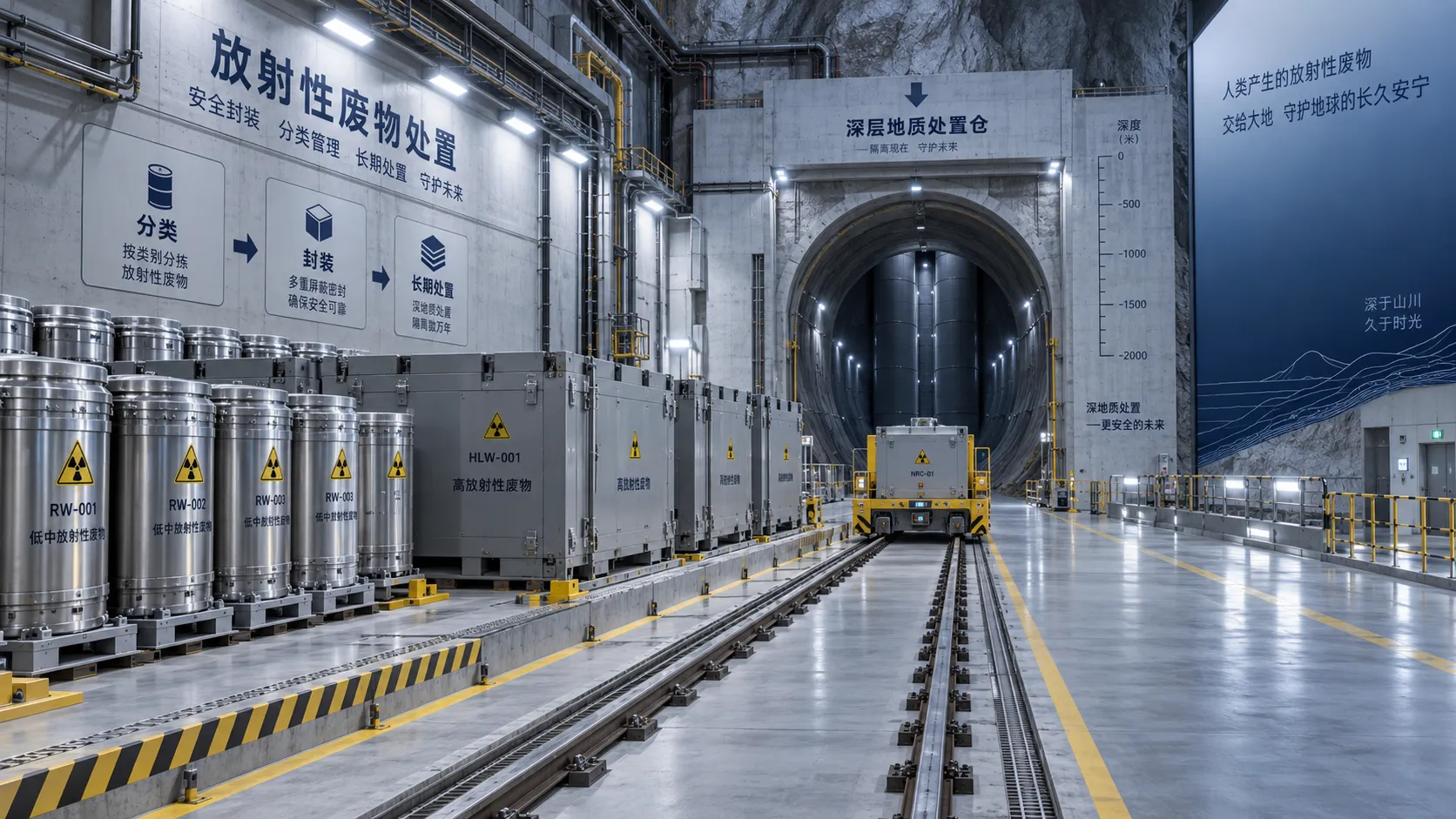
What drives radioactive waste cost over the life of a disposal project?
Radioactive waste cost depends on classification, treatment, transport, storage, disposal access, and long-term compliance. Explore the key lifecycle cost drivers.
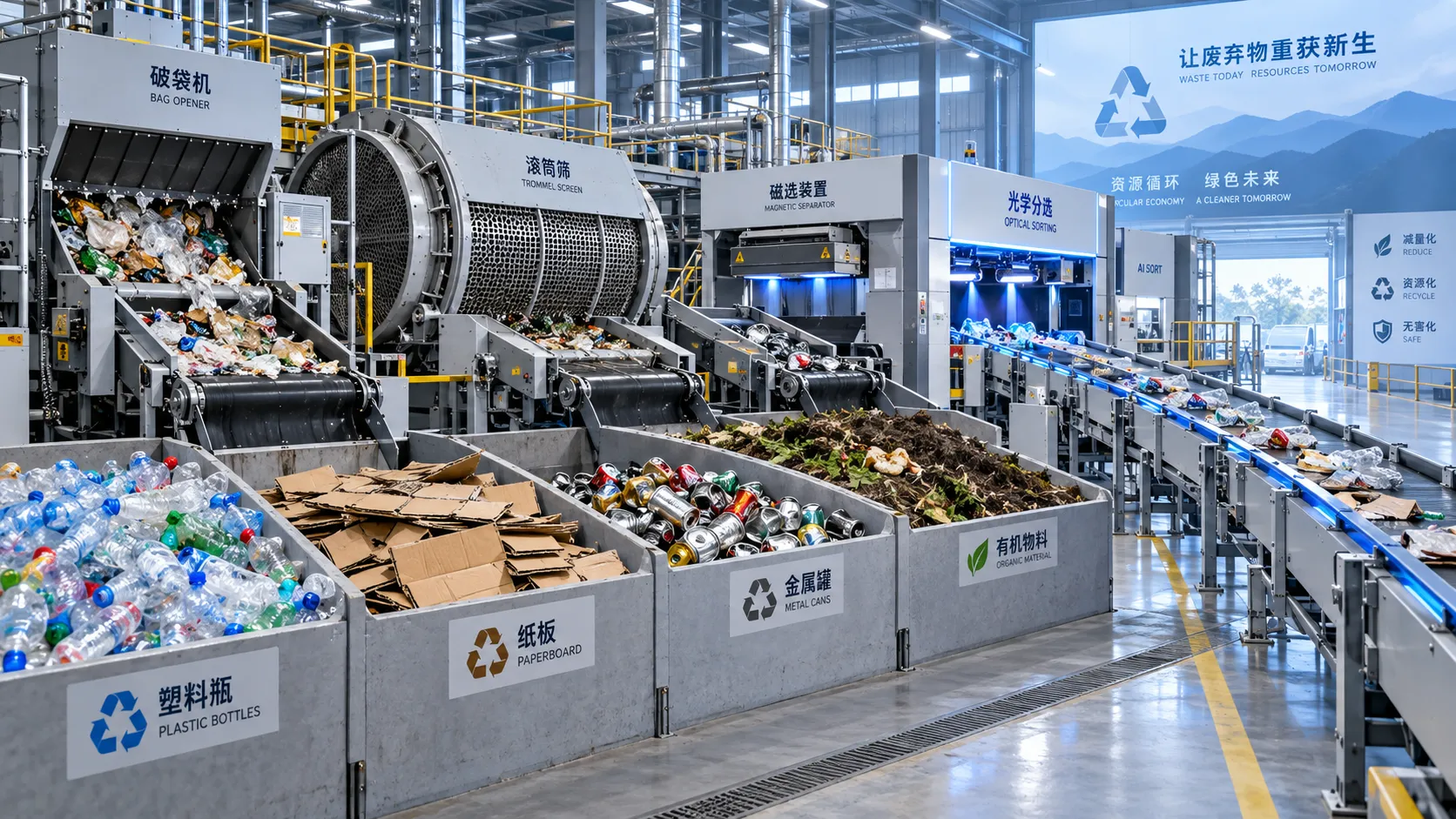
How to choose solid waste equipment based on waste stream characteristics
Environmental equipment guide for solid waste: discover how to match sorting, treatment, and recovery equipment to waste composition, moisture, contamination, and output goals.
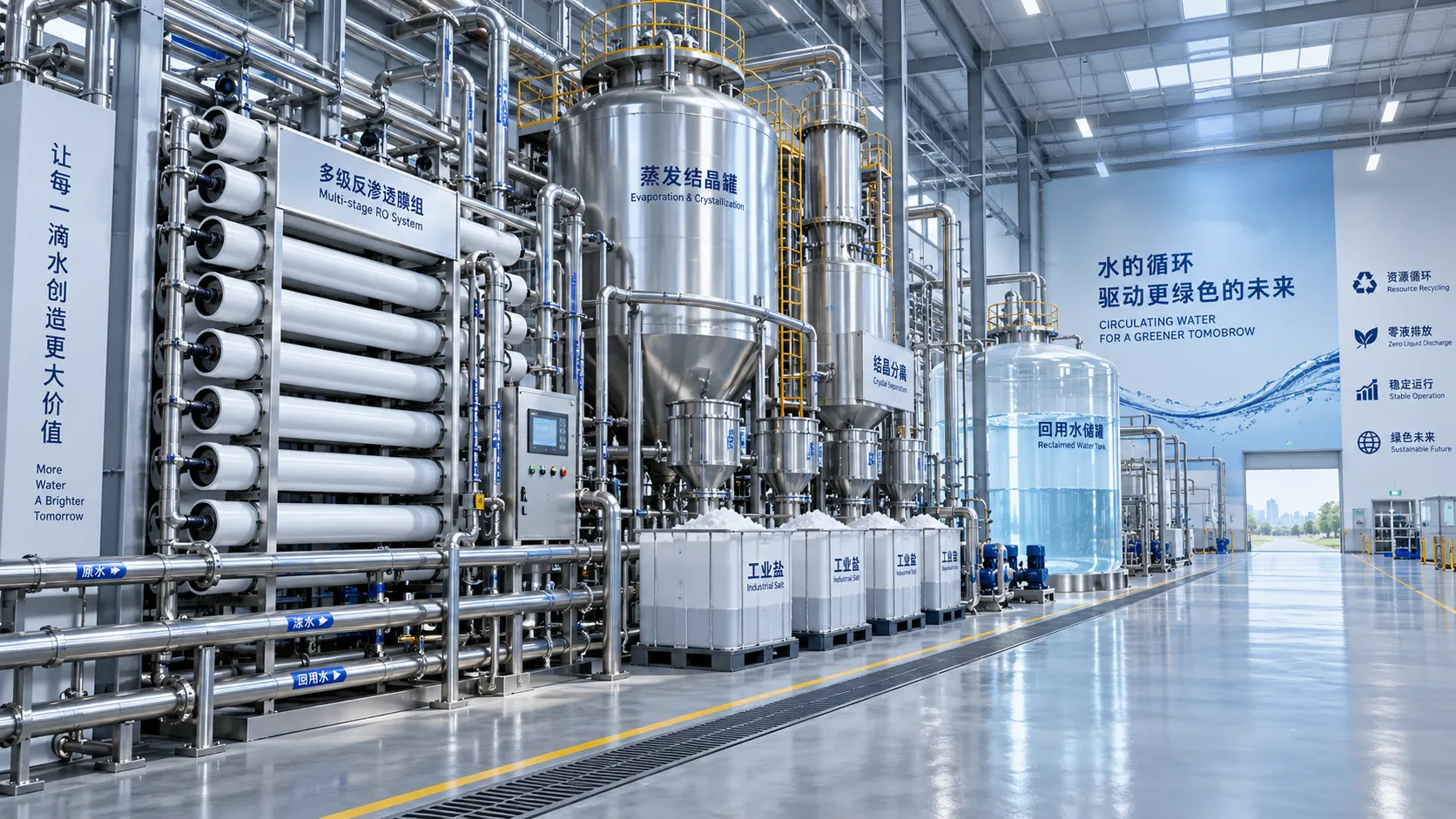
When does high recovery ZLD equipment justify its higher capital cost?
High recovery ZLD equipment can justify higher capital cost when water scarcity, discharge risks, brine disposal, and downtime threaten operations. Explore the decision factors.

How high purity heavy metal recovery affects recovered metal value
High purity heavy metal recovery boosts recovered metal value by improving payability, reducing penalties, and unlocking stronger buyer opportunities. Explore smarter netback strategies.
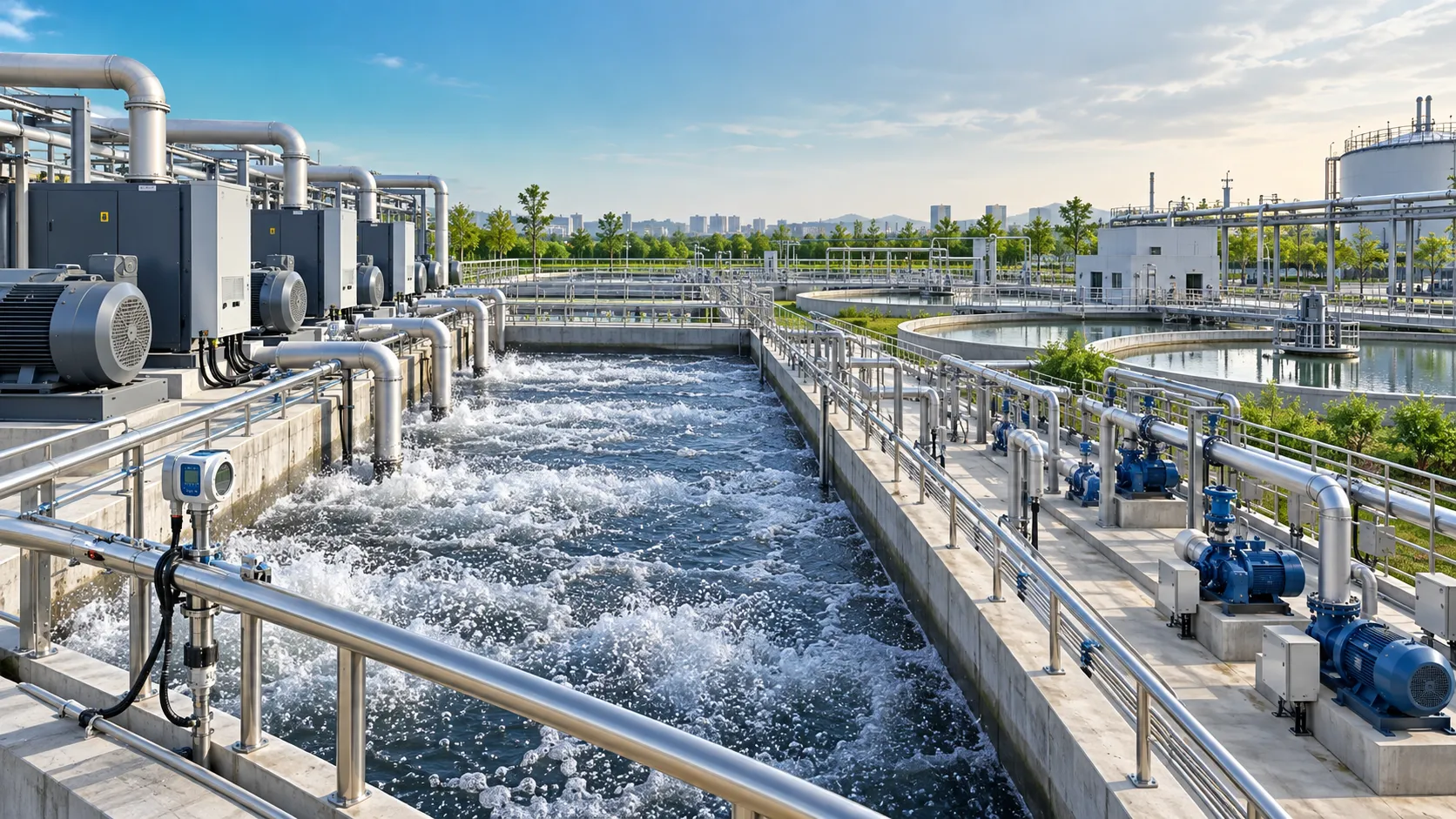
When does environmental equipment intelligence reduce wastewater plant energy use?
Environmental equipment intelligence for wastewater plants cuts energy use through smarter aeration, pumping, and data-driven controls—without compromising compliance. Discover when it delivers measurable savings.
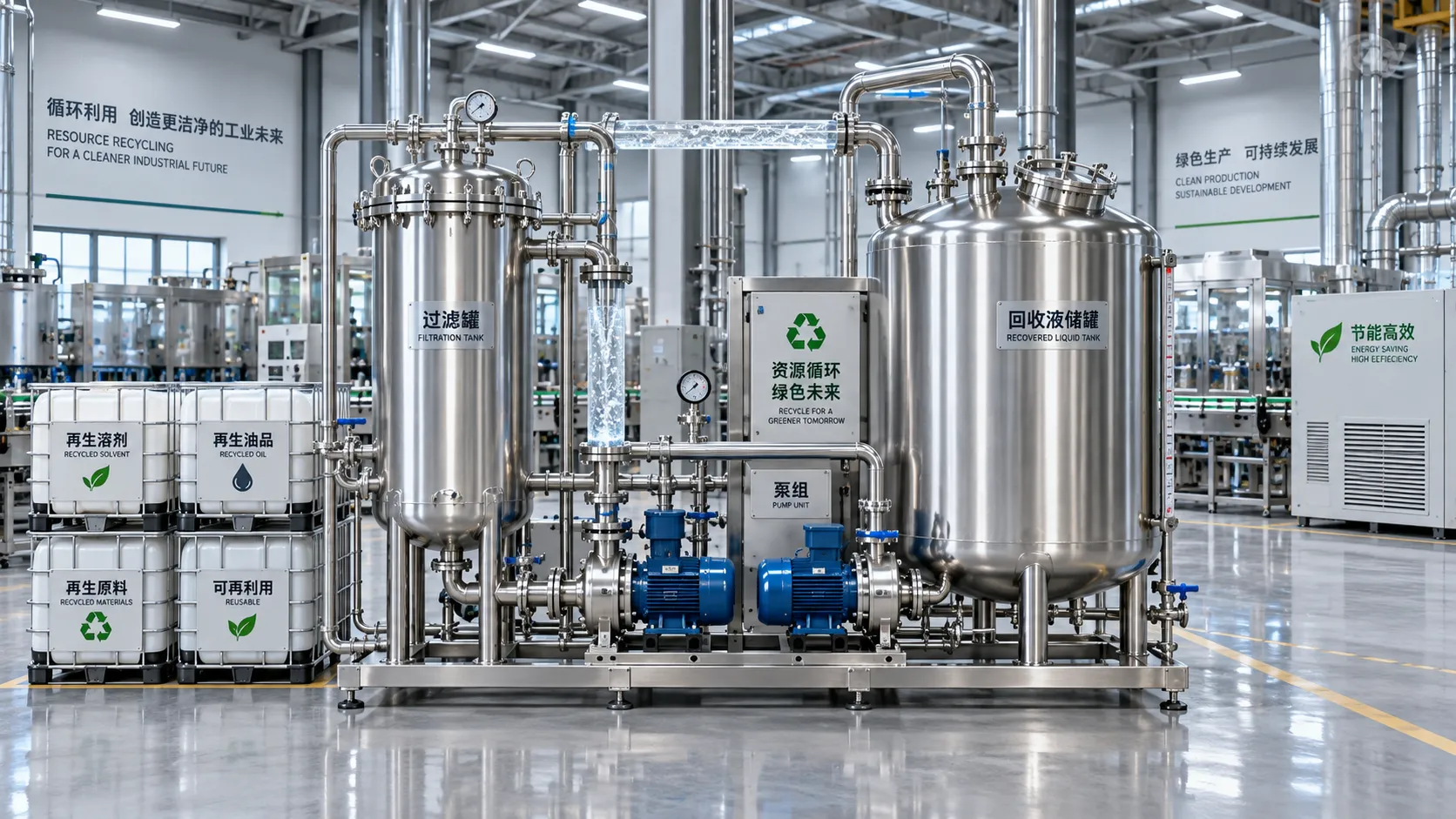
How to Calculate Product Recovery System Payback from Yield, Energy, and Labor Savings
Product recovery system payback: learn to model yield value, energy and labor savings, operating costs, and scenarios for a defensible capital approval case.
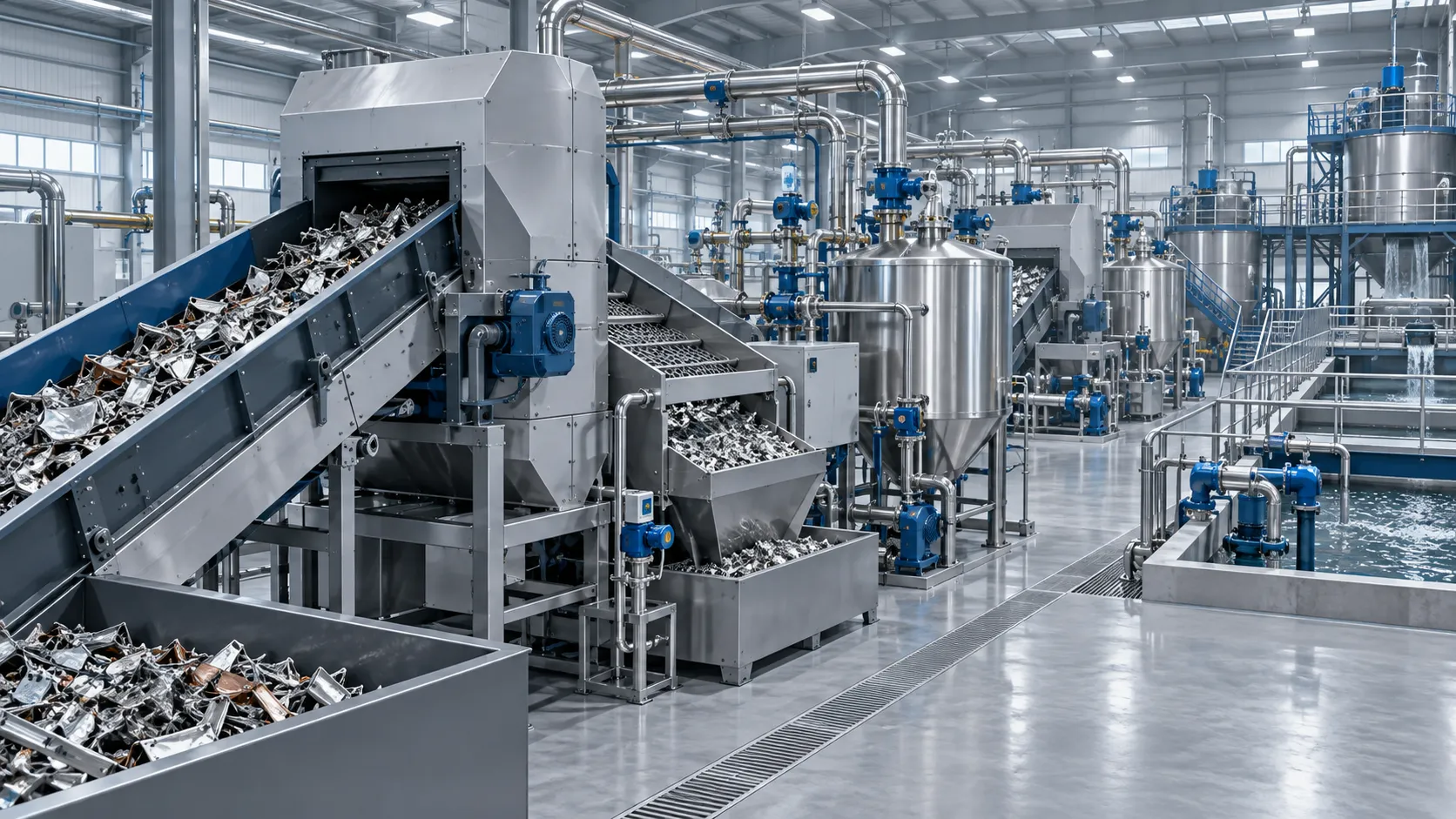
What Makes Metals Recovery Infrastructure Repeatable Across Multiple Plant Sites?
Repeatable metals recovery infrastructure: learn how standardized processes, modular design, data control, and compliance-ready systems enable scalable multi-site recovery plants.
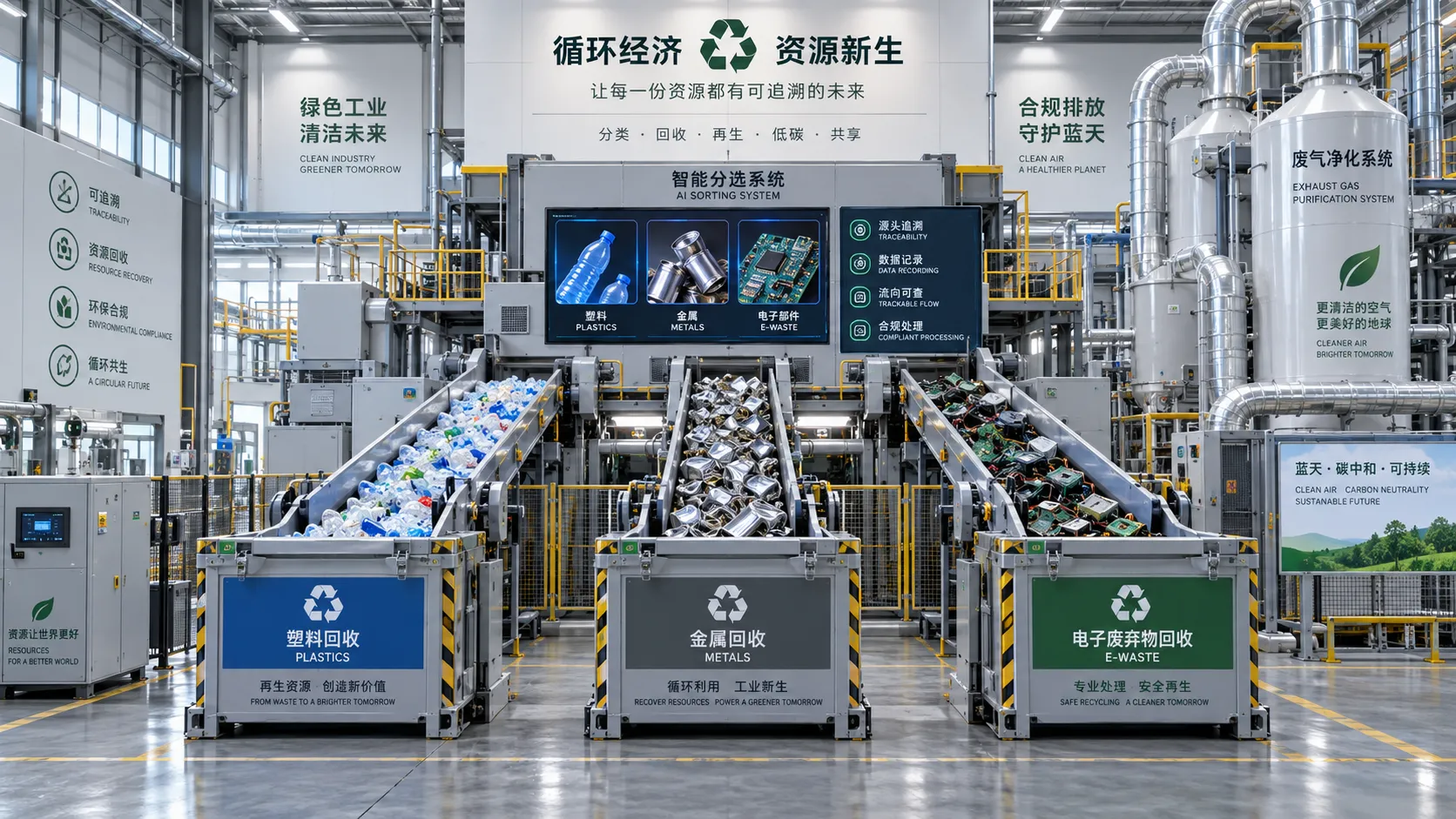
Waste Management and Circular Economy Regulations to Watch in 2025–2026
Recent regulatory updates in waste management and circular economy 2025-2026: explore PPWR, EPR, waste shipments, PFAS controls, and practical compliance steps.
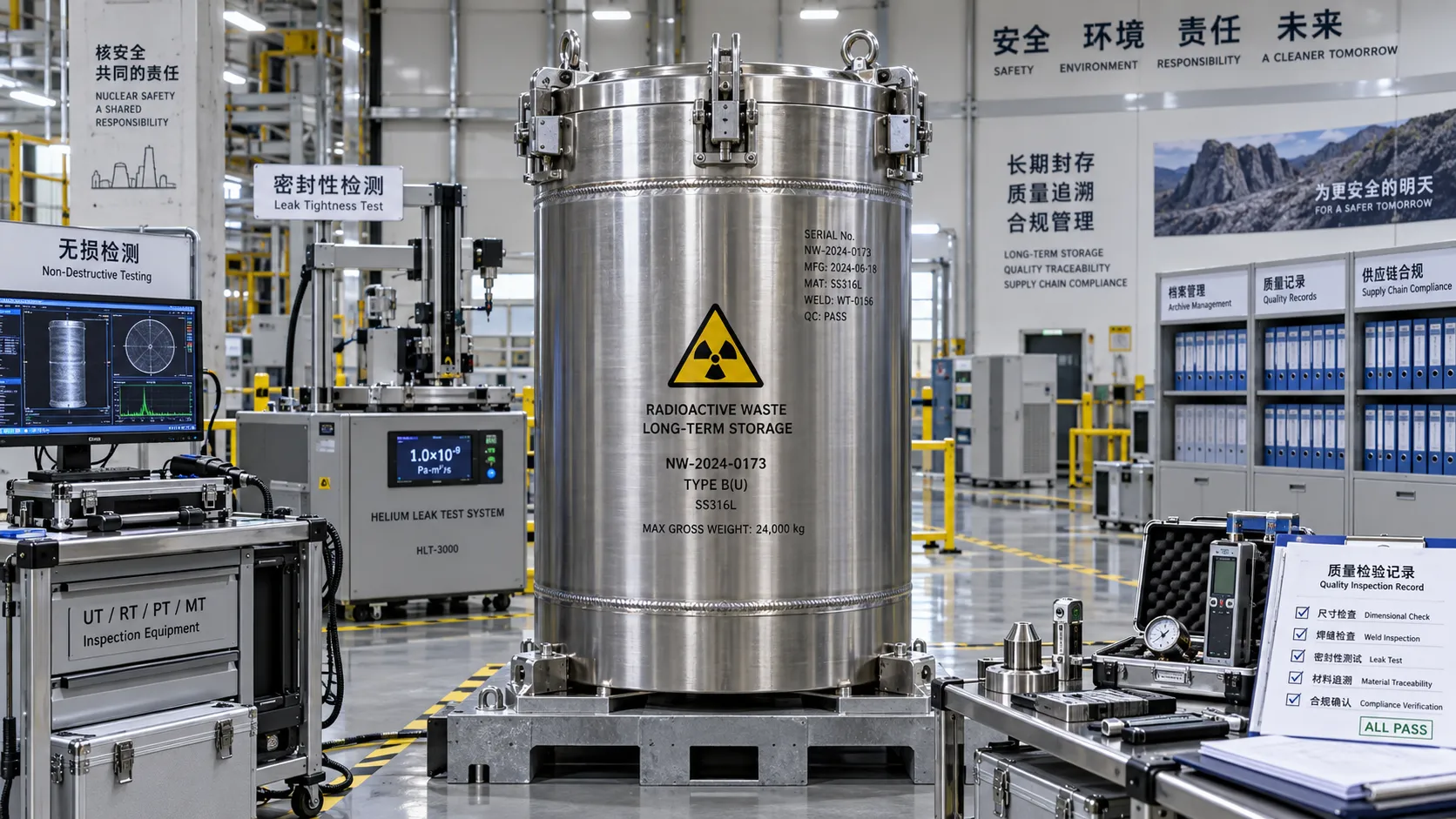
How to Qualify Nuclear Waste Supply Chain Partners for Long-Term Projects
Nuclear waste supply chain partner qualification: learn how to verify technical capability, compliance, traceability, resilience, and lifecycle support for long-term projects.