
Industry News
Curation by industry experts
Hot Articles
Popular Tags
When does mechanical separation improve recovery in urban mining systems
In urban resource recovery, the question is not whether mechanical separation is useful in principle, but when it materially improves recovery enough to justify its place in the line. For technical evaluation teams, that distinction matters. In many urban mining systems, mechanical separation can raise yield, stabilize downstream units, and reduce disposal burden. In other cases, it simply shifts contamination from one stream to another, adds energy and maintenance cost, and creates a cleaner-looking process without improving real material capture.
The decisive issue is that urban mining systems do not handle uniform ore bodies. They process highly variable feedstocks: end-of-life electronics, mixed metals, construction and demolition fines, shredder residue, batteries, appliance scrap, and composite municipal discards. Mechanical separation performs best when the physical properties of target materials differ enough from the surrounding matrix to support consistent sorting by size, density, magnetism, conductivity, shape, or ballistic behavior. It struggles when valuable fractions are too finely disseminated, too contaminated, or too tightly bound into multi-material products.
Why the answer depends on liberation, not just equipment
A common mistake in project screening is to discuss separators before discussing liberation. Recovery improves only when the target material has been sufficiently released from non-target material. If copper remains attached to plastic, or fine precious-metal-bearing particles remain embedded in resin, the separator may operate exactly as designed while the system still underperforms.
This is why mechanical separation often delivers its best gains after feed preparation has been brought under control. Shredding strategy, screen sizing, moisture management, and the prevention of excessive fines generation usually have more influence on recovery than adding another separator stage. In practice, a well-configured front end may create the conditions under which existing magnetic, eddy current, air classification, or density-based units begin to show strong results.
For technical teams, the first question should therefore be: is the material physically separable at the particle scale created by comminution? If the answer is weak, adding more mechanical stages rarely fixes the core problem.
Where mechanical separation usually improves recovery
Mechanical separation tends to create measurable value in urban mining when four conditions align.
- Target materials are liberated within a controllable particle size range.
- Physical property contrasts are large enough to support clean split points.
- Feed variability is manageable through buffering, preprocessing, or line adjustment.
- Downstream processes benefit from narrower composition and lower contaminant load.
These conditions are often present in ferrous and non-ferrous recovery from shredded bulky waste, appliance scrap, certain e-scrap streams, and preconditioned construction waste fractions. In such systems, magnetic separation can recover ferrous metals early and efficiently, eddy current separators can pull out many aluminum-rich fractions, and screening plus air or density classification can improve the quality of mineral, polymer, or metal-bearing streams before further treatment.
The improvement is not limited to direct recovery yield. Mechanical separation may also improve plant-level economics by reducing wear in downstream equipment, lowering reagent demand in hydrometallurgical circuits, stabilizing pyrolysis feed, or reducing the mass sent to thermal treatment and landfill. In other words, the value of separation may appear as system efficiency rather than headline recovery alone.
When the gains are likely to disappoint
There are several operating scenarios where mechanical separation is often oversold.
First, highly heterogeneous fine fractions are difficult. Once urban waste is broken into very fine particles, the physical differences that separators rely on can become less useful, while dust, moisture, and agglomeration start to dominate behavior. Valuable metals may report to multiple streams, and purity losses rise quickly.
Second, composite products with adhesive bonding, coatings, laminates, or embedded micro-components often resist clean physical separation. This is increasingly relevant in modern electronics, flexible packaging, and some battery-related waste streams. Mechanical steps may still be necessary for mass reduction and preconcentration, but they do not automatically create high recovery.
Third, wet or sticky feed can collapse separator performance. Moisture changes screening behavior, increases carryover, and affects air-based systems. A line that works well on dry validation material may underperform in full-scale operation if seasonal or storage-related moisture swings are not designed into the process window.
Fourth, contamination can erase the economic benefit of an apparently good recovery number. A recovered stream that contains chlorine-bearing plastics, excessive fines, hazardous residues, or incompatible alloy mixtures may be difficult to sell or costly to refine. For technical evaluation, “recovered” is not the same as “marketable.”
Recovery and purity should be evaluated together
In urban mining, recovery improvement is often presented as a single percentage point gain. That is not enough for serious assessment. Mechanical separation changes at least three things at once: mass recovery, product purity, and stream consistency. Optimizing one can weaken the others.
A more useful evaluation frame is shown below.
This matters because a line can show higher gross recovery but lower net value if purity slips below buyer specification or if extra reprocessing becomes necessary. Technical teams should insist on value-adjusted recovery, not just mass-based recovery.
The key design question is where to place the mechanical step
Mechanical separation is not only a technology choice. It is also a flowsheet placement decision. The same separator can create very different outcomes depending on whether it is used for early rejection, intermediate concentration, or final cleanup.
Early-stage separation can remove obvious ferrous or oversized fractions and protect downstream assets. This often makes sense where the objective is bulk mass reduction. Mid-stage separation is typically where the strongest recovery gains appear, because feed has already been conditioned but is not yet over-processed. Final-stage cleanup can improve product quality, but by that point the remaining material may be harder to split cleanly, and the incremental gain may not justify another stage.
For urban mining systems mechanical separation is most effective when it is integrated into a sequence rather than treated as a stand-alone machine purchase. A separator added without redesigning feed presentation, recirculation logic, and sampling points often fails to deliver the expected uplift.
Sampling discipline matters more than many projects admit
Technical evaluation teams should be cautious when vendors or project sponsors present recovery improvements based on limited trial material. Urban mining feedstock changes by supplier, district, product generation, season, collection method, and dismantling quality. Short campaign tests can easily confuse temporary feed characteristics with repeatable plant performance.
A credible evaluation usually requires:
- multi-batch sampling across realistic feed variability;
- size-by-size and fraction-by-fraction material balance;
- clear definition of target materials and reject destinations;
- evidence that lab or pilot settings are scalable to commercial throughput;
- verification of market acceptance for recovered fractions.
Without that discipline, projects tend to overestimate the effect of separation efficiency and underestimate the impact of operational instability.
Mechanical separation is becoming more important, but also more demanding
There is a broader industry reason this topic is receiving more attention. Urban mining systems are being asked to do more than recover bulk metals. Policy pressure, landfill constraints, decarbonization targets, and circularity mandates are pushing operators toward higher extraction rates from more complex waste streams. At the same time, downstream buyers increasingly want tighter specifications and better traceability. That combination raises the strategic value of mechanical separation, but it also narrows the margin for poor design.
In practical terms, this means that traditional equipment categories are being reassessed in hybrid configurations. Mechanical separation is increasingly paired with sensor-based sorting, digital process monitoring, and more selective shredding strategies. The mechanical stage still matters, but less as a standalone answer and more as the physical conditioning layer that determines whether advanced sorting can work efficiently.
For mixed solid waste and secondary resource lines, this is a critical shift. AI-assisted optical or sensor sorting often gets the attention, but its performance is heavily dependent on upstream mechanical preparation. If size distribution is unstable, if flat and 3D particles are poorly managed, or if fines overload the line, sensor performance degrades. In that sense, mechanical separation remains foundational even in more digital recovery plants.
What technical teams should examine before approving a line
For screening and investment decisions, the most useful approach is to treat mechanical separation as a conditional enabler. The following questions usually expose whether the proposed gain is real.
- What is the actual liberation size of the target material, and how was it measured?
- How sensitive is separator performance to moisture, dust, and feed rate variation?
- What proportion of value is concentrated in difficult fine fractions?
- Are product purity targets defined by real offtake requirements or by internal assumptions?
- Does the line improve net value after accounting for recirculation, maintenance, energy, and rejects handling?
- Can the system tolerate feed changes without constant manual retuning?
If these questions cannot be answered clearly, the project is not yet at a reliable decision point.
The real threshold: system-level improvement, not separator efficiency
Mechanical separation improves recovery in urban mining systems when it increases the amount of marketable material recovered at acceptable purity, while also improving downstream process stability and overall economics. That sounds obvious, but it is different from saying that a separator with high nominal efficiency will improve the plant.
In most serious evaluations, the threshold is system-level. A mechanical stage deserves to be added when it creates a cleaner and more controllable path for value-bearing fractions through the entire recovery chain. It deserves skepticism when its benefit exists mainly on a test sheet, or when it depends on feed conditions the full-scale operation is unlikely to maintain.
That is why the most reliable projects do not begin with equipment claims. They begin with feed characterization, liberation logic, product specification, and a clear view of where value is actually created or destroyed across the line.
Recommended News
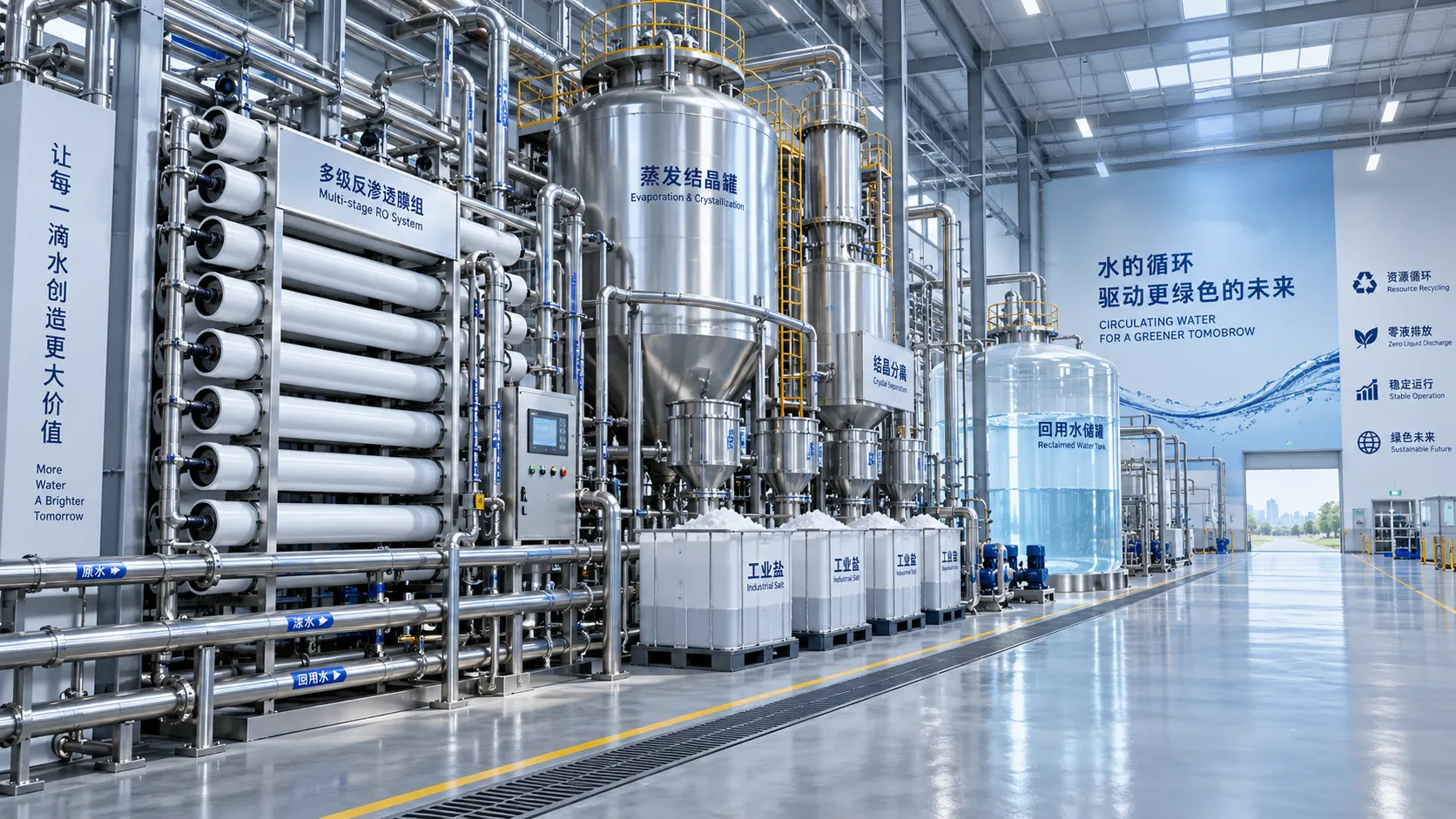
When does high recovery ZLD equipment justify its higher capital cost?
High recovery ZLD equipment can justify higher capital cost when water scarcity, discharge risks, brine disposal, and downtime threaten operations. Explore the decision factors.
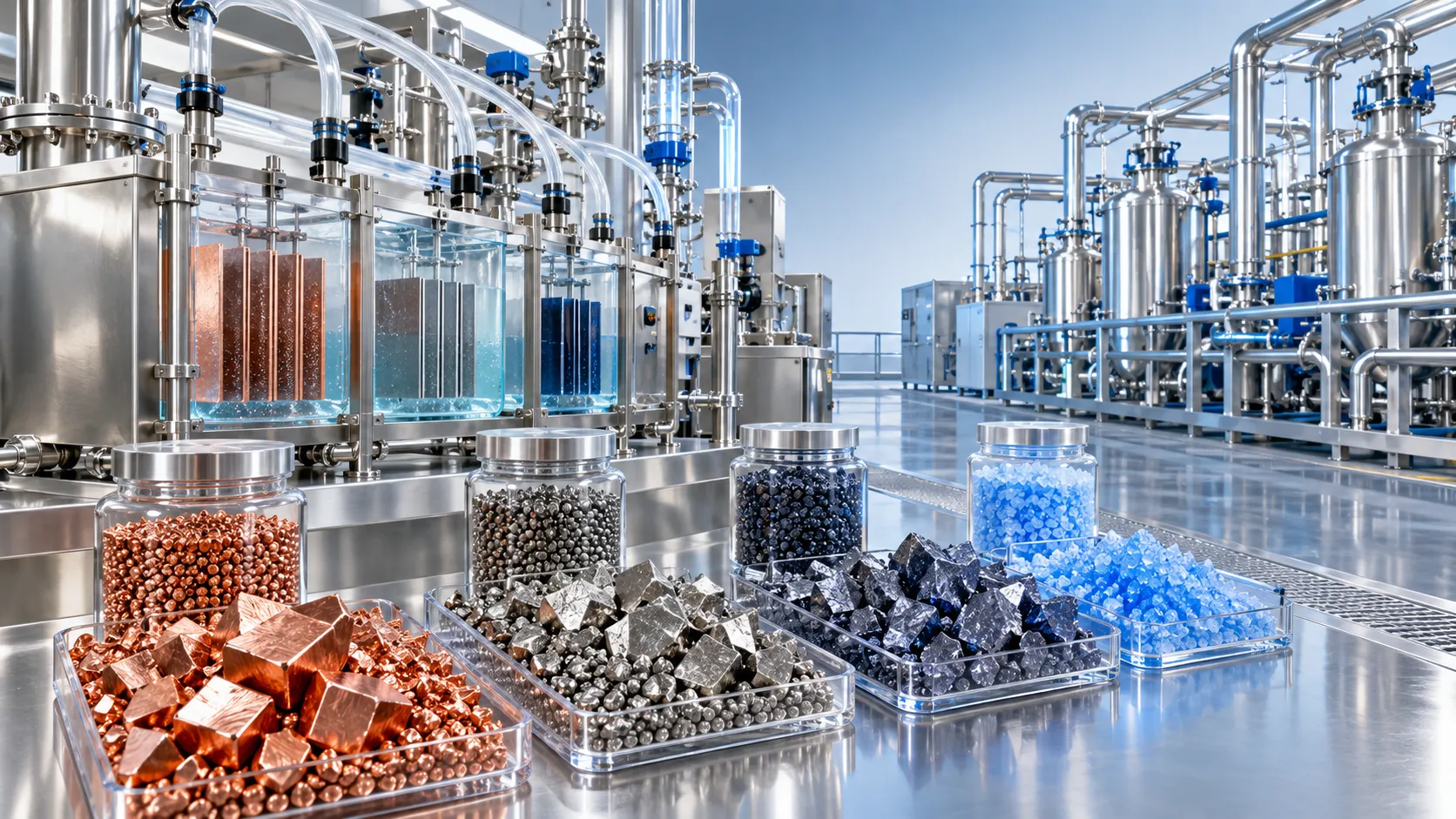
How high purity heavy metal recovery affects recovered metal value
High purity heavy metal recovery boosts recovered metal value by improving payability, reducing penalties, and unlocking stronger buyer opportunities. Explore smarter netback strategies.
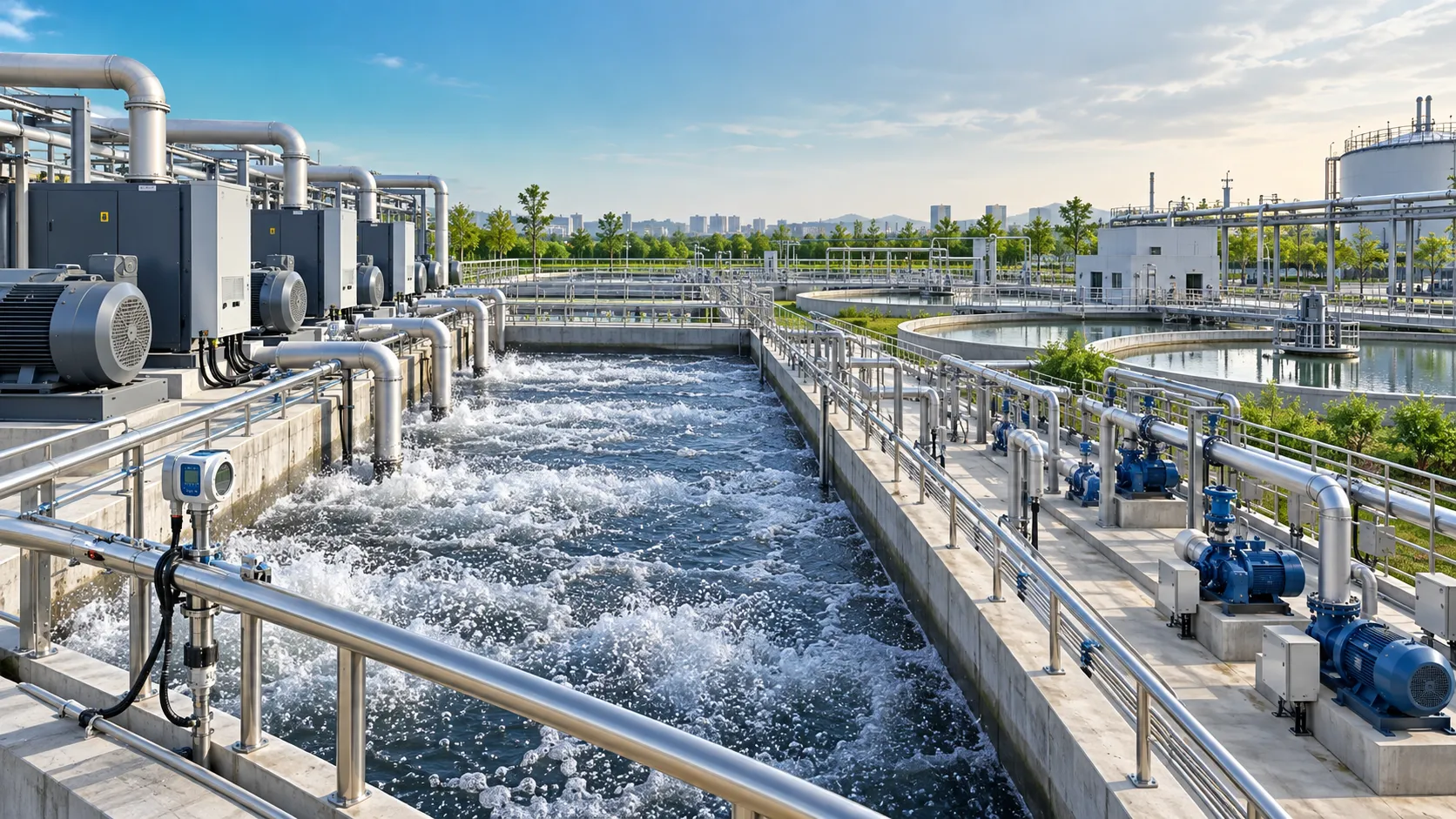
When does environmental equipment intelligence reduce wastewater plant energy use?
Environmental equipment intelligence for wastewater plants cuts energy use through smarter aeration, pumping, and data-driven controls—without compromising compliance. Discover when it delivers measurable savings.
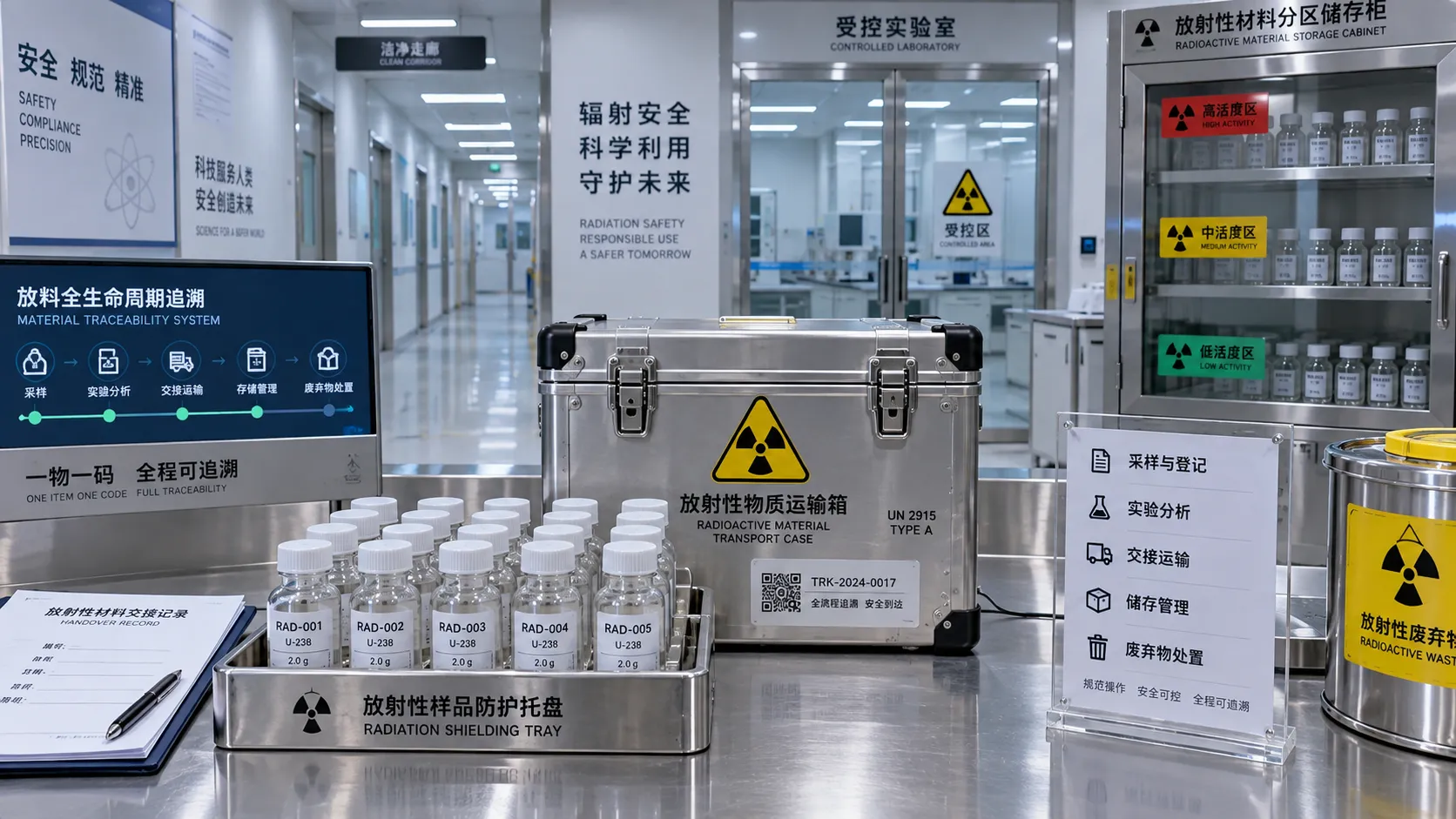
Choosing a Radioisotope Management System for Multi-Site Research Facilities
Radioisotope management system guide for multi-site research facilities: compare traceability, chain of custody, waste controls, roles, and integrations.
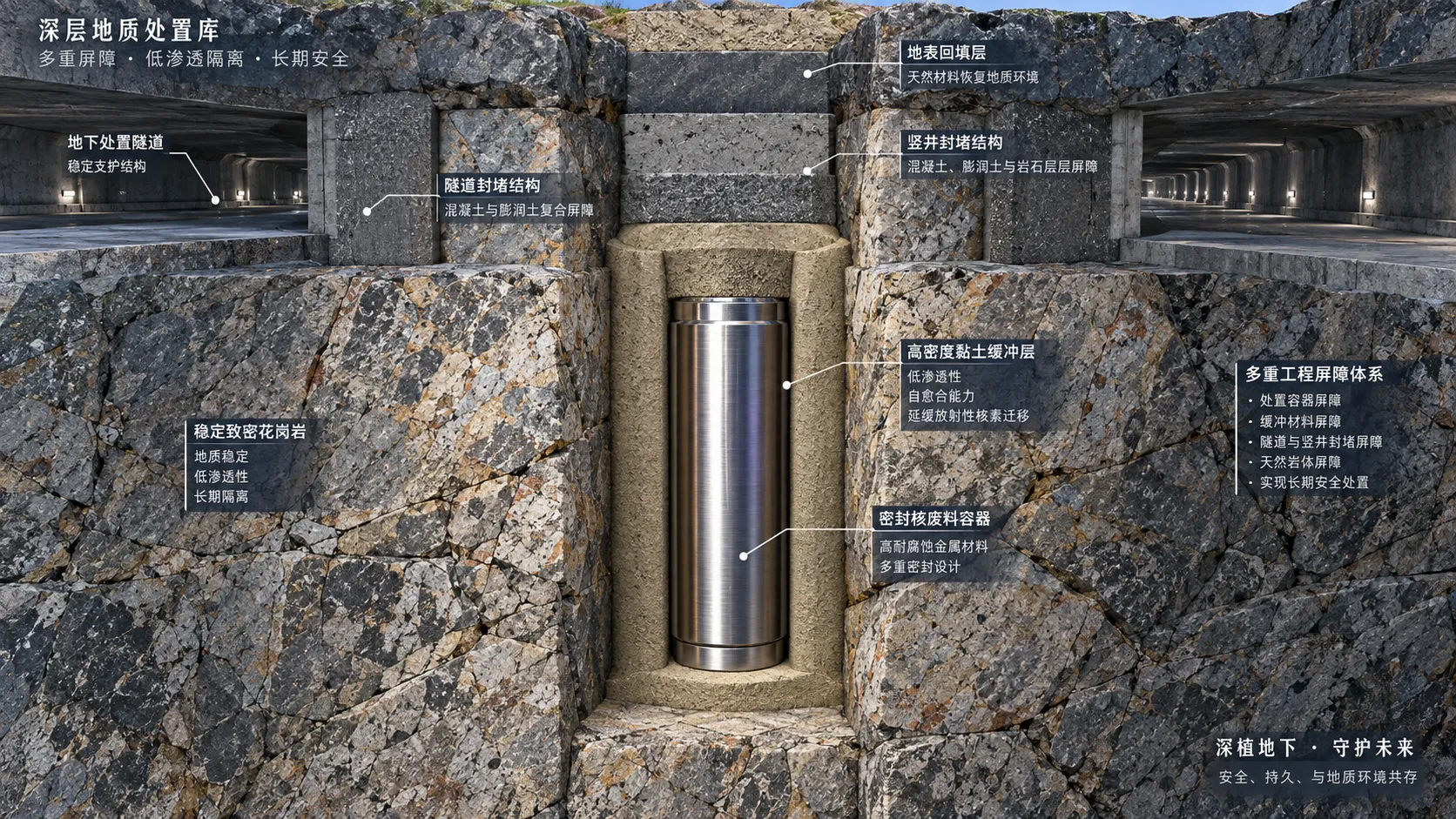
Applying C. McCombie’s Disposal Principles to Long-Lived Radioactive Waste
Explore principles and standards for the disposal of long-lived radioactive wastes C. McCombie, covering geological isolation, engineered barriers, safety cases, and intergenerational protection.
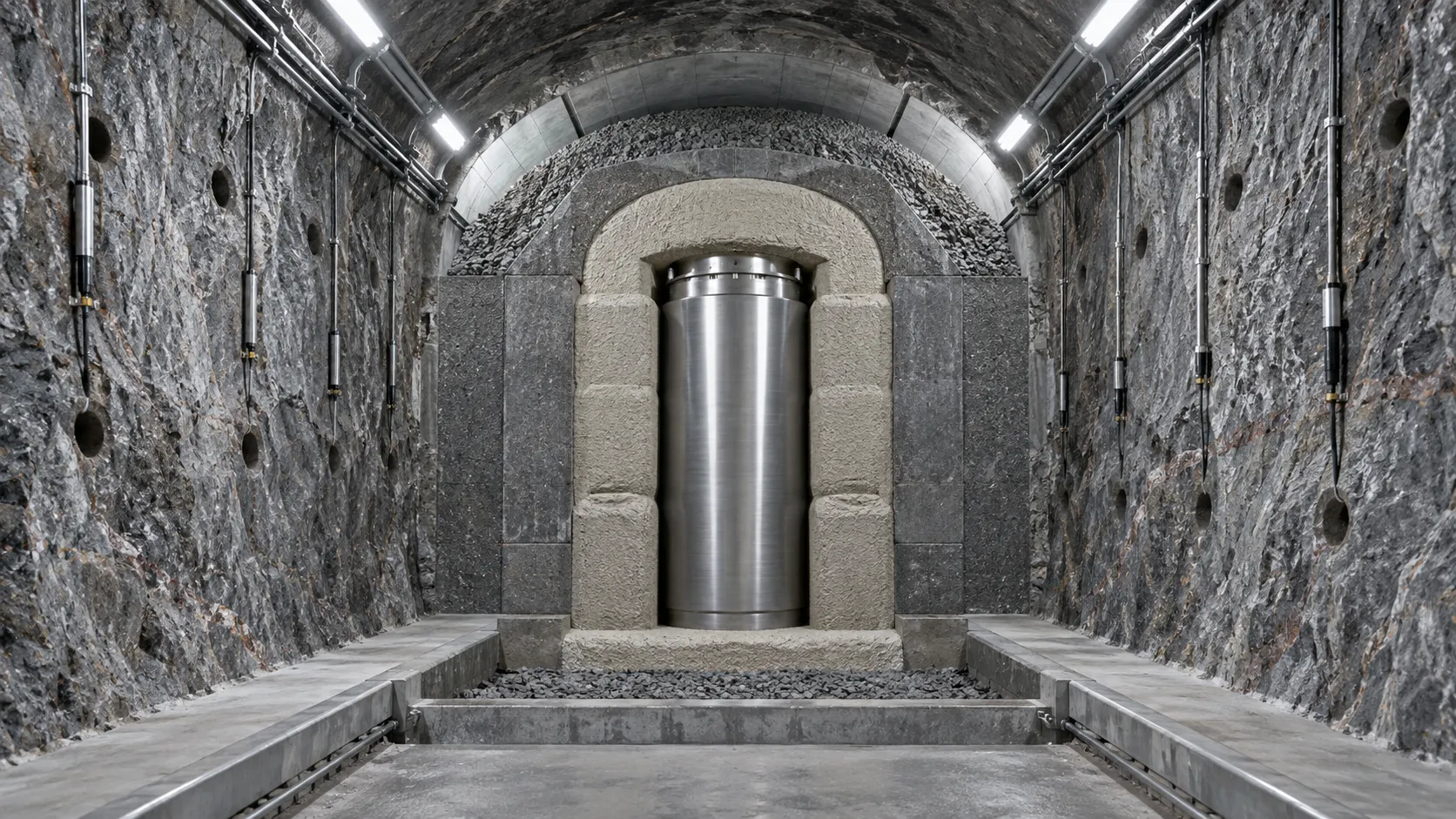
What Evidence Supports the Long-Term Safety Case for Geological Disposal?
Long-term safety of geological disposal: explore the evidence behind multi-barrier systems, site science, uncertainty testing, and auditable safety cases.
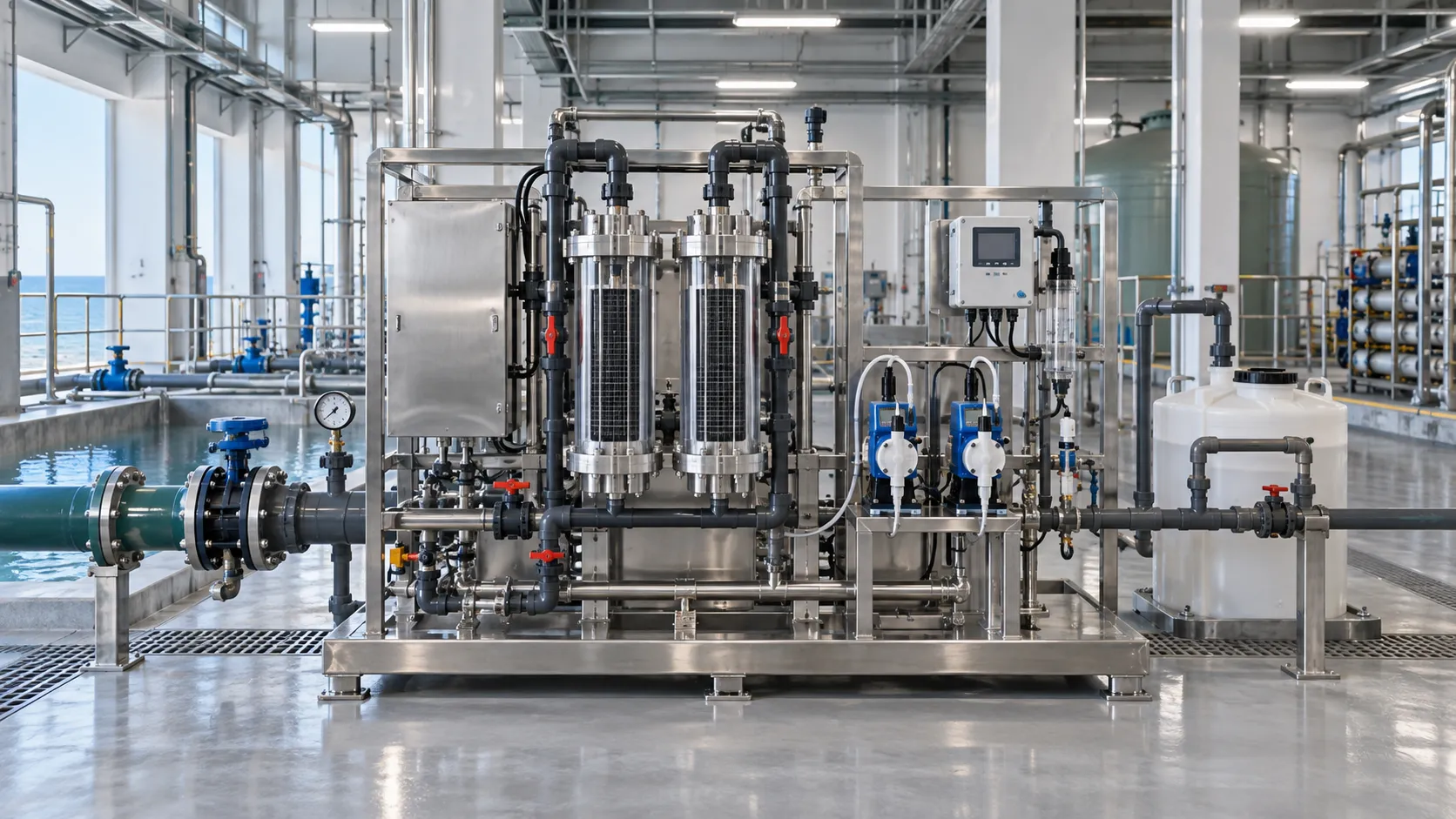
What Do Seawater Disinfection Systems Cost Over Their Full Operating Life?
What are the costs associated with seawater disinfection systems? Explore lifecycle expenses for equipment, energy, chemicals, maintenance, compliance, and risk.
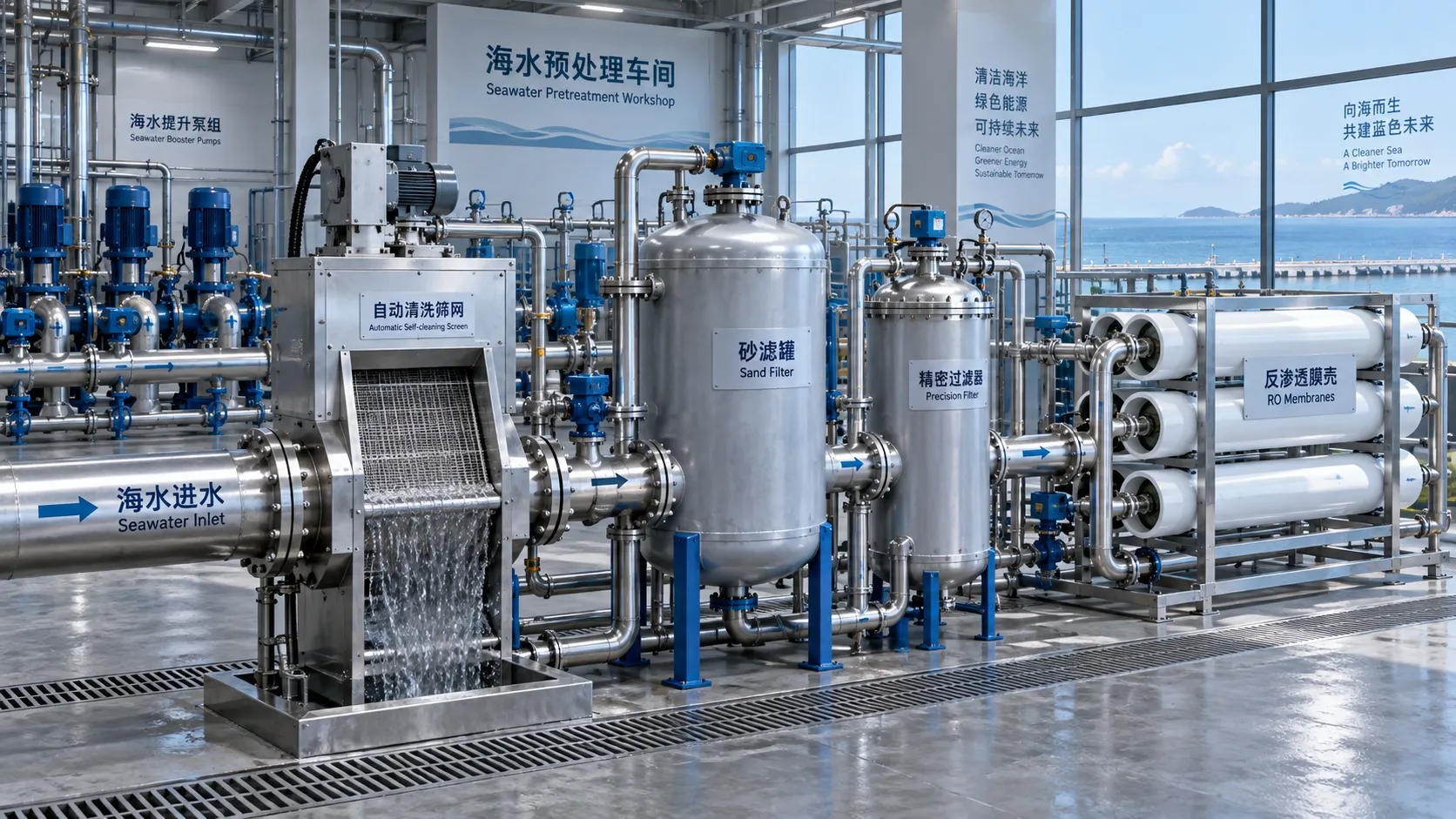
How to Improve Industrial Seawater Quality Before Cooling or Membrane Treatment
How can I improve the quality of seawater used for industrial processes? Explore proven pretreatment strategies for cooling systems and RO membranes.
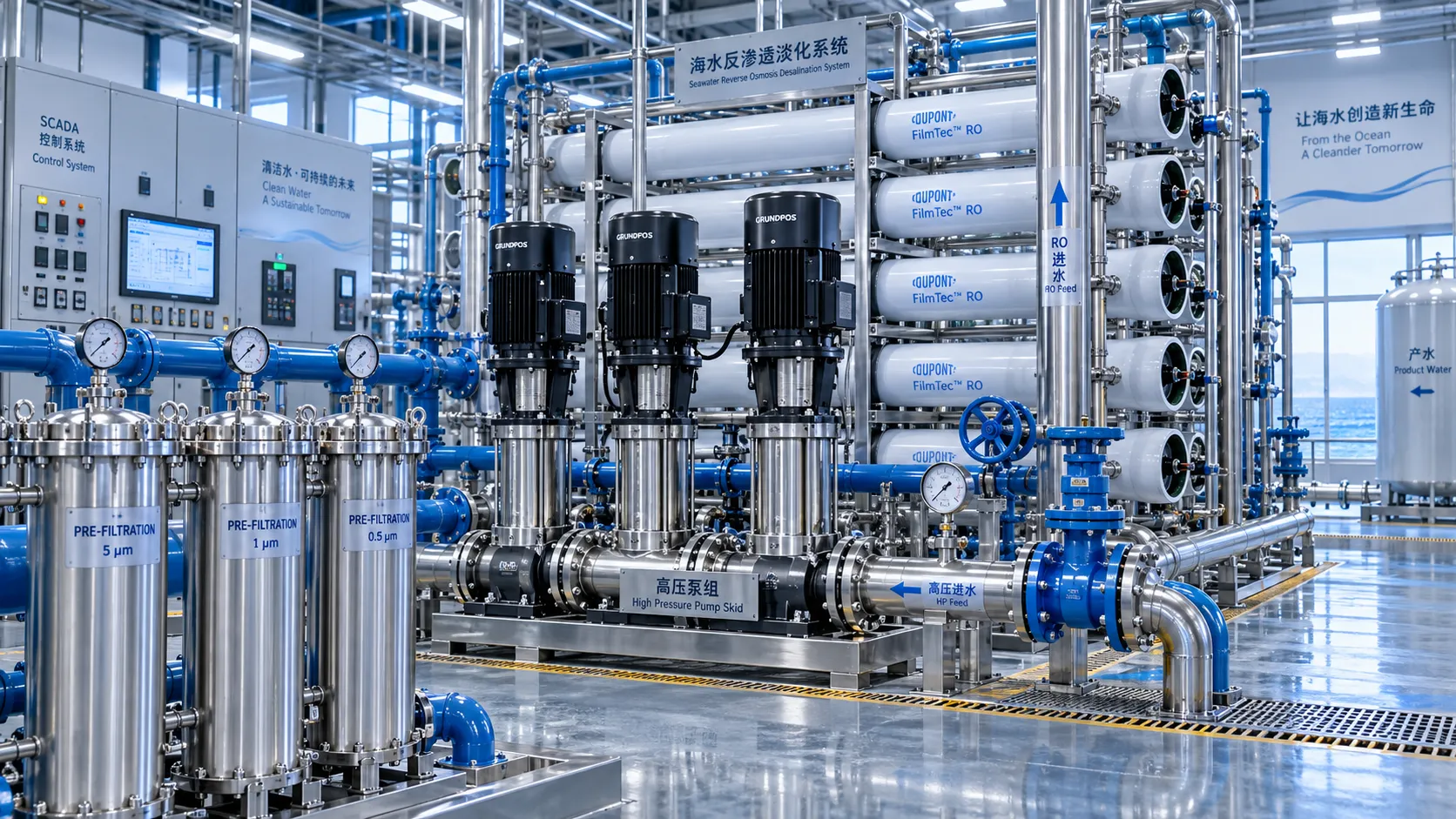
Desalination Plant Maintenance Priorities That Prevent Unplanned Downtime
Desalination plant maintenance priorities that reduce unplanned downtime: protect pretreatment, RO membranes, pumps, chemical dosing, and critical controls.