
Industry News
Curation by industry experts
Hot Articles
Popular Tags
Heavy Metal Recovery Equipment Specifications That Matter in Plant Design
In process-driven industries, heavy metal recovery equipment specifications influence far more than equipment selection. They define recovery yield, water balance, by-product quality, emissions control, and the cost of staying compliant over time. During plant design, the earlier these specifications are understood, the easier it becomes to avoid oversized systems, unstable performance, and expensive redesign after commissioning.
That matters across the environmental infrastructure landscape tracked by ESD, where wastewater treatment, solid waste recovery, desalination, and high-risk containment all depend on reliable separation performance. In this context, specifications are not a datasheet formality. They are the technical language connecting process chemistry, mechanical design, and environmental obligations.
Why specifications shape plant outcomes
Heavy metal recovery systems sit at a difficult intersection. Feed composition changes, contaminants interfere with reactions, and discharge limits continue to tighten. A design that looks acceptable on paper can fail once pH drift, scaling, sludge loading, or variable flow enters the picture.
This is why heavy metal recovery equipment specifications must be evaluated against the full process envelope. Nameplate capacity alone says little. The real question is whether the equipment can recover metals consistently under realistic operating extremes.
From ESD’s broader industry lens, this issue has become more visible because resource recovery is no longer treated as a secondary benefit. In many plants, recovered metal value, lower disposal volumes, and reduced liability now support the business case directly.
What heavy metal recovery equipment specifications usually include
The term covers a group of technical parameters used to judge whether a recovery unit matches the process. It can apply to precipitation systems, ion exchange skids, membrane concentration trains, electro-winning units, adsorption packages, or hybrid recovery lines.
In practice, heavy metal recovery equipment specifications usually include feed conditions, recovery targets, material compatibility, operating limits, utility demand, automation scope, and maintenance requirements. Each parameter affects plant design in a different way.
Parameters that deserve closer attention
Metal form is more important than total concentration
Total chromium, nickel, copper, lead, cadmium, or zinc values are useful, but not sufficient. Oxidation state, complexation, and particle-bound fractions determine how recoverable the metal actually is.
A unit designed for free ionic species may underperform when chelating agents are present. That mismatch often appears in electroplating wastewater, battery recycling streams, mining effluent, and ash leachate systems.
Selectivity can matter more than headline recovery rate
Many vendors promote high capture percentages. The better question is recovery of which metal, at what purity, and with what interference from calcium, magnesium, chlorides, sulfates, or organics.
Where the process aims to reclaim a valuable metal stream, poor selectivity can destroy downstream economics. This is one of the most overlooked heavy metal recovery equipment specifications in early plant design reviews.
Materials of construction cannot be treated as a detail
Corrosion exposure changes dramatically between acidic pickling liquor, alkaline rinsewater, chloride-rich brines, and mixed industrial wastewater. Stainless steel grade, FRP quality, lining systems, elastomers, and electrode materials need case-specific review.
This is especially relevant in large treatment plants and desalination-linked recovery schemes, where saline chemistry can shorten equipment life if specifications are copied from freshwater duty.
Cleaning, regeneration, and downtime define real capacity
A system rated for a nominal flow may only deliver that number under clean conditions. Membrane cleaning cycles, resin regeneration steps, electrode passivation, and sludge blowdown all reduce effective throughput.
For that reason, heavy metal recovery equipment specifications should include net operating availability, not only installed capacity. This changes storage sizing, bypass logic, and redundancy decisions.
Where these specifications matter most
The same specification set does not carry the same weight in every sector. Process context changes what matters first.
- Electroplating and metal finishing: focus on selectivity, rinsewater variability, and reuse quality.
- Mining and hydrometallurgy: focus on abrasive solids, sulfate load, and large flow swings.
- Battery recycling: focus on mixed metal chemistry, solvent carryover, and high-value recovery purity.
- Incineration ash and hazardous waste leachate: focus on unstable feed composition and strict residual limits.
- ZLD and advanced water treatment: focus on brine compatibility, concentration factor, and integration with crystallization or evaporation.
ESD’s coverage of closed-loop resource systems makes this cross-sector view especially useful. The same recovery technology may behave very differently when moved from wastewater polishing to resource concentration duty.
How to read specifications in a practical way
A practical review starts by separating guaranteed values from test-condition values. Pilot data obtained on stable feed chemistry should not be treated as proof of plant-wide performance under upset conditions.
It also helps to read heavy metal recovery equipment specifications as part of a process chain. Upstream equalization, oxidation-reduction control, filtration, and pH adjustment often determine whether the recovery unit succeeds.
A few questions usually reveal the real strength of a specification package:
- Were the stated recovery values achieved on a representative mixed stream?
- What residual concentration is guaranteed at maximum, minimum, and average flow?
- How sensitive is performance to pH drift, temperature change, or competing ions?
- What consumables drive operating cost and how often are they replaced?
- What sludge, concentrate, or spent media burden is created downstream?
- Can the control system document compliance and traceability for audits?
The compliance and lifecycle view
Environmental regulations increasingly evaluate systems on actual discharge consistency, not occasional best-case performance. That shifts attention toward monitoring accuracy, alarm logic, containment features, and documented operating windows.
For plants exposed to international reporting pressure, including CBAM-related scrutiny or stricter waste accountability, heavy metal recovery equipment specifications also support defensible environmental claims. Poor specification discipline can weaken both compliance posture and investment logic.
Lifecycle cost follows the same pattern. A low-capex unit may look attractive until reagent demand, membrane replacement, resin loss, corrosion repair, or disposal charges are added. Better specifications make these hidden costs visible earlier.
A disciplined next step for plant design
When reviewing heavy metal recovery equipment specifications, the useful move is to build a comparison matrix around real feed chemistry, target recovery path, discharge obligations, and maintenance constraints. That makes vendor claims easier to test against plant reality.
The next layer is integration. Check how the unit interacts with equalization, pretreatment, dewatering, brine management, and digital monitoring. Strong standalone equipment can still create weak plant performance if those links are ignored.
In the end, the most useful heavy metal recovery equipment specifications are the ones that translate chemistry into reliable design choices. That is the level of detail worth carrying forward when screening technologies, structuring pilot trials, or preparing a final basis of design.
Recommended News
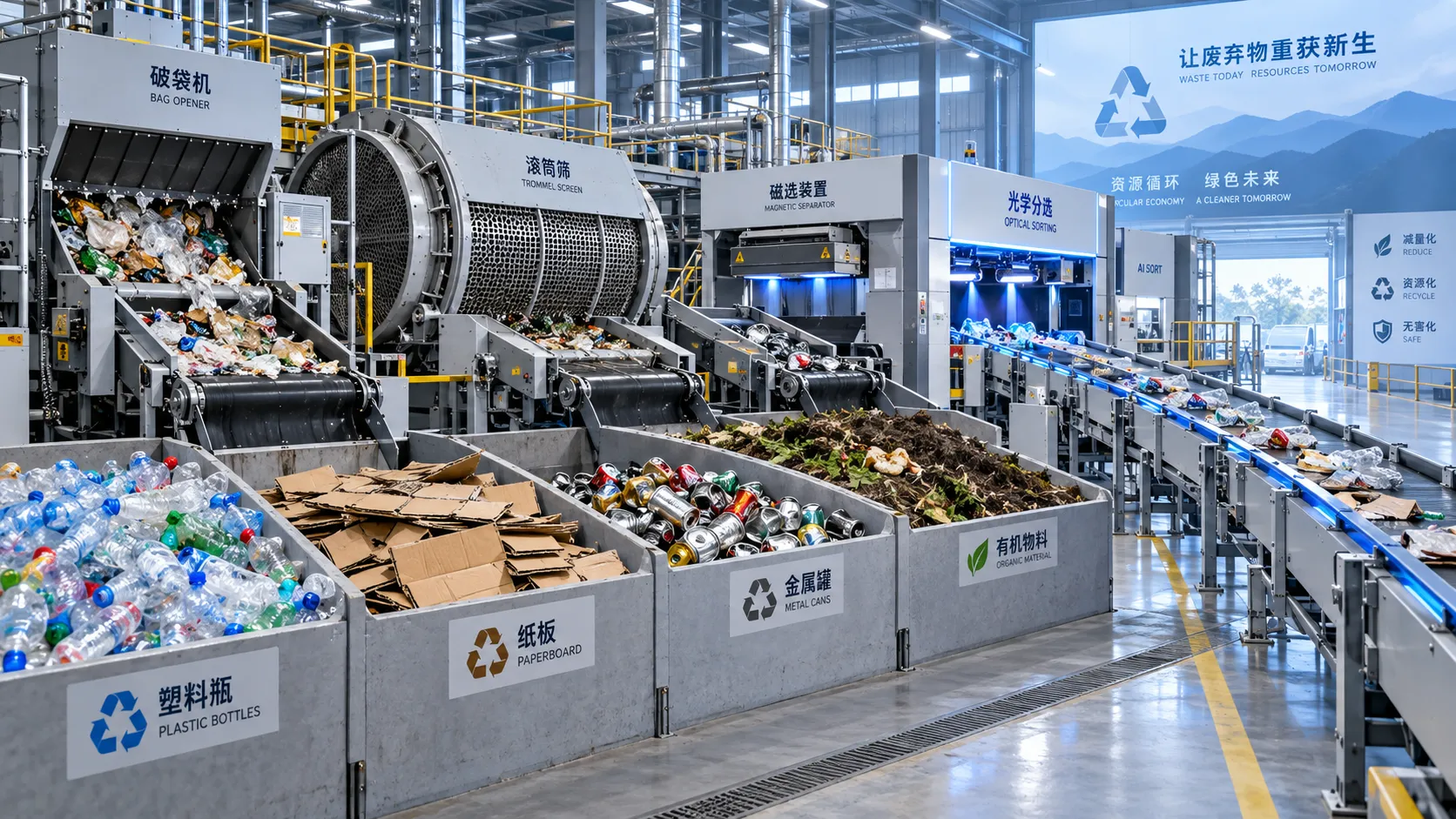
How to choose solid waste equipment based on waste stream characteristics
Environmental equipment guide for solid waste: discover how to match sorting, treatment, and recovery equipment to waste composition, moisture, contamination, and output goals.
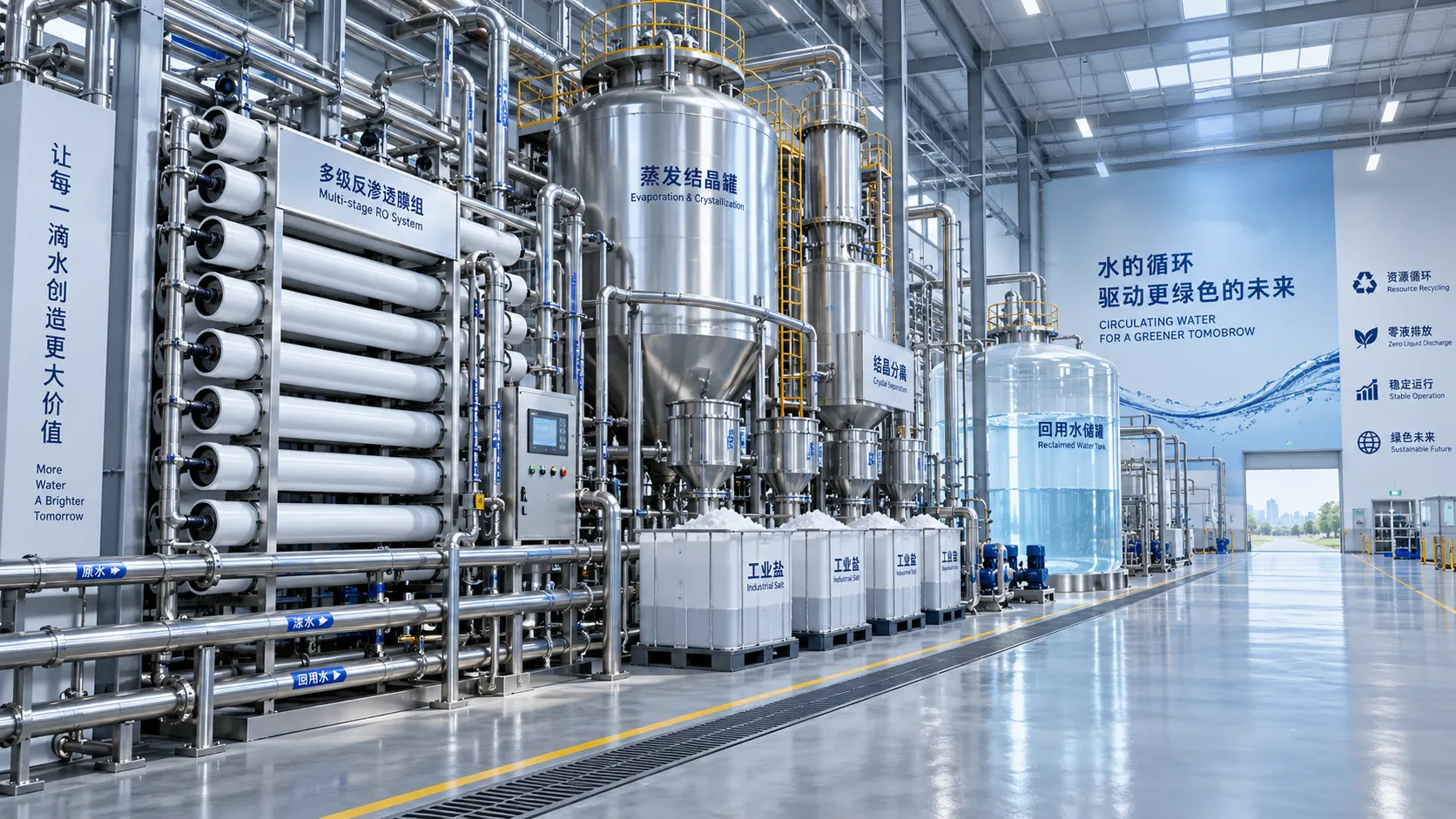
When does high recovery ZLD equipment justify its higher capital cost?
High recovery ZLD equipment can justify higher capital cost when water scarcity, discharge risks, brine disposal, and downtime threaten operations. Explore the decision factors.

How high purity heavy metal recovery affects recovered metal value
High purity heavy metal recovery boosts recovered metal value by improving payability, reducing penalties, and unlocking stronger buyer opportunities. Explore smarter netback strategies.
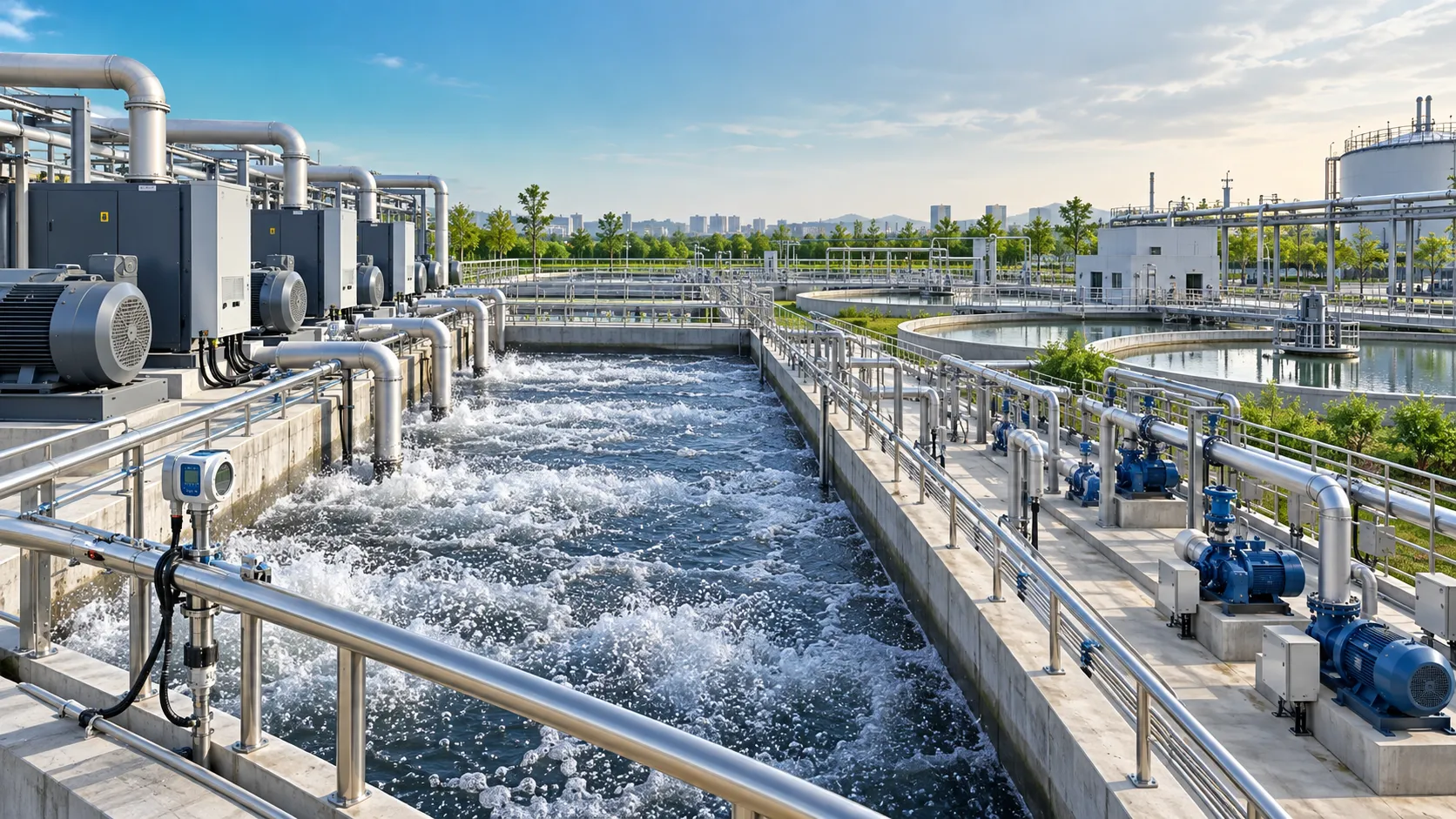
When does environmental equipment intelligence reduce wastewater plant energy use?
Environmental equipment intelligence for wastewater plants cuts energy use through smarter aeration, pumping, and data-driven controls—without compromising compliance. Discover when it delivers measurable savings.
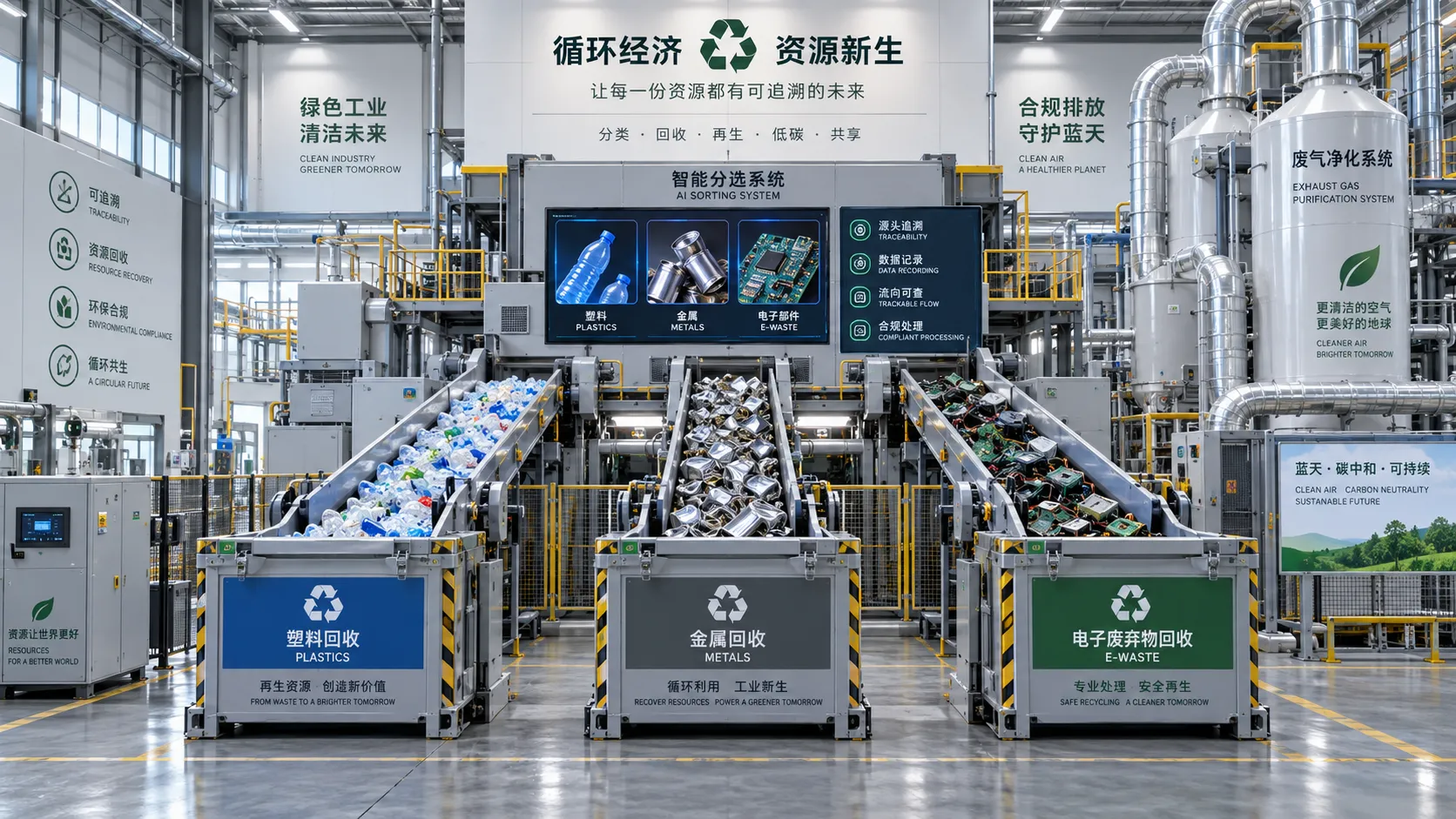
Waste Management and Circular Economy Regulations to Watch in 2025–2026
Recent regulatory updates in waste management and circular economy 2025-2026: explore PPWR, EPR, waste shipments, PFAS controls, and practical compliance steps.
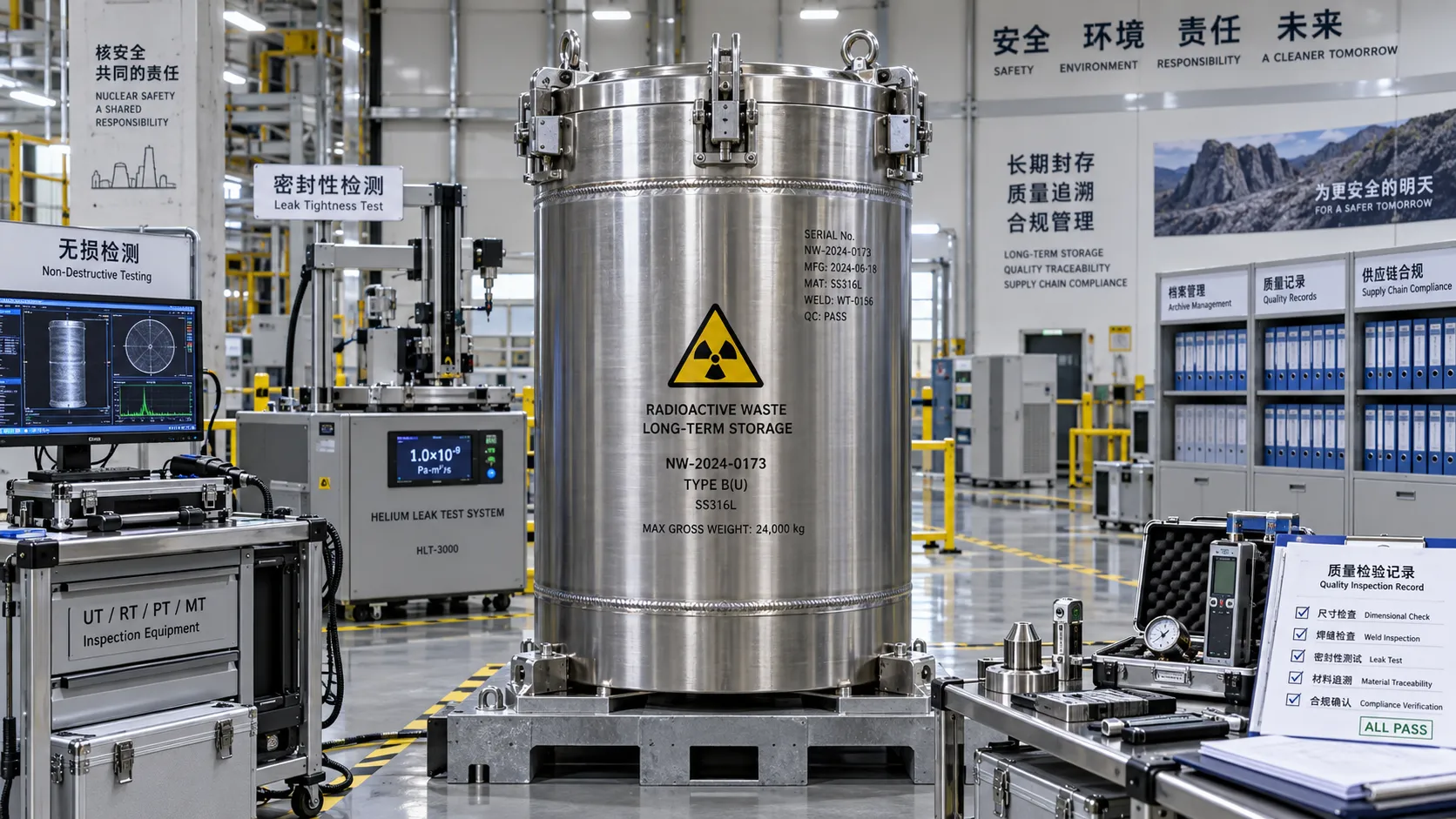
How to Qualify Nuclear Waste Supply Chain Partners for Long-Term Projects
Nuclear waste supply chain partner qualification: learn how to verify technical capability, compliance, traceability, resilience, and lifecycle support for long-term projects.
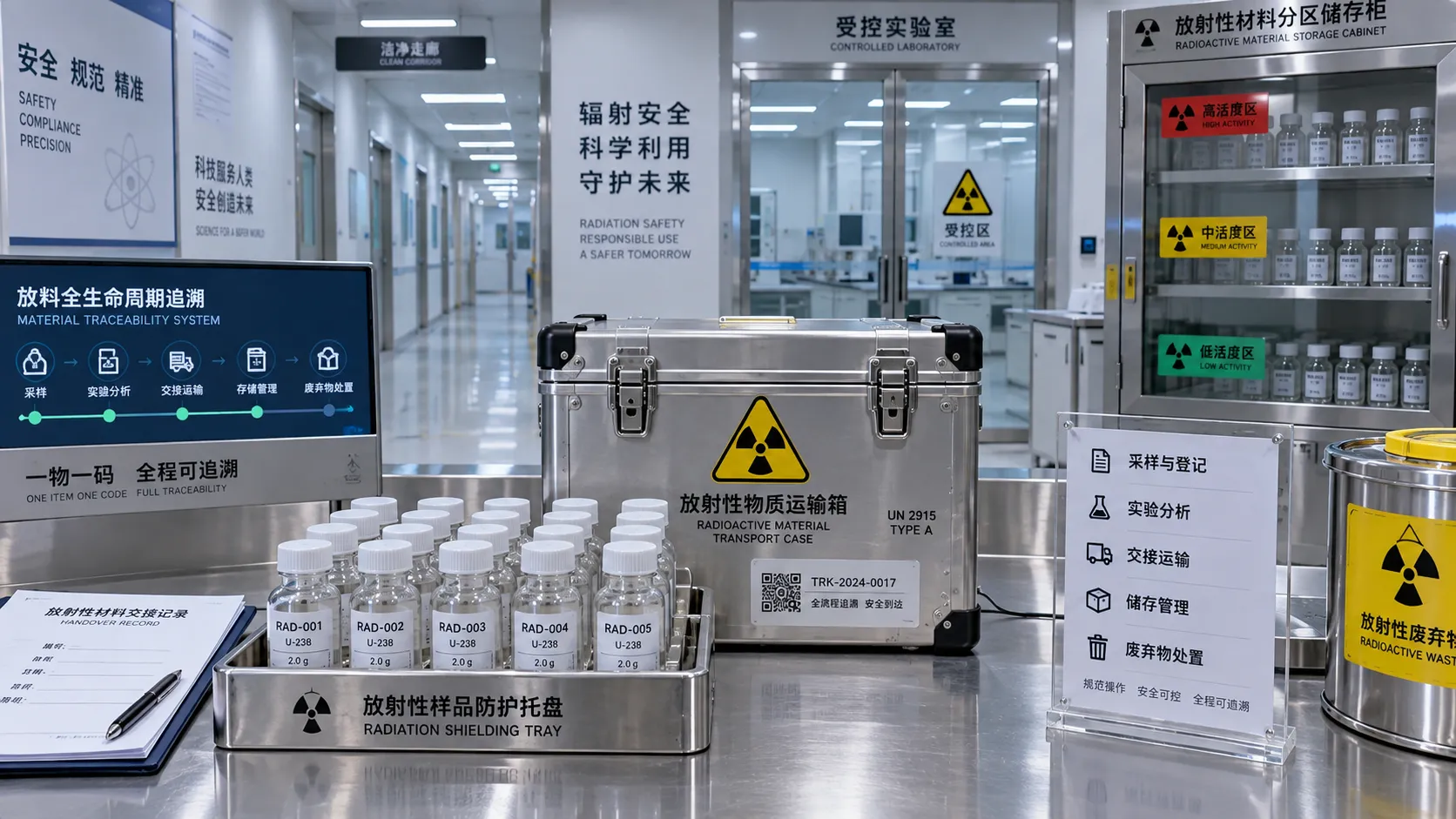
Choosing a Radioisotope Management System for Multi-Site Research Facilities
Radioisotope management system guide for multi-site research facilities: compare traceability, chain of custody, waste controls, roles, and integrations.
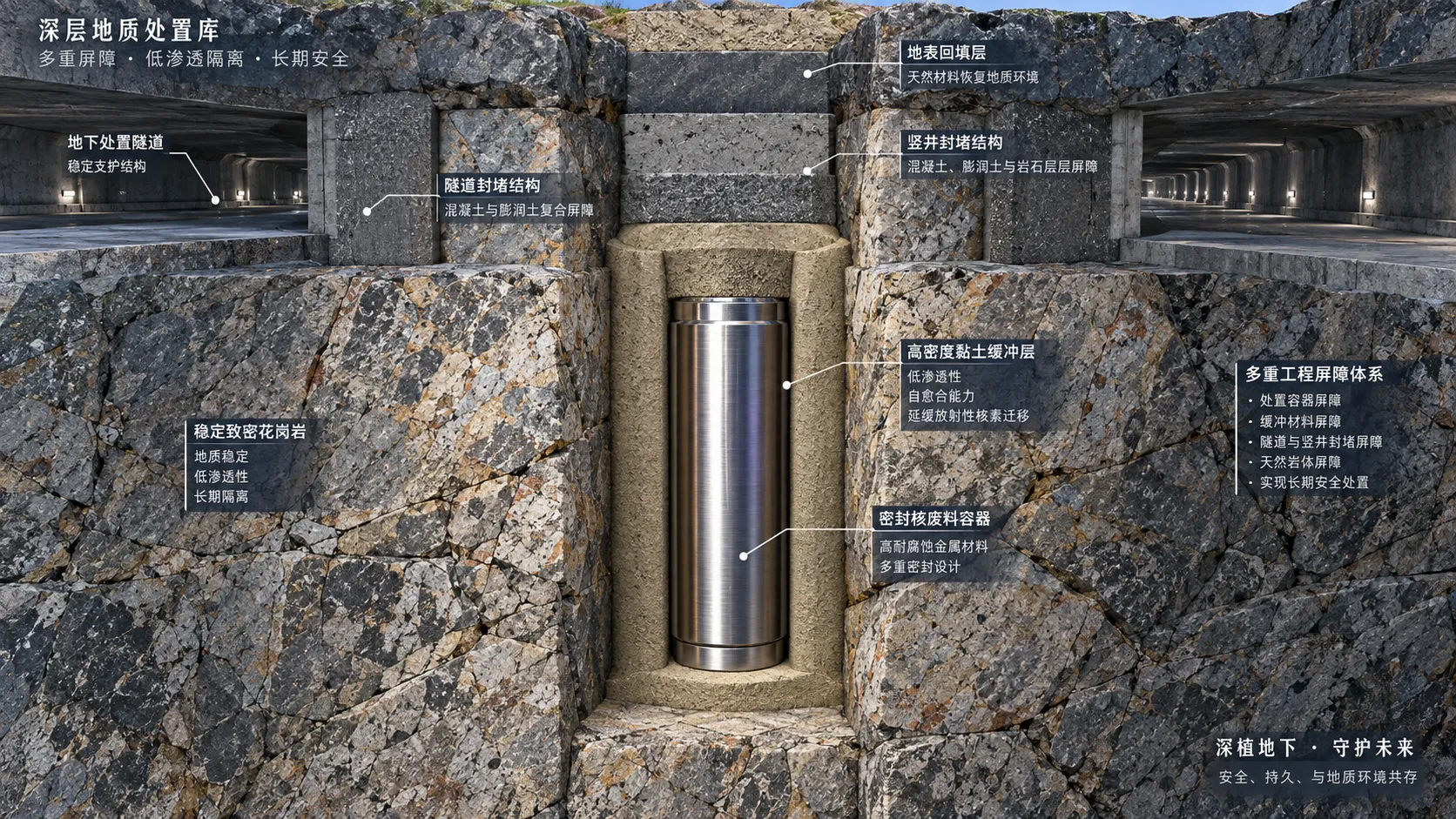
Applying C. McCombie’s Disposal Principles to Long-Lived Radioactive Waste
Explore principles and standards for the disposal of long-lived radioactive wastes C. McCombie, covering geological isolation, engineered barriers, safety cases, and intergenerational protection.
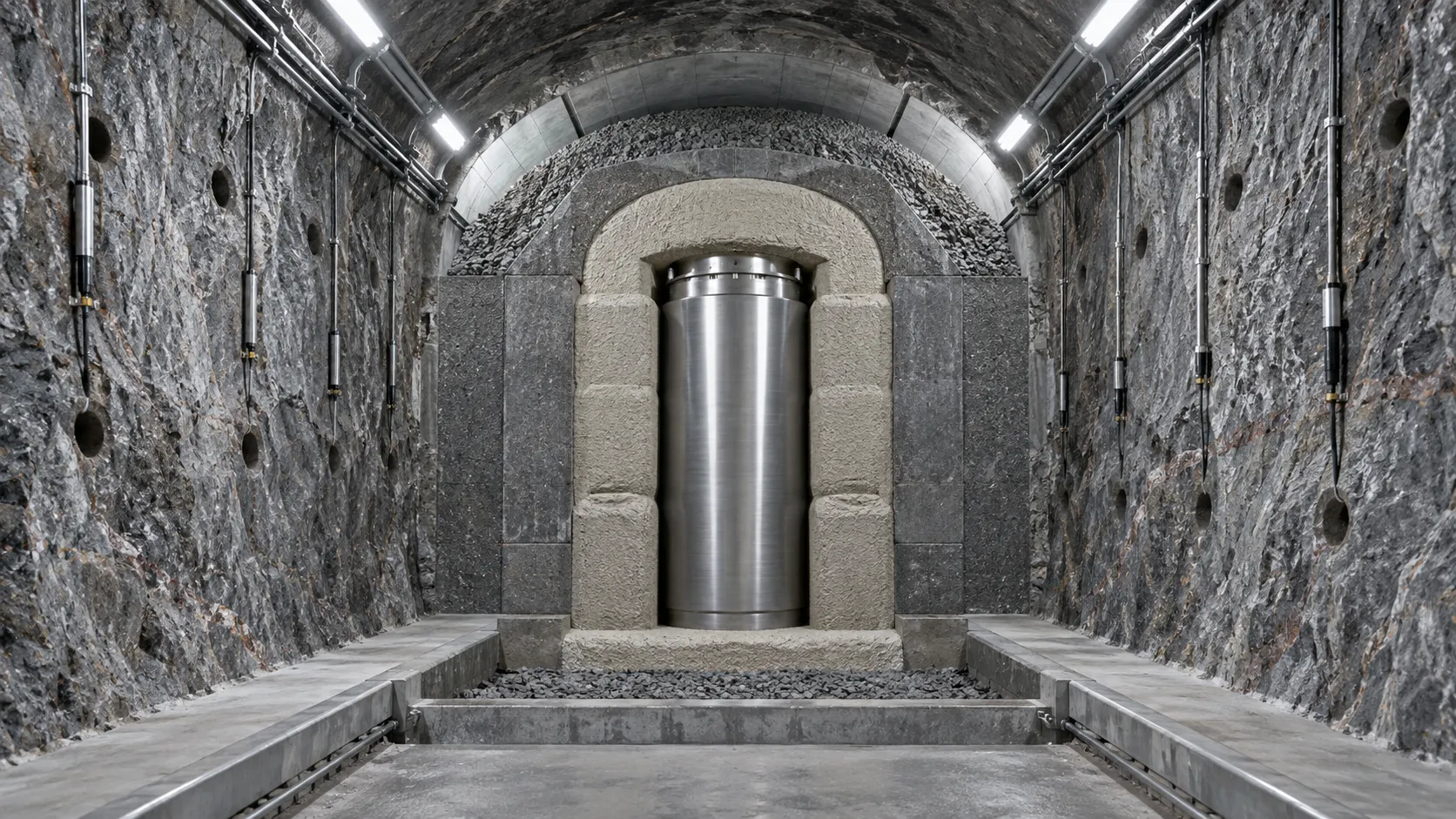
What Evidence Supports the Long-Term Safety Case for Geological Disposal?
Long-term safety of geological disposal: explore the evidence behind multi-barrier systems, site science, uncertainty testing, and auditable safety cases.