
Industry News
Curation by industry experts
Hot Articles
Popular Tags
Flue Gas Cleaning Emissions Control: Key Metrics for Compliance Planning
Flue gas cleaning emissions control is no longer a narrow equipment topic. It sits at the intersection of compliance, operating stability, public risk, and capital planning across heavy industry, power, waste recovery, and process manufacturing.
What matters in practice is measurable performance. Permit limits, stack test results, CEMS reliability, and removal efficiency trends often tell a more useful story than design promises or vendor claims.
That is why compliance planning starts with metrics. When particulate control, SOx and NOx reduction, and monitoring integrity are tracked together, environmental decisions become less reactive and far easier to defend.
Why this topic has become more urgent
Air compliance has tightened in many jurisdictions, but the pressure is broader than regulation alone. Investors, insurers, local communities, and export markets increasingly expect emissions data to be accurate, traceable, and current.
For facilities with boilers, kilns, incinerators, smelters, or thermal recovery lines, flue gas cleaning emissions control influences both day-to-day operating continuity and long-range project economics.
A plant can appear compliant during stable load conditions, then drift into risk during startup, fuel changes, catalyst aging, or reagent inconsistency. Those gaps are exactly where planning failures usually emerge.
This is also where intelligence platforms such as ESD add value. In sectors shaped by water treatment, solid waste recovery, desalination, and nuclear-grade safety thinking, the common theme is disciplined control of difficult process boundaries.
What flue gas cleaning emissions control really covers
At a basic level, flue gas cleaning emissions control refers to the systems and methods used to reduce pollutants before exhaust gases leave the stack.
That usually includes particulate capture, sulfur oxides removal, nitrogen oxides reduction, acid gas treatment, and, in some sectors, mercury, dioxin, or volatile organic compound management.
The equipment train may involve ESPs, baghouses, wet or dry scrubbers, SCR or SNCR units, activated carbon injection, quench systems, and continuous emissions monitoring systems.
Yet the control objective is not just low emissions at one moment. It is repeatable compliance across varying loads, feed characteristics, ambient conditions, and maintenance cycles.
The metrics that shape compliance planning
A useful compliance plan focuses on indicators that connect environmental limits with real operating behavior. The most important metrics usually fall into four groups.
Emissions concentration and mass rate
The starting point is the actual concentration of pollutants at the stack, often normalized for oxygen, temperature, pressure, or dry basis conditions.
Mass rate matters as well. A low concentration can still translate into material environmental impact if gas volume is high or production throughput rises sharply.
Removal efficiency and capture consistency
Efficiency figures help explain whether the system is performing as intended. They are especially useful when inlet pollutant loading fluctuates due to fuel quality, waste composition, or process instability.
Consistency is often more revealing than peak efficiency. A scrubber delivering 96 percent removal with narrow variation may be safer than one occasionally reaching 99 percent but drifting unpredictably.
Monitoring quality and data availability
Flue gas cleaning emissions control depends heavily on trusted data. Analyzer calibration drift, moisture interference, probe fouling, and data gaps can create compliance exposure even when treatment performance is acceptable.
Availability, uptime, and validation rates for CEMS should therefore be tracked alongside emissions values. Missing data during abnormal periods can become an audit issue very quickly.
Operating parameters linked to emissions
Good plans also monitor the variables that predict emissions movement before a limit is breached. Examples include pressure drop, reagent feed ratio, pH, gas temperature, catalyst activity, and filter differential pressure.
These are the leading indicators. Stack exceedances are usually the lagging result.
Different sectors, different risk patterns
The same framework applies across industries, but the risk profile changes with the source.
Coal or biomass power units often focus on SOx, NOx, particulate matter, and ammonia slip. Waste-to-energy facilities add acid gases, metals, and dioxin-related concerns.
Cement, lime, steel, and non-ferrous metallurgy face strong variability from raw material chemistry and process temperature. That makes trend-based flue gas cleaning emissions control especially important.
In resource recovery systems, feed inconsistency is often the central issue. In utility-scale operations, aging assets and dispatch-driven cycling may be more critical.
ESD’s wider industrial lens is useful here. Lessons from membrane monitoring, closed-loop recovery, and high-reliability containment often translate into better emissions discipline at the stack.
How to read the numbers in a business context
Not every deviation means the same thing. A short NOx rise during startup, a steady increase in particulate emissions, and intermittent data dropout each point to different root causes and different levels of risk.
The practical question is whether the metric supports an action decision. Can the data trigger maintenance, reagent adjustment, operating derate, or permit review before a formal exceedance occurs?
It also helps to connect emissions metrics with production and cost metrics. A control strategy that achieves compliance but drives unstable energy use, corrosion, scaling, or waste residue growth may not remain viable.
That balance is central to flue gas cleaning emissions control. Compliance should be robust, but it also has to survive real operating economics.
Common planning mistakes that weaken control
- Treating annual stack tests as enough, while daily process variability goes underexamined.
- Relying on outlet values without understanding inlet loading and removal margin.
- Ignoring data quality issues in CEMS, DAHS, or manual validation workflows.
- Using fixed alarm thresholds that do not reflect load changes or fuel switching.
- Separating environmental records from maintenance records, which hides recurring causes.
- Focusing only on normal operation, while startup, shutdown, and upset conditions remain poorly defined.
Most compliance failures are not caused by a single missing device. They emerge from weak linkage between process behavior, monitoring quality, and documented response rules.
A practical way to strengthen flue gas cleaning emissions control
A workable approach usually begins with a metric map. List each regulated pollutant, the permit basis, the measurement source, the associated control unit, and the leading indicators that influence performance.
Then define review intervals. Some values require shift-level attention, while others are better assessed weekly or monthly as trends.
Escalation logic should also be explicit. A drifting pressure drop, declining reagent efficiency, or growing calibration bias should trigger named actions and response windows.
Documentation matters as much as instrumentation. During inspections or internal reviews, the strongest position comes from records that show what changed, how it was interpreted, and what was done next.
In more advanced programs, this is where intelligence support becomes valuable. Regulatory updates, technology trend analysis, and cross-sector operating benchmarks can sharpen internal judgment before a retrofit or permit revision is necessary.
What to evaluate next
The next step is rarely a full system overhaul. More often, it is a tighter evaluation of whether current data truly reflects control performance under real operating conditions.
Start by checking three things: whether the key pollutants are measured reliably, whether leading indicators are linked to response actions, and whether abnormal operating modes are covered by the compliance plan.
From there, compare your flue gas cleaning emissions control metrics against permit margins, maintenance history, and foreseeable regulatory change. That creates a clearer basis for tuning, upgrading, or revising procedures.
In a stricter environmental landscape, better decisions usually begin with better measurement. The facilities that stay ahead are the ones that treat emissions data as operational intelligence, not just a reporting obligation.
Recommended News
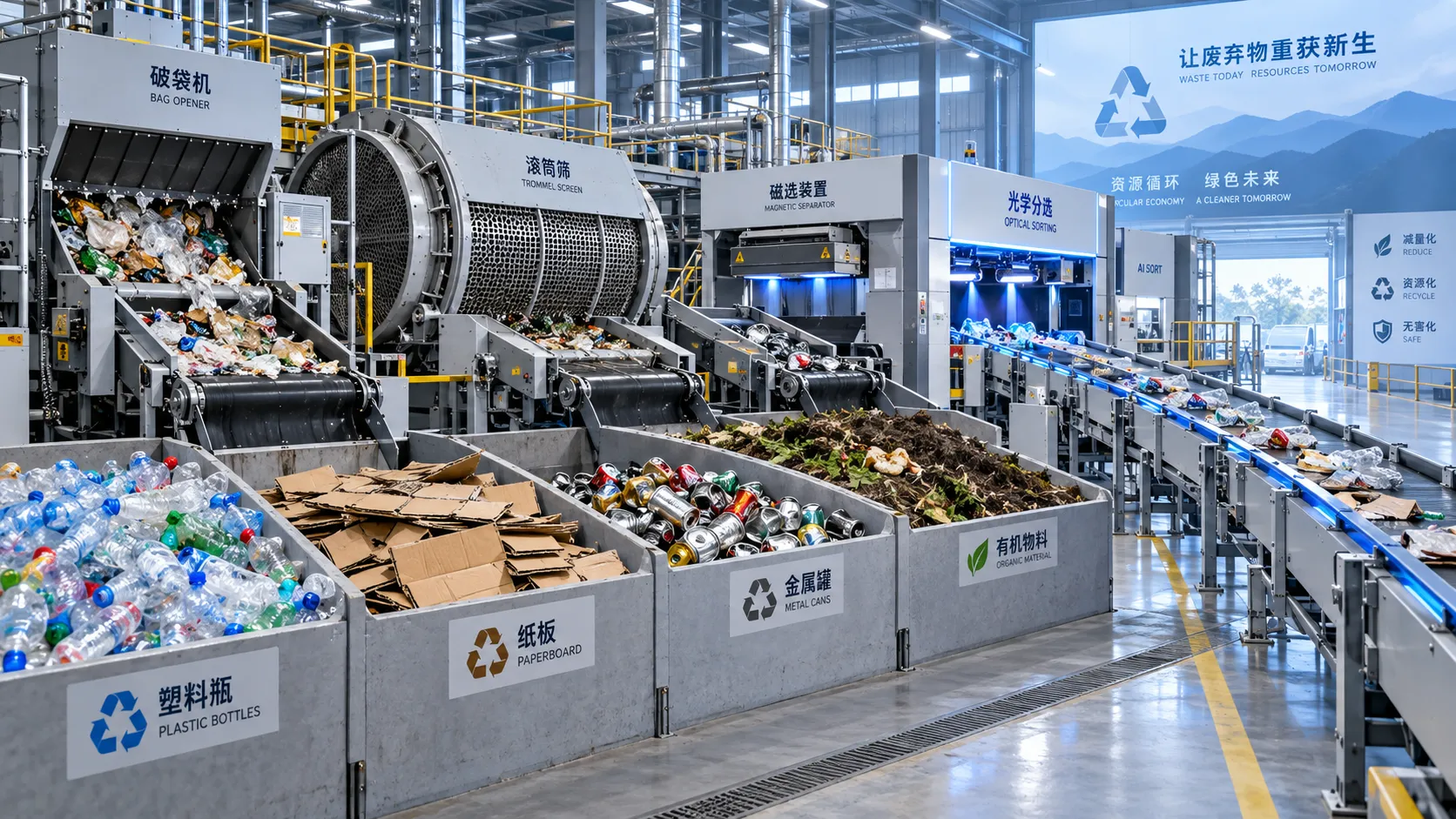
How to choose solid waste equipment based on waste stream characteristics
Environmental equipment guide for solid waste: discover how to match sorting, treatment, and recovery equipment to waste composition, moisture, contamination, and output goals.
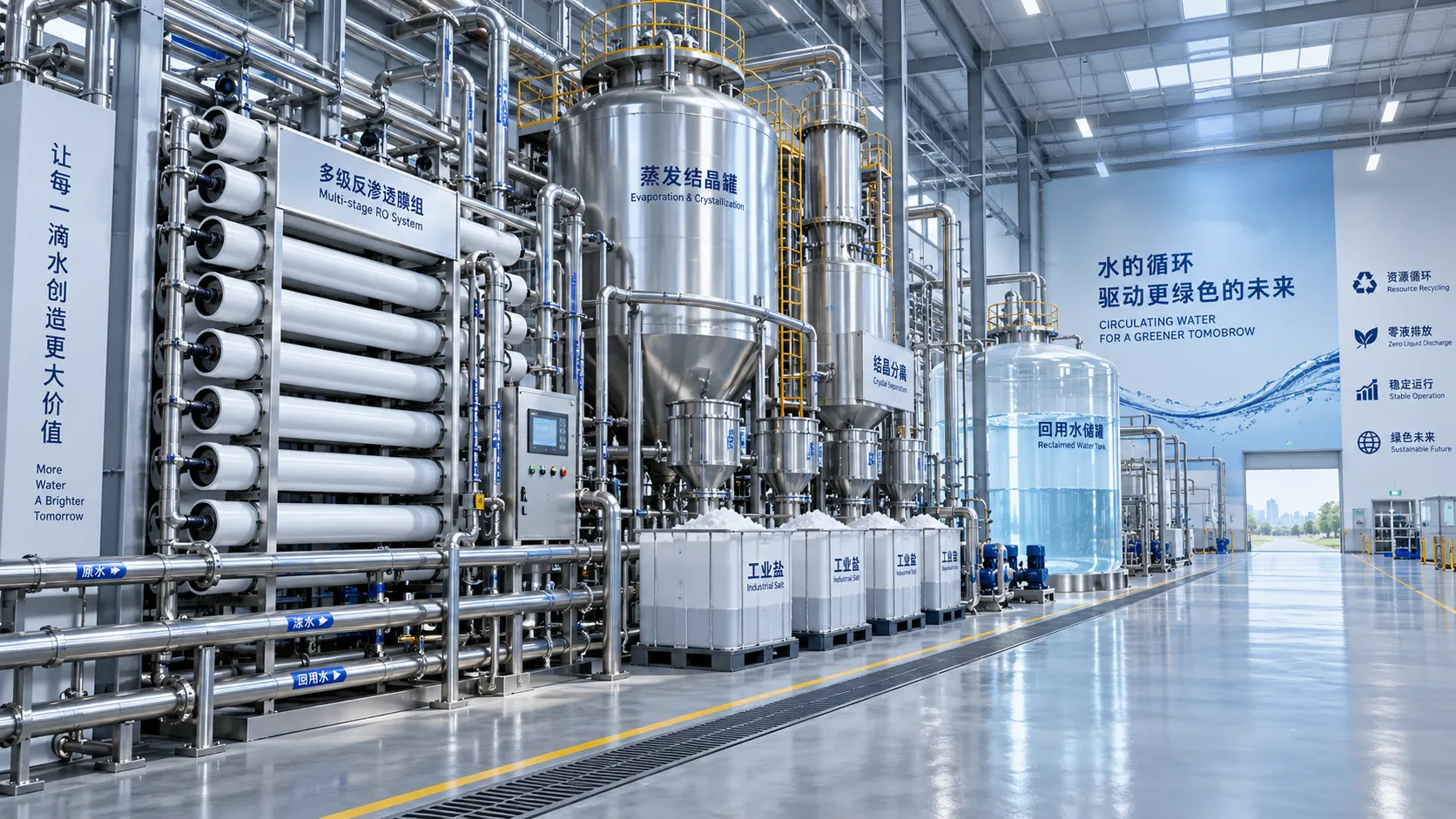
When does high recovery ZLD equipment justify its higher capital cost?
High recovery ZLD equipment can justify higher capital cost when water scarcity, discharge risks, brine disposal, and downtime threaten operations. Explore the decision factors.

How high purity heavy metal recovery affects recovered metal value
High purity heavy metal recovery boosts recovered metal value by improving payability, reducing penalties, and unlocking stronger buyer opportunities. Explore smarter netback strategies.
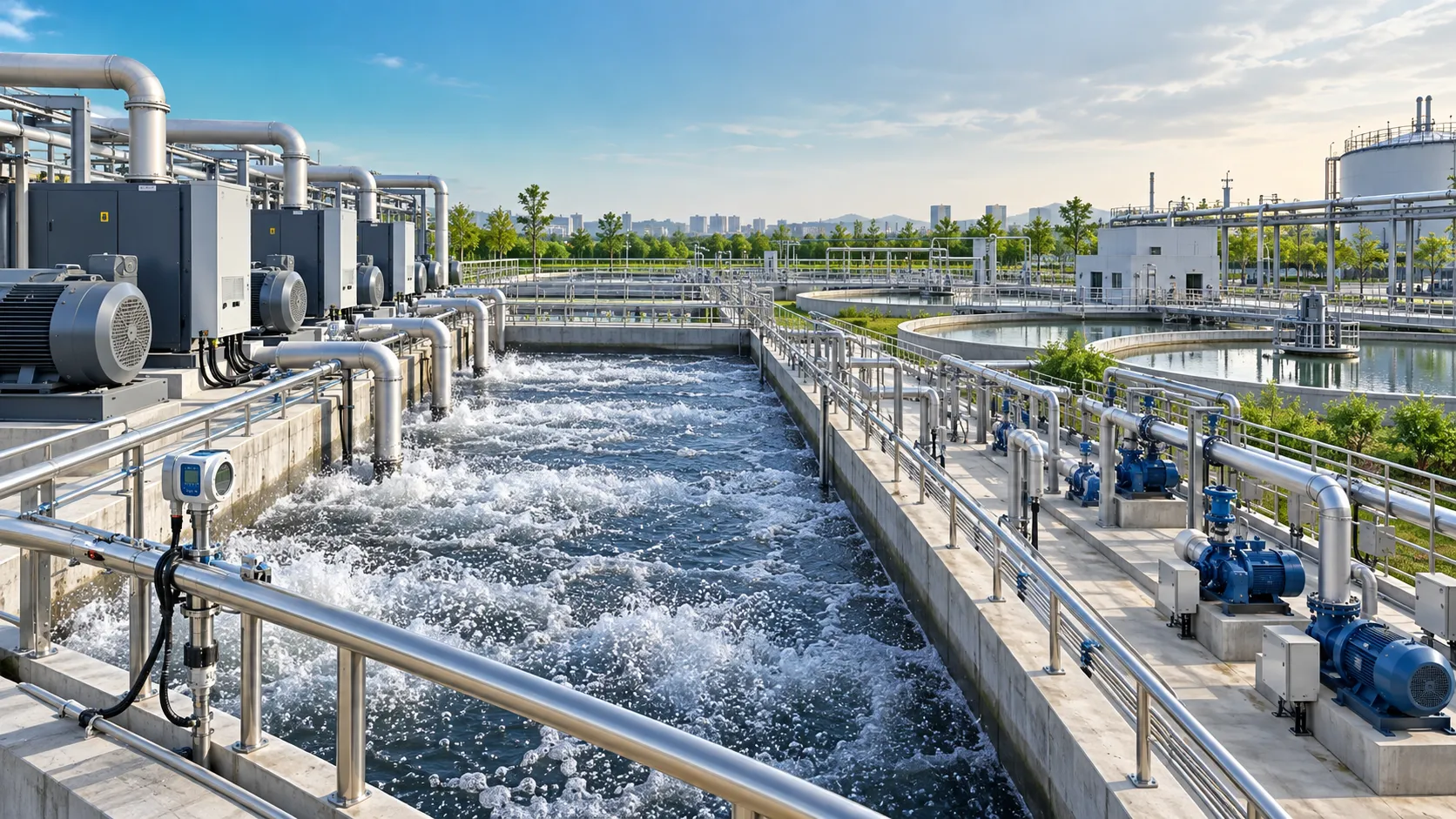
When does environmental equipment intelligence reduce wastewater plant energy use?
Environmental equipment intelligence for wastewater plants cuts energy use through smarter aeration, pumping, and data-driven controls—without compromising compliance. Discover when it delivers measurable savings.
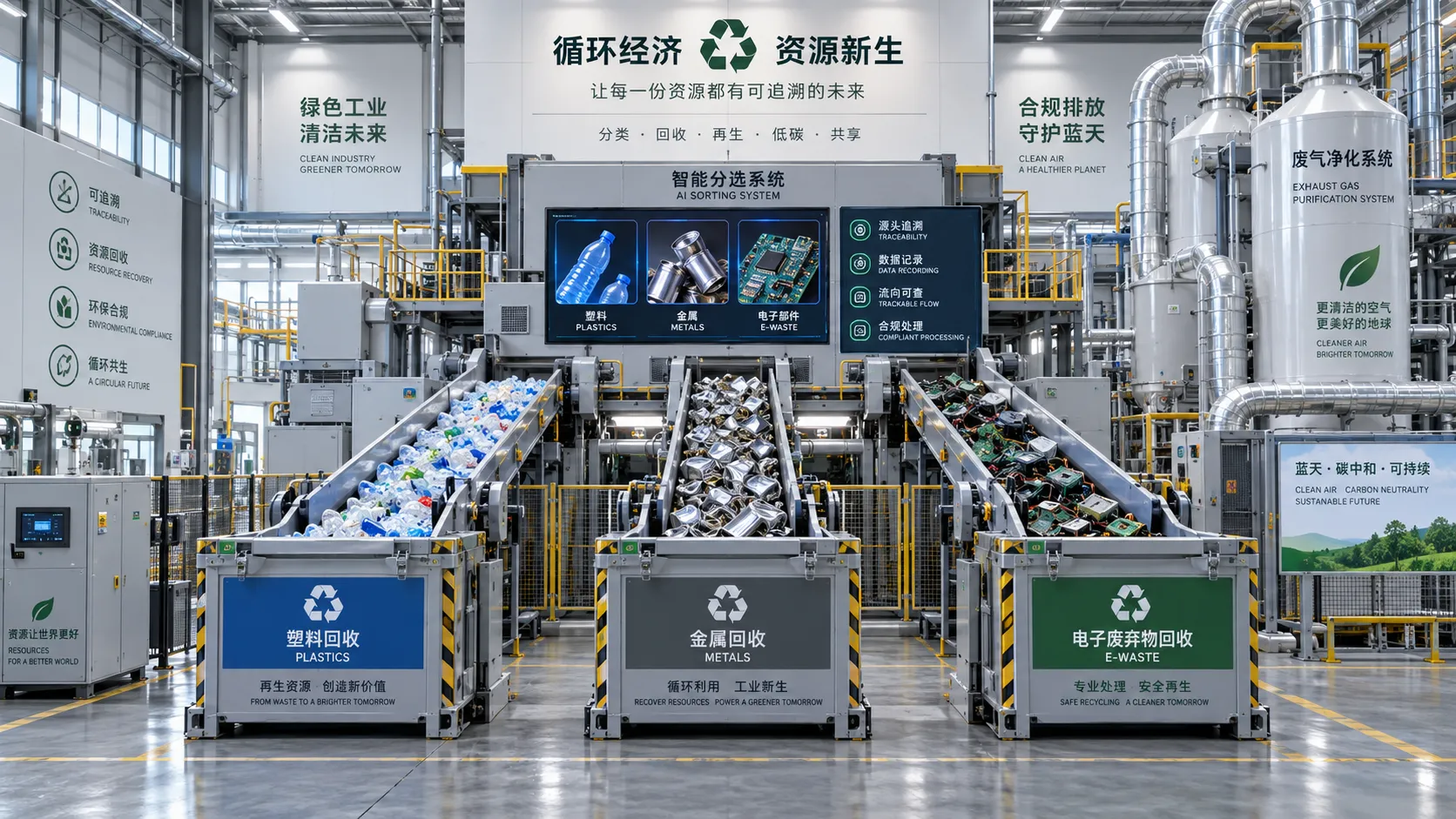
Waste Management and Circular Economy Regulations to Watch in 2025–2026
Recent regulatory updates in waste management and circular economy 2025-2026: explore PPWR, EPR, waste shipments, PFAS controls, and practical compliance steps.
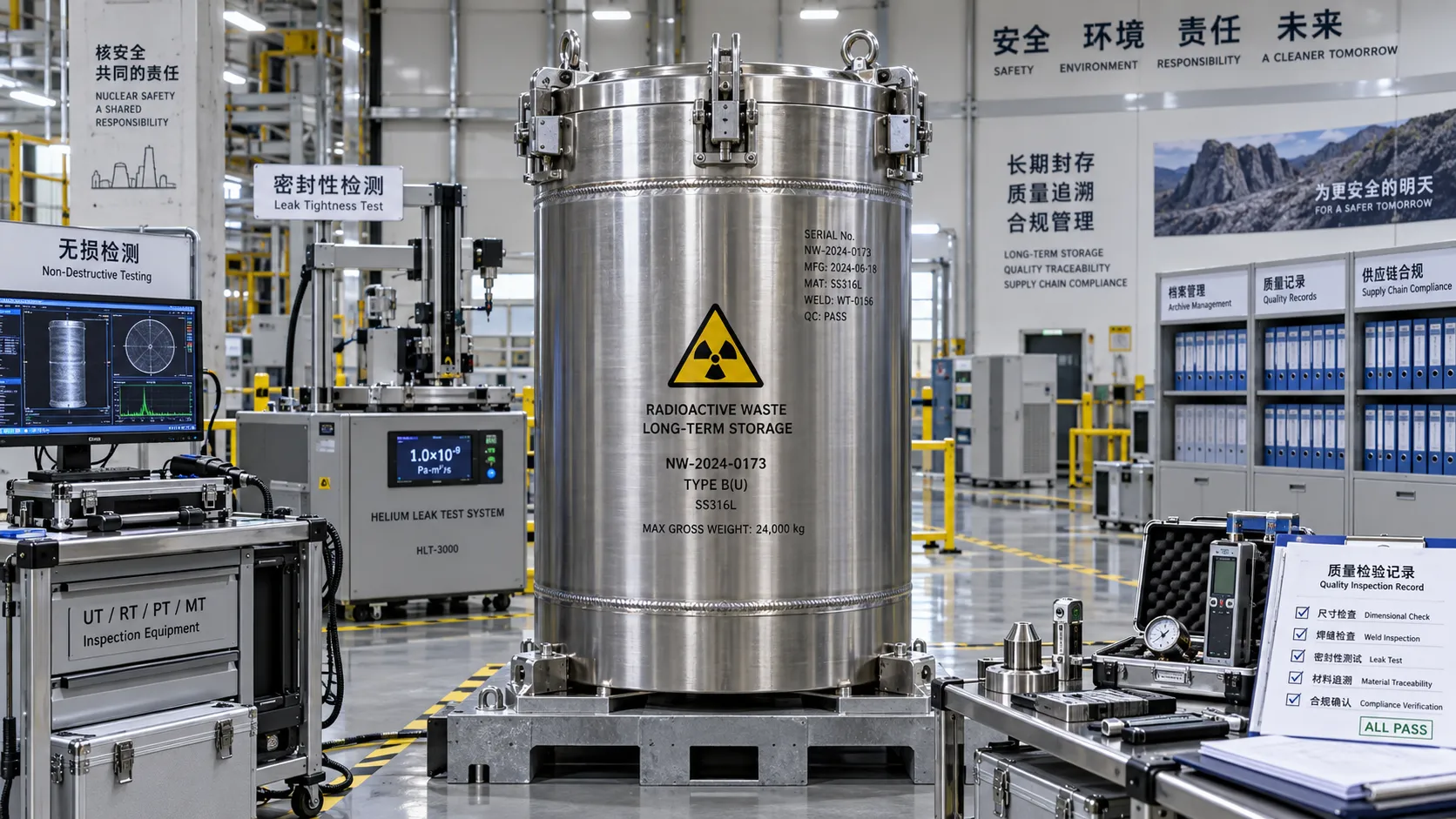
How to Qualify Nuclear Waste Supply Chain Partners for Long-Term Projects
Nuclear waste supply chain partner qualification: learn how to verify technical capability, compliance, traceability, resilience, and lifecycle support for long-term projects.
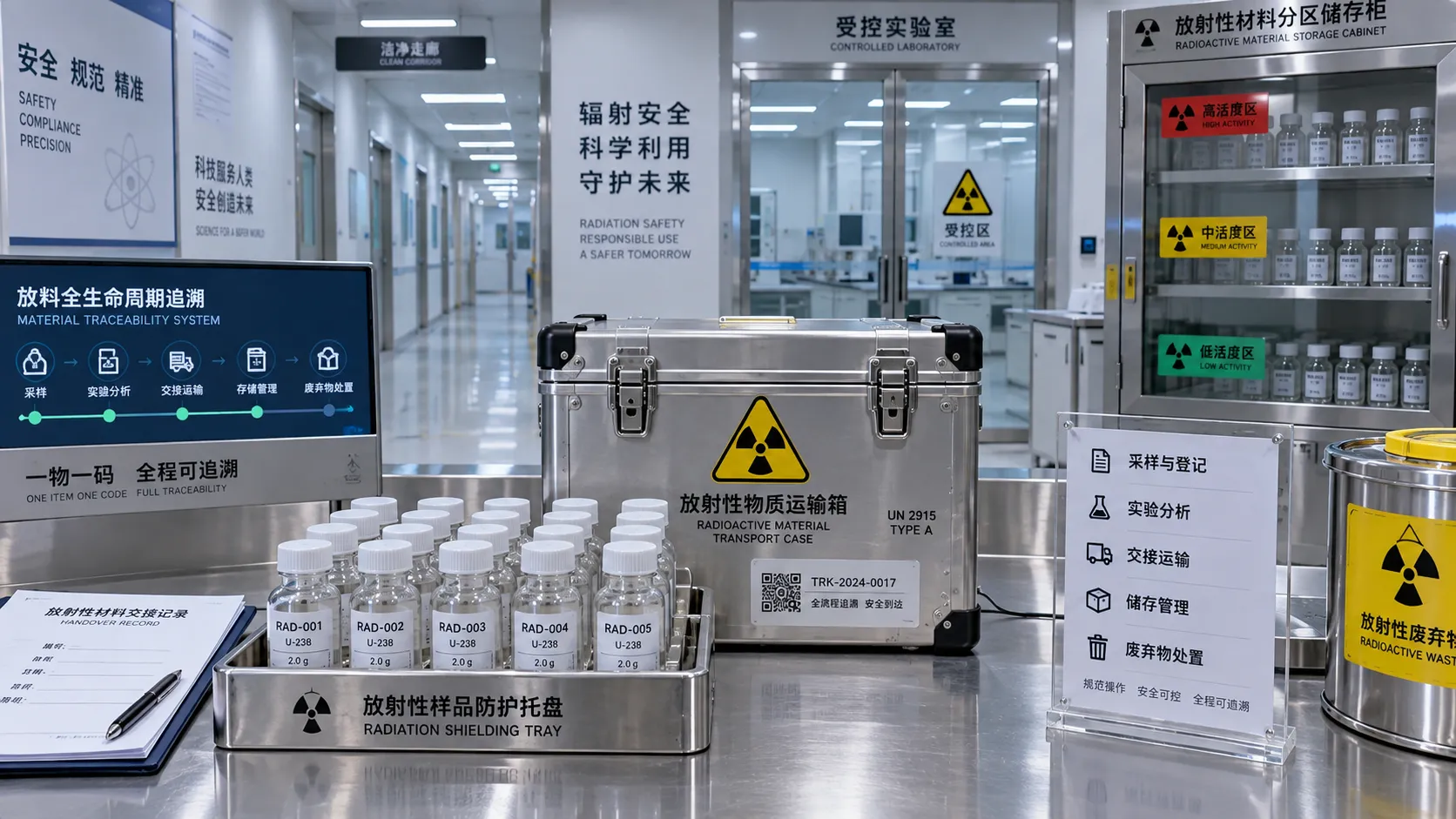
Choosing a Radioisotope Management System for Multi-Site Research Facilities
Radioisotope management system guide for multi-site research facilities: compare traceability, chain of custody, waste controls, roles, and integrations.
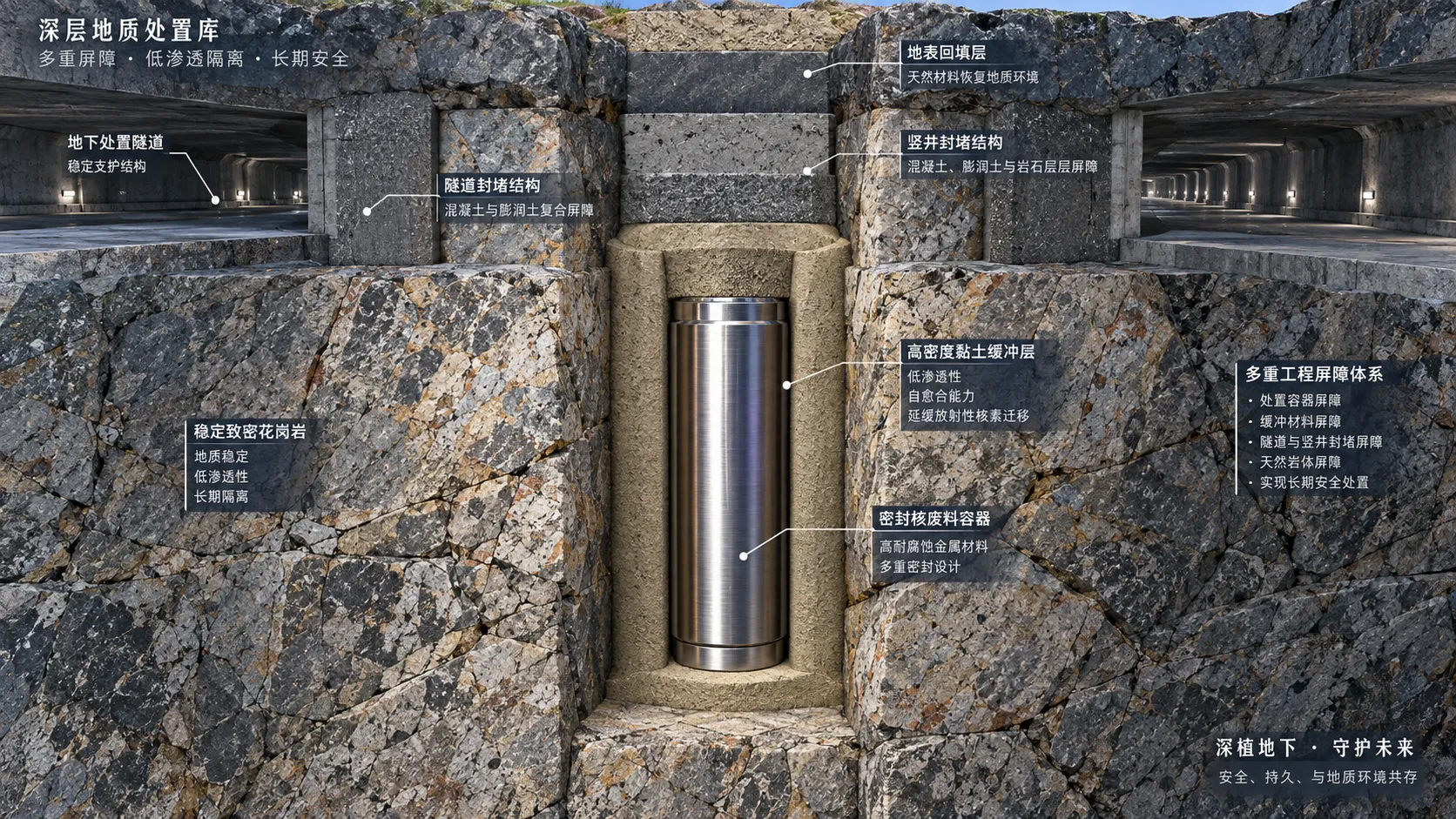
Applying C. McCombie’s Disposal Principles to Long-Lived Radioactive Waste
Explore principles and standards for the disposal of long-lived radioactive wastes C. McCombie, covering geological isolation, engineered barriers, safety cases, and intergenerational protection.
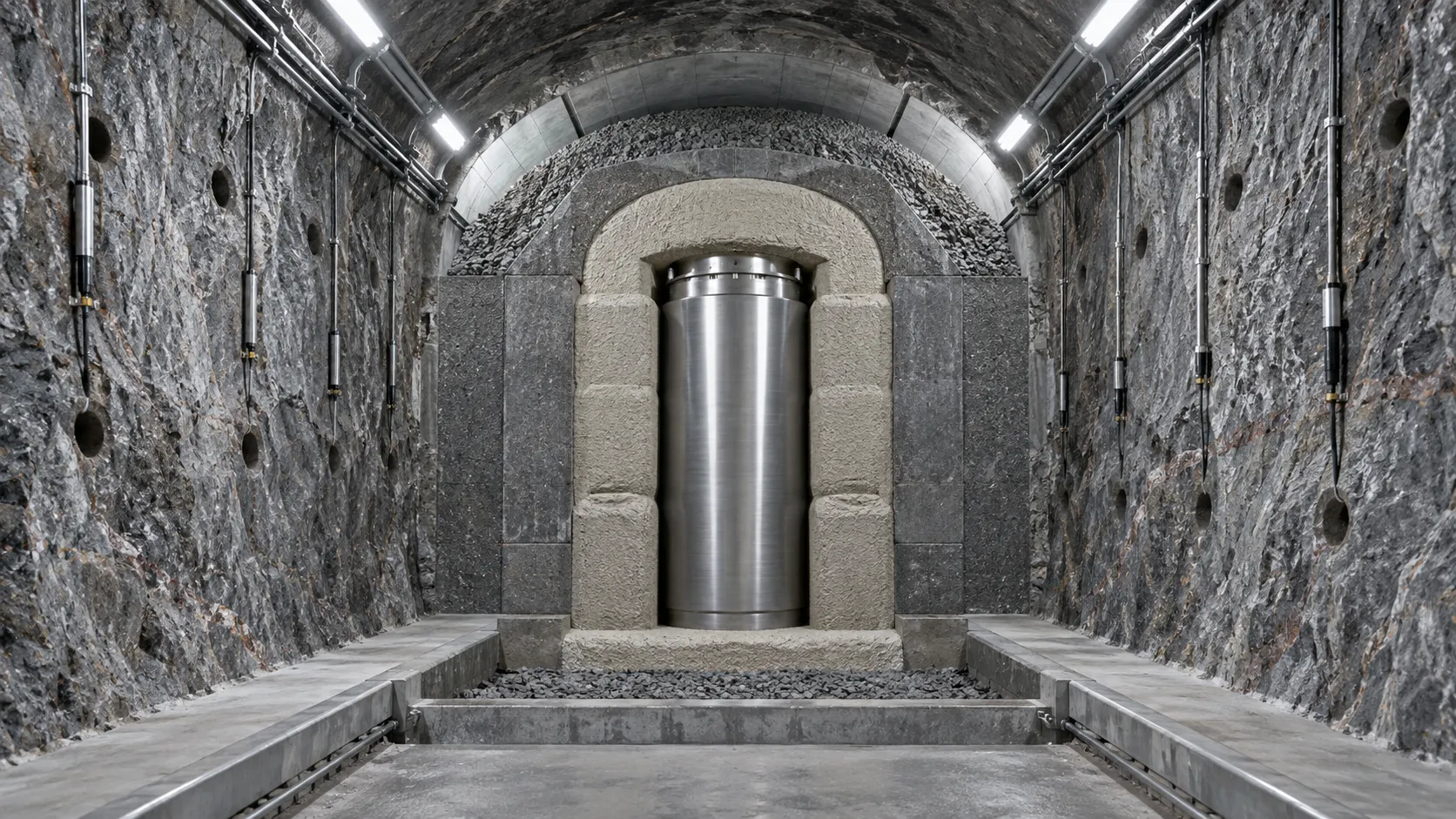
What Evidence Supports the Long-Term Safety Case for Geological Disposal?
Long-term safety of geological disposal: explore the evidence behind multi-barrier systems, site science, uncertainty testing, and auditable safety cases.