
Industry News
Curation by industry experts
Hot Articles
Popular Tags
Industrial Water Reuse Systems Design for High-Recovery Manufacturing
Why industrial water reuse systems design now starts with operating context
Industrial water reuse systems design has moved far beyond utility optimization.
In high-recovery manufacturing, it shapes compliance exposure, production continuity, and long-term cost structure.
The challenge is that two facilities with similar recovery targets rarely need the same design logic.
Feedwater swings, cleaning chemistry, discharge limits, and heat balance can change the entire treatment train.
That is why industrial water reuse systems design works best when it begins with actual process conditions.
At ESD, this broader view matters because reuse design sits inside a larger ecological control system.
Water recovery links directly with resource closure, carbon pressure, and tightening environmental governance.
A plant that pushes recovery without understanding concentrate behavior may reduce intake yet raise scaling risk and energy demand.
A plant that designs only for today’s influent may struggle when production mix, regulations, or discharge charges shift.
The first design split usually appears in water variability
In practice, the biggest divider is not the headline recovery target.
It is how stable the water profile remains across shifts, campaigns, and cleaning cycles.
When source water and wastewater composition stay relatively consistent, industrial water reuse systems design can be tighter and more energy efficient.
Membrane staging, equalization volume, and chemical dosing can be tuned with more confidence.
More complex sites need a different posture.
Batch manufacturing, mixed product lines, and intermittent rinsing often create spikes in COD, silica, hardness, solvents, or pH.
Here, industrial water reuse systems design depends less on peak nameplate numbers and more on buffering and segregation strategy.
The common mistake is treating all wastewater as a single stream.
That looks simple on paper but often enlarges pretreatment, reduces membrane life, and complicates high-recovery control.
Where stable-flow plants and variable-load plants diverge
This is usually where feasibility becomes realistic or misleading.
High-recovery manufacturing does not mean one universal treatment train
Facilities pursuing high recovery often look at the same core tools.
UF, RO, EDI, evaporators, crystallizers, and advanced oxidation appear repeatedly.
The right industrial water reuse systems design depends on what the recovered water must do next.
When reuse water returns to utilities
Cooling towers, boiler makeup, and scrubber support can tolerate different impurity profiles.
In these cases, industrial water reuse systems design often focuses on scaling indices, biological stability, and corrosion control.
Recovery can be high, but the economics improve only if the water specification matches the utility duty.
When reuse water returns to process contact
Process rinsing, surface treatment, electronics fabrication, and ingredient-sensitive manufacturing set a stricter bar.
Trace ions, TOC, and microbial risk become more important than bulk recovery alone.
A design that looks efficient for utility reuse may fail in direct process recirculation.
When concentration management drives the project
Some sites already recover most permeate and struggle mainly with the last fraction of brine.
Here, industrial water reuse systems design becomes a concentrate strategy question.
The real decision is whether to reduce volume, recover salts, integrate thermal steps, or move toward ZLD.
ESD frequently tracks this boundary because it links water treatment with solid recovery and broader circular economy logic.
Different sectors ask different questions before approving reuse
The cross-industry pattern is clear.
Industrial water reuse systems design should be judged by the limiting parameter that threatens operations.
- Food and beverage lines usually focus on hygienic separation, CIP impact, and non-product contact boundaries.
- Semiconductor and precision manufacturing care more about ionic breakthrough, silica, and ultralow conductivity stability.
- Metals and surface finishing often prioritize heavy metals, variable pH, and selective stream isolation.
- Chemicals and pharmaceuticals tend to face solvent traces, batch swings, and complex organics that reshape pretreatment choices.
- Power, desalination-linked, and large utility sites usually evaluate recovery against energy intensity and brine handling reliability.
This is why benchmarking matters more when it is specific.
A recovery number borrowed from another sector often hides incompatible fouling patterns or compliance assumptions.
What strong industrial water reuse systems design usually gets right
The most reliable projects do not start by asking how to maximize recovery at any cost.
They ask where quality flexibility exists and where it does not.
That changes the design sequence.
- Map each water stream by contaminant type, not only by flowrate.
- Separate recoverable streams from chemically disruptive streams before sizing core equipment.
- Define target water quality by reuse endpoint, not by a generic internal standard.
- Test seasonal and production-cycle variability before fixing membrane recovery assumptions.
- Model concentrate chemistry early when high recovery may trigger silica, sulfate, or hardness limits.
- Check how future CBAM pressure, local water tariffs, and discharge rules alter project payback.
That last point is increasingly important.
ESD’s strategic intelligence lens is useful here because water reuse economics now intersect with compliance and carbon positioning.
The most common misreads appear before procurement
Several errors repeat across otherwise sophisticated projects.
One is assuming that higher recovery always means better performance.
In reality, excessive concentration can shorten cleaning intervals and increase downtime.
Another is selecting industrial water reuse systems design around equipment brochures instead of upstream chemistry and operating rhythm.
That usually underestimates equalization, instrumentation, and operator intervention.
A third misread is treating similar plants as identical.
Two plating lines can have very different rinse logic.
Two desalination-linked industrial sites can face different brine discharge permissions.
Two advanced manufacturing campuses can have opposite tolerance for trace organics.
The final blind spot is lifecycle realism.
Membrane replacement, thermal energy, antiscalant selection, sludge handling, and automation support often decide whether a reuse strategy remains viable after year three.
A practical way to narrow the right design path
A useful next step is to structure industrial water reuse systems design around a short decision set.
From there, the design conversation becomes sharper.
It is easier to compare modular membrane systems, hybrid thermal routes, or staged ZLD options on the right basis.
For complex programs, it also helps to review adjacent intelligence.
Brine behavior, resource recovery potential, and environmental reporting requirements increasingly move together.
That is exactly where disciplined industrial water reuse systems design creates durable value rather than short-term water savings alone.
Recommended News
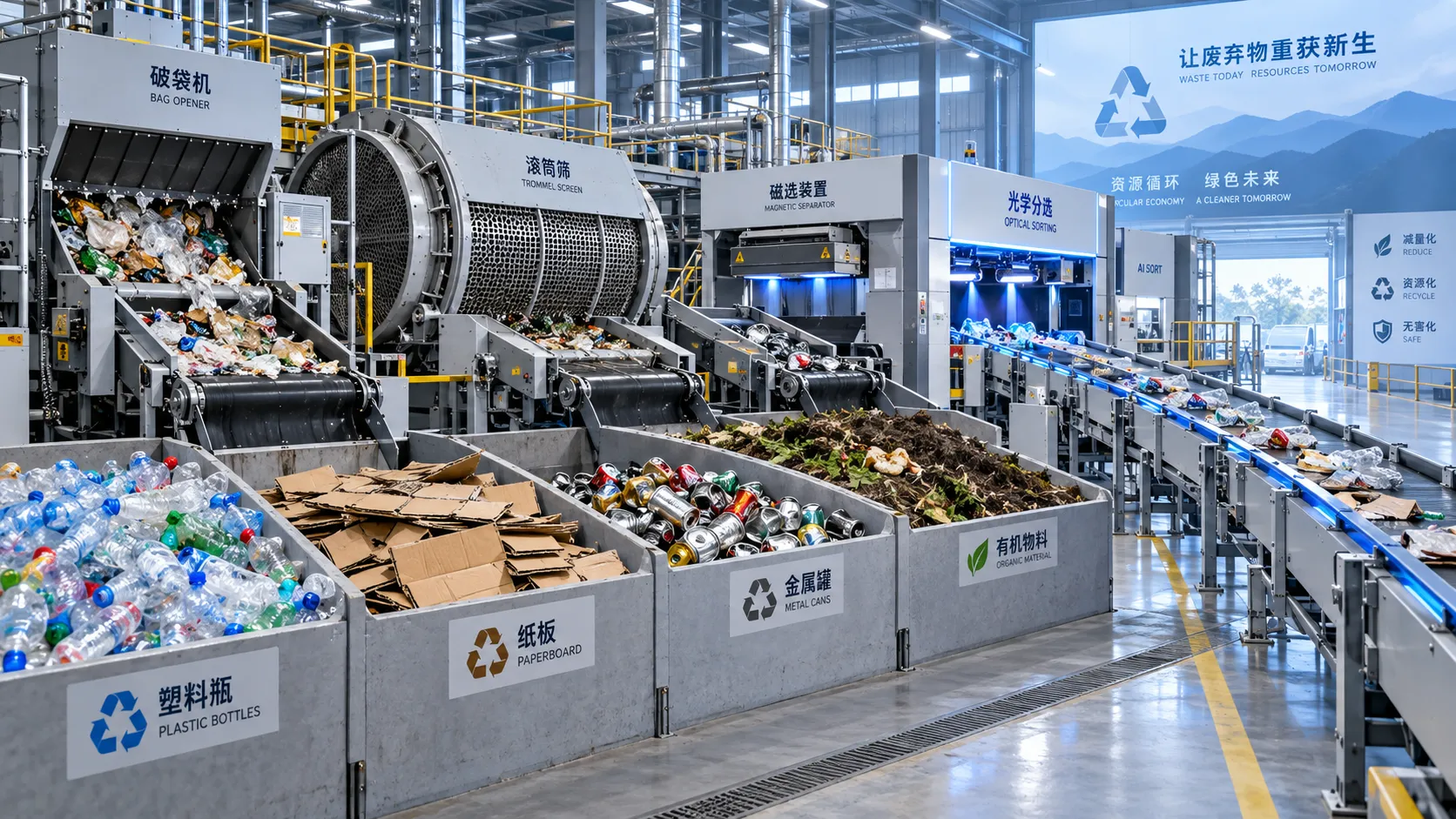
How to choose solid waste equipment based on waste stream characteristics
Environmental equipment guide for solid waste: discover how to match sorting, treatment, and recovery equipment to waste composition, moisture, contamination, and output goals.
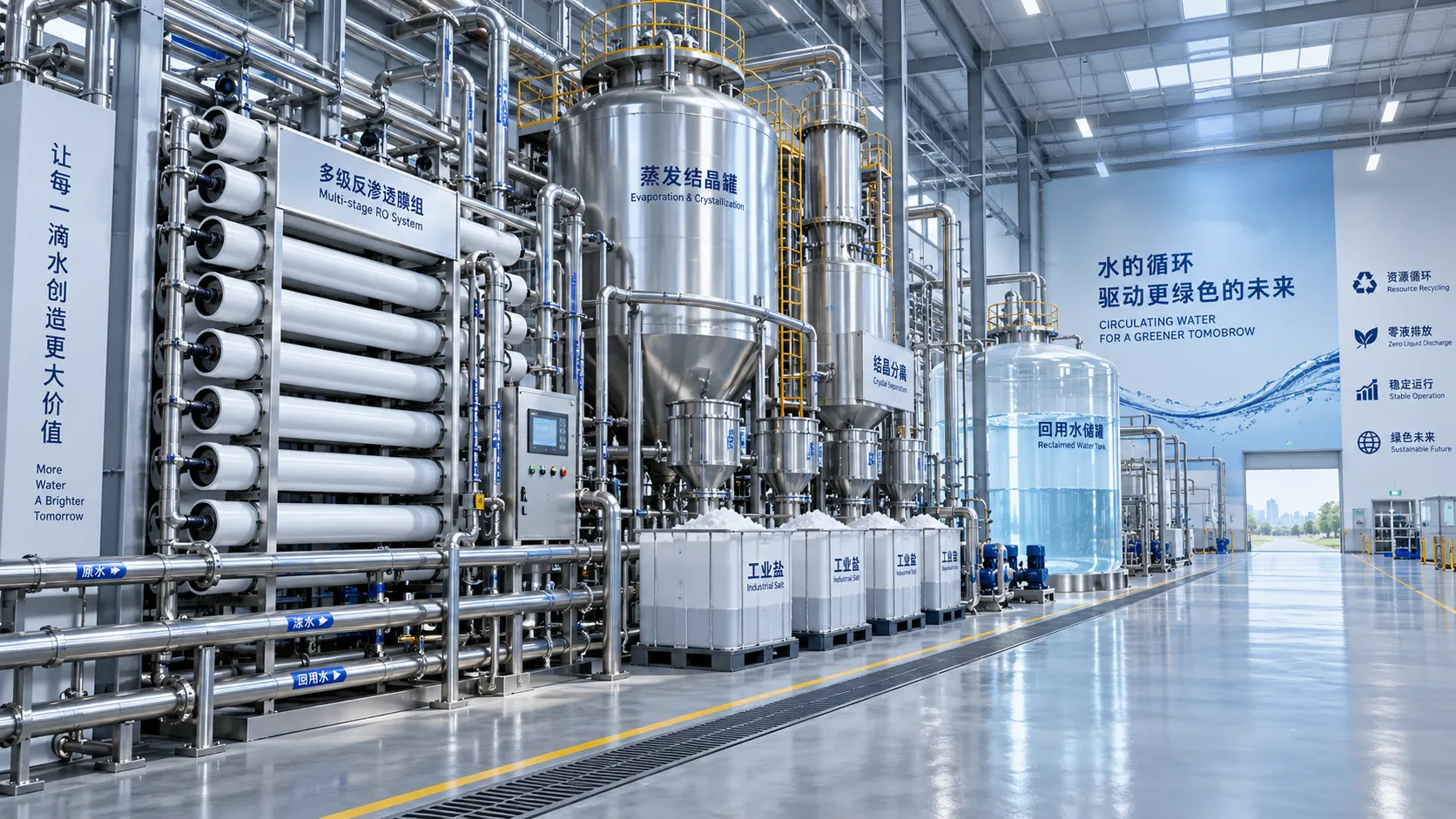
When does high recovery ZLD equipment justify its higher capital cost?
High recovery ZLD equipment can justify higher capital cost when water scarcity, discharge risks, brine disposal, and downtime threaten operations. Explore the decision factors.
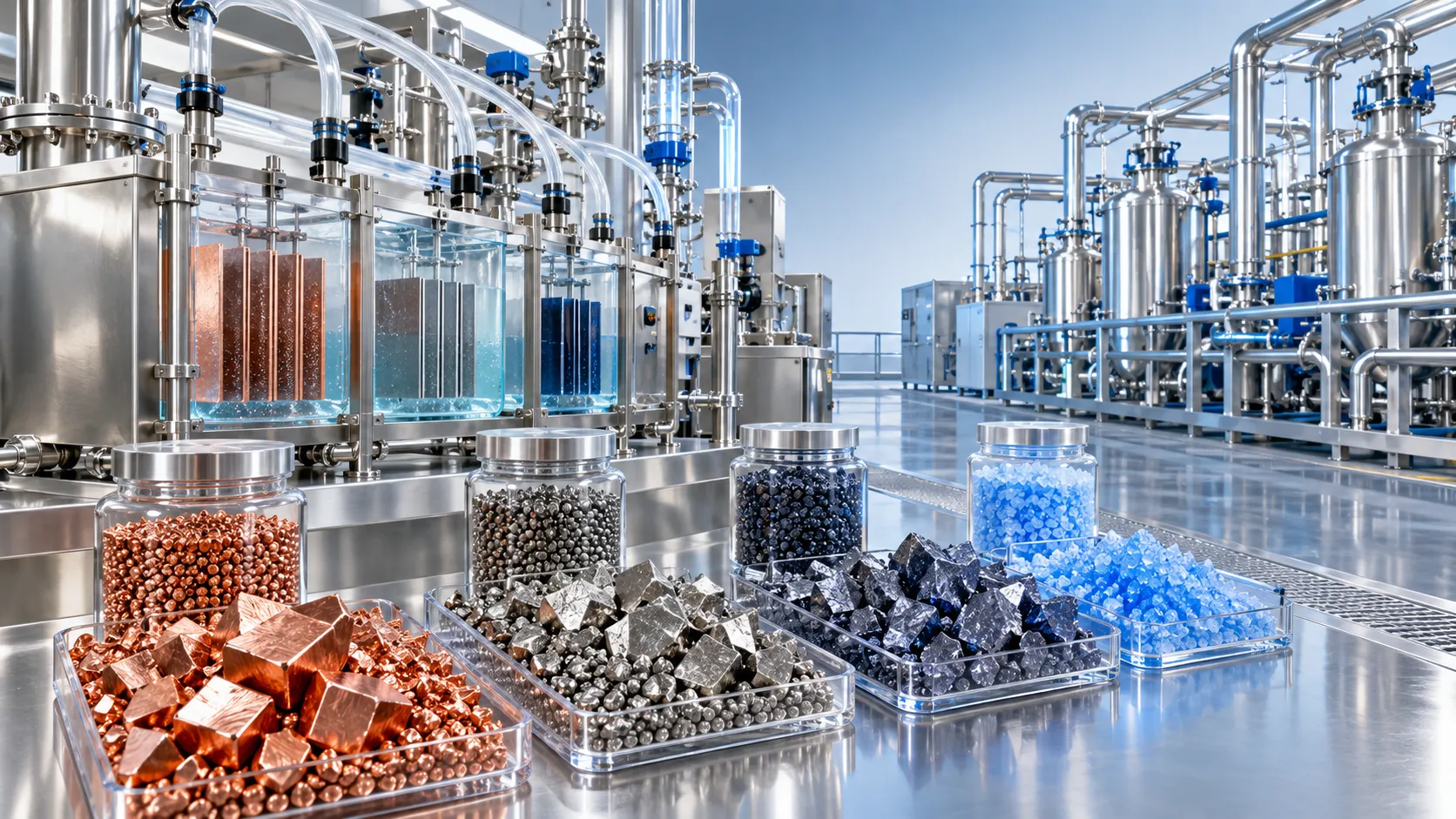
How high purity heavy metal recovery affects recovered metal value
High purity heavy metal recovery boosts recovered metal value by improving payability, reducing penalties, and unlocking stronger buyer opportunities. Explore smarter netback strategies.
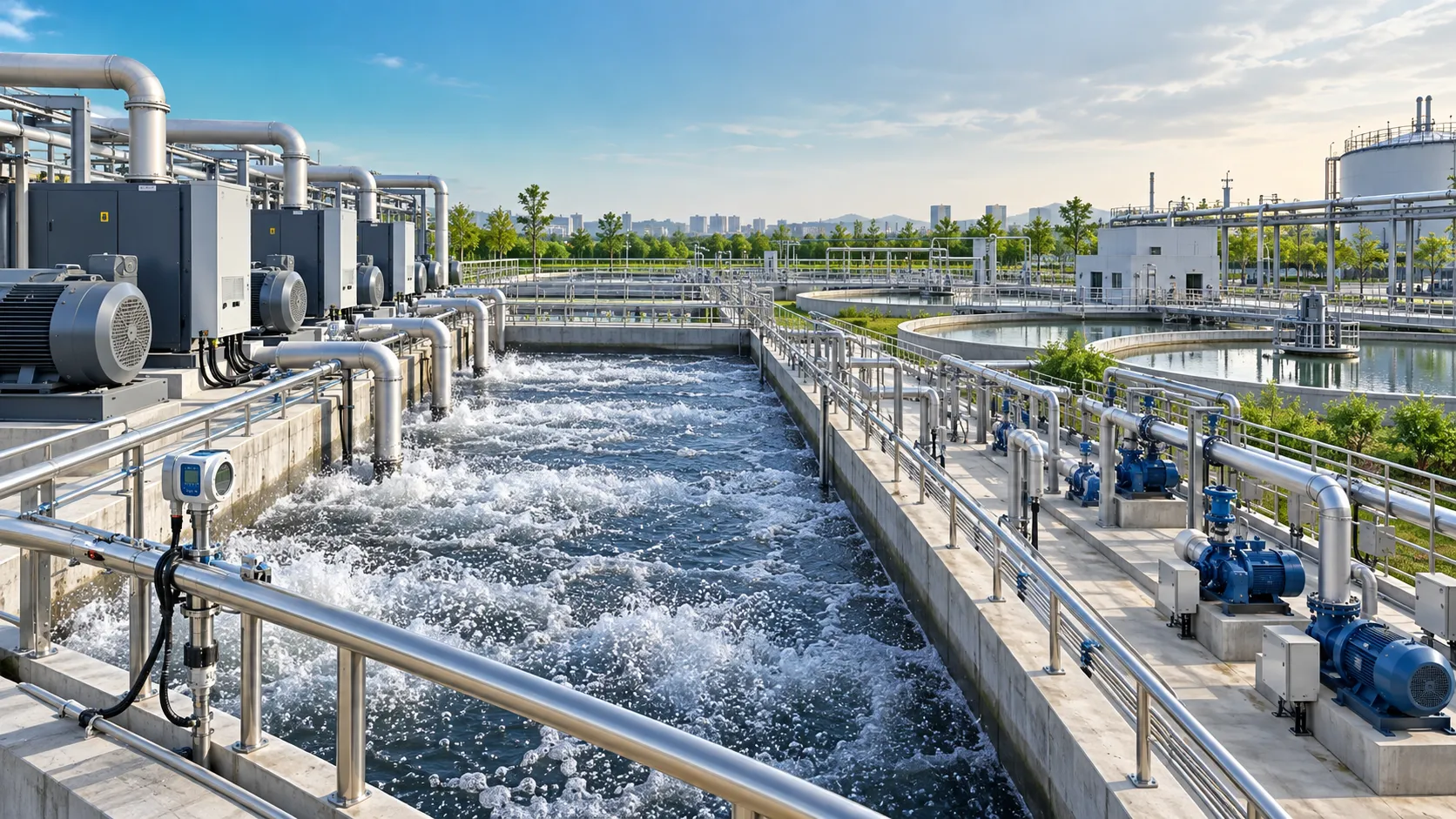
When does environmental equipment intelligence reduce wastewater plant energy use?
Environmental equipment intelligence for wastewater plants cuts energy use through smarter aeration, pumping, and data-driven controls—without compromising compliance. Discover when it delivers measurable savings.
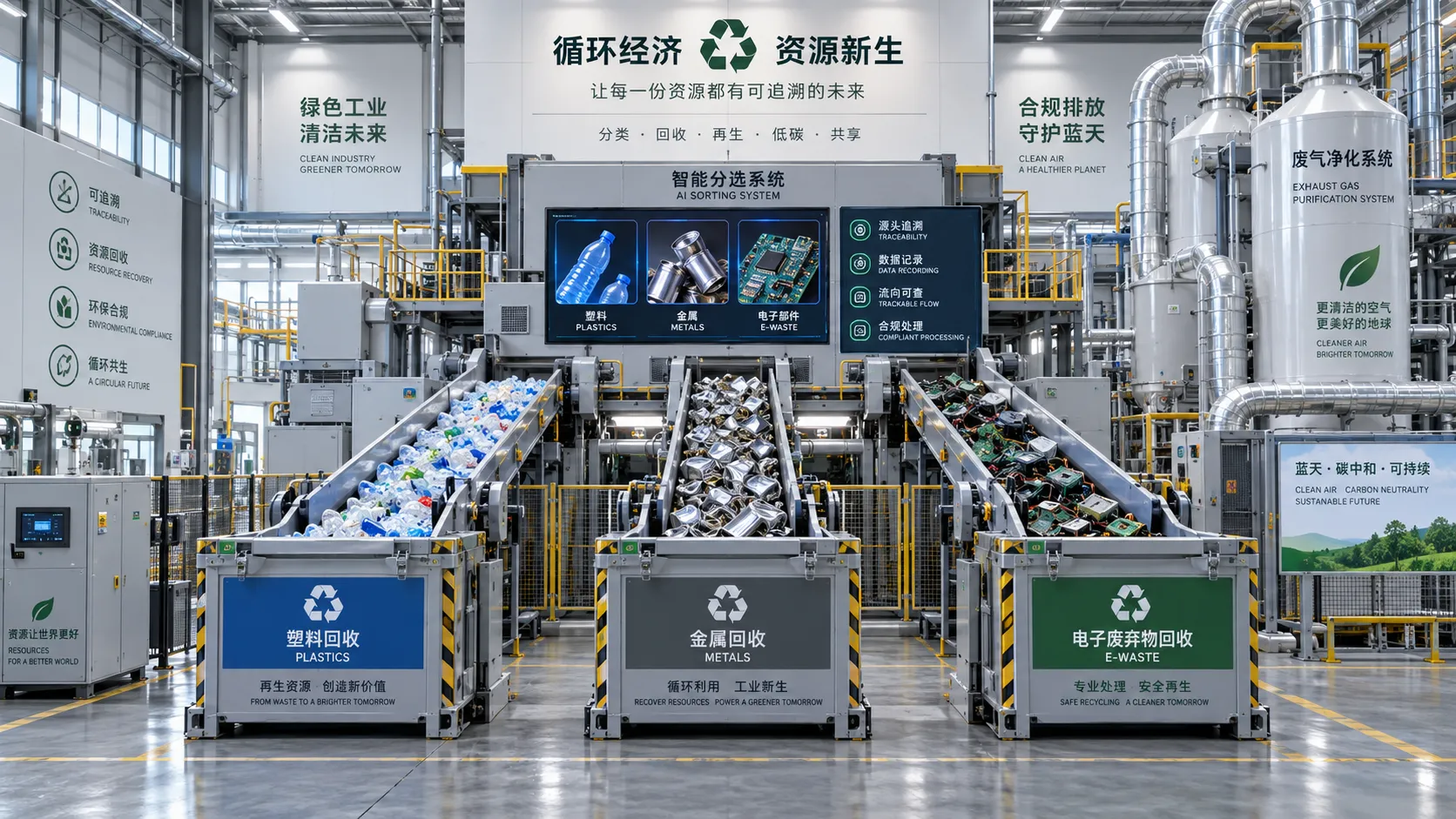
Waste Management and Circular Economy Regulations to Watch in 2025–2026
Recent regulatory updates in waste management and circular economy 2025-2026: explore PPWR, EPR, waste shipments, PFAS controls, and practical compliance steps.
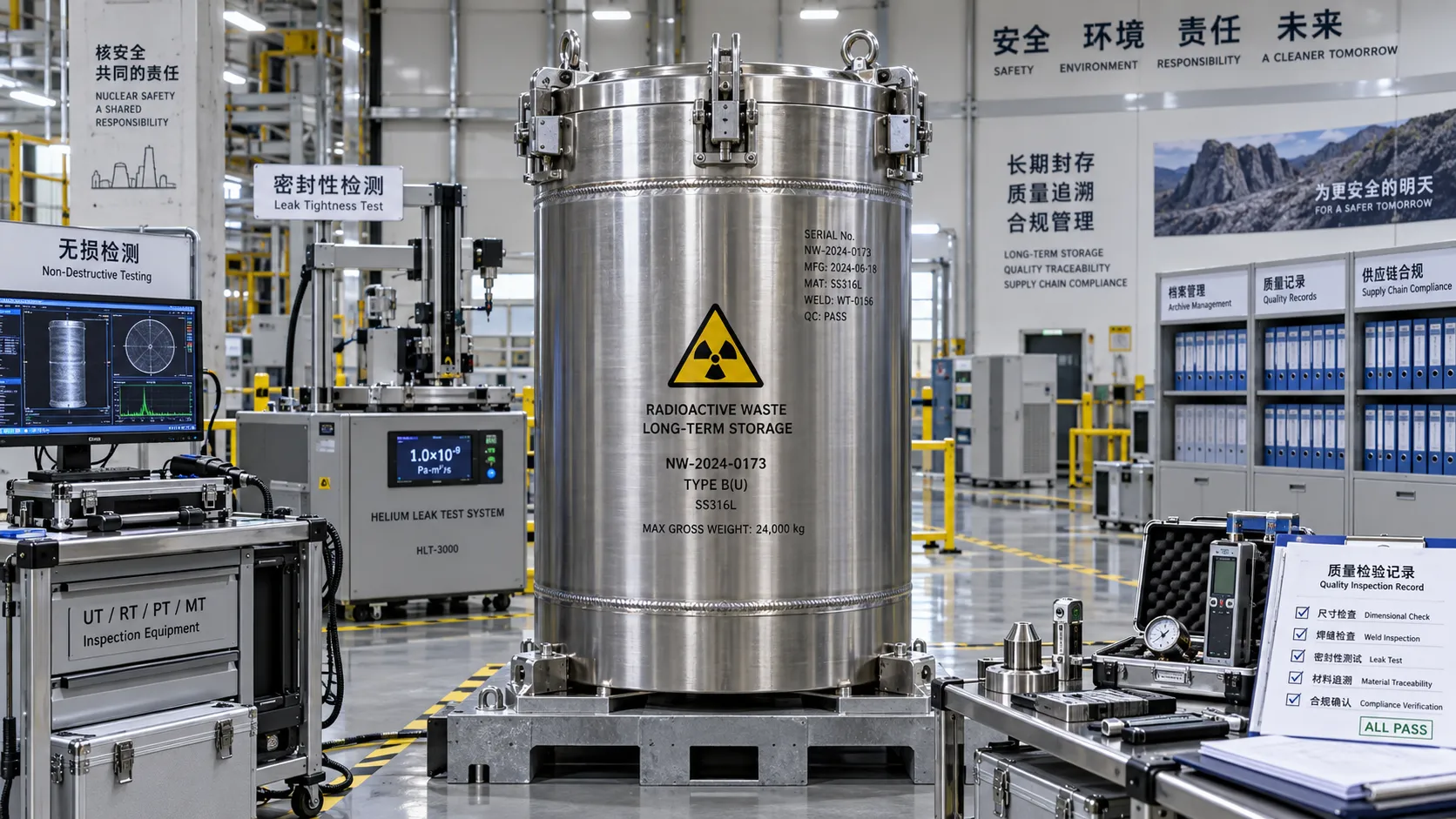
How to Qualify Nuclear Waste Supply Chain Partners for Long-Term Projects
Nuclear waste supply chain partner qualification: learn how to verify technical capability, compliance, traceability, resilience, and lifecycle support for long-term projects.
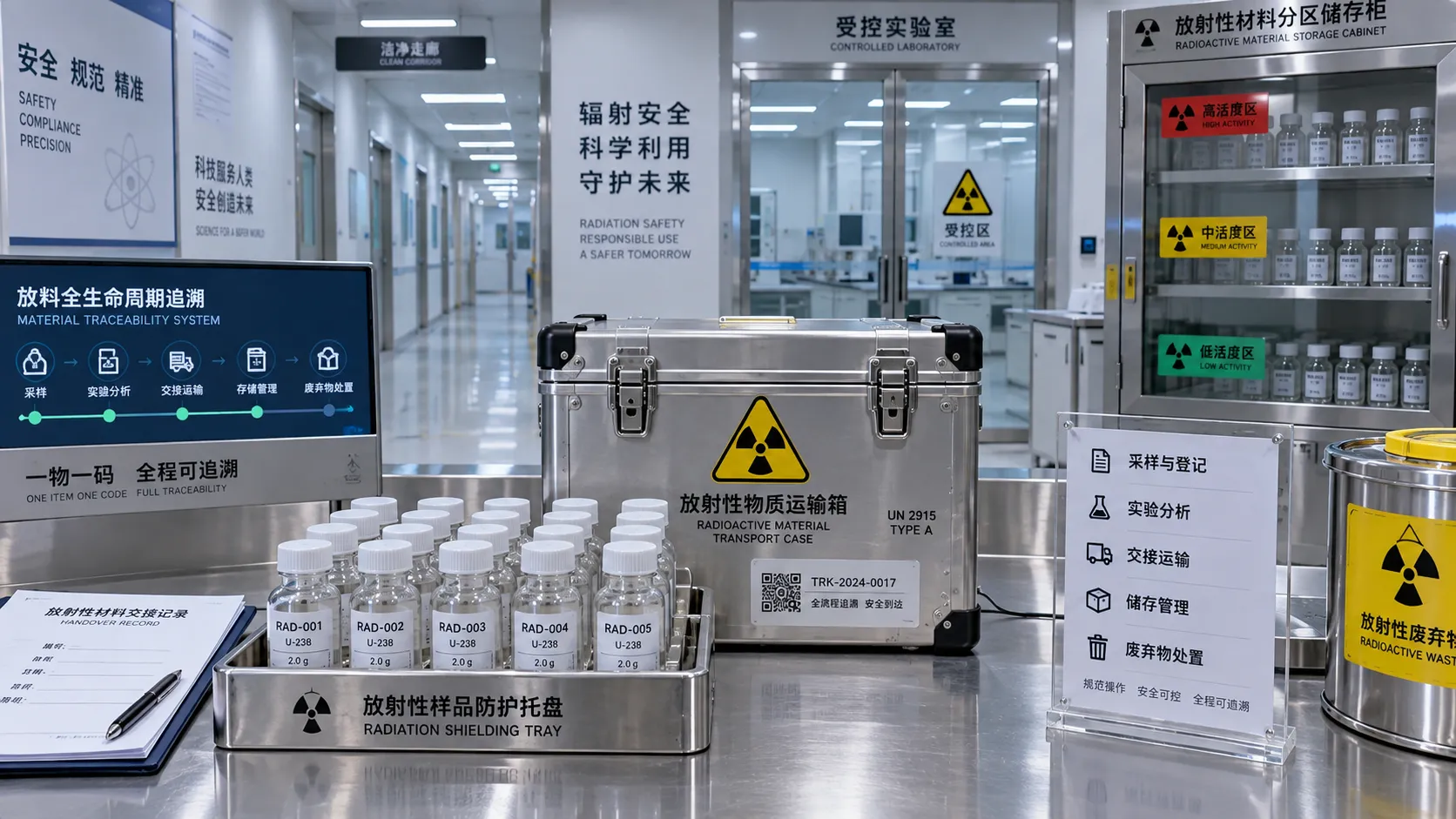
Choosing a Radioisotope Management System for Multi-Site Research Facilities
Radioisotope management system guide for multi-site research facilities: compare traceability, chain of custody, waste controls, roles, and integrations.
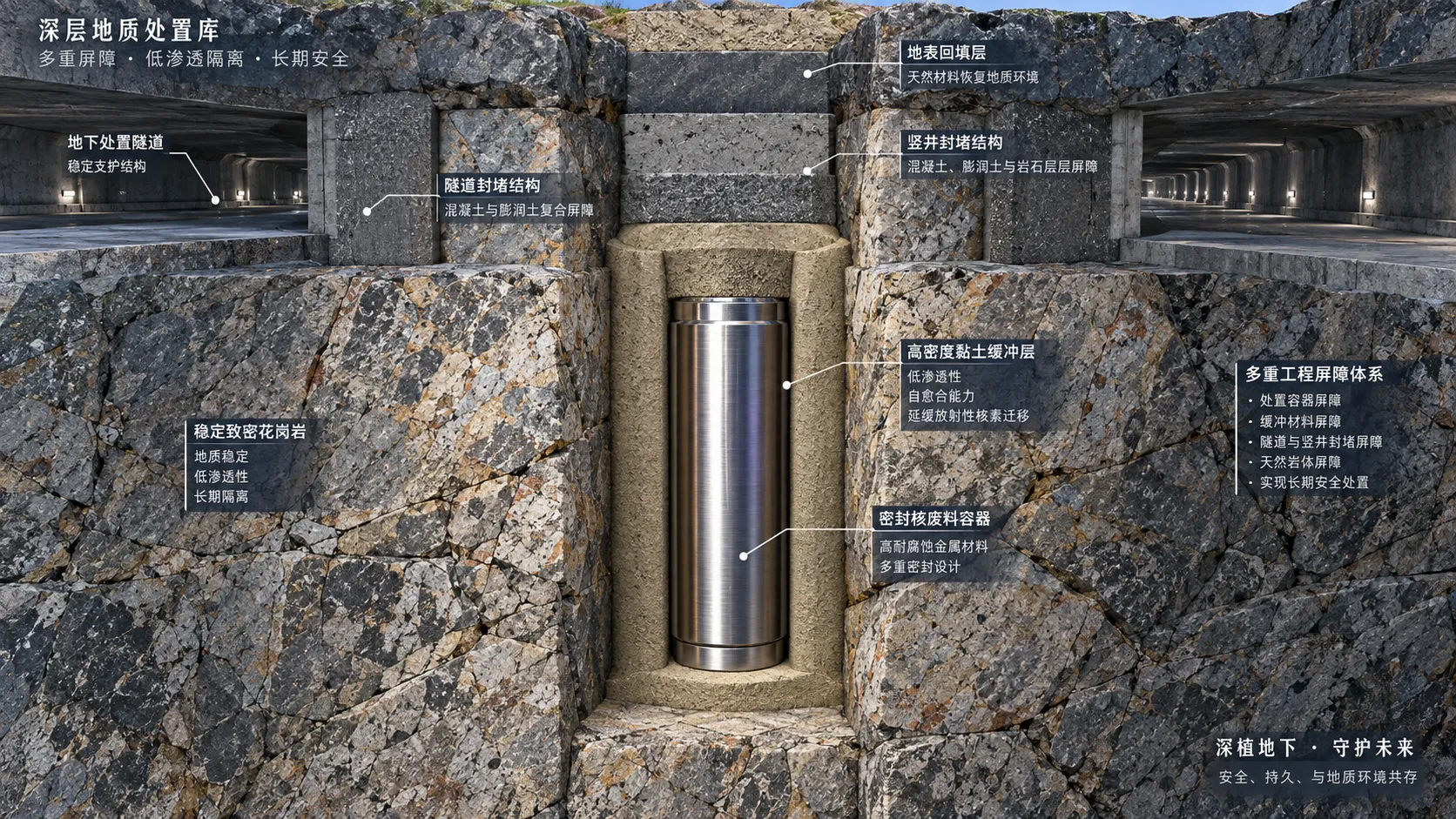
Applying C. McCombie’s Disposal Principles to Long-Lived Radioactive Waste
Explore principles and standards for the disposal of long-lived radioactive wastes C. McCombie, covering geological isolation, engineered barriers, safety cases, and intergenerational protection.
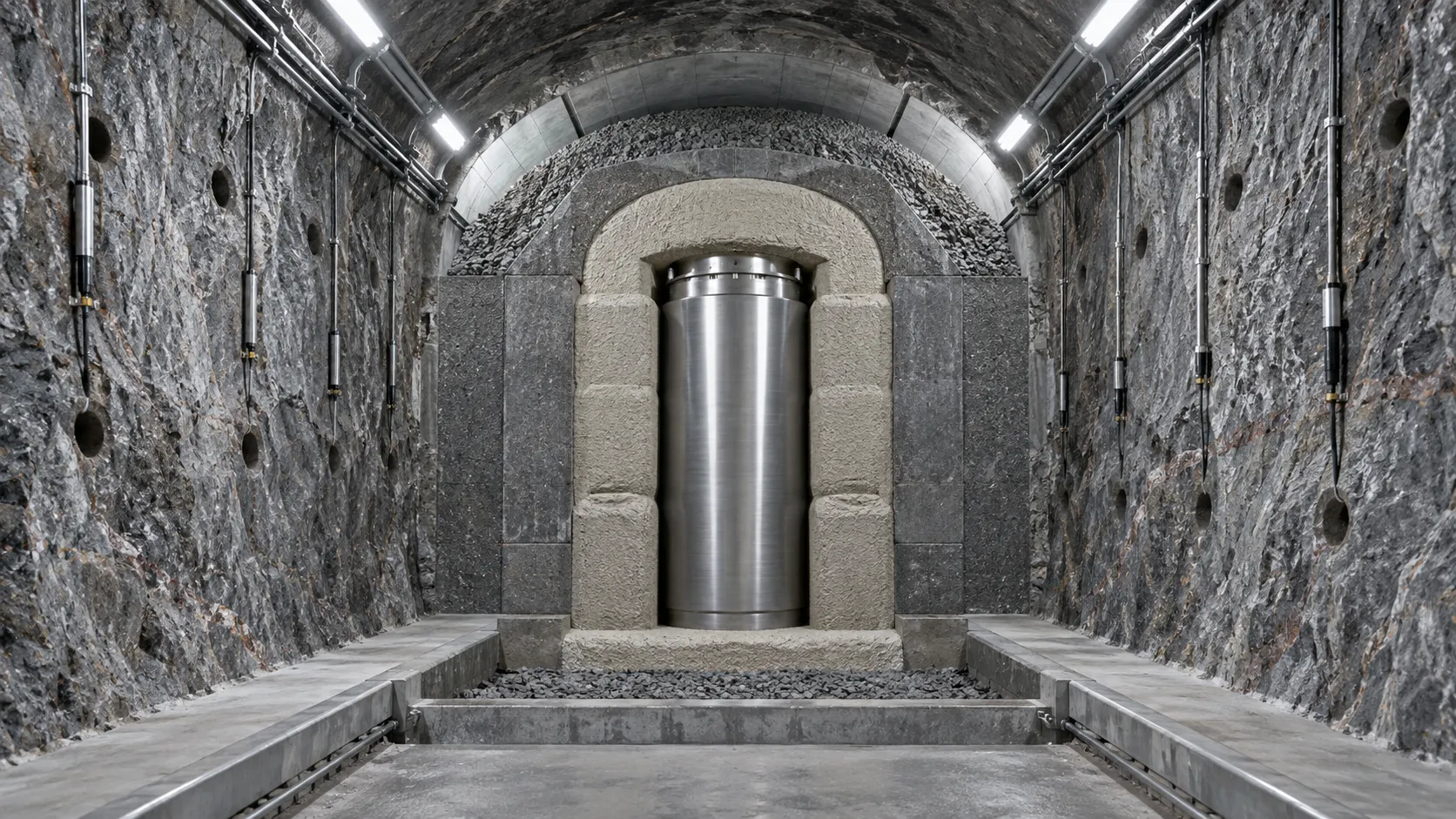
What Evidence Supports the Long-Term Safety Case for Geological Disposal?
Long-term safety of geological disposal: explore the evidence behind multi-barrier systems, site science, uncertainty testing, and auditable safety cases.