
Industry News
Curation by industry experts
Hot Articles
Popular Tags
SWRO Systems in the Middle East: What to Compare Before Final Selection
Selecting SWRO systems Middle East projects depend on is rarely a simple capacity comparison. In this region, desalination assets operate under high salinity, seasonal temperature shifts, aggressive fouling pressure, and strict uptime expectations. A lower headline price can quickly lose appeal when energy use rises, membrane replacement accelerates, or pretreatment proves mismatched to the intake. Final selection works best when technical fit, operational resilience, and lifecycle economics are reviewed together.
Why the regional context changes the comparison
The Middle East remains one of the world’s most important desalination markets. Water security is tied to industrial growth, urban demand, tourism, food systems, and strategic infrastructure.
That scale makes procurement decisions more consequential. A design choice affecting specific energy consumption or clean-in-place frequency can shape operating cost for years.
It also explains why SWRO systems Middle East buyers assess are now judged beyond production volume. Reliability under regional stress conditions matters just as much as nameplate output.
From ESD’s industry perspective, seawater desalination sits beside large water treatment, resource recovery, flue gas control, and other heavy environmental systems. The common thread is clear: equipment value depends on extreme reliability, compliance readiness, and measurable long-term performance.
What should be compared first
Before reviewing brands or package layouts, the first step is understanding the raw seawater profile and project duty.
Two SWRO systems can look similar on paper while behaving very differently at the same coastal site.
Feedwater conditions are not a minor detail
Salinity, turbidity, temperature, algae events, suspended solids, organics, and red tide exposure all influence design quality. Intake location also changes risk.
Open intake systems may require stronger pretreatment discipline. Beach wells can reduce some fouling pressure, but site geology and yield limitations must be checked carefully.
Required product water quality should stay explicit
Municipal potable supply, process water, district cooling support, and refinery integration do not always require the same downstream polishing approach.
When product quality targets are vague, system comparison becomes distorted. Recovery, membrane selection, boron removal strategy, and post-treatment requirements can all be misread.
Core technical factors behind lifecycle cost
In most tenders, CAPEX remains visible. Yet lifecycle cost usually depends more on energy, chemicals, consumables, labor, downtime, and asset degradation.
Energy recovery is one of the sharpest differentiators
For SWRO systems Middle East operators compare, energy recovery devices often separate efficient designs from merely acceptable ones.
Check performance guarantees at realistic seawater temperatures and salinity levels. A favorable figure at ideal test conditions may not hold through summer peaks.
Membrane life should be treated as an operating strategy issue
Membrane cost is not just a replacement budget line. It affects shutdown planning, cleaning frequency, permeate stability, and inventory planning.
That is why ESD’s intelligence lens pays attention to membrane nanostructure trends and real-world fouling behavior, not only brochure claims.
Pretreatment often decides whether the design is truly bankable
Many final selections focus heavily on the RO block. In actual operation, pretreatment quality often determines whether the whole plant stays stable.
Coagulation, dissolved air flotation, media filtration, ultrafiltration, cartridge protection, and chemical dosing must be matched to the intake risk profile.
A weaker pretreatment train may reduce initial capital. It can also raise cleaning frequency, chemical use, and membrane stress across the asset life.
- Review historical seawater variability, not one-time samples.
- Ask how the system responds to algae bloom and turbidity spikes.
- Confirm pretreatment guarantees linked to downstream RO performance.
- Check whether consumables and replacement parts are regionally available.
Compliance, brine, and the wider project boundary
SWRO systems Middle East project teams review now sit inside a broader regulatory and sustainability conversation. Energy intensity, discharge impact, and reporting discipline are gaining weight.
Brine disposal strategy should therefore be compared early. Outfall design, marine impact assumptions, mixing behavior, and local permitting conditions can reshape the preferred option.
This matters beyond environmental paperwork. Delays in approvals or redesigns can erase the apparent speed advantage of an initially cheaper proposal.
ESD tracks this wider frame through its Strategic Intelligence Center, where desalination decisions are read alongside compliance shifts, carbon pressure, and infrastructure financing trends.
Commercial comparison should go past the bid sheet
A final selection should test the supplier’s execution model as carefully as the process design.
Points worth checking in commercial evaluation
- Performance guarantees and liquidated damages structure.
- Local service footprint and spare parts lead times.
- Commissioning support and operator training depth.
- Digital monitoring capability for predictive maintenance.
- Reference plants with similar seawater and climate conditions.
Reference quality matters more than reference quantity. A supplier with several plants in milder conditions may still be a weaker fit for a high-stress Gulf installation.
It is also useful to compare how transparent each proposal is about assumptions. Hidden chemical consumption, optimistic membrane life, or narrow warranty language usually signal future disputes.
How to build a stronger final selection framework
The most reliable decisions usually come from a weighted evaluation model rather than a pure price ranking.
For SWRO systems Middle East tenders, a practical matrix often includes technical fit, guaranteed energy use, membrane replacement assumptions, pretreatment resilience, compliance risk, and local support depth.
That approach makes trade-offs visible. A proposal with slightly higher CAPEX may still produce lower total cost when uptime and maintenance realities are included.
It also improves internal alignment. Finance, operations, EPC teams, and environmental reviewers can compare the same project through one structured lens.
Where the next decision should start
A sound comparison of SWRO systems Middle East opportunities begins with the site, not the brochure. Define feedwater risk, required water quality, energy assumptions, and discharge constraints before narrowing the shortlist.
Then test each option against lifecycle realities: pretreatment stability, membrane durability, spare parts logistics, and verifiable guarantees under regional conditions.
For projects moving toward final evaluation, the next useful step is to build a side-by-side comparison sheet using actual operating assumptions. That usually reveals which design is merely competitive on paper and which one is positioned to remain reliable in service.
Recommended News
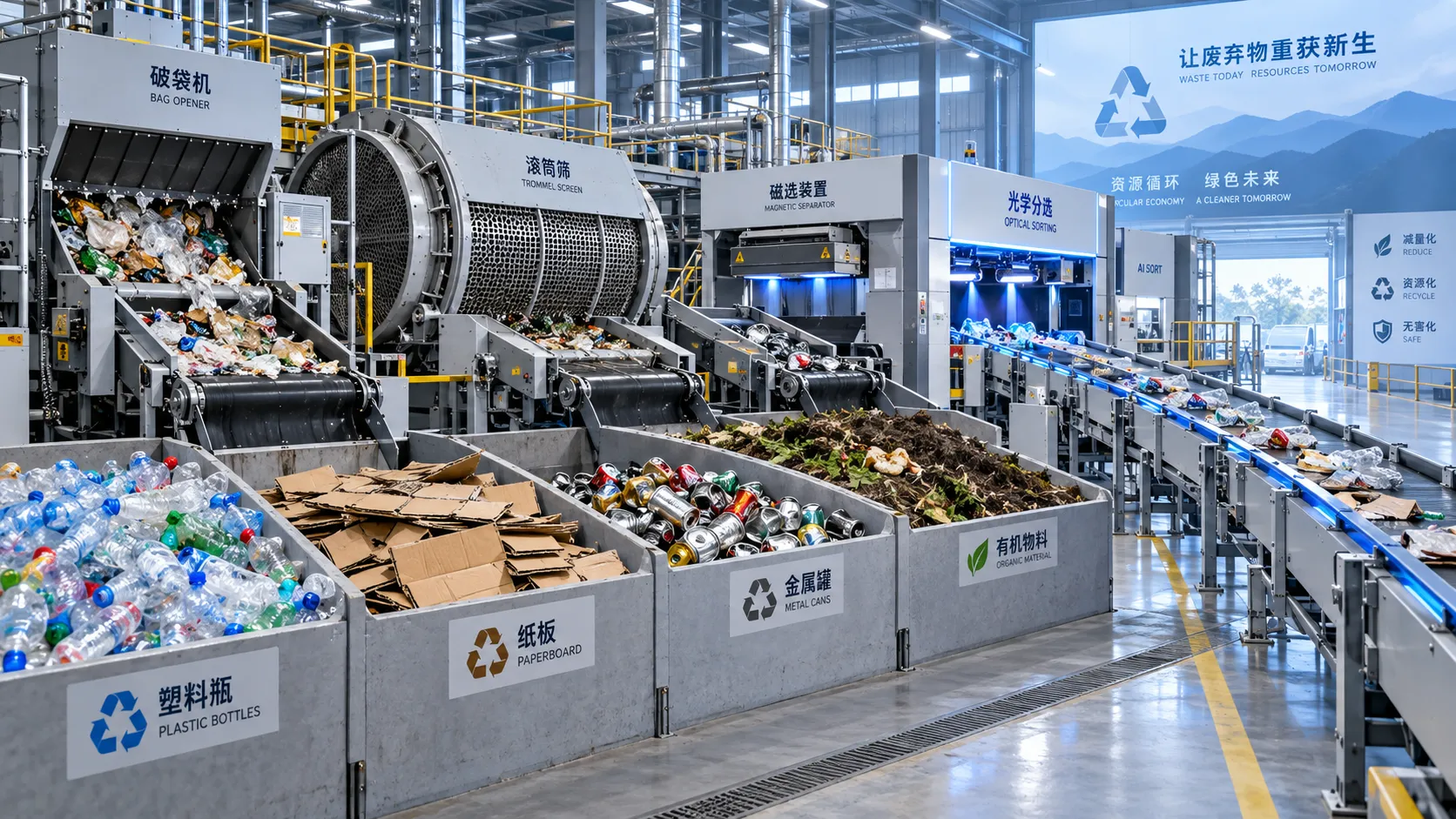
How to choose solid waste equipment based on waste stream characteristics
Environmental equipment guide for solid waste: discover how to match sorting, treatment, and recovery equipment to waste composition, moisture, contamination, and output goals.
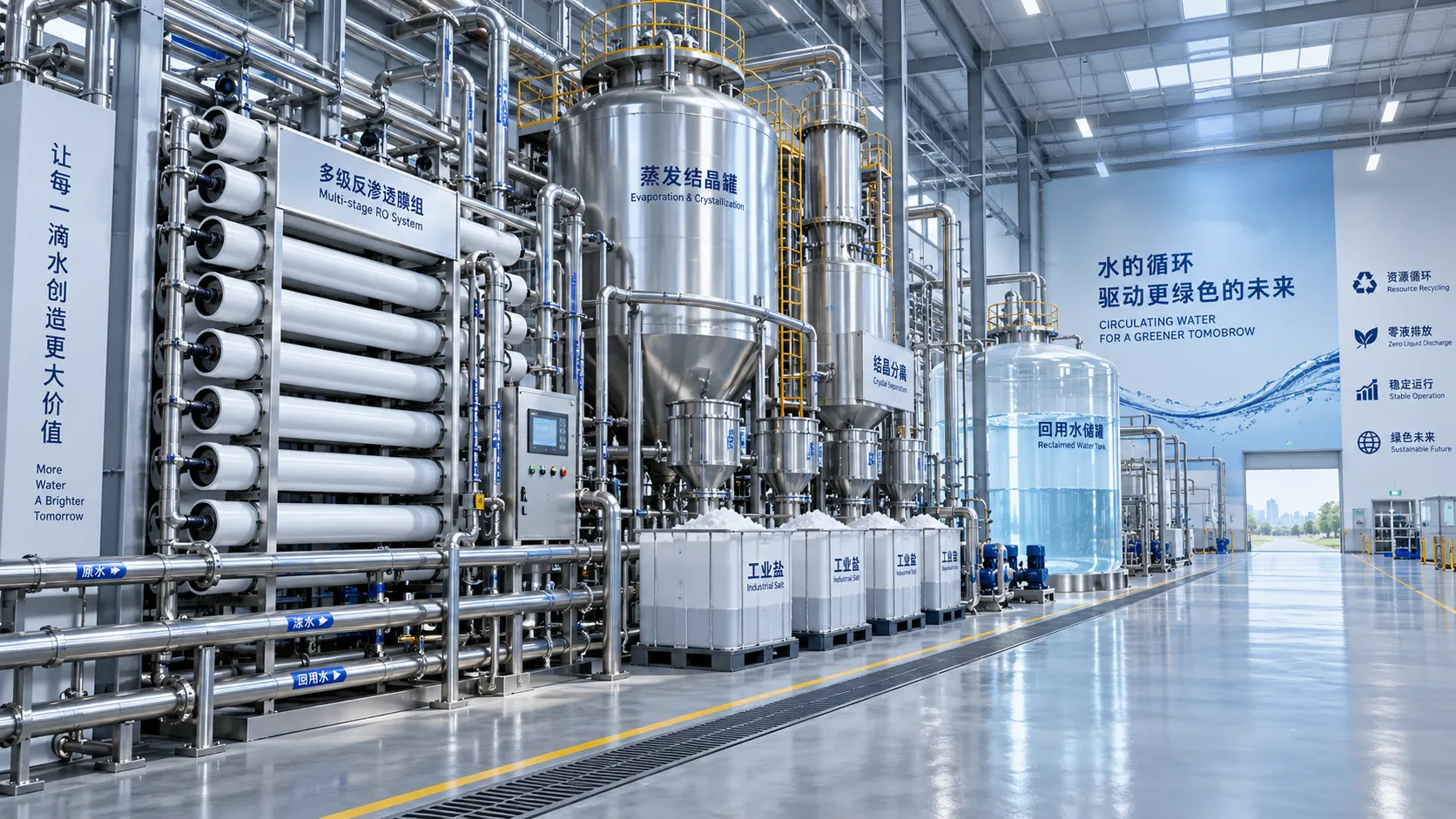
When does high recovery ZLD equipment justify its higher capital cost?
High recovery ZLD equipment can justify higher capital cost when water scarcity, discharge risks, brine disposal, and downtime threaten operations. Explore the decision factors.

How high purity heavy metal recovery affects recovered metal value
High purity heavy metal recovery boosts recovered metal value by improving payability, reducing penalties, and unlocking stronger buyer opportunities. Explore smarter netback strategies.
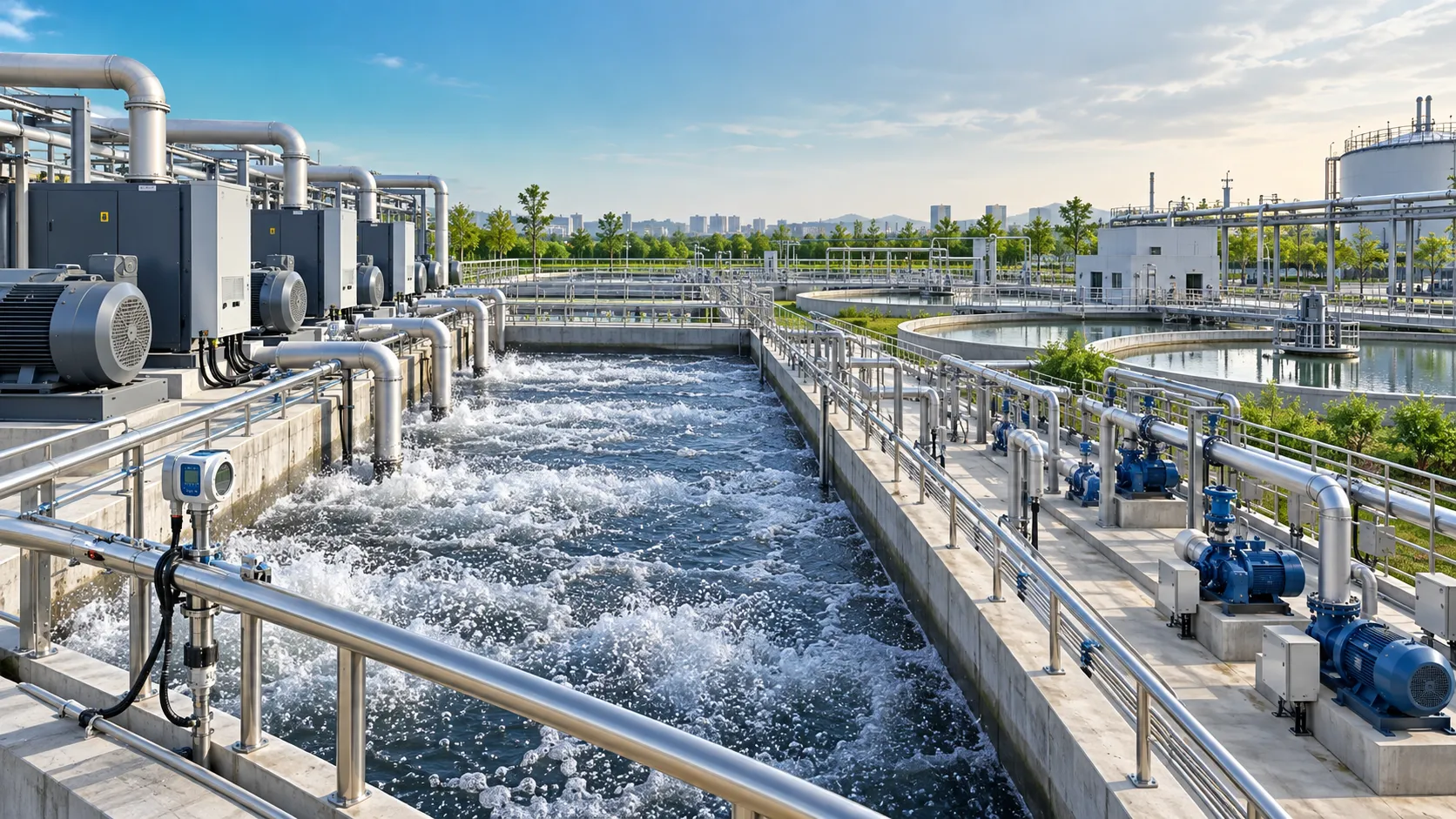
When does environmental equipment intelligence reduce wastewater plant energy use?
Environmental equipment intelligence for wastewater plants cuts energy use through smarter aeration, pumping, and data-driven controls—without compromising compliance. Discover when it delivers measurable savings.
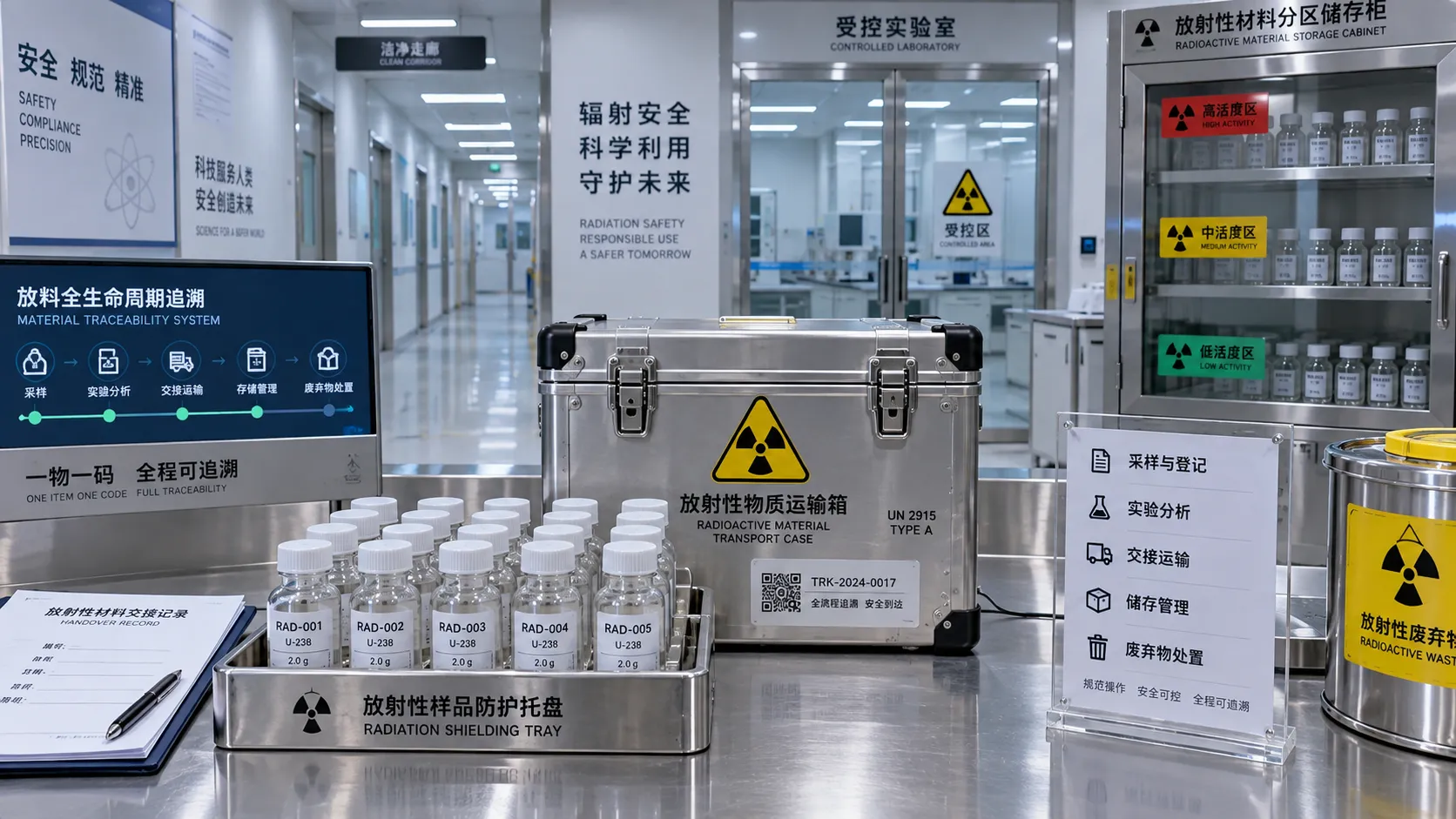
Choosing a Radioisotope Management System for Multi-Site Research Facilities
Radioisotope management system guide for multi-site research facilities: compare traceability, chain of custody, waste controls, roles, and integrations.
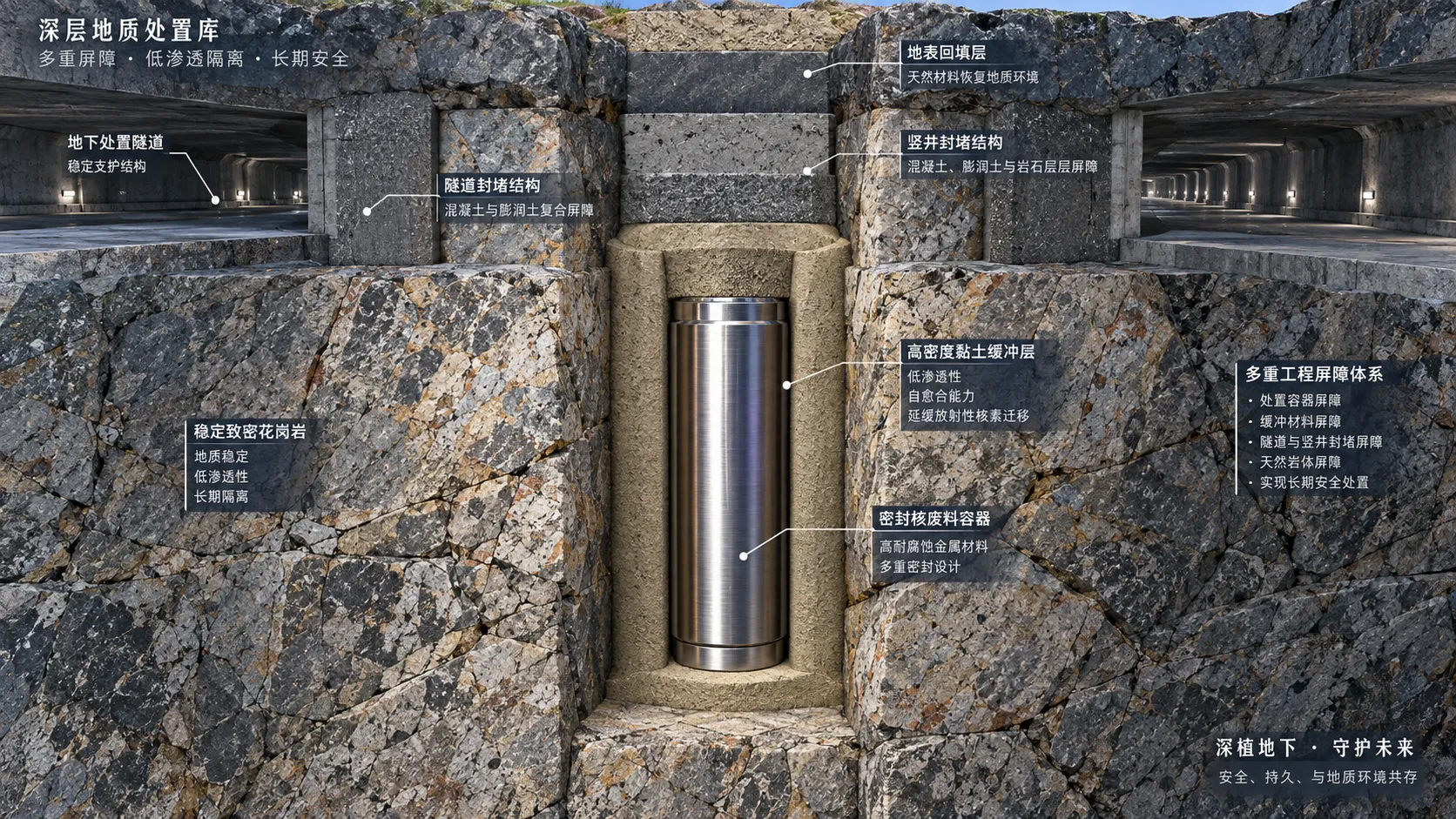
Applying C. McCombie’s Disposal Principles to Long-Lived Radioactive Waste
Explore principles and standards for the disposal of long-lived radioactive wastes C. McCombie, covering geological isolation, engineered barriers, safety cases, and intergenerational protection.
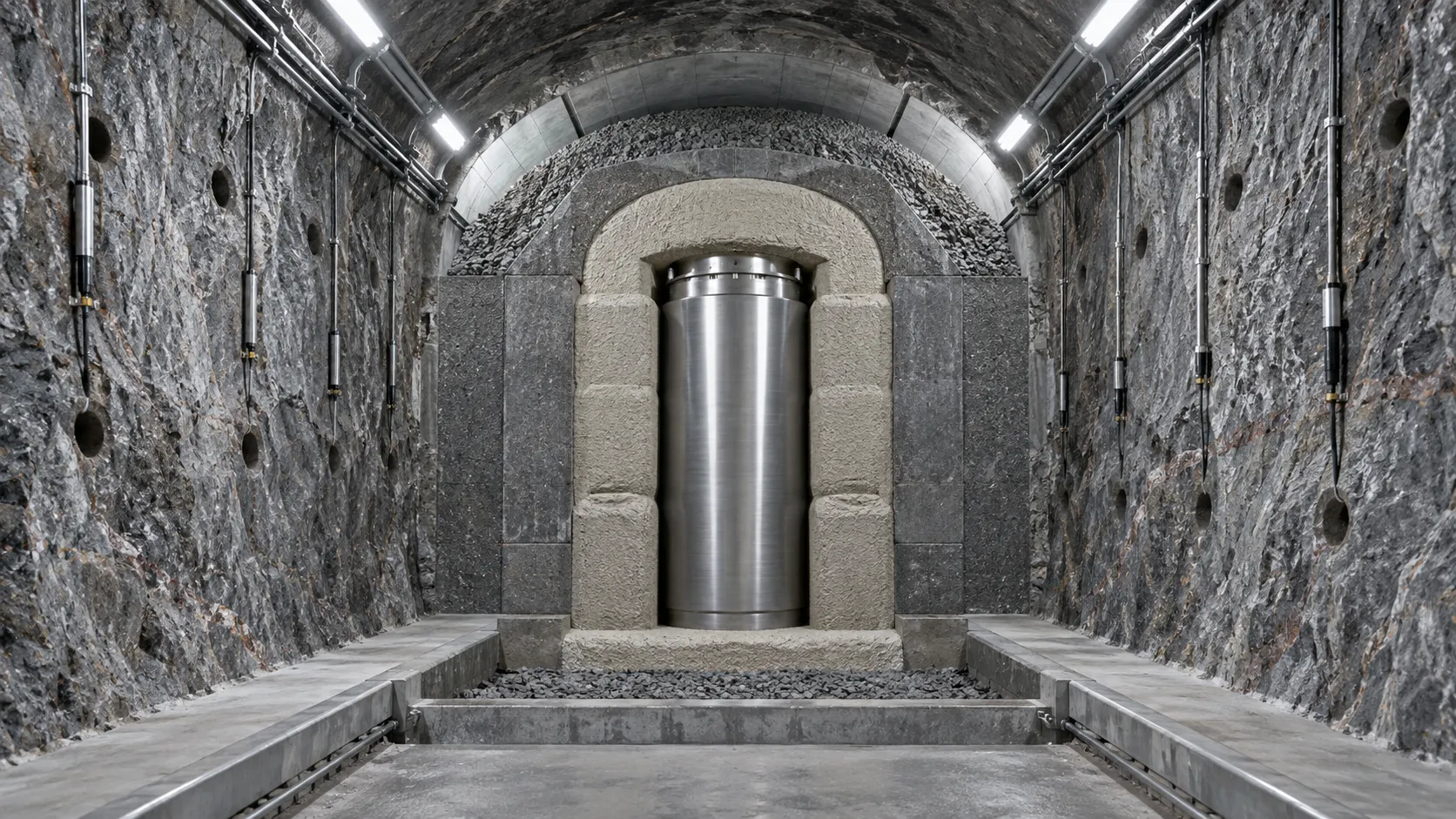
What Evidence Supports the Long-Term Safety Case for Geological Disposal?
Long-term safety of geological disposal: explore the evidence behind multi-barrier systems, site science, uncertainty testing, and auditable safety cases.
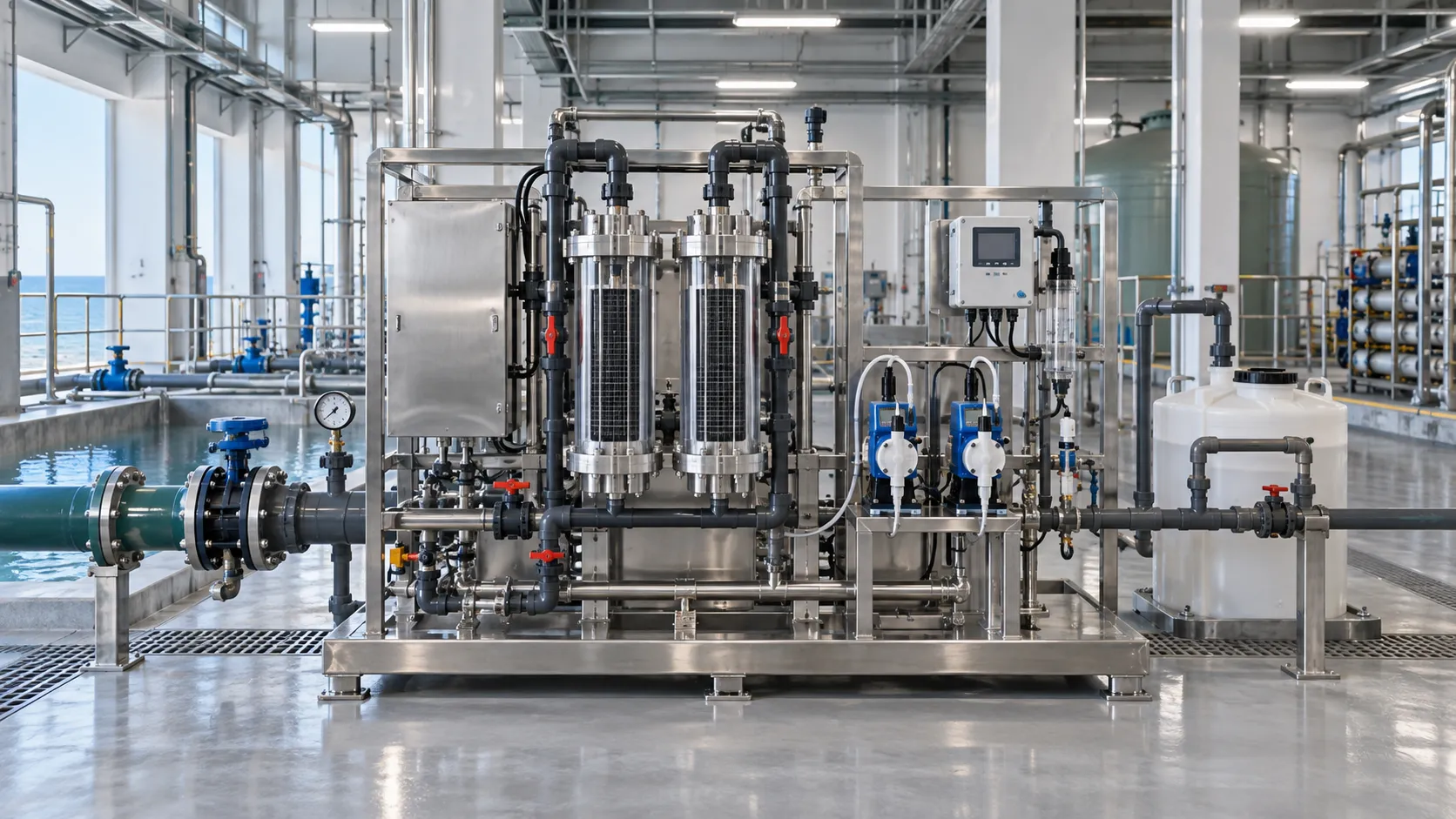
What Do Seawater Disinfection Systems Cost Over Their Full Operating Life?
What are the costs associated with seawater disinfection systems? Explore lifecycle expenses for equipment, energy, chemicals, maintenance, compliance, and risk.
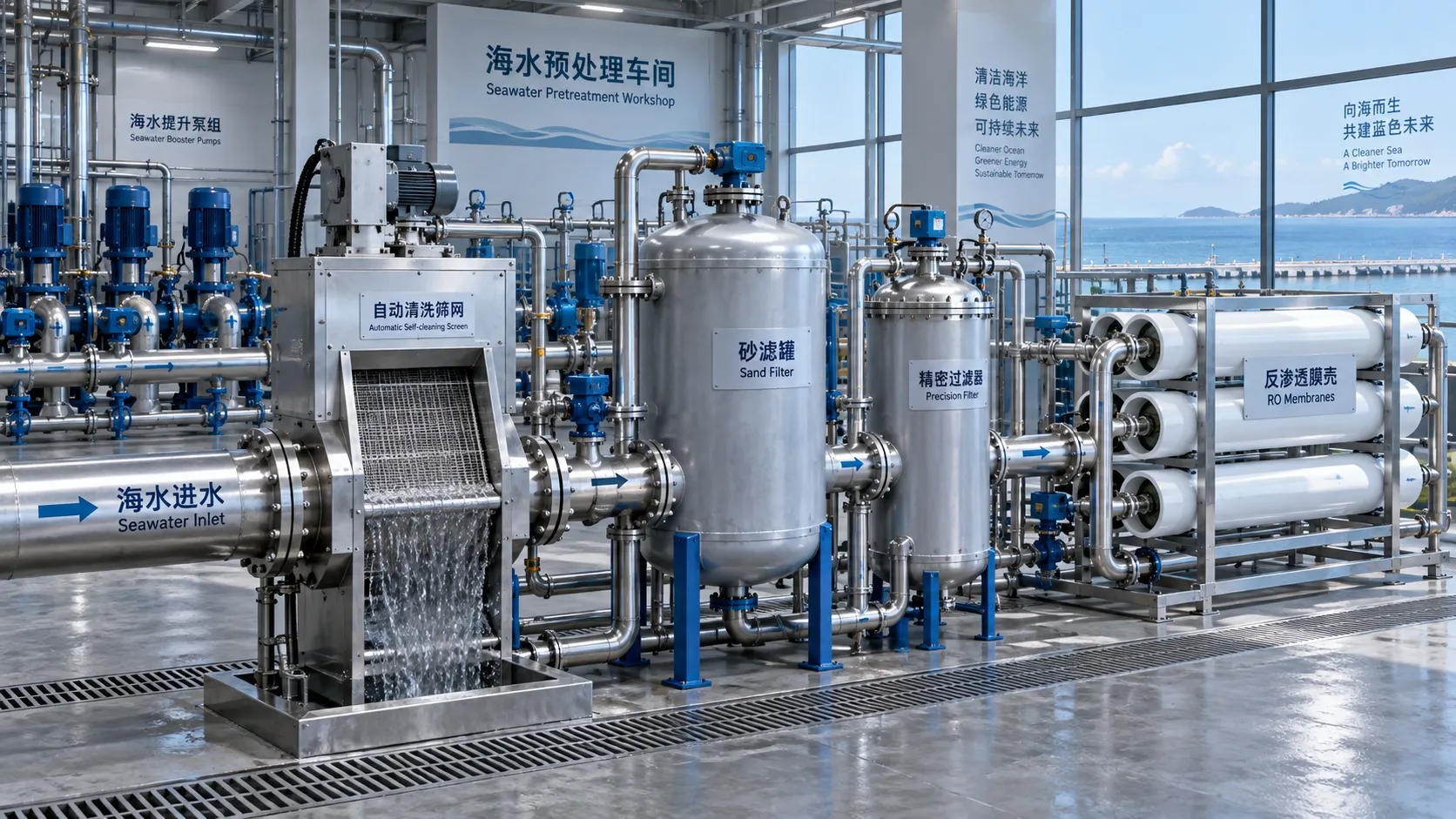
How to Improve Industrial Seawater Quality Before Cooling or Membrane Treatment
How can I improve the quality of seawater used for industrial processes? Explore proven pretreatment strategies for cooling systems and RO membranes.