
Industry News
Curation by industry experts
Hot Articles
Popular Tags
Heavy Metal Recovery Equipment Specifications: Cost Risks Behind Oversizing
Heavy Metal Recovery Equipment Specifications: where does oversizing really start?
In industrial water treatment and resource recovery, specifications often look like neutral engineering facts.
In reality, heavy metal recovery equipment specifications shape budget exposure from day one.
That is especially true in projects tied to ZLD, hazardous waste reduction, or closed-loop recovery targets.
A larger reactor, thicker alloy, higher redundancy level, or broader design envelope may seem prudent.
But oversizing rarely stays inside the purchase order.
It raises installation scope, utility load, spare parts value, maintenance complexity, and compliance validation effort.
Across the sectors tracked by ESD, from large wastewater plants to solid waste recovery systems, the same pattern appears.
When specification inflation is approved too early, lifecycle returns become harder to defend later.
So the practical question is not whether robust design matters.
It does.
The real issue is whether heavy metal recovery equipment specifications match the actual feed, recovery target, and regulatory path.
Are heavy metal recovery equipment specifications only a technical issue?
Not at all.
They are financial assumptions written in engineering language.
For example, capacity margins influence equipment size, civil work, and future idle asset risk.
Material selection affects not just corrosion resistance, but replacement cost and procurement lead time.
Automation level can lower operator dependence, yet it may also increase integration cost and software dependency.
In actual projects, heavy metal recovery equipment specifications usually cover several layers:
- Influent variability, including pH, temperature, solids, and metal concentration swings.
- Recovery performance, such as purity, yield, discharge limits, and by-product handling.
- Mechanical design, including metallurgy, pressure class, redundancy, and wear protection.
- Utility demand, including power, chemical dosing, compressed air, and water reuse loops.
- Compliance proof, including reporting, traceability, and audit readiness.
Once these items are overstated, the cost model expands in every direction.
That is why ESD often frames specification review as a strategic intelligence task, not a drafting exercise.
Why do oversized specifications look safe on paper but weak in returns?
Because most approval documents reward visible safety margins and hide invisible utilization losses.
A system designed for extreme conditions that occur twice a year may underperform financially every other day.
The common argument is simple: more headroom means less operational risk.
The missing part is whether that headroom is cheaper than targeted pretreatment, buffering, or phased expansion.
Consider a metal-bearing wastewater line with unstable upstream chemistry.
Oversizing the core recovery unit may not solve the root problem.
It may simply transfer process instability into higher CAPEX and lower load factor.
The table below shows where heavy metal recovery equipment specifications often drift beyond justified need.
The pattern is consistent.
Oversizing is often approved because downside scenarios are visible, while underutilization remains abstract until commissioning.
Which parts of heavy metal recovery equipment specifications deserve the hardest review?
The critical review points are usually not the headline numbers.
They sit in assumptions buried under design margins.
A useful review starts with feed realism.
If influent data comes from short sampling windows, the specification may be compensating for uncertainty rather than true need.
That tends to produce larger reactors, broader chemical dosing ranges, and more conservative materials.
Another pressure point is recovery economics.
Some projects target metal recovery efficiency that sounds impressive but has weak market value at the margin.
Recovering the last few percentage points can demand disproportionately expensive polishing stages.
More common review questions include:
- Was the design basis built on average, peak, or worst-hour data?
- Are upset conditions better managed upstream than in the main recovery unit?
- Does the selected metallurgy match actual corrosion mapping?
- Is purity linked to resale value, internal reuse, or only a theoretical target?
- Does redundancy protect compliance, or merely protect preference?
In sectors observed by ESD, especially desalination brine treatment and complex industrial wastewater, those questions often separate robust design from expensive caution.
How do compliance and future regulations affect specification choices?
This is where many approvals become too defensive.
Regulatory uncertainty is real, especially where discharge limits, hazardous residue rules, or cross-border carbon costs may tighten.
Still, future-proofing does not always mean buying the highest specification now.
A more disciplined approach is to separate current compliance from upgrade readiness.
For instance, heavy metal recovery equipment specifications can allow nozzle space, control logic reserve, or modular expansion paths.
That approach keeps adaptation possible without locking full future cost into present CAPEX.
ESD’s intelligence model is useful here because environmental compliance is no longer local and static.
CBAM pressure, stricter recovery traceability, and more rigorous reporting standards can change project economics after award.
The practical takeaway is clear.
Approve flexibility where regulation is moving, but challenge blanket overspecification where uncertainty is being used as a substitute for analysis.
When comparing bids, what signals suggest specification inflation?
The easiest signal is weak traceability between process data and final equipment size.
If the proposal shows generous margins but no quantified rationale, that is a warning sign.
Another signal is too much value concentrated in premium hardware, with little attention to controllable upstream variables.
In practical terms, compare bids using the questions below.
A bid becomes easier to trust when each major specification has a visible operational or compliance reason.
If that chain is missing, cost risk is usually hiding behind technical language.
What is the most practical approval approach before capital is locked in?
Start by treating heavy metal recovery equipment specifications as a decision map, not a fixed truth.
The strongest approvals usually test three things together: process need, compliance need, and economic need.
That means reviewing not only nameplate capacity and recovery efficiency, but also utilization assumptions and expansion logic.
A disciplined next step can include the following checklist:
- Validate feed data quality and confirm seasonal or batch-driven variability.
- Separate must-have compliance features from optional future upgrades.
- Stress-test utility cost, maintenance cost, and spare inventory assumptions.
- Ask whether upstream control can reduce the need for oversized core equipment.
- Compare phased expansion against full first-stage buildout.
In short, better heavy metal recovery equipment specifications are not simply smaller.
They are better aligned.
Where alignment is strong, CAPEX is easier to justify, operating risk is easier to manage, and compliance strategy remains flexible.
That is the point worth carrying into the next review round.
Before approval, organize the design basis, challenge every oversized margin, and confirm which specifications truly protect value over the full asset life.
Recommended News
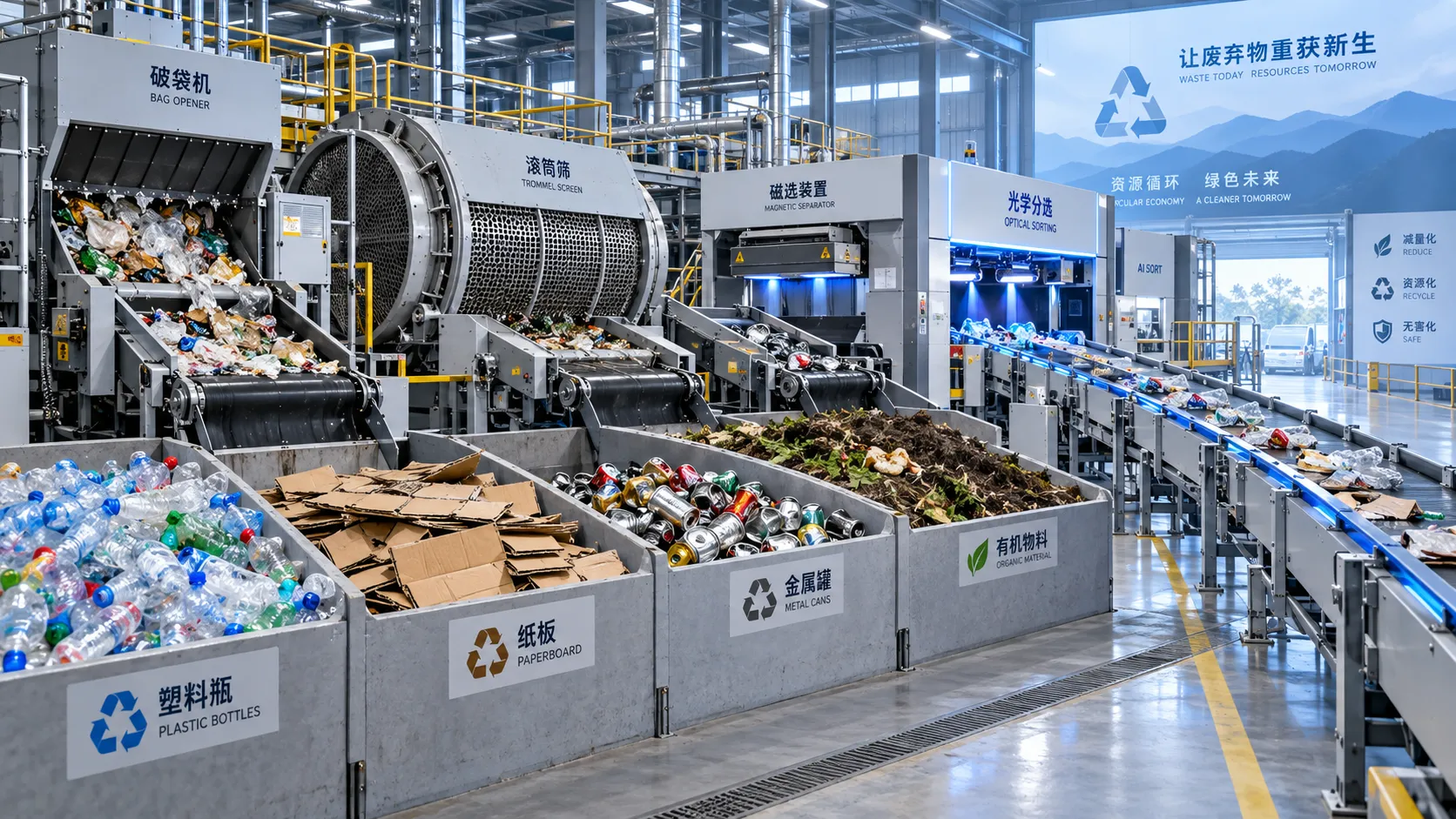
How to choose solid waste equipment based on waste stream characteristics
Environmental equipment guide for solid waste: discover how to match sorting, treatment, and recovery equipment to waste composition, moisture, contamination, and output goals.
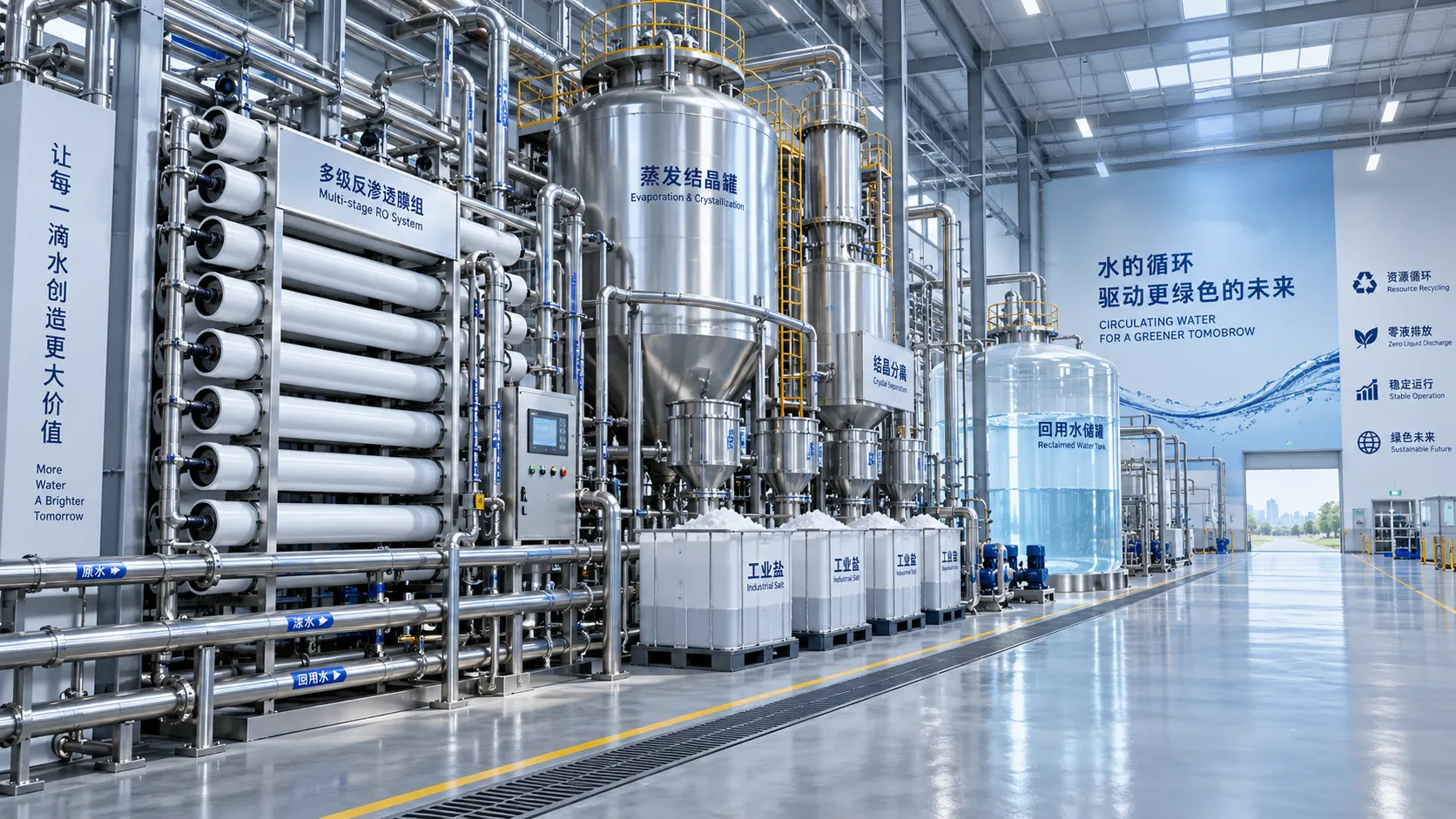
When does high recovery ZLD equipment justify its higher capital cost?
High recovery ZLD equipment can justify higher capital cost when water scarcity, discharge risks, brine disposal, and downtime threaten operations. Explore the decision factors.

How high purity heavy metal recovery affects recovered metal value
High purity heavy metal recovery boosts recovered metal value by improving payability, reducing penalties, and unlocking stronger buyer opportunities. Explore smarter netback strategies.
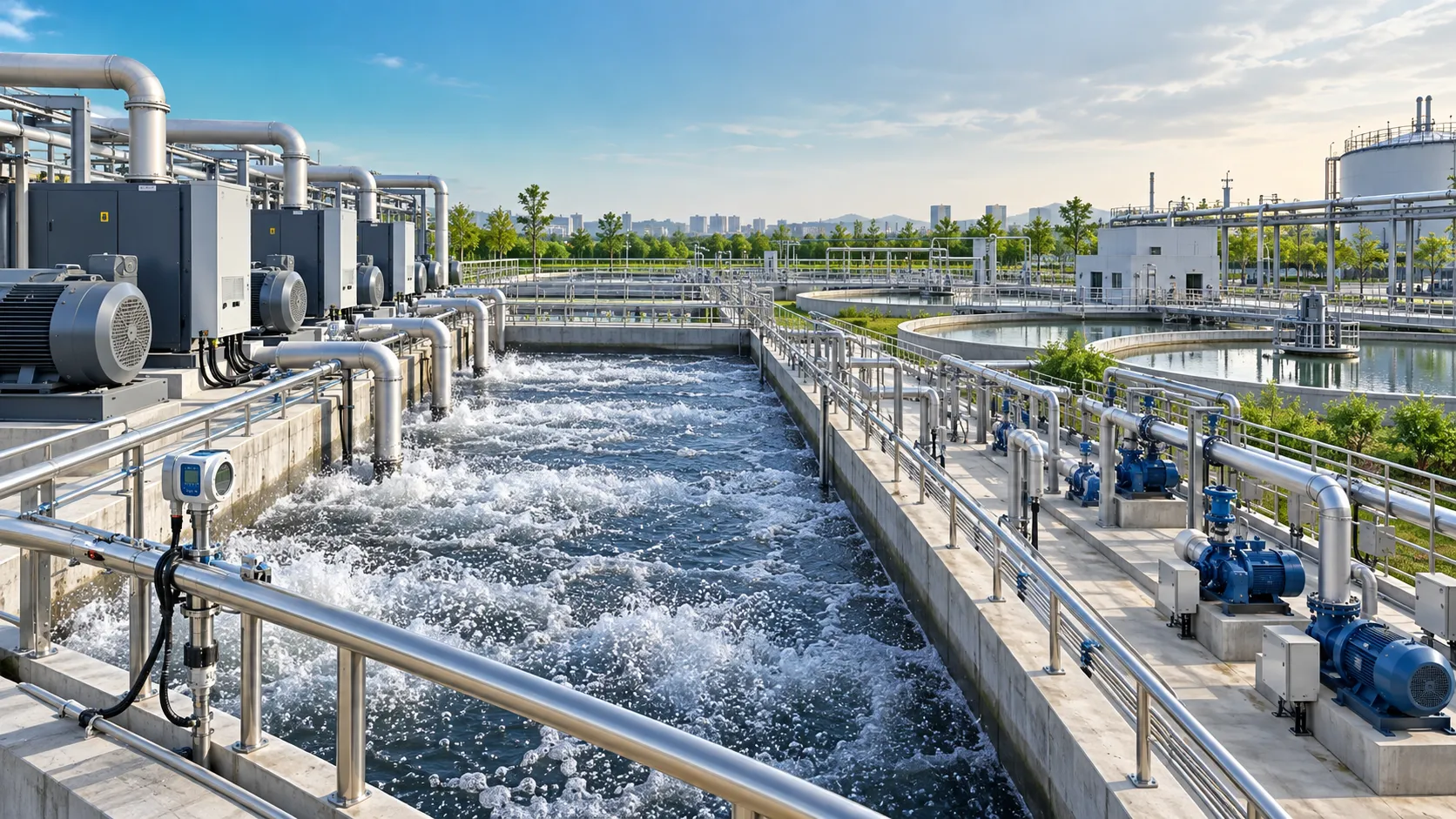
When does environmental equipment intelligence reduce wastewater plant energy use?
Environmental equipment intelligence for wastewater plants cuts energy use through smarter aeration, pumping, and data-driven controls—without compromising compliance. Discover when it delivers measurable savings.
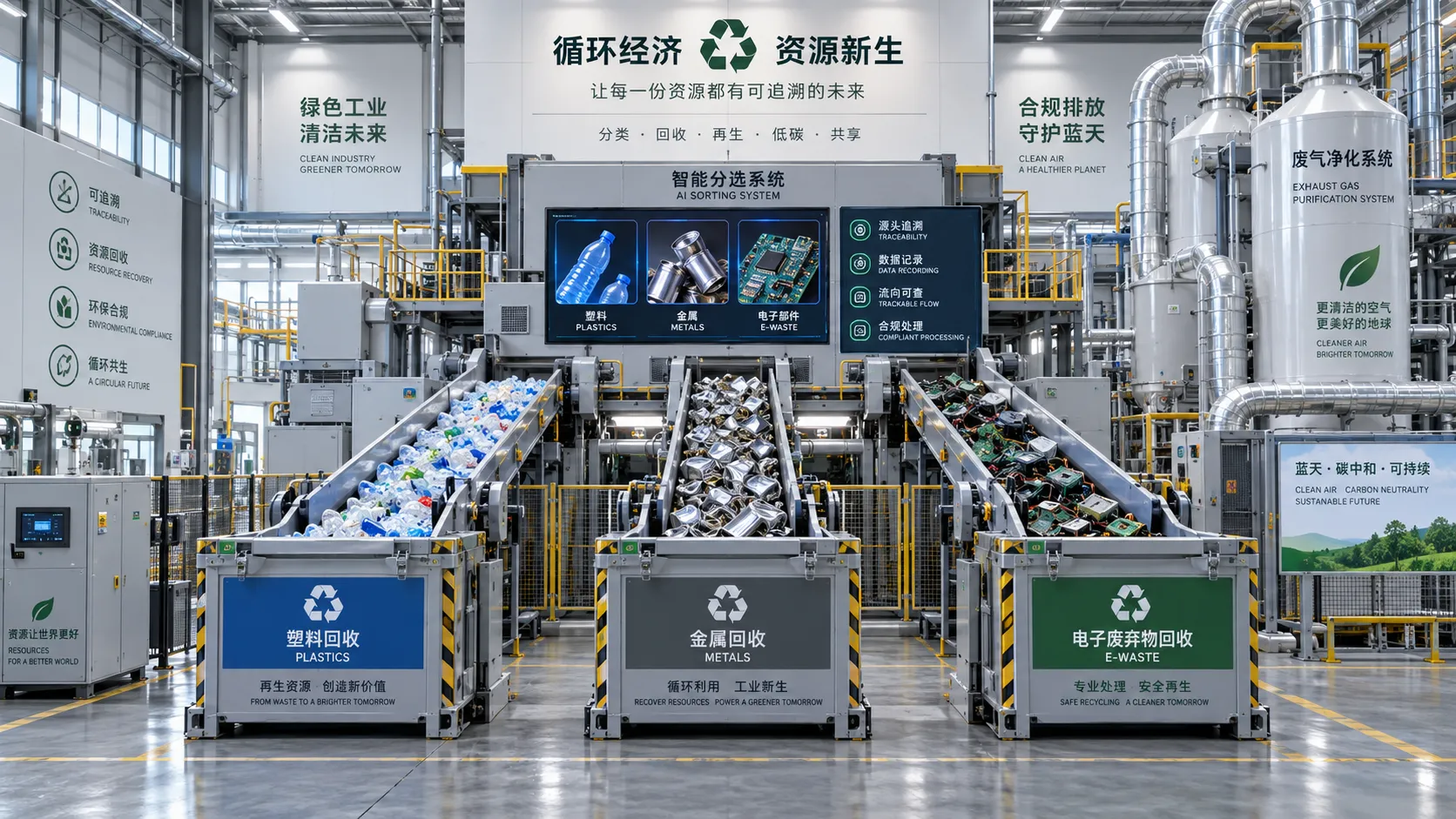
Waste Management and Circular Economy Regulations to Watch in 2025–2026
Recent regulatory updates in waste management and circular economy 2025-2026: explore PPWR, EPR, waste shipments, PFAS controls, and practical compliance steps.
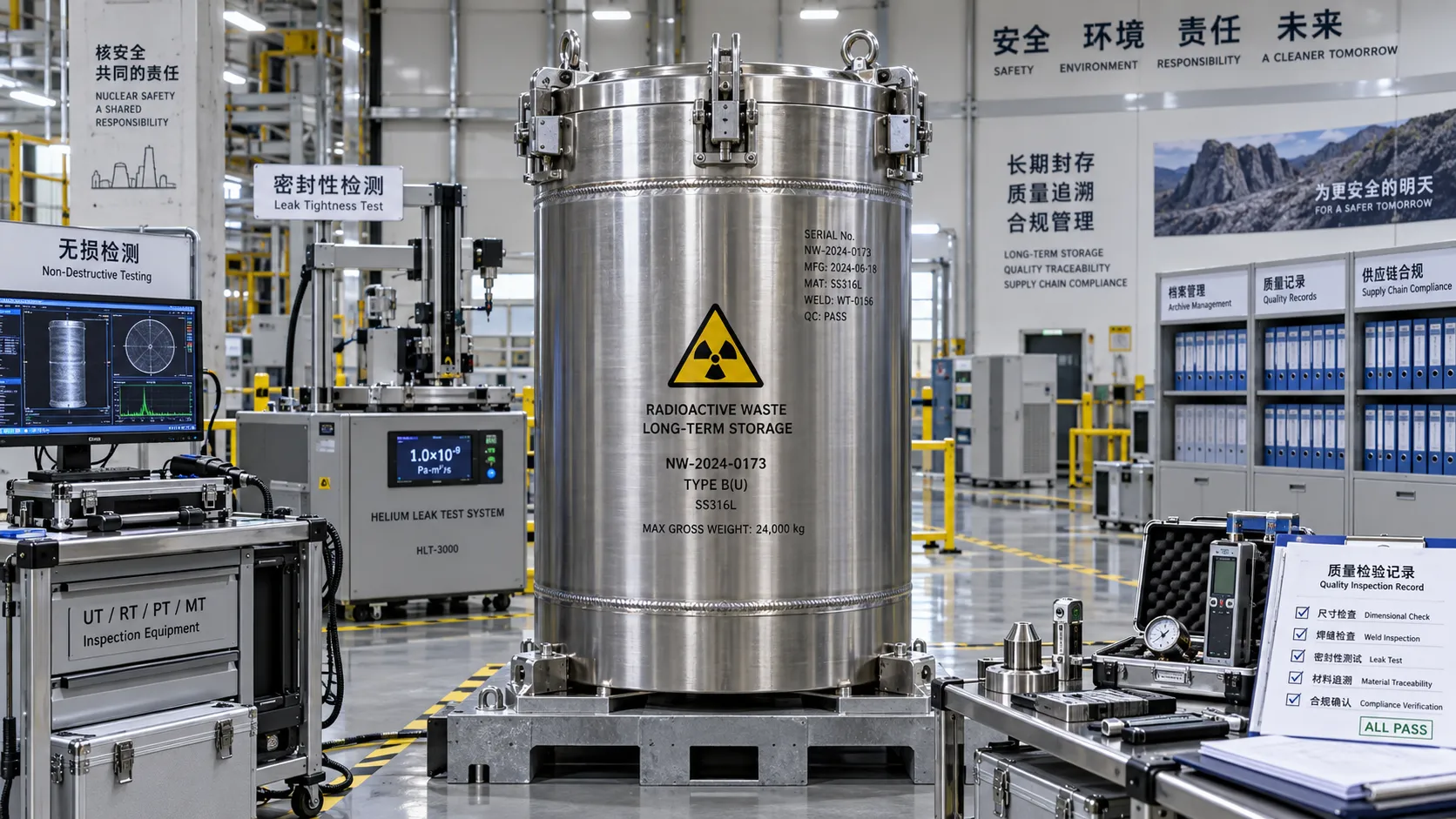
How to Qualify Nuclear Waste Supply Chain Partners for Long-Term Projects
Nuclear waste supply chain partner qualification: learn how to verify technical capability, compliance, traceability, resilience, and lifecycle support for long-term projects.
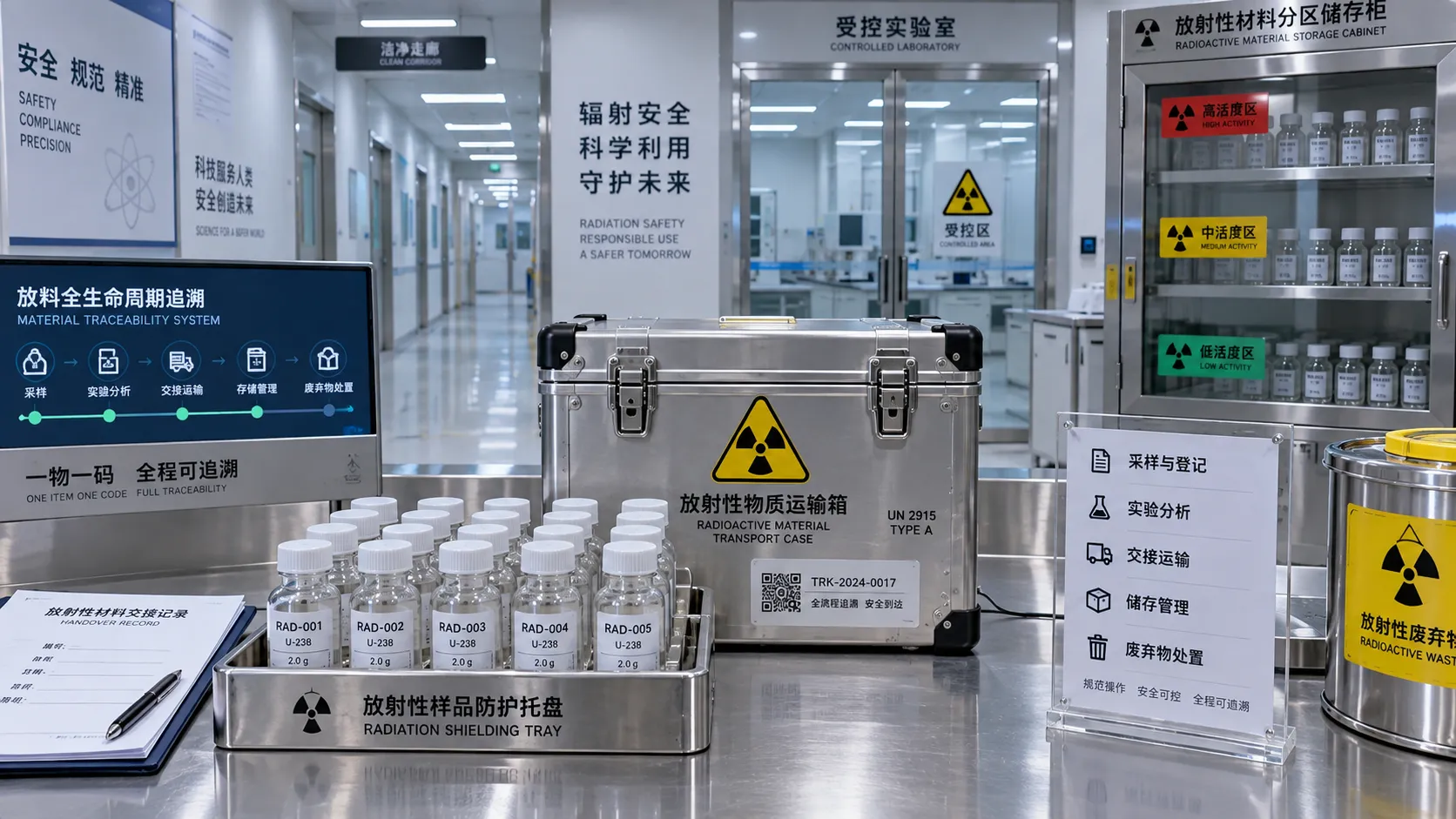
Choosing a Radioisotope Management System for Multi-Site Research Facilities
Radioisotope management system guide for multi-site research facilities: compare traceability, chain of custody, waste controls, roles, and integrations.
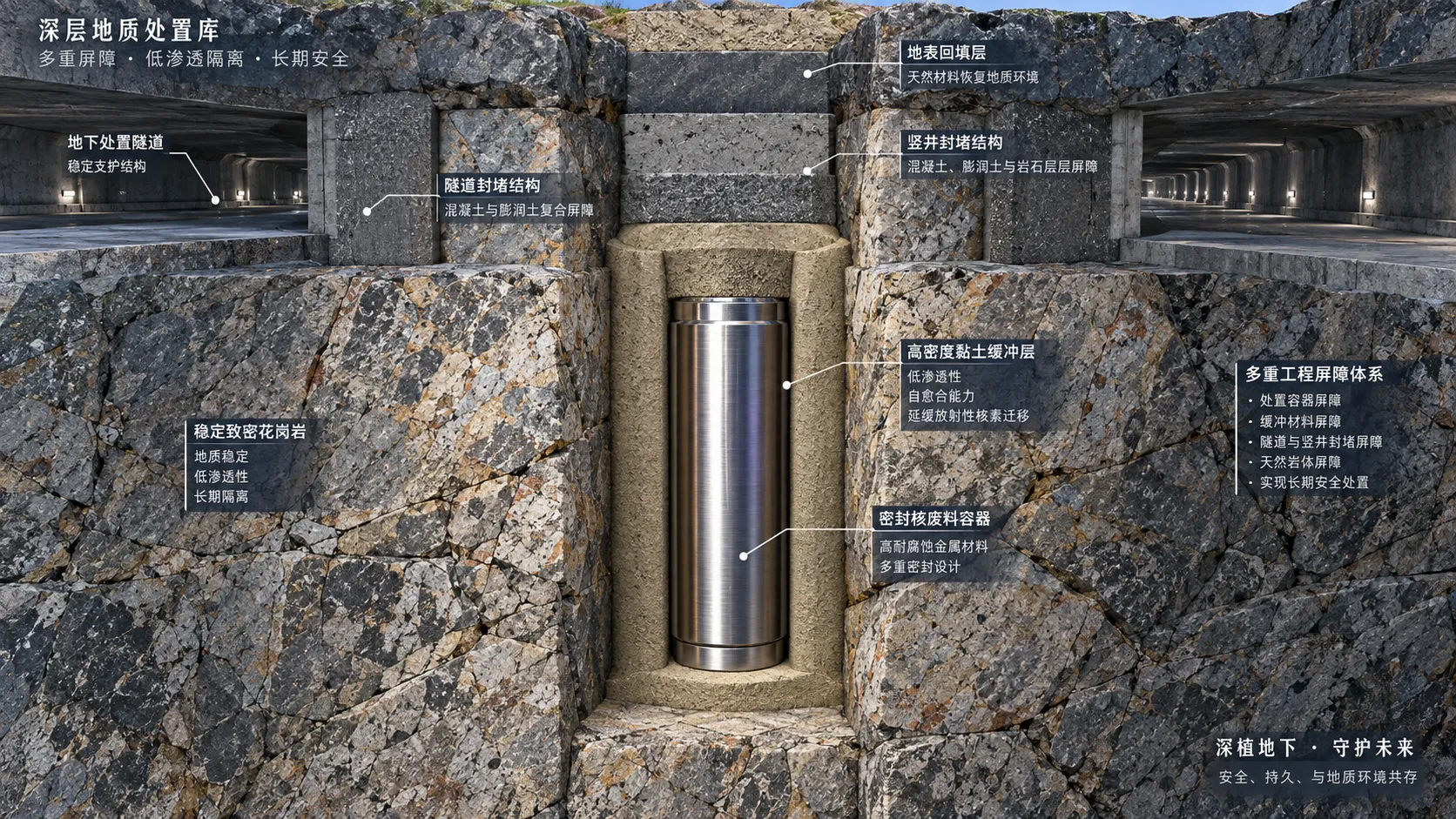
Applying C. McCombie’s Disposal Principles to Long-Lived Radioactive Waste
Explore principles and standards for the disposal of long-lived radioactive wastes C. McCombie, covering geological isolation, engineered barriers, safety cases, and intergenerational protection.
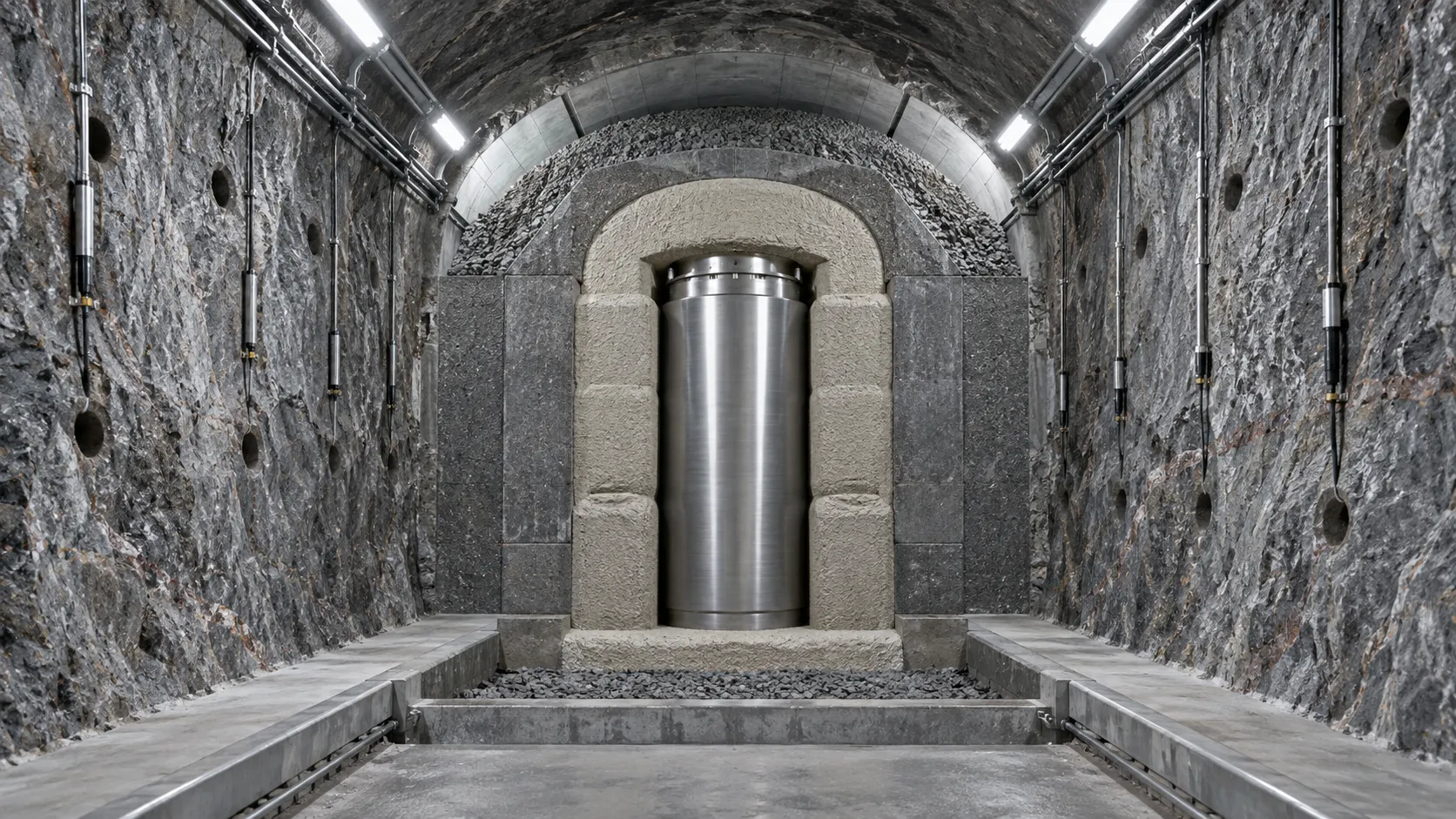
What Evidence Supports the Long-Term Safety Case for Geological Disposal?
Long-term safety of geological disposal: explore the evidence behind multi-barrier systems, site science, uncertainty testing, and auditable safety cases.