
Industry News
Curation by industry experts
Hot Articles
Popular Tags
Advanced Oxidation Processes for Municipal Sewage: When Do They Improve COD Removal?
Advanced oxidation processes attract steady attention in municipal sewage upgrading because they promise deeper oxidation of refractory organics. Yet better oxidation does not automatically mean lower COD at plant scale.
That gap matters as discharge limits tighten, reuse targets expand, and utilities look for robust polishing steps beyond conventional biology. In large treatment projects, the real question is not whether AOPs are powerful, but when they improve COD removal enough to justify energy, chemicals, and complexity.
From the perspective of ESD’s water treatment intelligence work, this is a classic boundary problem. It sits between reaction kinetics, influent variability, compliance pressure, and the economics of full-scale environmental infrastructure.
Why COD removal is not a simple oxidation question
COD is a bulk indicator. It measures the oxygen equivalent needed to chemically oxidize organic and some inorganic substances in water.
Because it is a lumped parameter, COD does not reveal which fraction is easy to biodegrade, which fraction is inert, and which fraction is only partially oxidizable.
This is where advanced oxidation processes can be misunderstood. AOPs generate highly reactive radicals, usually hydroxyl radicals, sometimes sulfate radicals, that attack complex molecules quickly.
However, radical attack may mineralize pollutants, fragment them, or transform them into smaller intermediates. Not every pathway produces immediate COD reduction visible in routine plant monitoring.
In some cases, advanced oxidation processes improve biodegradability more than direct COD removal. That can still be valuable, but only if the downstream process can capture that benefit.
Where advanced oxidation processes fit in municipal sewage trains
Municipal sewage plants already remove a large share of COD through primary settling and biological treatment. The remaining COD often contains soluble microbial products, humic-like substances, trace industrial residues, and color-causing compounds.
That residual fraction is exactly why advanced oxidation processes enter discussion during tertiary upgrading, water reuse planning, or difficult permit negotiations.
Typical configurations include ozone, UV/H2O2, Fenton, photo-Fenton, catalytic ozonation, and persulfate-based systems. Their performance differs sharply with pH, alkalinity, suspended solids, and dissolved organic composition.
In practical terms, AOPs tend to create the most credible COD gains in three situations: when biology leaves a stubborn soluble fraction, when industrial co-loading introduces refractory compounds, and when reclaimed water quality needs move beyond standard discharge compliance.
Most common plant-level objectives
- Reduce non-biodegradable residual COD after secondary treatment.
- Improve biodegradability before a biological polishing step.
- Control color, odor, micropollutants, and reuse-related organics together.
- Stabilize effluent quality under fluctuating industrial inflow conditions.
When AOPs usually deliver measurable COD improvement
The strongest results usually appear when the influent to oxidation is already clarified and biologically treated. Low suspended solids allow oxidants and photons to act on dissolved targets instead of being wasted on particle shielding.
AOPs also perform better when the remaining COD is chemically resistant but still oxidizable. This often includes aromatic compounds, surfactant residues, dye-like substances, and certain pharmaceutical intermediates.
Another favorable case is a combined strategy. Advanced oxidation processes may break large molecules into biodegradable fragments, followed by biofiltration, activated carbon with biological activity, or membrane bioreactor polishing.
That sequence can outperform oxidation alone because the plant captures both transformation and final removal. In effect, COD reduction becomes a system result, not just a reactor result.
Sites with seasonal toxicity spikes can also benefit. If industrial discharges intermittently inhibit biomass, a well-placed oxidation stage may protect biological stability and indirectly improve whole-train COD performance.
When advanced oxidation processes disappoint
Poor outcomes are common when oxidation is asked to compensate for weak upstream treatment. High solids, colloids, and fresh biodegradable organics consume radicals rapidly and inflate operating cost.
High alkalinity is another issue. Bicarbonate and carbonate scavenge hydroxyl radicals, lowering effective oxidation strength. Plants with elevated alkalinity often need higher doses or different chemistry.
The same caution applies to chloride-rich or bromide-containing waters. Ozone-based systems may form byproducts that complicate compliance, especially when reclaimed water standards are strict.
COD can also plateau because partial oxidation stops short of mineralization. The water may become less colored or more biodegradable, while routine COD only falls modestly.
In municipal networks with strong industrial infiltration, variability can become the central problem. AOP settings tuned for average conditions may underperform during shock loads and become uneconomic during normal loads.
Warning signs before scale-up
- Bench tests report color removal but weak COD improvement.
- Oxidant demand rises sharply with small influent changes.
- No downstream unit exists to use improved biodegradability.
- The compliance case depends on a narrow removal margin.
What should be checked before selecting an AOP route
A useful evaluation starts with fractionation, not vendor claims. Separate total COD into particulate, colloidal, soluble biodegradable, and soluble refractory fractions before judging oxidation value.
Biodegradability indicators matter as much as COD itself. BOD/COD ratio shifts, oxygen uptake trends, and respirometry after oxidation often reveal whether the process is creating removable intermediates.
Matrix chemistry must also be mapped carefully. pH, alkalinity, UV transmittance, nitrate, chloride, bromide, iron, and natural organic matter all affect advanced oxidation processes.
Full-scale economics should reflect total system impact. That includes chemical dose, energy demand, sludge from Fenton routes, quenching needs, corrosion control, automation burden, and operator skill requirements.
ESD’s intelligence lens is useful here because municipal upgrades increasingly intersect with carbon accounting, reuse policy, and resilience planning. AOP value is stronger when those pressures reinforce each other.
A practical screening framework
- Confirm the residual COD fraction that biology cannot remove.
- Test advanced oxidation processes on real, variable effluent samples.
- Measure both direct COD reduction and post-AOP biodegradability change.
- Check byproducts, bromate risk, sludge generation, and quench demand.
- Compare standalone oxidation with integrated oxidation-bio polishing.
- Model operating cost under seasonal and industrial load variation.
How the decision changes across municipal scenarios
A conventional city plant aiming only for standard discharge may find limited value in advanced oxidation processes for COD alone. The incremental removal can be too expensive compared with optimizing biology or filtration.
A coastal reuse project is different. There, oxidation may support COD polishing, odor control, trace contaminant reduction, and membrane protection in one coordinated upgrade pathway.
Industrial-municipal mixed systems form a third category. These plants often face irregular refractory loads, making advanced oxidation processes more credible as a targeted barrier or polishing step.
That is why good decisions depend on treatment context, not on technology reputation. The same AOP can be strategic in one sewage plant and unnecessary in another.
A grounded way forward
Advanced oxidation processes improve municipal sewage COD removal when they address the right residual fraction, sit in the right process position, and support a broader treatment objective.
They are weakest when used as a universal fix for poor upstream control or when evaluation stops at laboratory oxidation rates. Plant-scale value comes from integration, not from radical chemistry alone.
The next step is usually straightforward: define the refractory COD problem precisely, test oxidation on representative effluents, and compare direct removal against whole-train improvement. That approach creates a clearer basis for upgrade decisions, compliance planning, and long-term asset strategy.
Recommended News
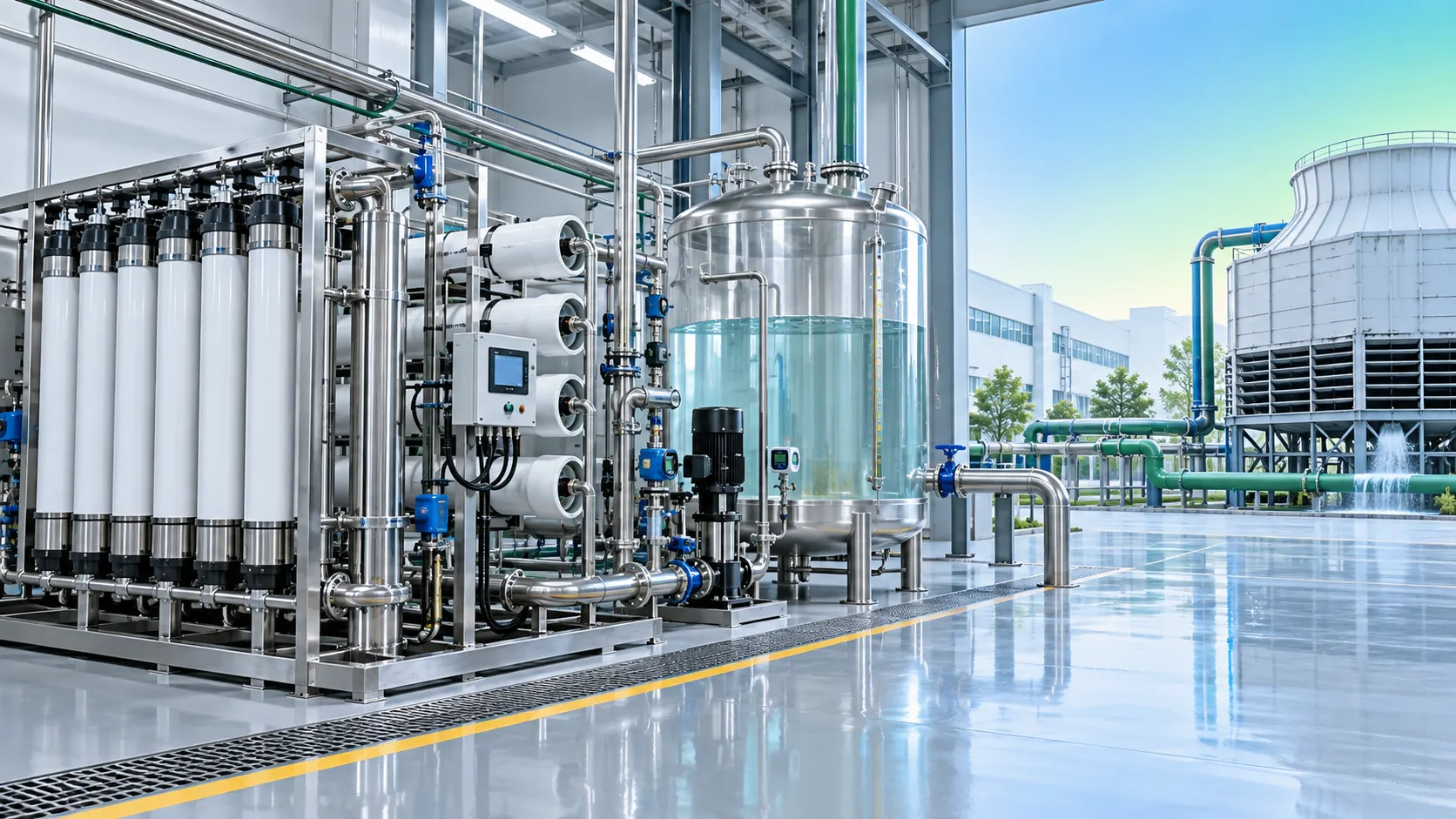
When do water reuse systems deliver a practical payback?
Water reuse systems deliver practical payback when they cut water, discharge, and downtime costs. Learn how to match treatment, recovery, and reuse quality for lasting ROI.
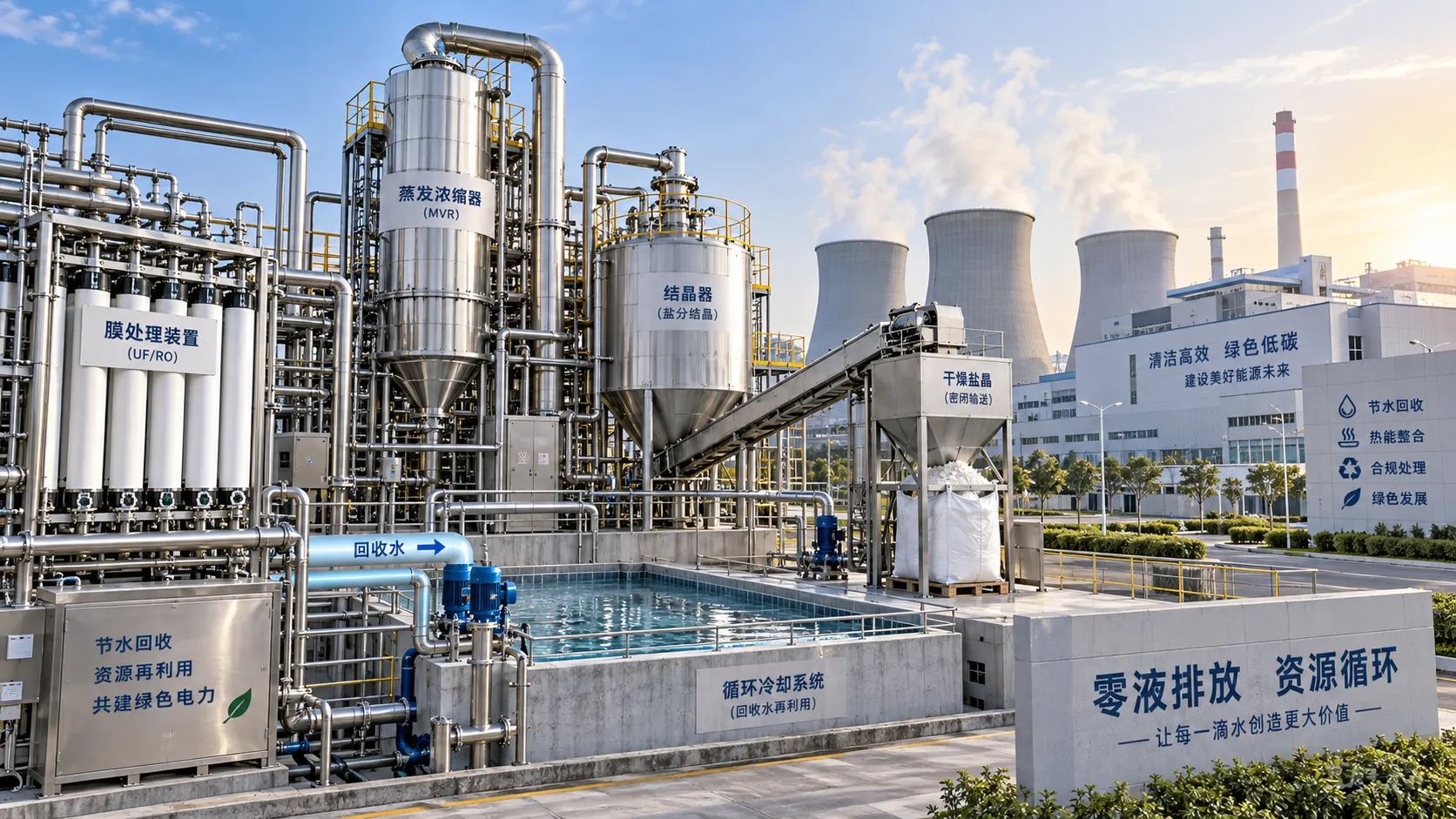
When do ZLD systems for power generation justify their energy use?
ZLD systems for power generation: learn when energy-intensive water recovery delivers stronger compliance, resilience, and long-term value.
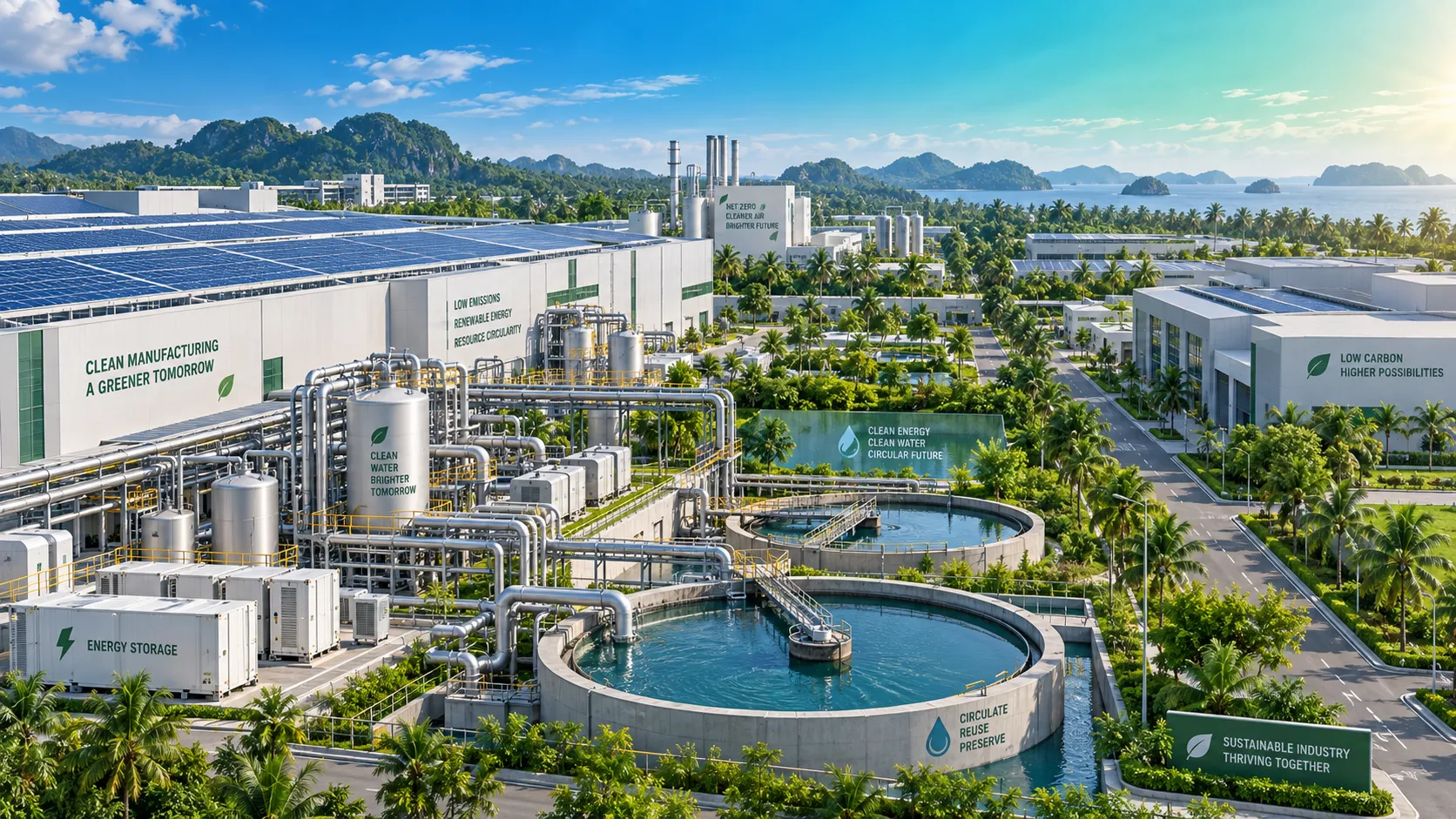
Which decarbonization pathways are most viable in Southeast Asia?
Decarbonization Southeast Asia: discover practical pathways for clean power, efficiency, electrification, circular recovery, and resilient industrial growth.
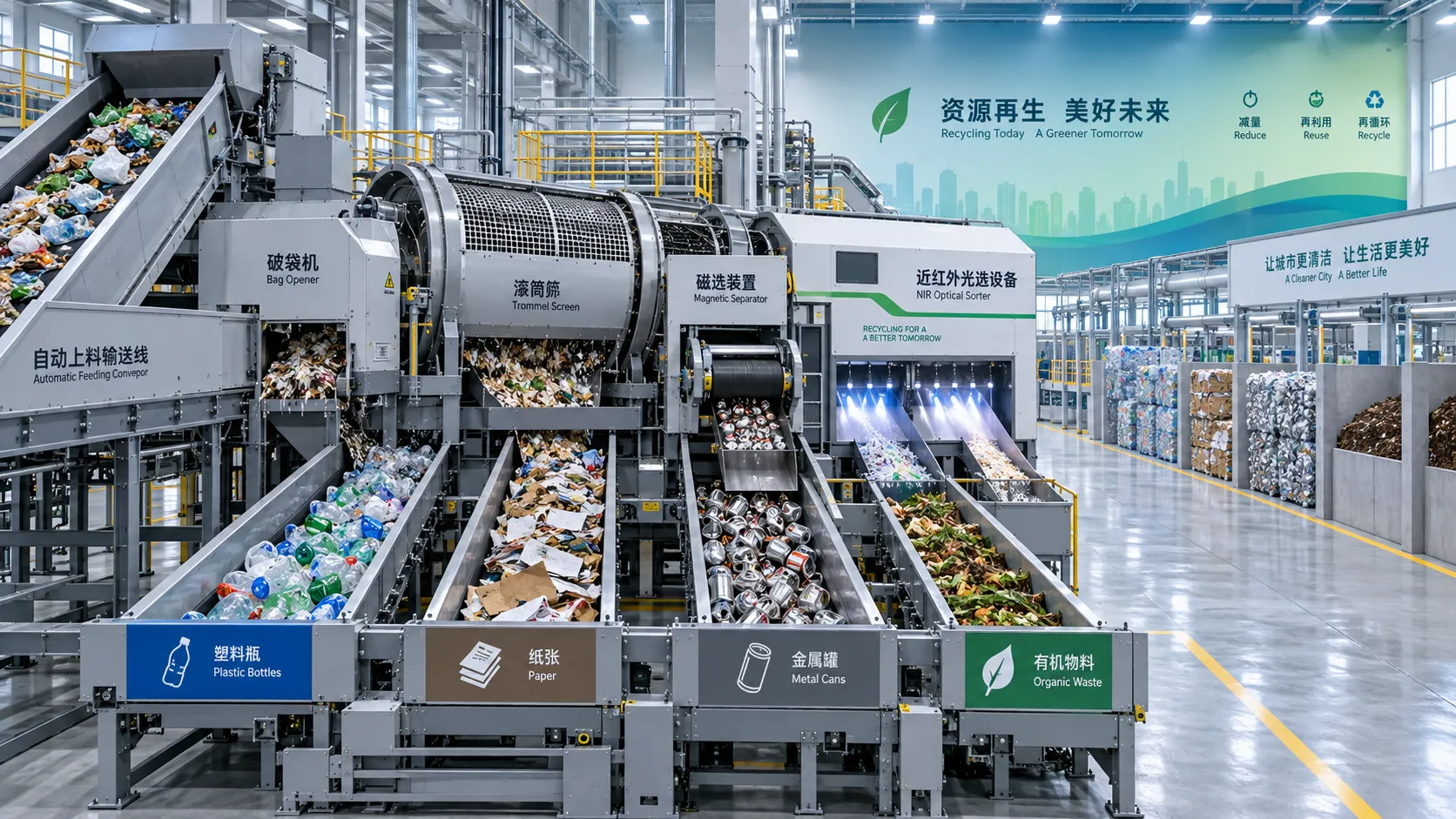
How to choose waste sorting equipment for mixed municipal waste
Waste sorting equipment selection guide for mixed municipal waste: compare technologies, improve recovery, reduce downtime, and build reliable output streams.
How to verify standards in an environmental equipment directory
environmental equipment directory standards reference: learn to verify certifications, performance evidence, scope, and project fit for confident, compliant equipment selection.
When high flux membrane water treatment justifies a larger footprint
High flux membrane water treatment can justify a larger footprint when variable feedwater, fouling risk, and uptime demands require resilient, lower-flux operation.
RO vs MED desalination: which is more energy-efficient at scale?
Desalination technology comparison: RO vs MED at scale. See how energy use, waste heat, feedwater, carbon, and flexibility determine the best choice.
Which ISO standards apply to flue gas treatment systems?
Flue gas treatment systems ISO standards: explore key requirements for emissions testing, CEMS, safety, fabrication, corrosion control, and compliant project evaluation.

When corrosion resistant purification systems are needed for brine treatment
Corrosion resistant purification systems for brine treatment: assess chloride, heat, scaling, materials, and lifecycle reliability for demanding water projects.