
Industry News
Curation by industry experts
Hot Articles
Popular Tags
Municipal Sewage Treatment Upgrades: Cost Triggers and Retrofit Priorities
Municipal Sewage Treatment Upgrades: What is really driving retrofit budgets now?
Municipal sewage upgrades used to follow a familiar logic: replace old assets, add capacity, and move on. That logic is no longer enough.
Today, municipal sewage projects sit under tighter discharge rules, energy price volatility, carbon pressure, and public expectations for resilience during storms and peak inflow events.
The cost question is not simply how much a retrofit costs. The more useful question is what starts the spending, which units create the highest risk, and where staged upgrades protect compliance best.
That is why the strongest decisions now combine process data, asset condition, lifecycle economics, and regulatory intelligence rather than relying on nameplate age alone.
Within the broader ecological engineering landscape observed by ESD, municipal sewage is part of a larger infrastructure chain where purification efficiency, resource recovery, and compliance strategy increasingly intersect.
When does a municipal sewage plant move from routine maintenance to real upgrade territory?
A plant usually crosses that line when operating fixes stop solving structural problems. The warning signs tend to appear well before an emergency shutdown.
One common trigger is repeated permit pressure. If effluent nitrogen, phosphorus, TSS, or emerging contaminant indicators are trending closer to limits, the retrofit clock has started.
Another trigger is energy intensity. Many municipal sewage facilities carry hidden cost through oversized aeration, aging blowers, poor automation, and pumping inefficiency.
Hydraulic instability matters too. Wet weather surges, infiltration and inflow, and uneven loading can push clarifiers, biological tanks, and disinfection units beyond safe operating windows.
In practice, the strongest justification often comes from several small failures combining into one large budget problem.
- Ongoing permit risk raises the cost of waiting.
- Rising electricity use erodes lifecycle value.
- Unplanned downtime increases contractor dependency.
- Aging controls reduce process visibility and response speed.
- Sludge handling bottlenecks create downstream operational stress.
More often than not, municipal sewage retrofits begin because the plant can still run, but can no longer run cheaply, predictably, or defensibly.
Which cost triggers deserve attention first, and which ones are often underestimated?
Capital cost gets the headlines, but retrofit decisions are usually shaped by operating consequences. Some of the most expensive problems arrive quietly.
Aeration is a classic example. In many municipal sewage plants, it remains the largest single energy consumer. A blower upgrade may look expensive upfront, yet delayed action can lock in years of avoidable power spend.
Instrumentation is another underestimated item. Poor DO control, unreliable online nutrient analyzers, or outdated SCADA can force operators into conservative settings that waste energy and chemicals.
Sludge management also changes the cost picture quickly. If dewatering performance drops or hauling costs rise, a seemingly secondary system becomes a primary financial trigger.
The table below helps sort common municipal sewage cost triggers by urgency and retrofit logic.
This kind of ranking matters because municipal sewage retrofits rarely fail from one giant oversight. They fail from underestimating linked costs across energy, compliance, and maintainability.
If budgets are limited, which retrofit priorities usually deliver the best return?
The best return usually comes from units that influence both compliance and operating cost. That narrows the field faster than broad wish lists.
For many municipal sewage facilities, aeration and controls sit near the top. They affect nutrient removal stability, power demand, and operator workload at the same time.
Headworks can also be a smart early move. Better screening and grit removal reduce wear downstream and protect pumps, blowers, and biological performance.
Clarification units deserve close review where solids carryover appears during peaks. A clarifier retrofit may be more valuable than adding biological volume if settling is the real bottleneck.
For plants facing stricter nutrient rules, sidestream treatment and process control upgrades can outperform larger civil expansion in early phases.
- Prioritize units with direct permit impact.
- Favor upgrades that cut energy and labor exposure.
- Look for bottlenecks that limit existing assets.
- Stage work to avoid stranded future investment.
In other words, municipal sewage retrofit priorities should be sequenced around bottleneck relief, not around whichever asset looks oldest on paper.
How should retrofit options be compared: replace equipment, optimize the process, or expand capacity?
This is where many upgrade programs lose discipline. A capacity expansion can look decisive, but it may solve the wrong problem if controls and loading patterns are the real issue.
A useful comparison starts with three questions. Is the constraint mechanical, biological, or hydraulic? Is the cost recurring or event driven? Can performance improve before concrete is added?
Equipment replacement works best when reliability is failing and process design is still broadly suitable. Process optimization is stronger when sensors, control logic, or air distribution are outdated.
Capacity expansion becomes justified when verified load growth, stricter limits, and peak flow conditions exceed what optimization can realistically recover.
ESD’s intelligence perspective is useful here because municipal sewage decisions increasingly connect to wider themes: carbon intensity, circular resource recovery, resilience planning, and regulatory convergence across regions.
That wider view helps prevent a narrow retrofit from becoming an expensive dead end two permit cycles later.
What mistakes tend to inflate municipal sewage upgrade costs after approval?
One frequent mistake is treating design flow as the only sizing basis. Municipal sewage performance often depends more on peak hydraulics, seasonal temperature shifts, and influent variability than annual averages.
Another mistake is ignoring constructability. Retrofit work inside live plants can create shutdown windows, bypass risk, temporary pumping needs, and safety constraints that quickly reshape budget reality.
It is also risky to underinvest in data collection before selecting technology. Short monitoring campaigns can miss nutrient spikes, sludge behavior changes, or industrial discharge effects.
Then there is the spare parts issue. New equipment that looks efficient on paper may create supply vulnerability if local service support is weak.
A practical pre-approval checklist usually includes:
- Verified load and flow data across seasons.
- Energy baseline by major process unit.
- Failure history for rotating and control assets.
- Phasing plan for construction in operation.
- Lifecycle review of chemicals, sludge, and service availability.
These checks sound basic, but they often separate a manageable municipal sewage retrofit from a project that keeps reopening its budget.
What is the smartest next step before locking the retrofit scope?
Start with a ranked decision map rather than a shopping list. The goal is to link each municipal sewage upgrade candidate to one measurable problem, one cost trigger, and one expected performance gain.
That map should separate urgent compliance actions from efficiency opportunities and from longer-range resilience investments. Once those categories are clear, phasing becomes easier and budget debates become more factual.
It also helps to compare at least three scenarios: minimum compliance, optimized retrofit, and future-ready expansion. The middle option often produces the best balance.
For municipal sewage systems under pressure from stricter standards and higher operating costs, the winning strategy is rarely the biggest project. It is the clearest one.
A well-scoped review should clarify where the real bottleneck sits, which retrofit priority carries the fastest operational payback, and which decisions must remain flexible for future regulations.
That is the point where cost control, compliance confidence, and long-term asset value begin to align.
Recommended News
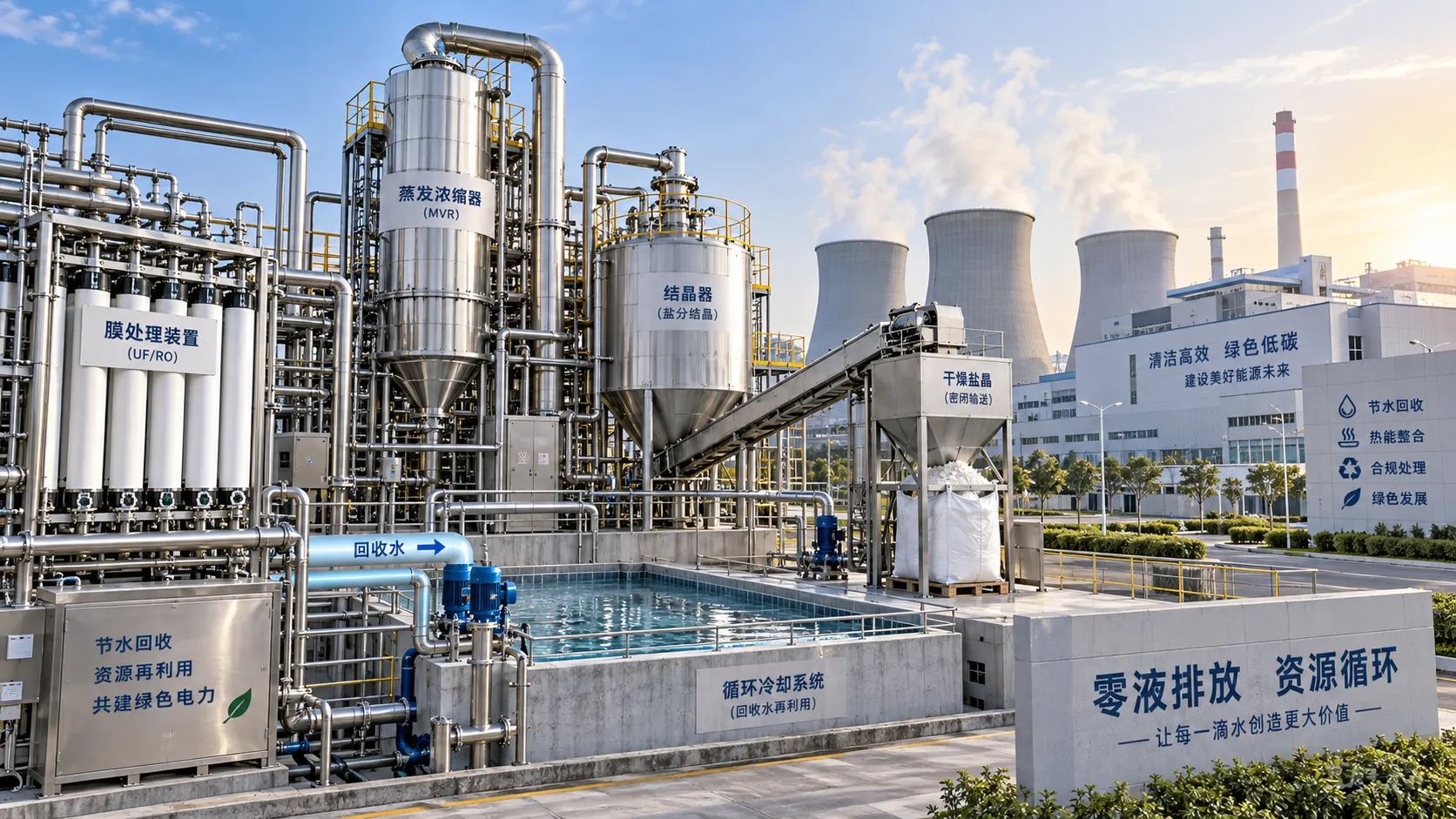
When do ZLD systems for power generation justify their energy use?
ZLD systems for power generation: learn when energy-intensive water recovery delivers stronger compliance, resilience, and long-term value.
Which decarbonization pathways are most viable in Southeast Asia?
Decarbonization Southeast Asia: discover practical pathways for clean power, efficiency, electrification, circular recovery, and resilient industrial growth.
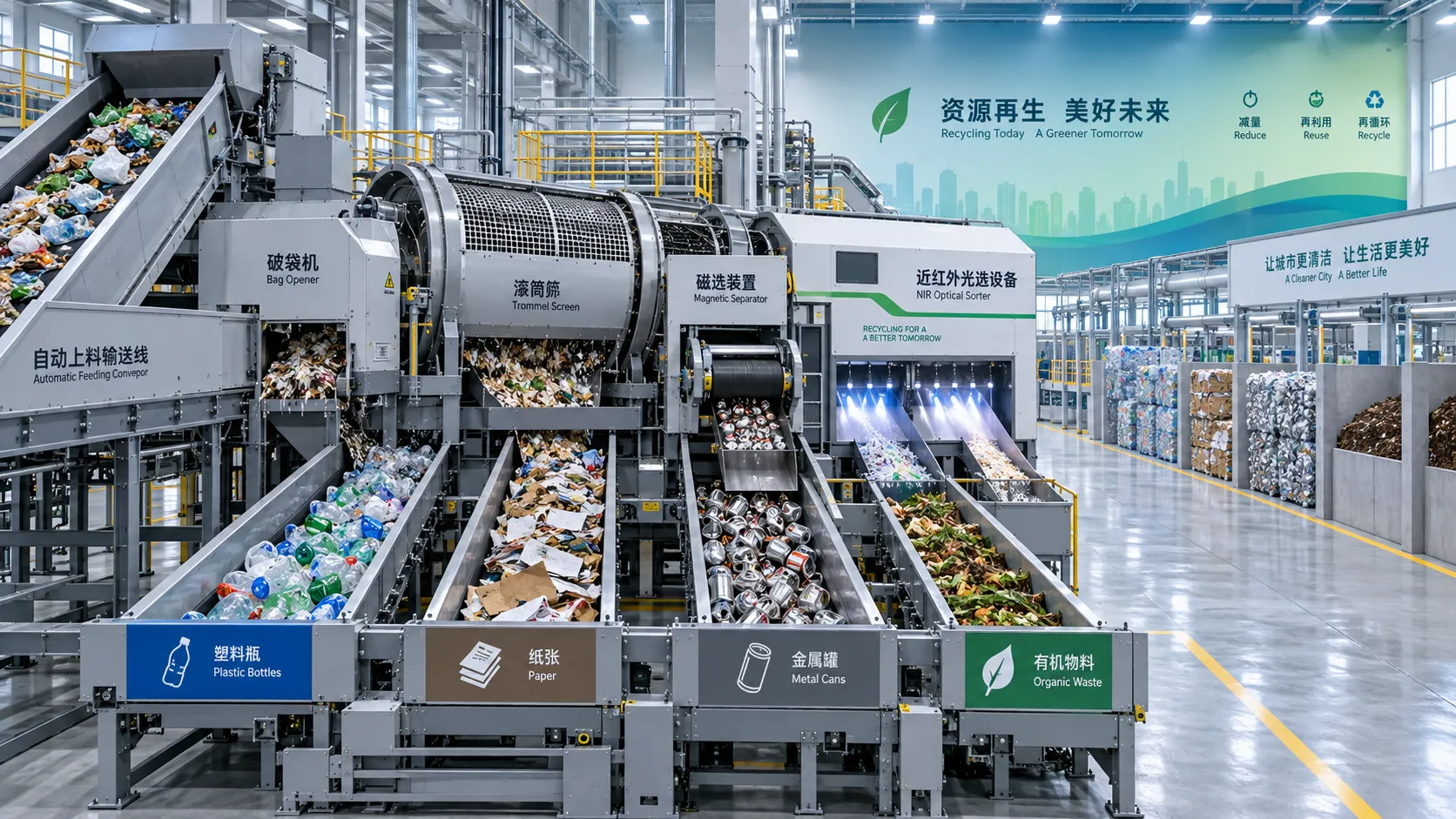
How to choose waste sorting equipment for mixed municipal waste
Waste sorting equipment selection guide for mixed municipal waste: compare technologies, improve recovery, reduce downtime, and build reliable output streams.
How to verify standards in an environmental equipment directory
environmental equipment directory standards reference: learn to verify certifications, performance evidence, scope, and project fit for confident, compliant equipment selection.
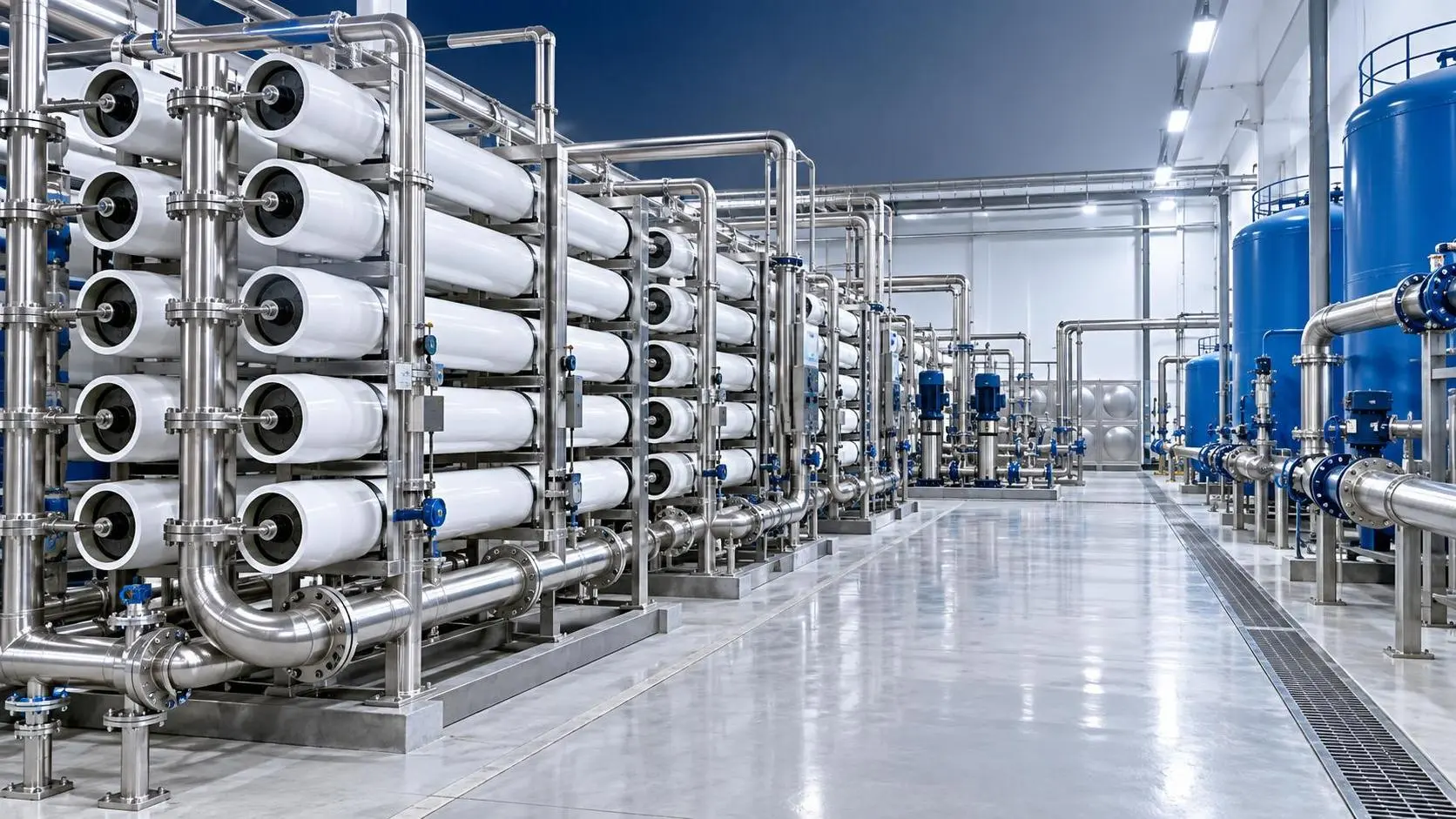
When high flux membrane water treatment justifies a larger footprint
High flux membrane water treatment can justify a larger footprint when variable feedwater, fouling risk, and uptime demands require resilient, lower-flux operation.
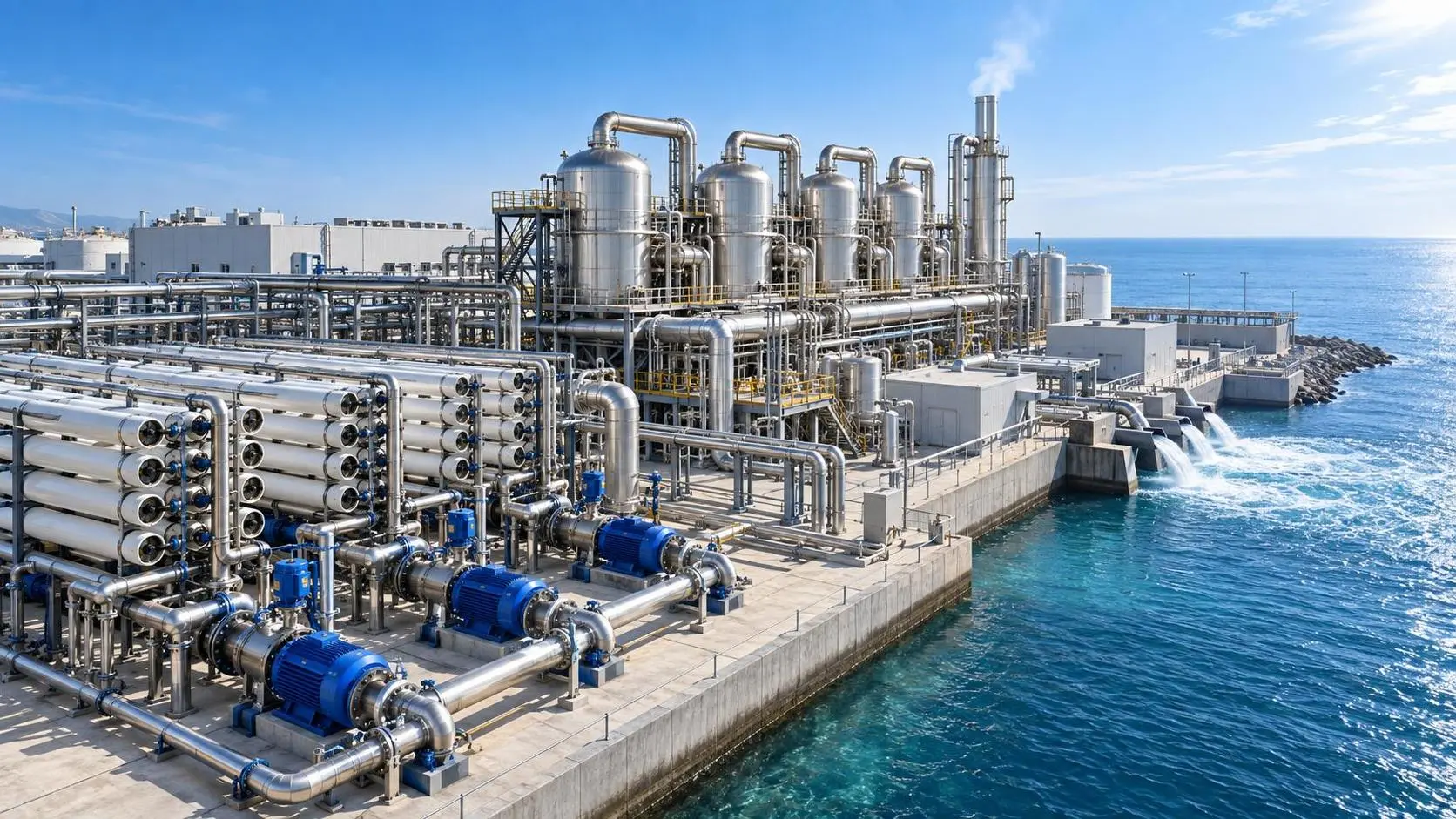
RO vs MED desalination: which is more energy-efficient at scale?
Desalination technology comparison: RO vs MED at scale. See how energy use, waste heat, feedwater, carbon, and flexibility determine the best choice.
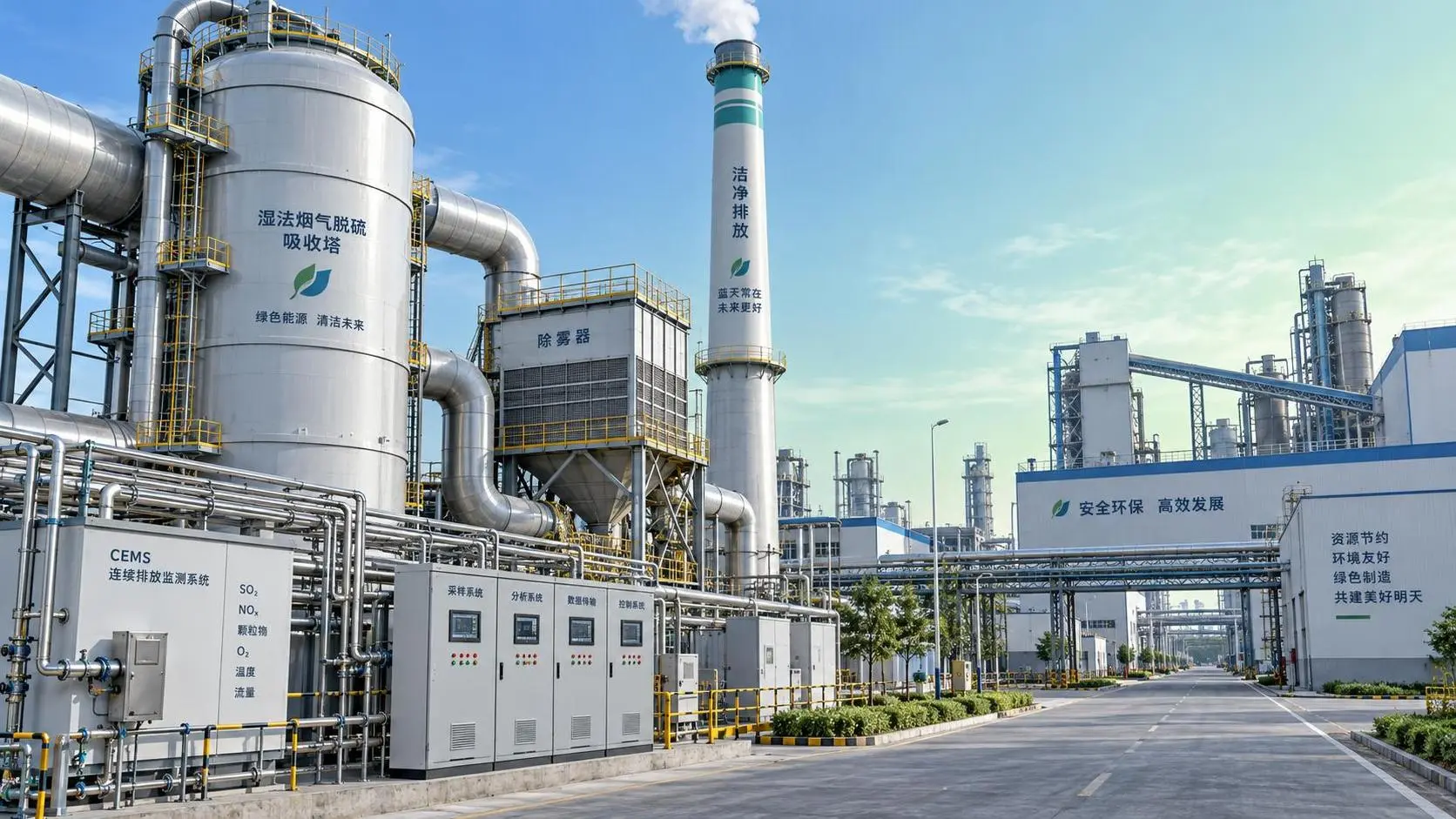
Which ISO standards apply to flue gas treatment systems?
Flue gas treatment systems ISO standards: explore key requirements for emissions testing, CEMS, safety, fabrication, corrosion control, and compliant project evaluation.

When corrosion resistant purification systems are needed for brine treatment
Corrosion resistant purification systems for brine treatment: assess chloride, heat, scaling, materials, and lifecycle reliability for demanding water projects.

How preventive maintenance reduces seawater desalination equipment downtime
Seawater desalination equipment maintenance reduces downtime through proactive monitoring, pretreatment protection, and planned repairs. Explore practical strategies for reliable RO performance.