
Industry News
Curation by industry experts
Hot Articles
Popular Tags
Which membrane filtration process suits dairy protein concentration?
Ultrafiltration (UF) is usually the right starting point for dairy protein concentration because it retains milk proteins while allowing much of the water, lactose, and soluble salts to pass into the permeate. A dairy line seeking higher protein content can therefore use UF to change composition, rather than simply remove water. Choose microfiltration (MF) when the objective is casein–whey fractionation, and reverse osmosis (RO) when the objective is concentrating total solids without substantially changing their relative proportions.
The distinction matters when a concentrate meets its total-solids target but still contains too much lactose, or when increasing concentration causes flux to collapse before the required protein level is reached. Evaluating membrane filtration for dairy starts with defining the product specification, then checking whether the proposed separation can achieve it at a sustainable viscosity, protein recovery, and cleaning frequency.
Define the protein target before selecting the membrane
“Higher protein” can describe two different requirements: more protein per kilogram of liquid product, or a higher protein percentage within the product’s dry matter. RO can achieve the first by removing water, but generally cannot achieve the second because it also retains lactose and most dissolved minerals. UF can increase both liquid protein concentration and protein purity on a dry-solids basis.
Before comparing equipment, specify:
- Feed identity: skim milk, whole milk, sweet whey, acid whey, or another dairy stream, including seasonal composition changes.
- Product composition: protein concentration in the liquid, protein percentage of dry matter, lactose limit, and mineral requirements.
- Protein functionality: required solubility, heat stability, gelation, or preservation of native whey proteins.
- Downstream constraints: viscosity limits for pumping, evaporation, drying, blending, or further fractionation.
- Recovery boundary: whether protein recovery is measured across the membrane skid alone or across production, displacement, and cleaning operations.
Feed history is part of this specification. Heat treatment can change protein aggregation and membrane behavior; residual fat, curd fines, and mineral loading can alter fouling. Trials using a cleaner or less heat-affected feed than the production stream may give misleading results.
Match the separation mechanism to the product
UF for retaining the protein fraction
For skim milk, UF retains casein and whey proteins together. For clarified whey, it retains whey proteins while allowing much of the lactose to pass. These are different feeds, so the same membrane designation does not guarantee comparable flux, fouling, or final composition.
Nominal molecular-weight cutoff is a screening parameter, not a complete selectivity specification. Protein transmission depends on membrane chemistry, pore distribution, protein condition, and the deposited layer that develops during processing. A tighter membrane may improve retention but reduce permeability; a more open membrane may raise throughput while allowing unacceptable protein loss. Selection requires measured protein rejection and product functionality under representative conditions.
MF when the protein ratio must change
MF is appropriate when the target is a casein-rich retentate and a whey-protein-containing permeate. The permeate can then undergo UF to concentrate the transmitted whey proteins. In this arrangement, MF performs fractionation and UF performs protein concentration.
Not every dairy MF installation performs the same duty. Bacterial reduction, fat removal, and casein–whey separation require different membrane selections and operating conditions. A proposal described only as “microfiltration for dairy” is insufficient: it should identify which components enter each outlet and the expected recovery of each protein fraction.
Use diafiltration when concentration alone leaves too much lactose
During UF, retained protein becomes more concentrated, but lactose remains in the liquid held within the retentate. Continuing to remove permeate eventually becomes constrained by viscosity and fouling. Diafiltration addresses the composition limit by adding suitable-quality water while removing permeate, allowing additional lactose and permeable salts to leave without requiring the same increase in protein concentration.
Diafiltration is a washing operation integrated with UF, not a separate membrane class. It may be conducted at approximately constant retentate volume or through staged dilution and reconcentration. The appropriate sequence depends on water availability, membrane area, operating time, and the final composition required.
Do not assume that washing removes all minerals equally. Some minerals are soluble, while others are associated with casein or participate in equilibria influenced by pH and temperature. Excessive or poorly controlled mineral removal can affect downstream heat stability and functionality. Pilot assessment should therefore measure relevant mineral species and product performance, rather than relying only on conductivity.
Water addition also increases the permeate load. A purity improvement that appears attractive at the UF skid may require additional permeate storage, lactose recovery capacity, or wastewater treatment. Include those loads in the process comparison.
Choose operating conditions around the concentration endpoint
A frequent evaluation error is comparing membranes using clean-water permeability or initial feed flux. Neither describes performance at the end of concentration, when protein content and viscosity are highest. Equipment sizing should use a sustainable flux profile across the full cycle, including any diafiltration stage.
Pressure cannot compensate indefinitely for fouling
Increasing transmembrane pressure initially increases permeate flow, but concentration polarization and deposit formation can eventually limit the response. Beyond that region, additional pressure may compact the fouling layer rather than produce useful throughput. Uneven pressure distribution along a module can also expose different membrane sections to different operating conditions.
Evaluate flux against pressure at relevant concentration levels. A small throughput gain accompanied by greater irreversible fouling is not necessarily an improvement. Crossflow can help control surface accumulation, but its pumping demand and heat generation must be included in the assessment.
Temperature creates another trade-off. Warmer operation generally reduces viscosity and can improve permeability, while colder processing may better suit certain product and microbiological objectives. Neither approach is universally preferable. The selected temperature must fit protein functionality, allowable residence time, microbial controls, membrane compatibility, and heating or refrigeration demand.
Module geometry and cleanability belong in the same decision
Spiral-wound polymeric modules are widely used for dairy UF because they provide compact membrane area. Ceramic systems may be attractive where operating conditions, cleaning demands, or feed characteristics justify them. However, material choice alone does not establish hygienic suitability or lifecycle cost.
Compare channel geometry, pressure drop, drainability, seals, allowable cleaning chemistry, replacement access, and compatibility with the complete cleaning-in-place system. Higher-solids feeds may need geometry that tolerates viscosity and suspended material better, even if the installation requires more space or circulation power.
Compare costs per unit of recovered, saleable protein
Membrane area and nominal feed capacity are weak purchasing metrics when considered alone. A more useful comparison is total operating cost per unit of protein delivered within specification. That boundary captures losses and auxiliary loads that can disappear from a simple energy-per-volume calculation.
- Protein losses: measure protein in permeate, displaced product, retained equipment inventory, and unrecovered start-up or shutdown streams.
- Utilities: include circulation pumps, pressure generation, temperature control, diafiltration water, and cleaning.
- Production availability: account for cleaning duration, verified recovery of performance, and interruptions caused by fouling.
- Consumables and maintenance: compare membrane life assumptions, cleaning chemicals, seals, and replacement labor.
- Downstream effects: include evaporation and drying duty, permeate processing, and disposal costs where applicable.
RO may complement UF rather than compete with it. It can preconcentrate some streams or concentrate UF permeate, but its location must be justified by the full mass balance. Preconcentrating a feed also raises the concentration of components that may increase osmotic pressure, viscosity, or fouling in subsequent processing.
UF permeate contains lactose and minerals and should not be treated as recovered process water without further treatment. RO can produce a lower-solids water stream, but reuse requires validation against the intended application, including microbiological and chemical quality. Product-contact reuse demands different controls from non-product-contact utility use.
Require a pilot result that supports equipment sizing
A useful pilot campaign reproduces production feed variability and reaches the intended concentration endpoint. It should also include cleaning and repeated operation; a single successful concentration run does not establish sustainable capacity.
- Close the mass balance. Record feed, retentate, permeate, diafiltration water, and hold-up. Measure protein, lactose, total solids, fat, and relevant minerals in the appropriate streams.
- Track performance throughout concentration. Log flux, transmembrane pressure, crossflow, temperature, pressure drop, and viscosity where practical. Identify where throughput becomes limiting.
- Test the finished concentrate. Verify composition, solubility, heat stability, and other required functional properties after relevant downstream processing.
- Validate cleaning recovery. Compare permeability under standardized conditions before and after cleaning, and separately verify hygienic effectiveness. Restored water flux alone does not demonstrate adequate sanitation.
- Translate results into production capacity. Include cleaning downtime, feed variation, operating limits, and realistic membrane aging assumptions rather than scaling from the highest observed flux.
The resulting decision should be specific: UF for concentrating the retained milk or whey protein fraction; UF with diafiltration when lactose removal and dry-basis protein purity require washing; MF followed by UF when protein fractionation is necessary; and RO when water removal, rather than selective protein enrichment, is the objective. Require suppliers to demonstrate that chosen route at the final product specification—not merely at an attractive initial throughput.
Recommended News
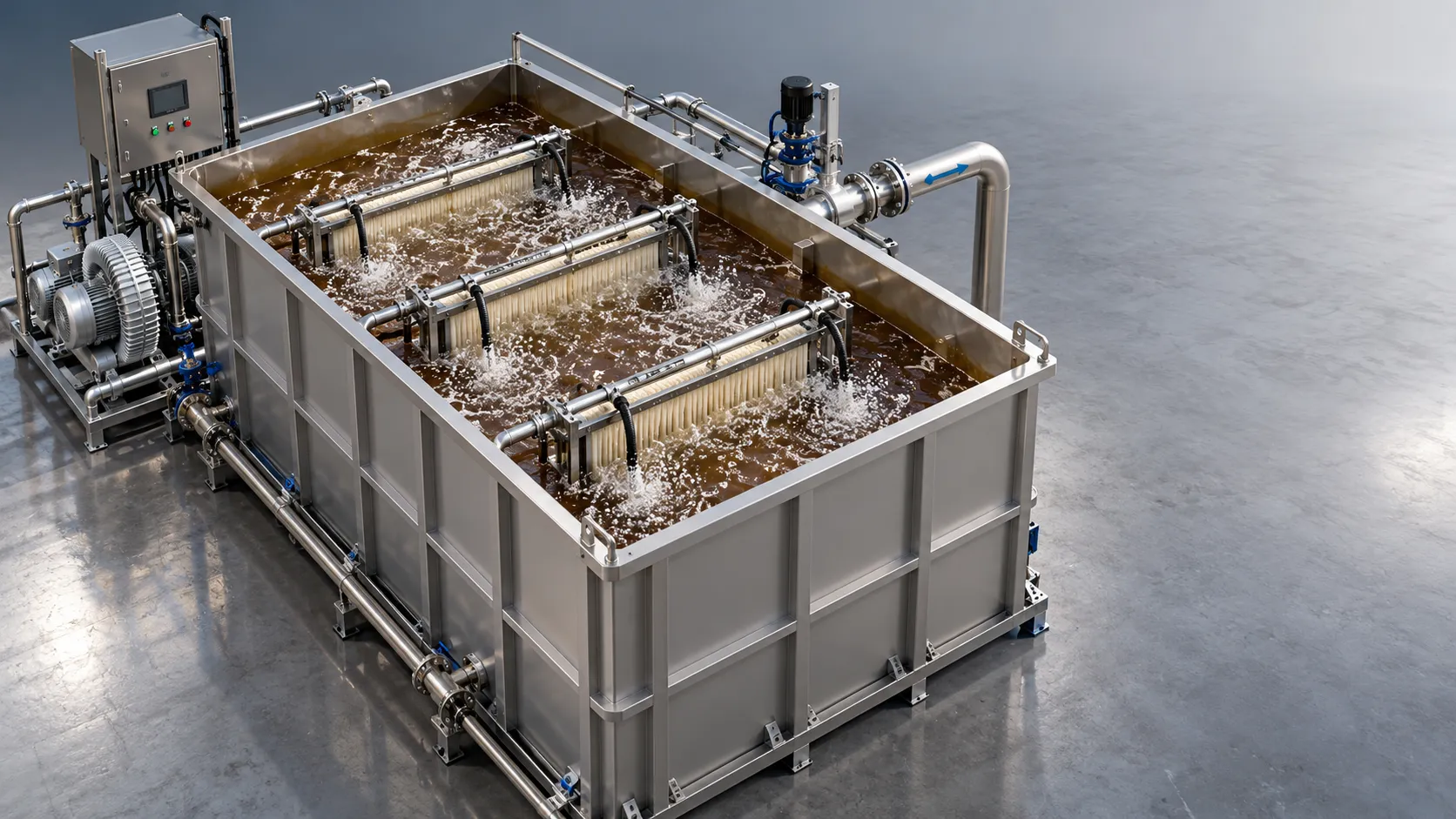
When is an MBR suitable for wastewater purification for bioprocessing?
For wastewater purification for bioprocessing, discover when an MBR fits your needs. Compare water quality, fouling risks, and lifecycle costs before investing.
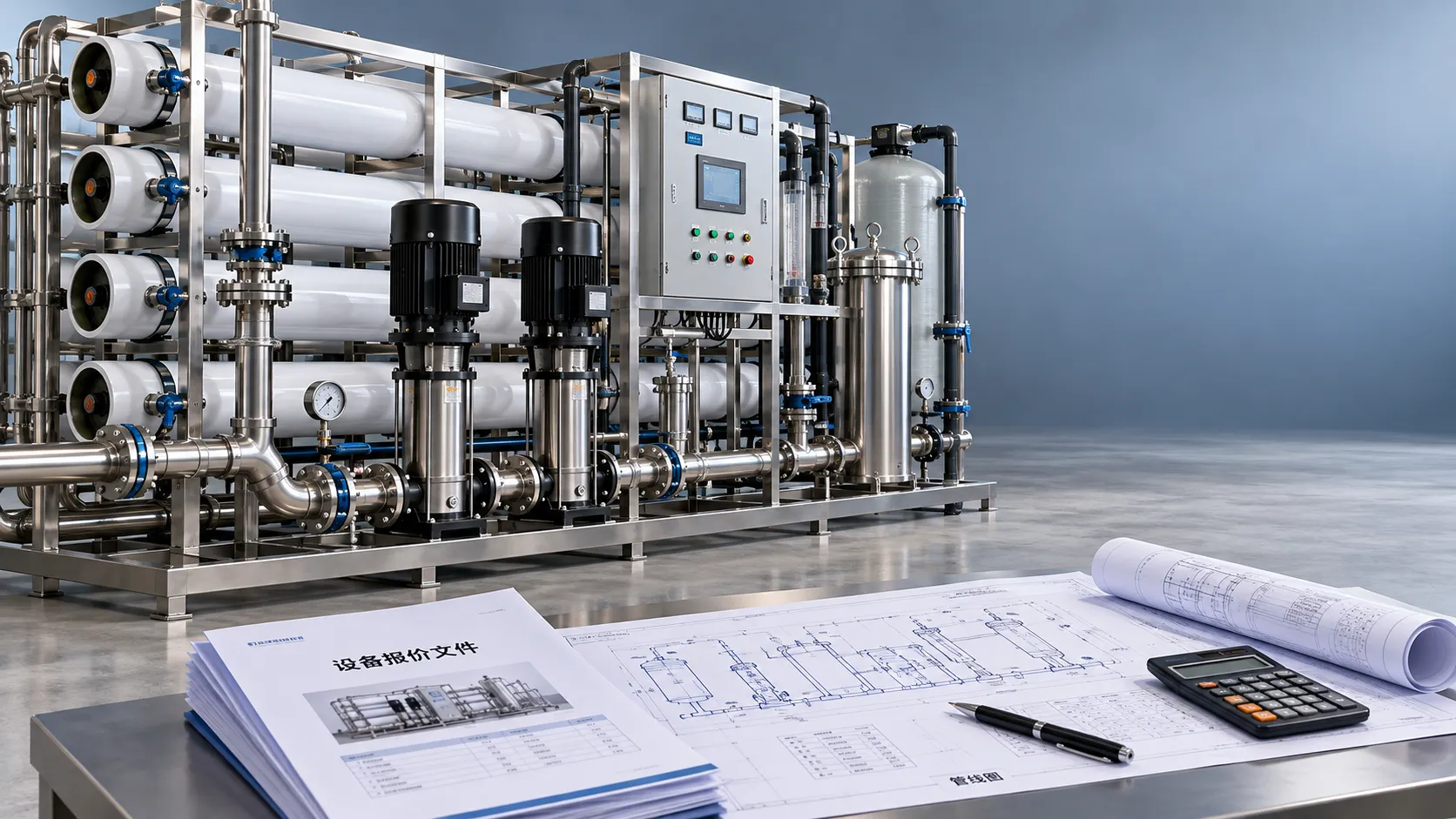
How to check a water treatment quotation for hidden project costs
Review your water treatment quotation for hidden costs, scope gaps, and operating expenses. Learn what to check before signing to protect your budget and avoid costly surprises.
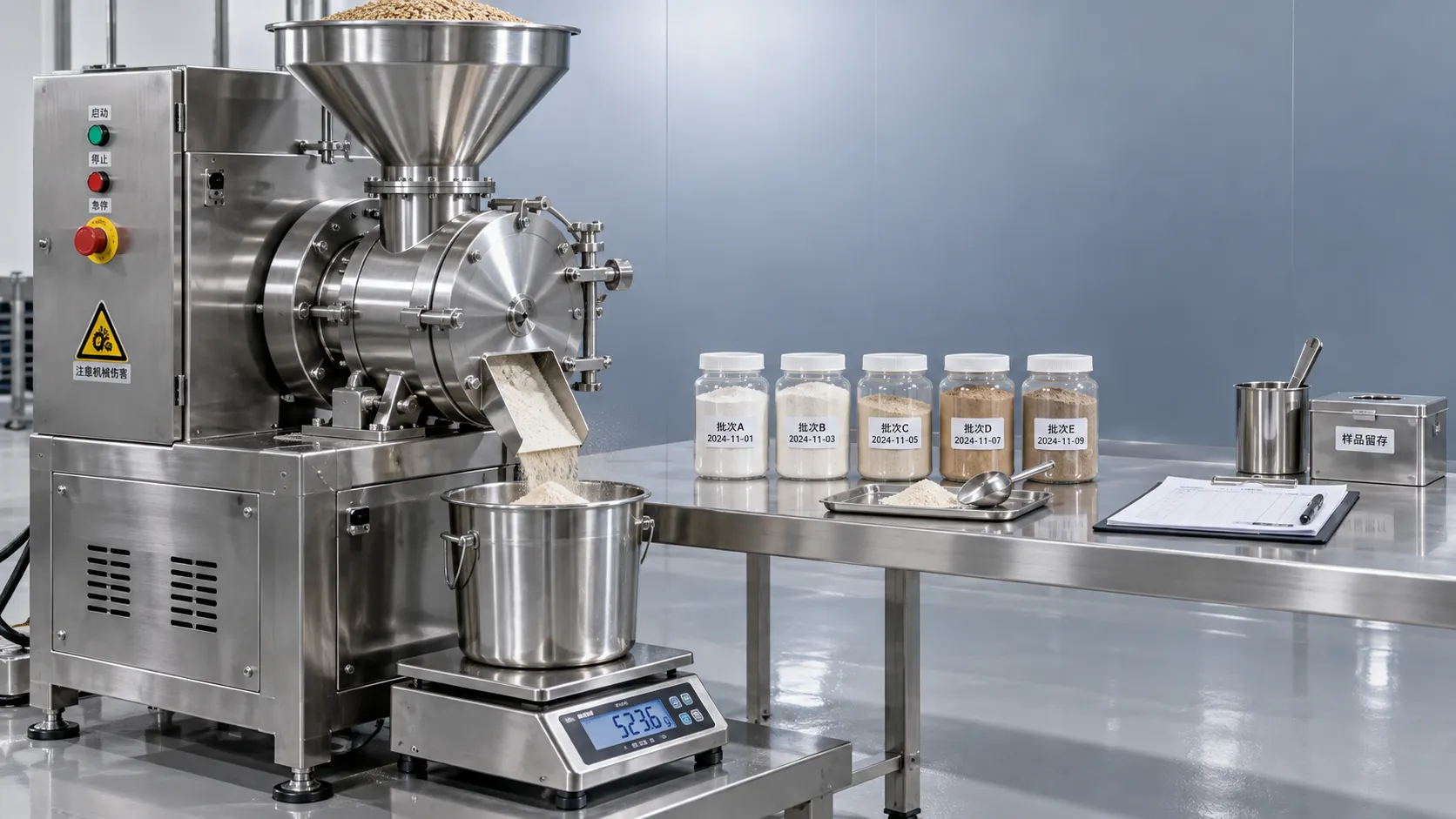
How to vet ingredient processing equipment manufacturers using trials
Vet ingredient processing equipment manufacturers with real-world trials. Learn how to verify yield, cleaning, energy use, and scale-up before you invest.
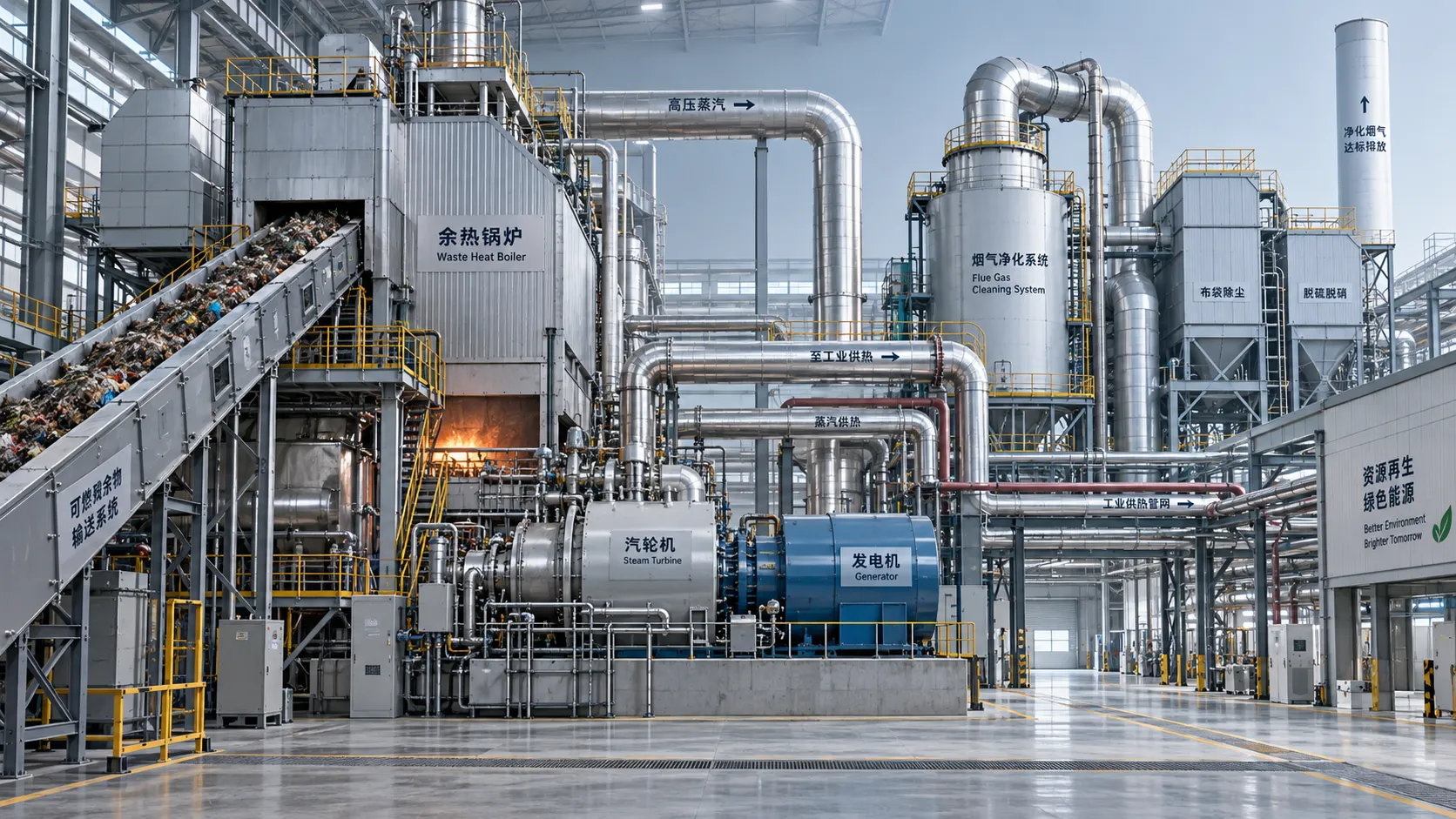
When is energy recovery viable in the solid waste recovery process?
When is energy recovery viable in the solid waste recovery process? Explore feedstock quality, net energy, emissions, and costs to assess feasibility and make smarter investment decisions.
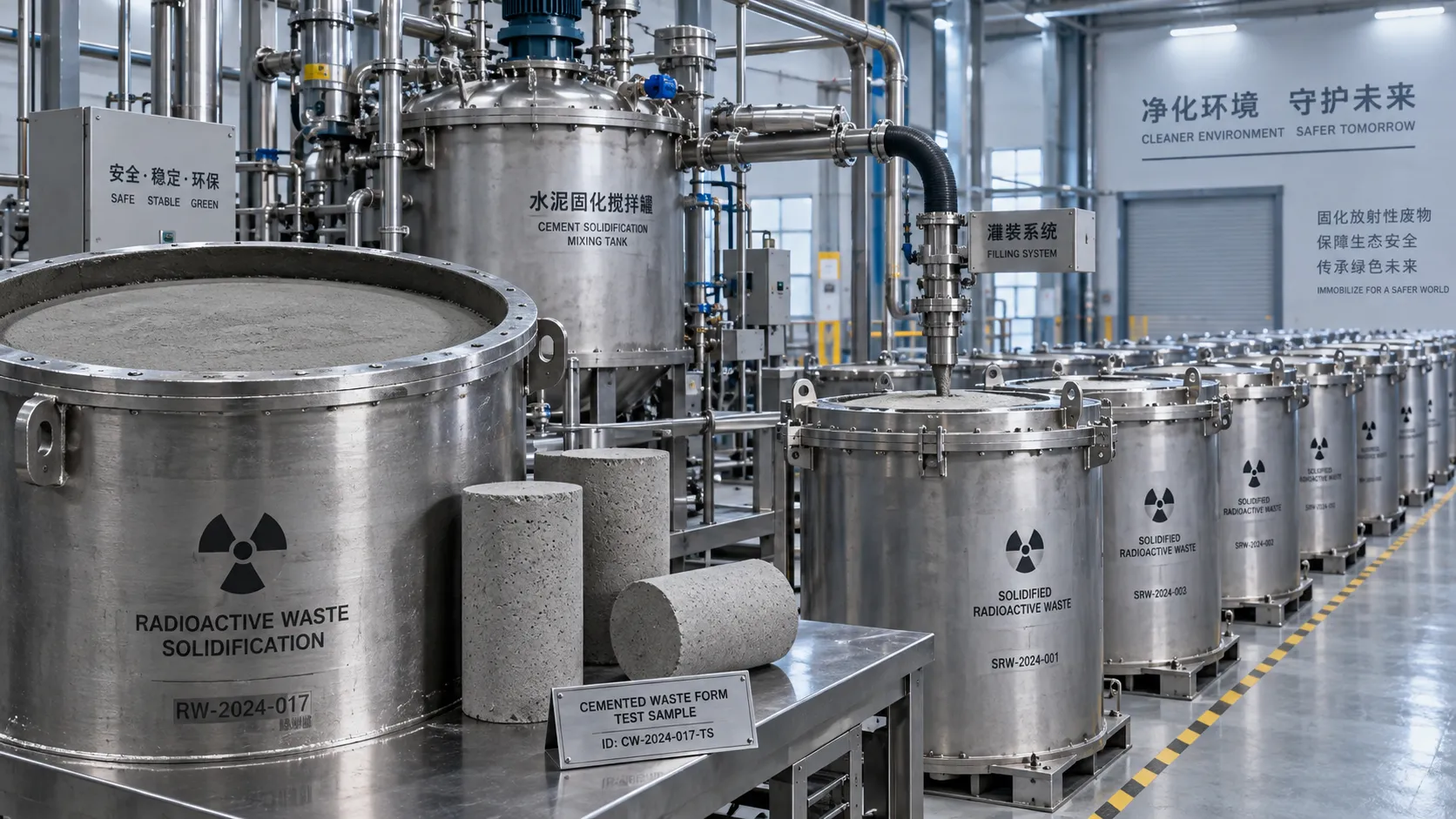
When is cementation suitable for nuclear decommissioning waste?
Explore nuclear waste treatment technology for decommissioning: learn when cementation fits, which risks to assess, and how disposal criteria guide an effective treatment choice.
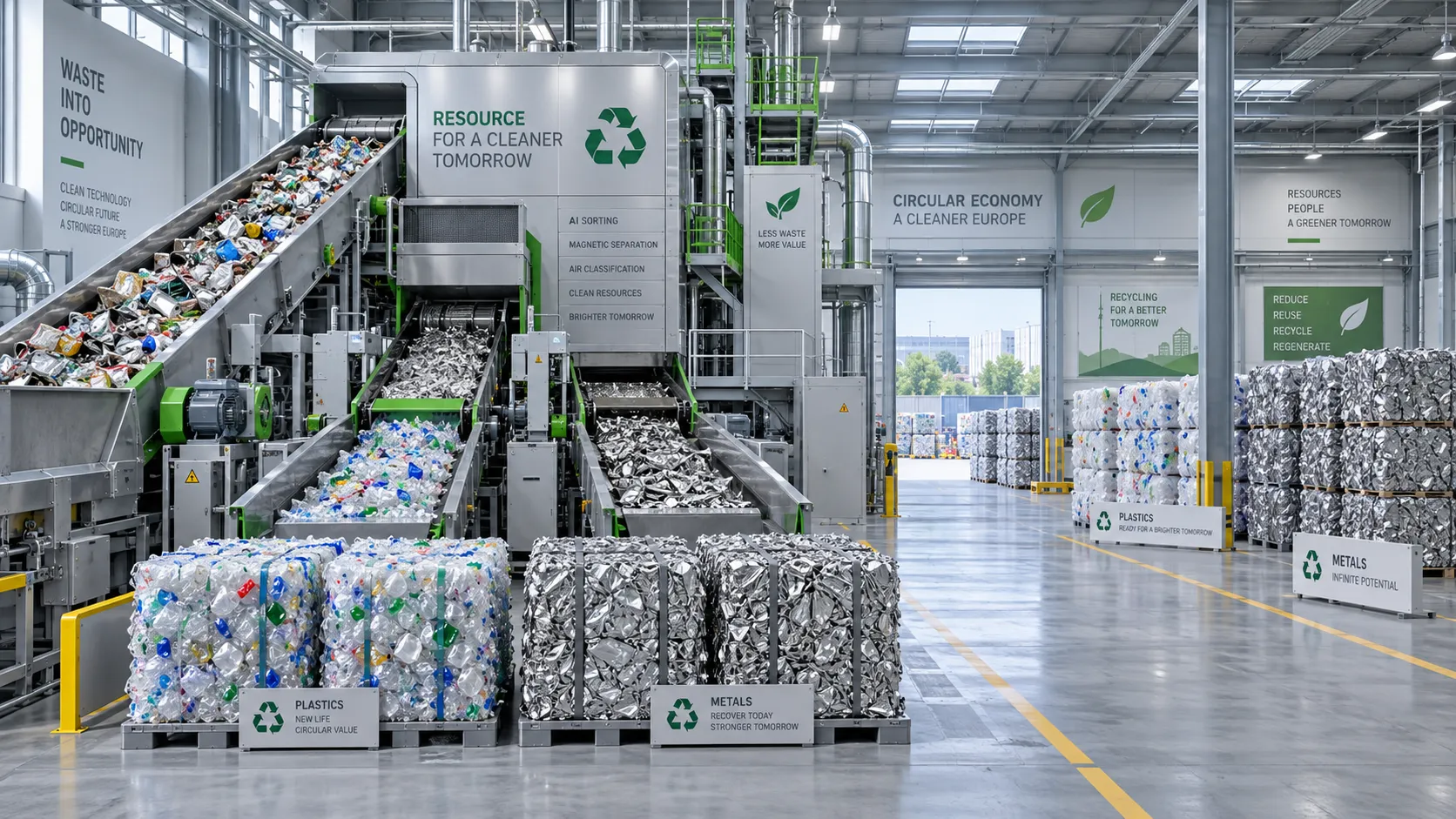
What determines payback for waste-to-resource systems in Europe?
Assess waste-to-resource systems Europe-wide: compare feedstock, recovery yields, costs and contracts to uncover payback drivers and make smarter investment decisions.
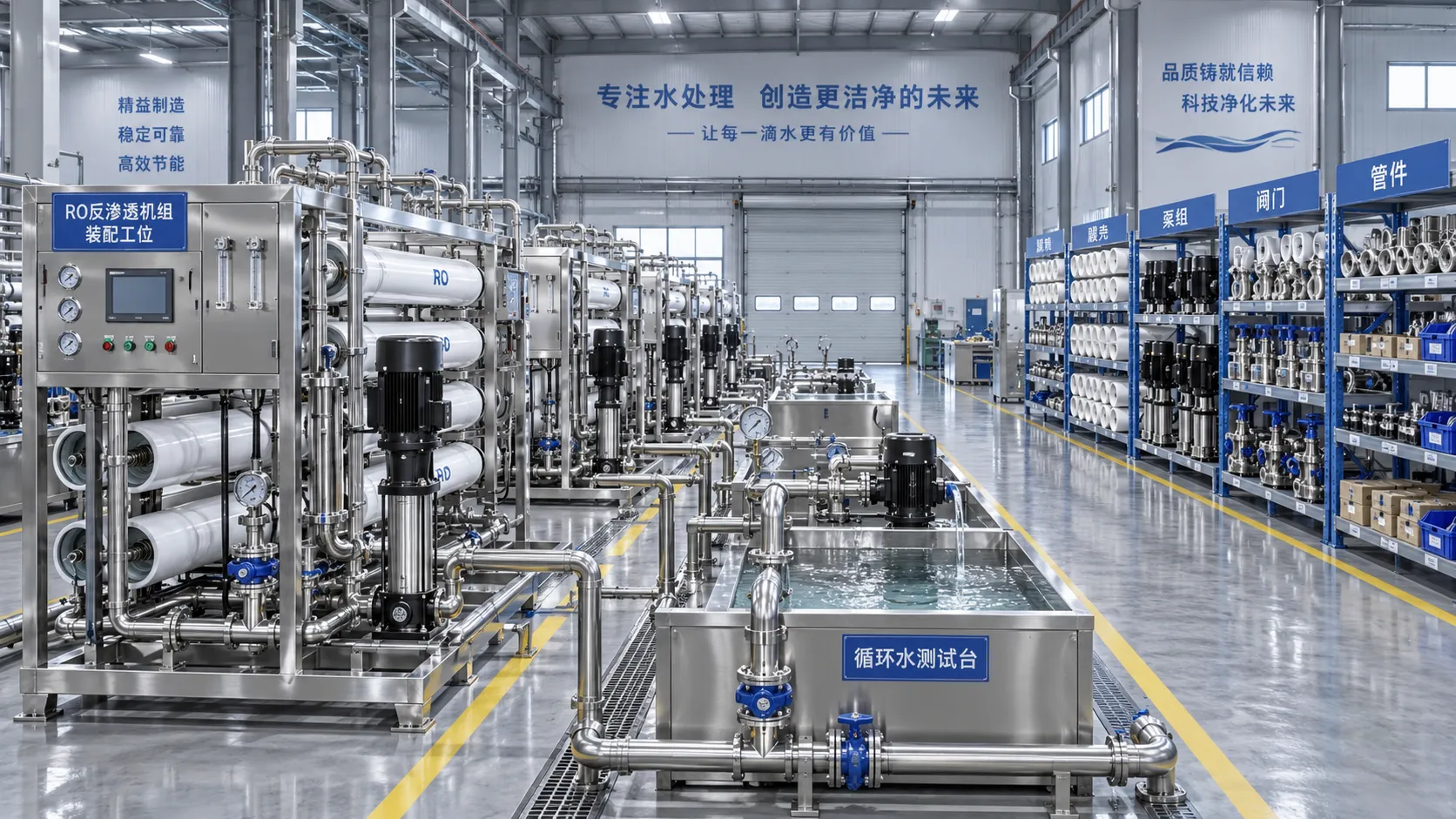
How to verify a water treatment system factory’s production capacity
Verify a water treatment systems factory’s production capacity through records, bottlenecks, component availability, and testing. Learn what to check before accepting a delivery promise.
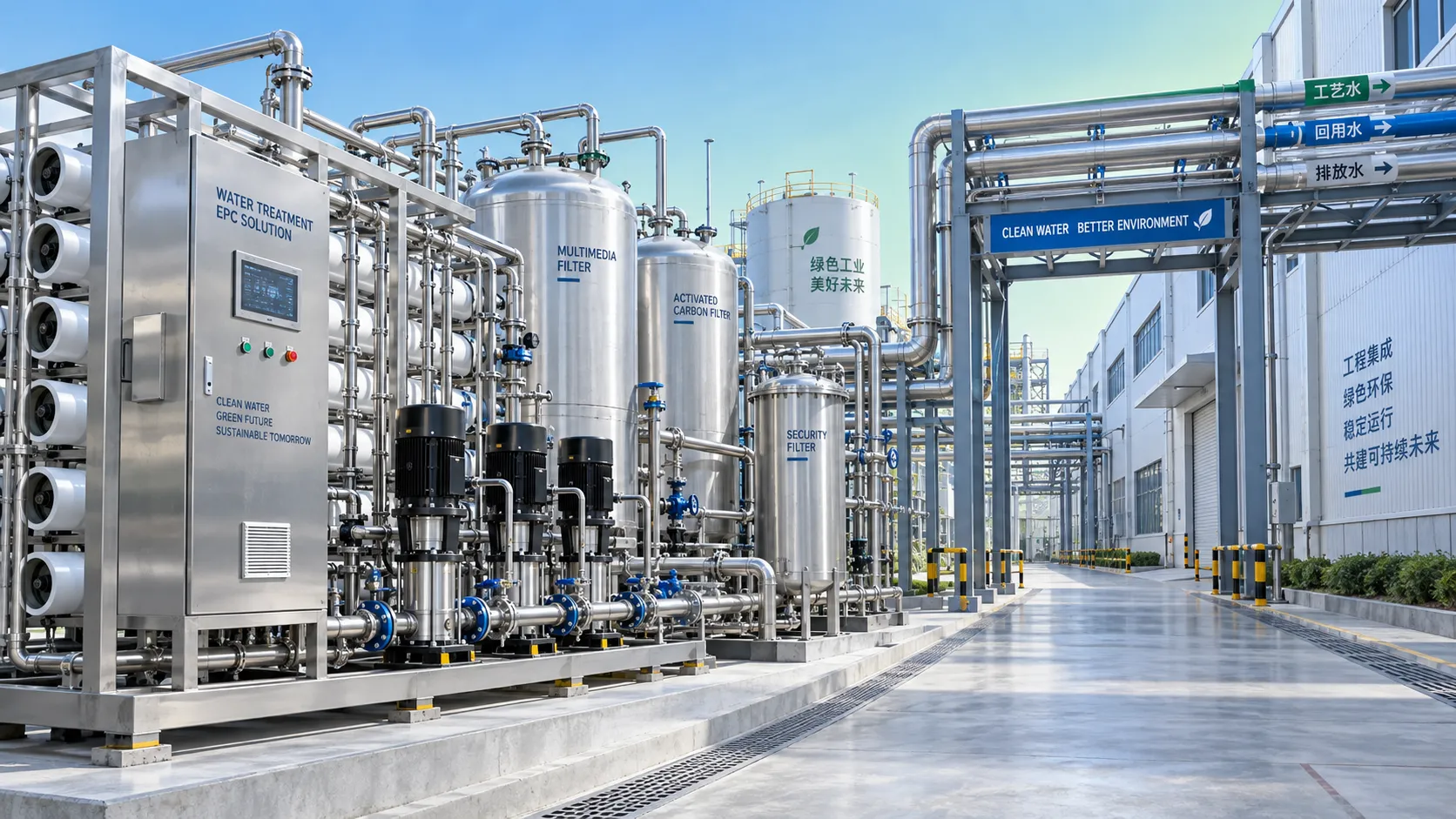
When does EPC environmental project support reduce delivery risk?
EPC environmental project support engineering reduces delivery risk by aligning design, procurement, compliance, construction, and commissioning decisions.
How nuclear plants select a radioactive waste solidification method
Radioactive waste management for nuclear plants: compare vitrification, cementation, polymers, and ceramics to select a compliant, durable solidification solution.