
Industry News
Curation by industry experts
Hot Articles
Popular Tags
How to assess a zero liquid discharge equipment supplier’s energy claims
A zero liquid discharge equipment supplier may promise low energy consumption, but does that figure cover the entire treatment train—or only the evaporator under favorable conditions? For technical evaluators, the distinction can change an equipment shortlist, a utility budget, and the economics of an industrial water-reuse project.
Credible comparisons start with consistent system boundaries, representative feed chemistry, and separately reported electrical and thermal inputs. The objective is not to find the smallest number in a proposal. It is to establish which supplier can defend its number at your required throughput, water quality, and solids-disposal conditions—and commit to demonstrating it.
Start by asking what the energy figure actually measures
“Specific energy consumption,” or SEC, is incomplete without a numerator, a denominator, and an operating boundary. A figure expressed as kWh/m³ may refer to incoming wastewater, recovered water, evaporator feed, or water evaporated. These are not interchangeable.
For example, membrane preconcentration can substantially reduce the volume reaching a thermal system. An evaporator’s electricity consumption per cubic meter evaporated therefore cannot be compared directly with a complete ZLD plant’s electricity consumption per cubic meter of raw wastewater.
Require every proposal to identify:
- The denominator: raw feed treated, reusable water produced, or water evaporated.
- The energy input: electricity, steam, fuel, imported hot water, or a defined combination.
- The operating basis: instantaneous design point, stable test average, or annual consumption including interruptions.
- The boundary: equipment package, thermal island, or complete treatment train.
A useful comparison sheet reports whole-plant electricity per cubic meter of raw feed alongside thermal demand on the same basis. Equipment-level indicators remain valuable, but they should explain the total rather than replace it.
Draw the treatment boundary before comparing suppliers
A low-energy evaporator does not automatically create a low-energy ZLD installation. Pretreatment, high-pressure membrane concentration, crystallization, solids separation, and cleaning can all shift demand outside the most prominently quoted package.
Ask for a marked process flow diagram and a load list that distinguishes included, excluded, and shared equipment. For shared utilities, agree an allocation method rather than accepting “by others” as an energy exemption.
Also define the final outputs. A proposal delivering wet salt cake is not equivalent to one delivering dried solids. Distillate requiring polishing before reuse creates another downstream duty. Any residual liquid leaving the proposed boundary needs an explicit destination before the system can be assessed as ZLD.
Make feed chemistry part of the energy claim
A supplier can model an attractive result using a convenient feed. Your plant must operate on the wastewater it actually receives.
Total dissolved solids alone is not an adequate design basis. Request representative analyses covering ionic composition, hardness, silica, alkalinity, organics, suspended solids, pH, and relevant volatile constituents. Include seasonal variation, production changes, and credible upset conditions.
Why composition changes the calculation
Higher salinity can increase boiling-point elevation, affecting the temperature lift required in mechanical vapor recompression systems. Scaling can reduce heat transfer, while viscosity increases circulation requirements and may constrain achievable concentration. Foaming and organic carryover can affect throughput, distillate quality, and cleaning frequency.
Upstream membranes introduce different constraints. Osmotic pressure, scaling limits, and fouling behavior influence how much water they can recover before the thermal stage. An aggressive membrane recovery assumption may make the overall energy balance look excellent while leaving little operating margin.
Ask the zero liquid discharge equipment supplier to calculate at least three agreed cases: normal feed, a challenging but expected feed, and minimum stable plant load. Each case should preserve the required outlet quality and final solids condition. Otherwise, an apparent energy improvement may simply reflect relaxed treatment performance.
Keep electricity and heat separate until the comparison basis is agreed
Electrical demand and thermal demand should be visible as separate quantities. Combining them prematurely can conceal a major utility requirement or embed assumptions that do not match your site.
For electricity, request metered or calculated kWh over the relevant operating period. For steam, request mass flow together with pressure, temperature, steam quality where relevant, and the condensate return condition. Thermal energy depends on the usable enthalpy difference across the agreed boundary, not steam tonnage alone.
Mechanical vapor recompression generally shifts much of the evaporation duty toward electricity. Multiple-effect evaporation relies more directly on external heat. Neither architecture is inherently the better choice without considering feed behavior, utility availability, heat integration, and operating flexibility.
If a proposal combines energy inputs, require the conversion method. Delivered energy, primary energy, operating cost, and carbon emissions answer different questions:
- Delivered energy describes energy crossing the plant boundary.
- Primary energy depends on upstream generation assumptions.
- Operating cost depends on tariffs, fuel prices, demand charges, and utility arrangements.
- Carbon intensity depends on electricity and heat emission factors.
“Free waste heat” deserves particular scrutiny. Confirm its temperature, availability, competing uses, and backup arrangements. Heat with no purchase price may still require pumping, heat exchangers, maintenance, and supplementary energy during outages.
Use mass and energy balances to test whether the claim closes
A detailed simulation is useful only when its assumptions are traceable. Request linked water, dissolved-solids, and energy balances for the complete process, with stream identifiers matching the process flow diagram.
At steady state, incoming water must be accounted for in recovered water, moisture in solids, vapor losses, and other outgoing streams. Solids accounting should include chemical additions, precipitation, and any material carried into condensate or vent streams. Internal recycles must not be counted as new treatment capacity.
For a stable test period, the basic electrical indicator is:
Electrical SEC = electricity consumed within the agreed boundary ÷ raw wastewater treated during the same period.
Tank inventories matter. Drawing down stored feed or accumulating concentrate during a short test can distort this ratio. Reconcile opening and closing inventories before accepting the result.
A simple denominator trap
Consider an illustrative plant receiving 100 m³/h of wastewater, with membrane preconcentration reducing thermal-stage feed to 20 m³/h. A thermal package claim of 25 kWh per cubic meter of its feed corresponds to 500 kW, or 5 kWh per cubic meter of raw wastewater, for that package alone.
Neither number describes whole-plant consumption. Membrane pumping, pretreatment, crystallization, and shared utilities still need to be added. If the original claim instead refers to water evaporated, the calculation must use actual evaporation flow—not thermal-stage feed.
For the thermal balance, inspect feed heating, evaporation duty, heat recovery, heat losses, and compressor input where applicable. Do not treat recovered heat as an additional external energy source or deduct it twice. Ask for the design margins for heat-transfer fouling and boiling-point elevation, not just clean-equipment calculations.
Look beyond the clean, steady-state operating point
The acceptance test may run smoothly for several days. The utility bill covers months of changing production, fouling, cleaning, and restart cycles.
Request an annual operating model that separates productive operation, startup, standby, cleaning, and planned maintenance. It should show both annual energy consumption and annual treated volume. A realistic annual SEC includes energy consumed when the system is not producing usable water.
Part-load behavior also matters. Compressors, pumps, and circulation loops do not necessarily reduce power in direct proportion to throughput. Minimum circulation requirements can make reduced-load operation disproportionately expensive.
Ask how performance changes between clean and end-of-run conditions. A supplier claiming low SEC should disclose the cleaning interval and operating assumptions supporting it. Frequent cleaning may add chemical consumption, waste handling, downtime, and reheating duty even when the steady-state figure remains attractive.
Rank the evidence behind a supplier’s promise
Not all supporting information deserves equal weight. A simulation establishes a design hypothesis; it does not demonstrate sustained performance on your wastewater.
The strongest evidence combines relevant operating references, traceable measurement, and documented conditions. Request time-series trends rather than selected screenshots. Useful records include feed rate and composition, electrical demand, steam use, recovery, distillate quality, solids production, cleaning events, and availability.
A reference installation is most informative when its chemistry, concentration duty, equipment configuration, and product requirements resemble your project. A different industry label does not automatically make it irrelevant, and the same industry label does not make it comparable.
Where feed behavior is uncertain, pilot testing can reduce risk. Define what it must establish: scaling tendency, achievable concentration, foam control, separation behavior, or heat-transfer degradation. Be cautious about extrapolating pilot SEC directly to full scale, because heat losses and equipment efficiencies change with scale.
Turn the accepted energy basis into a testable guarantee
The contract should preserve the same boundary and conditions used during technical evaluation. Otherwise, a convincing selection exercise can end with a guarantee covering only a fraction of the plant.
Specify the feed envelope, throughput, recovery, reusable-water quality, final solids condition, electricity limit, and thermal-energy limit. These requirements should apply simultaneously; meeting energy consumption by reducing throughput or leaving more liquid in the solids is not equivalent performance.
The acceptance protocol should define:
- Meter locations, calibration requirements, and treatment of measurement uncertainty.
- Stabilization requirements, test duration, and allowable process-inventory changes.
- Sampling methods and independent verification where appropriate.
- Permitted adjustments for feed or utility deviations, with agreed correction methods.
- Handling of interruptions, failed runs, retesting, and contractual remedies.
Assess availability separately from short-term energy performance. A system that achieves its SEC guarantee only under narrow conditions may still miss annual treatment obligations.
Before selecting a zero liquid discharge equipment supplier, ask one final question: Can an independent evaluator reproduce the claimed result from the disclosed boundaries, balances, operating data, and test procedure? If the answer is no, the figure is not yet a dependable procurement basis. The better offer is the one whose energy claim remains credible after every omitted load, difficult feed condition, and operating assumption has been brought into view.
Recommended News
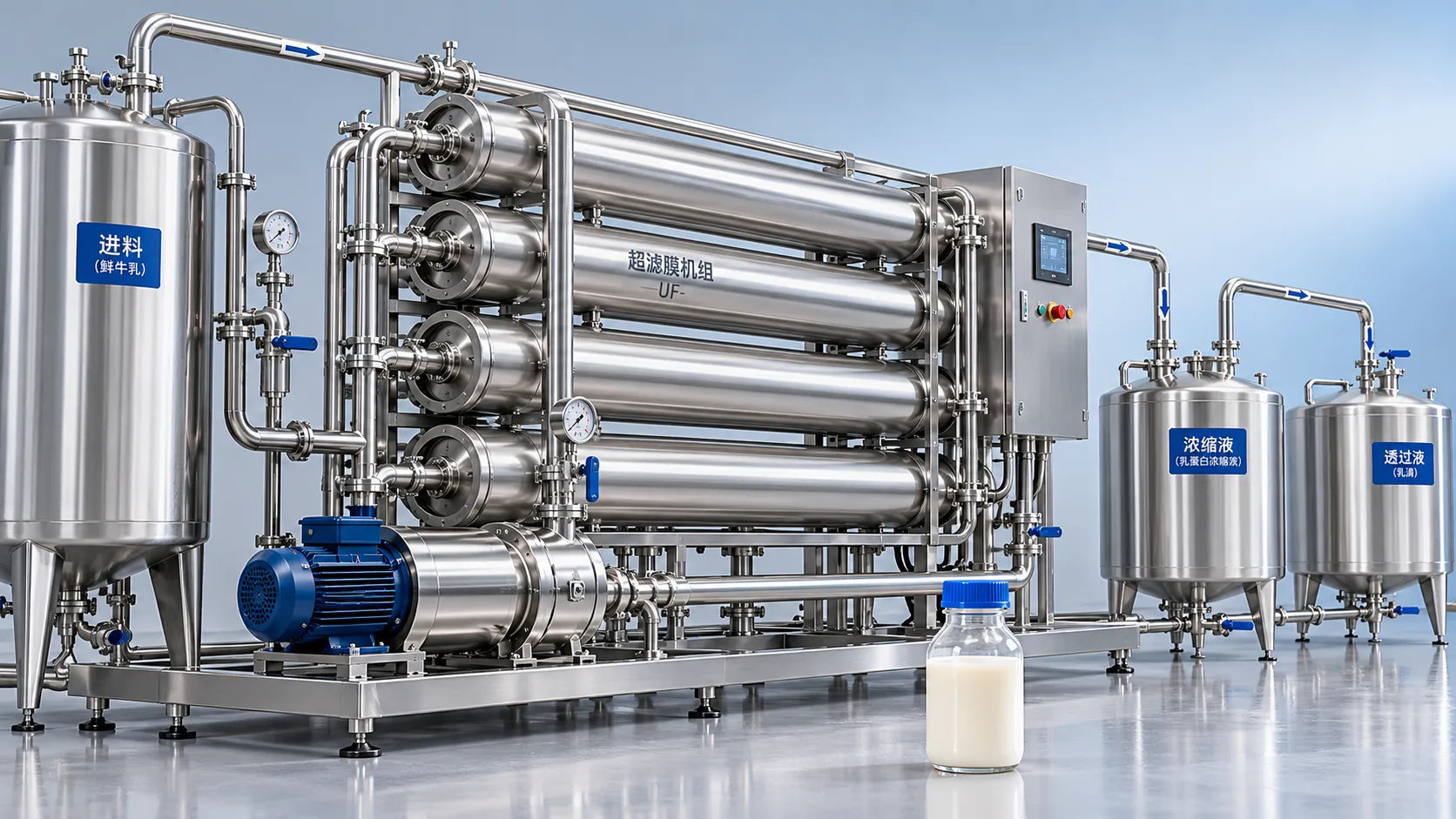
Which membrane filtration process suits dairy protein concentration?
Explore membrane filtration for dairy: compare UF, MF, and RO to select the right process for protein concentration, lactose reduction, and better recovery. Find your best fit.
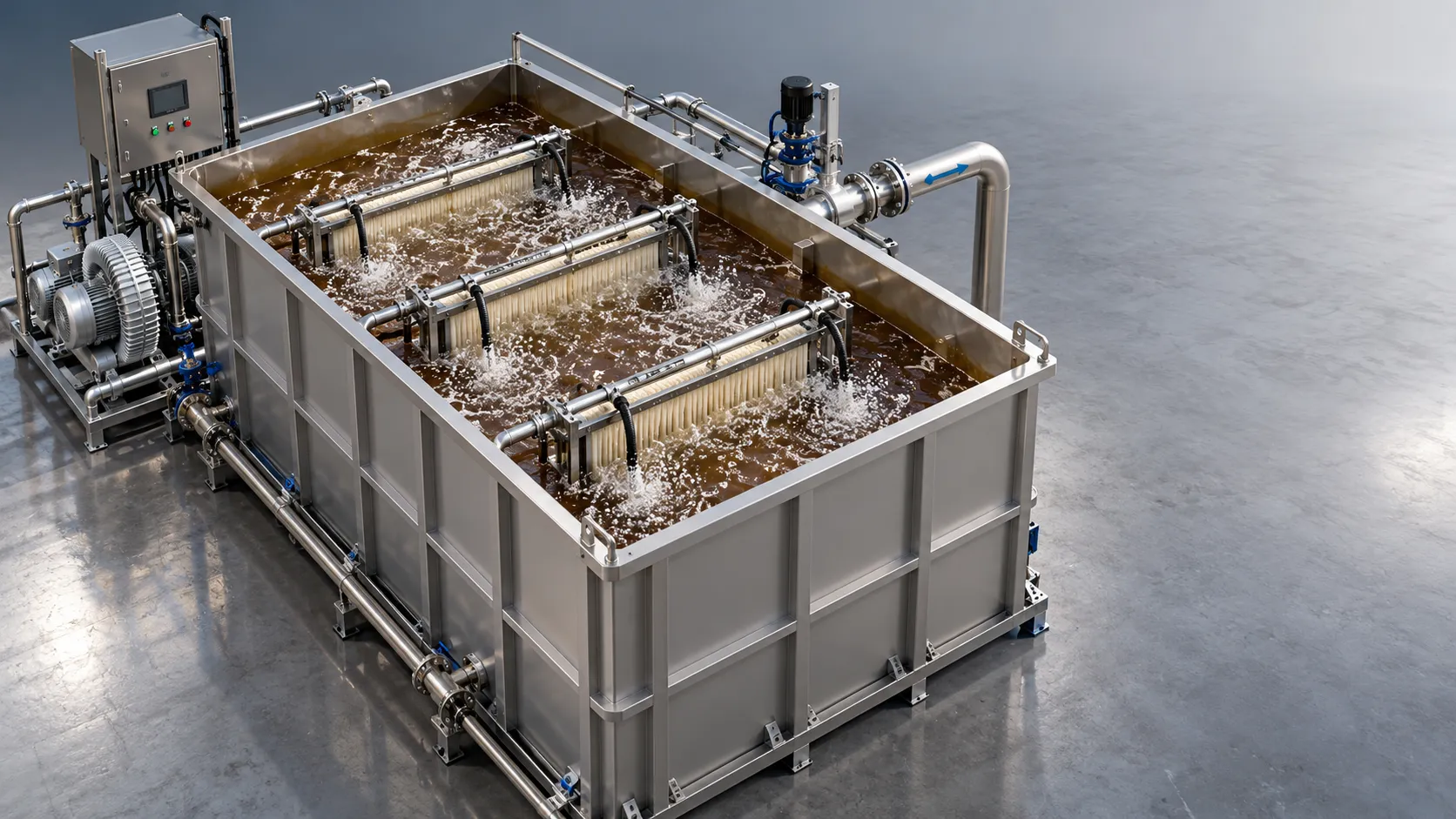
When is an MBR suitable for wastewater purification for bioprocessing?
For wastewater purification for bioprocessing, discover when an MBR fits your needs. Compare water quality, fouling risks, and lifecycle costs before investing.
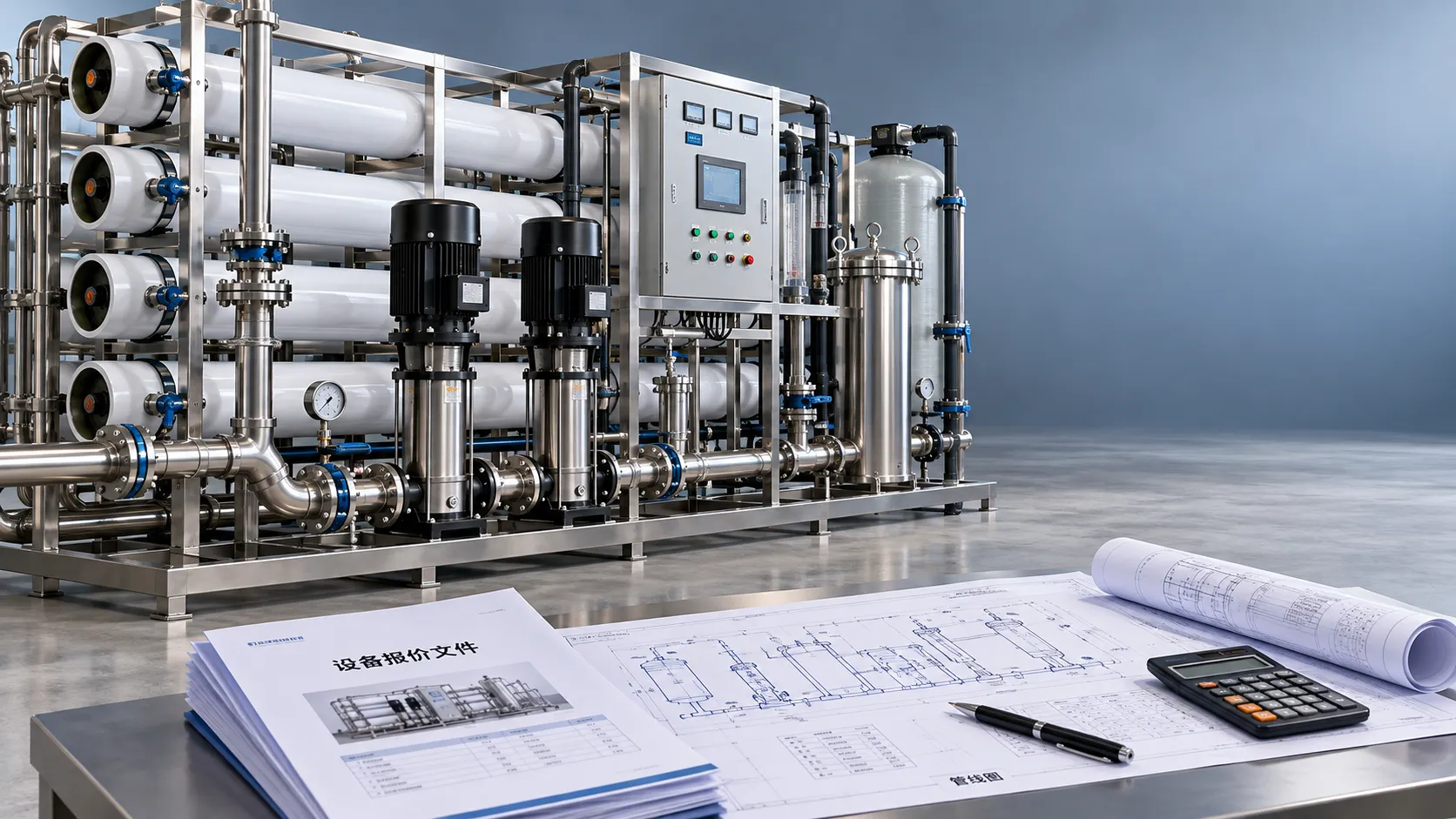
How to check a water treatment quotation for hidden project costs
Review your water treatment quotation for hidden costs, scope gaps, and operating expenses. Learn what to check before signing to protect your budget and avoid costly surprises.
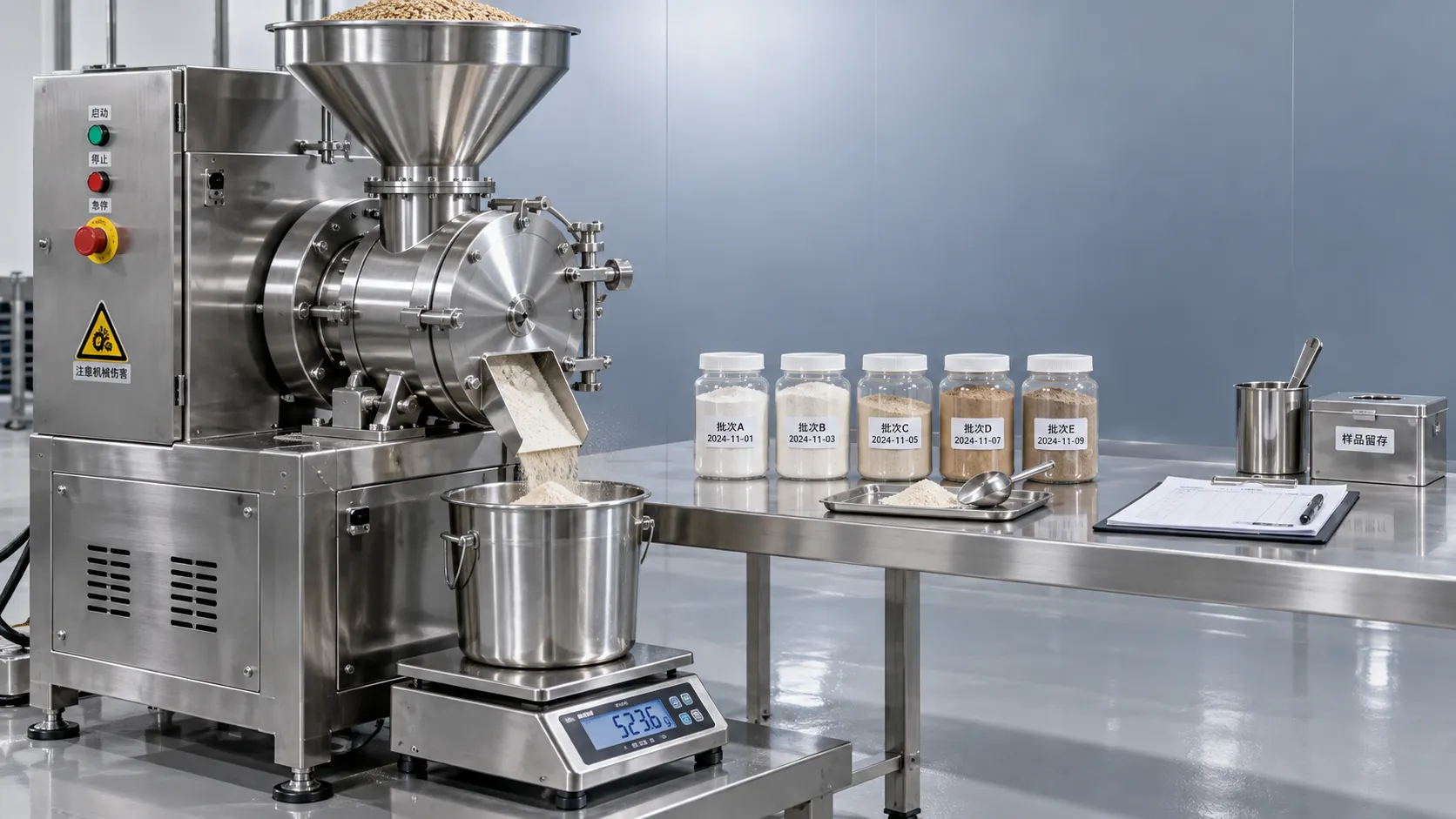
How to vet ingredient processing equipment manufacturers using trials
Vet ingredient processing equipment manufacturers with real-world trials. Learn how to verify yield, cleaning, energy use, and scale-up before you invest.
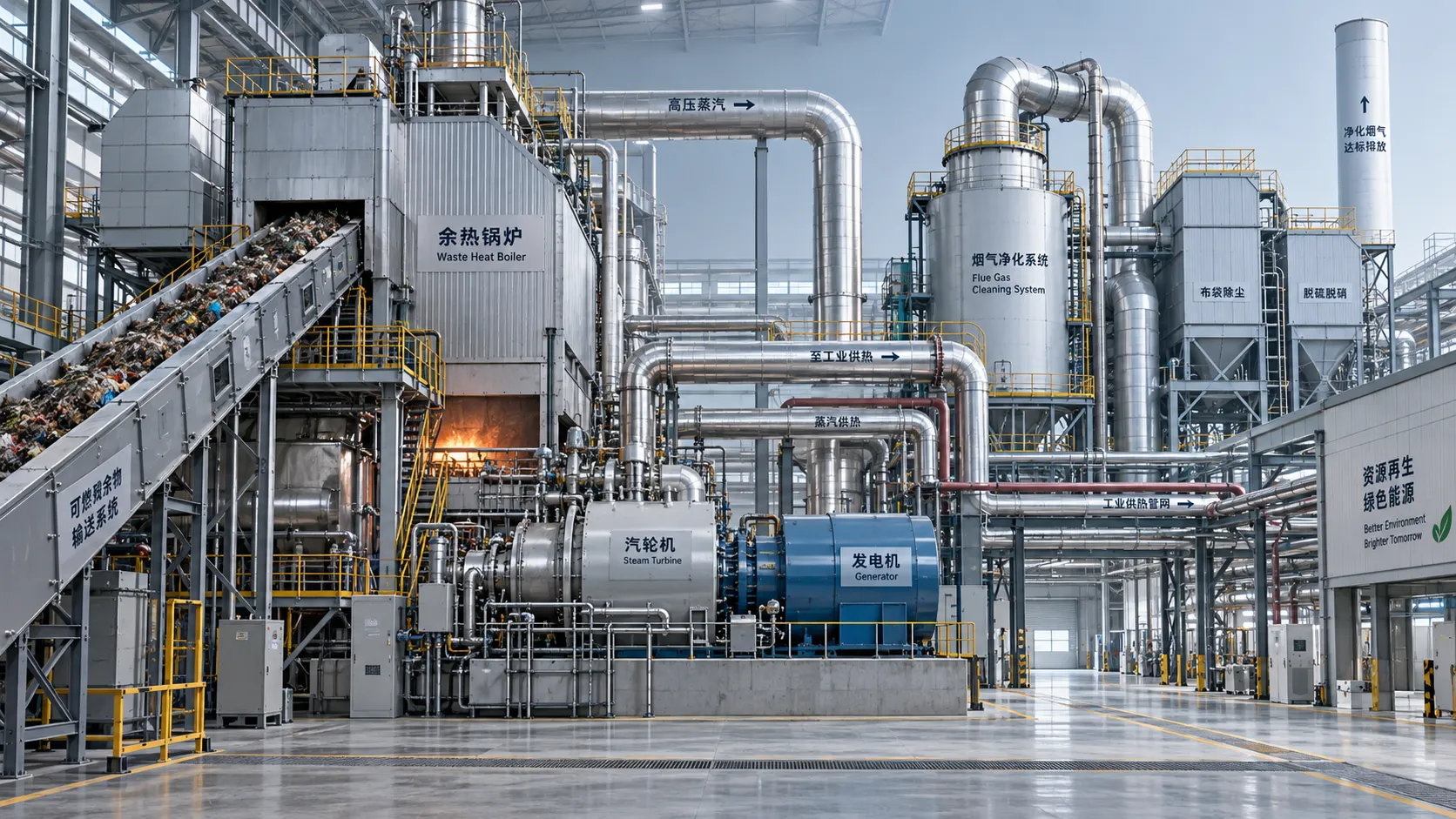
When is energy recovery viable in the solid waste recovery process?
When is energy recovery viable in the solid waste recovery process? Explore feedstock quality, net energy, emissions, and costs to assess feasibility and make smarter investment decisions.
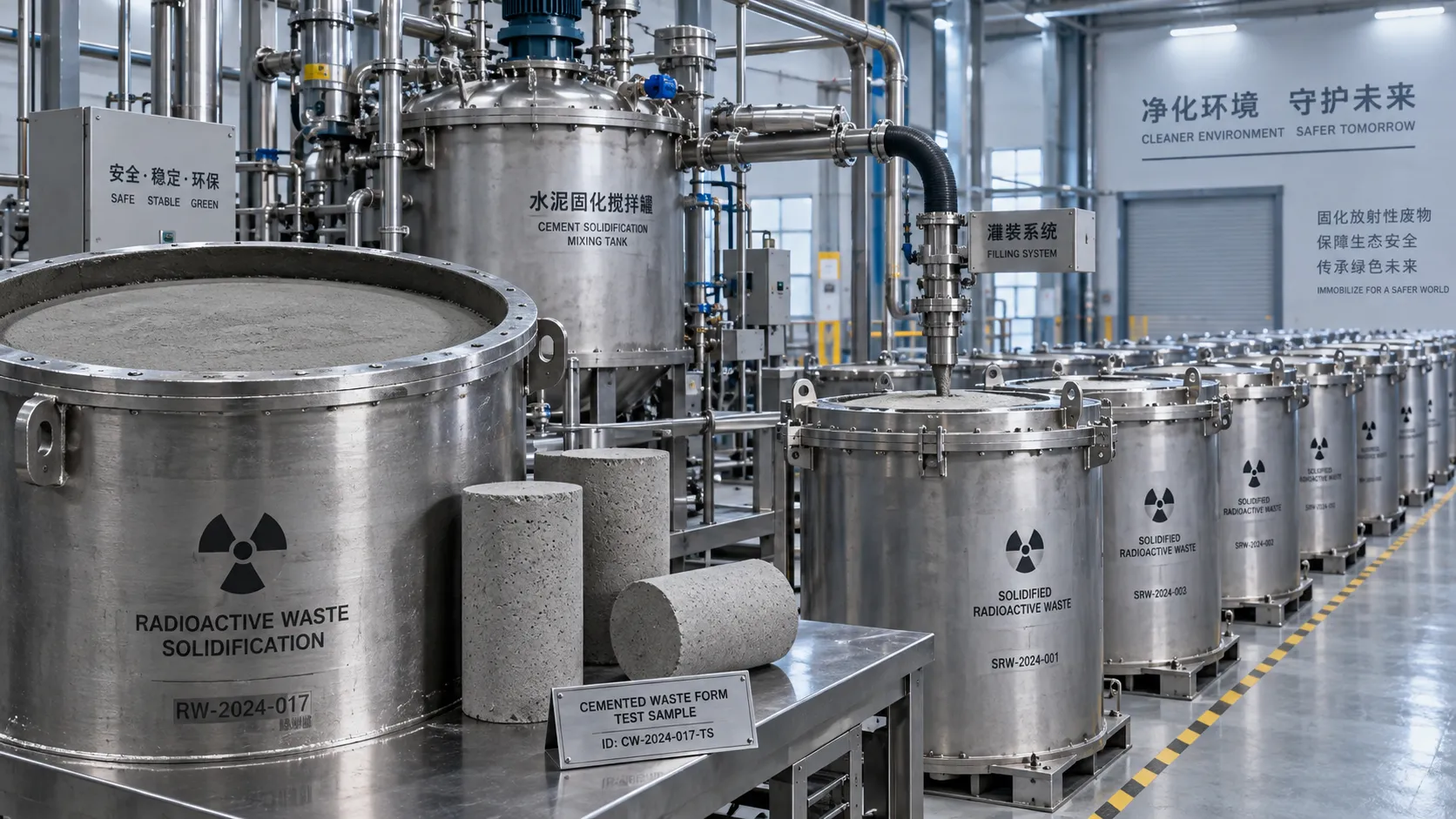
When is cementation suitable for nuclear decommissioning waste?
Explore nuclear waste treatment technology for decommissioning: learn when cementation fits, which risks to assess, and how disposal criteria guide an effective treatment choice.
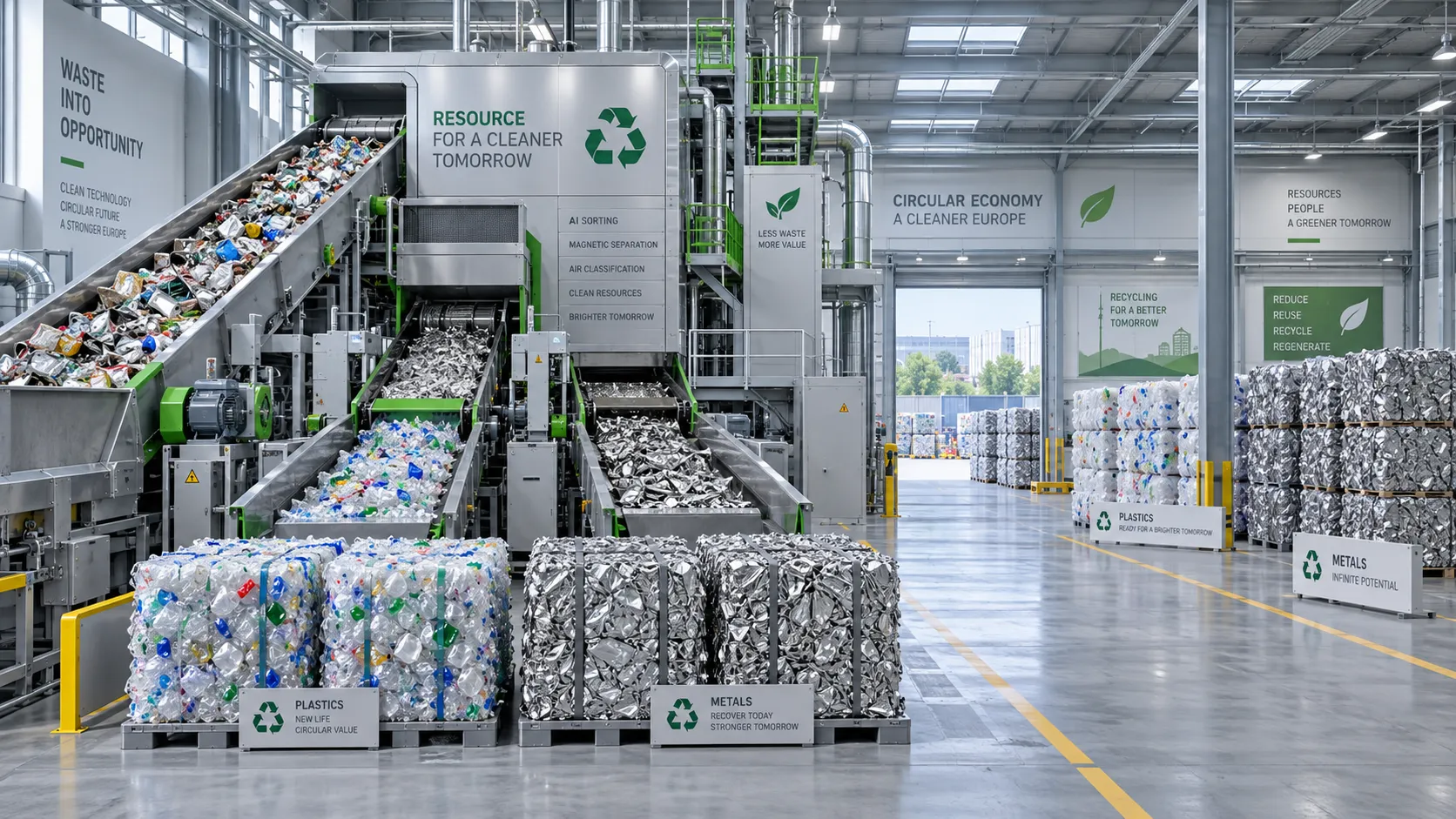
What determines payback for waste-to-resource systems in Europe?
Assess waste-to-resource systems Europe-wide: compare feedstock, recovery yields, costs and contracts to uncover payback drivers and make smarter investment decisions.
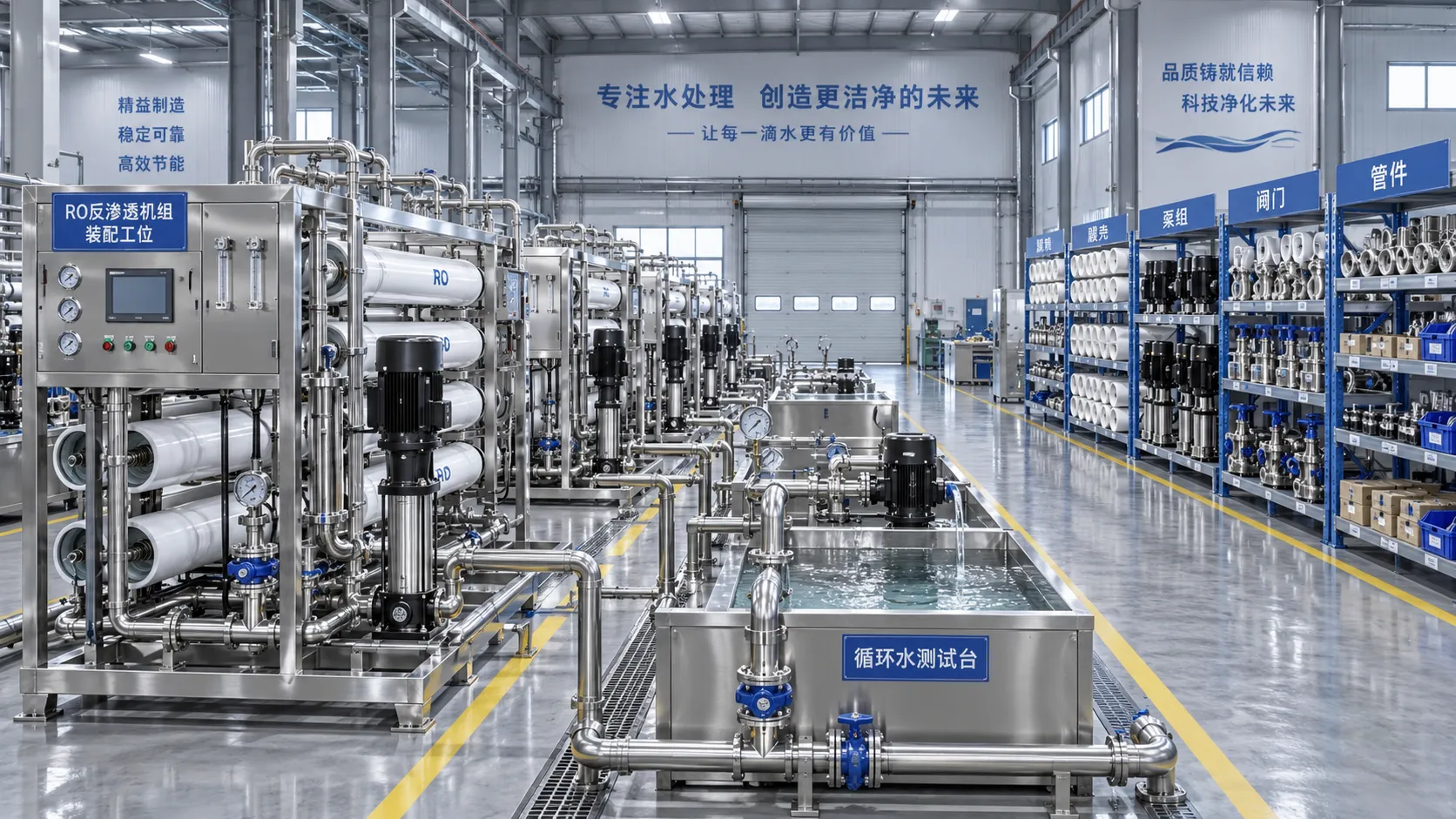
How to verify a water treatment system factory’s production capacity
Verify a water treatment systems factory’s production capacity through records, bottlenecks, component availability, and testing. Learn what to check before accepting a delivery promise.
When does EPC environmental project support reduce delivery risk?
EPC environmental project support engineering reduces delivery risk by aligning design, procurement, compliance, construction, and commissioning decisions.