
Industry News
Curation by industry experts
Hot Articles
Popular Tags
green tech investments that can shorten your payback period
For business evaluators, green tech investments are no longer just sustainability moves—they are capital decisions that can shorten your payback period when backed by the right data, policy timing, and equipment strategy. From water treatment and waste recovery to desalination and emissions control, understanding where green tech delivers faster returns is now essential for smarter project screening and stronger competitive positioning.
Why the payback conversation around green tech is changing
The market is shifting from “should we invest in green tech?” to “which green tech investment shortens payback period fastest?” That change matters because buyers now evaluate projects under tighter capital discipline, higher compliance pressure, and more visible operating risk. In many industries, the cost of delay has increased: water scarcity raises production risk, waste handling rules tighten disposal routes, and carbon-related requirements reshape procurement decisions. As a result, green tech is being screened less as an abstract ESG item and more as an operational efficiency lever.
For sectors linked to the Global Eco-Shield Dynamics universe—large water treatment, solid waste recovery, seawater desalination, flue gas treatment, and nuclear waste management—the strongest investment cases often come from projects that reduce fees, recover resources, stabilize compliance, or avoid shutdown exposure. In other words, the fastest payback is usually not found in the most visible technology, but in the most economically constrained bottleneck.
Trend signals that improve return speed
Several market signals are making green tech investments more attractive. First, regulatory compliance is becoming more time-sensitive, which increases the value of equipment that helps facilities stay ahead of inspection risk. Second, resource prices remain volatile, so technologies that recover water, energy, metals, or heat can create faster operating savings. Third, EPC and industrial buyers are more willing to adopt modular systems with clearer performance data, because phased deployment reduces initial capital burden and supports earlier cash flow improvement.
Which green tech investments tend to shorten payback period
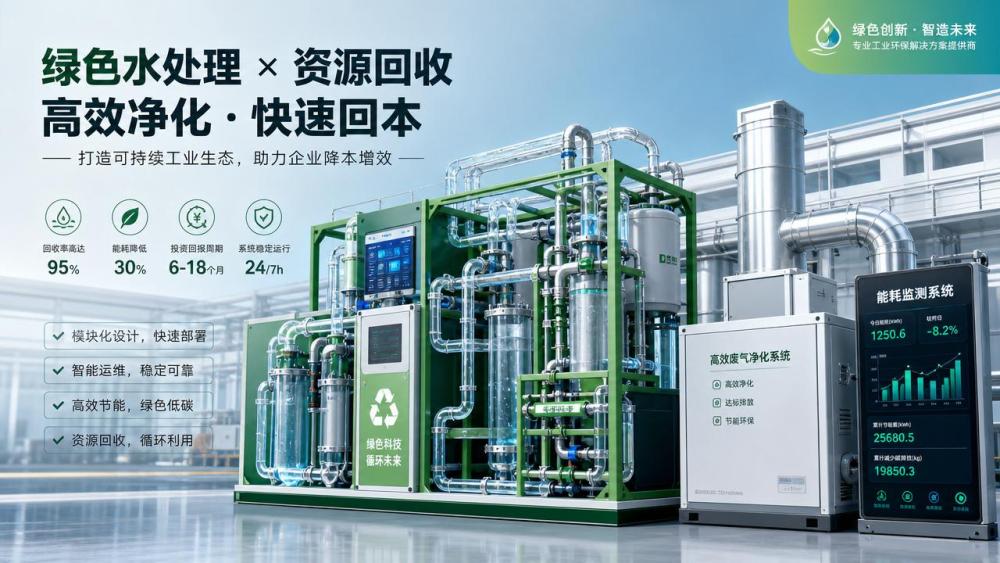
The shortest payback period usually comes from green tech that attacks a direct cost center. In water-intensive operations, advanced treatment and ZLD-related systems can reduce discharge fees, lower raw water purchases, and improve resilience against supply disruption. In solid waste and recovery systems, AI sorting, pyrolysis, and material recovery equipment can convert a disposal cost into a recovery stream. In industrial air control, high-efficiency flue gas treatment can preserve production continuity while avoiding non-compliance losses.
Seawater desalination is more capital intensive, but it can still shorten effective payback in regions where water shortages threaten output, logistics, or long-term expansion. The logic is strategic: if water availability limits revenue, then reliability itself becomes a return driver. For nuclear waste management, the investment case is typically governed by safety assurance, licensing continuity, and long-cycle risk reduction rather than quick operating savings, but it remains critical for capital protection.
Who feels the impact first
The most immediate beneficiaries are usually industrial operators with high utility intensity, EPC firms bidding on public infrastructure, and business evaluators comparing multiple capex options. Procurement teams will increasingly favor technologies with proven lifecycle economics rather than low headline price alone. Finance teams will focus on whether savings begin in year one, whether performance risk is capped, and whether the asset can scale without major redesign.
How to judge whether a green tech project can pay back faster
A useful decision framework starts with four questions. Does the project reduce an existing expense immediately, such as water purchase, disposal cost, or energy waste? Does it help prevent a measurable loss, such as production stoppage, fines, or rejection risk? Can it be deployed in stages so the first module starts generating value earlier? And can its performance be verified through operating data rather than optimistic projections?
Business evaluators should also test sensitivity. If electricity prices rise, does the investment become more attractive? If compliance requirements tighten, does the project move from optional to necessary? If resource recovery yields are lower than expected, does the payback period remain acceptable? These questions matter because the best green tech investments are not the ones with the largest theoretical benefit, but the ones with the most resilient economics across multiple scenarios.
What to watch next
The next wave of green tech investment will likely favor intelligent control, process optimization, and integrated resource recovery. That means more demand for sensors, digital monitoring, AI-assisted sorting, energy recovery devices, and treatment systems that can operate under stricter compliance conditions with lower manual intervention. For buyers, this is a signal to prioritize technologies that combine environmental benefit with measurable operational savings.
If your organization is screening green tech investments, the most practical question is not “Is it green?” but “Where does the cash flow improve first?” The answer will usually determine whether the project is a long-term strategic asset or a capital burden. For teams making funding decisions, the smartest next step is to map compliance pressure, resource cost exposure, and recovery potential before committing to the final equipment package.
FAQ
Q1: Are green tech investments always slower to pay back?
Not necessarily. Projects tied to water savings, waste recovery, or compliance avoidance can shorten payback period significantly.
Q2: What makes a green tech project more bankable?
Clear operating data, staged deployment, stable savings, and low implementation risk.
Q3: Which sectors should pay closest attention?
Water treatment, waste recovery, desalination, emissions control, and other utility-intensive industries.
For business evaluators, the strongest green tech investments are those that connect sustainability goals with visible financial logic. When the policy environment tightens and operating costs rise, the ability to shorten your payback period becomes a competitive advantage, not just an accounting outcome.
Recommended News
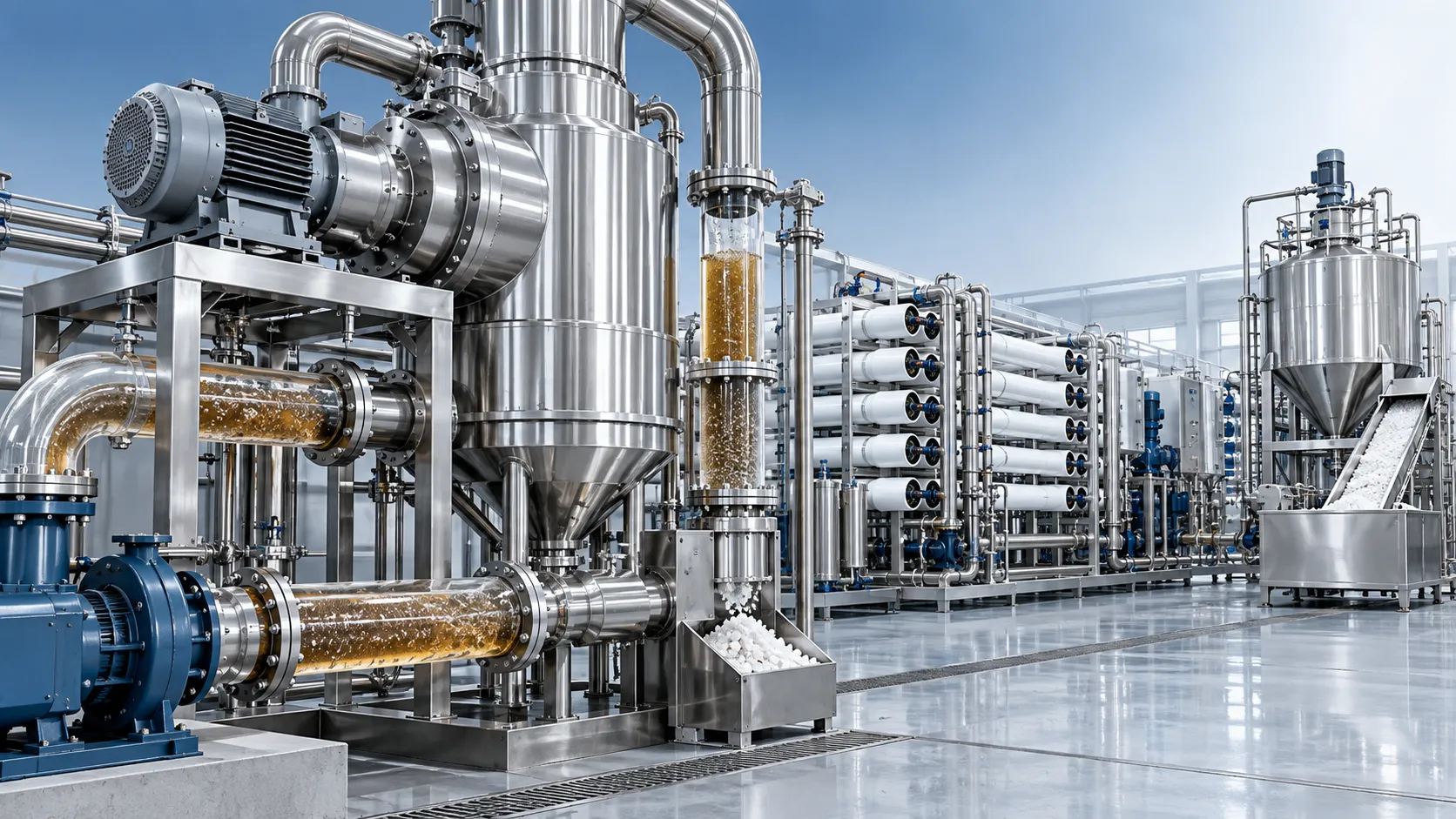
How feed salinity affects energy use in ZLD system brine treatment
ZLD system brine treatment: discover how feed salinity drives energy use, scaling risk, and technology choices for efficient, reliable zero liquid discharge.
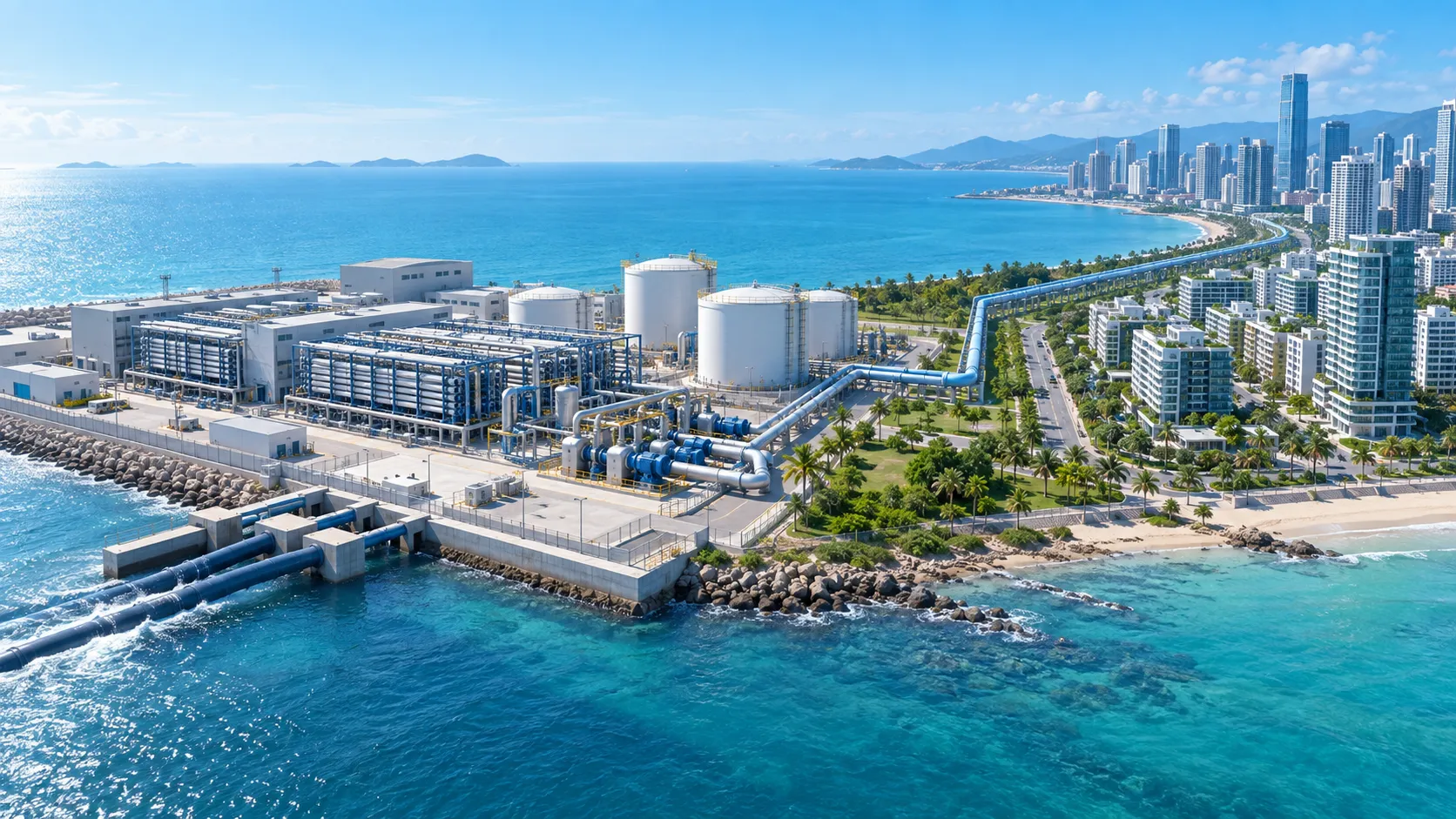
How coastal cities can select desalination solutions for peak demand
Seawater desalination solutions for coastal cities: compare firm peak capacity, intake risk, energy resilience, and lifecycle value to secure reliable water supply.
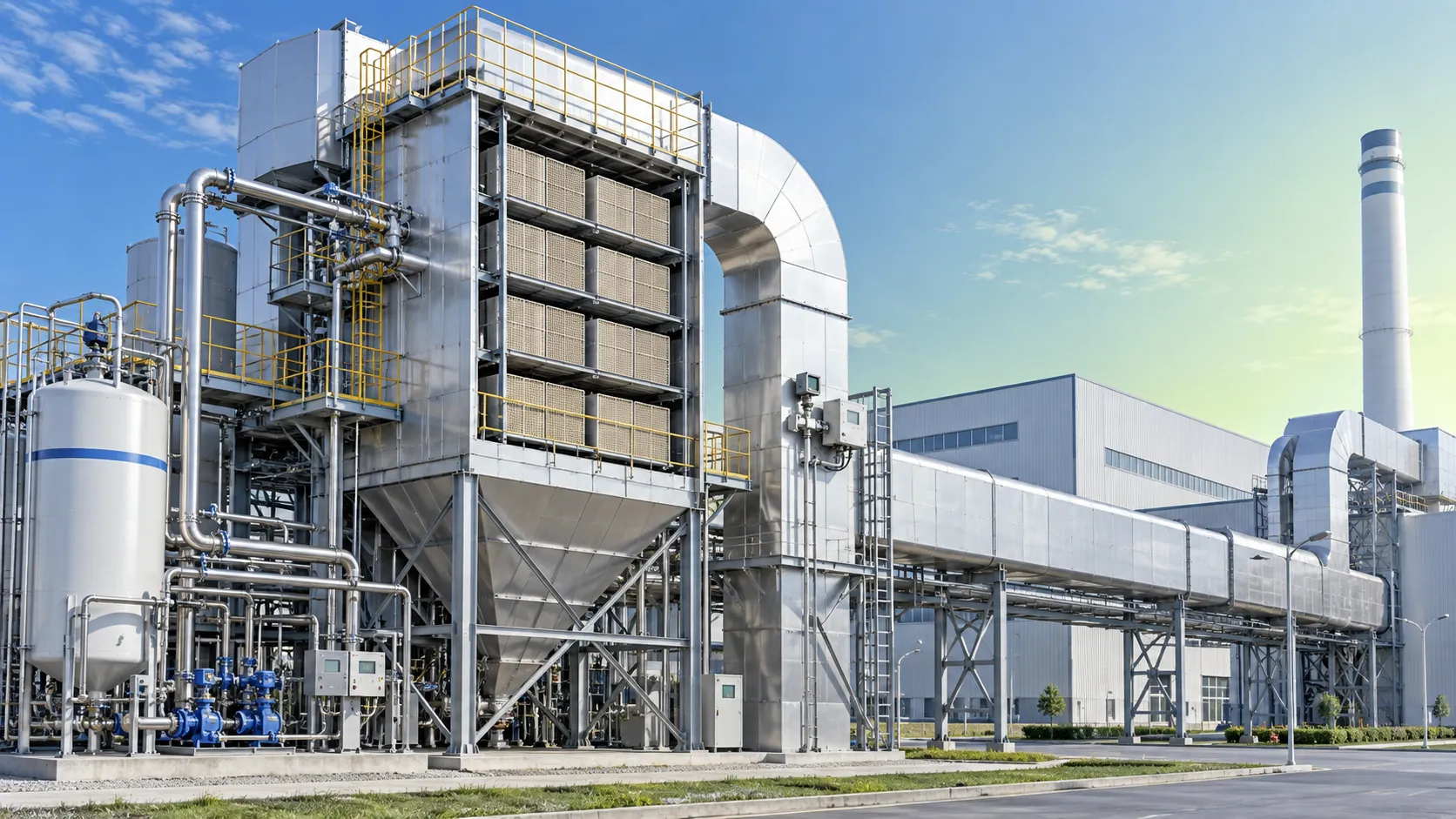
How SCR denitrification systems in Europe meet Industrial Emissions rules
SCR denitrification systems Europe: learn how permit-led design, ammonia-slip control, catalyst management and monitoring support Industrial Emissions compliance.
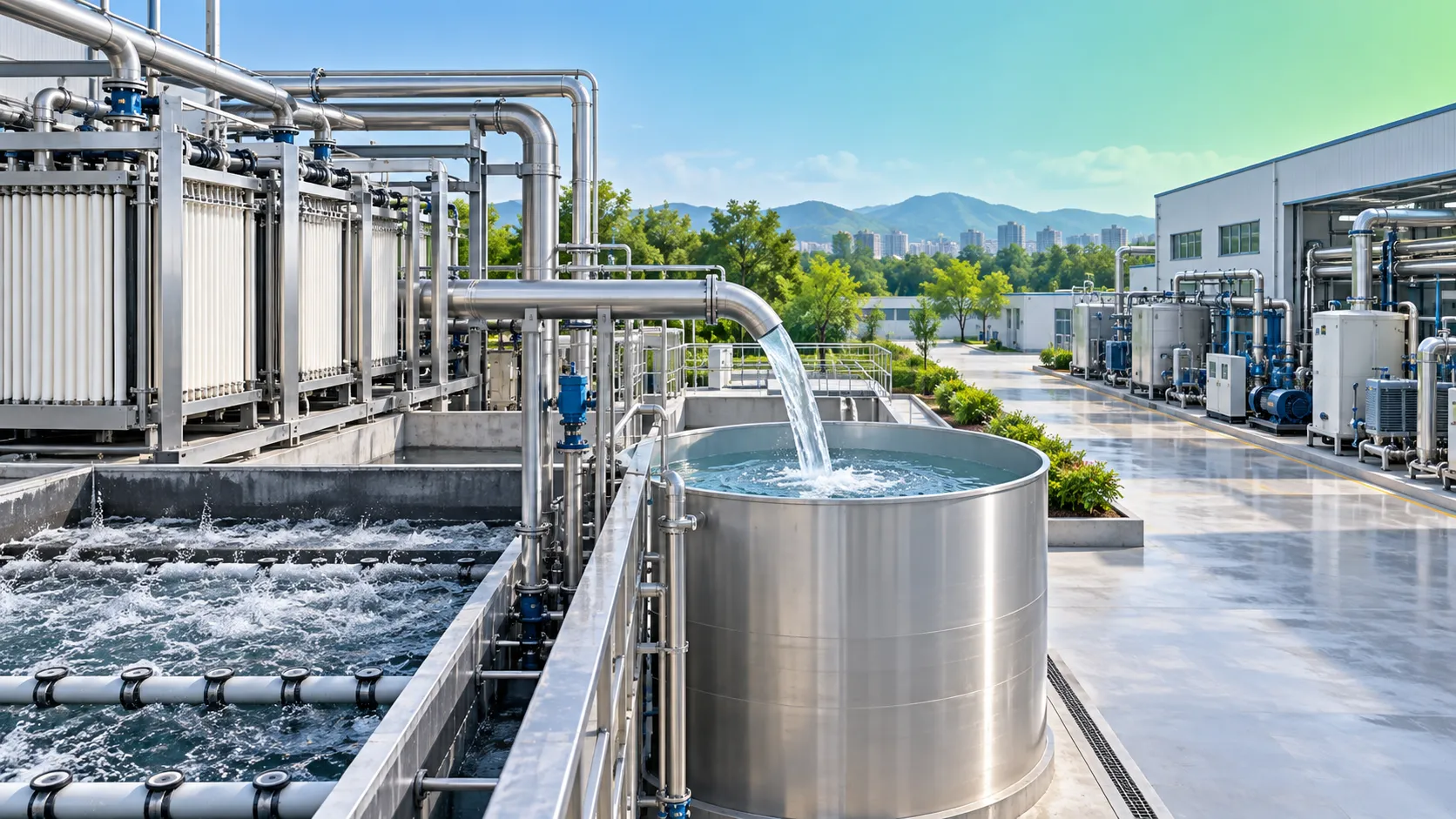
When does MBR equipment make sense for wastewater reuse?
Water treatment equipment for wastewater reuse: learn when MBR delivers compact, reliable low-solids effluent—and when alternative treatment trains offer better value.
How North America shapes global environmental governance standards
Global environmental governance North America: discover how regulation, finance, and procurement raise worldwide standards and reshape environmental projects.

How reactor capacity affects throughput in pyrolysis systems
Pyrolysis systems reactor capacity explained: learn how heat transfer, residence time, feed quality, and emissions controls determine reliable throughput.
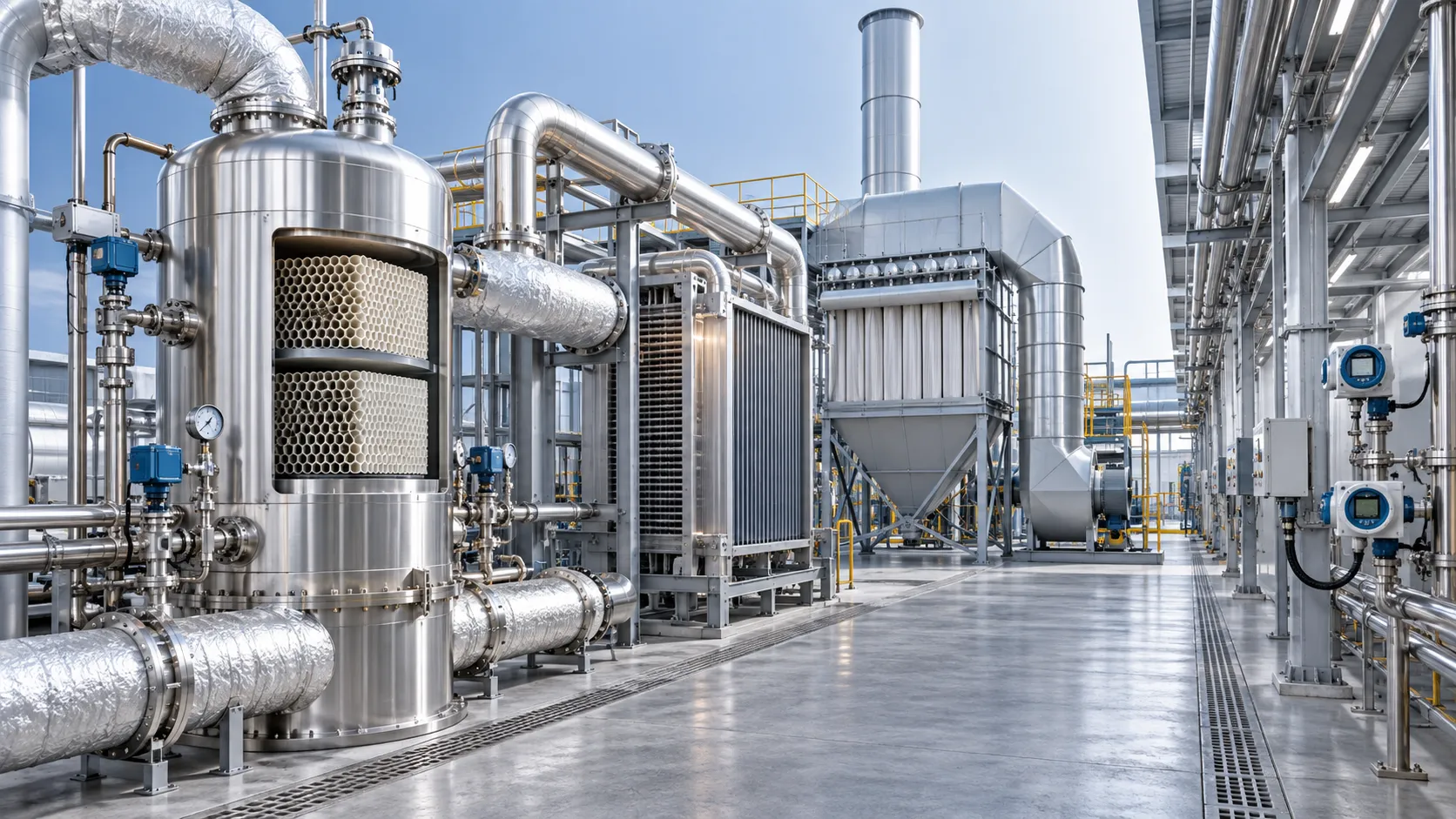
When low-temperature reaction equipment is the right fit for heat-sensitive processes
Low-temperature reaction equipment helps protect heat-sensitive streams, improve energy integration, and maintain reliable conversion. Explore key selection factors today.
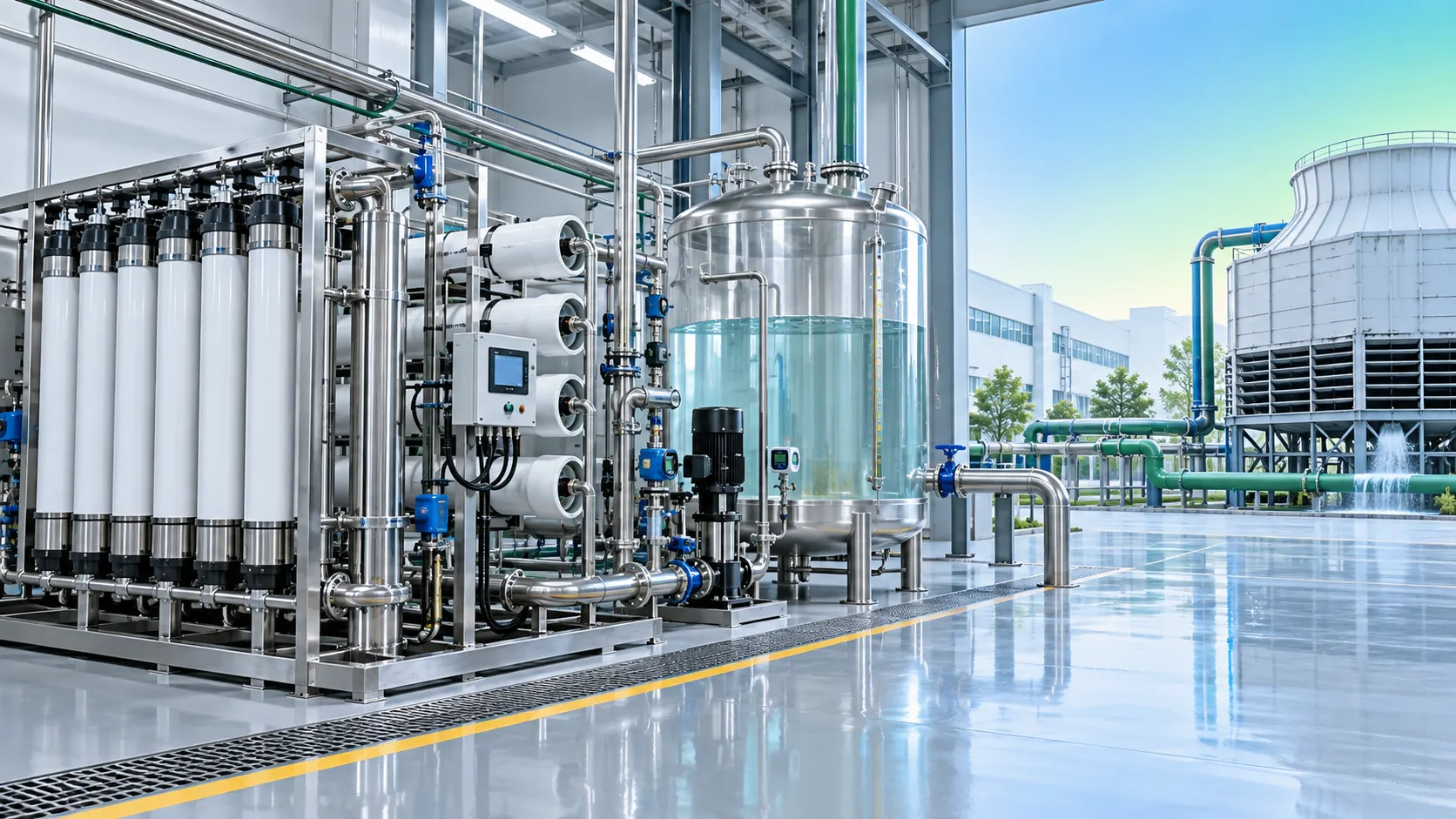
When do water reuse systems deliver a practical payback?
Water reuse systems deliver practical payback when they cut water, discharge, and downtime costs. Learn how to match treatment, recovery, and reuse quality for lasting ROI.
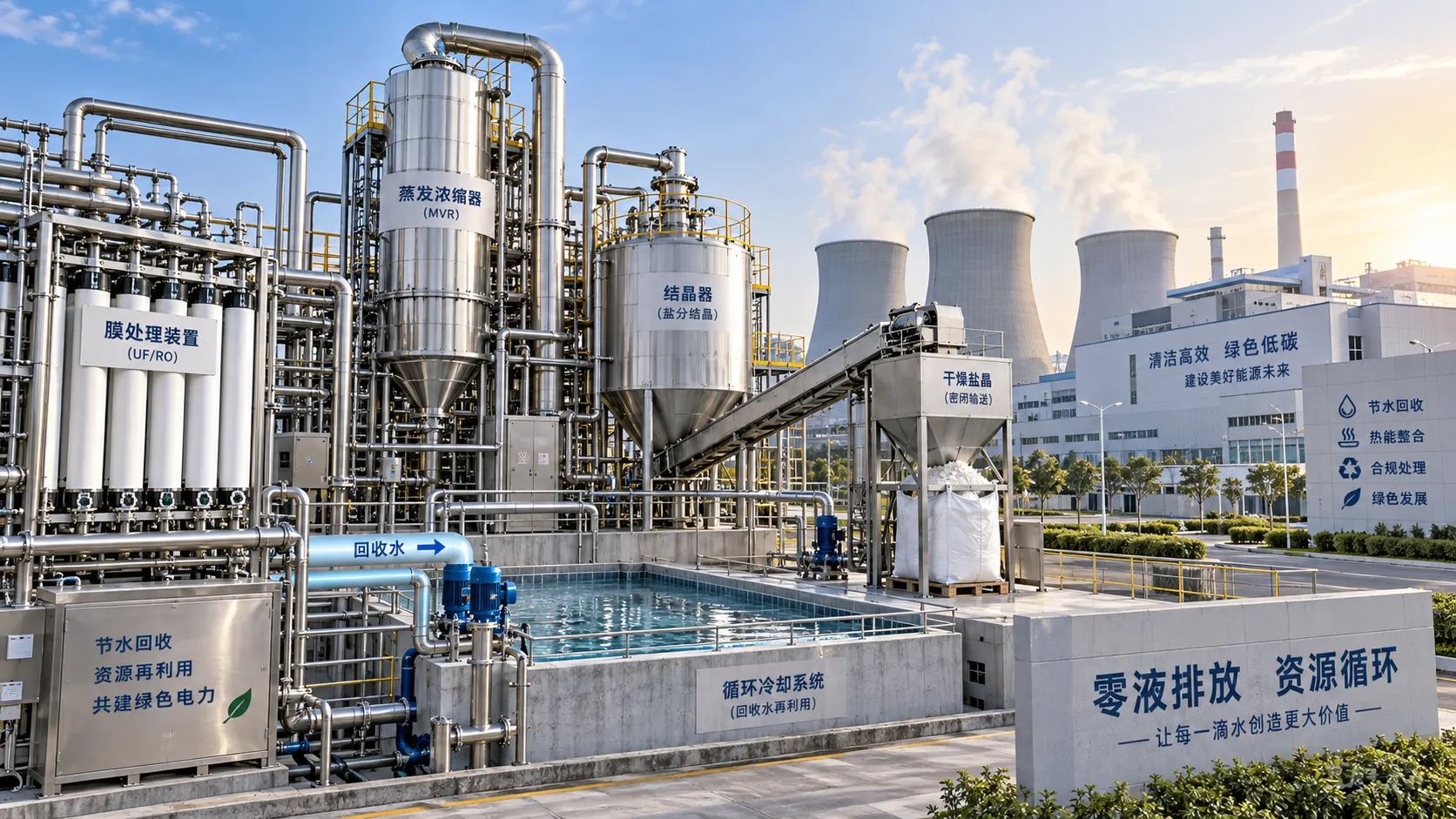
When do ZLD systems for power generation justify their energy use?
ZLD systems for power generation: learn when energy-intensive water recovery delivers stronger compliance, resilience, and long-term value.