
Industry News
Curation by industry experts
Hot Articles
Popular Tags
Large-Scale Water Treatment Plants: CAPEX vs OPEX Explained
Why does CAPEX vs OPEX matter so much in large-scale water treatment plants?
In large-scale water treatment plants, the purchase decision rarely ends with the construction budget.
A lower bid can still lead to higher lifetime spending if energy use, chemical demand, downtime, or membrane replacement are underestimated.
That is why CAPEX and OPEX must be reviewed together, not as separate accounting lines.
CAPEX covers land preparation, civil works, process units, automation, sludge handling, pipelines, and commissioning.
OPEX includes electricity, reagents, labor, maintenance, spare parts, concentrate disposal, and compliance monitoring.
In practical terms, the real value of large-scale water treatment plants depends on how reliably those costs stay under control.
This is especially true when discharge permits tighten, Zero Liquid Discharge targets expand, and carbon-linked regulation affects industrial competitiveness.
Seen from the broader ecological engineering landscape, water assets no longer stand alone.
They connect with waste recovery, flue gas treatment, desalination, and compliance strategy across the entire environmental infrastructure chain.
That wider systems view is also why market intelligence platforms such as ESD track both equipment parameters and policy pressure, not just headline project values.
Is higher CAPEX always a bad sign?
Not necessarily. In many cases, higher upfront cost is simply the price of lower long-term instability.
A better intake design, stronger pretreatment train, premium pumps, or smarter controls may raise CAPEX.
Yet those choices can reduce fouling, energy drift, emergency shutdowns, and unplanned maintenance later.
The more useful question is whether added CAPEX removes a recurring operational burden.
For example, advanced pretreatment before RO can look expensive during procurement.
However, it may extend membrane life, stabilize flux, and lower cleaning frequency over years.
Likewise, automation with stronger instrumentation can cut operator intervention and improve compliance reporting accuracy.
In large-scale water treatment plants, extra CAPEX becomes harder to justify only when the operational savings are vague or unverified.
A disciplined review usually compares the payback period, risk reduction, and residual asset value.
A quick way to judge the trade-off
Instead of asking which proposal is cheapest, ask which proposal shifts cost in the most controllable way.
This kind of side-by-side view keeps CAPEX vs OPEX grounded in operating reality.
Where do OPEX surprises usually come from?
Most OPEX overruns in large-scale water treatment plants come from variables that look small during early budgeting.
Energy is the obvious one, but not the only one.
Feedwater volatility, sludge handling, consumables logistics, and disposal costs often shift faster than expected.
Industrial wastewater projects are particularly exposed because influent composition may change with production schedules.
Municipal facilities face a different pattern.
They may deal with rising electricity tariffs, nutrient removal pressure, and aging infrastructure interfaces.
Desalination-linked projects add another layer, since membrane performance and energy recovery efficiency define long-term economics.
More often than not, the budget problem starts when assumptions remain static while operating conditions do not.
The cost items worth stress-testing early
- Electricity demand at both design load and variable load conditions.
- Chemical consumption under seasonal water quality shifts.
- Membrane, media, and catalyst replacement intervals.
- Sludge dewatering, transport, and final disposal charges.
- Spare part availability for imported or highly specialized components.
- Penalty exposure tied to effluent exceedance or reporting failure.
If these line items are not tested against realistic scenarios, OPEX forecasts remain too optimistic.
How should large-scale water treatment plants be compared during approval?
A useful comparison does not stop at total project price.
It should compare cost per cubic meter, compliance resilience, process flexibility, and recovery value where applicable.
In other words, approval should follow lifecycle logic, not only construction logic.
For large-scale water treatment plants, several filters help separate attractive proposals from risky ones.
- Check the design basis behind energy and recovery claims.
- Review whether influent variability is built into the process guarantee.
- Confirm the maintenance philosophy, not just spare part lists.
- Examine whether future tightening of discharge standards can be absorbed without major retrofit.
- Look for integration opportunities with heat recovery, sludge valorization, or concentrate management.
This broader comparison matters because environmental infrastructure is becoming more interconnected.
Water treatment economics can be influenced by waste recovery routes, energy systems, and carbon-related compliance costs.
That systems perspective is increasingly visible in intelligence-led project evaluation across the ecological engineering sector.
What are the most common mistakes when reading CAPEX vs OPEX?
One common mistake is treating OPEX as a stable fixed number.
In reality, OPEX behaves more like a moving range shaped by water quality, utilization rate, regulation, and operator discipline.
Another mistake is assuming all efficiency claims are equally bankable.
Some are based on best-case conditions rather than routine operation.
A third mistake is missing the compliance cost of under-design.
A cheaper plant may still become expensive if it struggles with permit changes, trace contaminants, or ZLD transition demands.
There is also a timing issue.
CAPEX is visible immediately, while OPEX pain arrives in monthly utility bills and cumulative maintenance events.
That delay can bias decisions toward the lower initial number.
A better reading of large-scale water treatment plants uses scenario modeling, not a single-point forecast.
A practical review checklist
So what is the smarter next step before final approval?
The strongest next step is to convert the CAPEX vs OPEX discussion into a lifecycle decision model.
That model should include at least three operating scenarios: expected, stressed, and regulation-tightened.
It should also compare large-scale water treatment plants by cost per treated volume, uptime confidence, compliance adaptability, and replacement burden.
Where the process links to desalination, industrial reuse, or high-salinity discharge, sensitivity analysis becomes even more important.
A well-judged project is rarely the one with the lowest opening price.
It is usually the one that keeps technical performance, regulatory exposure, and operating cash demand in balance.
For that reason, intelligence sources that connect process detail with market and policy shifts can be more valuable than a simple vendor comparison sheet.
Before moving ahead, clarify the treatment target, verify the cost assumptions, test compliance resilience, and compare expansion pathways.
That approach gives large-scale water treatment plants a stronger financial case and a more durable operational future.
Recommended News
How North America shapes global environmental governance standards
Global environmental governance North America: discover how regulation, finance, and procurement raise worldwide standards and reshape environmental projects.
How reactor capacity affects throughput in pyrolysis systems
Pyrolysis systems reactor capacity explained: learn how heat transfer, residence time, feed quality, and emissions controls determine reliable throughput.
When low-temperature reaction equipment is the right fit for heat-sensitive processes
Low-temperature reaction equipment helps protect heat-sensitive streams, improve energy integration, and maintain reliable conversion. Explore key selection factors today.
When do water reuse systems deliver a practical payback?
Water reuse systems deliver practical payback when they cut water, discharge, and downtime costs. Learn how to match treatment, recovery, and reuse quality for lasting ROI.
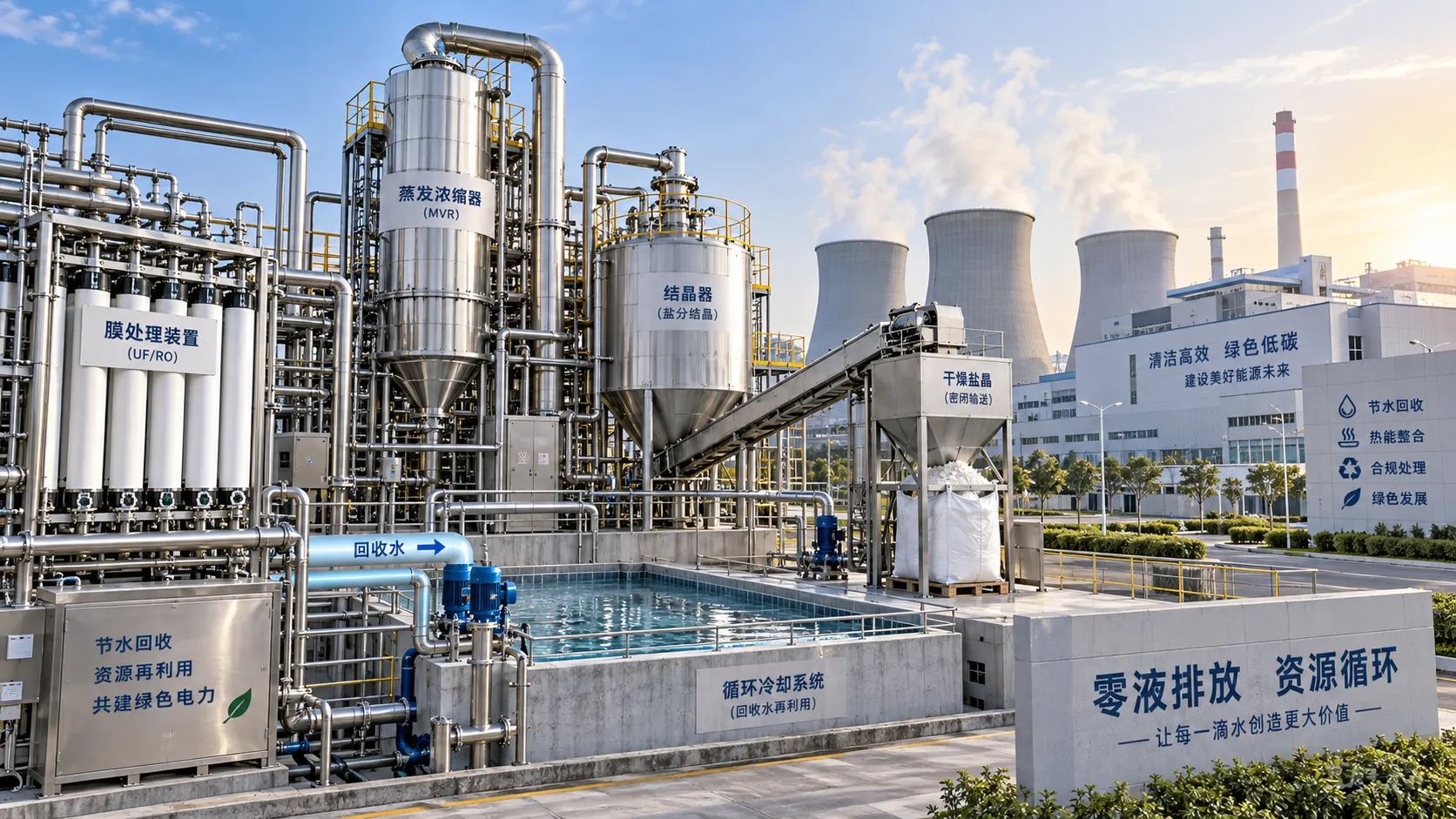
When do ZLD systems for power generation justify their energy use?
ZLD systems for power generation: learn when energy-intensive water recovery delivers stronger compliance, resilience, and long-term value.
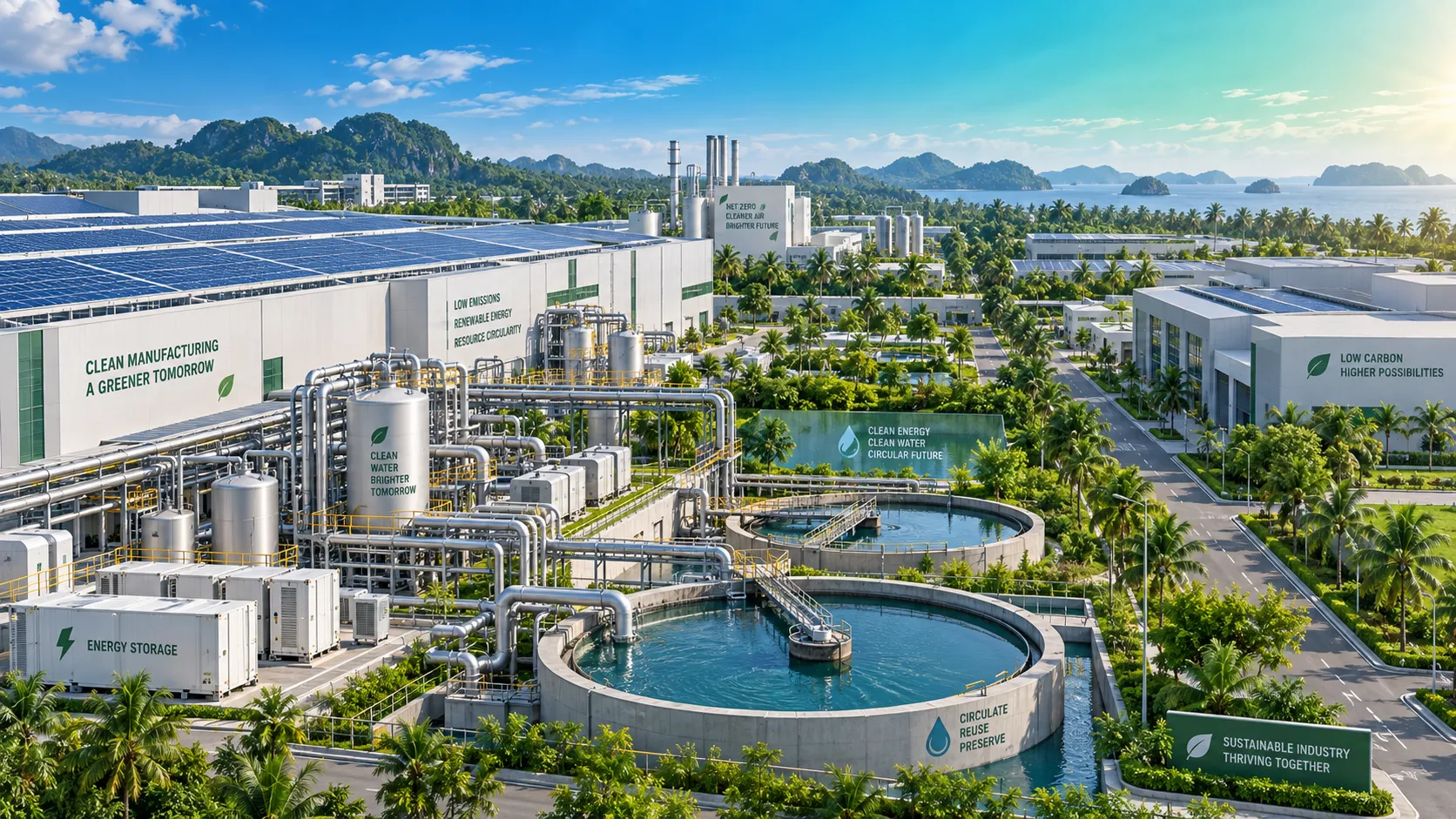
Which decarbonization pathways are most viable in Southeast Asia?
Decarbonization Southeast Asia: discover practical pathways for clean power, efficiency, electrification, circular recovery, and resilient industrial growth.
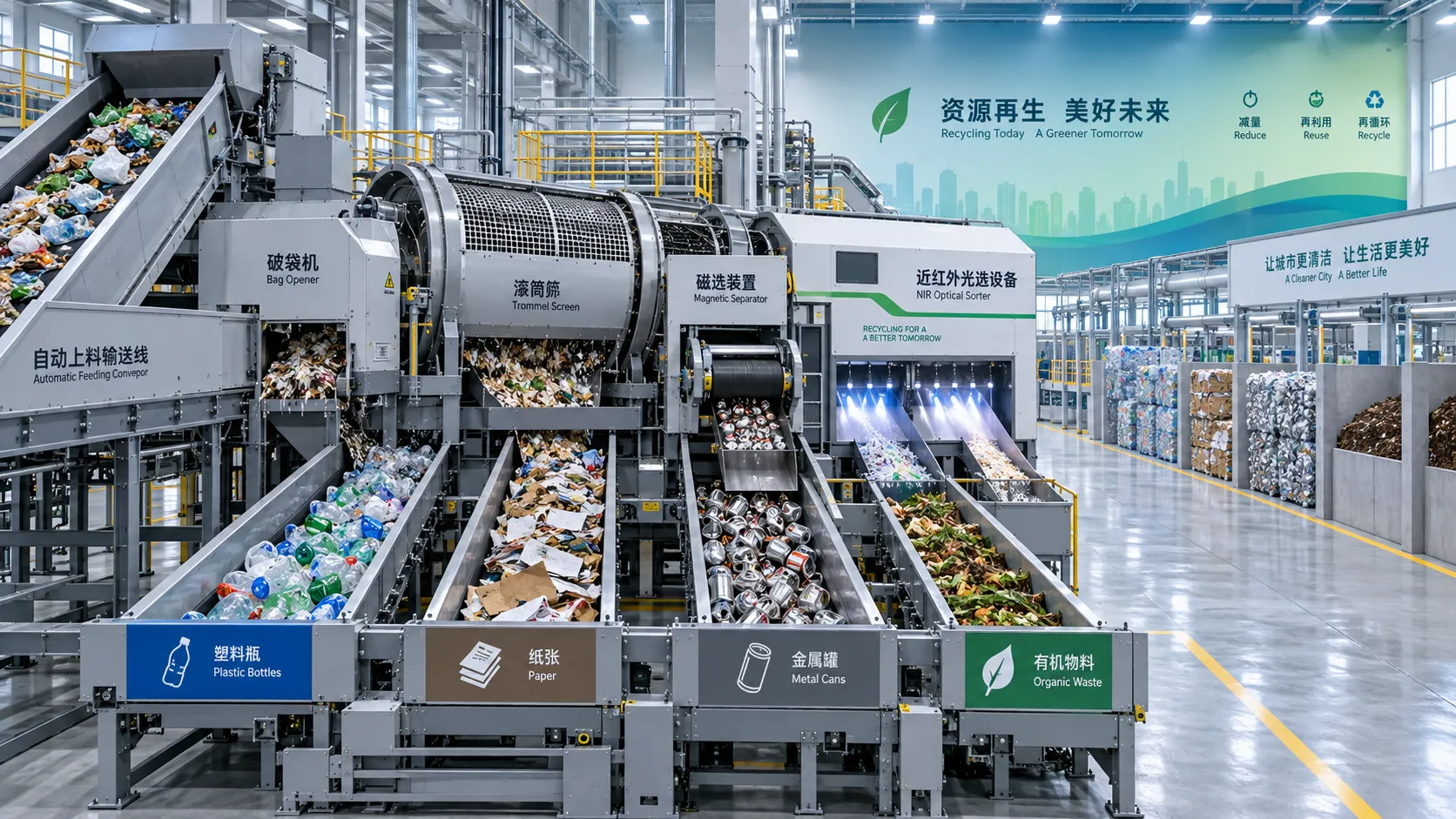
How to choose waste sorting equipment for mixed municipal waste
Waste sorting equipment selection guide for mixed municipal waste: compare technologies, improve recovery, reduce downtime, and build reliable output streams.
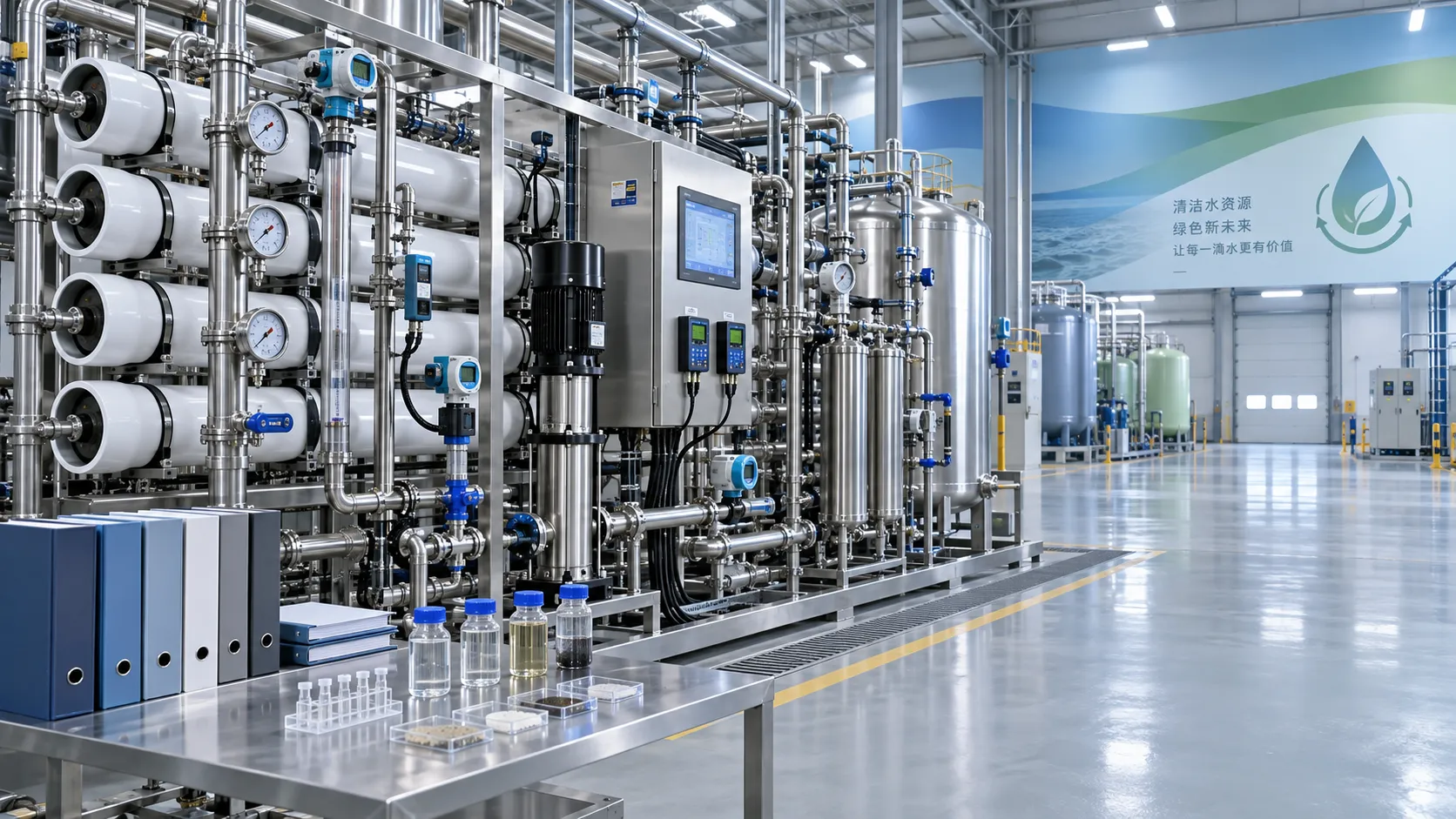
How to verify standards in an environmental equipment directory
environmental equipment directory standards reference: learn to verify certifications, performance evidence, scope, and project fit for confident, compliant equipment selection.
When high flux membrane water treatment justifies a larger footprint
High flux membrane water treatment can justify a larger footprint when variable feedwater, fouling risk, and uptime demands require resilient, lower-flux operation.