
Industry News
Curation by industry experts
Hot Articles
Popular Tags
Decarbonization projects: where ROI is often overestimated
Decarbonization projects are often framed as obvious value creators, but business evaluators know the real question is not whether emissions reduction matters. It is whether the projected return on investment will survive real operating conditions, financing constraints, policy shifts, and asset performance variability.
For capital-intensive environmental sectors such as water treatment, solid waste recovery, flue gas treatment, desalination, and nuclear waste management, ROI is frequently overstated by relying on ideal utilization rates, aggressive energy savings, optimistic carbon pricing, and incomplete lifecycle cost assumptions. A project may still be strategically necessary, but that does not automatically make the financial case robust.
The core search intent behind this topic is practical: readers want to understand why decarbonization ROI is often overestimated, how to identify weak assumptions in business cases, and how to evaluate projects more credibly. For business evaluators, the most useful answer is not a generic sustainability discussion but a disciplined framework for testing value, risk, and decision quality.
This article focuses on exactly that. It explains where inflated returns usually come from, which questions matter most in due diligence, and how to distinguish strategic decarbonization value from projections that look attractive only on paper.
Why decarbonization ROI looks better in presentations than in practice
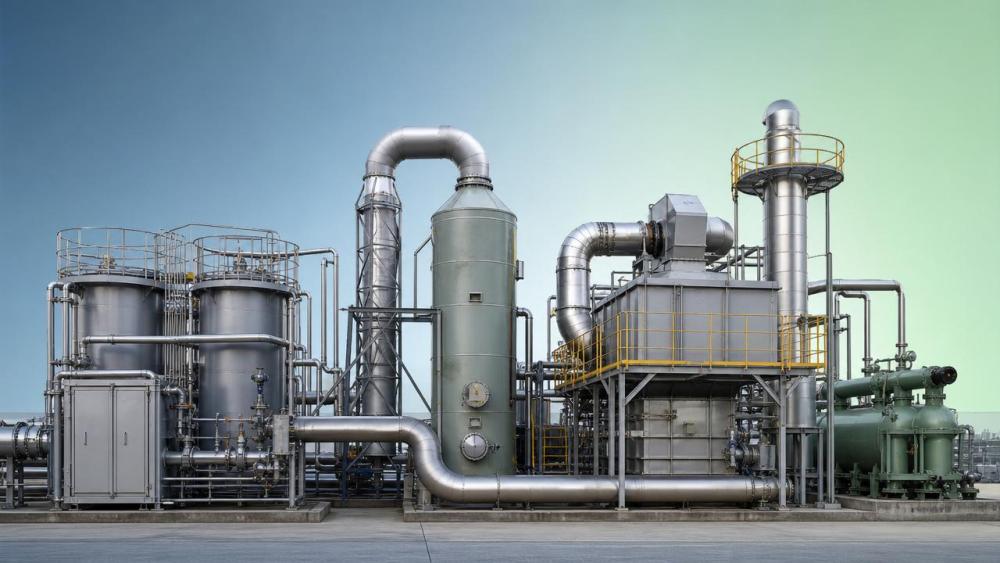
Many decarbonization projects are modeled using a narrow best-case lens. Sponsors often present energy savings, avoided carbon costs, and reputational gains as if they are all highly probable, immediately monetizable, and durable over the life of the asset. In reality, each of these value drivers carries uncertainty, and those uncertainties tend to interact.
In environmental infrastructure, the issue is even sharper because project economics depend on operational continuity, process chemistry, maintenance intensity, feedstock variability, regulatory timing, and power pricing. A desalination upgrade, waste-to-resource system, or emissions control retrofit may deliver meaningful decarbonization, yet the realized cash flow can differ materially from early forecasts.
For business evaluators, the key lesson is simple: overestimation usually does not come from one dramatic modeling error. It comes from a stack of small optimistic assumptions across performance, utilization, policy, cost, and timing. When combined, they can produce an ROI figure that appears investment-grade but is actually fragile.
What business evaluators are really trying to determine
When readers in commercial assessment roles search for insights on decarbonization, they are rarely asking whether decarbonization is important. They are asking whether a specific project deserves capital allocation versus competing uses of funds. That means they need clarity on financial resilience, downside exposure, strategic necessity, and execution risk.
The questions they care about most are practical. What portion of projected returns comes from hard operating savings versus uncertain external incentives? How sensitive is payback to energy prices, throughput, uptime, or carbon markets? What hidden compliance, integration, or maintenance costs are excluded? If policy support weakens, does the project still make sense?
They also need to know whether the project has strategic value beyond near-term ROI. Some decarbonization investments improve permit security, protect export competitiveness under mechanisms such as CBAM, reduce long-term environmental liabilities, or create access to premium customers and lower-cost financing. These benefits matter, but they must be separated from direct financial return rather than blended into one inflated number.
The most common assumptions that inflate decarbonization returns
One of the biggest sources of error is overstated utilization. Models often assume the asset will operate near designed capacity with limited disruption. In real industrial settings, commissioning delays, feedstock inconsistency, fouling, corrosion, reagent quality, operator learning curves, and maintenance shutdowns can all reduce effective performance.
Another issue is energy savings optimism. Decarbonization business cases frequently rely on engineering estimates under stable operating conditions. But actual consumption depends on ambient temperature, influent quality, pressure losses, membrane degradation, catalyst aging, moisture load, and control strategy. A system that performs well in pilot or vendor testing may not replicate that result continuously at commercial scale.
Carbon price assumptions are also often treated too confidently. A project may look attractive if future carbon costs rise steadily, if carbon credits remain available, or if compliance frameworks expand predictably. Yet policy environments are not linear. Credits may lose value, eligibility rules may tighten, and regional enforcement may remain inconsistent for years.
Capital expenditure underestimation is another recurring problem. Initial figures can exclude civil works, grid upgrades, pre-treatment modifications, storage systems, digital controls, safety engineering, environmental monitoring, and integration with legacy assets. In sectors like flue gas treatment or high-salinity wastewater processing, these “secondary” items can meaningfully change project economics.
Operating expenditure is similarly vulnerable to understatement. Chemicals, membranes, catalysts, spare parts, skilled labor, waste residual handling, and compliance reporting often rise faster than expected. Projects with strong modeled payback can become marginal when lifecycle replacement schedules are inserted realistically.
Finally, business cases frequently compress implementation timelines. A twelve-month delay in permitting, procurement, or commissioning can materially reduce net present value, especially when the project is front-loaded with capital costs but back-loaded with savings.
Where sector-specific risk makes ROI especially fragile
Across integrated environmental sectors, decarbonization economics are rarely generic. The underlying process determines how stable or uncertain the value case really is. Business evaluators should adjust their scrutiny according to technical context rather than applying one uniform ROI template.
In large-scale water treatment, energy recovery systems, advanced oxidation, and ZLD upgrades may promise lower emissions and better compliance. But returns depend heavily on influent variability, scaling behavior, concentrate handling costs, and power intensity. Even small deviations in salinity or contaminant load can shift operating economics.
In solid waste recovery, pyrolysis, gasification, and advanced sorting projects often present attractive decarbonization narratives tied to avoided landfill emissions and secondary material value. Yet feedstock quality, contamination rates, offtake pricing, and system uptime can introduce major volatility. If secondary markets weaken, projected returns can deteriorate quickly.
In flue gas treatment, low-temperature SCR systems, heat recovery units, or electrification-related retrofits may show strong decarbonization potential. However, catalyst life, sulfur content, dust loading, temperature windows, and shutdown frequency all influence real performance. Savings based on ideal stack conditions can be unreliable.
In seawater desalination, efficiency improvements may reduce carbon intensity, but economics are tightly coupled to electricity tariffs, membrane life, pretreatment stability, and financing structure. Because energy is such a large cost component, even moderate power-price volatility can reshape ROI assumptions.
In nuclear waste management, decarbonization is usually embedded in broader system resilience and public safety goals rather than simple operating savings. Vitrification, conditioning, shielding, transport, and long-duration compliance requirements mean financial evaluation must include risk avoidance and regulatory assurance, not just narrow cash yield.
How to separate strategic value from inflated financial value
A disciplined evaluator should not reject a decarbonization project simply because the initial ROI is overstated. The better approach is to separate value into layers. First, identify direct measurable cash effects: reduced energy use, lower disposal costs, avoided emissions charges, improved yield, or lower consumables. Second, isolate strategic effects: compliance resilience, market access, customer preference, financing advantages, and reputational protection.
This distinction matters because strategic value is real, but it behaves differently from operating cash flow. It is harder to monetize precisely, more dependent on external context, and often best justified through scenario analysis rather than a single payback figure. When teams mix strategic upside into a standard ROI number without transparency, decision quality declines.
For example, a water reuse upgrade may not deliver strong standalone payback under conservative assumptions. But if it materially reduces permit risk in a water-stressed jurisdiction, protects continuity for a critical industrial site, and supports customer decarbonization requirements, it may still be a high-priority investment. The business case should reflect those strategic dimensions honestly instead of masking weak baseline economics.
A better framework for evaluating decarbonization projects
Business evaluators need an approach that tests resilience, not just projected attractiveness. A practical framework begins with a base case built on demonstrated operating data rather than vendor best-case claims. If no relevant operating data exists, the model should explicitly discount expected performance to reflect scale-up and integration risk.
Next, separate savings into controllable and uncontrollable categories. Controllable benefits include internal process efficiency, reduced raw material use, and lower waste handling. Uncontrollable benefits include carbon credit pricing, future subsidies, and external premium pricing. The project should ideally remain defensible even if a meaningful portion of uncontrollable upside does not materialize.
Scenario analysis is essential. At minimum, evaluators should model downside cases for throughput, uptime, energy price shifts, capex overrun, commissioning delay, and maintenance intensity. Sensitivity analysis should reveal which variables truly drive investment viability. If a project only works when several optimistic assumptions hold simultaneously, the headline ROI is not decision-grade.
Lifecycle costing should be mandatory. This includes replacement cycles for membranes, catalysts, pumps, refractory materials, digital systems, and monitoring instruments. It also includes retraining, residual management, environmental reporting, and end-of-life decommissioning where relevant. Too many decarbonization models focus on year-one savings while ignoring year-seven realities.
Finally, evaluators should test optionality. Can the system be expanded, repurposed, or integrated into broader resource recovery and compliance strategies? Projects with moderate direct ROI but strong strategic flexibility may deserve higher ranking than projects with slightly better modeled payback but higher lock-in risk.
Red flags that should trigger deeper due diligence
Several signs should immediately prompt caution. One is when most of the projected value depends on policy support rather than operating fundamentals. Another is when performance assumptions come only from pilot data, vendor literature, or a single reference plant with non-comparable conditions.
A third red flag is an unusually short payback period for a complex industrial decarbonization asset. While rapid returns are possible, they should be stress-tested carefully. Hidden integration costs, downtime during transition, and degraded performance over time often lengthen recovery significantly.
Evaluators should also question models that treat carbon reduction as automatically monetizable. Emissions reduction has strategic and societal value, but direct financial capture depends on regulation, customer willingness to pay, credit mechanisms, and market design. If those links are not explicit, the monetary case may be overstated.
Another warning sign is weak accountability for post-investment verification. If no one is responsible for measuring realized savings against approved assumptions, optimistic modeling can pass through governance too easily. Strong projects include monitoring plans, performance baselines, and decision checkpoints.
What a credible decarbonization business case should look like
A credible business case does not need to promise perfect certainty. It needs to show disciplined realism. That means clear assumptions, transparent value categories, conservative downside cases, and explicit treatment of regulatory and technology risk.
It should explain what makes the project necessary, what makes it financially attractive, and what could prevent expected returns from being achieved. It should also show whether the project remains worthwhile under less favorable conditions. If the answer is no, management should know that before capital is committed, not after commissioning.
In sectors covered by ESD’s intelligence lens, this rigor is especially important. Water treatment, waste recovery, desalination, flue gas control, and nuclear waste systems operate at the intersection of environmental compliance, engineering complexity, and large-scale capital deployment. In such settings, the best decarbonization decisions come from integrating technical reality with commercial discipline.
Conclusion: decarbonization value is real, but not every ROI claim is
Decarbonization projects can create strong business value, but that value is often misrepresented when models rely on optimistic assumptions, incomplete costs, and uncertain policy benefits treated as guaranteed returns. For business evaluators, the task is not to resist decarbonization. It is to ensure that financial claims are credible, risk-adjusted, and strategically coherent.
The most reliable decisions come from asking sharper questions: Which benefits are operationally proven? Which are policy-dependent? Which costs are hidden? How sensitive is the project to real-world variability? And if the most favorable assumptions weaken, does the investment still deserve approval?
When these questions are answered rigorously, companies can support decarbonization without confusing ambition with bankable return. That is the difference between a persuasive sustainability narrative and an investment case that can withstand reality.
Recommended News

How feed salinity affects energy use in ZLD system brine treatment
ZLD system brine treatment: discover how feed salinity drives energy use, scaling risk, and technology choices for efficient, reliable zero liquid discharge.
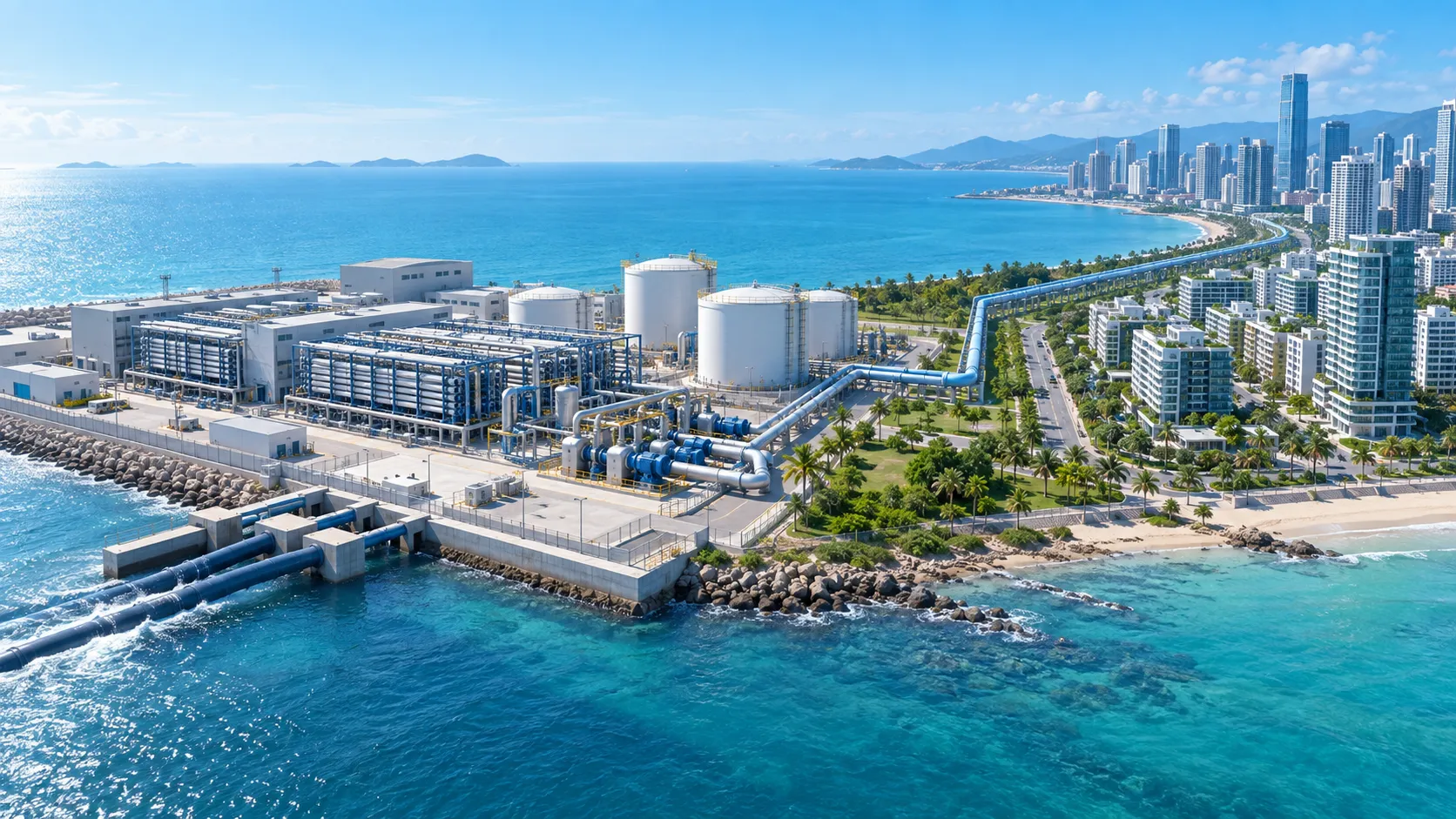
How coastal cities can select desalination solutions for peak demand
Seawater desalination solutions for coastal cities: compare firm peak capacity, intake risk, energy resilience, and lifecycle value to secure reliable water supply.
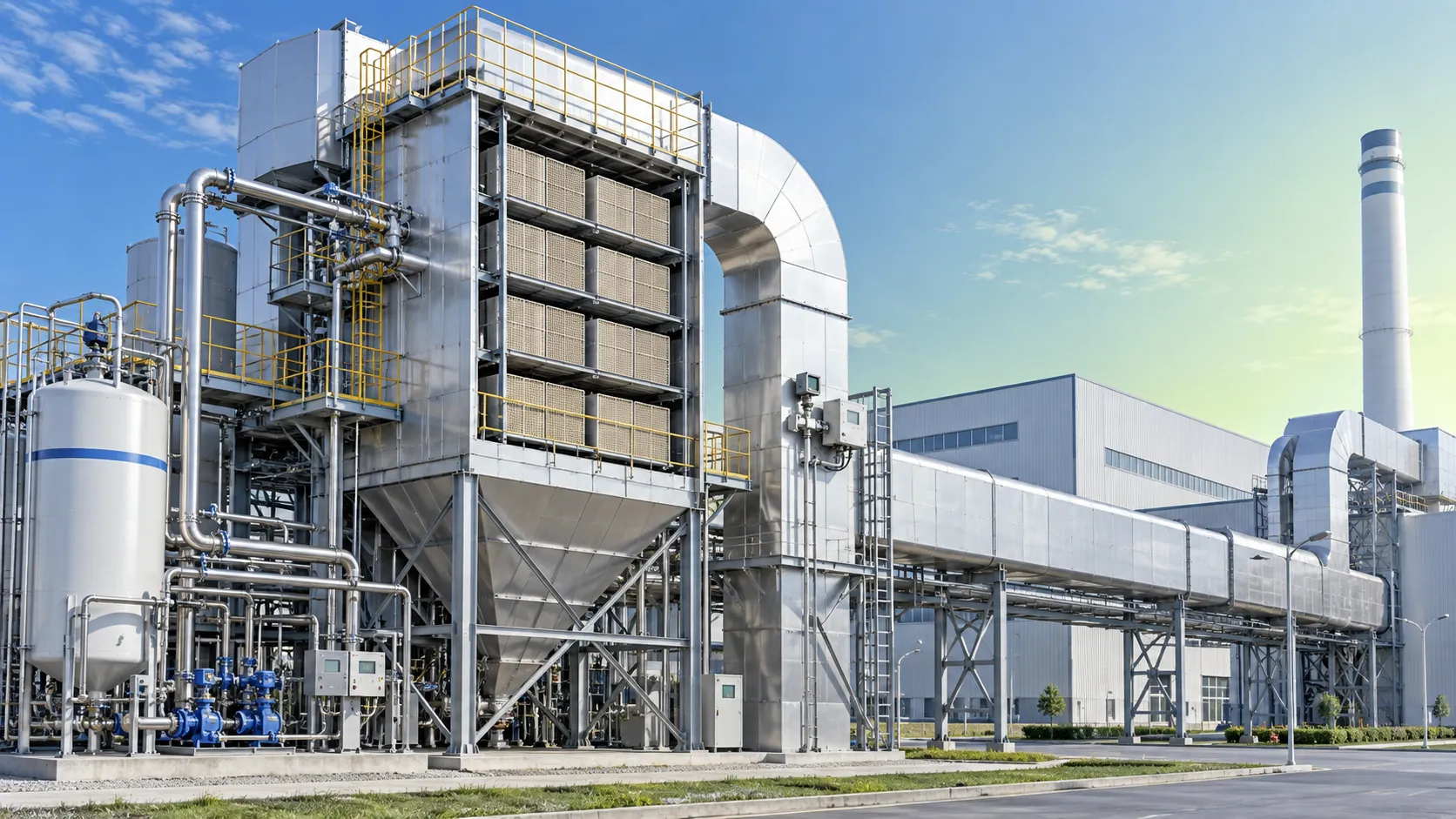
How SCR denitrification systems in Europe meet Industrial Emissions rules
SCR denitrification systems Europe: learn how permit-led design, ammonia-slip control, catalyst management and monitoring support Industrial Emissions compliance.
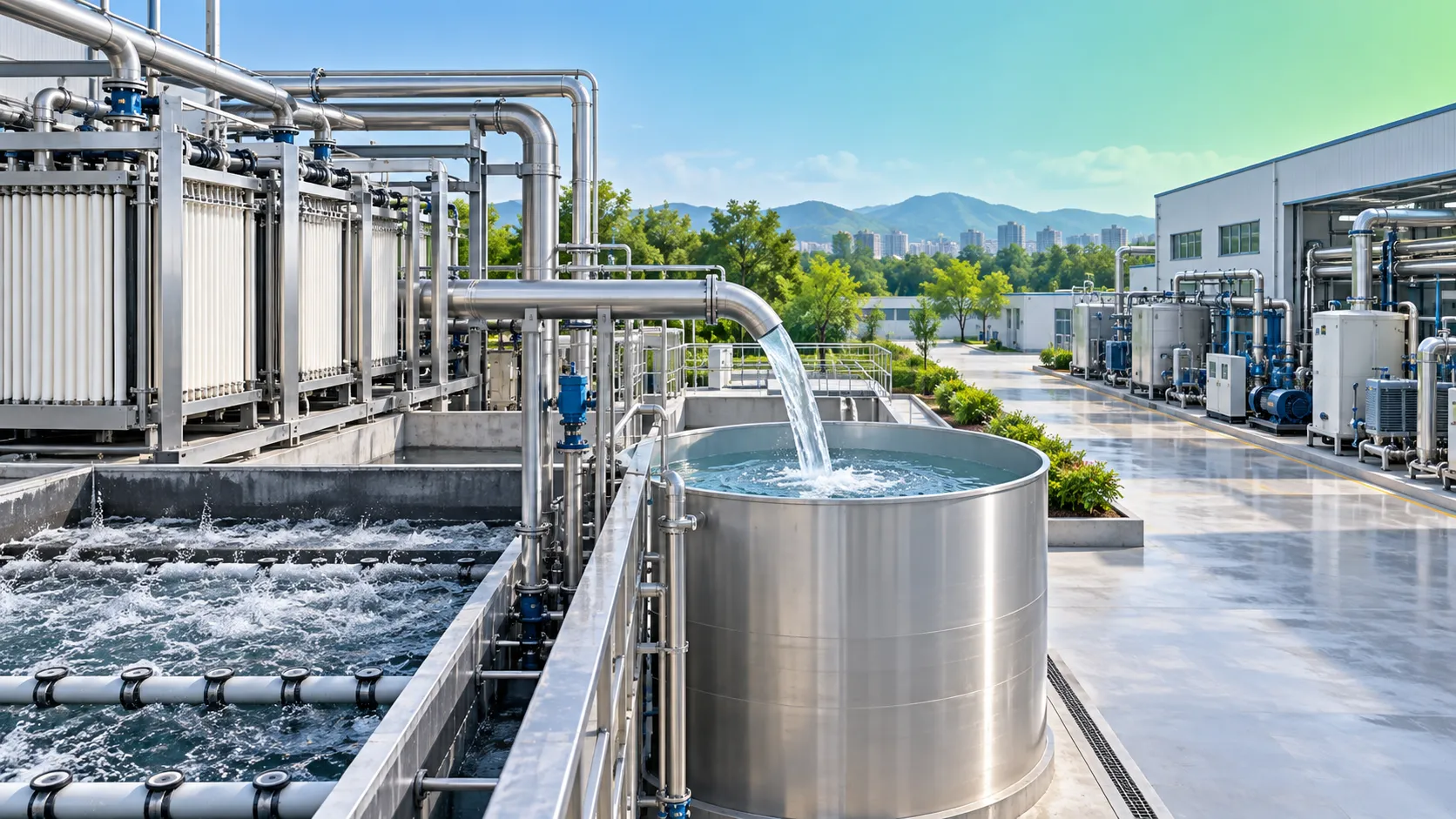
When does MBR equipment make sense for wastewater reuse?
Water treatment equipment for wastewater reuse: learn when MBR delivers compact, reliable low-solids effluent—and when alternative treatment trains offer better value.
How North America shapes global environmental governance standards
Global environmental governance North America: discover how regulation, finance, and procurement raise worldwide standards and reshape environmental projects.

How reactor capacity affects throughput in pyrolysis systems
Pyrolysis systems reactor capacity explained: learn how heat transfer, residence time, feed quality, and emissions controls determine reliable throughput.

When low-temperature reaction equipment is the right fit for heat-sensitive processes
Low-temperature reaction equipment helps protect heat-sensitive streams, improve energy integration, and maintain reliable conversion. Explore key selection factors today.

When do water reuse systems deliver a practical payback?
Water reuse systems deliver practical payback when they cut water, discharge, and downtime costs. Learn how to match treatment, recovery, and reuse quality for lasting ROI.
When do ZLD systems for power generation justify their energy use?
ZLD systems for power generation: learn when energy-intensive water recovery delivers stronger compliance, resilience, and long-term value.