
Industry News
Curation by industry experts
Hot Articles
Popular Tags
Practical decarbonization steps that fit existing plant operations
Decarbonization does not have to disrupt existing plant operations or delay critical project milestones. For project managers and engineering leads, the real challenge is finding practical, low-risk steps that improve energy efficiency, compliance readiness, and asset performance at the same time. This article outlines actionable decarbonization measures that can be integrated into current industrial workflows while supporting long-term operational resilience and investment value.
Why practical decarbonization matters more than ambitious disruption
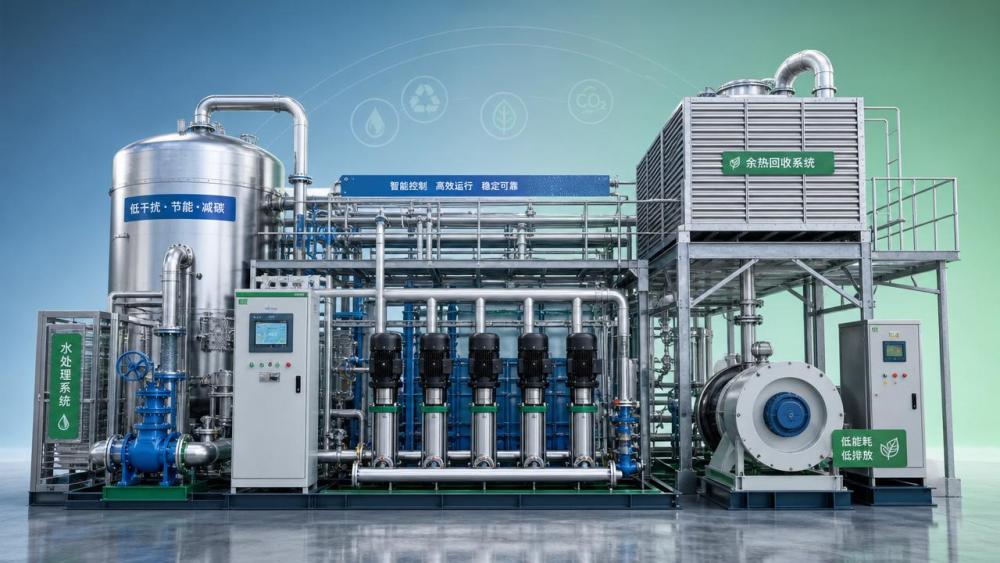
In large-scale environmental infrastructure, decarbonization is rarely a greenfield exercise. Most facilities already run around fixed treatment loads, maintenance windows, permit conditions, and strict uptime targets. That is especially true in water treatment, solid waste recovery, flue gas treatment, desalination, and nuclear waste management, where operational continuity is not optional.
For project managers, the question is not whether decarbonization is necessary. The question is how to reduce emissions without creating commissioning risk, throughput loss, compliance gaps, or procurement mistakes. A practical decarbonization strategy starts with what the plant already has: installed assets, existing control systems, available utilities, real maintenance constraints, and actual budget cycles.
This is where intelligence-led planning becomes valuable. ESD focuses on connecting process parameters, resource loop logic, and compliance pressure into actionable decisions. In capital-intensive sectors, that means identifying carbon reduction steps that align with plant realities rather than abstract roadmaps.
- Reduce energy waste in the current process before considering large replacement projects.
- Prioritize measures that fit outage schedules, permit boundaries, and operator skill levels.
- Use decarbonization to strengthen compliance readiness, especially under tightening reporting and trade-related carbon rules such as CBAM-linked pressure across supply chains.
Where existing plants usually lose carbon efficiency
In established facilities, emissions are often driven less by one dramatic problem and more by accumulated inefficiencies. Pumps run off design curve. Aeration is oversized. Thermal processes lose recoverable heat. Chemical dosing compensates for poor controls. Auxiliary systems consume power continuously even when load varies.
A decarbonization plan that fits existing operations therefore begins with a baseline review. The aim is to map energy intensity, carbon hotspots, and operational constraints by subsystem rather than by headline utility bill alone.
The table below shows common emission sources and the first-response opportunities that project teams can assess without redesigning the entire plant.
The point is not to force one decarbonization template across all assets. The point is to identify subsystem-level improvements that preserve process integrity. In many plants, these steps can deliver measurable reductions in electricity use, fuel intensity, and operating cost before any major retrofit begins.
How to sequence decarbonization without interrupting operations
A workable decarbonization roadmap should be phased. Project leaders who try to combine digital upgrades, equipment replacement, process optimization, and reporting transformation in a single push often create coordination risk. A staged model is usually faster in practice because it limits decision bottlenecks and protects critical path activities.
Phase 1: Build the operating baseline
Start with load profile analysis, specific energy consumption, carbon conversion factors, maintenance history, and process deviations. For desalination, this may mean kWh per cubic meter and pretreatment variability. For flue gas systems, it may mean fan power, reagent ratio, and catalyst performance under low-temperature conditions.
Phase 2: Capture no-regret improvements
These are low-capex or moderate-capex measures with short shutdown requirements. Examples include VFD installation, blower control tuning, leak reduction, heat insulation repair, online instrumentation upgrades, and process setpoint optimization. These steps often support decarbonization while also improving reliability.
Phase 3: Evaluate retrofit packages
Only after the baseline and quick wins are clear should teams compare larger retrofits such as energy recovery systems, advanced membranes, waste heat recovery packages, electrified thermal units, or automation upgrades. At this stage, procurement and engineering can define the business case more accurately.
Phase 4: Integrate compliance and reporting
A mature decarbonization plan also needs reporting architecture. That includes metering boundaries, audit trails, equipment-level energy data, and documentation that can support environmental reporting, owner approvals, and cross-border project scrutiny.
- Separate operational savings from theoretical savings.
- Link each decarbonization measure to a planned shutdown window or maintenance event.
- Confirm that instrumentation is reliable enough to prove results after implementation.
Which decarbonization measures usually fit best in current plant workflows?
Project teams often ask which measures offer the best balance between carbon reduction, implementation speed, and operational safety. The answer depends on process type, but some categories repeatedly show strong fit in brownfield industrial settings.
The comparison below helps engineering leaders screen options before launching detailed design or vendor discussions.
The best-fit measures usually combine three traits: they target a verified energy hotspot, they fit an existing maintenance or upgrade window, and they create operational data that can be used for future investment decisions. This approach makes decarbonization easier to defend internally because it ties carbon reduction to production logic.
Sector-specific opportunities in ESD’s core industrial domains
Large water treatment and ZLD
In water treatment plants, decarbonization often starts with pumping, aeration, sludge handling, and concentration stages. Energy intensity rises sharply when fouling, scaling, or poor load balancing forces equipment to operate beyond ideal conditions. Better process control and predictive maintenance can reduce avoidable power demand without changing treatment outcomes.
Solid waste recovery systems
In waste recovery, carbon performance depends on sorting quality, moisture control, thermal balance, and residue handling. A plant with unstable feed composition can burn excess energy just to maintain process stability. Better front-end segregation and AI-assisted sorting frequently support decarbonization more effectively than adding downstream hardware alone.
Flue gas treatment
Flue gas systems are often seen only as compliance assets, yet they contain real decarbonization opportunities. Fan power optimization, pressure drop reduction, reagent efficiency, and catalyst performance management can lower indirect emissions while preserving emissions control. For heavy industry, that combination matters because every modification must respect environmental permit stability.
Seawater desalination
Desalination remains one of the most energy-sensitive environmental infrastructures. Practical decarbonization here means focusing on energy recovery devices, pretreatment consistency, membrane life, and smart operation under variable intake conditions. The goal is not only lower carbon intensity, but also fewer surprise maintenance events and more stable water output.
Nuclear waste management support systems
In nuclear-related environments, every decarbonization action must respect safety culture, containment requirements, and documentation rigor. That does not remove opportunities. It means upgrades should focus on auxiliary efficiency, monitoring precision, thermal control, and lifecycle reliability rather than aggressive process disruption.
What should project managers check before approving a decarbonization retrofit?
A technically attractive option can still fail if procurement assumptions are weak. For project managers, the approval stage should test not only capex and expected savings, but also constructability, commissioning logic, operator impact, and compliance interfaces. This is where many decarbonization initiatives lose momentum.
- Confirm the true process boundary. Is the savings claim based on a single skid, or on the full system including auxiliaries?
- Check utility interactions. Electrical upgrades, water balance changes, and thermal recovery loops can trigger hidden scope.
- Review outage requirements. If tie-ins need longer shutdown than the plant can tolerate, the proposal may not be practical.
- Verify instrumentation and verification method. Decarbonization benefits should be measurable through agreed metering points.
- Assess spare parts and service support. A retrofit that lowers carbon but complicates maintenance can create new lifecycle risk.
ESD’s intelligence approach is particularly useful here because project teams need more than generic efficiency claims. They need context: how a membrane behaves under specific salinity, how a catalyst performs at low temperature, or how a closed-loop recovery system changes plant economics under tighter regulation.
Compliance, reporting, and carbon-border pressure: why timing matters
Decarbonization is no longer only an internal efficiency topic. It is increasingly tied to procurement qualification, financing scrutiny, export exposure, and environmental reporting. Project leaders need to account for this shift when planning upgrades, especially in sectors linked to international engineering supply chains.
While reporting obligations vary by jurisdiction and project structure, several practical principles are broadly relevant.
For industrial operators, early attention to these points reduces rework. It also improves the credibility of capital requests because the decarbonization proposal is framed as an operational and compliance improvement package, not merely an environmental aspiration.
Common decarbonization mistakes in retrofit projects
Many retrofit plans underperform for familiar reasons. The issue is usually not lack of intent but weak integration between process engineering, procurement, and operations.
- Choosing technology before defining the baseline. Without a clear starting point, savings claims become difficult to verify.
- Ignoring operator behavior and maintenance reality. A sophisticated decarbonization package may fail if plant staff cannot maintain or tune it consistently.
- Treating carbon reduction as separate from reliability. In heavy environmental infrastructure, uptime and carbon performance must improve together.
- Overlooking system interactions. Lower power in one subsystem can create higher load elsewhere if process balance is not checked.
- Underestimating documentation needs. For regulated sectors, missing validation, calibration, and change-control records can slow project closure.
FAQ: practical questions from engineering and project teams
How do we start decarbonization if the plant has limited budget this year?
Start with a targeted baseline and rank measures by payback, outage need, and process criticality. In many facilities, instrumentation upgrades, control optimization, leak reduction, insulation repair, and variable-speed control provide a realistic first wave. These actions also generate data that supports larger future investments.
Which plants benefit most from low-disruption decarbonization measures?
Plants with variable loads, aging rotating equipment, unstable pretreatment, or high auxiliary consumption usually see the fastest benefits. That includes municipal and industrial water systems, SWRO facilities, waste recovery lines, and flue gas treatment assets where energy is strongly tied to operating conditions.
What should we ask suppliers during decarbonization procurement?
Ask for boundary assumptions, expected shutdown duration, utility impacts, monitoring requirements, spare parts needs, and performance conditions. Also request references to similar operating environments, not just laboratory or nominal conditions. For example, membrane and catalyst performance can vary significantly under real salinity, fouling, or low-temperature conditions.
How long does a practical decarbonization retrofit usually take?
The answer depends on scope. Control tuning and metering upgrades may move quickly if no major shutdown is needed. Heat recovery packages, energy recovery systems, or electrification projects often require more design coordination, tie-ins, and approval review. The most reliable schedule comes from matching the measure to existing turnaround windows.
Why decision-makers use ESD for decarbonization planning
Project managers do not need vague sustainability language. They need decision-grade intelligence that links process chemistry, equipment behavior, compliance direction, and commercial timing. That is the space where ESD provides value across large water treatment, solid waste recovery, flue gas treatment, seawater desalination, and nuclear waste management.
By tracking technology evolution, regulatory pressure, and application-specific performance logic, ESD helps teams judge which decarbonization steps are practical now, which upgrades should wait for a larger turnaround, and which procurement claims need closer technical review. This is especially useful for EPC firms and industrial operators working on high-value projects where bid authority depends on technical confidence.
- Screen decarbonization options against plant-specific operating constraints.
- Compare technical routes for membranes, catalysts, energy recovery, sorting systems, and support infrastructure.
- Clarify compliance implications, reporting needs, and project delivery risks before procurement is locked in.
Contact us for retrofit screening, selection support, and implementation planning
If your team is evaluating decarbonization in an operating plant, ESD can support the questions that matter at project level. You can discuss parameter confirmation for energy-intensive systems, technology selection for water treatment or recovery assets, likely delivery and outage implications, compliance review points, and comparison of retrofit paths under real operating constraints.
You may also consult on membrane or catalyst upgrade logic, heat recovery applicability, instrumentation and monitoring boundaries, documentation needs for owner review, and budget-stage screening before formal RFQ release. For project managers and engineering leads, the goal is simple: choose decarbonization steps that fit existing operations, protect schedule certainty, and improve long-term asset value.
Recommended News
How feed salinity affects energy use in ZLD system brine treatment
ZLD system brine treatment: discover how feed salinity drives energy use, scaling risk, and technology choices for efficient, reliable zero liquid discharge.
How coastal cities can select desalination solutions for peak demand
Seawater desalination solutions for coastal cities: compare firm peak capacity, intake risk, energy resilience, and lifecycle value to secure reliable water supply.
How SCR denitrification systems in Europe meet Industrial Emissions rules
SCR denitrification systems Europe: learn how permit-led design, ammonia-slip control, catalyst management and monitoring support Industrial Emissions compliance.
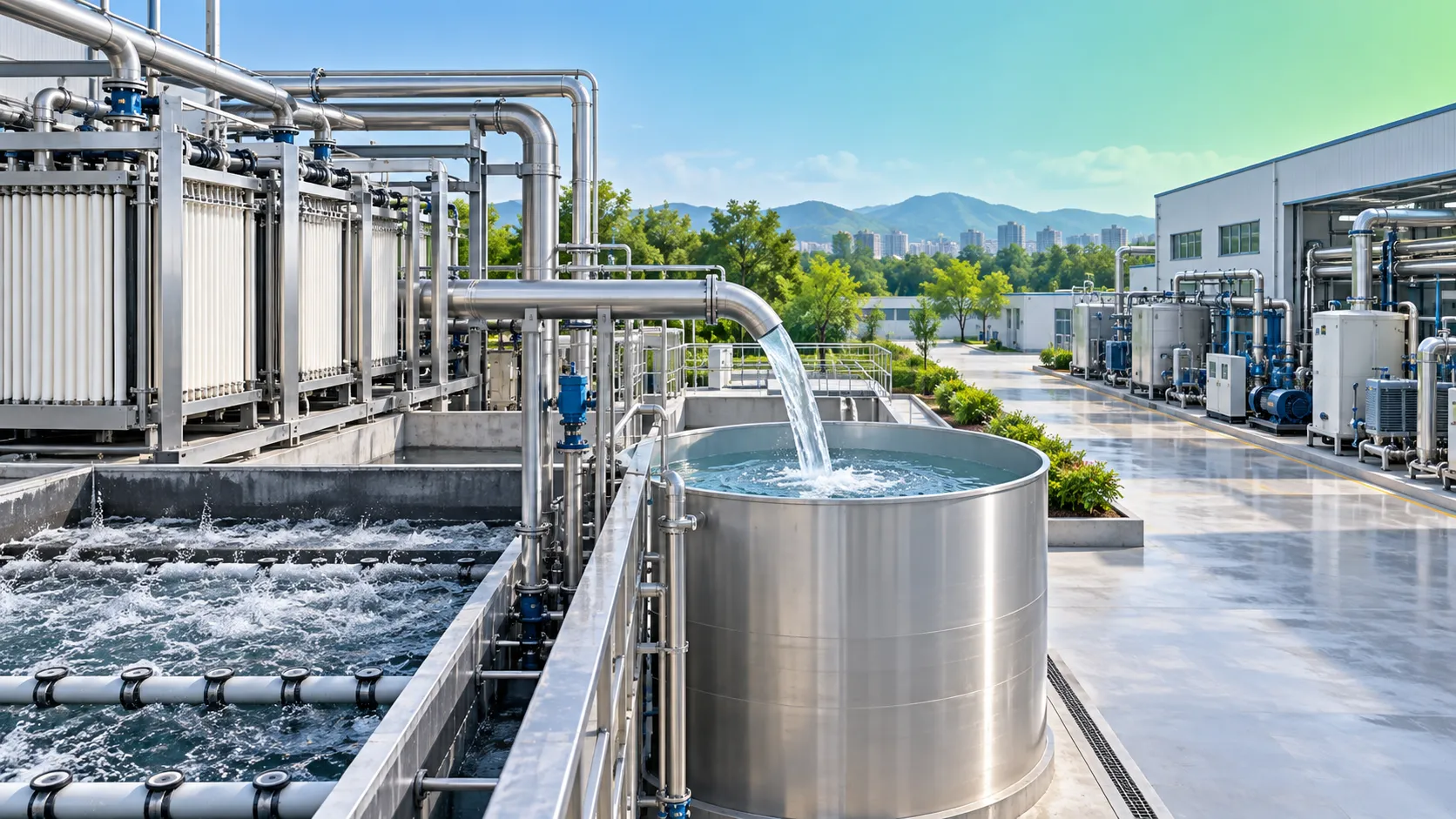
When does MBR equipment make sense for wastewater reuse?
Water treatment equipment for wastewater reuse: learn when MBR delivers compact, reliable low-solids effluent—and when alternative treatment trains offer better value.
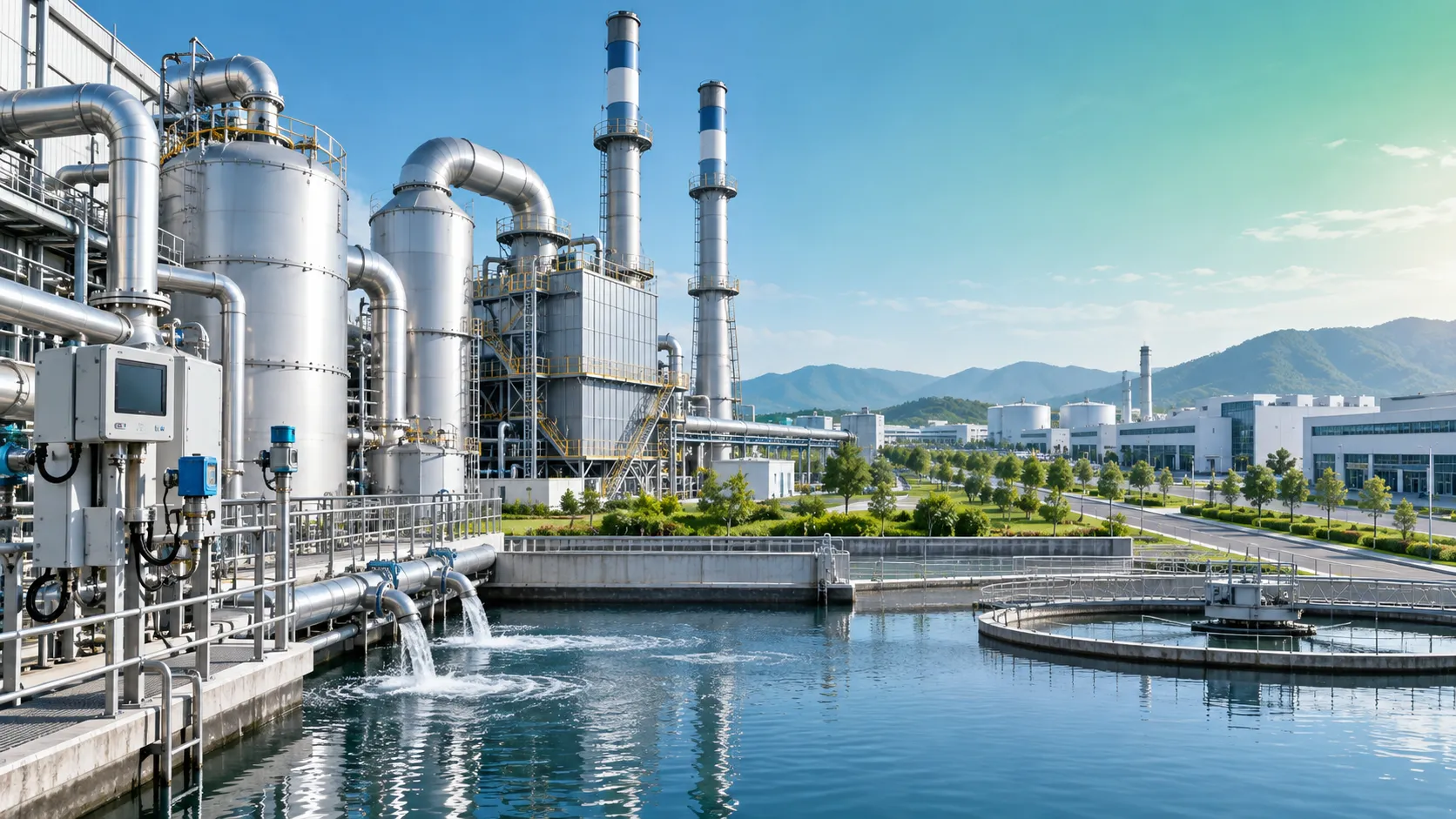
How North America shapes global environmental governance standards
Global environmental governance North America: discover how regulation, finance, and procurement raise worldwide standards and reshape environmental projects.
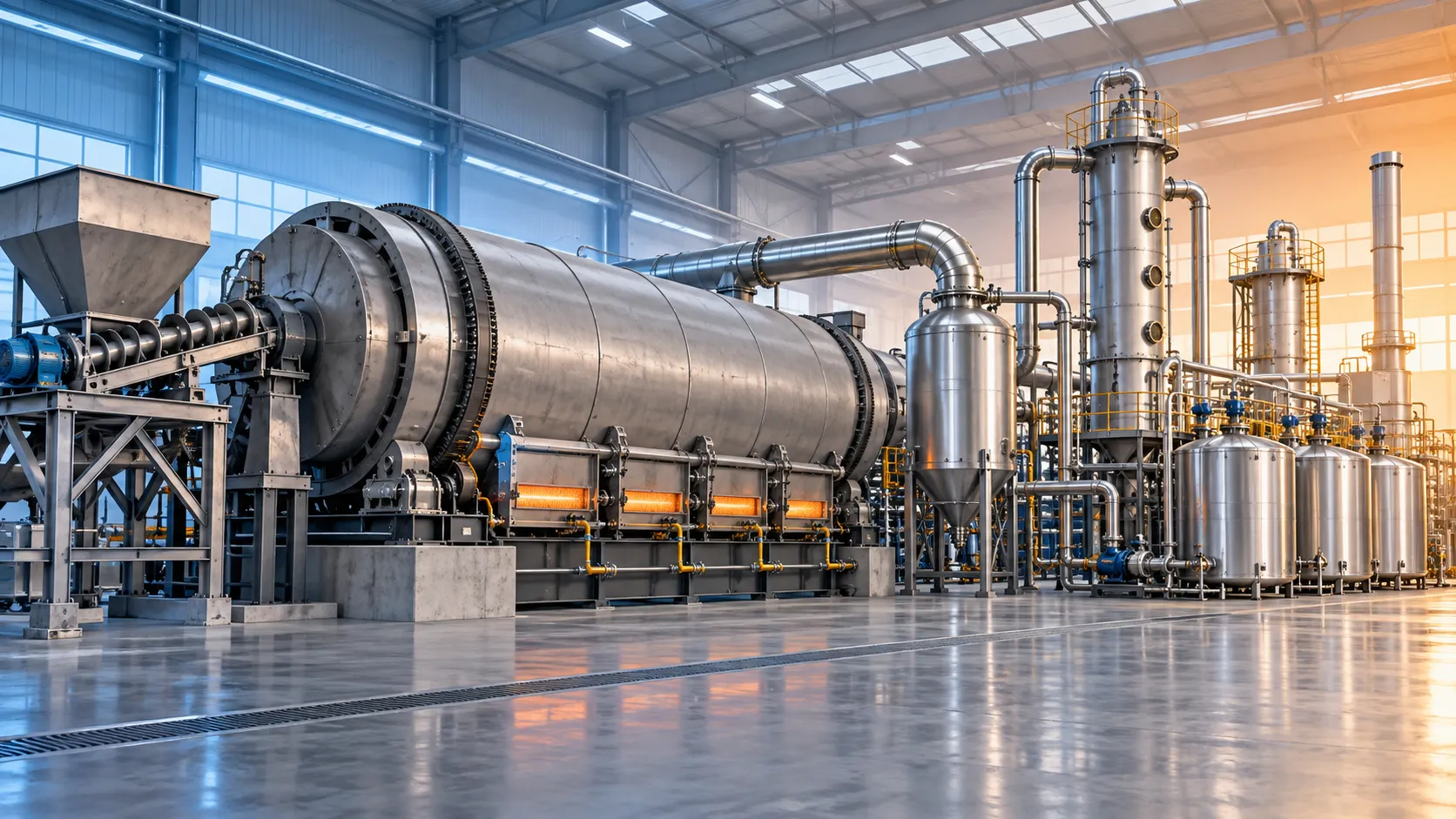
How reactor capacity affects throughput in pyrolysis systems
Pyrolysis systems reactor capacity explained: learn how heat transfer, residence time, feed quality, and emissions controls determine reliable throughput.
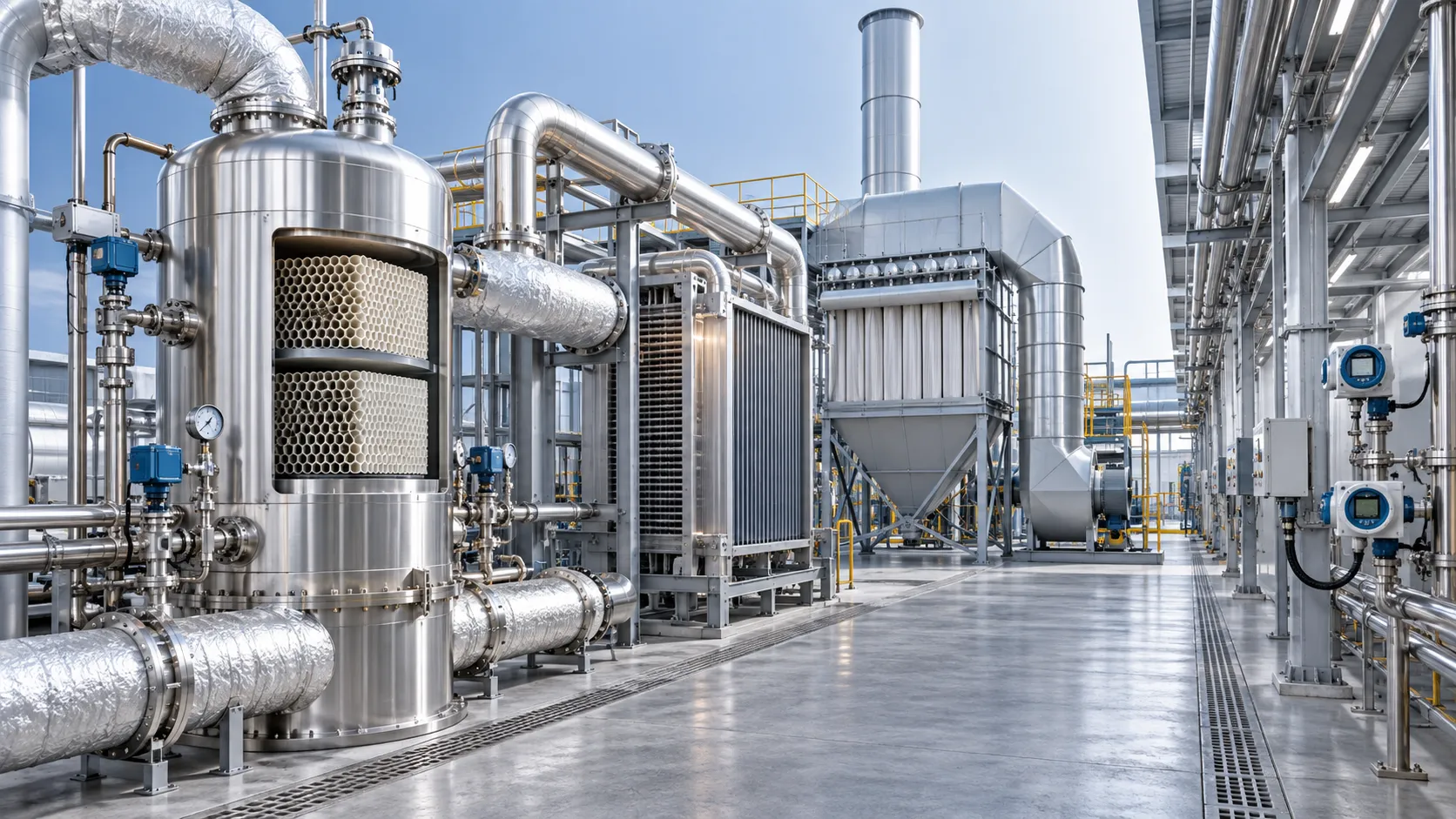
When low-temperature reaction equipment is the right fit for heat-sensitive processes
Low-temperature reaction equipment helps protect heat-sensitive streams, improve energy integration, and maintain reliable conversion. Explore key selection factors today.
When do water reuse systems deliver a practical payback?
Water reuse systems deliver practical payback when they cut water, discharge, and downtime costs. Learn how to match treatment, recovery, and reuse quality for lasting ROI.
When do ZLD systems for power generation justify their energy use?
ZLD systems for power generation: learn when energy-intensive water recovery delivers stronger compliance, resilience, and long-term value.