
Industry News
Curation by industry experts
Hot Articles
Popular Tags
Environmental Governance Solutions Cost: What Drives Total Project Spend
Environmental Governance Solutions Cost: What Drives Total Project Spend
For finance teams, environmental governance solutions cost is rarely just a vendor quote.
The real number forms through engineering depth, compliance pressure, energy demand, uptime expectations, and risk transfer.
That matters even more in water treatment, waste recovery, flue gas control, desalination, and nuclear waste management.
A cheaper front-end package can become a costly decision once utilities, maintenance, penalties, and retrofits start accumulating.
So the practical question is not only what the project costs today.
It is what drives total spend across approval, commissioning, operation, and regulatory scrutiny.
Why Environmental Governance Solutions Cost Varies So Widely
Environmental governance solutions cost changes sharply because project conditions are rarely standard.
The same discharge target may require very different treatment paths depending on influent quality, site conditions, and local permits.
More demanding feed streams usually mean more process stages, more automation, and more expensive materials.
In procurement reviews, this is where headline comparisons often become misleading.
Two proposals may look similar on capacity, yet carry very different lifecycle obligations.
- Treatment targets: lower emission limits raise capital and operating complexity.
- Influent variability: unstable inputs require buffers, redundancy, and stronger controls.
- Site constraints: retrofits, footprint limits, and corrosion exposure lift installation cost.
- Utility intensity: power, steam, chemicals, and water dominate long-run spending.
- Reliability needs: critical facilities pay more for resilience and uptime assurance.
The Core Cost Drivers Behind Total Project Spend
1. Process Complexity
Process design is usually the first major driver of environmental governance solutions cost.
A primary clarification line is not priced like a multi-stage ZLD system with membrane concentration and thermal evaporation.
Each extra step adds equipment, controls, commissioning hours, and interfaces that must be managed.
2. Compliance Thresholds
Tighter regulation directly reshapes cost structure.
Low-temperature SCR, advanced brine concentration, or radioactive containment systems exist because compliance margins are unforgiving.
That also means monitoring, data logging, and traceability become budget items, not optional add-ons.
3. Energy Consumption
From recent market shifts, energy has become one of the clearest signals in total project economics.
Desalination, thermal drying, incineration support systems, and high-pressure pumping can lock in large recurring costs.
A lower capital purchase may create a permanently higher utility bill.
4. Materials and Durability
Corrosive media, saline environments, abrasive solids, and hazardous residues demand better construction materials.
That may involve duplex stainless steel, specialty linings, high-performance membranes, or radiation-resistant barriers.
Upfront pricing rises, but failure risk falls.
5. Automation and Intelligence
Advanced control systems add cost, yet they often protect margins.
AI sorting lines, predictive maintenance tools, and remote compliance dashboards reduce manual error and improve throughput stability.
In many projects, intelligent control lowers the true environmental governance solutions cost over time.
CAPEX vs OPEX: The Cost Split That Changes Decisions
Many approvals fail because cost discussions stay focused on CAPEX only.
That approach is risky in environmental infrastructure, where OPEX can dominate over the asset life.
Chemicals, membrane replacement, sludge handling, catalyst turnover, specialist labor, and downtime all reshape total spend.
A disciplined procurement review should separate visible purchase cost from embedded operating commitments.
How Sector Type Changes Environmental Governance Solutions Cost
Not every environmental asset carries the same pricing logic.
The sector itself often determines what cost pressure becomes dominant.
Large Water Treatment Plants
Cost is shaped by flow volume, pollutant load, sludge treatment, and discharge standards.
Industrial wastewater projects usually cost more than municipal lines because influent chemistry is less predictable.
Solid Waste and Recovery Systems
Sorting accuracy, contamination rate, thermal process design, and recovered material value drive economics.
Here, environmental governance solutions cost should be assessed against both treatment duty and revenue recovery potential.
Flue Gas Treatment
Temperature profile, pollutant mix, reagent consumption, and emissions monitoring are major cost levers.
Retrofits inside operating heavy industry sites usually carry higher installation risk and contingency budgets.
Seawater Desalination
SWRO systems are highly sensitive to energy price, pretreatment quality, membrane fouling, and intake conditions.
That means lifecycle modeling matters more than nominal installed capacity.
Nuclear Waste Management
This segment carries the highest requirement for containment, documentation, redundancy, and long-term performance assurance.
As a result, environmental governance solutions cost includes a heavier premium for regulatory confidence and safety architecture.
Hidden Costs That Often Escape Early Budgets
In actual procurement work, hidden costs are where many budgets lose control.
They usually emerge after vendor selection, when design details become operational realities.
- Grid upgrades for power-hungry equipment
- Civil reinforcement and corrosion protection
- Operator training and certification requirements
- Digital reporting interfaces for regulators
- Spare parts inventory for critical-path components
- Waste byproduct transport and disposal contracts
- Performance testing extensions before final acceptance
Each item may look secondary, yet together they can materially alter environmental governance solutions cost.
A Practical Approval Framework for Better Cost Control
A stronger approval decision starts with better cost structure, not harder negotiation alone.
The goal is to test whether the quoted system is genuinely affordable under operating conditions.
- Request a full lifecycle cost model, not only equipment pricing.
- Stress-test utility assumptions under high energy and chemical price scenarios.
- Separate mandatory compliance features from optional performance upgrades.
- Check replacement cycles for membranes, catalysts, media, and high-wear parts.
- Assign a value to downtime, permit delay, and non-compliance exposure.
- Review vendor guarantees against actual influent variability and site conditions.
- Build contingency around interfaces, retrofits, and commissioning complexity.
This framework turns environmental governance solutions cost into a decision model, not a static number.
It also helps compare bids on economic substance rather than presentation style.
What Smart Buyers Should Focus On Next
The most useful way to read environmental governance solutions cost is through long-term control.
A strong project is not the one with the lowest initial quote.
It is the one that stays compliant, stable, and economically predictable under real operating pressure.
That is especially true where regulation is tightening and environmental liabilities are becoming more expensive.
In that context, the right question is simple.
Which solution gives the best balance of compliance certainty, operating resilience, and lifecycle efficiency?
Once that answer is clear, environmental governance solutions cost becomes far easier to approve with confidence.
Recommended News
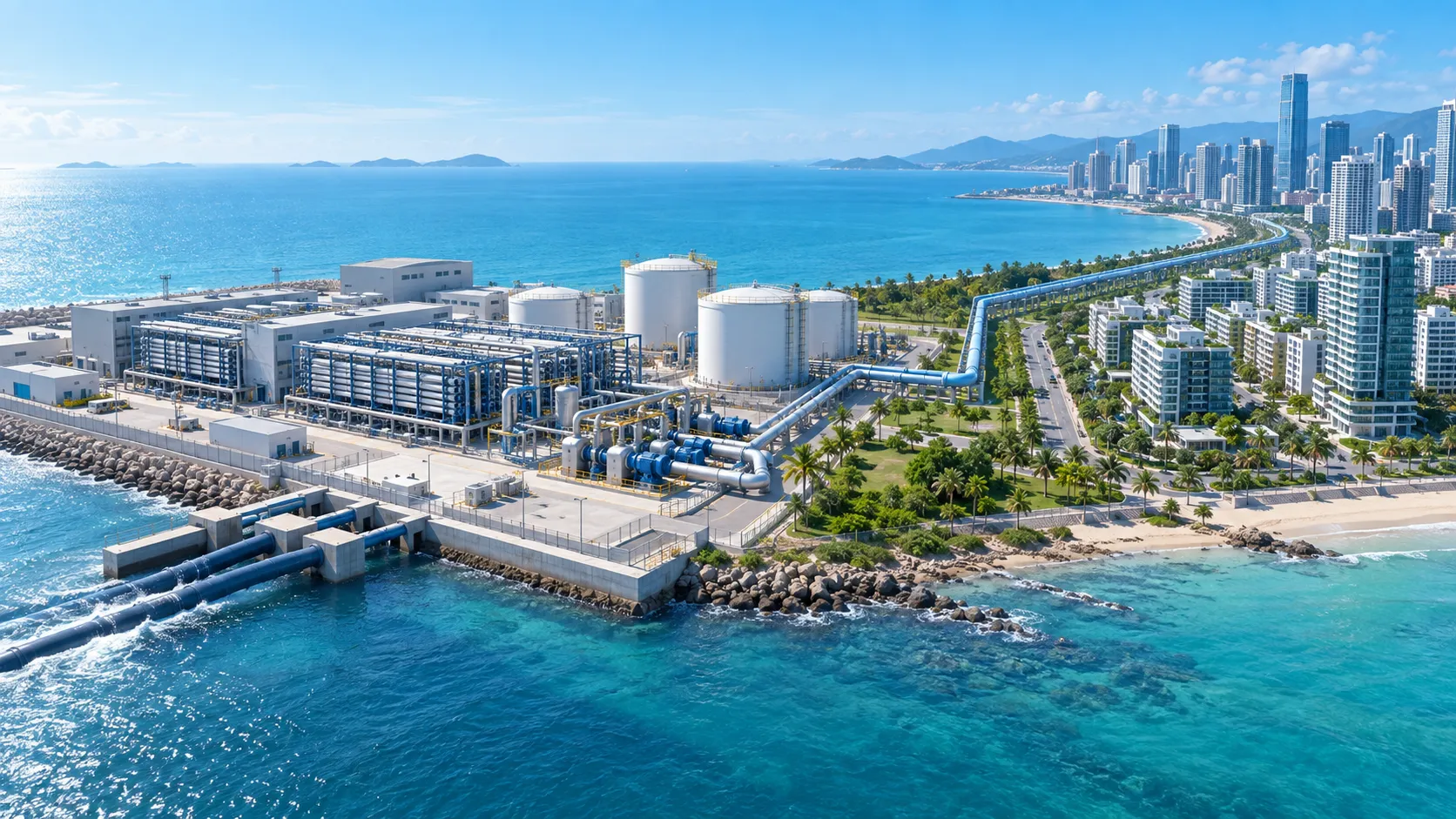
How coastal cities can select desalination solutions for peak demand
Seawater desalination solutions for coastal cities: compare firm peak capacity, intake risk, energy resilience, and lifecycle value to secure reliable water supply.
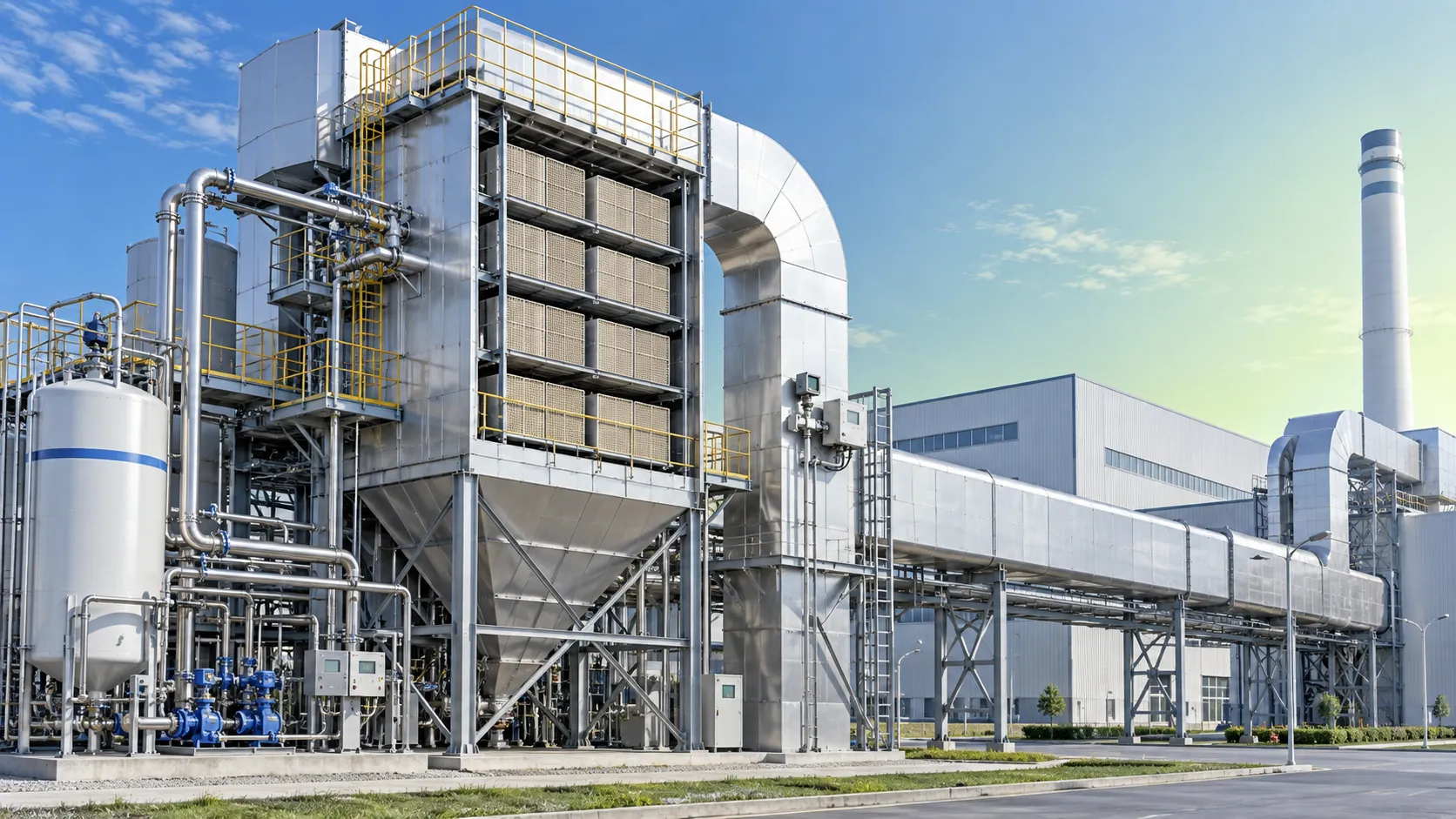
How SCR denitrification systems in Europe meet Industrial Emissions rules
SCR denitrification systems Europe: learn how permit-led design, ammonia-slip control, catalyst management and monitoring support Industrial Emissions compliance.
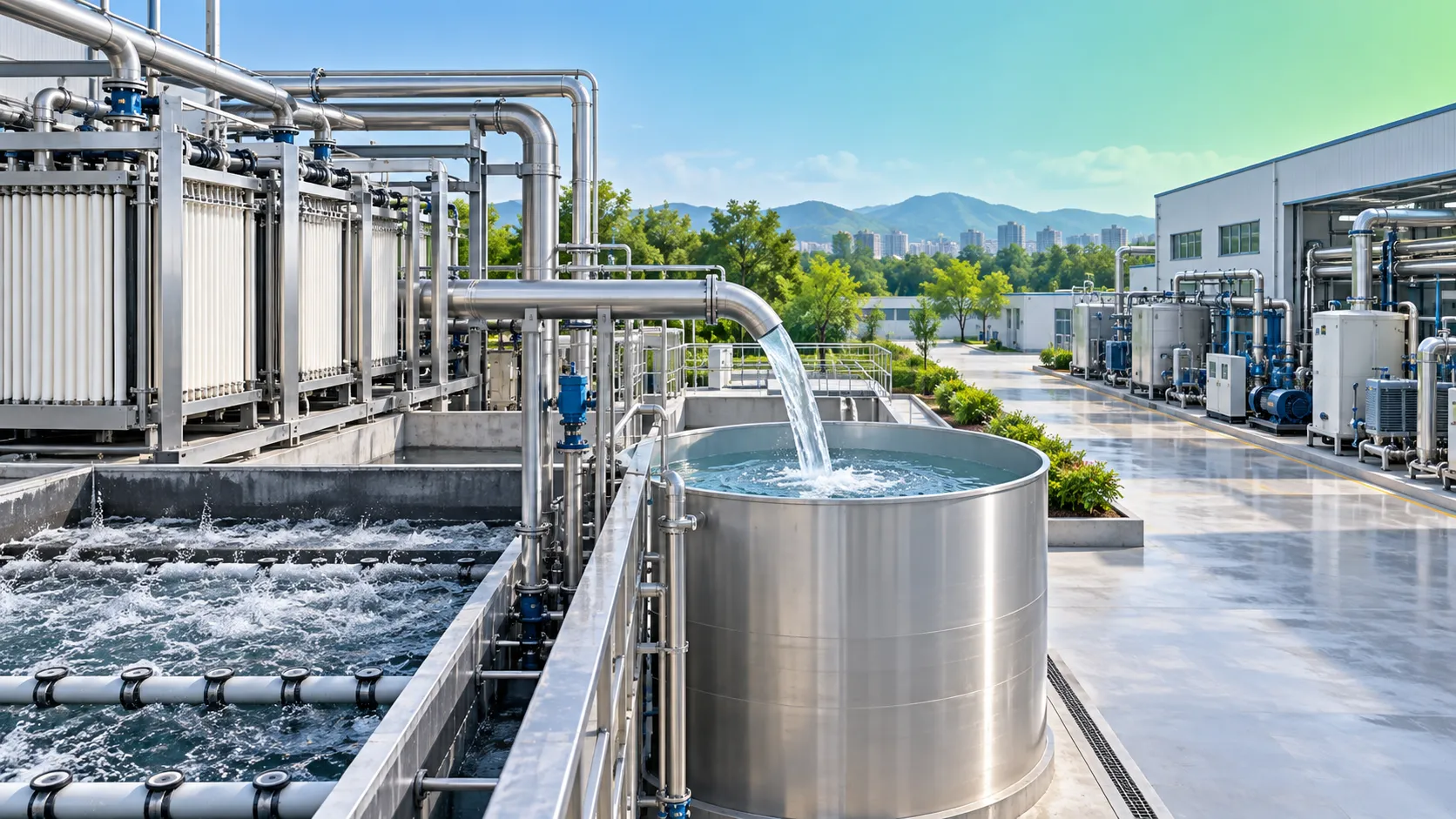
When does MBR equipment make sense for wastewater reuse?
Water treatment equipment for wastewater reuse: learn when MBR delivers compact, reliable low-solids effluent—and when alternative treatment trains offer better value.
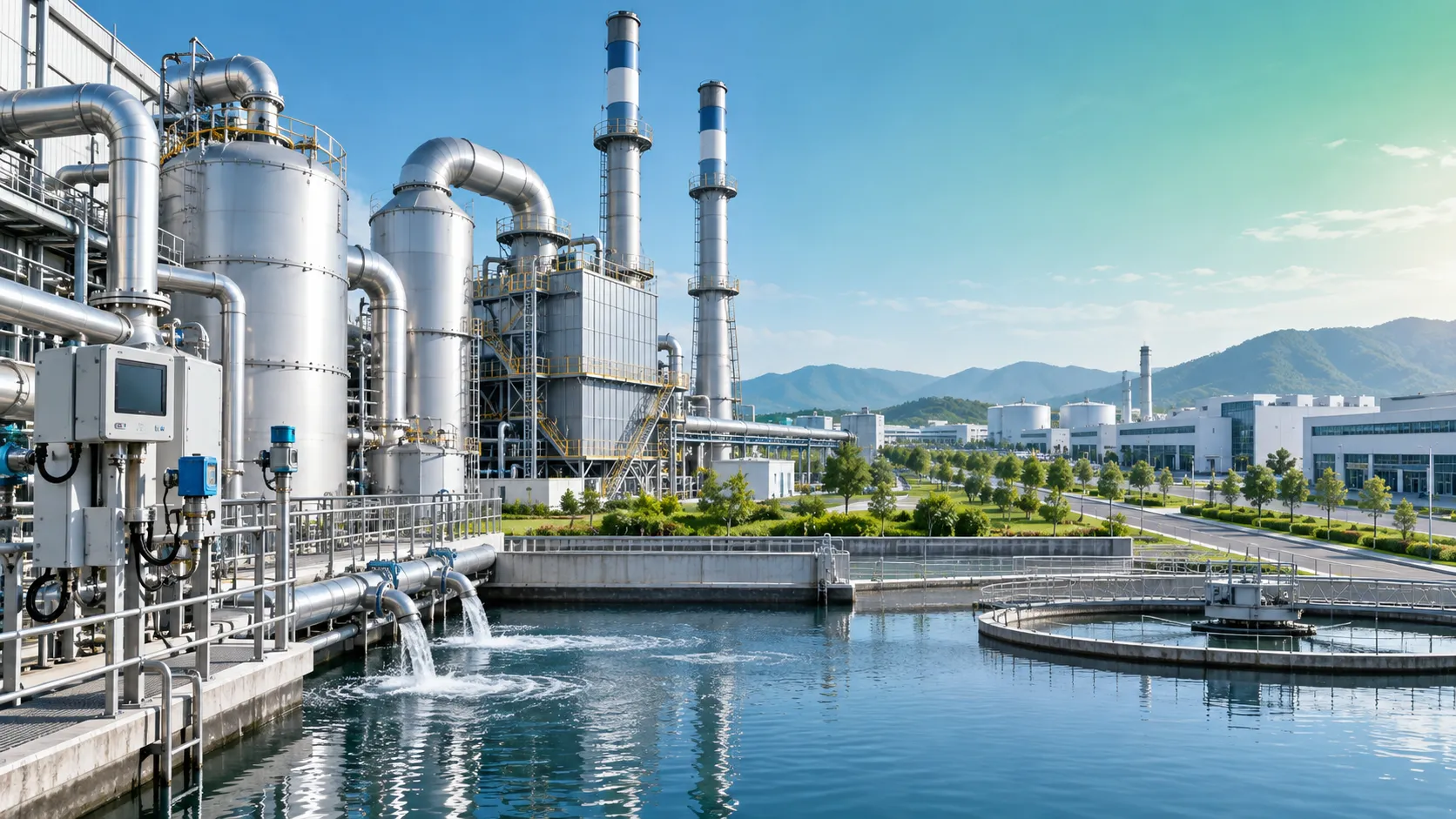
How North America shapes global environmental governance standards
Global environmental governance North America: discover how regulation, finance, and procurement raise worldwide standards and reshape environmental projects.
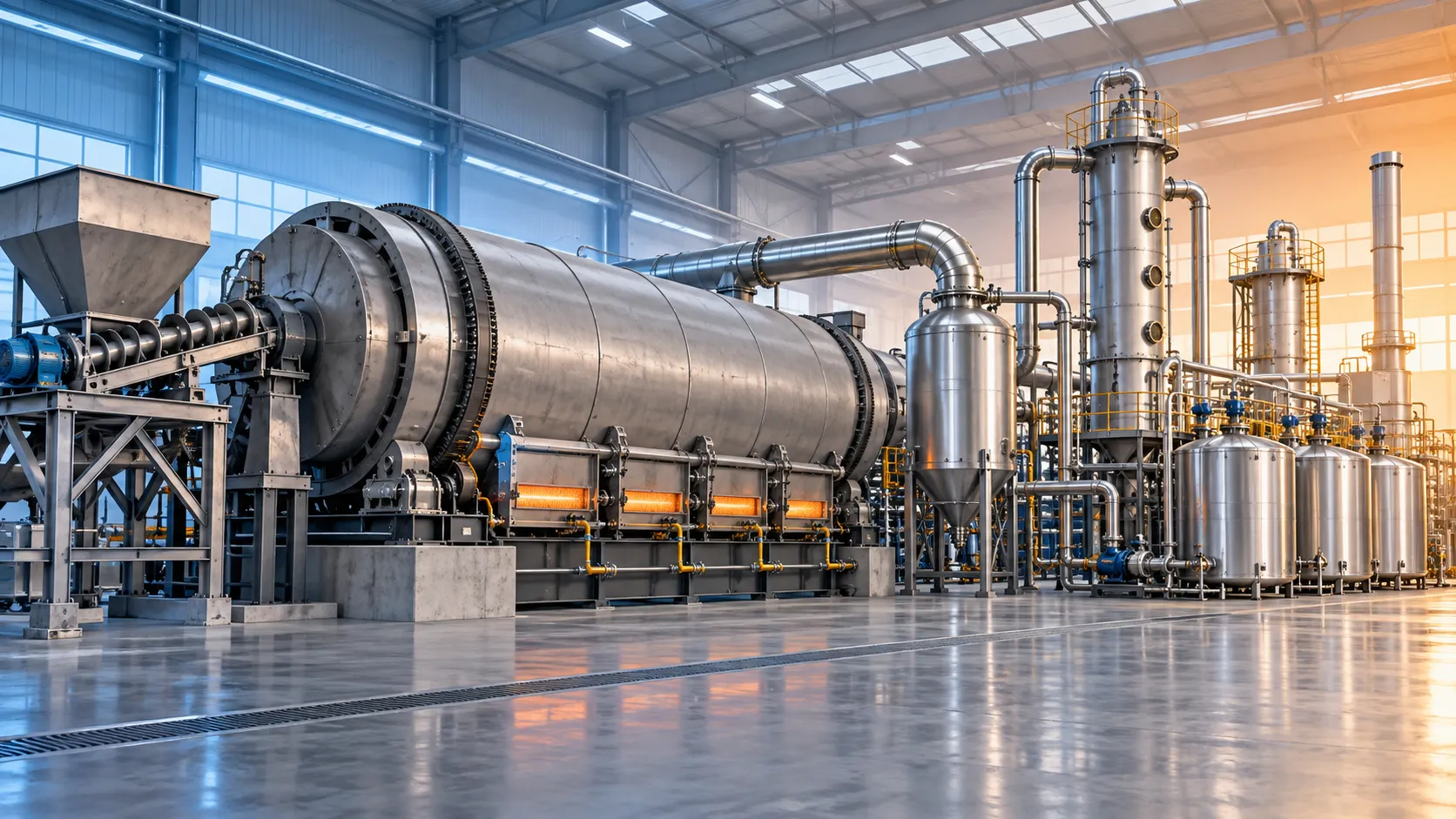
How reactor capacity affects throughput in pyrolysis systems
Pyrolysis systems reactor capacity explained: learn how heat transfer, residence time, feed quality, and emissions controls determine reliable throughput.
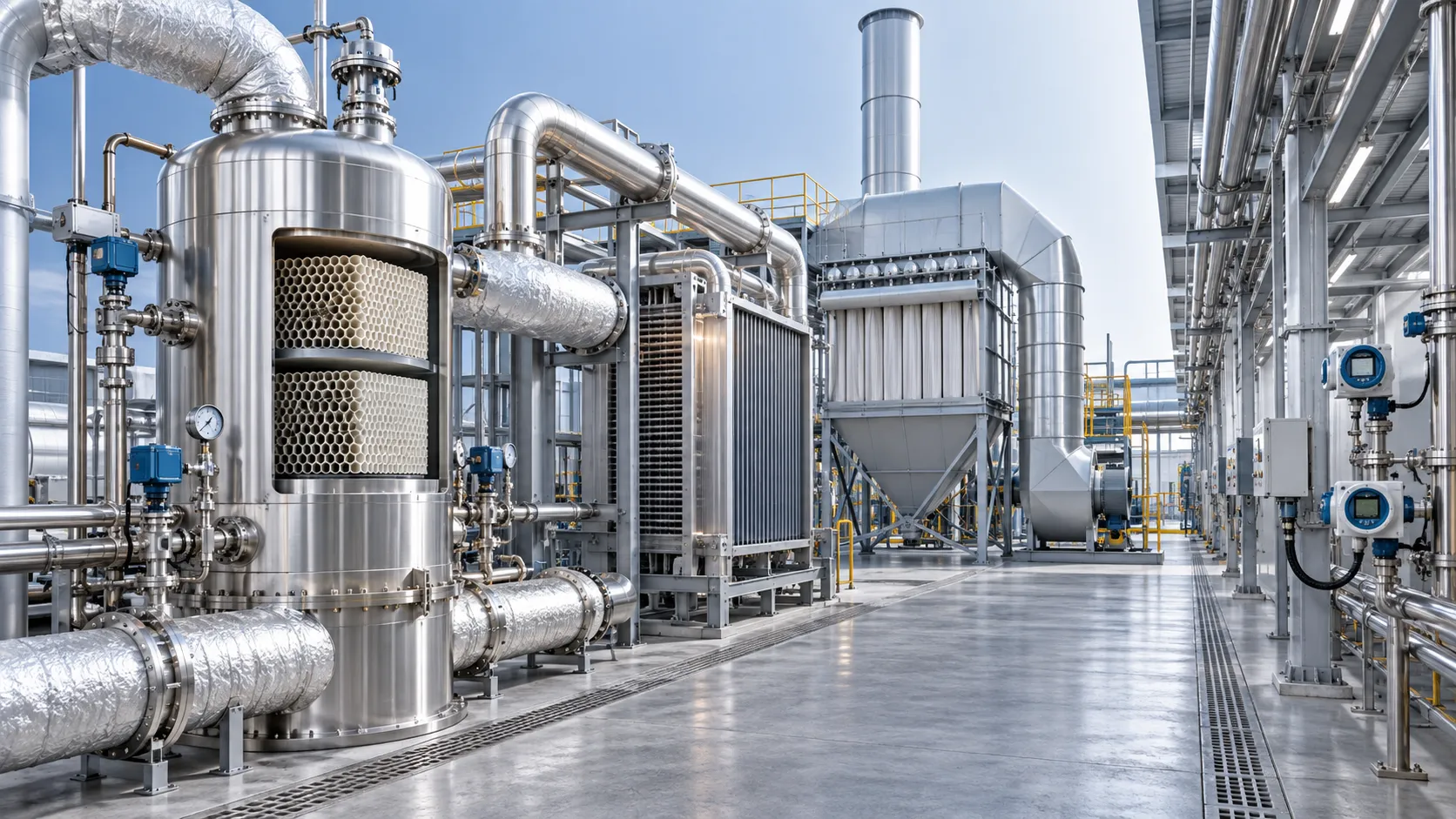
When low-temperature reaction equipment is the right fit for heat-sensitive processes
Low-temperature reaction equipment helps protect heat-sensitive streams, improve energy integration, and maintain reliable conversion. Explore key selection factors today.
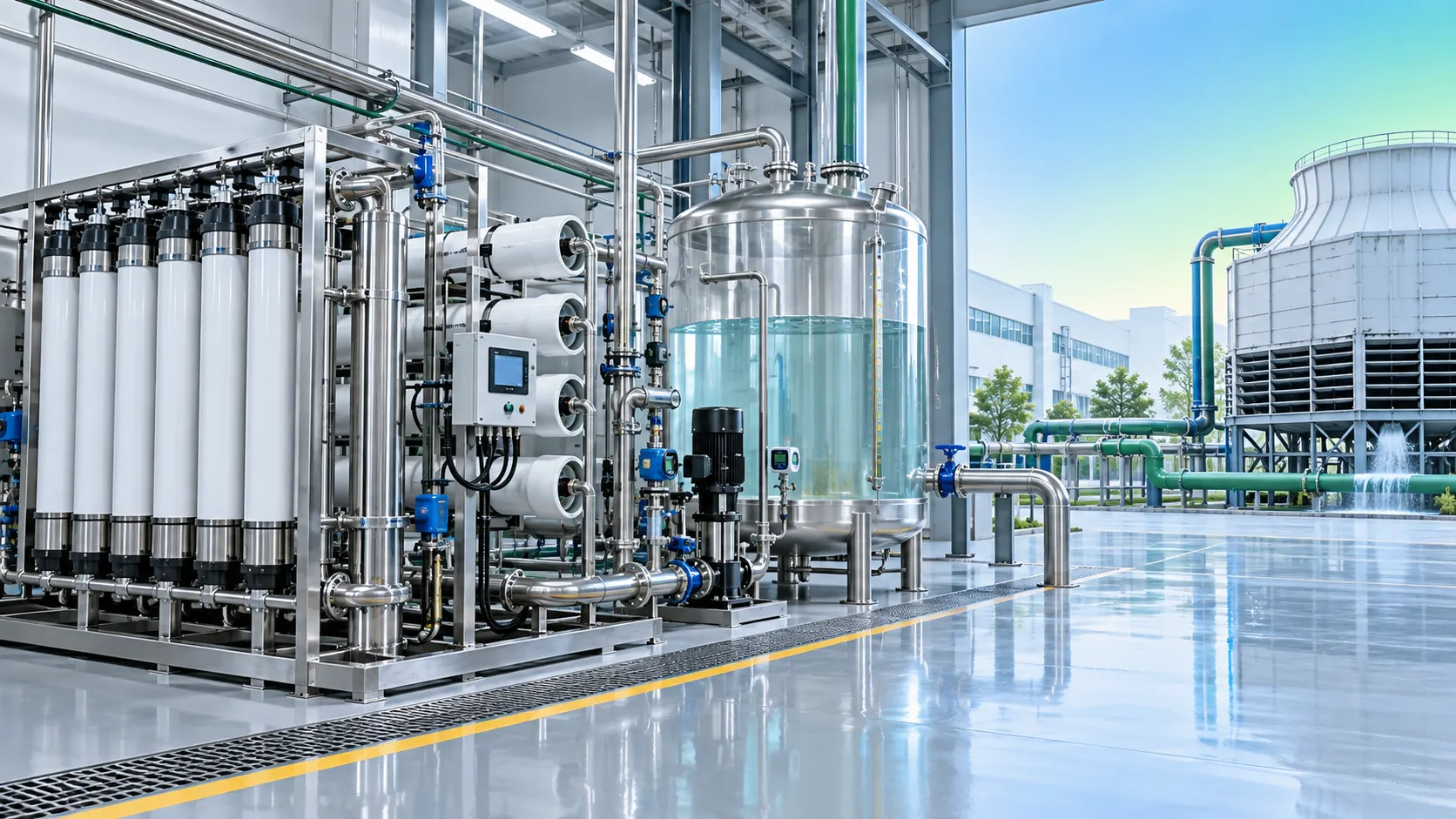
When do water reuse systems deliver a practical payback?
Water reuse systems deliver practical payback when they cut water, discharge, and downtime costs. Learn how to match treatment, recovery, and reuse quality for lasting ROI.
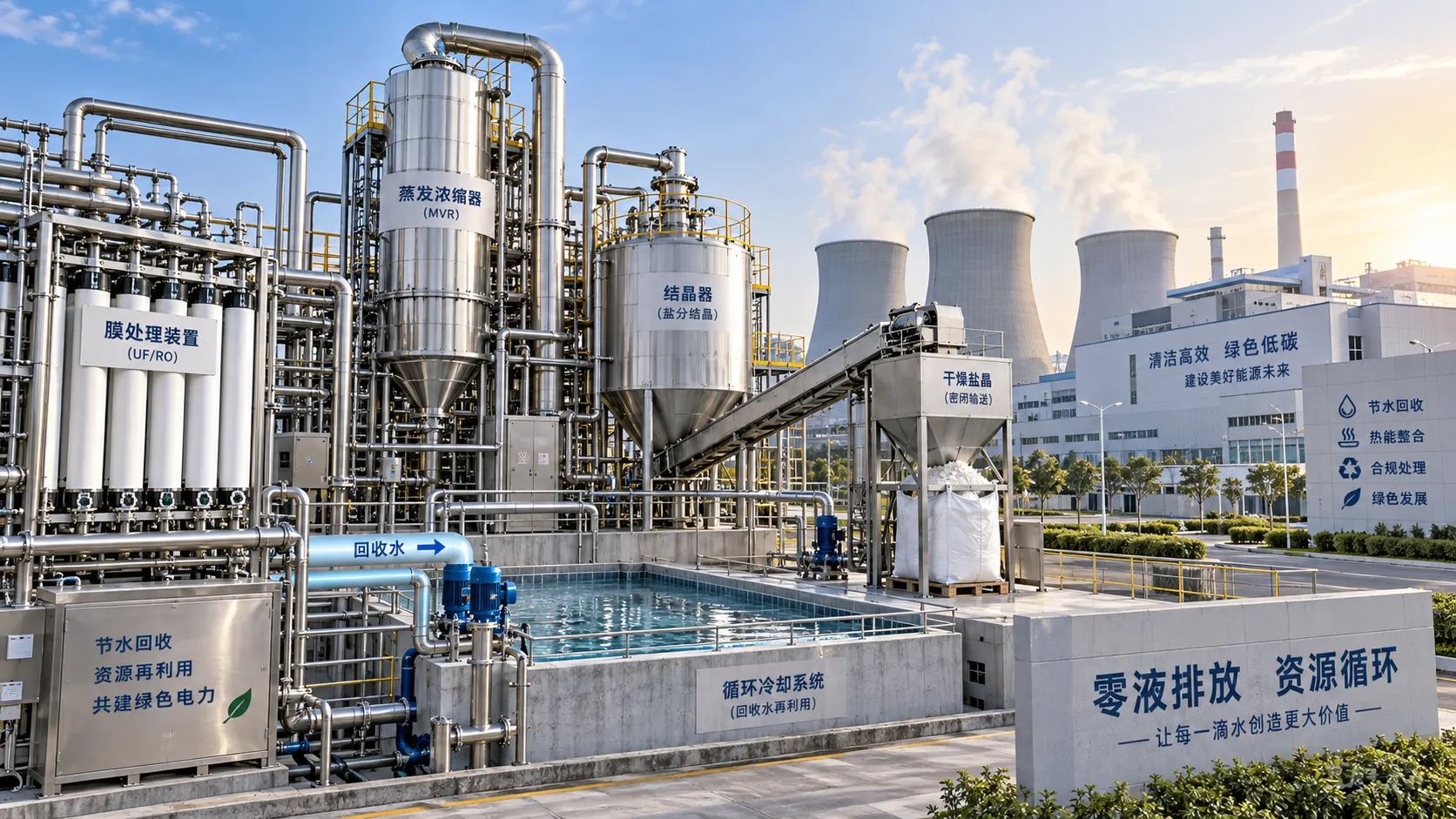
When do ZLD systems for power generation justify their energy use?
ZLD systems for power generation: learn when energy-intensive water recovery delivers stronger compliance, resilience, and long-term value.
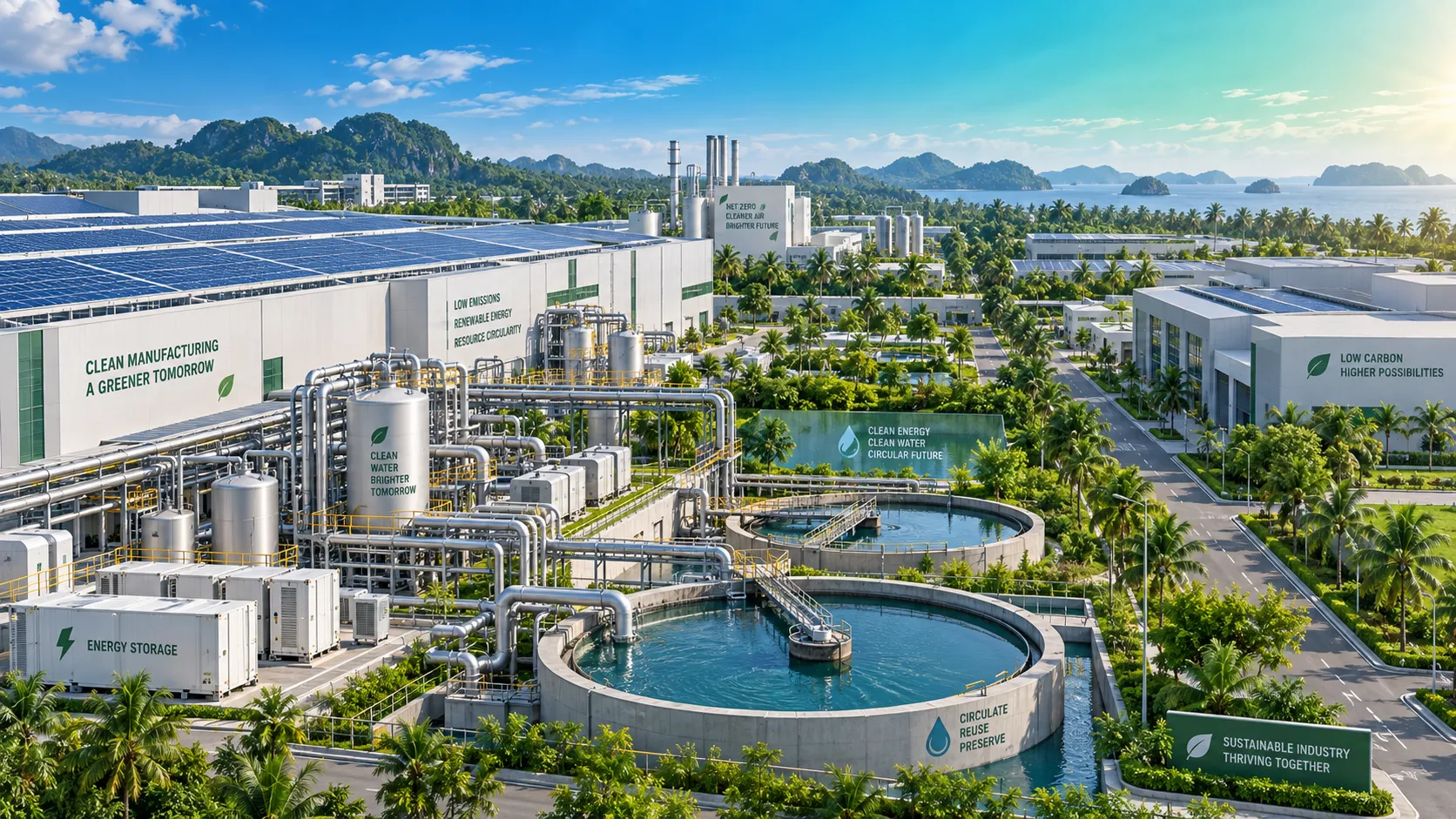
Which decarbonization pathways are most viable in Southeast Asia?
Decarbonization Southeast Asia: discover practical pathways for clean power, efficiency, electrification, circular recovery, and resilient industrial growth.