
Industry News
Curation by industry experts
Hot Articles
Popular Tags
AI Waste Sorting Systems for MRF: Where ROI Is Improving in 2026
Material recovery facilities are entering 2026 under sharper economic pressure. Commodity volatility remains real, contamination limits are tighter, and labor instability still affects uptime. In that setting, AI waste sorting systems for MRF are no longer judged mainly as innovation projects. They are being evaluated as operating assets with a measurable effect on yield, purity, staffing resilience, and compliance performance.
That shift matters across the broader environmental equipment landscape tracked by ESD. Solid waste recovery is no longer an isolated plant issue. It sits inside a larger industrial logic that connects circular resource value, carbon policy, infrastructure reliability, and the economics of high-performance environmental systems.
Why ROI is becoming easier to defend
The investment case for AI waste sorting systems for MRF has improved because buyers now have better data on where returns actually come from. Early deployments often centered on broad automation narratives. Current decisions are more specific.
Returns are improving where four conditions meet. The line must process enough volume, the target fraction must have real downstream value, manual sorting pressure must be significant, and contamination penalties must be visible in commercial terms.
In practice, this means the strongest cases are not always the most technologically ambitious ones. They are often the lines where AI improves a known bottleneck, such as missed recovery, unstable bale quality, or dependence on hard-to-staff picking stations.
What AI waste sorting systems for MRF actually do
At the core, AI waste sorting systems for MRF combine sensor hardware, machine vision, recognition models, and automated ejection or robotic picking. The goal is not just seeing material. The goal is sorting it correctly at industrial speed.
Systems may identify PET, HDPE, PP, fiber grades, film, cartons, metals, or specific contaminants. More advanced configurations classify by object form, label type, color, food residue profile, or pack format.
That matters because MRF economics depend on fraction quality, not only gross tonnage. A line that recovers more material but produces unstable output may still underperform financially. AI becomes valuable when better recognition translates into cleaner, more consistent saleable streams.
Where the strongest 2026 opportunities are appearing
Not every sorting application delivers the same payback. The areas showing better ROI in 2026 tend to share a direct link between detection accuracy and commercial value capture.
High-volume container lines
Container streams remain one of the clearest use cases. Small gains in PET or HDPE capture can be material at scale. The same is true for reducing cross-contamination that downgrades bales.
Fiber quality control
Mixed paper and OCC lines benefit when AI identifies non-fiber contaminants earlier. This is increasingly important where mills are demanding tighter inbound quality and moisture-adjusted value is under pressure.
Film and flexible packaging recovery
Flexible materials remain operationally difficult. AI systems do not solve mechanical handling limitations alone, but they can improve recognition and targeted removal enough to support more stable recovery programs.
Residue reduction before disposal
In some facilities, the return does not come from premium commodity sales. It comes from pulling recoverable value out of residue, reducing landfill cost exposure, and improving reported diversion performance.
The financial logic behind adoption
A realistic ROI model for AI waste sorting systems for MRF should include more than labor substitution. That remains relevant, but it is usually only one part of the value stack.
The stronger models combine several effects at once: higher capture, fewer false rejects, cleaner outbound grades, reduced overtime, lower safety exposure at manual stations, and better reporting for regulators or municipal counterparties.
This is where ESD’s broader systems view becomes useful. In environmental infrastructure, the best assets are rarely justified by one metric. They are justified by how they stabilize the whole process under tighter compliance and cost constraints.
For MRFs, that means evaluating AI as part of the line architecture, not as an isolated device purchase. Recognition performance, conveyor loading, air system stability, upstream screening, and downstream market specifications all affect final returns.
What usually separates good projects from weak ones
A common mistake is assuming that better detection accuracy automatically means better economics. In reality, project quality depends on whether the facility can convert recognition into recoverable value at scale.
- Material composition should be measured over time, not inferred from occasional audits.
- Throughput assumptions need to reflect real shift conditions, not peak nameplate rates.
- Commodity value should be modeled by grade, not by average blended price.
- Maintenance, model retraining, and sensor cleaning must be included in operating cost.
- The offtake side should confirm that purity improvements will actually be paid for.
Another issue is over-automation. Some facilities add AI in positions where mechanical improvements would deliver a faster return. Others underinvest in data integration, then fail to prove the system’s contribution.
The best projects are disciplined. They start from a line problem, quantify the value leak, and match the AI tool to that specific loss mechanism.
Compliance, reporting, and strategic value
The case for AI waste sorting systems for MRF is also expanding beyond plant-level efficiency. Regulators, municipalities, brand-linked recovery programs, and circular economy investors all want better evidence of material outcomes.
AI-enabled systems can strengthen traceability around composition, reject rates, and captured fractions. That supports contract discussions and makes performance claims more defensible.
This aligns with the intelligence priorities seen across ESD’s coverage areas. Whether the subject is desalination, flue gas treatment, or recycling lines, capital is moving toward systems that combine technical performance with verifiable compliance value.
In the MRF context, that can influence franchise negotiations, public procurement scoring, financing terms, and long-horizon infrastructure planning. The technology matters, but so does the ability to document what it improves.
How to assess the next move
For 2026 planning, the practical question is not whether AI belongs in waste sorting. The more useful question is where AI waste sorting systems for MRF can deliver the cleanest combination of operational and commercial gains.
A disciplined review usually starts with three checkpoints. First, identify the material stream where value leakage is most persistent. Second, test whether purity or recovery gains will be monetized. Third, confirm that the line can sustain the required throughput and maintenance discipline.
After that, compare vendors and configurations through plant-specific evidence. Focus on recognition performance under local feedstock conditions, false positive behavior, integration demands, uptime support, and reporting quality.
The most credible investments in AI waste sorting systems for MRF are no longer speculative. They are the projects grounded in line data, downstream market reality, and a clear understanding of where environmental compliance and circular value now intersect.
That is the right place to continue the analysis: map the highest-cost sorting inefficiencies, test them against current material value and policy exposure, and use those findings to build a narrower, evidence-based automation roadmap.
Recommended News
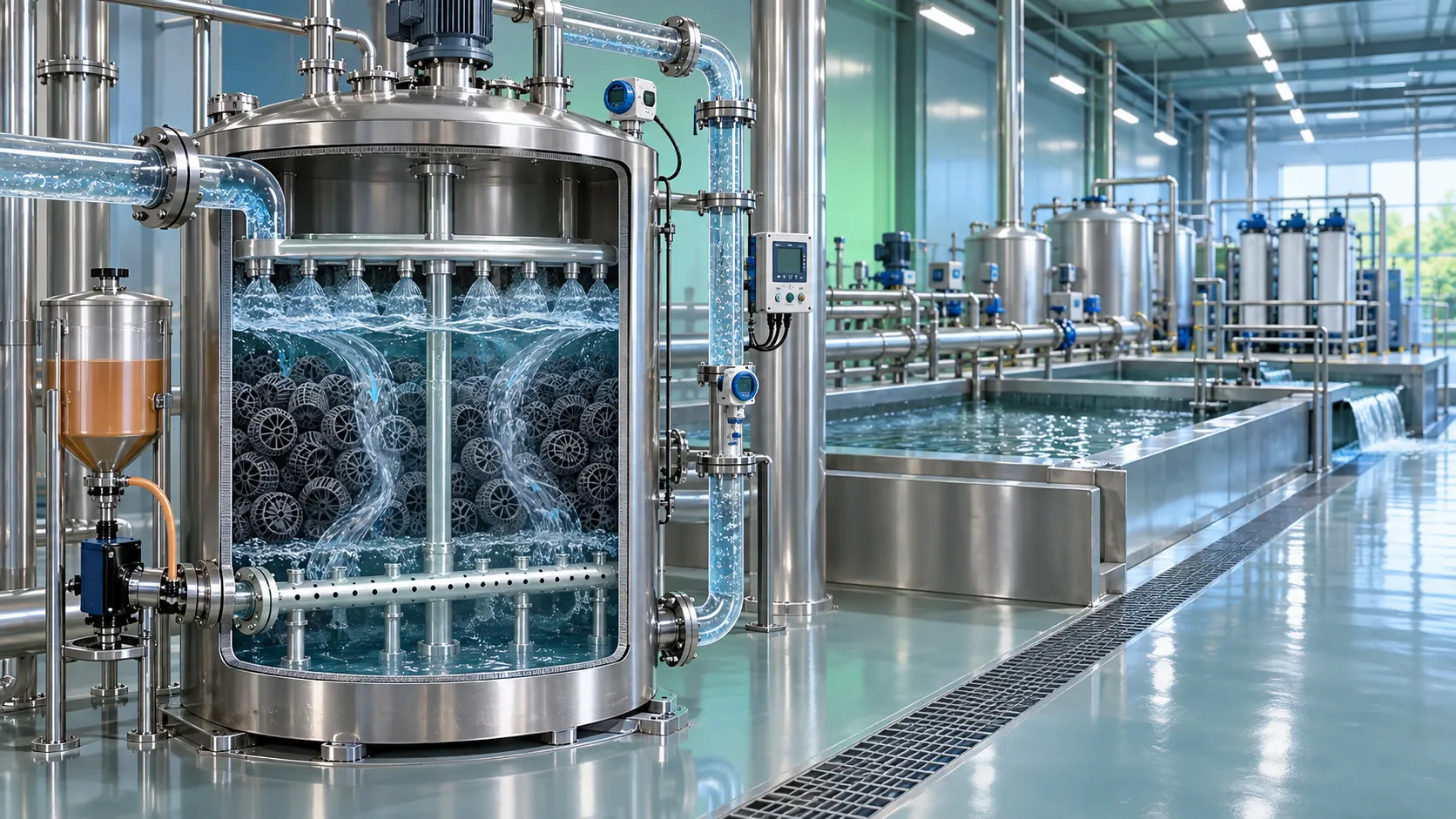
How reactor retention time affects denitrification equipment performance
Denitrification equipment reactor performance depends on retention time, carbon, mixing, and load control. Explore practical insights for reliable nitrogen removal.
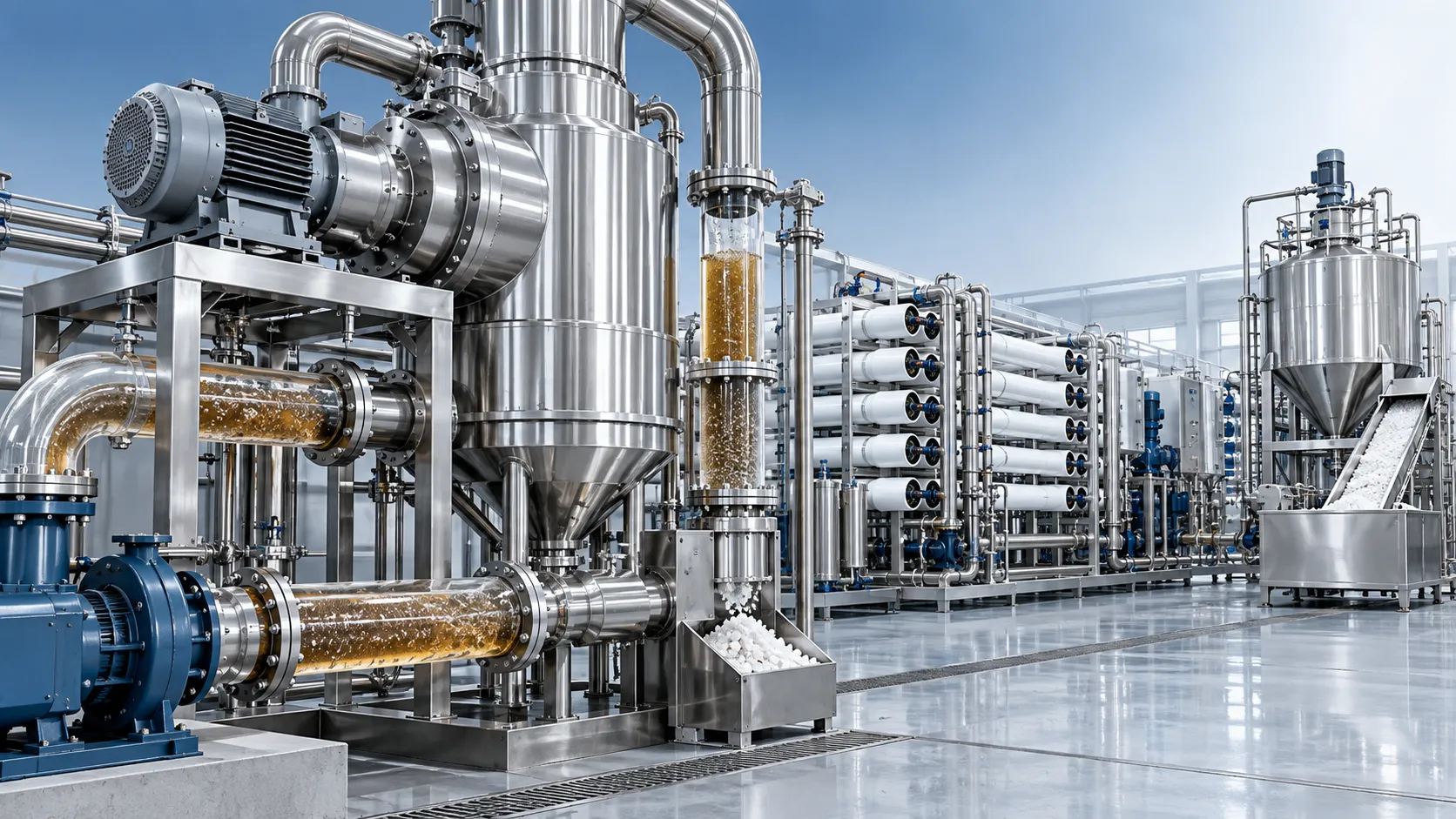
How feed salinity affects energy use in ZLD system brine treatment
ZLD system brine treatment: discover how feed salinity drives energy use, scaling risk, and technology choices for efficient, reliable zero liquid discharge.

How coastal cities can select desalination solutions for peak demand
Seawater desalination solutions for coastal cities: compare firm peak capacity, intake risk, energy resilience, and lifecycle value to secure reliable water supply.
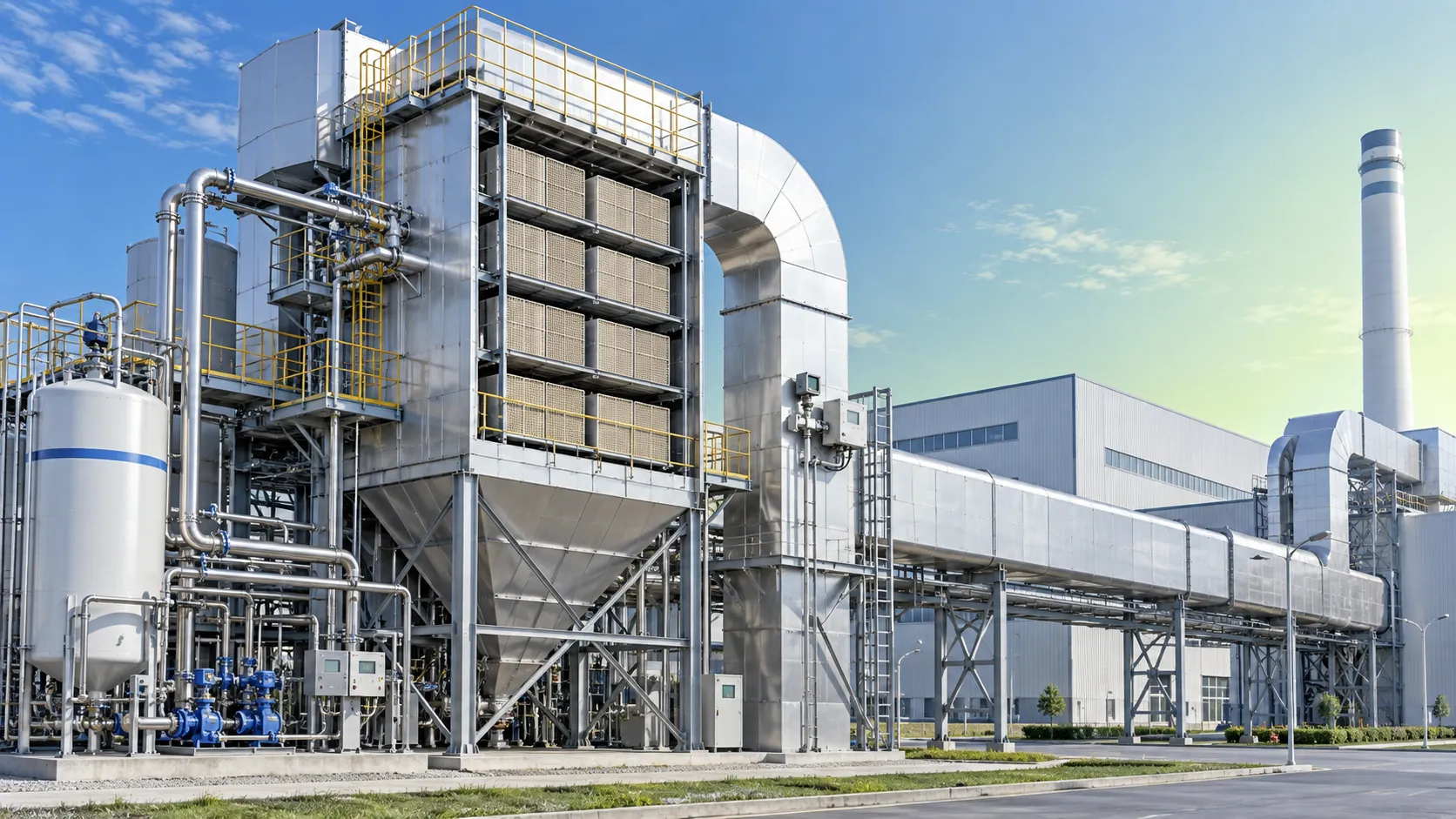
How SCR denitrification systems in Europe meet Industrial Emissions rules
SCR denitrification systems Europe: learn how permit-led design, ammonia-slip control, catalyst management and monitoring support Industrial Emissions compliance.
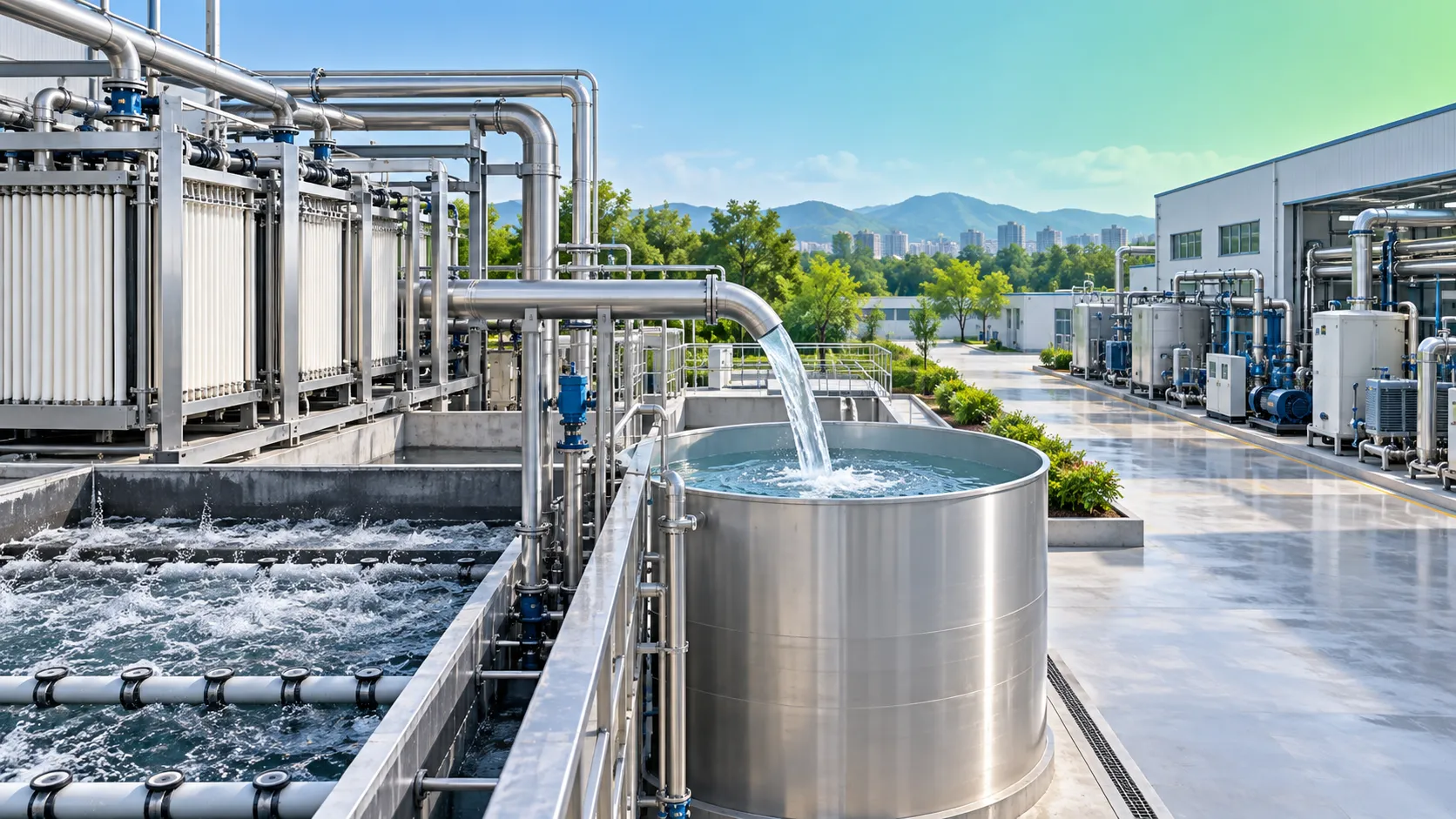
When does MBR equipment make sense for wastewater reuse?
Water treatment equipment for wastewater reuse: learn when MBR delivers compact, reliable low-solids effluent—and when alternative treatment trains offer better value.

How North America shapes global environmental governance standards
Global environmental governance North America: discover how regulation, finance, and procurement raise worldwide standards and reshape environmental projects.
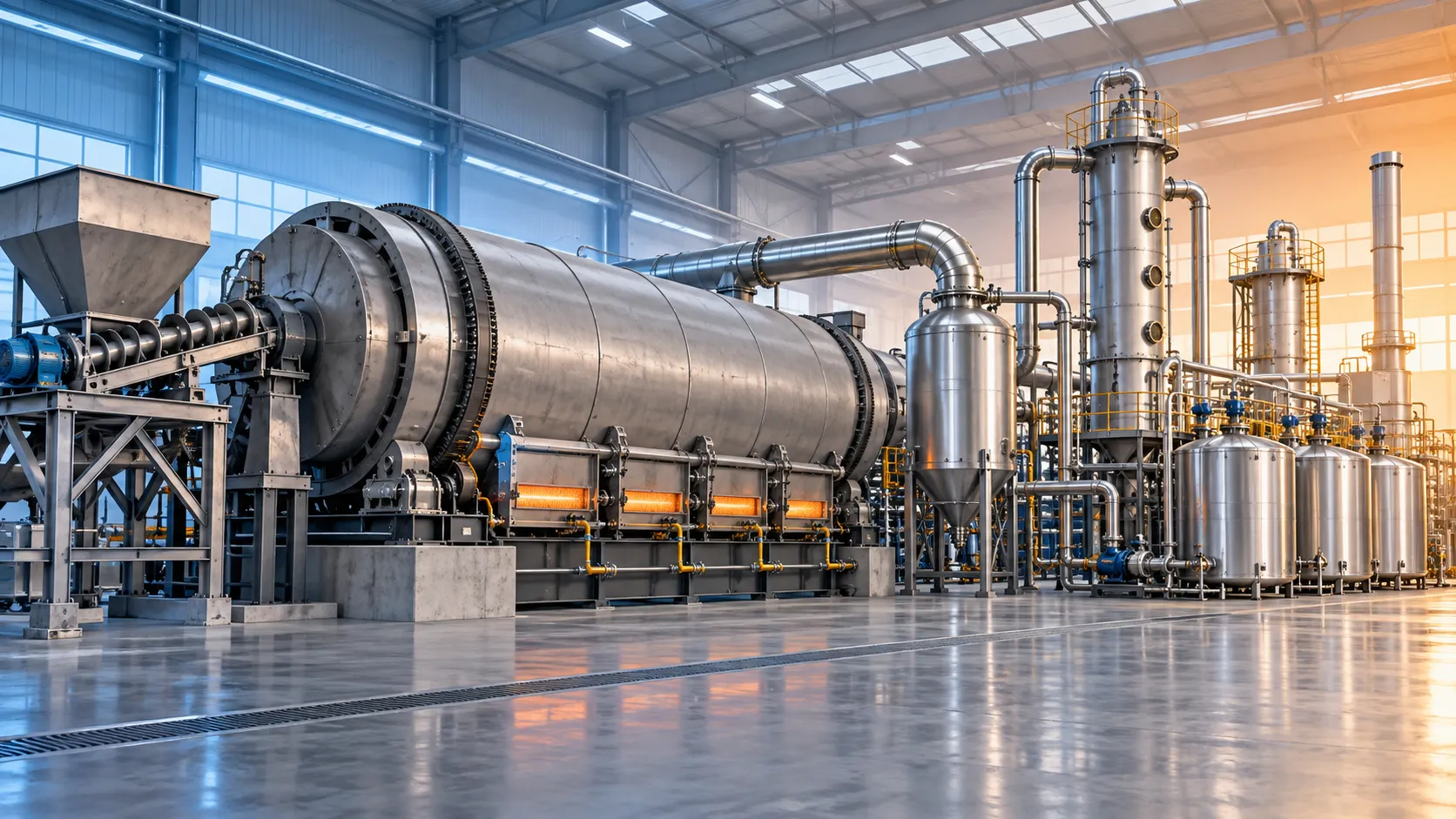
How reactor capacity affects throughput in pyrolysis systems
Pyrolysis systems reactor capacity explained: learn how heat transfer, residence time, feed quality, and emissions controls determine reliable throughput.
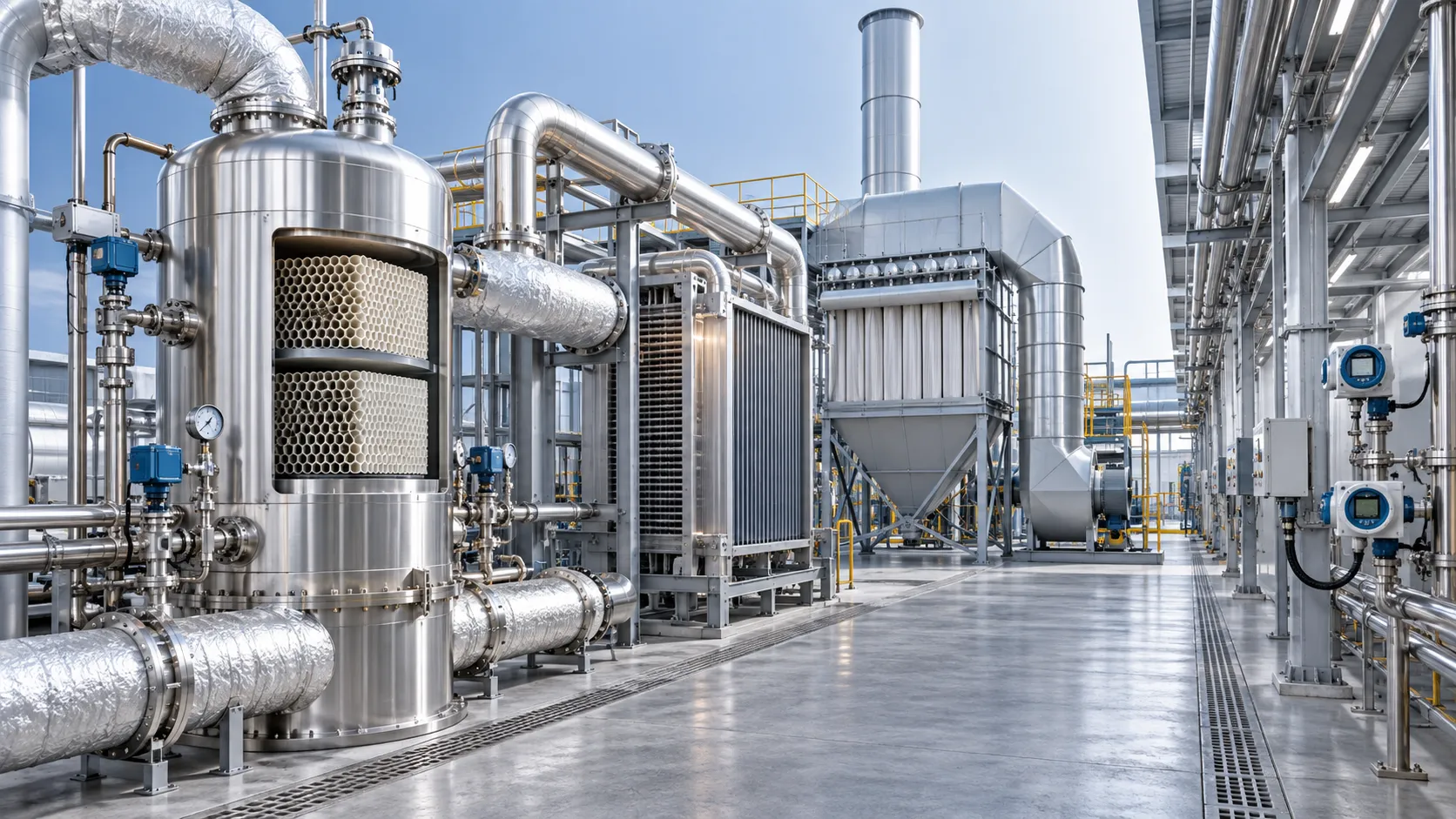
When low-temperature reaction equipment is the right fit for heat-sensitive processes
Low-temperature reaction equipment helps protect heat-sensitive streams, improve energy integration, and maintain reliable conversion. Explore key selection factors today.
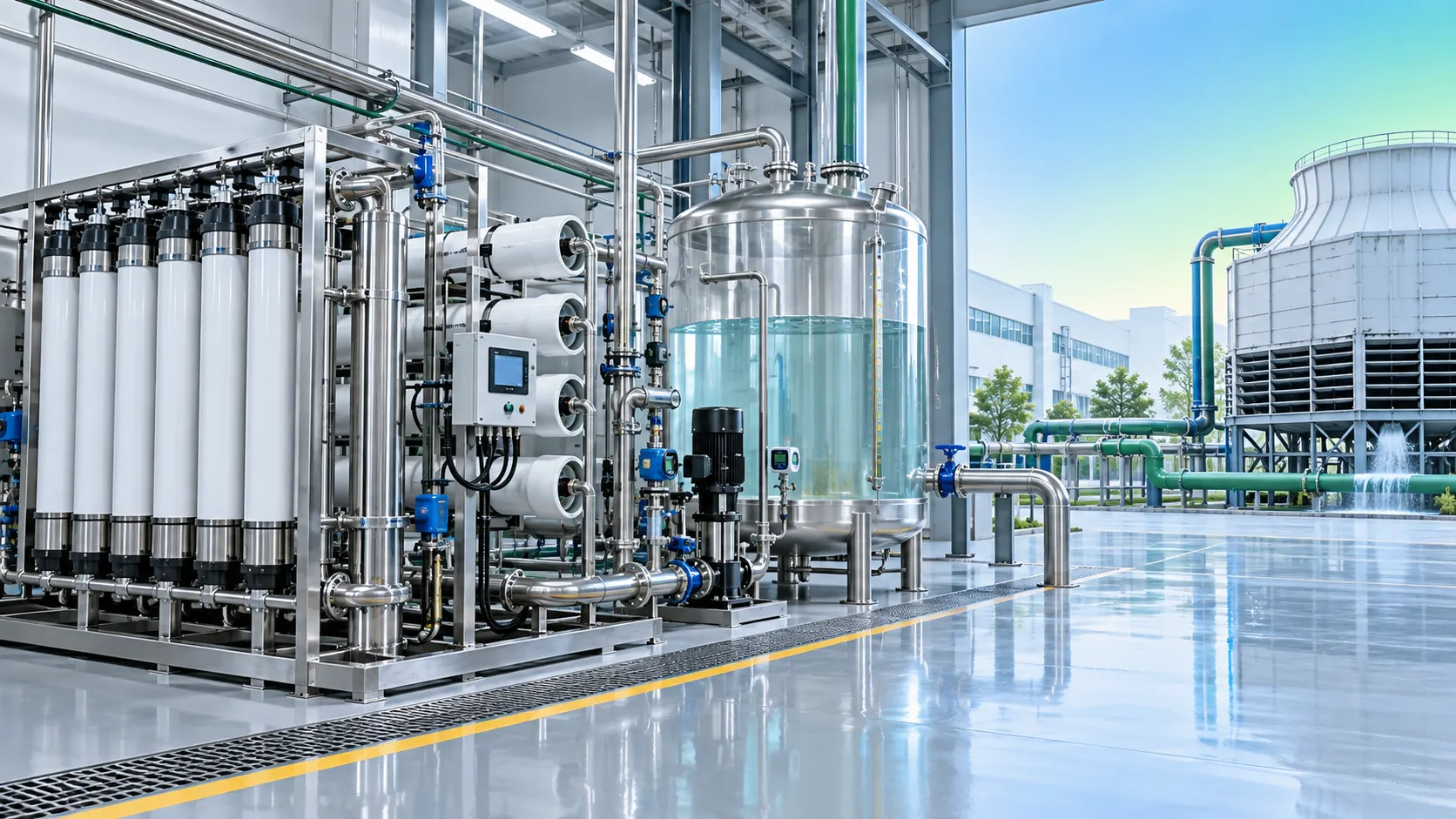
When do water reuse systems deliver a practical payback?
Water reuse systems deliver practical payback when they cut water, discharge, and downtime costs. Learn how to match treatment, recovery, and reuse quality for lasting ROI.